Items Similar to Japanese Antique Wabi-Sabi Wood Board 1860s-1900s / Wall Decoration
Want more images or videos?
Request additional images or videos from the seller
1 of 19
Japanese Antique Wabi-Sabi Wood Board 1860s-1900s / Wall Decoration
$720
$1,30044% Off
£544.24
£982.6544% Off
€624.26
€1,127.1444% Off
CA$1,003.71
CA$1,812.2544% Off
A$1,092.62
A$1,972.7944% Off
CHF 579.96
CHF 1,047.1644% Off
MX$13,146.57
MX$23,736.8644% Off
NOK 7,348.92
NOK 13,268.8844% Off
SEK 6,733.69
SEK 12,158.0544% Off
DKK 4,661.95
DKK 8,417.4144% Off
About the Item
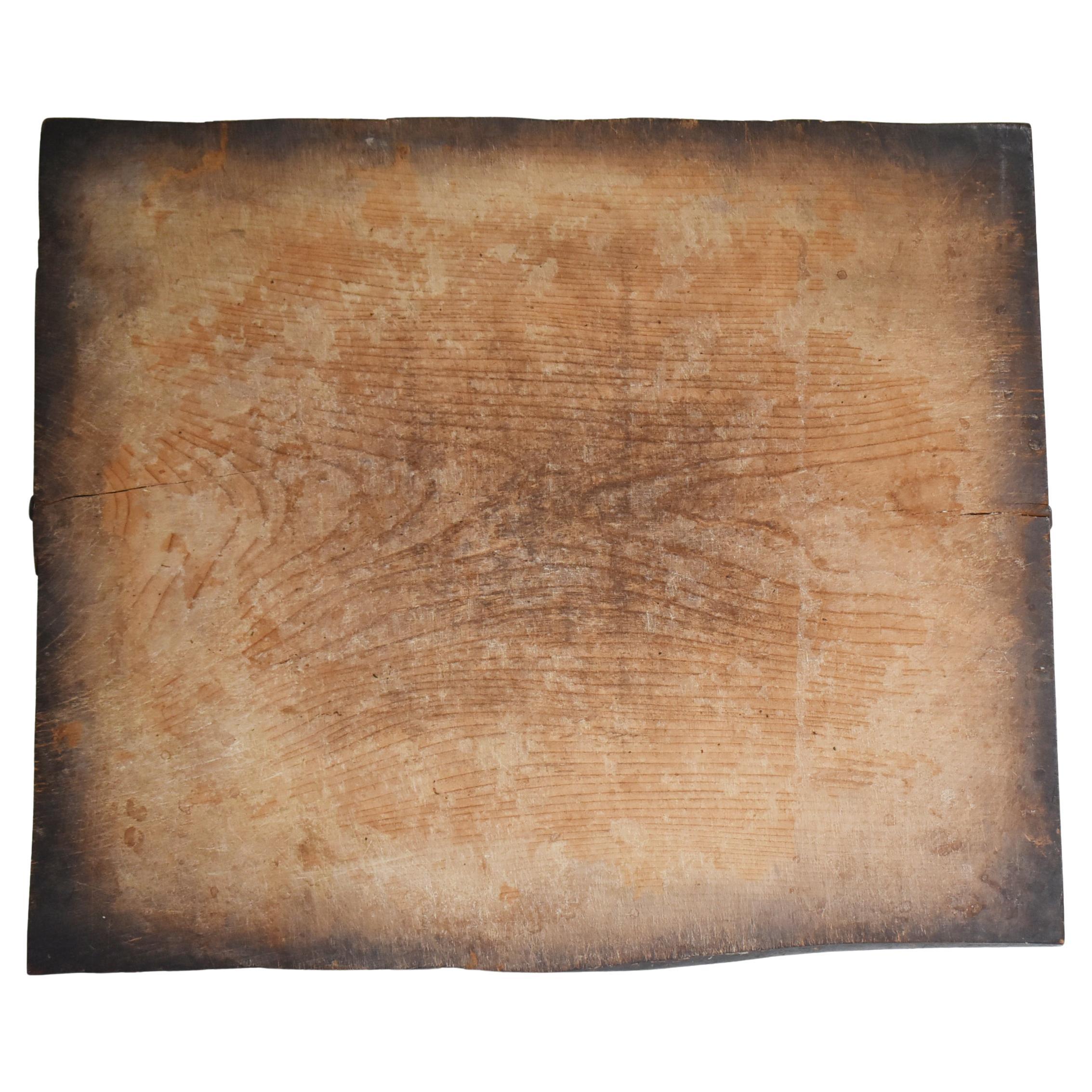
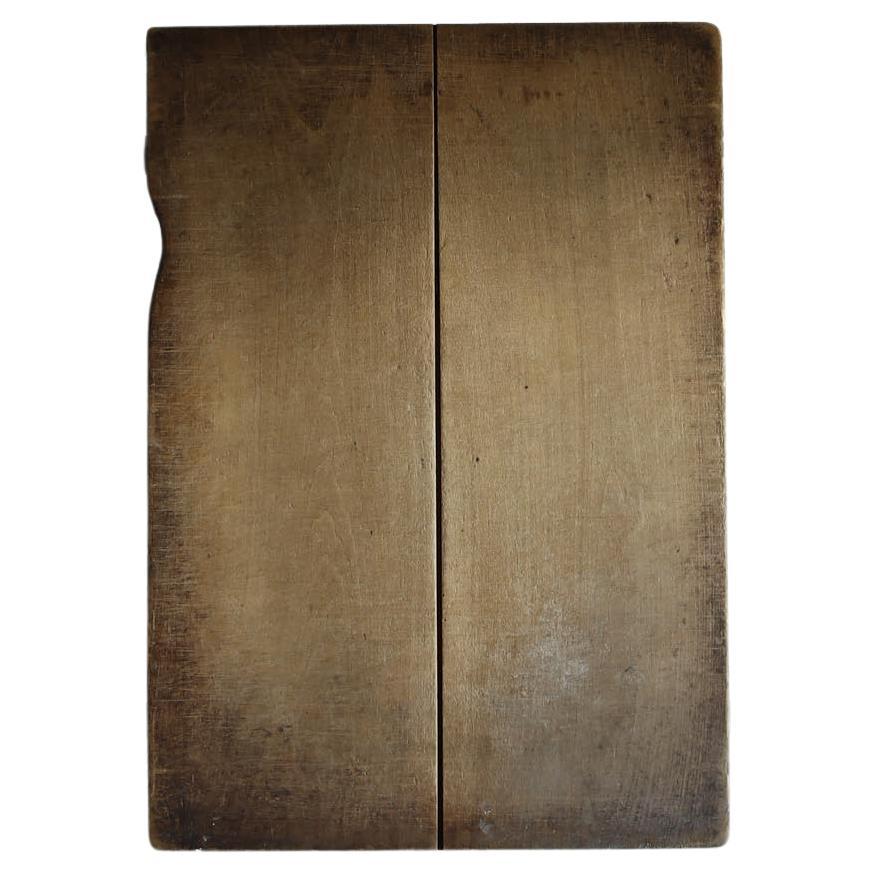
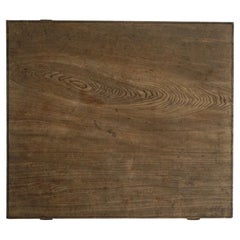
This is an old Japanese wooden board called “Mochiita” (rice cake board).
It was used during the Meiji period (1860s-1900s) and is made of pine wood with a rich texture.
As the name suggests, the mochi board was a tool used for stretching and cutting rice cakes after pounding them. It was one of the utilitarian tools that were indispensable in Japanese households and craftsmen's workplaces in the past.
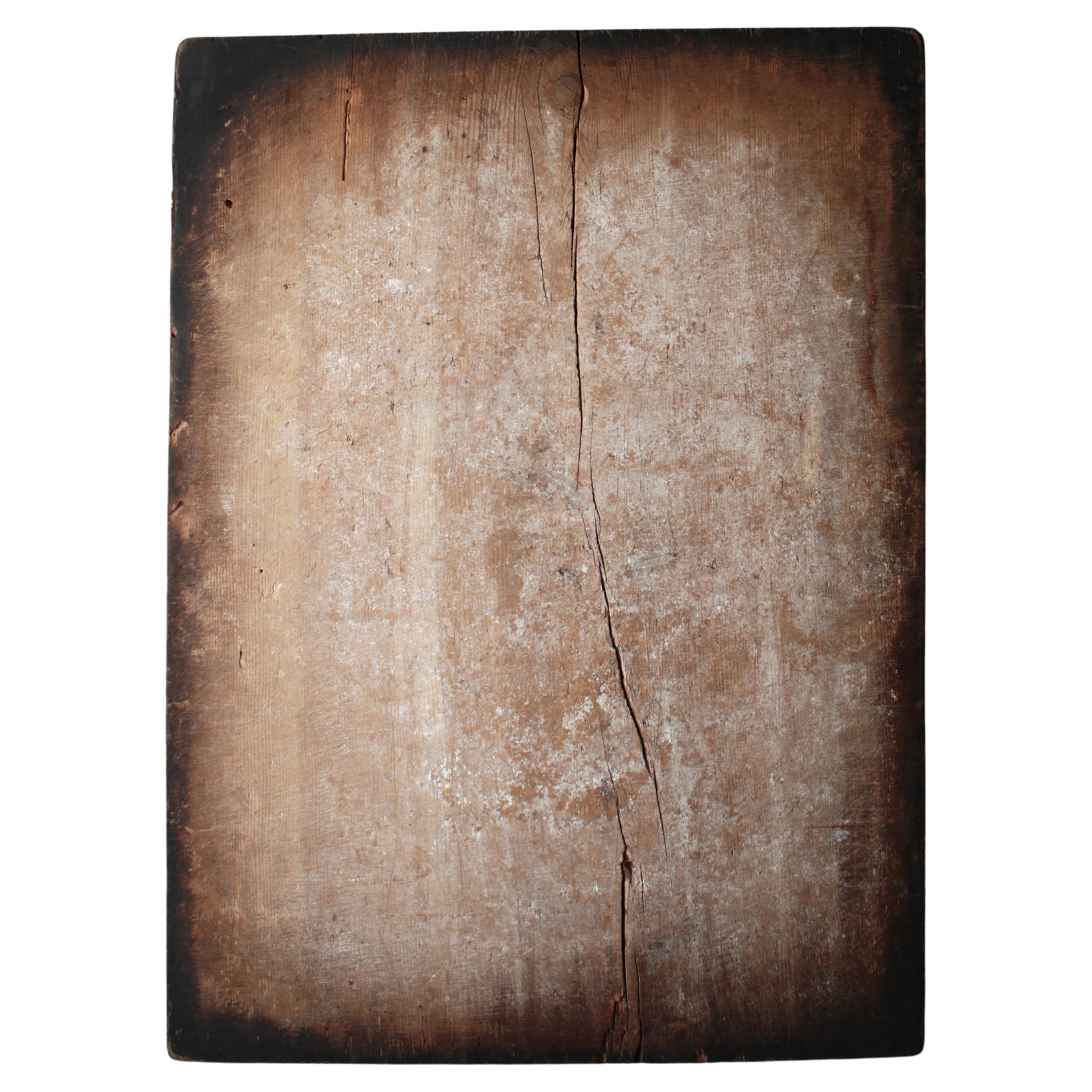
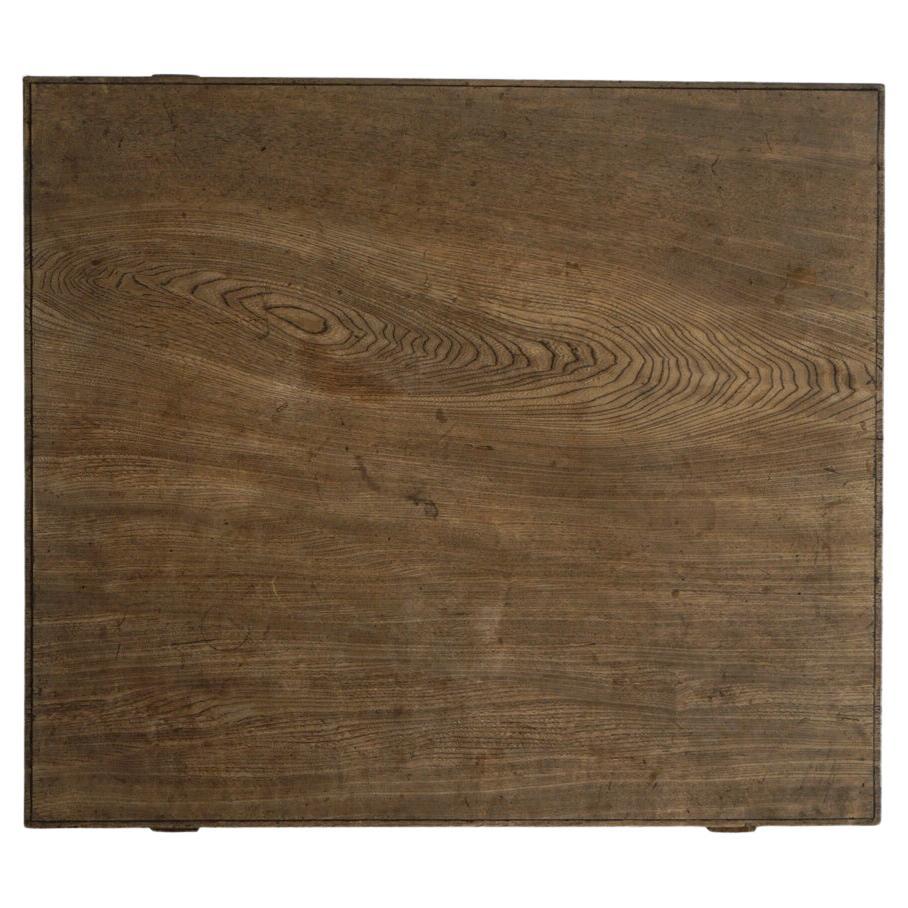
Over the years of use, it has created a beautiful landscape that resembles an abstract painting.
This is an “accidental beauty” that cannot be reproduced artificially, and is the result of time and use.
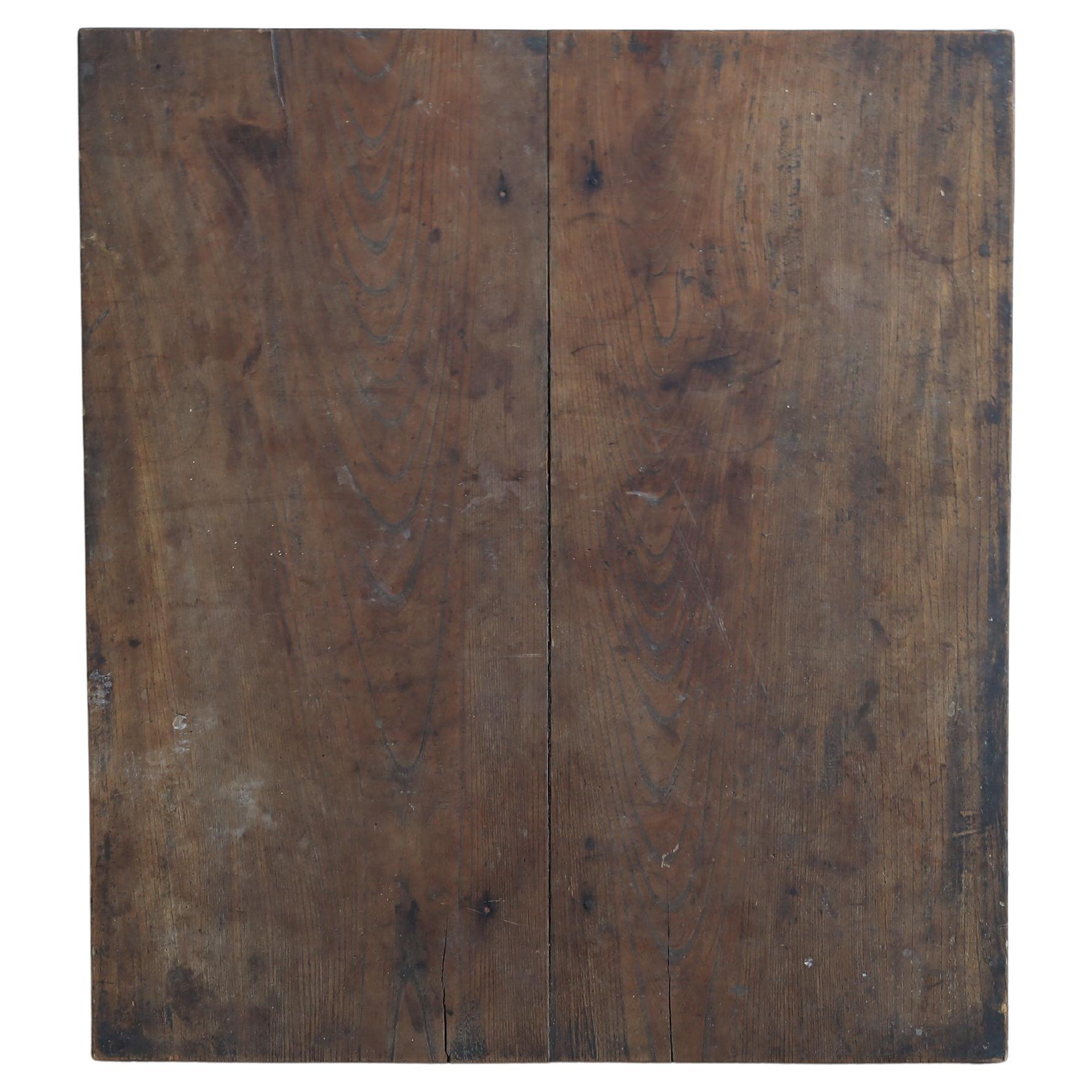
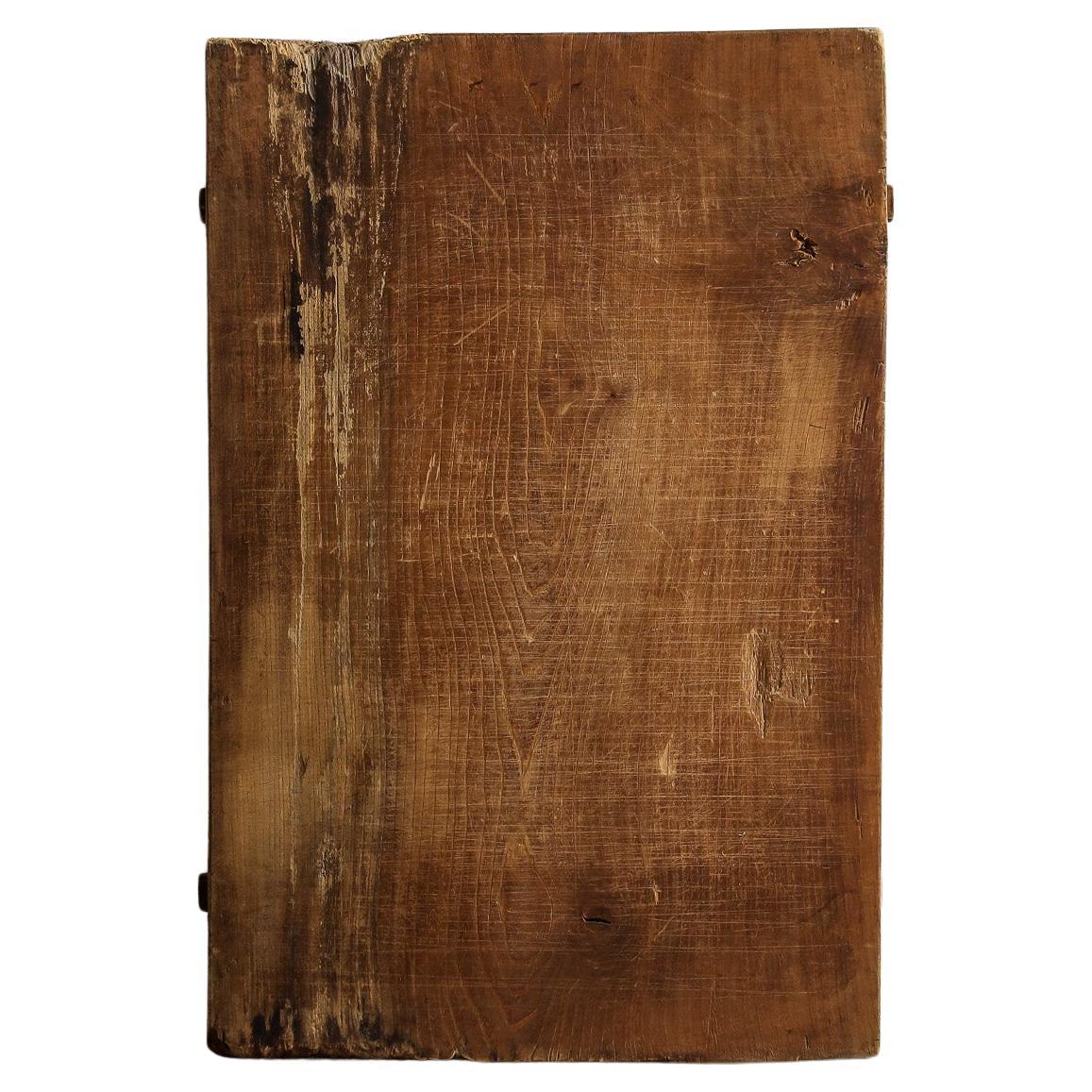
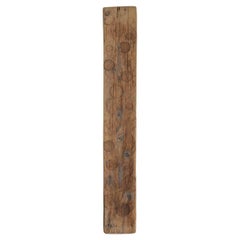
The reverse side also has its own character, with each side having a different flavor.
We recommend hanging it on the wall as an art piece, but its powerful presence also stands out when used as a display stand or base, as shown in the photo. It is also an excellent background to complement sculptures and vessels.
Even in decay, it is still beautiful - the very spirit of “wabi sabi”. The memory of its use quietly enriches the space.
Weight: 12 kg
____________________________________________
Our Philosophy
Objects always tell the truth.
All I can do is just to face with them sincerely and give
them deep affection as much as I can.
There is no boundary of nationalities and of eras in beauty.
But I think now is the time we choose 'Japanese style' and it
will be the best way to remind us of what we are losing
today and to question us about an essence of beauty again.
I hope that you can touch the memories which the objects here have,
feel and think of something invisible but exists undoubtedly.
- Dimensions:Height: 30.71 in (78 cm)Width: 35.04 in (89 cm)Depth: 2.96 in (7.5 cm)
- Style:Meiji (Of the Period)
- Materials and Techniques:Pine,Woodwork
- Place of Origin:
- Period:
- Date of Manufacture:1860s-1900s
- Condition:Wear consistent with age and use.
- Seller Location:Chōsei District Nagara, JP
- Reference Number:1stDibs: LU10403245082152
About the Seller
4.8
Platinum Seller
Premium sellers with a 4.7+ rating and 24-hour response times
Established in 2017
1stDibs seller since 2025
68 sales on 1stDibs
Typical response time: 2 hours
- ShippingRetrieving quote...Shipping from: Chōsei District Nagara, Japan
- Return Policy
More From This Seller
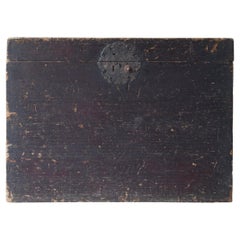
View AllJapanese Antique Wabi-Sabi Wooden board "Wall Decoration" 1860s-1900s
Located in Chōsei District Nagara, JP
This is an old Japanese wooden workboard
Crafted during the Meiji period (1860s–1900s), it is made from a single slab of keyaki (zelkova wood), a material now extremely rare. The imp...
Category
Early 20th Century Japanese Meiji Decorative Art
Materials
Wood
Japanese Antique Huge Sliding Door or Wall Decoration 1860s-1900s / Wabi Sabi
By Axel Vervoordt
Located in Chōsei District Nagara, JP
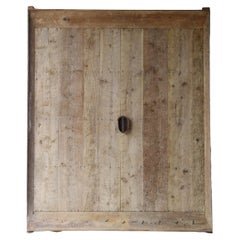
This is an old, large Japanese sliding door.
It was crafted during the Meiji period (1860s–1900s) and was likely used in traditional houses or storehouses of the time. The material i...
Category
Early 20th Century Japanese Meiji Antiquities
Materials
Iron
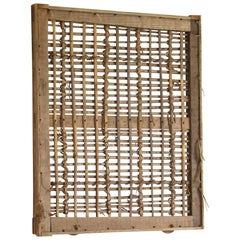
Japanese Antique Small Door Wall Decoration 1860s-1900s / Abstract Art Wabi Sabi
Located in Chōsei District Nagara, JP
This is an old small window frame made in Japan. It was originally used as a traditional Japanese mud wall fixture. It dates back to the Meiji period (1860s-1900s) and has been in us...
Category
Early 20th Century Japanese Meiji Decorative Art
Materials
Bamboo, Cedar
Japanese Antique Storage Box 1860s-1900s / Tansu Sideboard Wabisabi
Located in Chōsei District Nagara, JP
This is an old box storage made in Japan.
It was made during the Meiji period (1860s-1900s), and the material used is paulownia wood, which is precious today. Paulownia wood is light...
Category
Early 20th Century Japanese Meiji Sideboards
Materials
Iron
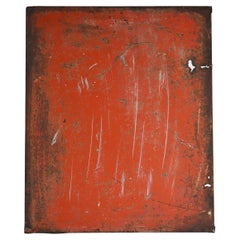
Japanese Old Wabi-Sabi Iron Panel Abstract Art 1950s-1970s / Wall Decoration
By Axel Vervoordt
Located in Chōsei District Nagara, JP
This is an old iron panel made in Japan, dating to the mid-Shōwa period (1950s–1970s). It may originally have been used as part of a workbench or industrial surface, though its exact...
Category
Late 20th Century Japanese Showa Decorative Art
Materials
Iron
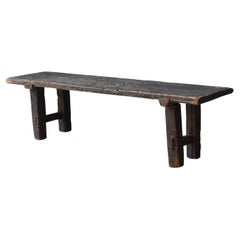
Japanese Antique Wabi-Sabi Low Table Edo period 1800s-1860s / Side Table
Located in Chōsei District Nagara, JP
This is an old Japanese low table, crafted during the Edo period (1800s–1860s). It is a rare piece of furniture that has survived through the centuries to the present day. Made of su...
Category
Antique Mid-19th Century Japanese Edo Side Tables
Materials
Cedar
You May Also Like
Japanese Antique Wooden Board / Wall Decoration Abstract Art / Wabi-Sabi
Located in Iwate-gun Shizukuishi-cho, Iwate Prefecture
This is an old Japanese workboard.
It was called "Mochiita" and was used as a workbench for kneading flour.
It seems to be around the Meiji period.
The board is thought to be pine...
Category
Antique Late 19th Century Japanese Meiji Decorative Art
Materials
Wood
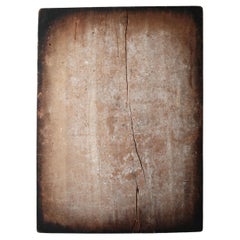
Japanese Antique Wooden Board , Wall Decoration Abstract Art , Wabi-Sabi
Located in Katori-Shi, 12
This wooden board was made in the Taisho era.
It was used as a "mochi board." A "mochi board" is a board from the Meiji era that was used as a workbench for kneading flour, and is m...
Category
Early 20th Century Japanese Taisho Doors and Gates
Materials
Wood
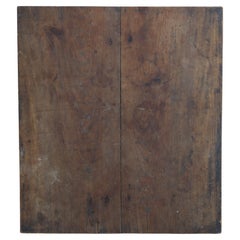
Japanese Antique Wooden Board , Wall Decoration Abstract Art , Wabi-Sabi
Located in Katori-Shi, 12
This wooden board was made in the Taisho era.
The dense and beautiful grain of the wood, unique to time-honored zelkova, is eye-catching. The color that has deepened over the years,...
Category
Early 20th Century Japanese Taisho Antiquities
Materials
Wood
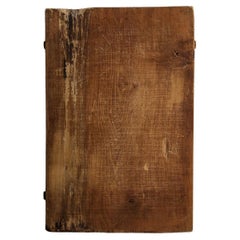
Japanese Antique Wooden Board, "Abstract Sculptures", Wabi-Sabi, Mingei
Located in Katori-Shi, 12
This is a wooden antique board from the Meiji era.
It is made of Japanese cedar wood.
It has a beautiful appearance due to years of use and aging.
It was used as a board for kneadi...
Category
Early 20th Century Meiji Antiquities
Materials
Wood
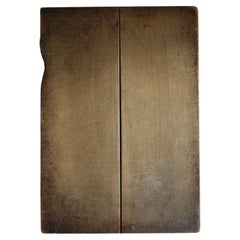
Japanese Antique Zelkova Slab Board, 1940s, Japandi Wabi-Sabi
Located in Chiba, Chiba
A Japanese antique single-slab board crafted from zelkova and dating to the 1940s.
The wood grain is strikingly beautiful—bold, flowing, and expressive—giving the piece a sculptural ...
Category
Mid-20th Century Japanese Showa Antiquities
Materials
Wood
Antique Work Board Used by Japanese Craftsmen/1868-1920/Wabi-Sabi Wall Painting
Located in Sammu-shi, Chiba
If you want something special, we recommend purchasing items selected by Brood.
We sell carefully selected old Japanese items.
I've seen tens of thousands of items so far.
Based o...
Category
Antique Late 19th Century Japanese Meiji Paintings
Materials
Cedar
More Ways To Browse
Ceiling Medallion Plaster
Chelsea House Framed
Christian Dior Fashion Sketches
Christian Dior Sketches
Coromandel Wall Screens
Dale Clark
Dali 3 Nudes
Dali Dantes Inferno
Della Robbia Wall Plaque
Desimone Tile
Drawings By Howard Carter
Dupas Normandie
E B Herberte
E Renmark
Eduardo Sanz
Edward Lear Lithograph
Elton Bennett
Elton John Vintage T Shirts