Items Similar to Japanese Antique Wabi-Sabi Wooden board "Wall Decoration" 1860s-1900s
Want more images or videos?
Request additional images or videos from the seller
1 of 18
Japanese Antique Wabi-Sabi Wooden board "Wall Decoration" 1860s-1900s
$1,500
£1,138.77
€1,312.82
CA$2,121.96
A$2,284.48
CHF 1,223.38
MX$27,527.17
NOK 15,435.71
SEK 14,126.17
DKK 9,809.90
About the Item
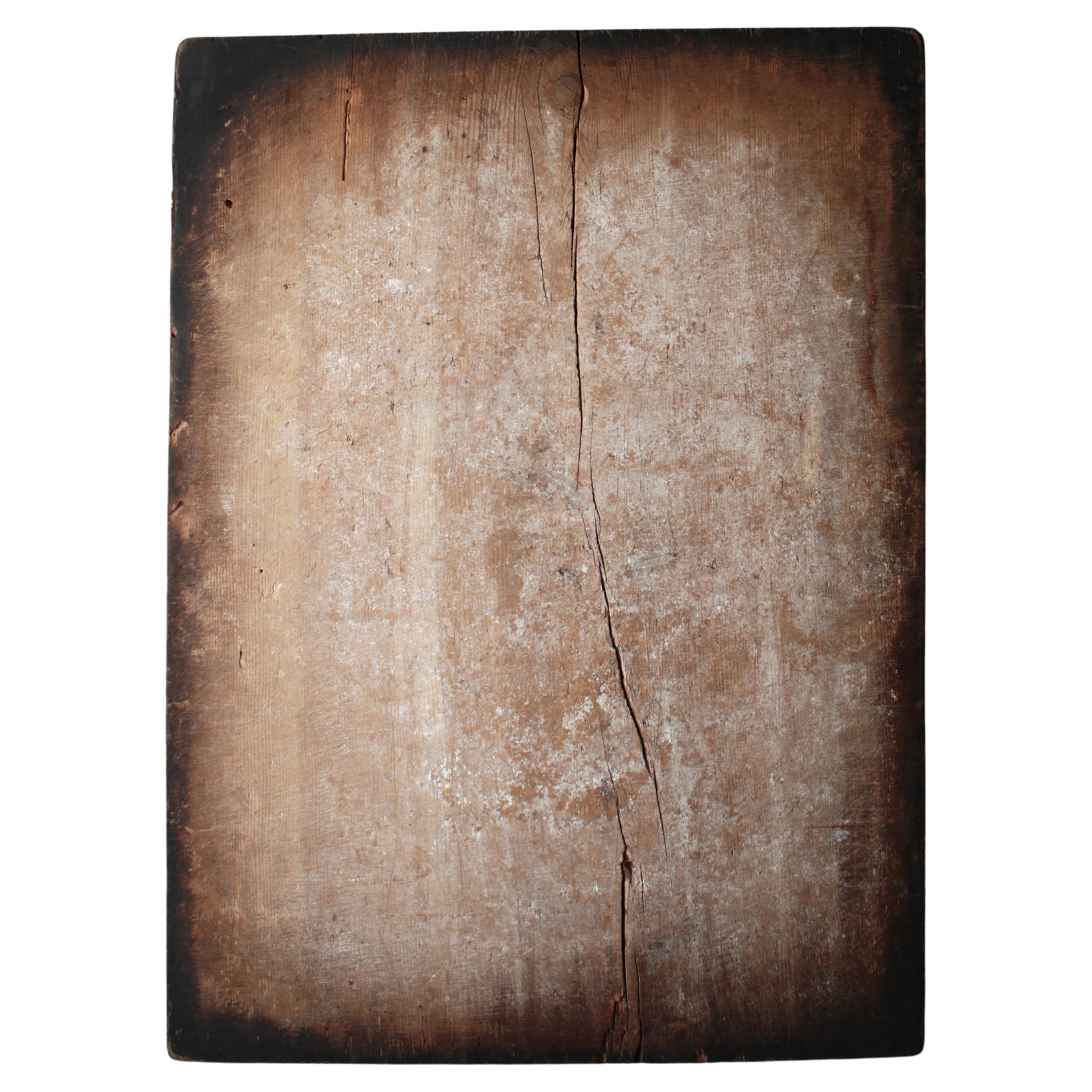
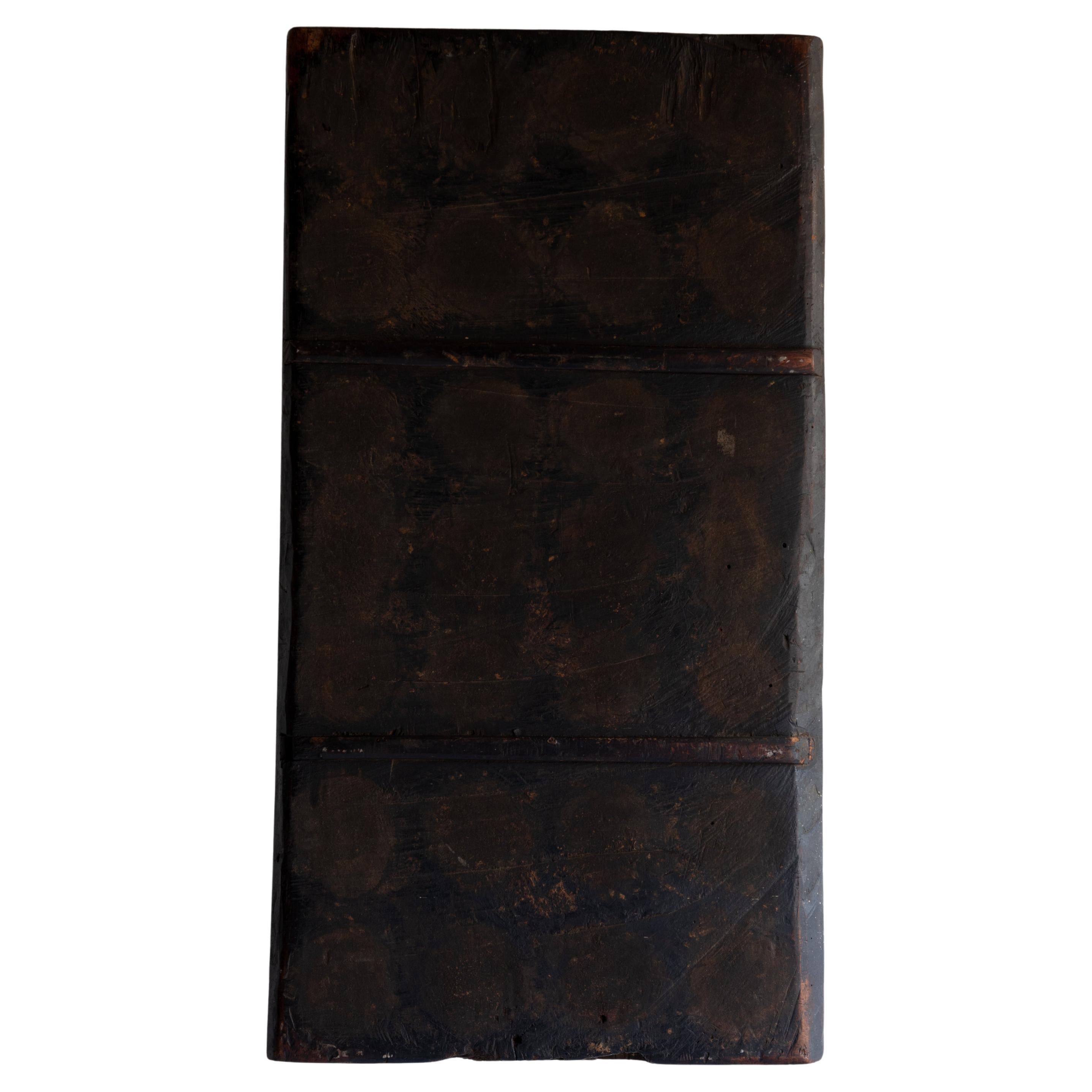
This is an old Japanese wooden workboard
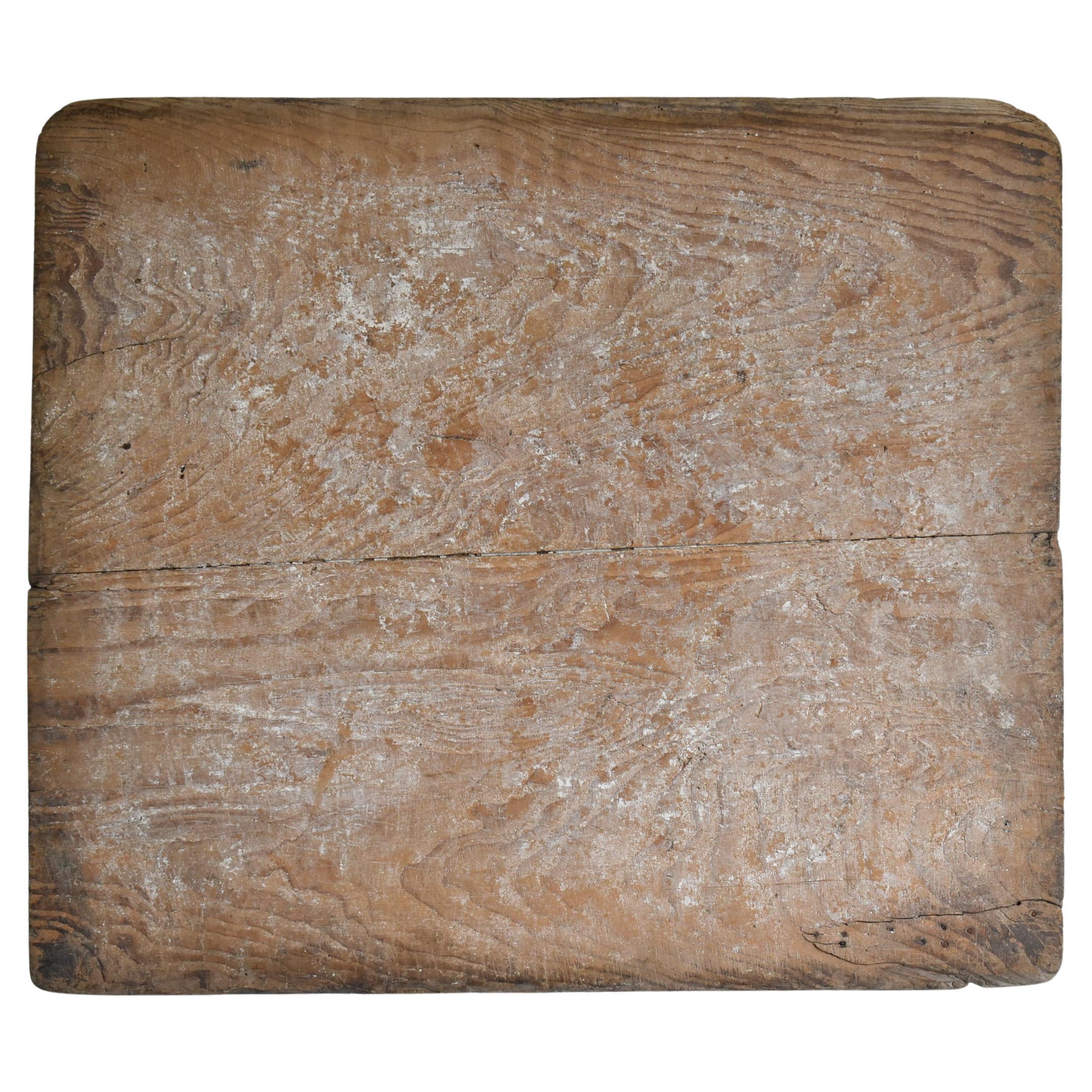
Crafted during the Meiji period (1860s–1900s), it is made from a single slab of keyaki (zelkova wood), a material now extremely rare. The impressive width of the grain suggests that it once came from a massive old tree.
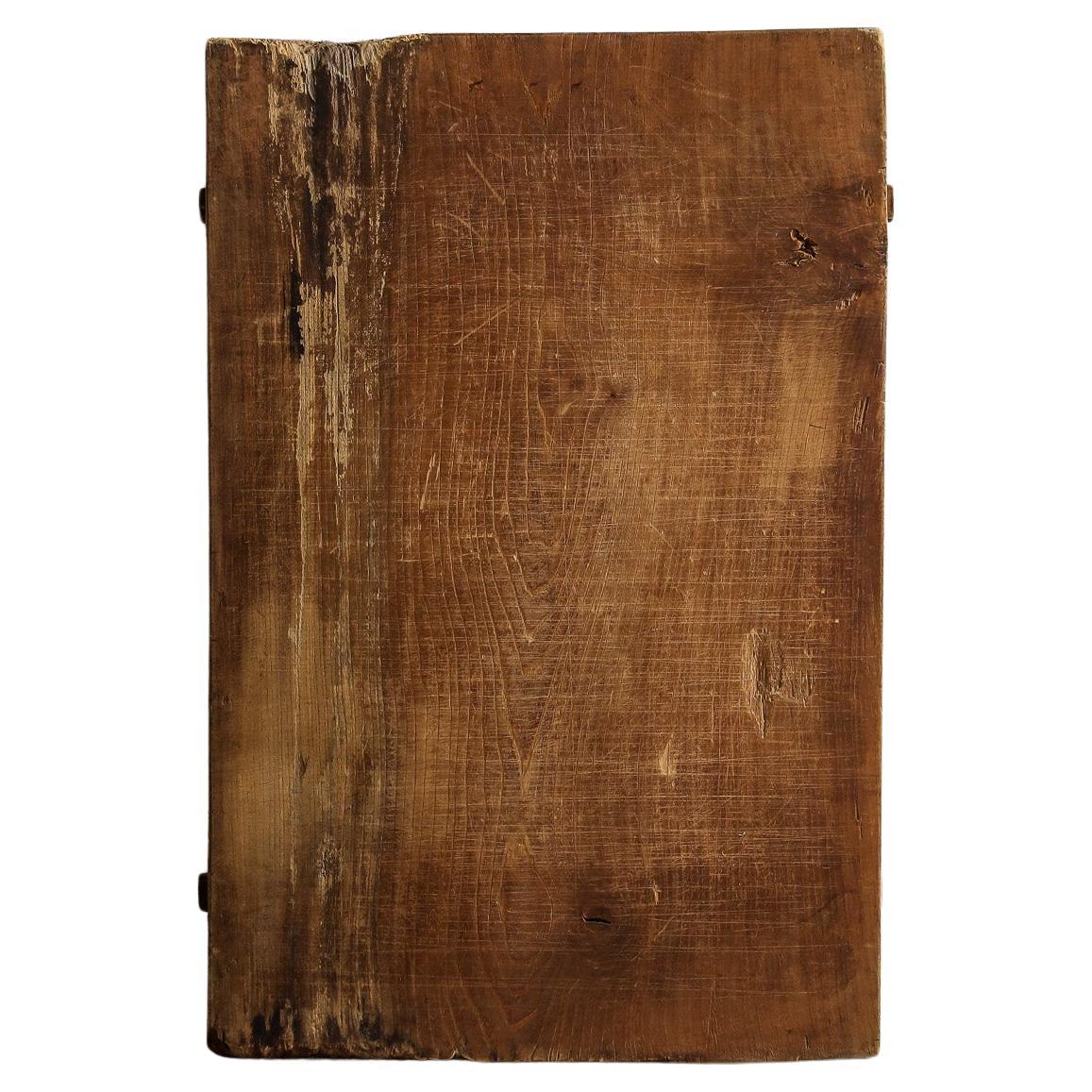
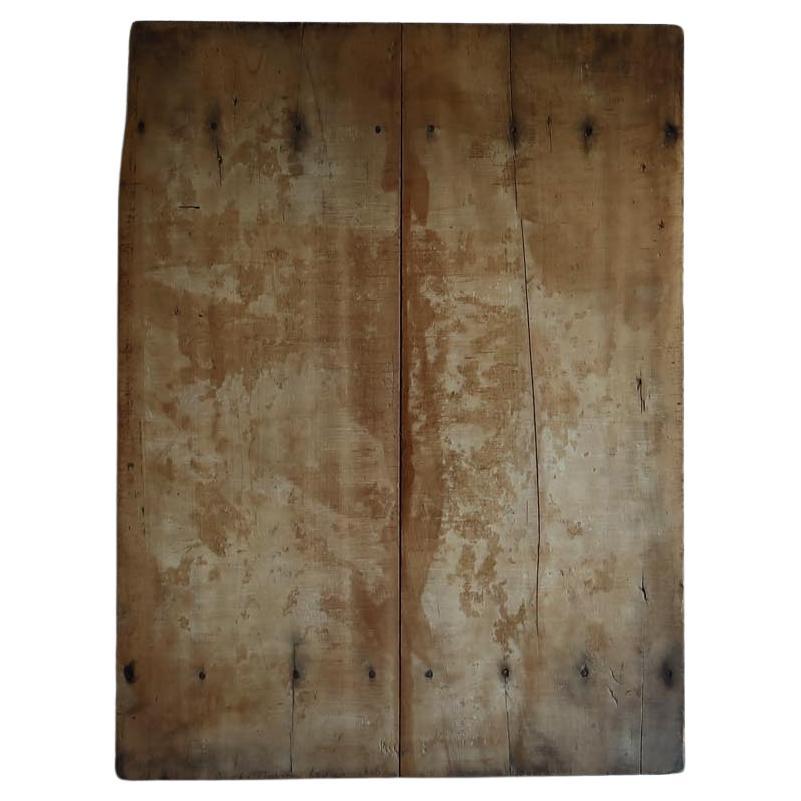
This board was originally used as a kneading surface for wheat flour. Over the decades, its surface has been naturally polished by use, while the pale central area remains as a trace of flour that once covered it. Subtle hand-tool marks are still visible, creating delicate linear patterns that quietly speak of time and human touch.
The outer edges have darkened to a deep, charred tone, blending beautifully with the pale center and the warm amber hues characteristic of keyaki wood. Together they form a natural gradation of color—like an abstract painting whose mood changes depending on the angle of view. Beyond its former function, the board now possesses the beauty of a landscape.
Despite being a single plank, it shows no warping and remains remarkably stable. Iron clamps (kasugai) were once added to prevent splitting, their aged metal patina harmonizing with the wood’s warmth to create a cool, understated presence. These traces of repair add depth and dignity to the piece, revealing the long life it has endured.
In modern times, it is nearly impossible to obtain such a large slab of solid zelkova, and even rarer to find one with this kind of profound patina. It can be displayed on a wall as an art piece, where its quiet contrast of tones and textures will bring a calm yet powerful atmosphere to any space.
A work that transcends utility, embodying the Japanese spirit of wabi-sabi—beauty found in imperfection and time.
Weight: 12.5 kg
________________________________
Our Philosophy
Objects always tell the truth.
All I can do is just to face with them sincerely and give
them deep affection as much as I can.
There is no boundary of nationalities and of eras in beauty.
But I think now is the time we choose 'Japanese style' and it
will be the best way to remind us of what we are losing
today and to question us about an essence of beauty again.
I hope that you can touch the memories which the objects here have,
feel and think of something invisible but exists undoubtedly.
- Dimensions:Height: 33.27 in (84.5 cm)Width: 40.16 in (102 cm)Depth: 0.99 in (2.5 cm)
- Style:Meiji (Of the Period)
- Materials and Techniques:Wood,Woodwork
- Place of Origin:
- Period:
- Date of Manufacture:1860s-1900s
- Condition:Wear consistent with age and use.
- Seller Location:Chōsei District Nagara, JP
- Reference Number:1stDibs: LU10403247083832
About the Seller
4.8
Platinum Seller
Premium sellers with a 4.7+ rating and 24-hour response times
Established in 2017
1stDibs seller since 2025
69 sales on 1stDibs
Typical response time: 3 hours
- ShippingRetrieving quote...Shipping from: Chōsei District Nagara, Japan
- Return Policy
More From This Seller
View AllJapanese Antique Wabi-Sabi Wood Board 1860s-1900s / Wall Decoration
Located in Chōsei District Nagara, JP
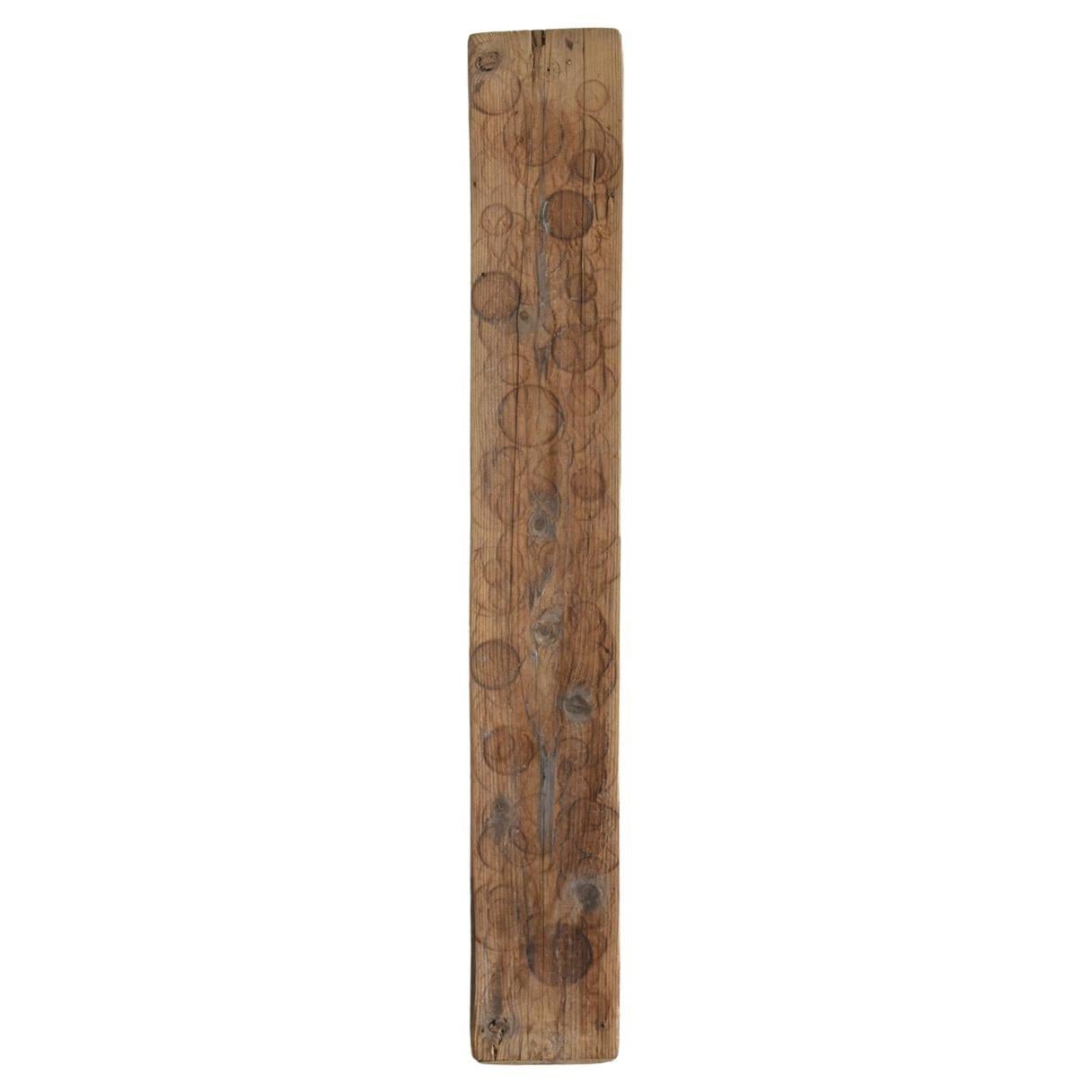
This is an old Japanese wooden board called “Mochiita” (rice cake board).
It was used during the Meiji period (1860s-1900s) and is made of pine wood with a rich texture.
As the name ...
Category
Early 20th Century Japanese Meiji Decorative Art
Materials
Pine
$720 Sale Price
44% Off
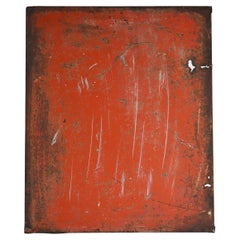
Japanese Old Wabi-Sabi Iron Panel Abstract Art 1950s-1970s / Wall Decoration
By Axel Vervoordt
Located in Chōsei District Nagara, JP
This is an old iron panel made in Japan, dating to the mid-Shōwa period (1950s–1970s). It may originally have been used as part of a workbench or industrial surface, though its exact...
Category
Late 20th Century Japanese Showa Decorative Art
Materials
Iron
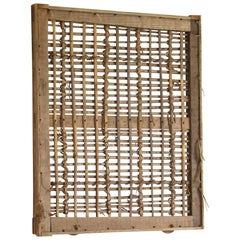
Japanese Antique Small Door Wall Decoration 1860s-1900s / Abstract Art Wabi Sabi
Located in Chōsei District Nagara, JP
This is an old small window frame made in Japan. It was originally used as a traditional Japanese mud wall fixture. It dates back to the Meiji period (1860s-1900s) and has been in us...
Category
Early 20th Century Japanese Meiji Decorative Art
Materials
Bamboo, Cedar
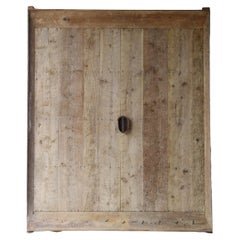
Japanese Antique Huge Sliding Door or Wall Decoration 1860s-1900s / Wabi Sabi
By Axel Vervoordt
Located in Chōsei District Nagara, JP
This is an old, large Japanese sliding door.
It was crafted during the Meiji period (1860s–1900s) and was likely used in traditional houses or storehouses of the time. The material i...
Category
Early 20th Century Japanese Meiji Antiquities
Materials
Iron
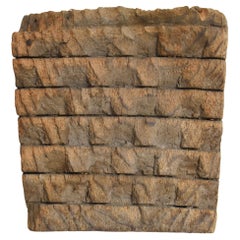
Japanese Antique Thatching Tools "Gangi" 1860s-1920s / Wall Decoration Wabisabi
Located in Chōsei District Nagara, JP
This is a traditional Japanese thatched roof tool known as a “Gangi.”
A Gangi is used to trim the cut ends of the thatch and smooth the roof’s surface, symbolizing the craftsmanship ...
Category
Early 20th Century Japanese Meiji Antiquities
Materials
Cedar
Japanese Antique Storage Box 1860s-1900s / Tansu Sideboard Wabisabi
Located in Chōsei District Nagara, JP
This is an old box storage made in Japan.
It was made during the Meiji period (1860s-1900s), and the material used is paulownia wood, which is precious today. Paulownia wood is light...
Category
Early 20th Century Japanese Meiji Sideboards
Materials
Iron
You May Also Like
Japanese Antique Wooden Board / Wall Decoration Abstract Art / Wabi-Sabi
Located in Iwate-gun Shizukuishi-cho, Iwate Prefecture
This is an old Japanese workboard.
It was called "Mochiita" and was used as a workbench for kneading flour.
It seems to be around the Meiji period.
The board is thought to be pine...
Category
Antique Late 19th Century Japanese Meiji Decorative Art
Materials
Wood
Japanese Antique Wooden Board , Wall Decoration Abstract Art , Wabi-Sabi
Located in Katori-Shi, 12
This wooden board was made in the Taisho era.
The dense and beautiful grain of the wood, unique to time-honored zelkova, is eye-catching. The color that has deepened over the years,...
Category
Early 20th Century Japanese Taisho Antiquities
Materials
Wood
Japanese Antique Wooden Board 1860s-1900s / Abstract Art Wabisabi
Located in Sammu-shi, Chiba
This Japanese antique wooden workboard was crafted during the Meiji period
1860s to 1900s
and is made from solid cedar wood.
Originally, this board functioned as a practical work su...
Category
Early 20th Century Japanese Meiji Decorative Art
Materials
Cedar
Antique Work Board Used by Japanese Craftsmen/1868-1920/Wabi-Sabi Wall Painting
Located in Sammu-shi, Chiba
If you want something special, we recommend purchasing items selected by Brood.
We sell carefully selected old Japanese items.
I've seen tens of thousands of items so far.
Based o...
Category
Antique Late 19th Century Japanese Meiji Paintings
Materials
Cedar
Japanese Antique Wooden Board, "Abstract Sculptures", Wabi-Sabi, Mingei
Located in Katori-Shi, 12
This is a wooden antique board from the Meiji era.
It is made of Japanese cedar wood.
It has a beautiful appearance due to years of use and aging.
It was used as a board for kneadi...
Category
Early 20th Century Meiji Antiquities
Materials
Wood
Japanese Antique Wooden Board , Wall Decoration Abstract Art , Wabi-Sabi
Located in Katori-Shi, 12
This wooden board was made in the Taisho era.
It was used as a "mochi board." A "mochi board" is a board from the Meiji era that was used as a workbench for kneading flour, and is m...
Category
Early 20th Century Japanese Taisho Doors and Gates
Materials
Wood