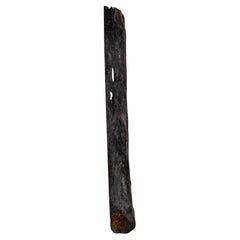
Items Similar to Japanese antique wall hanging wooden object/Wabi-Sabi withered ornament

Want more images or videos?
Request additional images or videos from the seller
1 of 21
Japanese antique wall hanging wooden object/Wabi-Sabi withered ornament
$1,100
£831.10
€952.19
CA$1,534.86
A$1,672.92
CHF 884.46
MX$20,138.73
NOK 11,225.95
SEK 10,291.90
DKK 7,112.92
About the Item
This wall-hanging object combines a naturally weathered block of wood with iron fittings. It likely originates from Japan, and the previous owner was so captivated by the shape of the piece that he crafted the iron fittings himself and transformed it into a wall-hanging piece. It wasn't originally intended as a craft or fine art; rather, it's a piece that was created by hand, taking a remnant of wood that nature had shaped over a long period of time and transforming it into a work of art.
The wood is a block of wood that has been exposed to the elements for many years, and judging by the grain, it is likely to be a coniferous tree. The soft parts have been scraped away over time, leaving only the harder parts, resulting in a shape that combines sharpness and volume. Because this shape was created by the forces of nature, it is impossible to create an identical piece even if you try to recreate it intentionally.
All edges are rounded, corners are chipped, and the exterior and interior show different signs of decay. The interior is more fragile than the exterior, revealing traces of decay. The contrast is so rich, and the closer you look, the more you appreciate the depth of the texture. The greatest appeal of this object is that, despite its withered material, it retains a sense of strength and tension.
When hung on the wall, the block of wood instantly transforms into a sculptural presence. It creates a strong sense of depth and shadow against the flatness of the wall, tightening the overall impression of the space. It can be paired with serene forms such as Buddhist statues or stone Buddha statues, or incorporated into modern furniture and minimalist interiors, creating a beautiful contrast between the materials. Another unique charm of this piece is its ability to blend naturally with any material, whether it's concrete, plaster, or white wallpaper.
The iron fittings are crafted to match the shape of the wood, creating a practical yet rustic finish that doesn't feel decorative. They are dedicated to supporting the wood as the main focus, resulting in a very balanced overall composition. The relationship between natural and artificial elements, coexisting in a balanced manner, is itself a highlight.
Each piece is truly unique; no two pieces are alike. This powerful yet tranquil wall-hanging object is the result of the intersection of natural forms and human sensibility. It's highly recommended for anyone looking to add artistic centerpiece to their space.
Caution
The inner wood, rather than the outer, is relatively fragile on the surface, so bright light may cause the bark to peel off.
Please note that vibrations during shipping may also cause this to fall off.
We will package the item as carefully as possible.
Dimensions (when wall-hanging):
Width: Approx. 43.5 cm
Depth: Approx. 24 cm
Height: Approx. 104.3 cm
Weight
Iron fittings: 1.9 kg
Wood: 9.2 kg
Product number:
OB313
- Dimensions:Height: 41.07 in (104.3 cm)Width: 17.13 in (43.5 cm)Depth: 9.45 in (24 cm)
- Style:Taisho (Of the Period)
- Materials and Techniques:
- Place of Origin:
- Period:
- Date of Manufacture:1900-1920
- Condition:The inner wood, rather than the outer, is relatively fragile on the surface, so bright light may cause the bark to peel off. Please note that vibrations during shipping may also cause this to fall off.
- Seller Location:Sammu-shi, JP
- Reference Number:1stDibs: LU5487248089272
About the Seller
5.0
Platinum Seller
Premium sellers with a 4.7+ rating and 24-hour response times
Established in 2015
1stDibs seller since 2020
1,703 sales on 1stDibs
Typical response time: 6 hours
- ShippingRetrieving quote...Shipping from: senzoku, Japan
- Return Policy
More From This Seller
View AllJapanese antique objet / wood wabi-sabi object
Located in Sammu-shi, Chiba
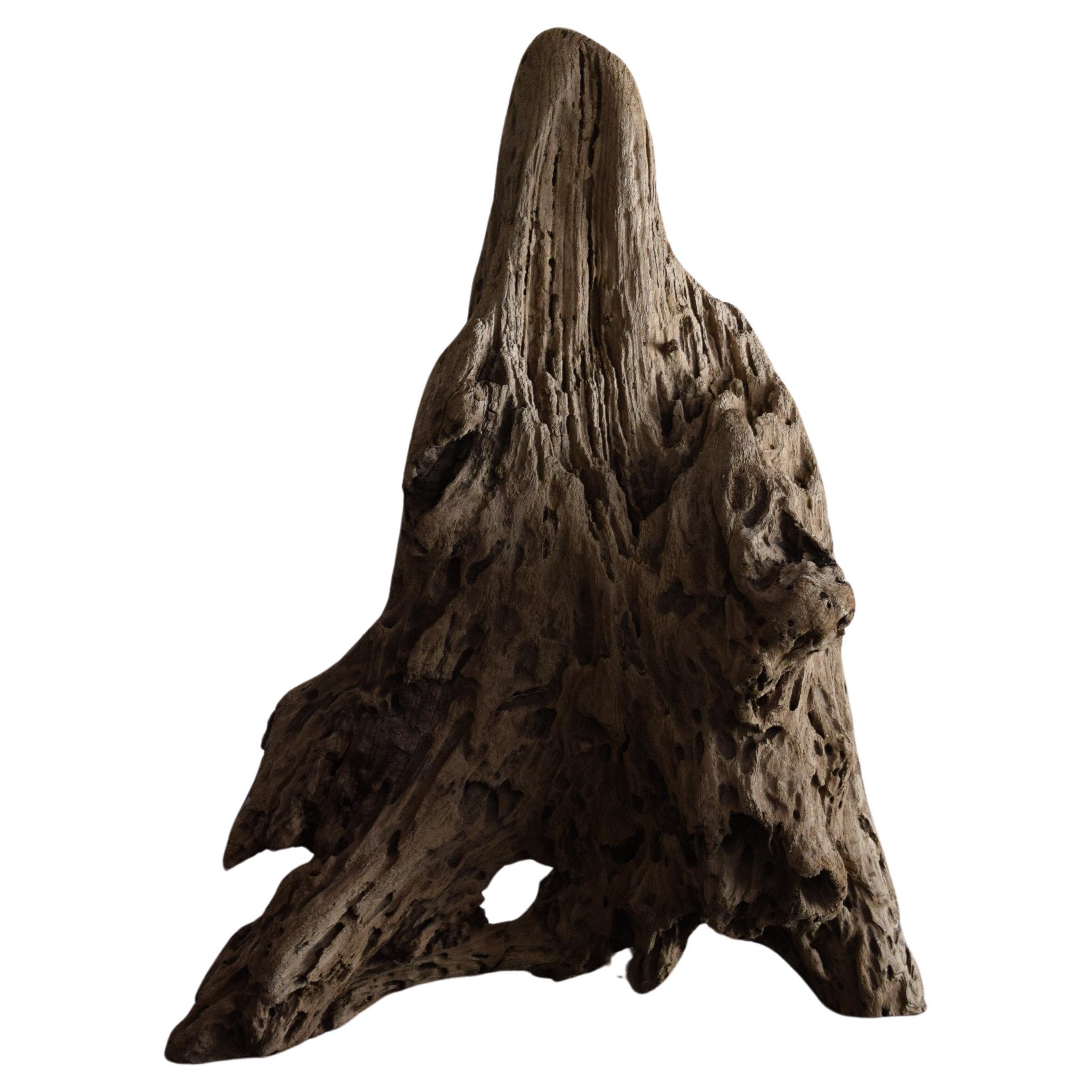
This is an ornament whose root part of the tree changes over time and looks like a Buddha statue.
The surface of the wood has many holes and the shadows are very mysterious, and the...
Category
Mid-20th Century Japanese Showa Abstract Sculptures
Materials
Wood, Cedar
Old Japanese wooden display stand and stool / 20th century/Wabi-sabi object
Located in Sammu-shi, Chiba
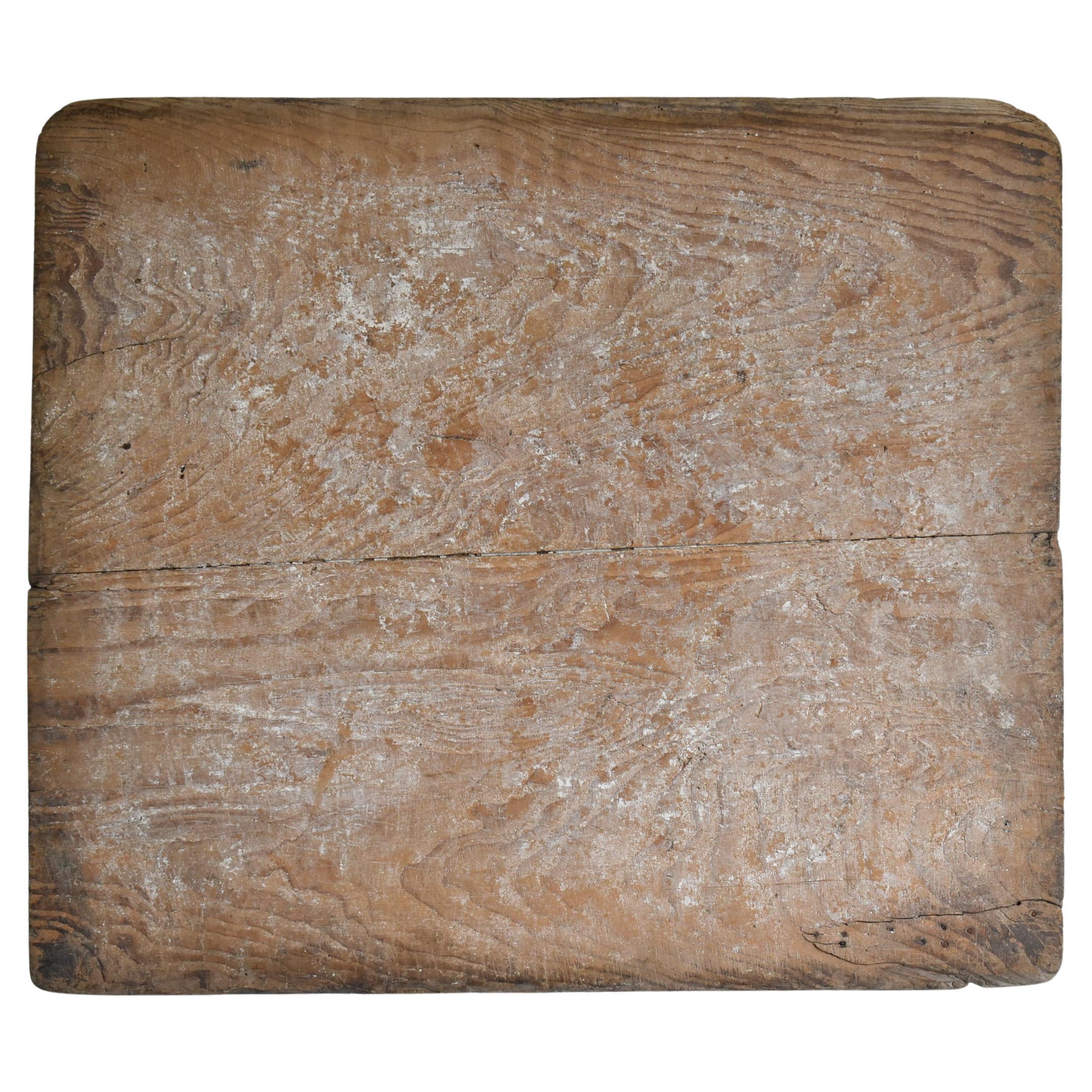
This wooden display stand/stool was made in Japan around the 20th century. It's believed to be made from solid, solid zelkova (keyaki) wood, exuding a strong grain and sturdy texture...
Category
20th Century Japanese Showa Stools
Materials
Other
Japanese wooden wabi-sabi board/Early 20th century/Display stand/MINGEI
Located in Sammu-shi, Chiba
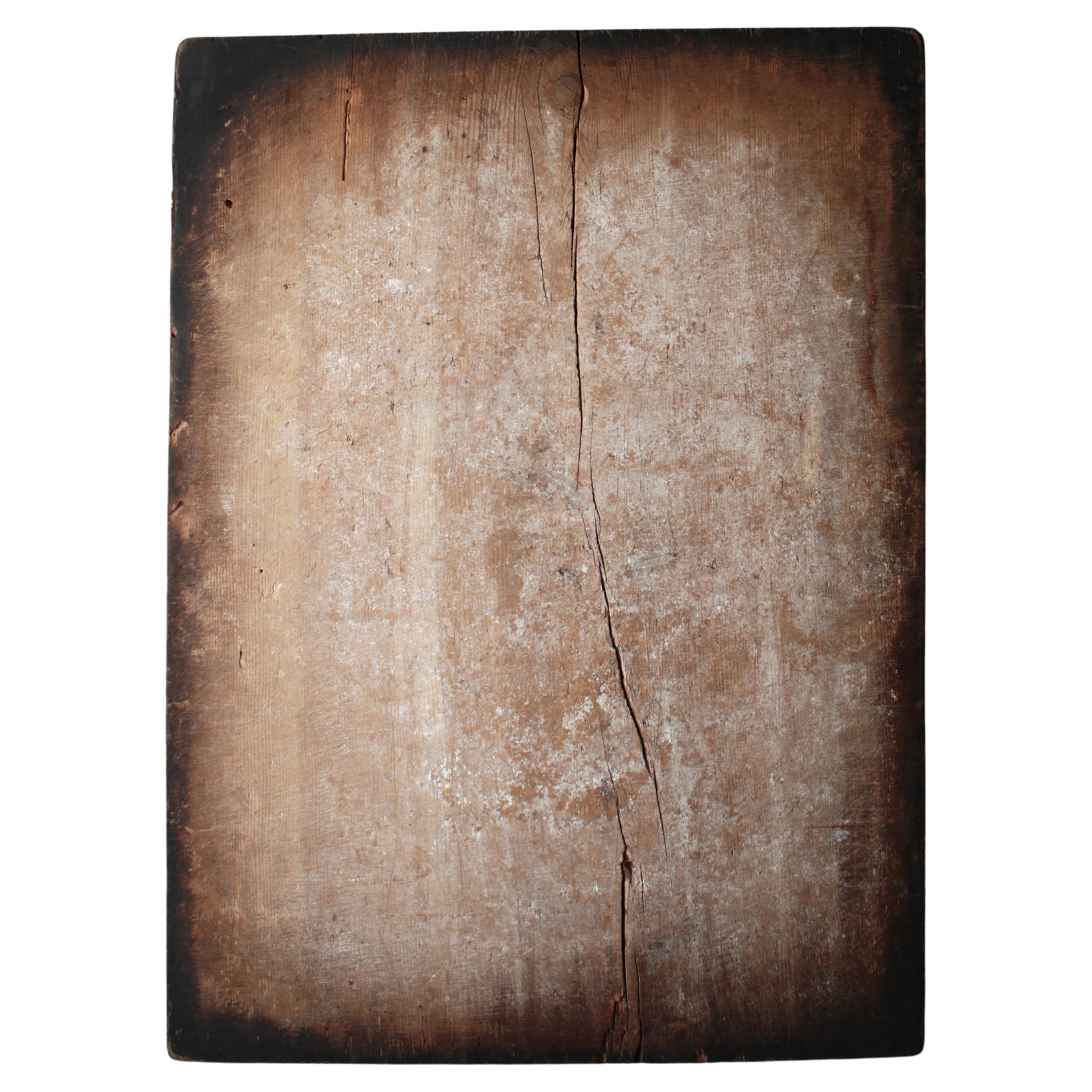
This is an old wooden work board called a “Kate-Kiri-Ban,” which was used in the Aizu region of Fukushima Prefecture, Japan, around the early 20th century. The name breaks down as fo...
Category
Early 20th Century Japanese Taisho Antiquities
Materials
Chestnut
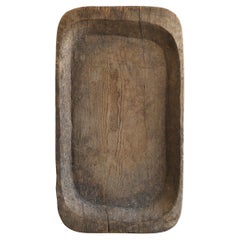
Old Japanese wooden wall hanging object/wooden mold/20th century
Located in Sammu-shi, Chiba
This is an old Japanese wooden mold, probably made in the 20th century during the Showa period. I don't know what it was used for, but it has a unique texture as a traditional tool u...
Category
20th Century Japanese Showa Antiquities
Materials
Wood
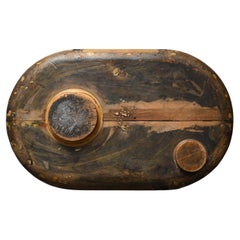
Old Japanese root tree object/Wall ornament/Wall decoration
Located in Sammu-shi, Chiba
This is an old Japanese wooden object.
It is carved from the root of a tree.
I believe it was made from the late Showa period to the early Heisei period.
The wood was originally a li...
Category
Mid-20th Century Japanese Showa Decorative Art
Materials
Wood
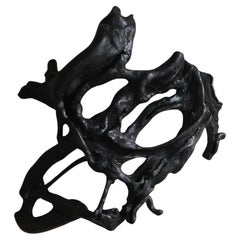
Japanese Antique Door "Wall Decoration" 1860s-1900s / Abstract Art Wabi Sabi
Located in Sammu-shi, Chiba
This was a very old Japanese warehouse (kura) window sliding door.
It was made during the Meiji period (1860s-1900s).
The frame is made of cedar wood and the lattice is bamboo.
It w...
Category
Early 20th Century Japanese Meiji Decorative Art
Materials
Bamboo, Cedar
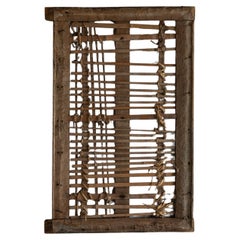
You May Also Like
1870s-1920s wabi sabi reclaimed boat wood wall decor sculpture bamboos engraved
Located in 常陸大宮市, JP
Wooden wall decor made of a piece of reclaimed wood from antique wood river boat.
Words
bamboos engraved, together with the signature. Strings for hanging attached.
manufacture...
Category
Antique Late 19th Century Japanese Meiji Wall-mounted Sculptures
Materials
Wood, Cedar
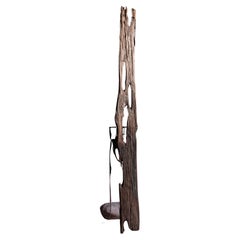
Japanese Antique Wabi-Sabi Wood Board 1860s-1900s / Wall Decoration
Located in Chōsei District Nagara, JP
This is an old Japanese wooden board called “Mochiita” (rice cake board).
It was used during the Meiji period (1860s-1900s) and is made of pine wood with a rich texture.
As the name ...
Category
Early 20th Century Japanese Meiji Decorative Art
Materials
Pine
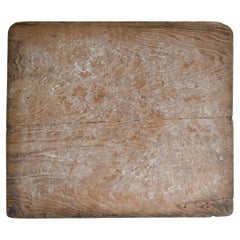
$720 Sale Price
44% Off
Japanese Antique Wooden Board / Wall Decoration Abstract Art / Wabi-Sabi
Located in Iwate-gun Shizukuishi-cho, Iwate Prefecture
This is an old Japanese workboard.
It was called "Mochiita" and was used as a workbench for kneading flour.
It seems to be around the Meiji period.
The board is thought to be pine...
Category
Antique Late 19th Century Japanese Meiji Decorative Art
Materials
Wood
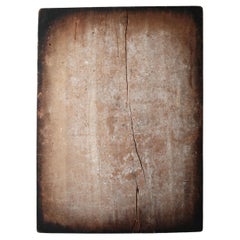
Late 19th Japanese Antique wood slab display stand, wabi sabi decor art piece
Located in 常陸大宮市, JP
Japanese Antique wooden display stand, "Dai" in Japanese, made from thick, single solid wood slab.
Product of 1860s-1900s (late Edo to early Meiji era), estimate from the material an...
Category
Antique Late 19th Century Japanese Primitive Antiquities
Materials
Wood
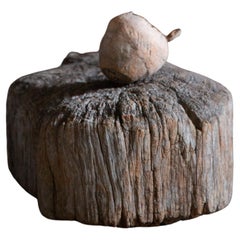
Japanese Antique Earthen Wall Base / Wall Decoration / 1868-1912s Wabi-sabi
Located in Iwate-gun Shizukuishi-cho, Iwate Prefecture
This wall decoration is the base of the earthen wall of an old Japanese house.
In Japan, it's called "komai."
It was originally part of the earthen wall of a house built around the ...
Category
Antique Late 19th Century Japanese Meiji Decorative Art
Materials
Straw, Rope, Wood
Large Wooden Object, France, Wabi Sabi, circa 1900
Located in Tokyo, Tokyo
An expressive wooden form with a strong sculptural presence.
Its dark, timeworn surface reveals natural textures and cracks, evoking the quiet beauty of age and material transformati...
Category
Early 20th Century French Decorative Art
Materials
Wood, Walnut