Items Similar to Japanese Antique Wooden Board 1860s-1900s / Abstract Art Wabisabi
Want more images or videos?
Request additional images or videos from the seller
1 of 20
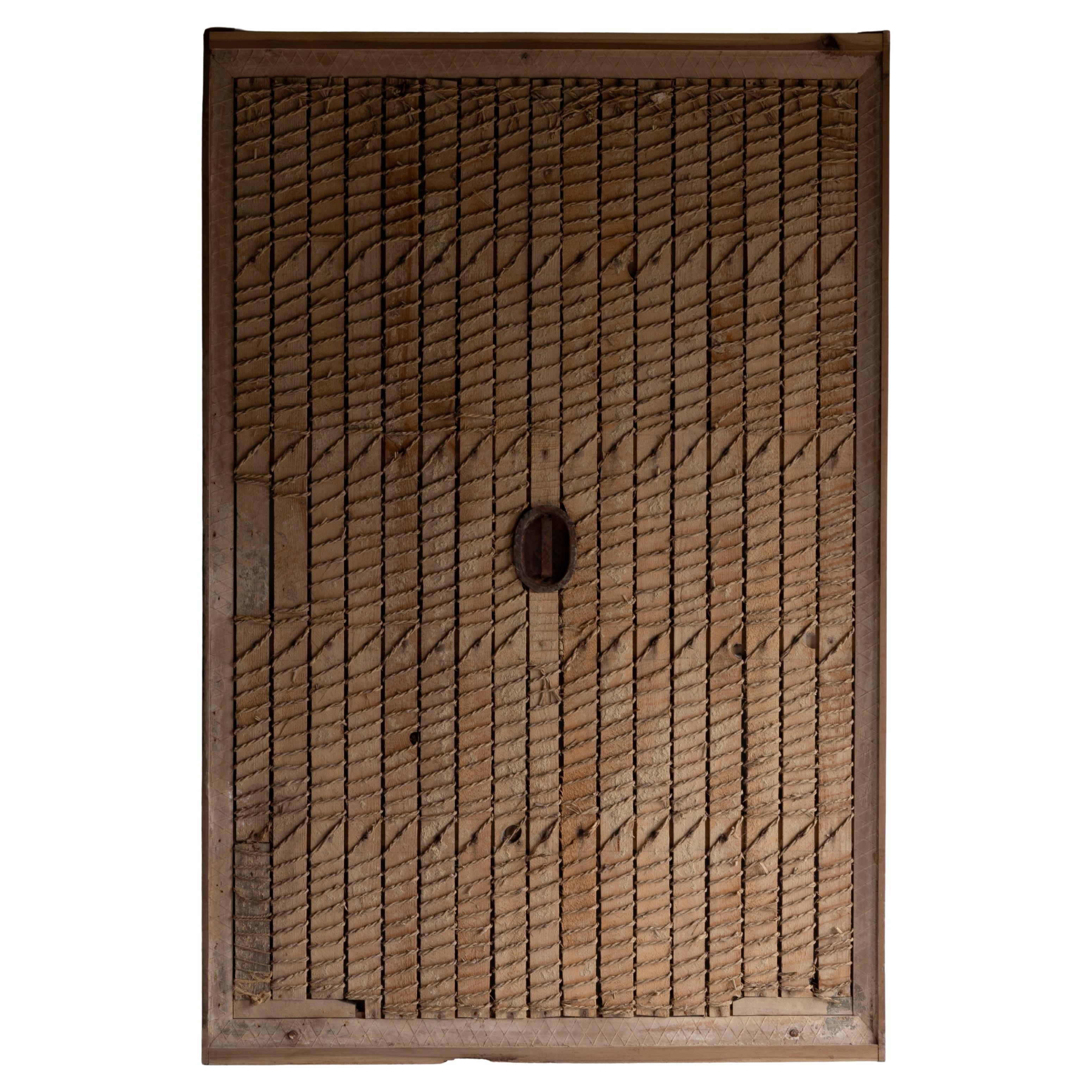
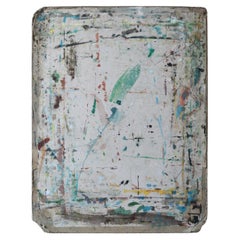
Japanese Antique Wooden Board 1860s-1900s / Abstract Art Wabisabi
$1,793.24
£1,338.34
€1,500
CA$2,473.64
A$2,705.75
CHF 1,424.65
MX$32,303.90
NOK 18,157.38
SEK 16,609.67
DKK 11,427.53
About the Item
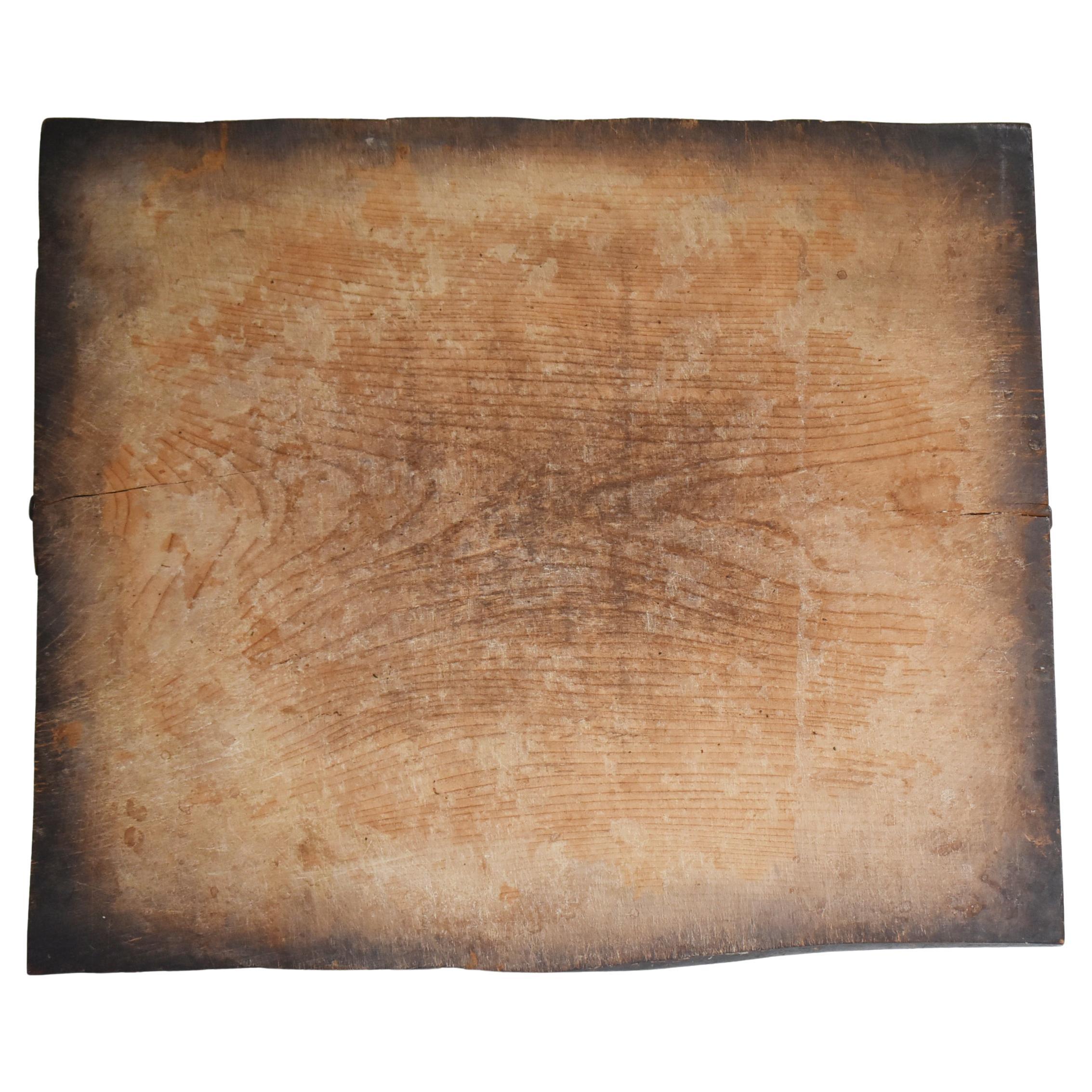
This Japanese antique wooden workboard was crafted during the Meiji period
1860s to 1900s
and is made from solid cedar wood.
Originally, this board functioned as a practical work surface used in the preparation of foods such as mochi and other grain based staples.
It was an essential tool in everyday life, deeply connected to seasonal rituals, communal labor, and domestic craftsmanship.
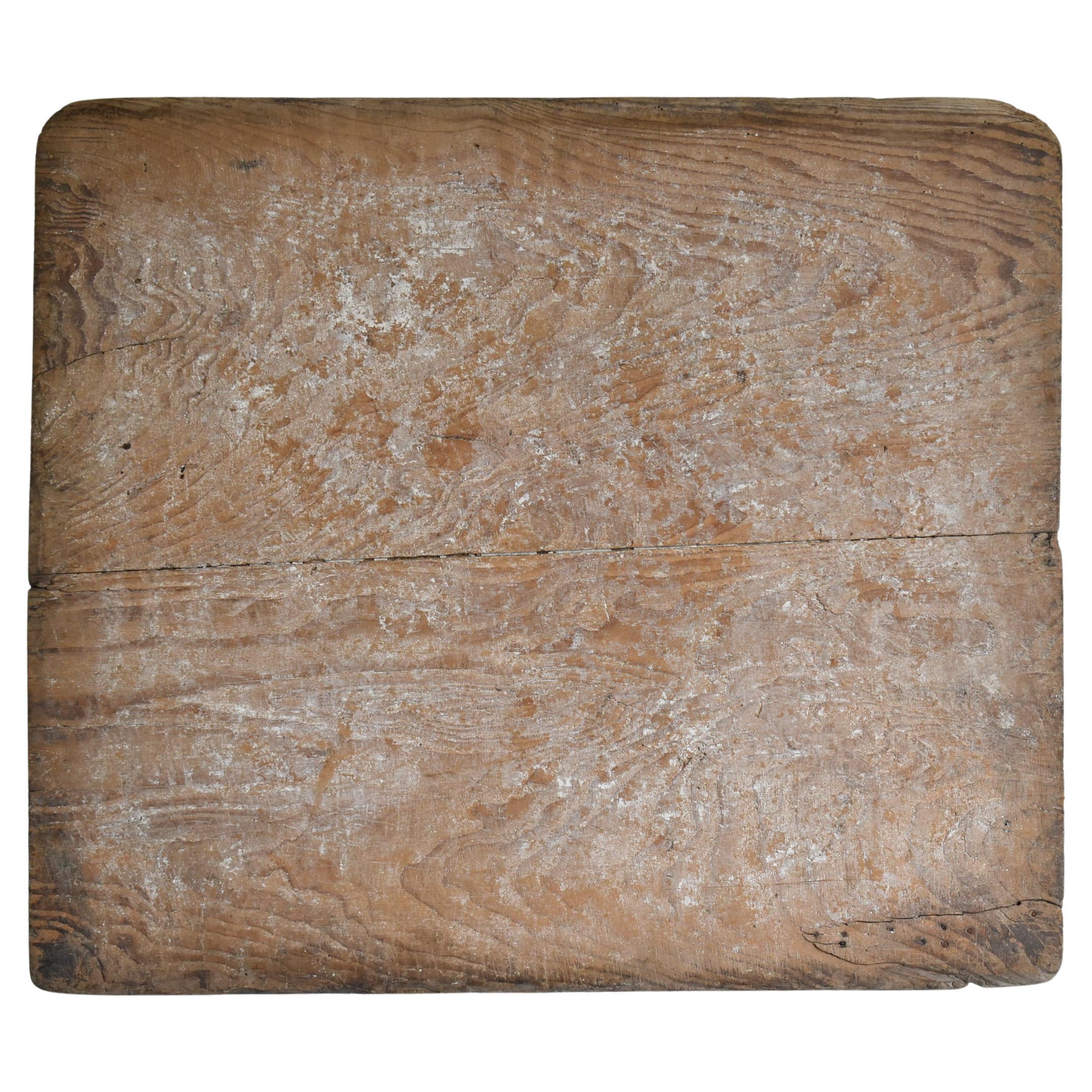
Through decades of repeated use and the quiet passage of time, the surface has developed a deep and complex patina.
Subtle variations in tone, softened edges, and layered markings reveal the history embedded within the material itself.
Marks left by repeated handling, pressure, and time have transformed the wood into a composition reminiscent of an abstract painting.
This surface was not shaped by artistic intention, but rather emerged organically through lived experience, human touch, and natural aging.
What remains is a visual record of time, use, and memory.
The board may be displayed vertically on the wall and experienced as sculptural wall art.
In this orientation, it functions as an installation piece, where material presence, surface texture, and scale become the primary visual elements.
It may also be placed horizontally and used as a display stand or sculptural platform, allowing for flexible installation depending on the space and context.
This listing is for the wooden board only.
In some installation examples, the board is shown placed atop a traditional Japanese mortar, forming a low sculptural table.
A separate listing is available in which the board and mortar are offered together as a complete installation set.
If you wish to use this piece in this table like sculptural configuration, please refer to the separate listing.
Its understated form and strong material presence allow it to integrate effortlessly into a wide range of interiors.
It resonates equally within minimalist contemporary environments and calm, traditional spaces, offering quiet visual weight without overpowering its surroundings.
This piece strongly embodies the spirit of wabi sabi, the Japanese aesthetic philosophy that finds beauty in imperfection, impermanence, and authenticity.
Its appeal lies in a humble and restrained beauty, unconventional and deeply human, standing in clear contrast to excess, ornamentation, or artificial refinement.
Surviving examples of utilitarian objects like this, preserved in such expressive condition, are extremely rare.
This workboard stands as a truly one of a kind artifact, positioned between folk object, sculptural form, and abstract art.
Since ancient times, people in Japan have crafted tools from familiar natural materials and passed them down through generations, shaping a culture rooted in resilience and adaptation to nature.
Through long use, such objects quietly absorb the character of daily life, reflecting both the passage of time and the values of those who relied on them.
In a contemporary world driven by disposability and mass production, this piece offers a powerful reminder of durability, reuse, and thoughtful making.
Guided by this philosophy, we carefully curate Japanese antiques that are quiet yet powerful, honest, and deeply resonant.
- Dimensions:Height: 24.02 in (61 cm)Width: 44.1 in (112 cm)Depth: 2.56 in (6.5 cm)
- Style:Meiji (Of the Period)
- Materials and Techniques:Cedar,Japanned
- Place of Origin:
- Period:
- Date of Manufacture:1860s-1900s
- Condition:Wear consistent with age and use.
- Seller Location:Sammu-shi, JP
- Reference Number:1stDibs: LU5487248072242
About the Seller
5.0
Platinum Seller
Premium sellers with a 4.7+ rating and 24-hour response times
Established in 2015
1stDibs seller since 2020
1,699 sales on 1stDibs
Typical response time: 6 hours
- ShippingRetrieving quote...Shipping from: Sammushi, Japan
- Return Policy
More From This Seller
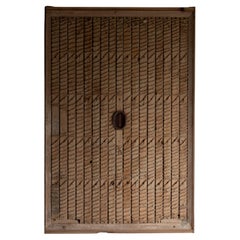
View AllJapanese Antique Door "Wall Decoration" 1860s-1900s / Abstract Art Wabi Sabi
Located in Sammu-shi, Chiba
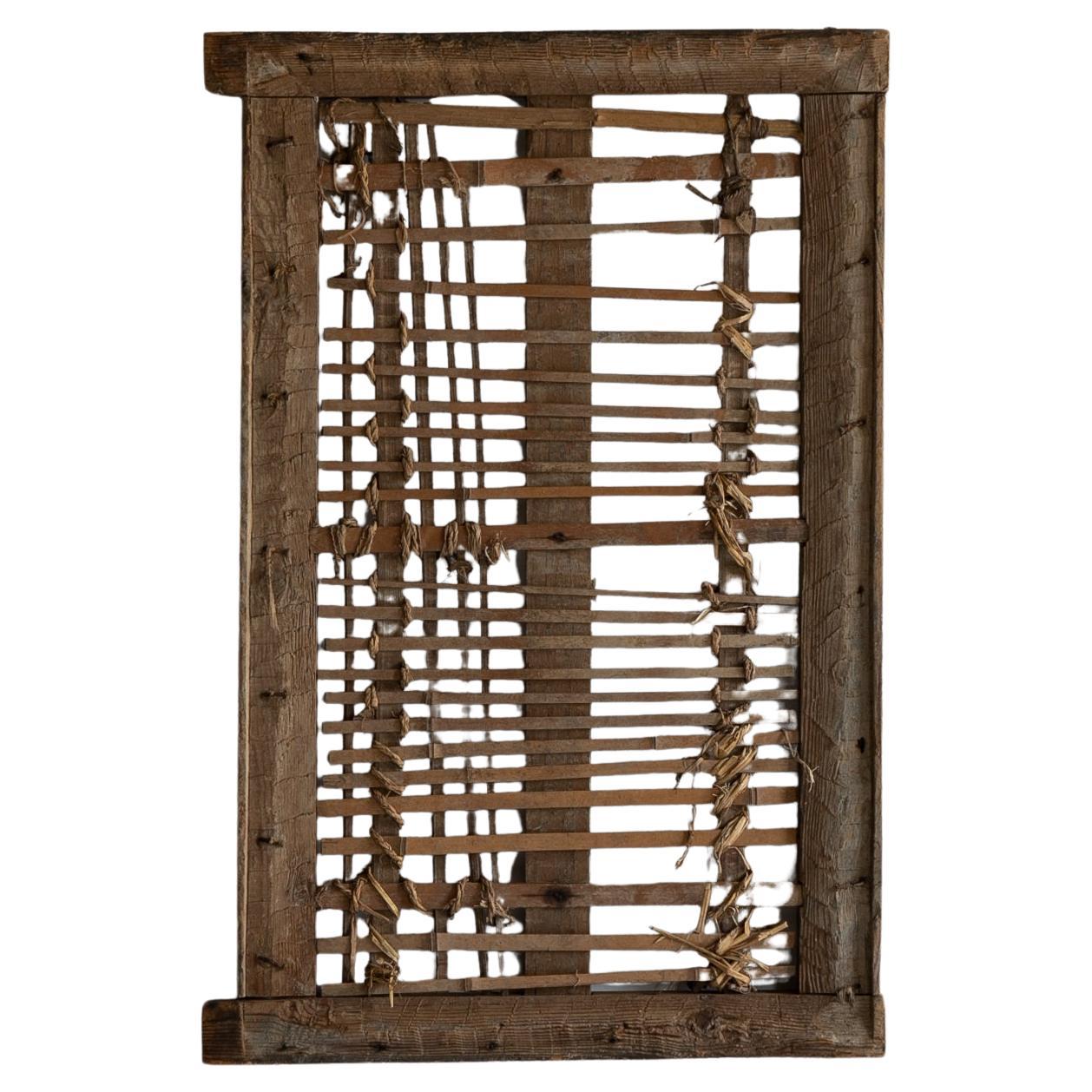
This was a very old Japanese warehouse (kura) window sliding door.
It was made during the Meiji period (1860s-1900s).
The frame is made of cedar wood and the lattice is bamboo.
It w...
Category
Early 20th Century Japanese Meiji Decorative Art
Materials
Bamboo, Cedar
Japanese Antique Drawer 1860s-1900s / Storage Tansu Wabisabi
Located in Sammu-shi, Chiba
Very old Japanese small drawer storage.
The furniture is from the Meiji period (1860s-1900s).
It is made of cedar wood.
The handles are made of iron.
The design is ultimately simple...
Category
Early 20th Century Japanese Meiji Commodes and Chests of Drawers
Materials
Cedar
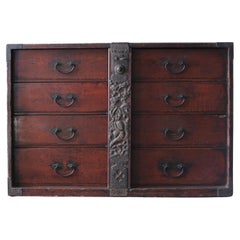
Japanese Antique Drawer 1860s-1900s / Storage Tansu Wabisabi
Located in Sammu-shi, Chiba
This is a very old Japanese small drawer storage.
The furniture is from the Meiji period (1860s-1900s).
This is a "Shonai chest" chest made in the Tohoku region of Japan.
It is chara...
Category
Early 20th Century Japanese Meiji Commodes and Chests of Drawers
Materials
Cedar
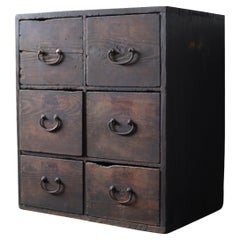
Japanese Antique BK Drawer 1860s-1900s / Storage Tansu Wabisabi
Located in Sammu-shi, Chiba
Very old Japanese small drawer storage.
The furniture is from the Meiji period (1860s-1900s).
It is made of cedar wood and pine.
The handles are made of iron.
This is almost in its o...
Category
Early 20th Century Japanese Meiji Commodes and Chests of Drawers
Materials
Cedar, Pine
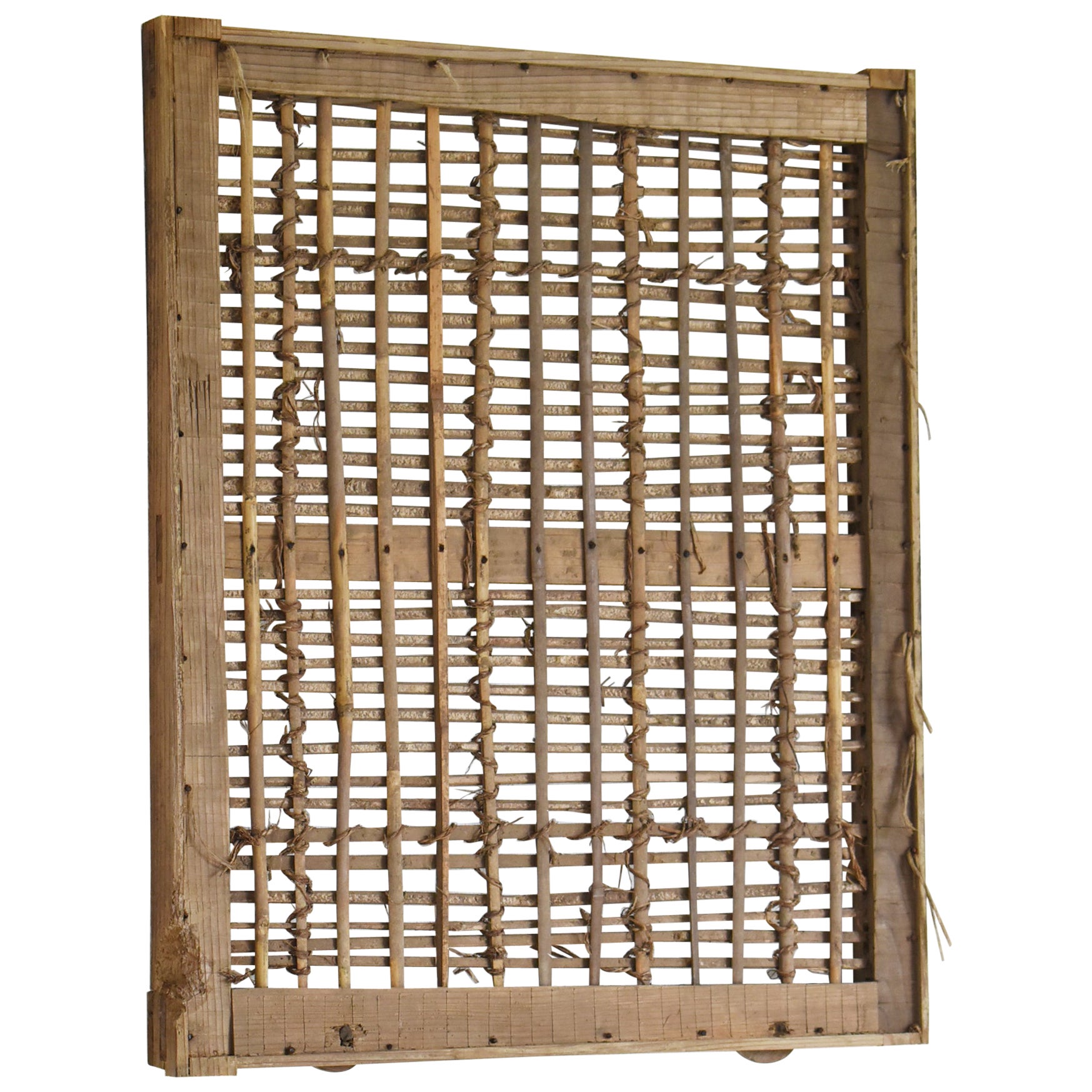
Japanese Antique Huge Door " Wall Decoration " 1860s-1900s / Wabi Sabi"
Located in Sammu-shi, Chiba
Japanese Antique Huge Door " Wall Decoration " 1860s-1900s / Wabi Sabi
This extraordinary large sliding door was once used in an old warehouse in Japan.
Dating back to the Meiji per...
Category
Early 20th Century Japanese Meiji Decorative Art
Materials
Iron
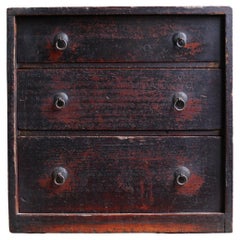
Japanese Antique BK Small Drawer 1860s-1900s / Tansu Storage Wabisabi
Located in Sammu-shi, Chiba
This is a very old Japanese black drawer storage.
The furniture is from the Meiji period (1860s-1900s).
It is probably from the Tohoku region of Japan.
The material is mainly cedar w...
Category
Early 20th Century Japanese Meiji Commodes and Chests of Drawers
Materials
Cedar
You May Also Like
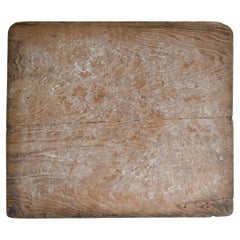
Japanese Antique Wabi-Sabi Wooden board "Wall Decoration" 1860s-1900s
Located in Chōsei District Nagara, JP
This is an old Japanese wooden workboard
Crafted during the Meiji period (1860s–1900s), it is made from a single slab of keyaki (zelkova wood), a material now extremely rare. The imp...
Category
Early 20th Century Japanese Meiji Decorative Art
Materials
Wood
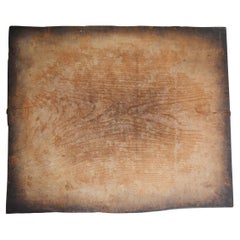
Japanese Antique Wabi-Sabi Wood Board 1860s-1900s / Wall Decoration
Located in Chōsei District Nagara, JP
This is an old Japanese wooden board called “Mochiita” (rice cake board).
It was used during the Meiji period (1860s-1900s) and is made of pine wood with a rich texture.
As the name ...
Category
Early 20th Century Japanese Meiji Decorative Art
Materials
Pine
$720 Sale Price
44% Off
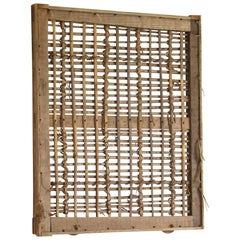
Japanese Antique Small Door Wall Decoration 1860s-1900s / Abstract Art Wabi Sabi
Located in Chōsei District Nagara, JP
This is an old small window frame made in Japan. It was originally used as a traditional Japanese mud wall fixture. It dates back to the Meiji period (1860s-1900s) and has been in us...
Category
Early 20th Century Japanese Meiji Decorative Art
Materials
Bamboo, Cedar
Japanese Antique Wooden Board / Wall Decoration Abstract Art / Wabi-Sabi
Located in Iwate-gun Shizukuishi-cho, Iwate Prefecture
This is an old Japanese workboard.
It was called "Mochiita" and was used as a workbench for kneading flour.
It seems to be around the Meiji period.
The board is thought to be pine...
Category
Antique Late 19th Century Japanese Meiji Decorative Art
Materials
Wood
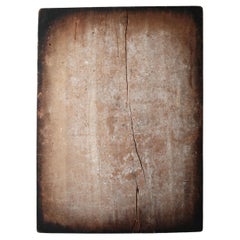
Japanese Old Artist
s Drawing Board / Abstract Art Wall Decoration / Late 1900s
Located in Iwate-gun Shizukuishi-cho, Iwate Prefecture
This is a drawing board used by a Japanese painter.
It is made by gluing together pieces of cardboard, and it is thought that the artist repeatedly painted on it.
The colorful water...
Category
Late 20th Century Japanese Other Decorative Art
Materials
Paper, Paint
Japanese Old Car Door 1957s / Wall Decoration Abstract Art Wabisabi
Located in Chōsei District Nagara, JP
This is an old car door made in Japan, originating from an early model of the “Midget”, first introduced in 1957.
The Midget symbolizes the dawn of Japan’s motorization—a small three...
Category
Vintage 1950s Japanese Showa Decorative Art
Materials
Iron
