Items Similar to Old Arched Bamboo Wall Art Object / Japan, Early 20th Century/MINGEI
Want more images or videos?
Request additional images or videos from the seller
1 of 20
Old Arched Bamboo Wall Art Object / Japan, Early 20th Century/MINGEI
$1,800
£1,373.36
€1,563.46
CA$2,529.92
A$2,781
CHF 1,460.01
MX$33,068.07
NOK 18,749.86
SEK 17,079.09
DKK 11,681.53
About the Item
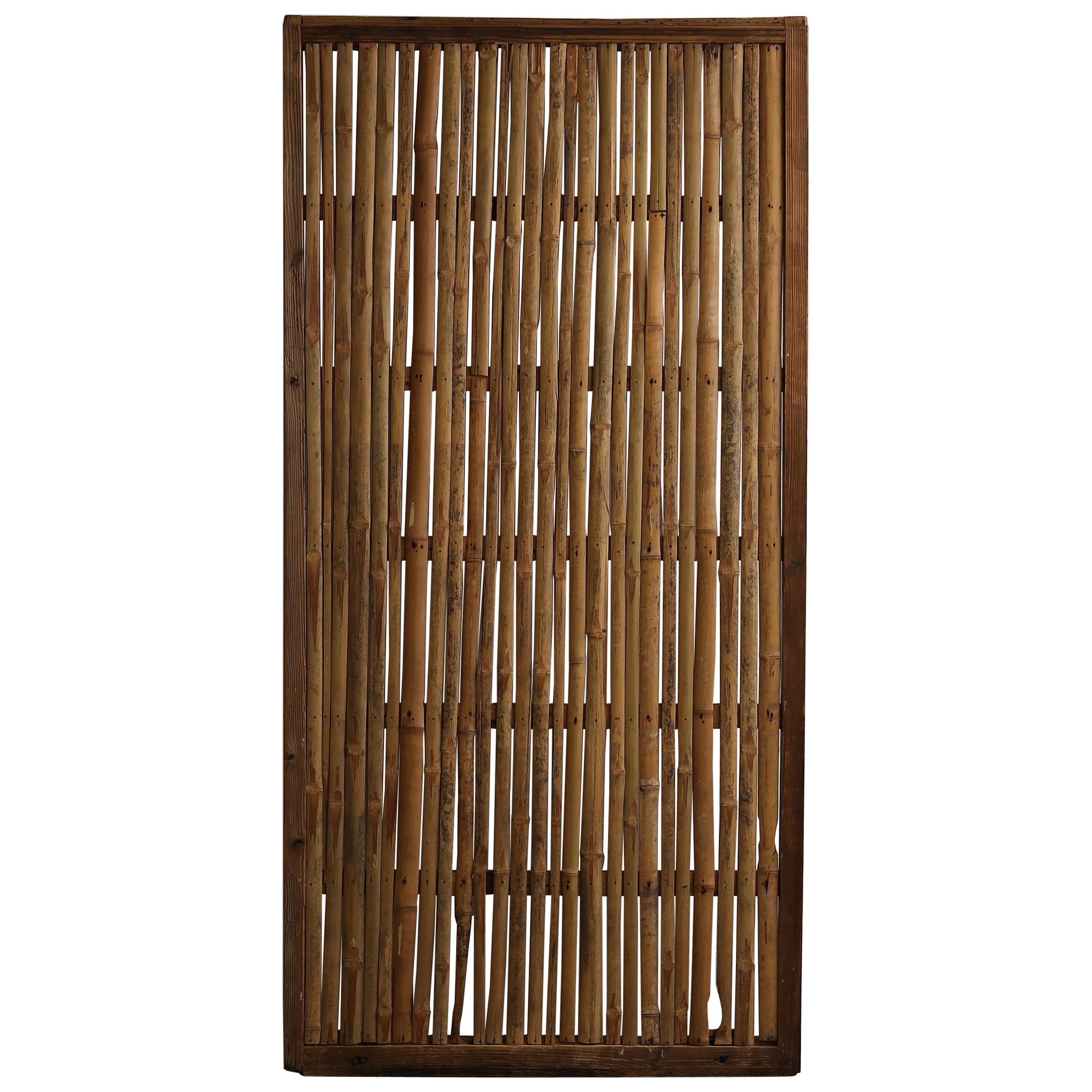
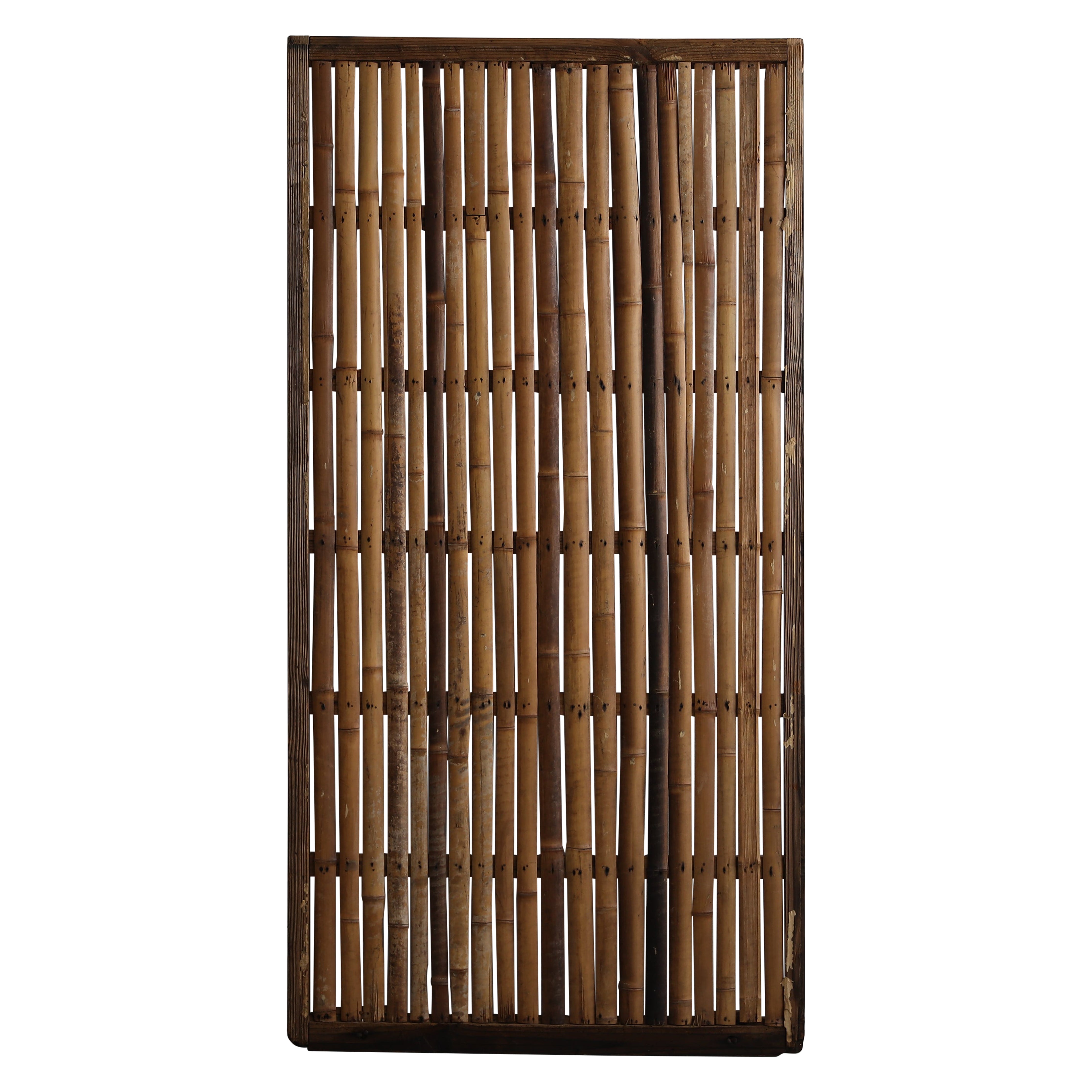
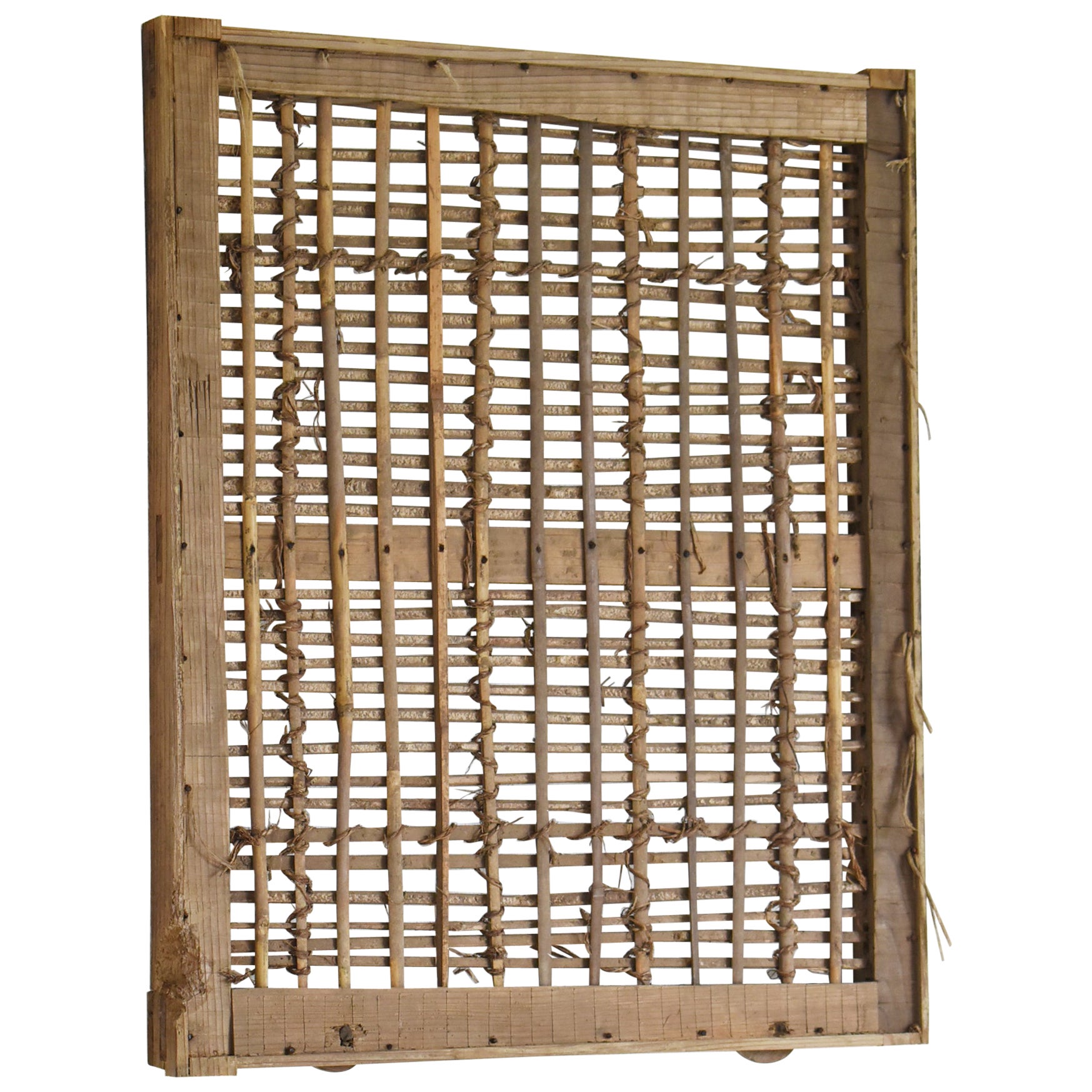
This is a large bamboo frame believed to have been made in Japan between the Meiji period and the early Showa period. Its original purpose is unclear, but the narrow holes and structural traces in the four corners suggest that it could have been transformed into a workbench by inserting legs. It's highly likely that it was a specialized tool used by artisans of other traditional crafts, such as tatami makers, and just imagining its purpose is an intriguing piece.
Of particular note is its unique arched structure. The curved shape, not typically seen on workbenches, may have been a way to add curves to a product or material. The structure is extremely simple, consisting of a wooden frame on all four sides, with thin bamboo slabs arranged at equal intervals within. Yet, it embodies a folk art aesthetic and a beauty of utility that eschews waste.
Each bamboo stalk has knots, and while maintaining its natural shape, they are arranged in a uniform rhythm, creating a modern impression reminiscent of vertical stripes. Its appearance as an object is extremely refined, blending beautifully into modern living spaces. Simply leaning it against a wall creates a tranquil and dignified atmosphere, and the bamboo's shadows cast on the wall by indirect lighting or natural light also create a fantastical scene.
There is a small crack in the frame in the upper right corner, but it has been properly repaired and there are no structural issues. The overall construction is solid, weighing over 15 kg. When hanging it on the wall, we recommend using L-shaped metal fittings to secure it securely.
More than just decorative, this bamboo object exudes a somewhat poetic aura, and in a space that incorporates a Japanese aesthetic, it exudes a presence comparable to contemporary art. Its unique curves and the gentle expression created by the natural materials of bamboo and wood. Experience the beauty of this folk implement, passed down through the ages, in your own space.
Dimensions: 69.1cm W x 9.3cm D x 177.2cm H
Weight: 15.45kg
Item No.: BA019
[Our Social Role]
--------------------------------------------------------------------------------------------------------
We are a specialized team dealing in antiques and vintage items, comprised of stores based on three distinct brands. While focusing on Japanese items, we also offer a carefully curated selection of attractive goods from around the world—each evoking the culture and history of its country of origin.
Unlike the traditional Japanese antique furniture and art that have been appreciated overseas until now, we shine a light on the tools and furniture that were used for many years in ordinary Japanese homes and farmhouses. These objects have gained a unique charm over time, their beauty deepened by the history accumulated through daily life. In today’s world, however, many of these precious items are discarded during home demolitions. We are committed to reassessing their value and passing them on to future generations.
Drawing from our extensive experience—having seen tens of thousands of items through direct purchases, markets, and auction houses—we carefully select and present only the most captivating pieces. This is something made possible only through the years of knowledge and expertise we have cultivated.
Rather than focusing on the widely known facets of Japanese art and culture, we highlight the subtle beauty born from the everyday life of common people. It is this rediscovered beauty, steeped in history, that we strive to share with the world.
- Dimensions:Height: 69.77 in (177.2 cm)Width: 27.21 in (69.1 cm)Depth: 5.12 in (13 cm)
- Style:Meiji (Of the Period)
- Materials and Techniques:
- Place of Origin:
- Period:
- Date of Manufacture:Early 20th century
- Condition:Repaired: There is a small crack in the frame in the upper right corner, but it has been properly repaired and is structurally sound.
- Seller Location:Sammu-shi, JP
- Reference Number:1stDibs: LU5487246849052
About the Seller
5.0
Platinum Seller
Premium sellers with a 4.7+ rating and 24-hour response times
Established in 2015
1stDibs seller since 2020
1,699 sales on 1stDibs
Typical response time: 5 hours
- ShippingRetrieving quote...Shipping from: senzoku, Japan
- Return Policy
More From This Seller
View AllJapanese Antique Huge Door " Wall Decoration " 1860s-1900s / Wabi Sabi"
Located in Sammu-shi, Chiba
Japanese Antique Huge Door " Wall Decoration " 1860s-1900s / Wabi Sabi
This extraordinary large sliding door was once used in an old warehouse in Japan.
Dating back to the Meiji per...
Category
Early 20th Century Japanese Meiji Decorative Art
Materials
Iron
Japanese Antique Door "Wall Decoration" 1860s-1900s / Abstract Art Wabi Sabi
Located in Sammu-shi, Chiba
This was a very old Japanese warehouse (kura) window sliding door.
It was made during the Meiji period (1860s-1900s).
The frame is made of cedar wood and the lattice is bamboo.
It w...
Category
Early 20th Century Japanese Meiji Decorative Art
Materials
Bamboo, Cedar
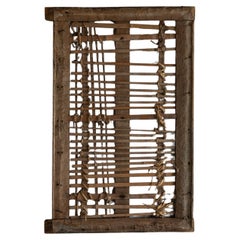
Japanese antique wooden storage shelf/ Early 20th century/Wooden cabinet
Located in Sammu-shi, Chiba
This is a vertical wooden storage cabinet made of Japanese cedar in the first half of the 20th century. Although it is unknown where it was used, its appearance oozes a beauty that transcends practical use. The rustic feel of the material and its quiet presence give it a nostalgic warmth not found in modern furniture.
This piece is made entirely of solid Japanese cedar, and the simple and disciplined structure of the vertical cleats, especially on the doors, and the cedar planks passed horizontally and overlapping from the reverse side, bring a perfect balance and rhythm to the overall look of the piece. This kind of design reveals a uniquely Japanese sense of design.
The deep candy-colored texture created by the aging process is a taste that only antique pieces can have. The subtle changes in color from suntanning and areas touched by the hand tell a quiet story of the passage of time. The doors are simple and close with small wooden stoppers, preserving the practicality and warmth of the past.
The shelves are securely fastened and provide ample storage capacity. Books, clothes, daily necessities, and various other items can be beautifully organized. The backs and shelves are stained and worn from use, and there are also some holes repaired on the sides and small chips.
In a modern living space, this shelf can be used as a shelf in a study, as an accent in a living room, or as a quiet corner of a room where one spends quiet time alone, bringing a sense of calmness and flavor to the entire space. These long, locker-like proportions of antique shelves...
Category
Early 20th Century Japanese Taisho Cabinets
Materials
Cedar
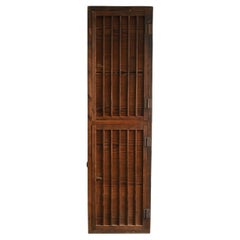
Japanese wooden wabi-sabi board/Early 20th century/Display stand/MINGEI
Located in Sammu-shi, Chiba
This is an old wooden work board called a “Kate-Kiri-Ban,” which was used in the Aizu region of Fukushima Prefecture, Japan, around the early 20th century. The name breaks down as fo...
Category
Early 20th Century Japanese Taisho Antiquities
Materials
Chestnut
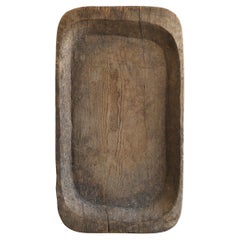
Japanese antique bamboo woven basket/wall hanging vase/1868-1920/Mingei
Located in Sammu-shi, Chiba
This is a woven bamboo basket made in Japan from the Meiji to Taisho periods (1868-1920).
I don't know if the baskets actually used by farmers were repurposed as flower vases, or if ...
Category
Early 20th Century Japanese Meiji Decorative Art
Materials
Bamboo
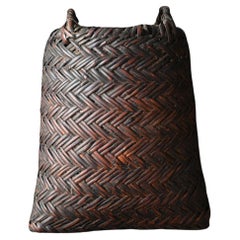
Old Japanese wooden wall hanging object/wooden mold/20th century
Located in Sammu-shi, Chiba
This is an old Japanese wooden mold, probably made in the 20th century during the Showa period. I don't know what it was used for, but it has a unique texture as a traditional tool u...
Category
20th Century Japanese Showa Antiquities
Materials
Wood
You May Also Like
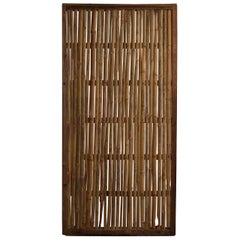
Japanese Antique Bamboo Sliding Door, Object Mingei Art Panel, Wabisabi Door(2)
Located in Katori-Shi, 12
This is an antique Japanese bamboo door.
It is from the Meiji period (1860s-1900s).
It is made mainly of cedar and bamboo.
It has a simple design that conveys the charm of the mater...
Category
Early 20th Century Japanese Meiji Doors and Gates
Materials
Bamboo, Wood
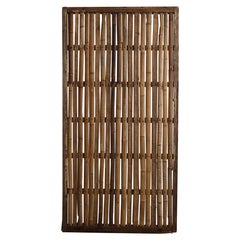
Japanese Antique Bamboo Sliding Door, Object Mingei Art Panel, Wabisabi Door(4)
Located in Katori-Shi, 12
This is an antique Japanese bamboo door.
It is from the Meiji period (1860s-1900s).
It is made mainly of cedar and bamboo.
It has a simple design that conveys the charm of the mater...
Category
Early 20th Century Japanese Meiji Doors and Gates
Materials
Bamboo, Wood
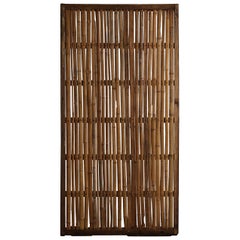
Japanese Antique Bamboo Sliding Door, Object Mingei Art Panel, Wabisabi Door(1)
Located in Katori-Shi, 12
This is an antique Japanese bamboo door.
It is from the Meiji period (1860s-1900s).
It is made mainly of cedar and bamboo.
It has a simple design that conveys the charm of the mater...
Category
Early 20th Century Japanese Meiji Doors and Gates
Materials
Wood, Bamboo
Japanese Antique Bamboo Sliding Door, Object Mingei Art Panel, Wabisabi Door(3)
Located in Katori-Shi, 12
This is an antique Japanese bamboo door.
It is from the Meiji period (1860s-1900s).
It is made mainly of cedar and bamboo.
It has a simple design that conveys the charm of the mater...
Category
Early 20th Century Japanese Meiji Doors and Gates
Materials
Bamboo, Wood
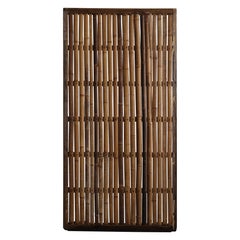
Japanese Antique Small Door Wall Decoration 1860s-1900s / Abstract Art Wabi Sabi
Located in Chōsei District Nagara, JP
This is an old small window frame made in Japan. It was originally used as a traditional Japanese mud wall fixture. It dates back to the Meiji period (1860s-1900s) and has been in us...
Category
Early 20th Century Japanese Meiji Decorative Art
Materials
Bamboo, Cedar
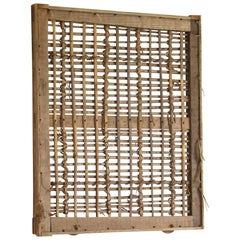
1930s Early Chinese Wood Screen Asian Wall Art
Located in Chula Vista, CA
AMBIANIC presents
early Chinese Large Screen Asian Wall Art
architectural wood window screen divider
intricate pattern
39.25 h x 45.75 w x 1.13
unsigned
Original vintage condition
Re...
Category
Early 20th Century Chinese Chinese Export Screens and Room Dividers
Materials
Wood