Qing Decorative Art

QING STYLE

The last imperial dynasty from 1644 to 1912 was a time of change in China, beginning with the invasion by Manchurian forces that ended the Ming dynasty and established the Shunzhi Emperor. The expansion of exportation and trade that had bolstered the arts during the Ming era continued, as Qing dynasty furniture involved the same attention to craftsmanship with expert construction techniques in hardwood pieces that were assembled with mortise and tenon joints rather than nails or glue. Together, these eras comprise a golden age of Chinese furniture design.

Ming-style furniture is simple and elegant with clean lines. Chairs of the period and other Ming furniture made an impression on Scandinavian modernist Hans Wegner and his streamlined seating, for example. Whereas Qing-style furniture is elaborate, with an increasing influence from the West leading to lavish carving inspired by the European Baroque and Rococo styles. And while many of the forms that define examples of the latter are common within classical Chinese furniture, such as curving and folding chairs as well as large screens, Qing designs are laden with ornamentation. Frequently, the carved motifs and inlaid designs in mother-of-pearl were auspicious, such as peonies for wealth or dragons for luck. Bats were symbols of happiness in the design of Qing furniture, with one of the characters in the word for bat, bianfu, being a homophone for fu, or “fortune.”

While several types of wood were used in the construction of Qing beds, tables, storage pieces and seating, today’s collectors know that the most prized were the rare rosewoods zitan and huanghuali. They were both sourced from Hainan, China’s largest island, and are marked by a rich luster that occurs naturally, without the application of lacquer or other decorative materials. Many of the most popular woods were imported from southeast Asia, adding to their value. Red sandalwood was also sought after for its durability and connection with Chinese medicine, with some chairs being made for health benefits.

Find a collection of antique Qing tea tables, stools, benches, decorative objects and more furniture on 1stDibs.

to
2
27
3
30
Height
to
Width
to
1,459
953
343
341
305
237
189
189
116
96
91
68
63
53
44
33
32
28
1
25
4
3
1
21
20
13
5
3
30
30
30
30
30
30
1
Style: Qing
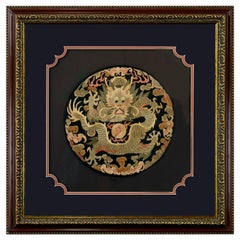
Chinese Dragon, Framed Silk Textile Surcoat Embroidery
Located in Soquel, CA
Late 19th century Chinese silk embroidery rank badge textile, with a finely detailed dragon along with other various symbols embro...
Category

1890s Chinese Antique Qing Decorative Art

Materials

Silk

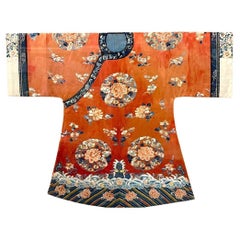
Frame Fine Embroidered Chinese Court Lady Casual Robe Qing Dynasty Provenance
Located in Atlanta, GA
A woman's court coat made from fine orange color silk with wide sleeves from Chinese Qing Dynasty (mid 19th century), mounted on linen canvas and presented on under a plexiglass shadow box with brass corner trims. This piece is part of the textile art collection of the former Xerox Corporate and still bears a metal tag that read "Xerox property no A2425". The semi-long Apricot color silk coat features elaborate embroidery work executed in superb workmanship. Perfectly symmetrical, the design follows the iconic Qing dynasty court tradition as an informal court coat. The bottom of the skirt is bordered with fine Li-Shui bands with rocks in the middle. Three large peony floral roundels form the focal points of the front. Two additional were placed on the shoulder (half visible). Numerous auspicious symbols were incorporated into the picture, including plum blossom, Chrysanthemum flower centered with Buddhism symbols, bats, butterflies, and magic mushrooms. The neck and skirt bands features archaic key motif, scrolling floral vines and Buddhist drums with ribbons. Examining the robe, one is struck by the fine workmanship. Long and short satin stiches were used widely. The peonies were created using forbidden knots (Peking Knote), one of the most challenging and time-consuming stiches in Qing textile. The robe carries a nice patina, reflecting in a mottled fading in the background that renders the piece a nice antique aurora...
Category

Mid-19th Century Chinese Antique Qing Decorative Art

Materials

Silk, Plexiglass

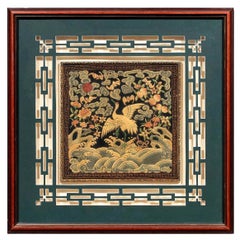
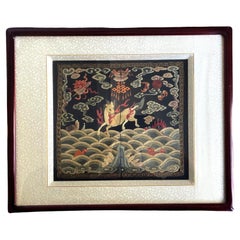
Framed Chinese Qing Dynasty Embroidered First Rank Badge
Located in Atlanta, GA
A finely embroidered silk civil rank badge panel presented with elaborate lattice mat and a wood frame circa mid to late 19th century (late Qing dynasty). The square rank badge is kn...
Category

19th Century Chinese Antique Qing Decorative Art

Materials

Silk

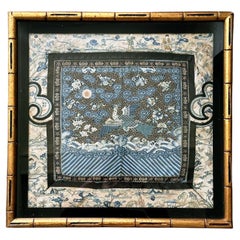
Framed Stunning Chinese Qing Dynasty Kesi Peacock Third Rank Badge
Located in Atlanta, GA
A silk civil rank badge panel beautifully framed in a gilt Baux bamboo carved wood frame circa Qing dynasty mid-19th century. The square rank badge is known in Chinese as Buzi which ...
Category

Mid-19th Century Chinese Antique Qing Decorative Art

Materials

Silk

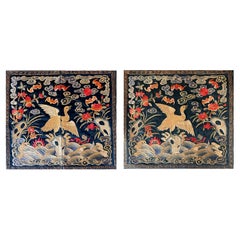
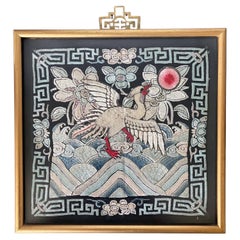
Pair Framed Superb Chinese Qing Dynasty Embroidered Peacock Third Rank Badge
Located in Atlanta, GA
A rare pair of finely embroidered silk civil rank badge panel framed in a black carved wood frame circa late Qing dynasty (mid-late 19th century). The square rank badge is known in C...
Category

19th Century Chinese Antique Qing Decorative Art

Materials

Silk

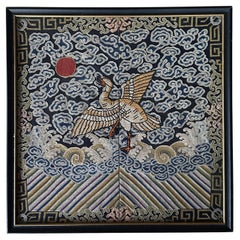
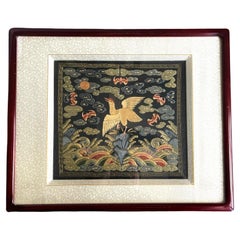
Antique Chinese Kesi Fourth Rank Badges Qing Dynasty
Located in Atlanta, GA
A fine silk kesi civil rank badge panel (known in Chinese as Buzi) framed and glazed. The fourth rank panel feature borders of fret archaic key and are cente...
Category

19th Century Chinese Antique Qing Decorative Art

Materials

Silk, Giltwood

Framed Chinese Antique Embroidery Silk Collar Qing Dynasty
Located in Atlanta, GA
A silk collar from China dated to Qing Dynasty circa 19th century. Known as Yunjian (Cloud Shoulder or Cloud Collar), this multi-lobed textile piece was a detachable collar worn arou...
Category

19th Century Chinese Antique Qing Decorative Art

Materials

Silk, Beads

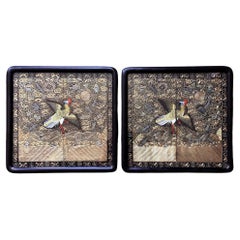
Pair Chinese Embroidered Fourth Rank Badges Qing Dynasty
Located in Atlanta, GA
A fine matching pair of embroidered silk civil rank badge panels (known in Chinese as Buzi) unframed. The panels feature borders of fret archaic key a...
Category

Mid-19th Century Chinese Antique Qing Decorative Art

Materials

Silk, Giltwood

Large Framed Stunning Antique Chinese Embroidered Robe Qing Dynasty
Located in Atlanta, GA
A woman's coat made of black stain silk with wide sleeves from China late Qing Dynasty (late 19th to early 20th century), mounted with the sleeves folded and presented on a coral red...
Category

19th Century Chinese Antique Qing Decorative Art

Materials

Silk, Giltwood

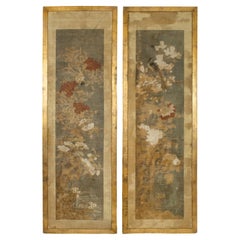
Pair of 17th Century Chinese Huaniaohua Paintings with Gilded Frames
Located in Dublin, Dalkey
A pair of 17th century Chinese Huaniaohua paintings created in 1665 with the watercolor mixture Gouche. The pair showcases beautiful floral scenes in the centuries old tradition of...
Category

17th Century Chinese Antique Qing Decorative Art

Materials

Quartz

Framed Antique Chinese Embroidered Silk Collar Qing Dynasty Textile Art
Located in Atlanta, GA
A silk collar from China dated to late Qing Dynasty circa 19th century. Known as Yunjian (Cloud Shoulder or Cloud Collar), this two-tiered embroidery textile piece was a detachable c...
Category

Early 19th Century Chinese Antique Qing Decorative Art

Materials

Silk, Wood

Exhibited Framed Chinese Qing Dynasty Embroidered Fifth Rank Badge
Located in Atlanta, GA
A fine embroidered silk civil rank badge panel (known in Chinese as Buzi) in giltwood frame originally from the Annette Martin Collection and exhibite...
Category

19th Century Chinese Antique Qing Decorative Art

Materials

Silk, Giltwood

Framed Chinese Qing Dynasty Embroidered Sixth Rank Badge
Located in Atlanta, GA
A finely embroidered silk civil rank badge panel framed in a wood frame circa late Qing dynasty 19th century. The square rank badge is known in Chinese as ...
Category

Late 19th Century Chinese Antique Qing Decorative Art

Materials

Silk

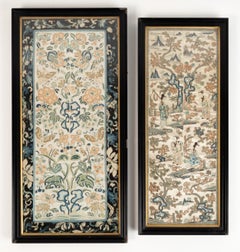
Pair of 19th Century Chinese Textile Qing Dynasty Embroidered Sleeve Panels
Located in London, GB
A Pair Of Chinese Embroidered Sleeve Panels. China, 19th Century, Qing Dynasty. Antique textile ff rectangular form, with a central seam, one decora...
Category

19th Century Chinese Antique Qing Decorative Art

Materials

Silk

Framed Chinese Embroidered Silk Collar Qing Dynasty
Located in Atlanta, GA
A silk collar from China dated to late Qing Dynasty circa 19th century. Known as Yunjian (Cloud Shoulder or Cloud Collar), this two-tiered, five-lobed textile piece was a detachable collar worn around the shoulders as part of the traditional Chinese garment...
Category

Early 19th Century Chinese Antique Qing Decorative Art

Materials

Silk

Framed Chinese Qing Dynasty Embroidered Ninth Military Rank Badge
Located in Atlanta, GA
A finely embroidered silk military rank badge panel framed in a wood frame circa late Qing dynasty 19th century. The square rank badge is known in Chinese as Buzi which was displayed...
Category

Late 19th Century Chinese Antique Qing Decorative Art

Materials

Silk

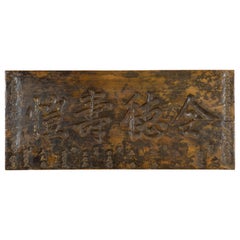
19th Century Qing Dynasty Shop Sign Panel with Calligraphy and Distressed Patina
Located in Yonkers, NY
A rectangular Qing Dynasty period shop sign panel from the 19th century with calligraphy and distressed dark brown patina. Crafted during the Qing Dynasty in the 19th century, this r...
Category

19th Century Chinese Antique Qing Decorative Art

Materials

Wood

Qing Dynasty Giltwood and Red Painted Floral Architectural Panel in Frame
Located in Yonkers, NY
A late Qing Dynasty period giltwood architectural panel on red ground, with floral motifs, set in new frame. Delve into the rich tapestry of the late Qing Dynasty period with this gi...
Category

Early 20th Century Chinese Qing Decorative Art

Materials

Wood, Giltwood

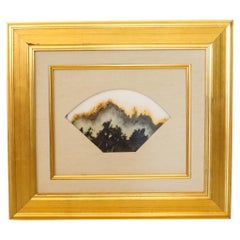
DREAM STONE 1910 Xi-Tuanxiong China Shih-Hua Art Landscape Framed Cut Marble
Located in Miami, FL
Framed Shih-Hua dream stone landscape. This is a gorgeous framed and matted marble stone slice known as a dream stone Shih-Hua boasting swirling hues of butterscotch, charcoal, ligh...
Category

1910s Chinese Vintage Qing Decorative Art

Materials

Marble

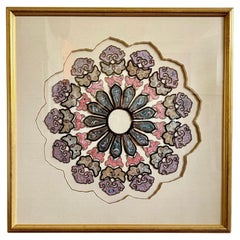
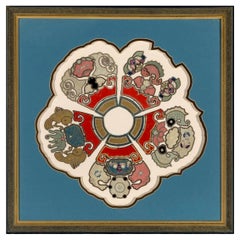
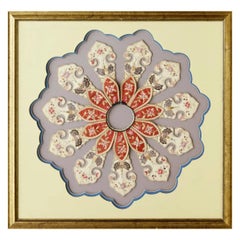
Framed Chinese Embroidered Silk Collar Qing Dynasty
Located in Atlanta, GA
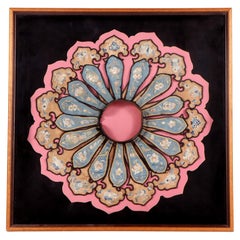
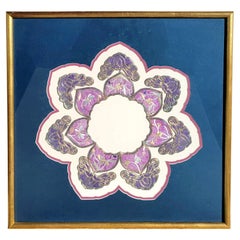
An embroidered silk collar from China dated to late Qing Dynasty circa 19th century. Known as Yunjian (Cloud Shoulder or Cloud Collar). This striking example features a two-tiered design with eleven inner and outer lobes radiating in a circular fashion. The red inner lobes feature floral embroidery design in satin stitches, the border with twisted chain stitches. The outer lobes are in the shape of auspicious "ruyi", which represents the head of Lingzhi mushroom, a symbol of longevity. Each showcases fine needlework of butterfly with spread wings and various floral motif. A small ball clasp remains on the front. This textile art is beautifully presented in a giltwood frame floating within a double mat of conforming shape. Detachable collars such as this were worn around the shoulders as part of the traditional Chinese garment...
Category

19th Century Chinese Antique Qing Decorative Art

Materials

Silk

Framed Chinese Embroidered Silk Collar Qing Dynasty
Located in Atlanta, GA
An embroidered silk collar from China dated to late Qing Dynasty circa 19th century. Known as Yunjian (Cloud Shoulder or Cloud Collar), this multi-lobed t...
Category

Early 19th Century Chinese Antique Qing Decorative Art

Materials

Silk

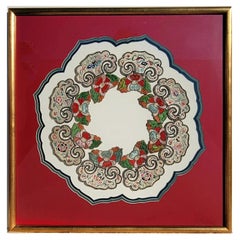
Framed Chinese Embroidered and Appliqued Silk Collar Qing Dynasty
Located in Atlanta, GA
A silk collar from China dated to late Qing Dynasty circa 19th century. Known as Yunjian (Cloud Shoulder or Cloud Collar), this multi-lobed textile piece was a detachable collar worn around the shoulders as part of the traditional Chinese garment accessory. With its origin dated back to the Han Dynasty and being used until the end of Qing Dynasty, the form evolves with time, but much of the ornamentation and fundamental symbolism remains the same. This striking example features a two-tiered design with eight lobes on each circle, all of which are variations of the shape of auspicious "ruyi", which represents the head of Lingzhi mushroom, a symbol of longevity. The inner lobes were made with appliqued patchwork of colorful silk. The outer lobes feature elaborate embroidery of assortment of colorful flowers, scrolling ribbons and butterfly, using mostly long and short satin stitches. The borders and outlines of the designs were lineated with metallic threads buddled in chain stitches. Small black pearls were used to link the piece together and most of them still remain. In Qing Dynasty, the silk collar with high quality was worn by noble or aristocratic women. The red color and the lotus boy symbol indicate that it was most likely part of the fashion accouterment worn during wedding ceremony. The collar is beautifully float mounted within a double conforming mat in a giltwood frame and wood backing. A stunningly presented period piece with story to tell. Reference: For a collection of Chinese embroidered collars...
Category

Early 19th Century Chinese Antique Qing Decorative Art

Materials

Silk

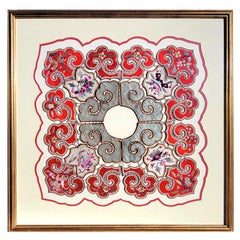
Framed Chinese Embroidered Silk Collar Qing Dynasty
Located in Atlanta, GA
A silk collar from China dated to late Qing Dynasty circa 19th century. Known as Yunjian (Cloud Shoulder or Cloud Collar), this multi-lobed textile piece was a detachable collar worn around the shoulders as part of the traditional Chinese garment accessory. With its origin dated back to the Han Dynasty and being used until the end of Qing Dynasty, the form evolves with time, but much of the ornamentation and fundamental symbolism remains the same. This striking example features a two-tiered design with seven lobes on each circle, all of which are variations of the shape of auspicious "ruyi", which represents the head of Lingzhi mushroom, a symbol of longevity. The inner lobes feature elaborate embroidery floral design with long and short satin stitches. Notably, one panel has a double gourd design, the symbol of fortune. The outer lobes show a simpler but bolder vision with the outlines of the designs lineated with metallic threads buddled in chain stitches. Small jade beads were used to link the piece together and most of them still remain. The piece as a whole has a very pleasant lilac purple color, delicate with the jade beads. In Qing Dynasty, the silk collar with high quality was worn by noble or aristocratic women. The red color and the lotus boy symbol indicate that it was most likely part of the fashion accouterment worn during wedding ceremony. The collar is beautifully float mounted within a double conforming mat in a giltwood frame and wood backing. A stunningly presented period piece with story to tell. Reference: For a collection of Chinese embroidered collars...
Category

Early 19th Century Chinese Antique Qing Decorative Art

Materials

Silk

Qing Dynasty Architectural Wooden Temple Panel with Detailed Floral Carvings
Located in Yonkers, NY
A Chinese architectural wood temple panel from the 19th century, with floral carvings. This exquisite Qing Dynasty architectural wood temple panel from the 19th century is a testamen...
Category

19th Century Chinese Antique Qing Decorative Art

Materials

Wood

Chinese Relief Carved Architectural Panel with Fruit and Flora, c. 1850
Located in Chicago, IL
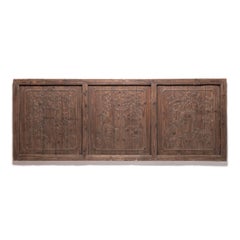
It’s difficult to pinpoint what makes this handcrafted panel so impressive: the artful relief carvings of seasonal fruit and lush, foliage-filled vases ...
Category

Mid-19th Century Chinese Antique Qing Decorative Art

Materials

Spruce

Small Blush Silk Tassel with Star Knot Charm
Located in Chicago, IL
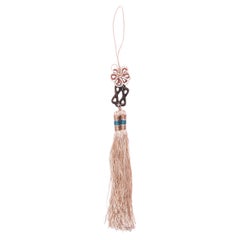
Chinese knotted tassels are used to add elegance to everyday items like hairpins or lanterns but they often hold sentimental value, and are passed down through families for generatio...
Category

20th Century Chinese Qing Decorative Art

Materials

Jade

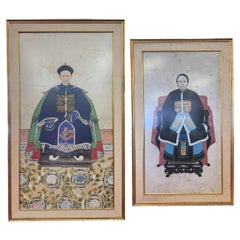
19th Century Ancestor Portraits of a Noble Couple
Located in North Palm Beach, FL
Deeply rooted in the belief that ancestors continue to guide and protect their descendants, many Chinese families pay homage to their departed loved ones through private rituals, see...
Category

Early 19th Century Chinese Antique Qing Decorative Art

Materials

Paper

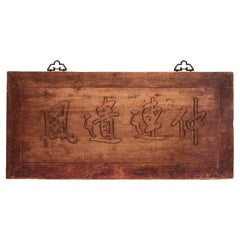
19th Century Chinese Calligraphy Signboard
Located in Kastrup, DK
A Chinese Qing Dynasty period linden wood signboard with calligraphy with stunning age-related patina. The wood carved signboard showcases a pair of couple written by a younger juni...
Category

Mid-19th Century Chinese Antique Qing Decorative Art

Materials

Metal

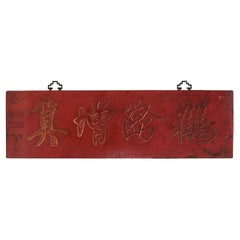
Mid-19th Century Chinese Calligraphy Sign Board
Located in Kastrup, DK
A Chinese Qing Dynasty period red lacquered signboard with calligraphy. The wood carved signboard showcases large carved Chinese characters with remnants of gold leaf, flanked wit...
Category

Mid-19th Century Chinese Antique Qing Decorative Art

Materials

Metal

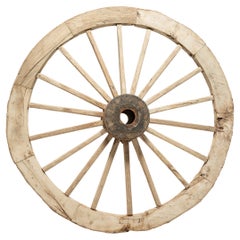
Chinese Monumental Mill Wheel, circa 1900
Located in Chicago, IL
Hewn from pine and held together with iron hardware, this provincial wooden wheel is a remarkable example of turn-of-the-century craftsmanship. Its monumental scale suggests it was u...
Category

Early 20th Century Chinese Qing Decorative Art

Materials

Iron

Qing decorative art for sale on 1stDibs.

Find a broad range of unique Qing decorative art for sale on 1stDibs. Many of these items were first offered in the Early 20th Century, but contemporary artisans have continued to produce works inspired by this style. If you’re looking to add vintage decorative art created in this style to your space, the works available on 1stDibs include wall decorations, asian art and furniture, building and garden elements and other home furnishings, frequently crafted with fabric, silk and other materials. If you’re shopping for used Qing decorative art made in a specific country, there are Asia, China, and East Asia pieces for sale on 1stDibs. It’s true that these talented designers have at times inspired knockoffs, but our experienced specialists have partnered with only top vetted sellers to offer authentic pieces that come with a buyer protection guarantee. Prices for decorative art differ depending upon multiple factors, including designer, materials, construction methods, condition and provenance. On 1stDibs, the price for these items starts at $48 and tops out at $5,514 while the average work can sell for $2,120.

Still Thinking About These?

All Recently Viewed