Items Similar to 3 framed
signed pencil drawings of Indian gentlemen in regional dress, 19th C
Want more images or videos?
Request additional images or videos from the seller
1 of 5
3 framed
signed pencil drawings of Indian gentlemen in regional dress, 19th C
$1,023.72
£750
€882.35
CA$1,425.48
A$1,531.83
CHF 821.92
MX$18,044.05
NOK 10,334.69
SEK 9,440.68
DKK 6,594.32
About the Item
Three highly charismatic and personal portrait drawings if Indian gentlemen. Dating from the late 19th century and in original glass and oak frames they portray a Pathan hillman and a Sikh watchman from the Punjab, as well as a Muhammadan Lapidary from the Karikal, French India. Beautifully executed and each one signed by the artist, the descriptions are labelled to the back of the frames. The surrounding mounts in a natural linen.
- Dimensions:Height: 14.77 in (37.5 cm)Width: 11.03 in (28 cm)Depth: 0.52 in (1.3 cm)
- Style:British Colonial (Of the Period)
- Materials and Techniques:
- Place of Origin:
- Period:
- Date of Manufacture:late 19th century
- Condition:Wear consistent with age and use.
- Seller Location:London, GB
- Reference Number:1stDibs: LU2276339529152
About the Seller
5.0
Vetted Professional Seller
Every seller passes strict standards for authenticity and reliability
Established in 2009
1stDibs seller since 2016
89 sales on 1stDibs
- ShippingRetrieving quote...Shipping from: London, United Kingdom
- Return Policy
More From This Seller
View AllSet of 2 - Framed Female Fluid Nudes by Barry Flanagan RA OBE, signed - c1990
By Barry Flanagan
Located in London, GB
Lithographs on arches, with initials, inscribed AP and numbered in pencil.
Published by Waddington Graphics, London.
In new high quality black ash box frames.
Category
Late 20th Century British Modern Prints
Materials
Paper
Pair of Ebonised Anglo-Indian Side Tables, circa 1860
Located in London, GB
India, circa 1860
A beautiful pair of turned ebonised Anglo-Indian side tables with stretched cowhide. Wonderful style and patina.
Dimensions: H 30cm x W 37cm X D 37cm.
Category
Antique 1850s Indian British Colonial Side Tables
Materials
Wood
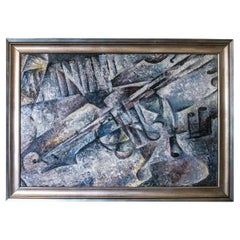
A Cubist Expressionist work on canvas, Eastern European, c1920
Located in London, GB
Stunning period Cubist oil painting on canvas with strong Futurist undertones, carries Cyrillic script as part of the composition. Visceral quality to the brushwork and application o...
Category
Vintage 1920s European Futurist Paintings
Materials
Canvas, Paint
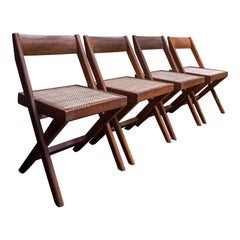
Four X Frame Chairs by Pierre Jeanneret
Eulie Chowdhury, Chandigarh India 1959
By Pierre Jeanneret
Located in London, GB
Chair known as ‘Cane seat wood back chair’ in solid teak and braided canework. Solid ‘banner’ type backrest, slanted and slightly curved. Canework seat and ‘X’ type double leg assembly, with the legs connected by a rail at the back.
Provenance: University Library in Chandigarh. High Court in Chandigarh (2nd series of furniture in 1960). Ref: Swiss National Museum in Zurich. City Museum in Chandigarh. Similar model in the catalogue ‘Phillips - Design London Day Sale’. Sale on 28/04/2015, lot no 69. Set of six sold for £37 500 / €52 455. Ref: MARG magazine, ‘Chandigarh’, 1961. Photo ref: Similar model in ‘Le Corbusier, Pierre Jeanneret, Chandigarh, India’ by Galerie Patrick Seguin, pages 182, 183, 184, 185, 186, 219, 221, 250, 265, 283. Photo ref: Similar model in ‘Catalogue – Amie Siegel’ Ed Prem Krishnamurthy. Printed: die Keure 2014, pages 112, 136, 137. Photo ref: Similar model in ‘Le Corbusier Pierre Jeanneret l'Aventure Indienne’ by Eric Touchaleaume and Gérald Moreau, page 569 under reference: PJ-SI-51-A
Chandigarh a short history: Upon the request of Prime Minister Nehru at the end of the 1940’s, Le Corbusier and Pierre Jeanneret, his cousin, were entrusted with an extraordinary project : the creation of the capital of Punjab, its urban scheme, its architecture and its furniture. Chandigarh’s furniture...
Category
Vintage 1950s Indian Mid-Century Modern Dining Room Chairs
Materials
Cane, Teak
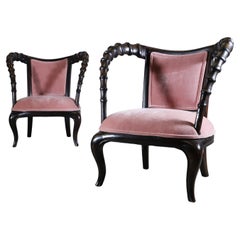
A pair of Thomasville
Ernest Hemingway
carved alder armchairs
Located in London, GB
A pair of Thomasville 'Ernest Hemingway' carved alder armchairs
modern, each with armrests carved in the manner of antelope antlers, upholstered in sumptuous blush velvet.
Provenan...
Category
Vintage 1960s American Colonial Revival Armchairs
Materials
Hardwood
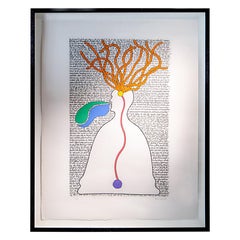
Flowing in the Right Direction by Peter Schmidt, 1971, Europaeische Graphik
Located in London, GB
Flowing in the Right Direction from Europaeische Graphik VII, 1971; lithograph printed in colours, signed and numbered 2/65 in pencil, printed by the Curwen Studio, published by Wolfgang Ketter, with their blindstamp. Note: For a similar example see Tate PO6459
Presented in a new hardwood ebonised box frame.
About the artist:
Peter Schmidt...
Category
Vintage 1970s British Modern Contemporary Art
Materials
Paper
You May Also Like
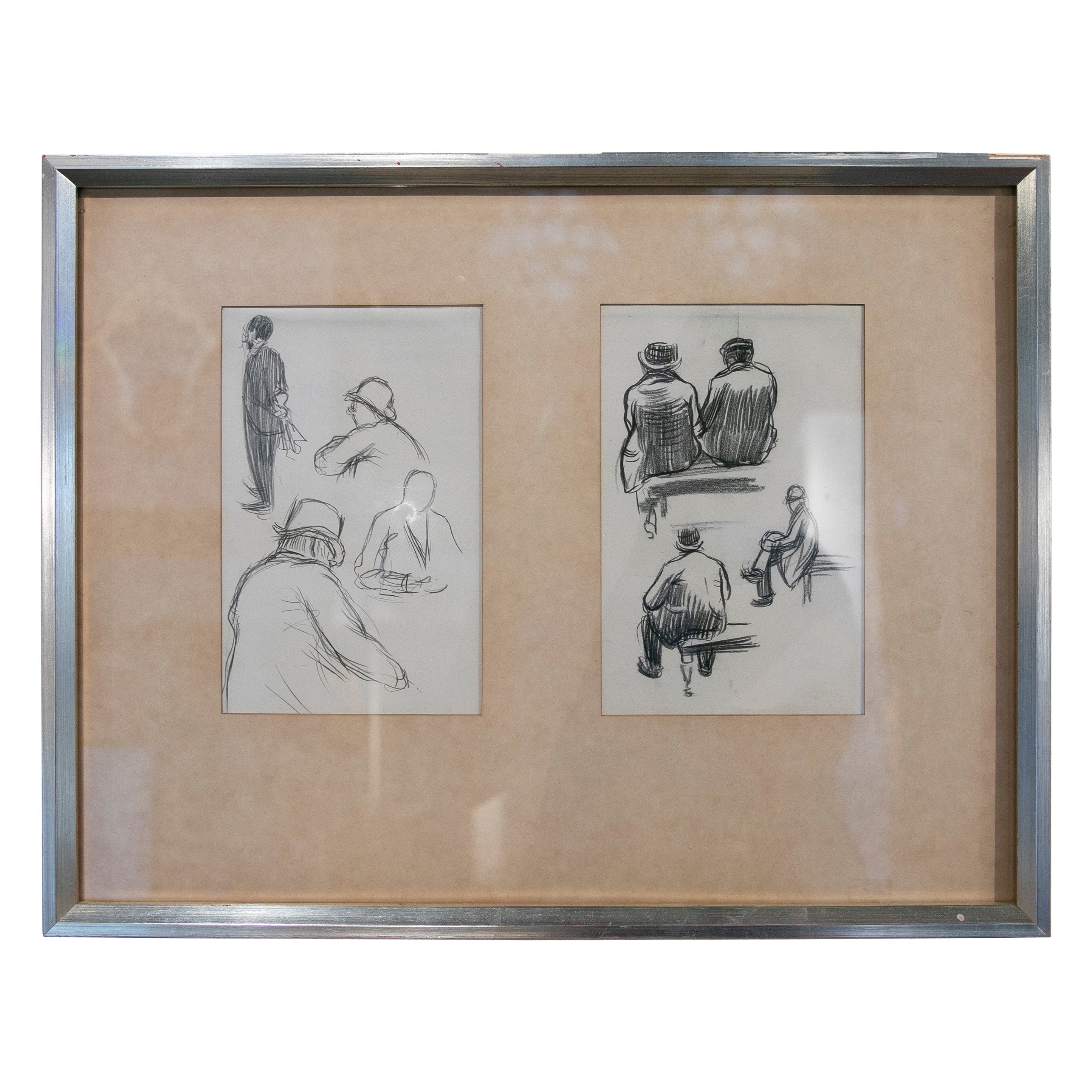
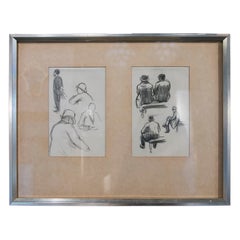
19th Century Pencil Painting of Characters by Henry James Edouard EVENPOEL
Located in Marbella, ES
19th Century Pencil Painting of Characters by Henry James Edouard EVENPOEL
Category
Antique Late 19th Century French Paintings
Materials
Paper
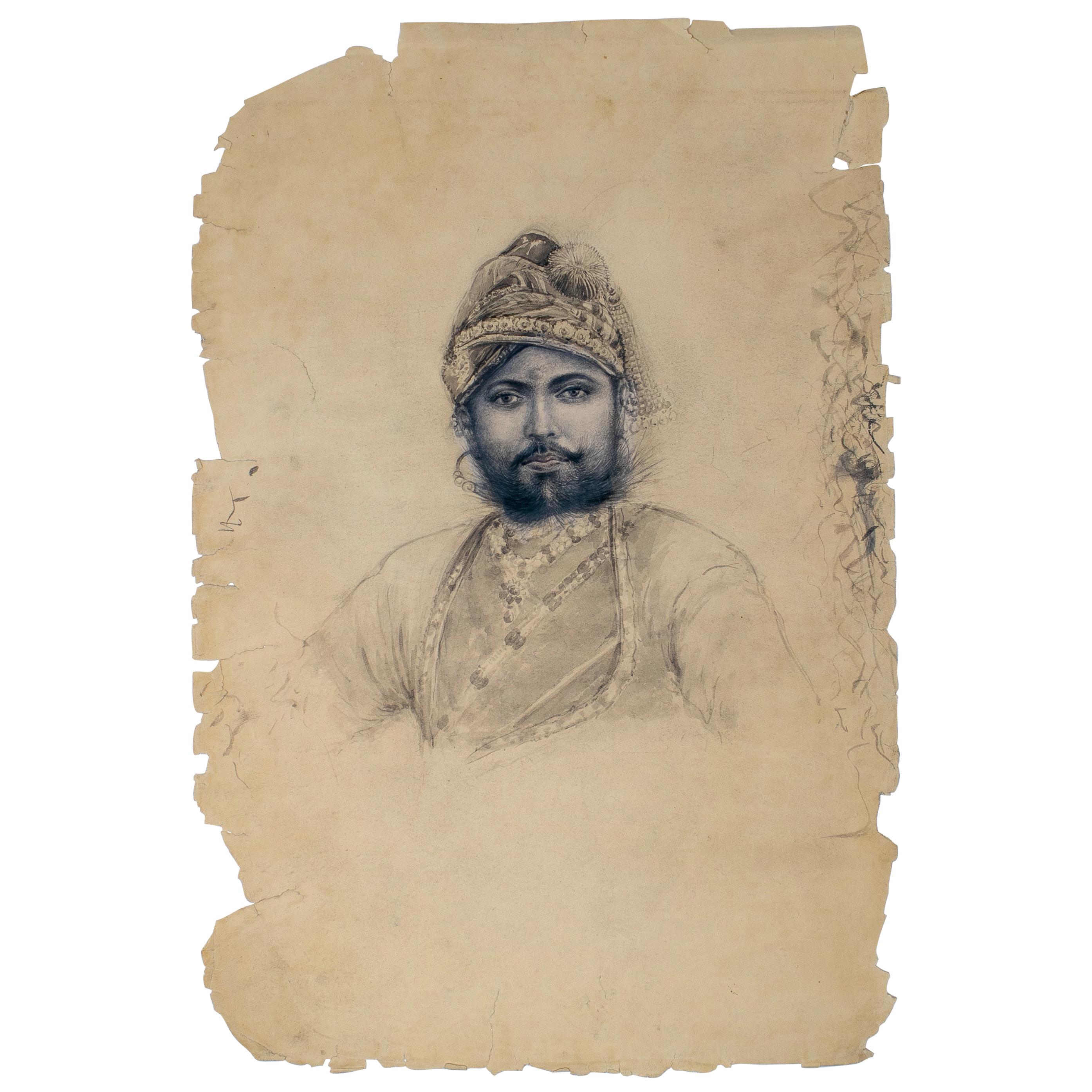
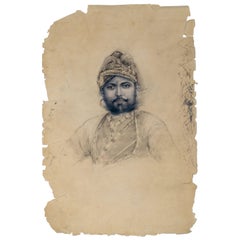
1900s Indian Portrait on Paper of Man with Turban
Located in Marbella, ES
1900s Indian portrait on paper of man with turban. Part of a private collection.
Category
Early 20th Century Indian Drawings
Materials
Paper
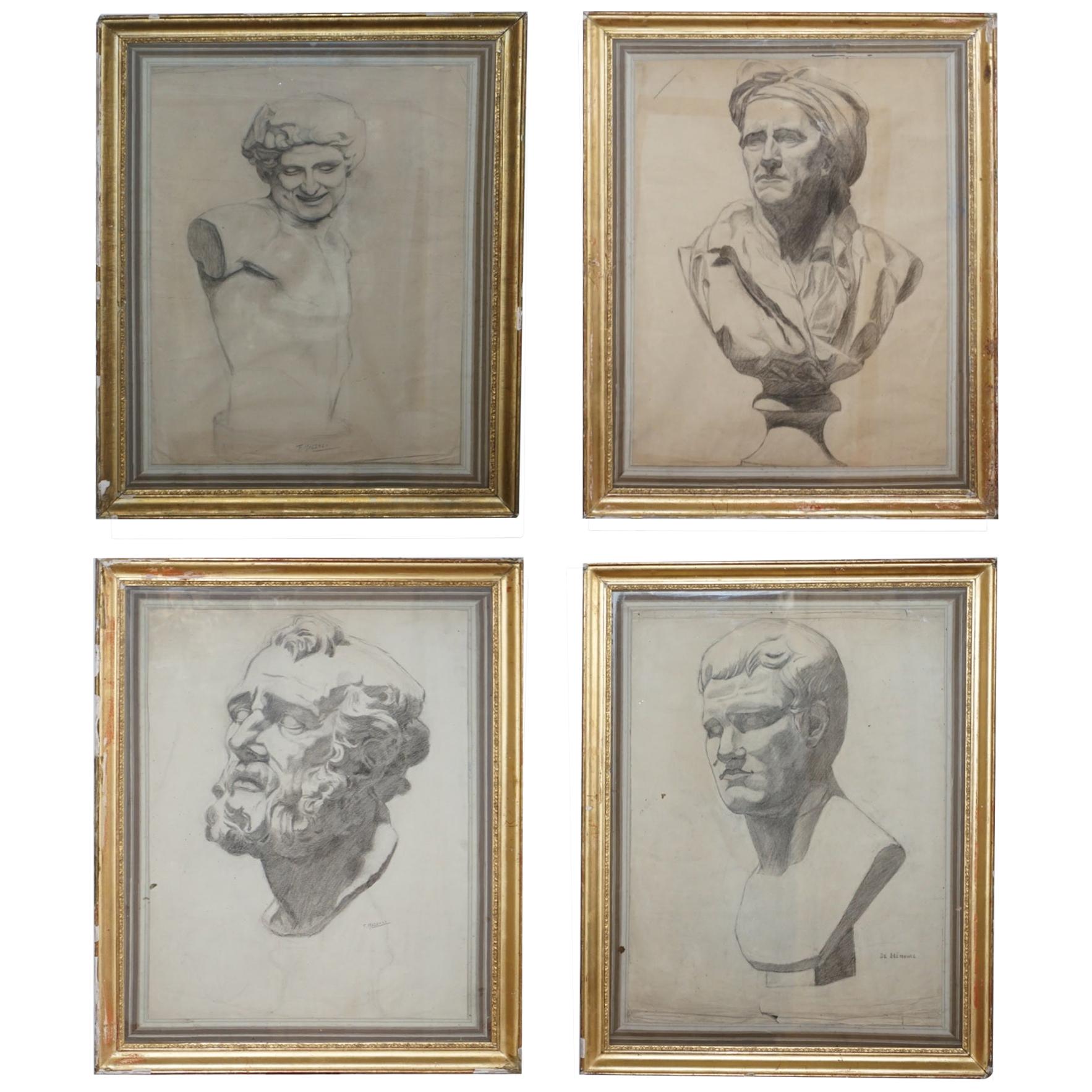
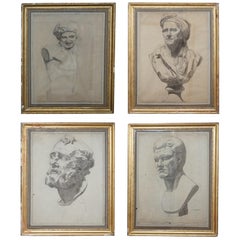
Four Rare Italian School 19th Century Old Master Sketches Drawings by F Mazzoli
Located in West Sussex, Pulborough
Wimbledon-Furniture
Wimbledon-Furniture is delighted to offer for sale this stunning set of four original 19th century Old Master drawings by F Mazzoli
Please note the delivery...
Category
Antique 19th Century Italian Victorian Drawings
Materials
Paper
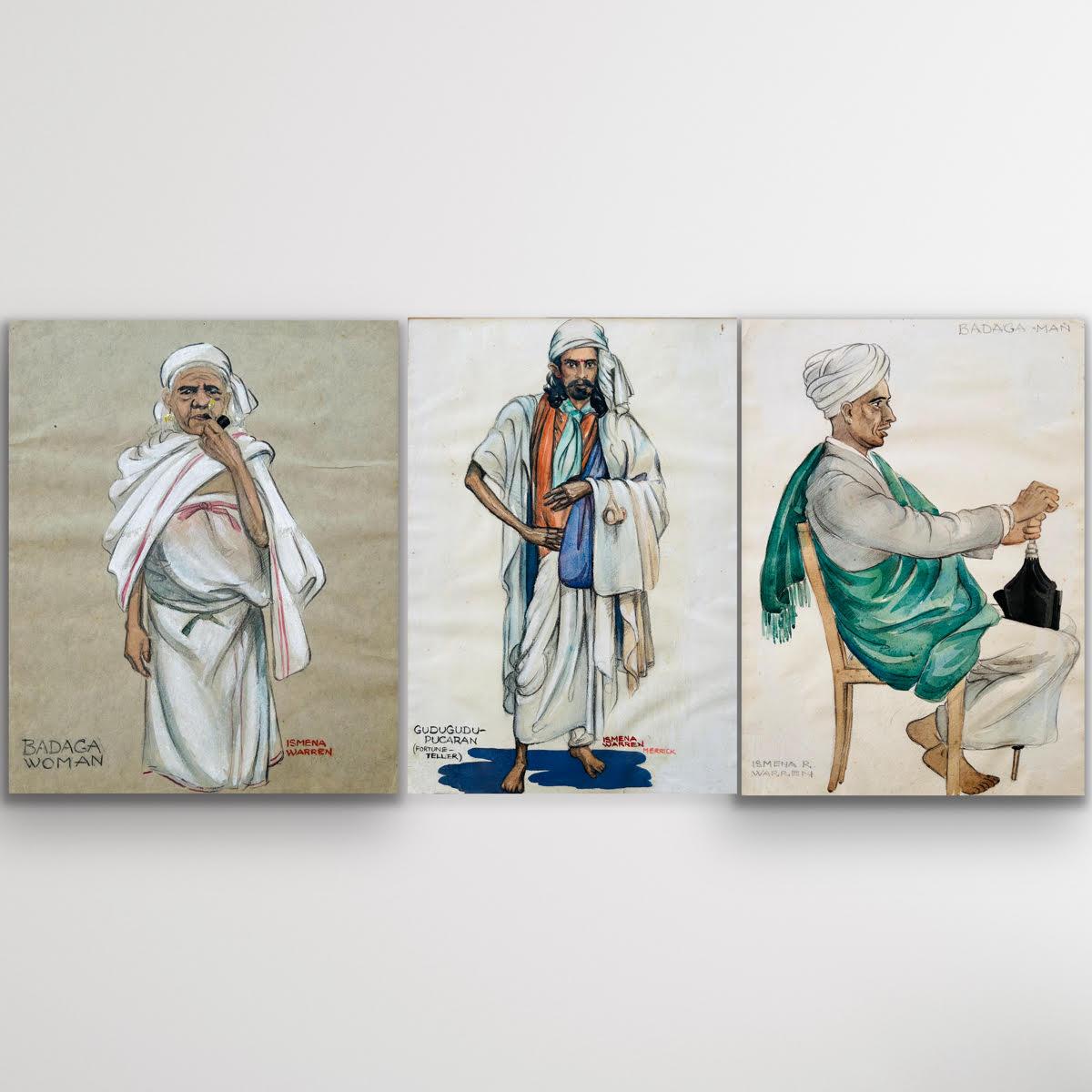
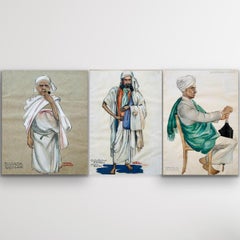
Madras Collection of Watercolour Drawings on Paper and Card India early 20th C
Located in Norfolk, GB
Collection of three large watercolours two of which are framed. With 15 other ink drawings by the fabulous Irish Artist Ismaena R Warren, a prolific book illustrator. All made in Mad...
Category
Early 20th Century Other Art Style Landscape Drawings and Watercolors
Materials
Paper, Watercolor, India Ink, Acrylic
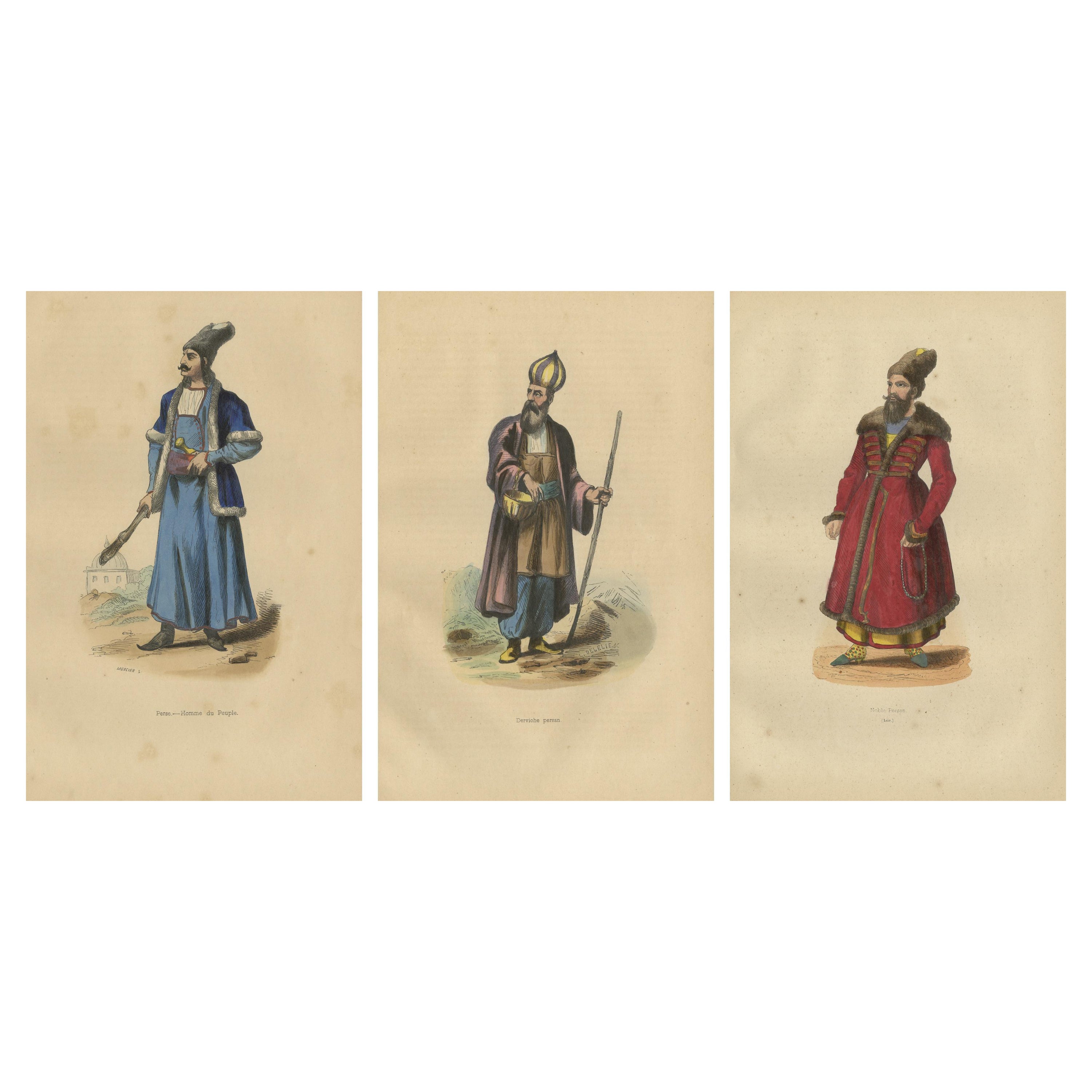
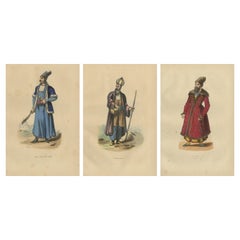
1844 Persian Cultural Figures: Engraved Prints of Traditional Attires
Located in Langweer, NL
Title: "1844 Persian Cultural Figures: Engraved Prints of Traditional Attires"
Description: This compilation features three handcoloured lithographs representing traditional Persian figures: a common man, a dervish, and a noble, from the esteemed 1844 collection "Moeurs, Usages et Costumes de tous les Peuples de Monde" by Auguste Wahlen.
Published in Paris, these prints are crafted through lithography, a popular 19th-century technique, and are enhanced with Arabic gum on wove (vellin) paper. The vivid depiction of their cultural attire and the distinct portrayal of each social stratum make these prints particularly captivating. They offer a glimpse into the historical socio-cultural fabric of Persia, making them highly sought after by collectors and enthusiasts of Middle Eastern art and history.
In the three prints you provided of Persian figures, each character holds something distinct that signifies their role or status within their culture:
1. Persé - Homme du Peuple (Common Man):
- Holding: This figure holds a walking stick or cane, which is a common accessory that could be used for practical purposes like walking support or herding animals.
- Outfit: He wears traditional attire with a long coat and a large hat, indicative of a common man's clothing in historical Persian society. His outfit and the stick both emphasize his everyday, practical life.
2. Derviche Persan (Dervish):
- Holding: The Dervish holds a stick and a begging bowl. Dervishes are known for their ascetic piety, often connected with Sufism in Islam. The stick (or staff) symbolizes their travels and spiritual journey, while the bowl is used to receive alms, reflecting their vow of poverty.
- Interesting Fact: Dervishes are part of a mystical spiritual ascetic practice within Islam, focusing on the universal values of love and service. Their clothing and accessories reflect simplicity and spiritual richness.
3. Noble Persan (Nobleman):
- Holding: The nobleman carries a sword, which is a symbol of power, authority, and martial prowess. It is commonly featured in depictions of nobility as a sign of their status and ability to command.
- Outfit: His clothing is significantly more elaborate and colorful compared to the others, with fur trim and decorative patterns, signifying wealth and high social status.
These accessories and their attire provide a deep insight into the roles and societal positions of each figure within Persian culture, reflecting a wide range of personal and social identities from the common man to spiritual seekers and the ruling elite. Each element, from the practical walking stick to the symbolically rich begging bowl and the authoritative sword, offers a narrative about their life, status, and societal roles during that historical period.
Keywords:
- Antique Persian prints...
Category
Antique 1840s Prints
Materials
Paper
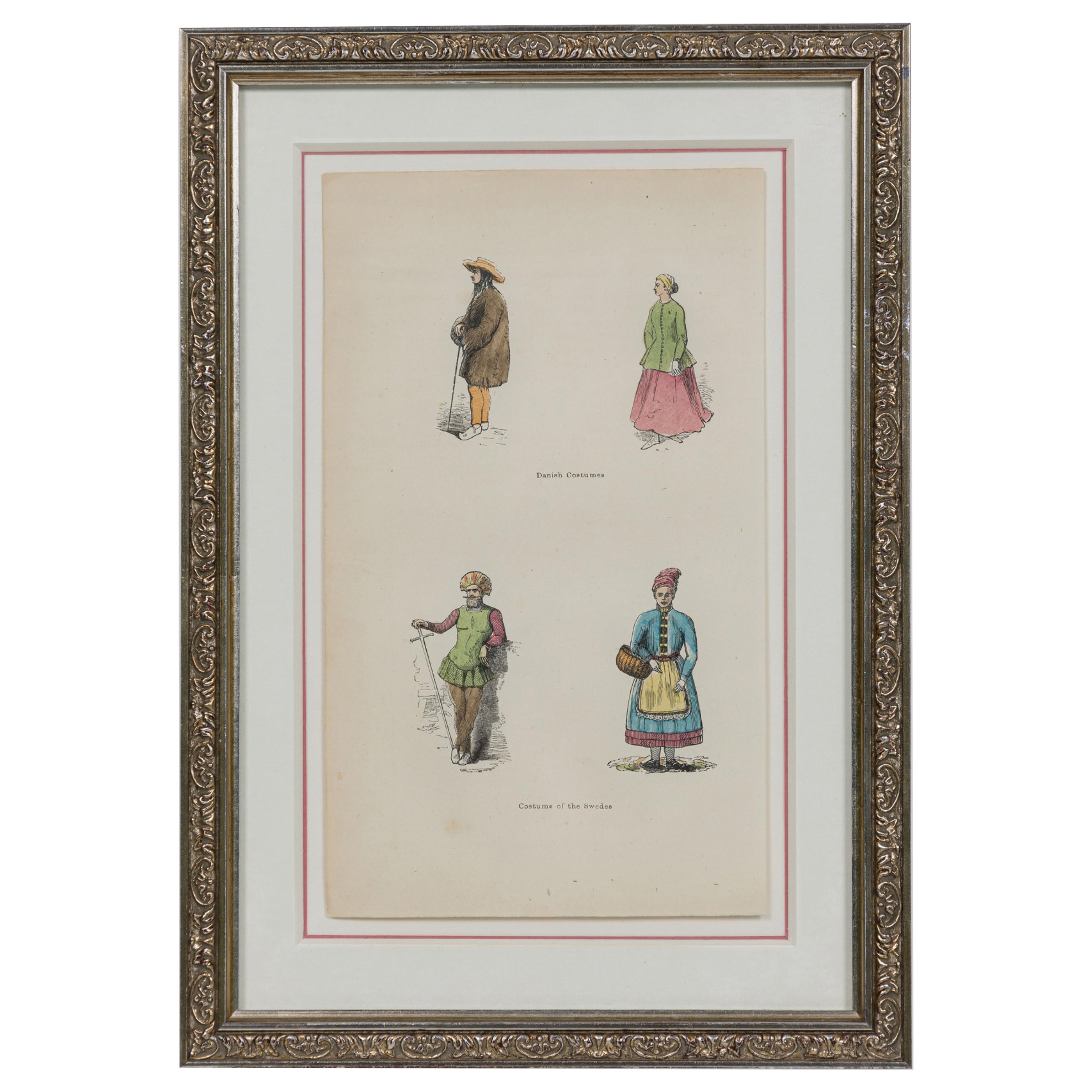
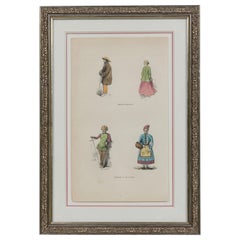
English Victorian Print of 4 Danish Noble Attires
Located in Queens, NY
English Victorian prints featuring four styles of Danish noble attires from historical periods in a carved silver/gilt frame with a mat (Similar items: NWL6149A-F)
Good condition co...
Category
Antique 19th Century British Victorian Prints
More Ways To Browse
Antique Punjab
Colonial Dress
Brass Tree Wall
Cape Of Good Hope
Crimean War
Crystal Seal
Danish Still Life
Danish Vikings
Don Juan
Drexel French Furniture
Drexel French
Dutch Antiques
Elephant Foot
English Arts And Crafts Pottery
Florida Vintage Furniture
Gold Gilt Hand Painted Round Table
Gouache 18th Century
Green Wicker