Items Similar to Adoration of the Magi, Catalan Baroque, S.XVI Dated 1527, Oil on Wood
Want more images or videos?
Request additional images or videos from the seller
1 of 20
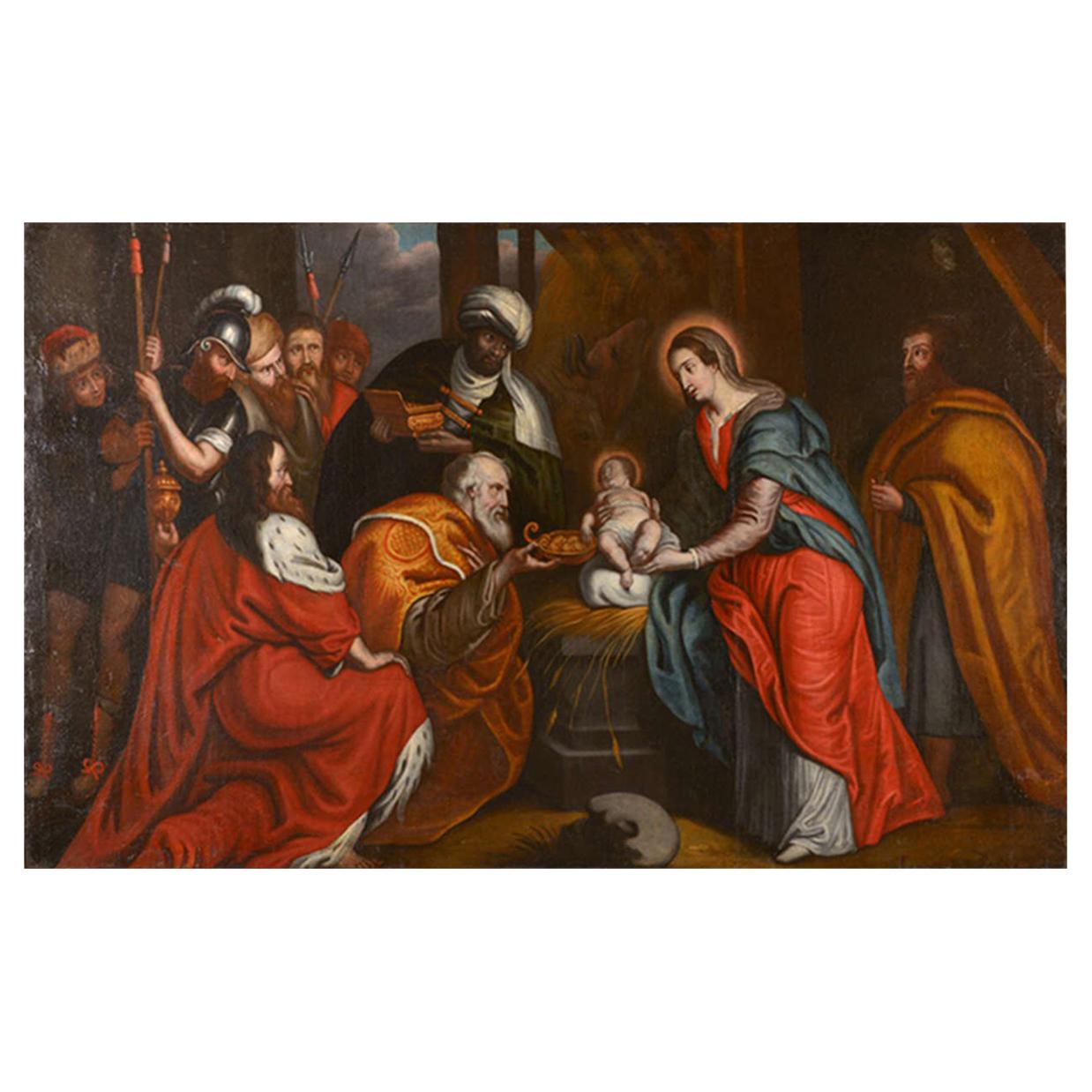
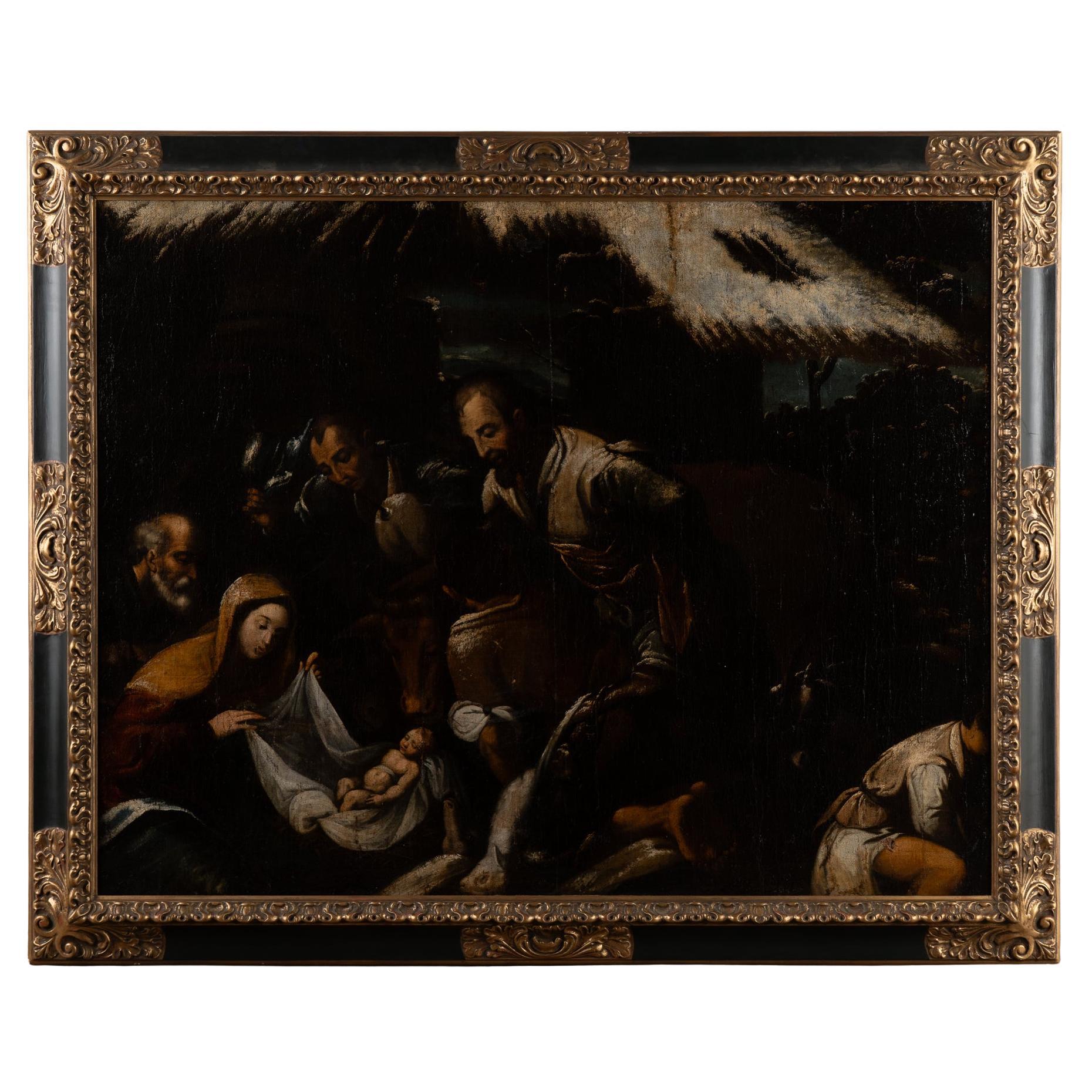
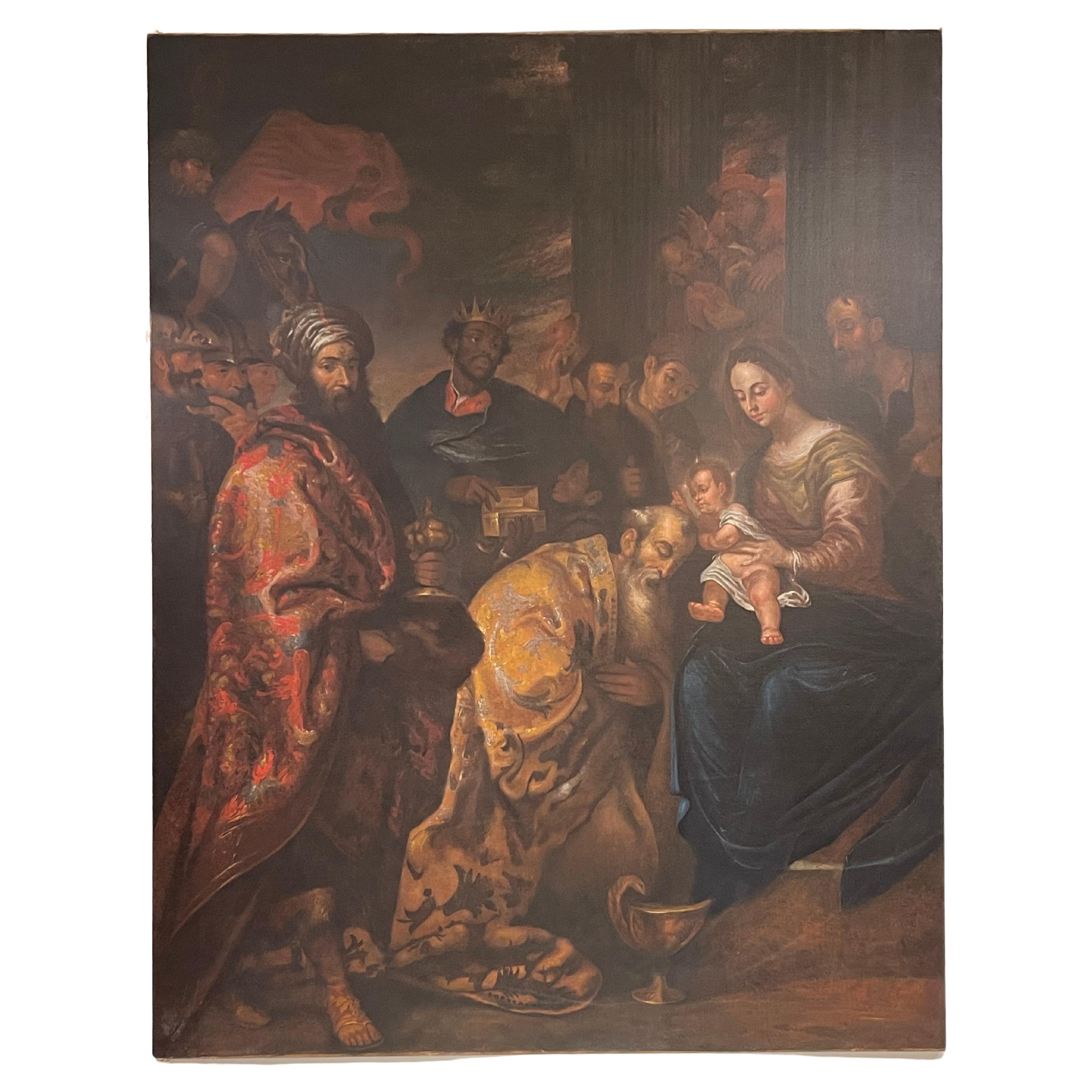
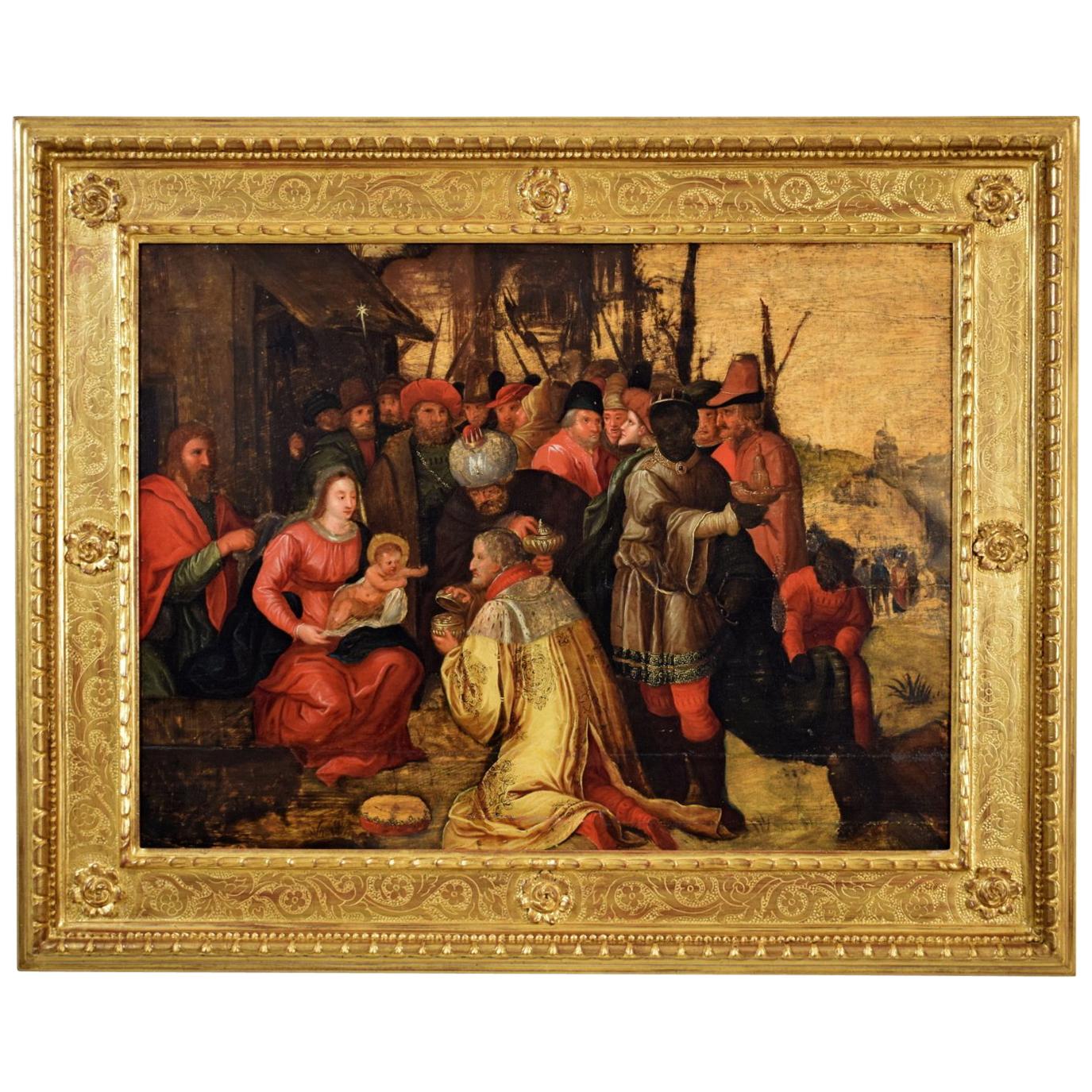
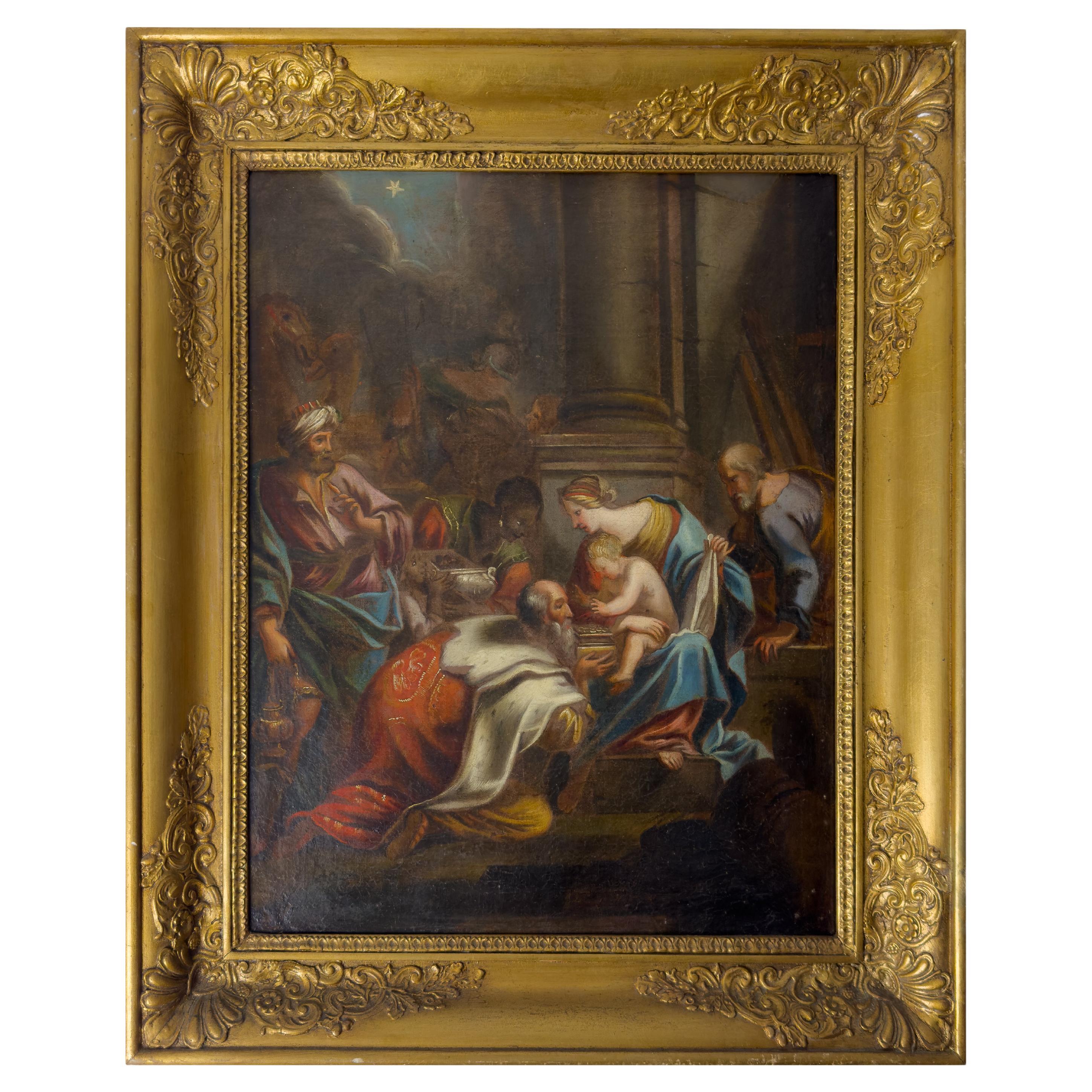
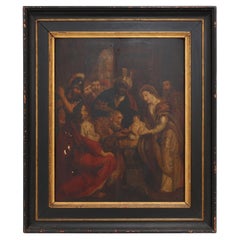
Adoration of the Magi, Catalan Baroque, S.XVI Dated 1527, Oil on Wood
$28,000
$35,00020% Off
£21,303.90
£26,629.8820% Off
€24,546.43
€30,683.0420% Off
CA$39,751.24
CA$49,689.0520% Off
A$42,645.96
A$53,307.4520% Off
CHF 22,874.42
CHF 28,593.0220% Off
MX$513,451.68
MX$641,814.6020% Off
NOK 288,358.90
NOK 360,448.6220% Off
SEK 262,943.35
SEK 328,679.1920% Off
DKK 183,394.61
DKK 229,243.2720% Off
About the Item
Catalan Baroque S.XVI
The Adoration of the Magi
Oil on wood
92cm x 68cm
Dated 1527
At the beginning of the Renaissance period, Gothic forms coexisted in Catalonia with other new solutions, in which religious fervor was mixed with the attention to detail of everyday life.
Following the medieval tradition, the altarpieces are thought from a narrative vision, and flat painting predominates in them. The bright colors and the use of light make this work representative of the Renaissance and Catalan Baroque. In informal conversations, Prof. Doctor Alberto Velasco from the University of Lleida has highlighted these very determining characteristics of this pictorial period that are so clearly seen in our work.
Origin:
This work is the main part of an altarpiece that originally belonged to the collection of Antonio Goytisolo Digat and Catalina Taltavull Victory.
Mr. Goytisolo Digat made his fortune in Cuba with the sale of sugar cane and slaves, just like the Taltavull family.
In the second half of the 19th century they established their residence in Barcelona at 142 Pau Clarins street where this piece was part of the furniture. Its leaves were auctioned to pay for the trip of Dr. Joaquin Goytisolo Taltavull to Argentina in 1917.
- Dimensions:Height: 36.23 in (92 cm)Width: 26.78 in (68 cm)Depth: 1.19 in (3 cm)
- Style:Baroque (Of the Period)
- Materials and Techniques:
- Place of Origin:
- Period:
- Date of Manufacture:1527
- Condition:Repaired: It has an old repair on the back due to the age and the transfer of the painting over the centuries. Refinished. Wear consistent with age and use.
- Seller Location:CABA, AR
- Reference Number:1stDibs: LU5634233928492
About the Seller
5.0
Vetted Professional Seller
Every seller passes strict standards for authenticity and reliability
Established in 1990
1stDibs seller since 2021
16 sales on 1stDibs
Typical response time: <1 hour
- ShippingRetrieving quote...Shipping from: CABA, Argentina
- Return Policy
More From This Seller
View AllAntique Ceramics from the Giustiniani Family Collection by Angelo
Located in CABA, AR
The Giustiniani family was one of the most important in ceramic production in Naples, particularly from the 17th to the 19th century. The Giustiniani manufactory is famous for its "r...
Category
Antique Late 19th Century Italian Ceramics
Materials
Ceramic, Maiolica
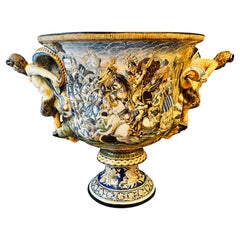
18th Century Five-Panel Chinese Coromandel Screel
Located in CABA, AR
Transport yourself back to the opulent splendor of the 18th century with this magnificent Chinese five-panel black Coromandel screen, a true m...
Category
Antique 18th Century Chinese Chinese Export Paintings and Screens
Materials
Gold Leaf
$10,500 Sale Price
30% Off
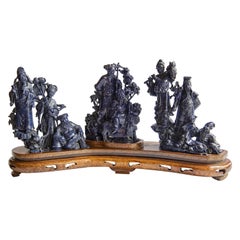
Chinese Lapislazuli Carving of "The Eight Daoist Inmortals", Mid 20th Century
Located in CABA, AR
Immerse yourself in the mystical world of Chinese mythology with this captivating mid-20th-century Lapis Lazuli carving depicting "The Eight Daoist Immortals." Each figure, intricate...
Category
Mid-20th Century Chinese More Asian Art, Objects and Furniture
Materials
Lapis Lazuli
$5,600 Sale Price
20% Off
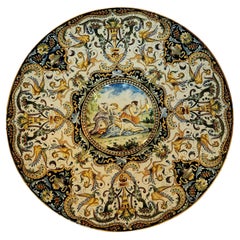
A Large Italian Maiolica Charger, 19th Century
Located in CABA, AR
Maiolica chargers are large, decorative ceramic plates that are part of the broader tradition of Maiolica pottery, a type of tin-glazed earthenware produced in Italy since the Renais...
Category
Antique 19th Century Italian Renaissance Revival Ceramics
Materials
Ceramic
$4,800 Sale Price
20% Off
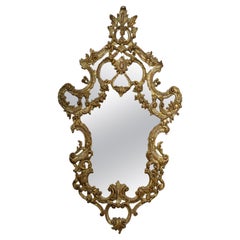
Early 19th Century Venetian Gilt Wood Wall Mirror
Located in CABA, AR
Indulge in the timeless allure of Venetian craftsmanship with this magnificent antique Venetian mirror. Crafted from gilt wood with a striking baroque influence, it exudes opulence a...
Category
Antique Early 19th Century Baroque Wall Mirrors
Materials
Mirror, Wood
$2,400 Sale Price
20% Off
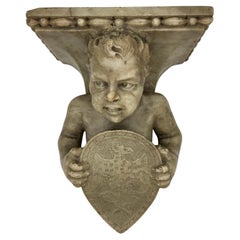
Early 19th Century Italian Carved Marble Wall Sconces with Cherubs
Located in CABA, AR
Each sconce is meticulously carved from marble and depicts a robust cherub holding a shield with intricate carvings. The cherubs showcase exquisite craftsmanship, with realistic deta...
Category
Antique Early 18th Century Italian Neoclassical Figurative Sculptures
Materials
Carrara Marble
You May Also Like
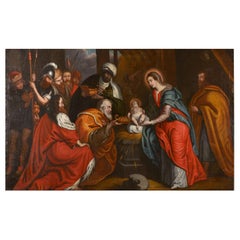
Flemish 17th Century Oil on Canvas Painting of the Adoration of the Magi
Located in Round Top, TX
Beautiful Flemish 17th century oil on canvas painting depicting the adoration of the magi. Vivid color and wonderful quality of pa...
Category
Antique 17th Century Dutch Paintings
Materials
Canvas
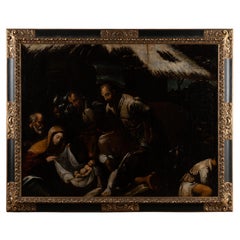
17th Century Original Oil on Canvas Painting of The Adoration of the Magi, Spain
Located in Round Top, TX
Original oil on canvas painting of the adoration of the magi, with Mother Mary and infant Christ.
Framed over 5' wide x 4' tall, no signature/unknown artist.
Canvas has craquelure, o...
Category
Antique Early 17th Century Spanish Paintings
Materials
Canvas, Wood, Paint
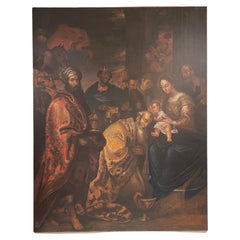
17th Century Oil Painting Adoration of the magi, follower of Gerard Seghers
By Peter Paul Rubens
Located in Pasadena, CA
Large size masterfully painted 17th century oil panting depicting the adoration of the magi, possibly after follower or in the circle of Gerard Seghers. Works of this caliber rarely ...
Category
Antique 17th Century European Other Paintings
Materials
Canvas, Paint
Frans Franken III 16th Century Oil on Wood, Adoration of the Magi, Painting
By Frans Franken the Younger
Located in IT
Frans Franken III and aid, Adoration of the Magi
Good condition
The oil painting on wood, with a gold background, depicts an Adoration of the Magi. The Magi are dressed in sumptuous silk and brocade dresses; they wear precious hats and jewelery. The richness of their garments is in contrast with the humility of the Holy Family and of the other characters who, around curious, observe the scene. The hut is simple, made of wood and straw: above it shines the Comet, symbol of the divine event. In the distance, a group of wayfarers walk along a path that is lost on the horizon, blending into the gold of the bottom.
The representation proposes a traditional iconography, in which the painter inserts some details that he lends himself to symbolic interpretations. Among these is the appearance of the Magi, who from the XIVth century differs iconographically: the wise astronomers represent the homage to Jesus of the then known parts of the world, namely Africa, Asia and Europe. To the right of the Magi, in the foreground, sits a monkey, considered a demonic creature and a symbol of lies and sin. It is depicted on the sidelines, as a defeat, next to a fragment of a classical column: ruin alludes to the end of paganism, of the old world that collapses with the advent of the new one, marked by the birth of Christ and liberation from the Original Sin. On the ruins he climbs the ivy, symbol of the immortality of the soul. The work is attributable to the workshop of the Flemish painter Frans Francken III...
Category
Antique 16th Century Belgian Renaissance Paintings
Materials
Paint

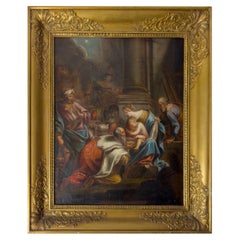
Adoration of the Magi Paiting, Italian Baroque Religious Art, 18th Century
Located in Lisbon, PT
This 18th century Italian painting captures one of the most iconic biblical moments: the Adoration of the Magi.
The mysterious travelers kneel in reverence before the Infant Jesus, ...
Category
Antique 18th Century Italian Baroque Paintings
Materials
Canvas
$7,403 Sale Price
37% Off
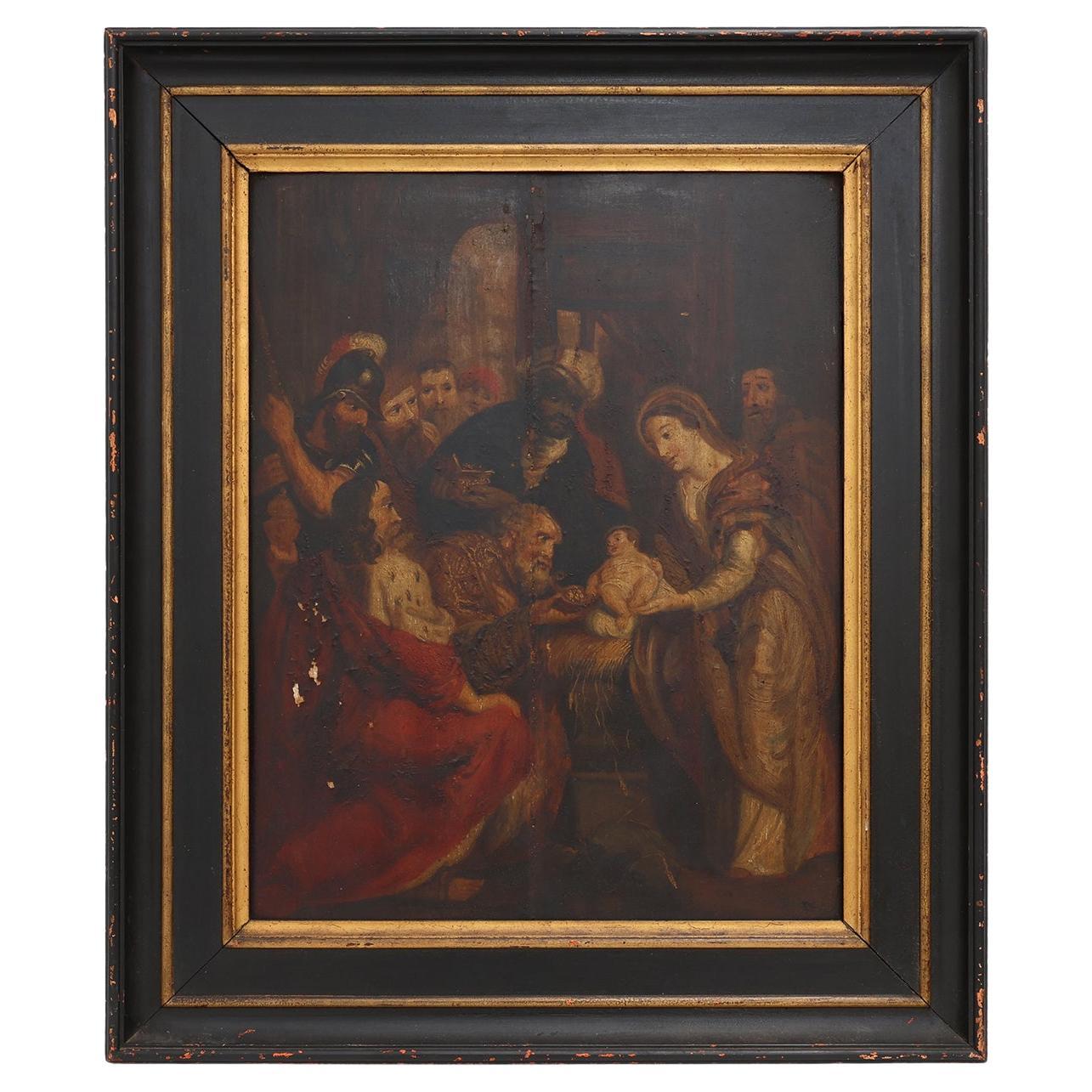
Flemish 18th century framed religious oil on wood painting Adoration of the Magi
Located in Meulebeke, BE
Belgium / 18th century / Painting / wood / Antique / Religious
A 18th century painting on wood after a Rubens painting “Adoration of the Magi”. Elegantly encased in a stunning blac...
Category
Antique 18th Century Belgian Baroque Paintings
Materials
Wood
More Ways To Browse
Francis Woodahl
Francisco Rodriguez
Francois Alfred Delobbe
Frank Leonard Brooks
Frank Walcott
Franklin Carmichael
Frederic Montenard
Frederick Terna
Fritz Von Uhde
G Whitman Painting
Gaylord Flory
Geoffrey Chatten
George Barrel Paintings
George Darcy
George Henry Bogert
George Lambdin
George Oberteuffer
George Samerjan