Items Similar to Antique Work Board Used by Japanese Craftsmen/1868-1920/Wabi-Sabi Wall Painting
Want more images or videos?
Request additional images or videos from the seller
1 of 11
Antique Work Board Used by Japanese Craftsmen/1868-1920/Wabi-Sabi Wall Painting
$600
£455.85
€523.87
CA$842.77
A$917.34
CHF 486.06
MX$11,032.38
NOK 6,180.19
SEK 5,663.46
DKK 3,913.27
About the Item
If you want something special, we recommend purchasing items selected by Brood.
We sell carefully selected old Japanese items.
I've seen tens of thousands of items so far.
Based on that experience, only selected items are posted here.
We are able to do this because of our long experience.
There may be items on the 1stdibs site that look and feel the same, but the items selected by Brood are unique.
I received a very nice item.
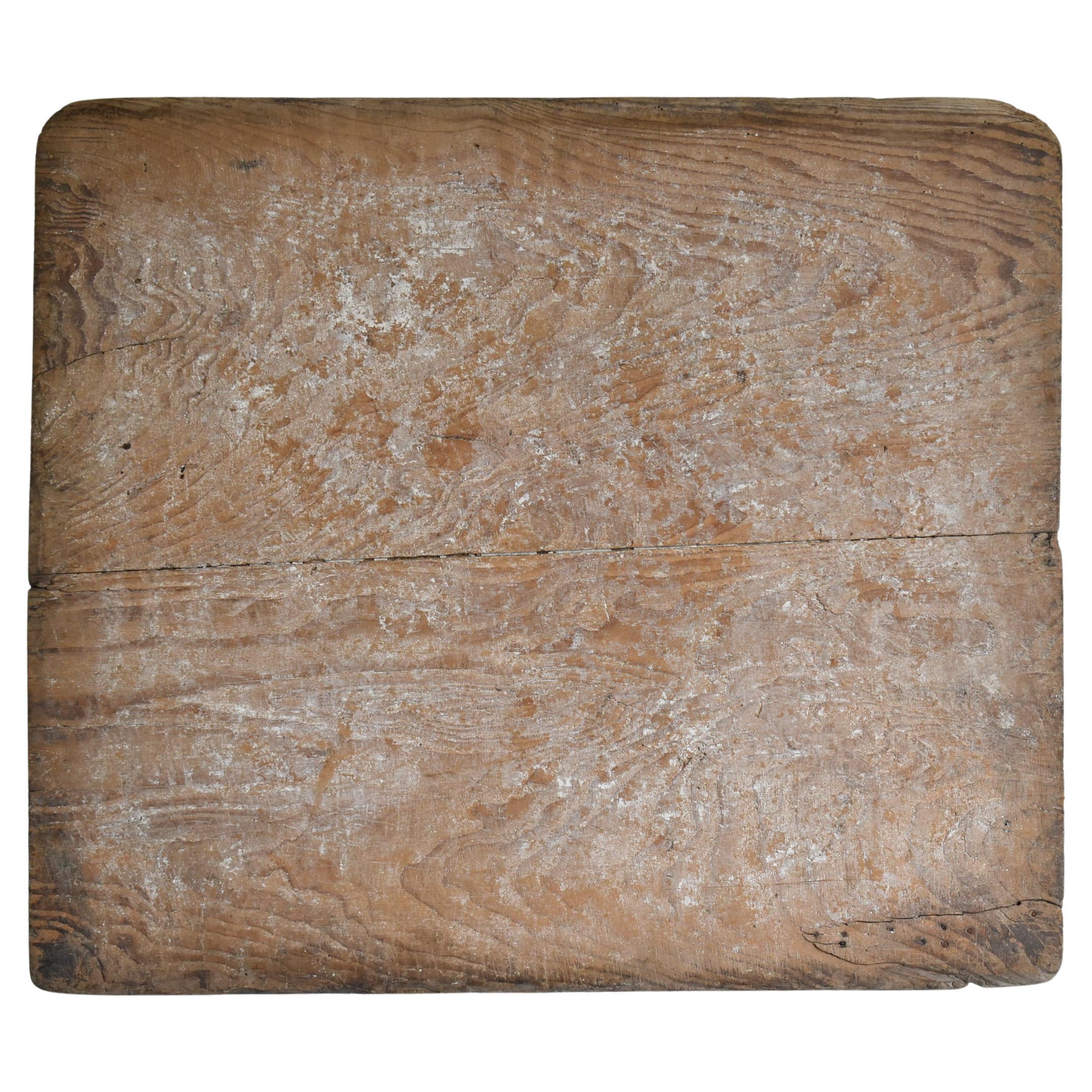
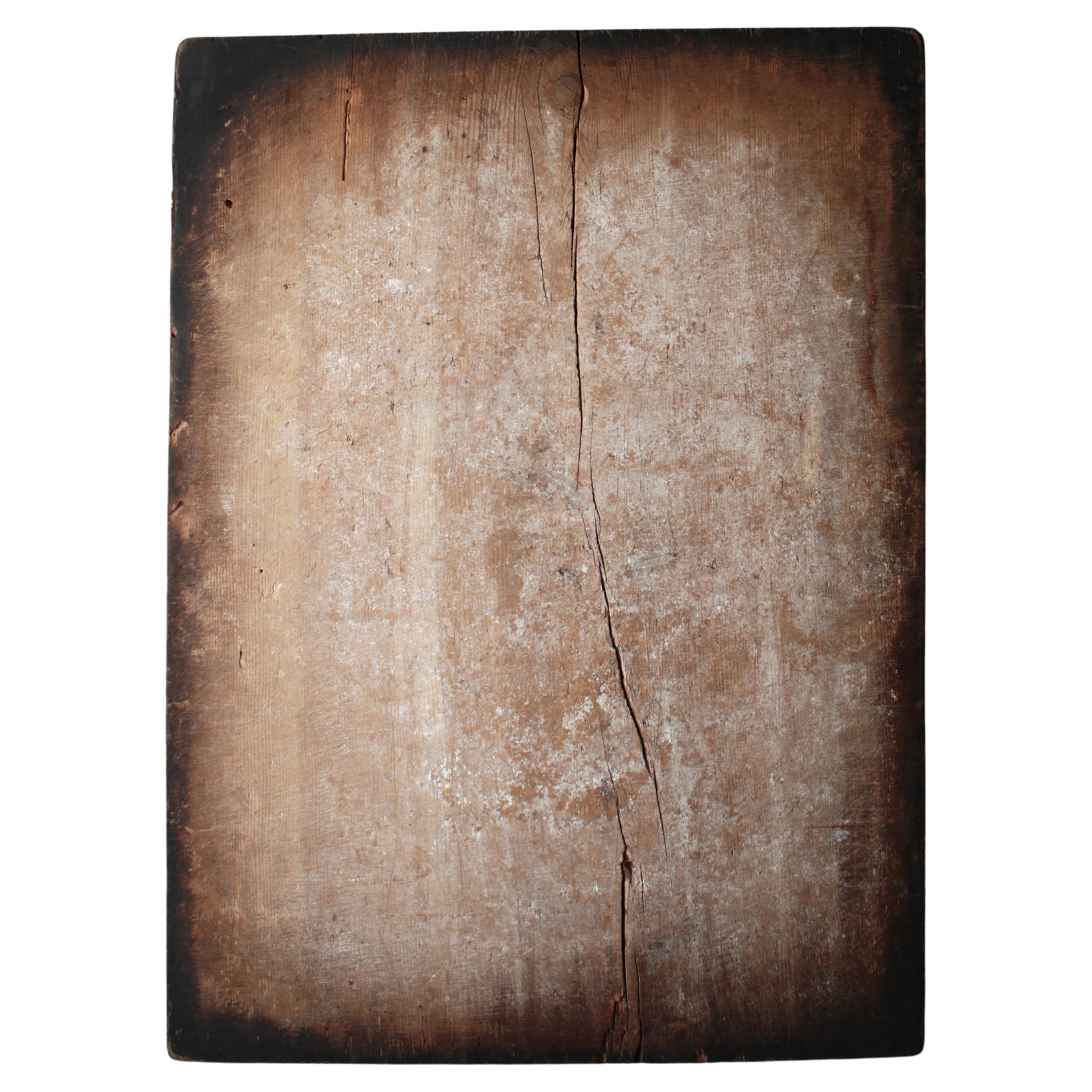
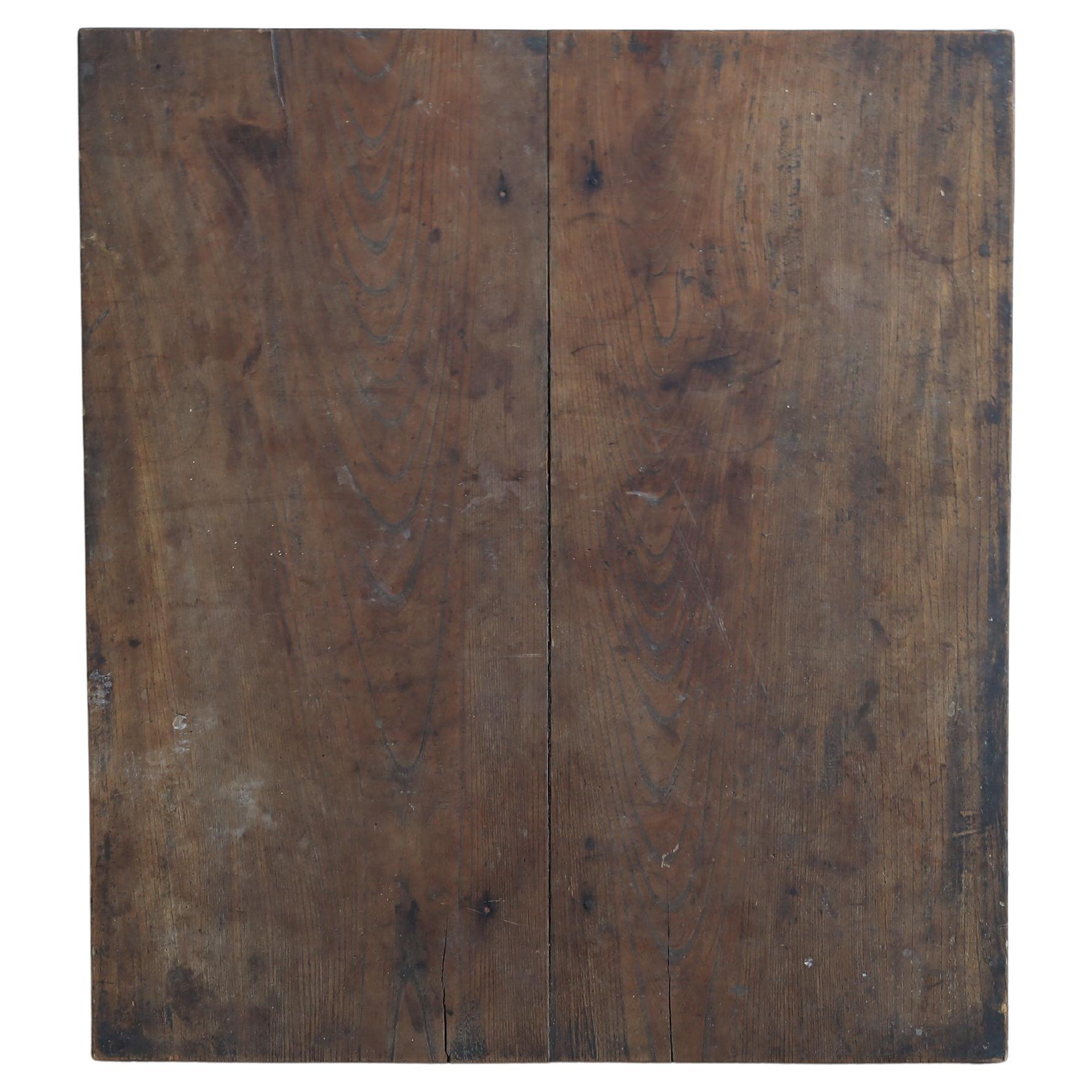
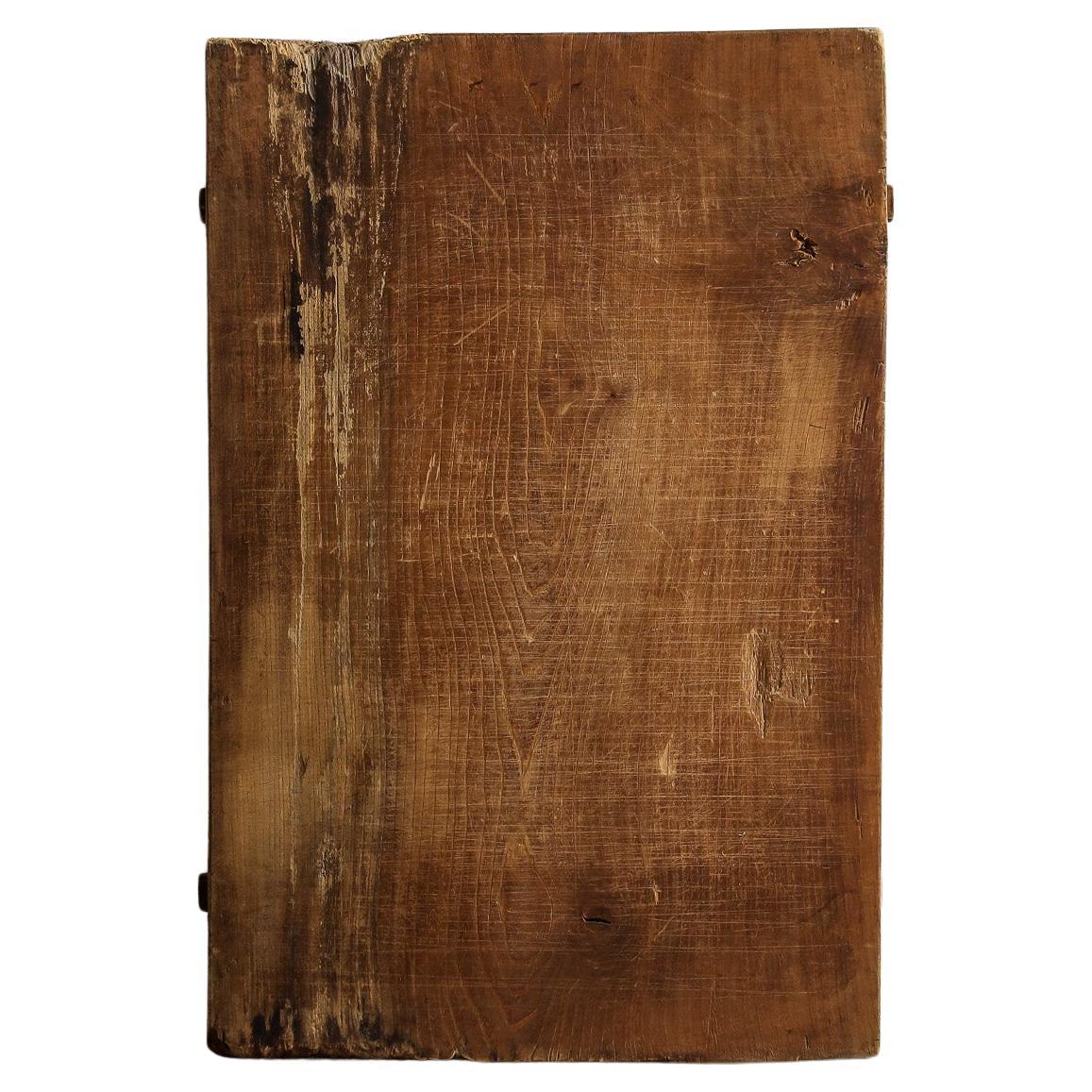
This time, we would like to introduce a working board used by Japanese craftsmen.
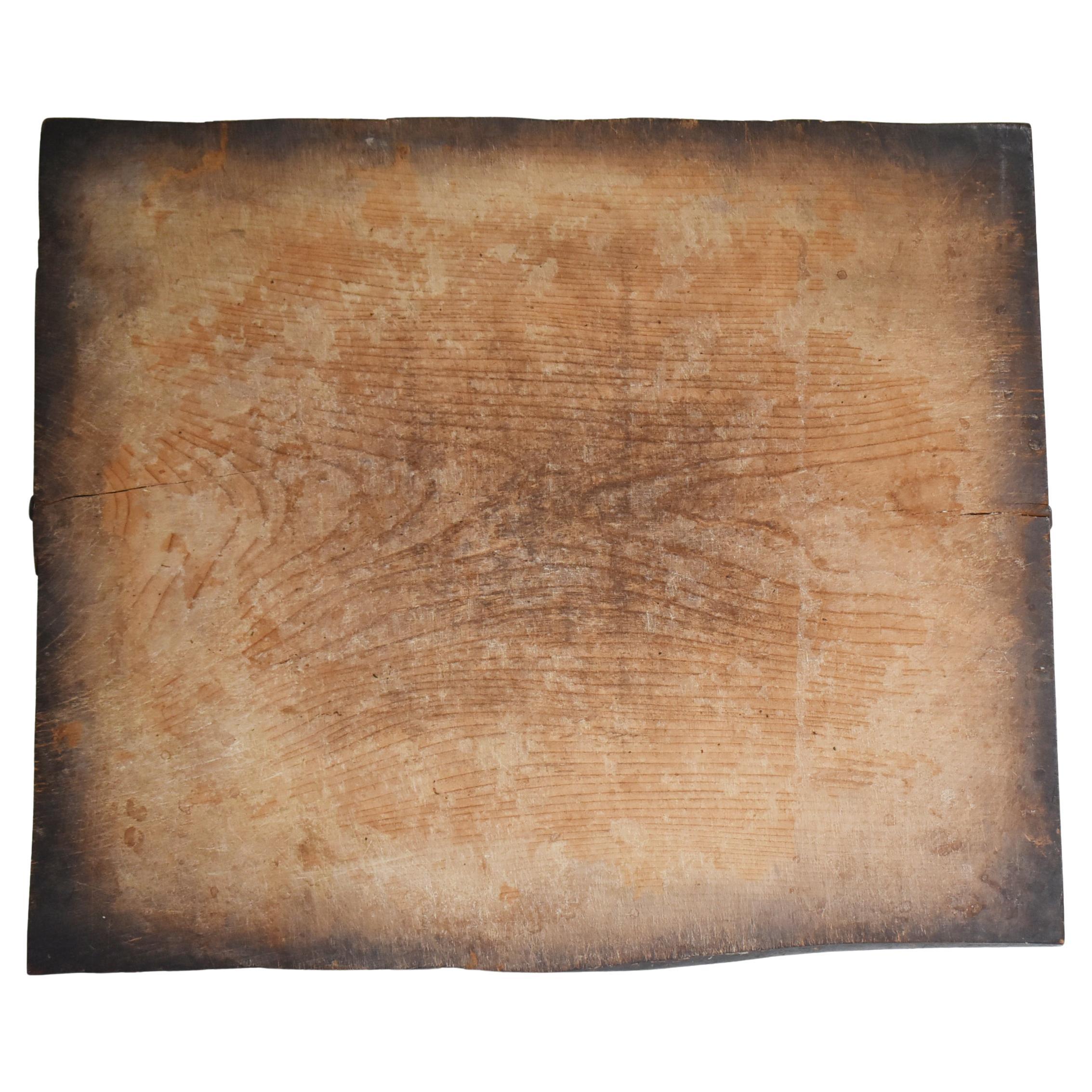
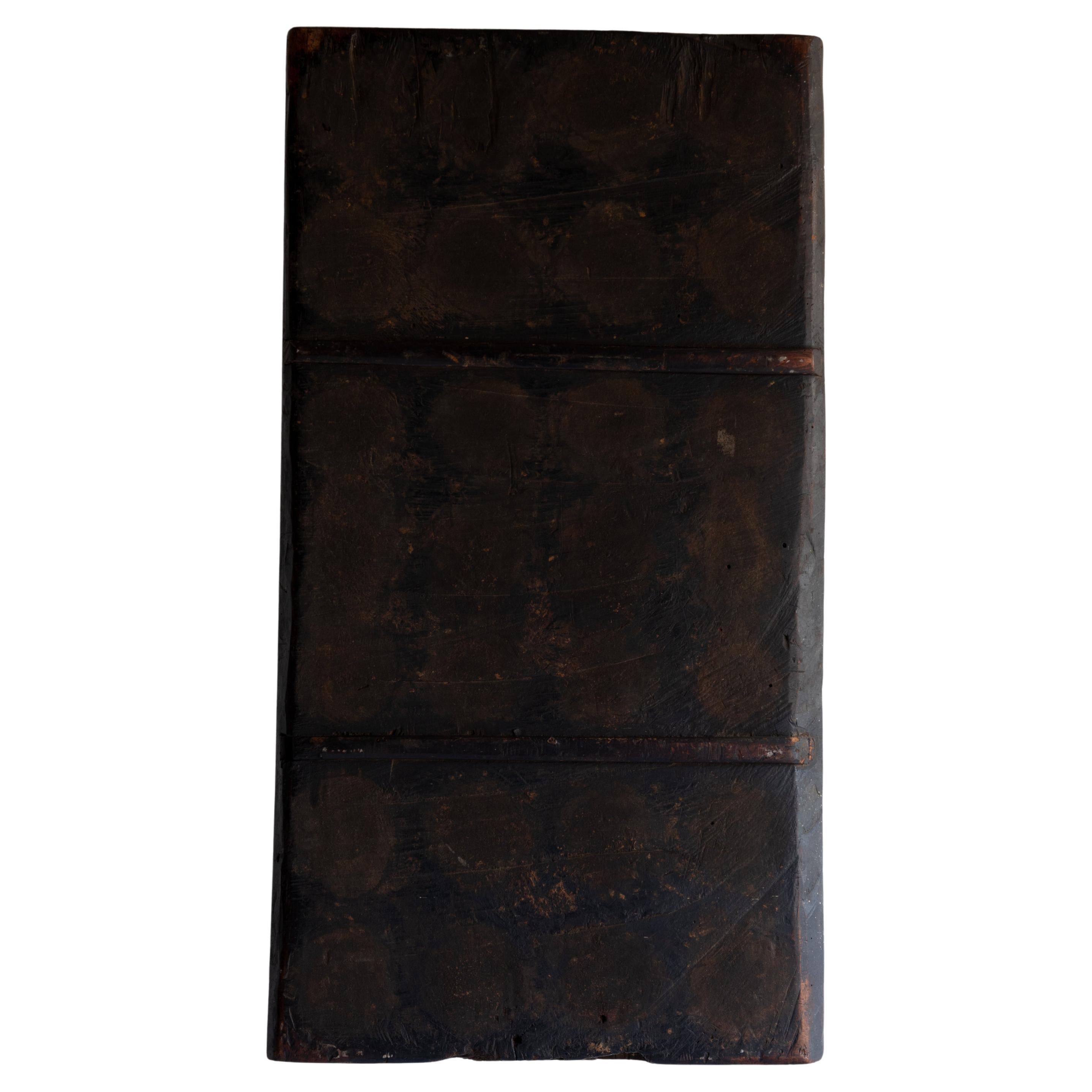
I don't know how it is used in detail, but this round ring is a burnt mark. In other words, it seems that some kind of heated metal was placed on top of this.
It is thought to be a plate for working on this plate or for cooling the metal.
There were several other boards like this, but this one was the most beautiful one.
It looks like an abstract painting when hung on the wall.
There are cracks in the wood, but nothing like splitting in two.
The material is cedar, so the weight is 1.4 kg.
Things like this are becoming rarer and rarer in Japan.
We believe that it is our mission to convey the charm of such old things and leave them behind.
This kind of board is rarely available, so if you think it's good, we recommend you buy it!
About the Seller
5.0
Platinum Seller
Premium sellers with a 4.7+ rating and 24-hour response times
Established in 2015
1stDibs seller since 2020
1,705 sales on 1stDibs
Typical response time: 6 hours
- ShippingRetrieving quote...Shipping from: senzoku, Japan
- Return Policy
More From This Seller
View AllJapanese Antique Wooden Board 1860s-1900s / Abstract Art Wabisabi
Located in Sammu-shi, Chiba
This Japanese antique wooden workboard was crafted during the Meiji period
1860s to 1900s
and is made from solid cedar wood.
Originally, this board functioned as a practical work su...
Category
Early 20th Century Japanese Meiji Decorative Art
Materials
Cedar
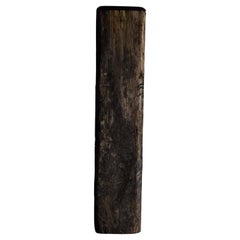
Japanese wooden wabi-sabi board/Early 20th century/Display stand/MINGEI
Located in Sammu-shi, Chiba
This is an old wooden work board called a “Kate-Kiri-Ban,” which was used in the Aizu region of Fukushima Prefecture, Japan, around the early 20th century. The name breaks down as fo...
Category
Early 20th Century Japanese Taisho Antiquities
Materials
Chestnut
Japanese antique wooden work board / 20th century / small display stand
Located in Sammu-shi, Chiba
This is an old Japanese wooden workbench made from zelkova wood (keyaki), known for its hardness and beautiful grain. The thick cross-sectional shape clearly reveals the concentric g...
Category
20th Century Japanese Taisho Antiquities
Materials
Wood
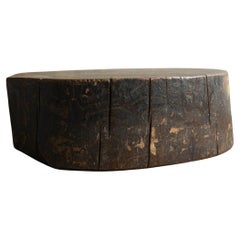
Japanese old wood stand / Exhibition stand wabi-sabi / primitive wood stand /
Located in Sammu-shi, Chiba
This display stand is made by combining old wooden sleepers with a newly made tabletop.
The top of the display stand is finished with cashew paint, like lacquer, and has a jet blac...
Category
Mid-20th Century Japanese Primitive Antiquities
Materials
Wood
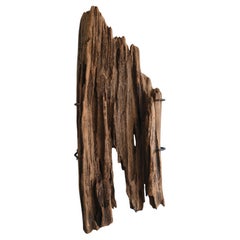
Japanese antique wall hanging wooden object/Wabi-Sabi withered ornament
Located in Sammu-shi, Chiba
This wall-hanging object combines a naturally weathered block of wood with iron fittings. It likely originates from Japan, and the previous owner was so captivated by the shape of th...
Category
Early 20th Century Japanese Taisho Decorative Art
Materials
Iron
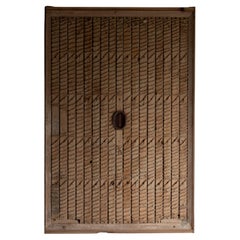
Japanese Antique Huge Door " Wall Decoration " 1860s-1900s / Wabi Sabi"
Located in Sammu-shi, Chiba
Japanese Antique Huge Door " Wall Decoration " 1860s-1900s / Wabi Sabi
This extraordinary large sliding door was once used in an old warehouse in Japan.
Dating back to the Meiji per...
Category
Early 20th Century Japanese Meiji Decorative Art
Materials
Iron
You May Also Like
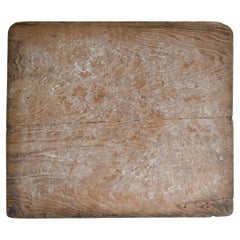
Japanese Antique Wabi-Sabi Wood Board 1860s-1900s / Wall Decoration
Located in Chōsei District Nagara, JP
This is an old Japanese wooden board called “Mochiita” (rice cake board).
It was used during the Meiji period (1860s-1900s) and is made of pine wood with a rich texture.
As the name ...
Category
Early 20th Century Japanese Meiji Decorative Art
Materials
Pine
$720 Sale Price
44% Off
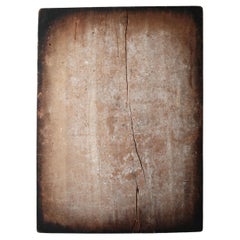
Japanese Antique Wooden Board / Wall Decoration Abstract Art / Wabi-Sabi
Located in Iwate-gun Shizukuishi-cho, Iwate Prefecture
This is an old Japanese workboard.
It was called "Mochiita" and was used as a workbench for kneading flour.
It seems to be around the Meiji period.
The board is thought to be pine...
Category
Antique Late 19th Century Japanese Meiji Decorative Art
Materials
Wood
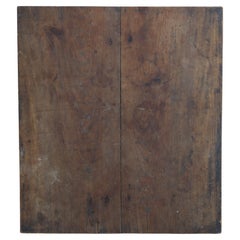
Japanese Antique Wooden Board , Wall Decoration Abstract Art , Wabi-Sabi
Located in Katori-Shi, 12
This wooden board was made in the Taisho era.
It was used as a "mochi board." A "mochi board" is a board from the Meiji era that was used as a workbench for kneading flour, and is m...
Category
Early 20th Century Japanese Taisho Doors and Gates
Materials
Wood
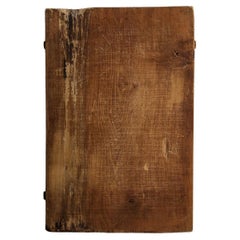
Japanese Antique Wooden Board , Wall Decoration Abstract Art , Wabi-Sabi
Located in Katori-Shi, 12
This wooden board was made in the Taisho era.
The dense and beautiful grain of the wood, unique to time-honored zelkova, is eye-catching. The color that has deepened over the years,...
Category
Early 20th Century Japanese Taisho Antiquities
Materials
Wood
Japanese Antique Wabi-Sabi Wooden board "Wall Decoration" 1860s-1900s
Located in Chōsei District Nagara, JP
This is an old Japanese wooden workboard
Crafted during the Meiji period (1860s–1900s), it is made from a single slab of keyaki (zelkova wood), a material now extremely rare. The imp...
Category
Early 20th Century Japanese Meiji Decorative Art
Materials
Wood
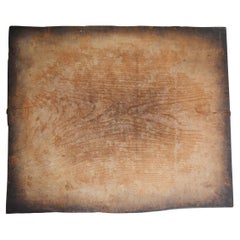
Japanese Antique Zelkova Slab Board, 1940s, Japandi Wabi-Sabi
Located in Chiba, Chiba
A Japanese antique single-slab board crafted from zelkova and dating to the 1940s.
The wood grain is strikingly beautiful—bold, flowing, and expressive—giving the piece a sculptural ...
Category
Mid-20th Century Japanese Showa Antiquities
Materials
Wood
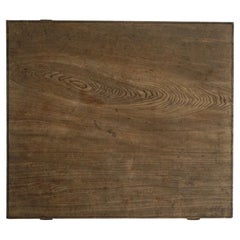
More Ways To Browse
Lee Reynolds Burr Painting
Lee Vintage Tag
Leo Jansen
Leon Brunin
Leonora Sisto
Lester Goldman
Lolo Painting
Louis Icart Oil Paintings
Ludovico Della Rocca
M Q Rothwell
Malcah Zeldis
Marc R Rubin
Marco Fine Furniture
Marek Halter
Mexican Religious Paintings
Michael J Whitehand
Miniature Portrait Josephine
Naked Women Oil Painting