Items Similar to Mid Century 1960s Italian Abstract painting
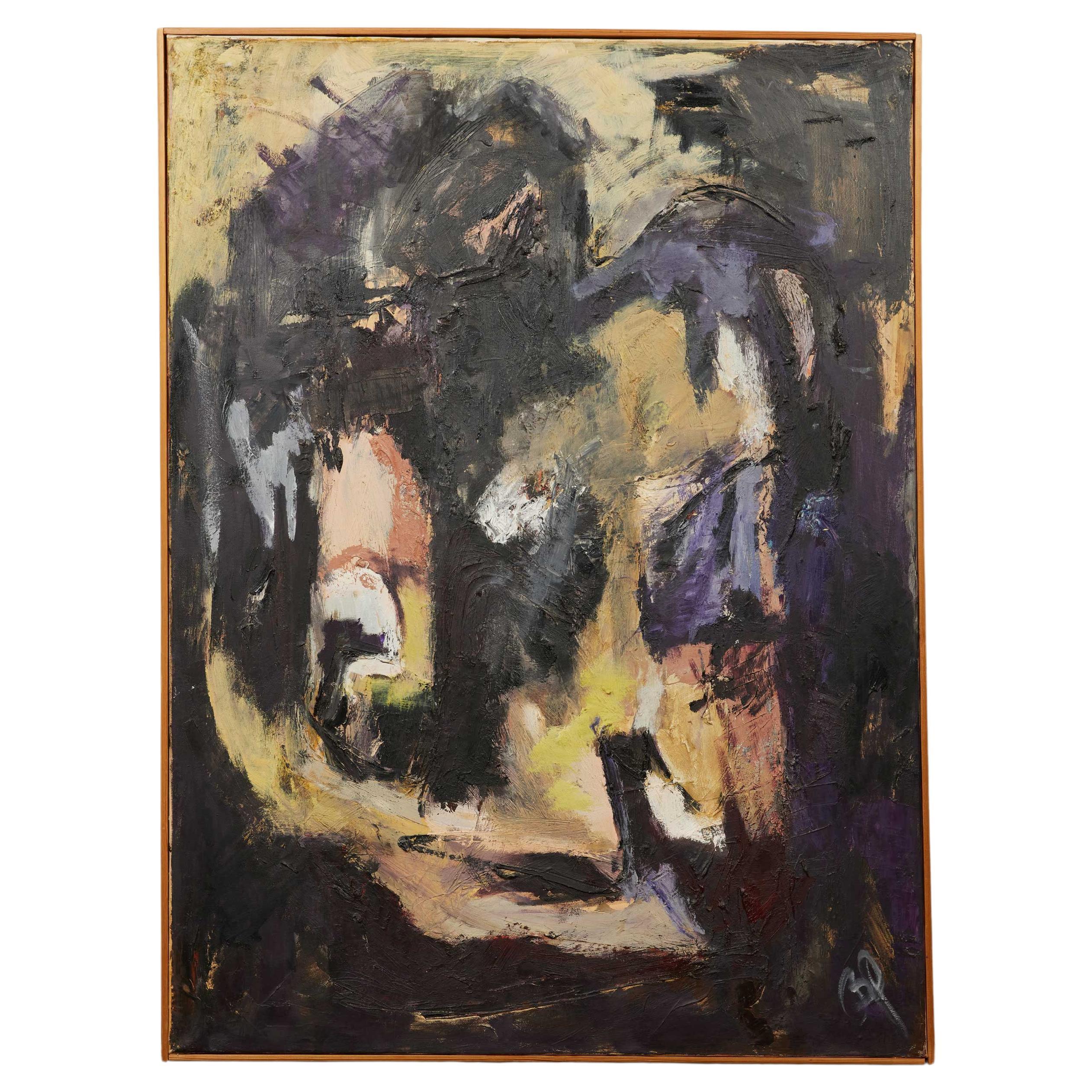
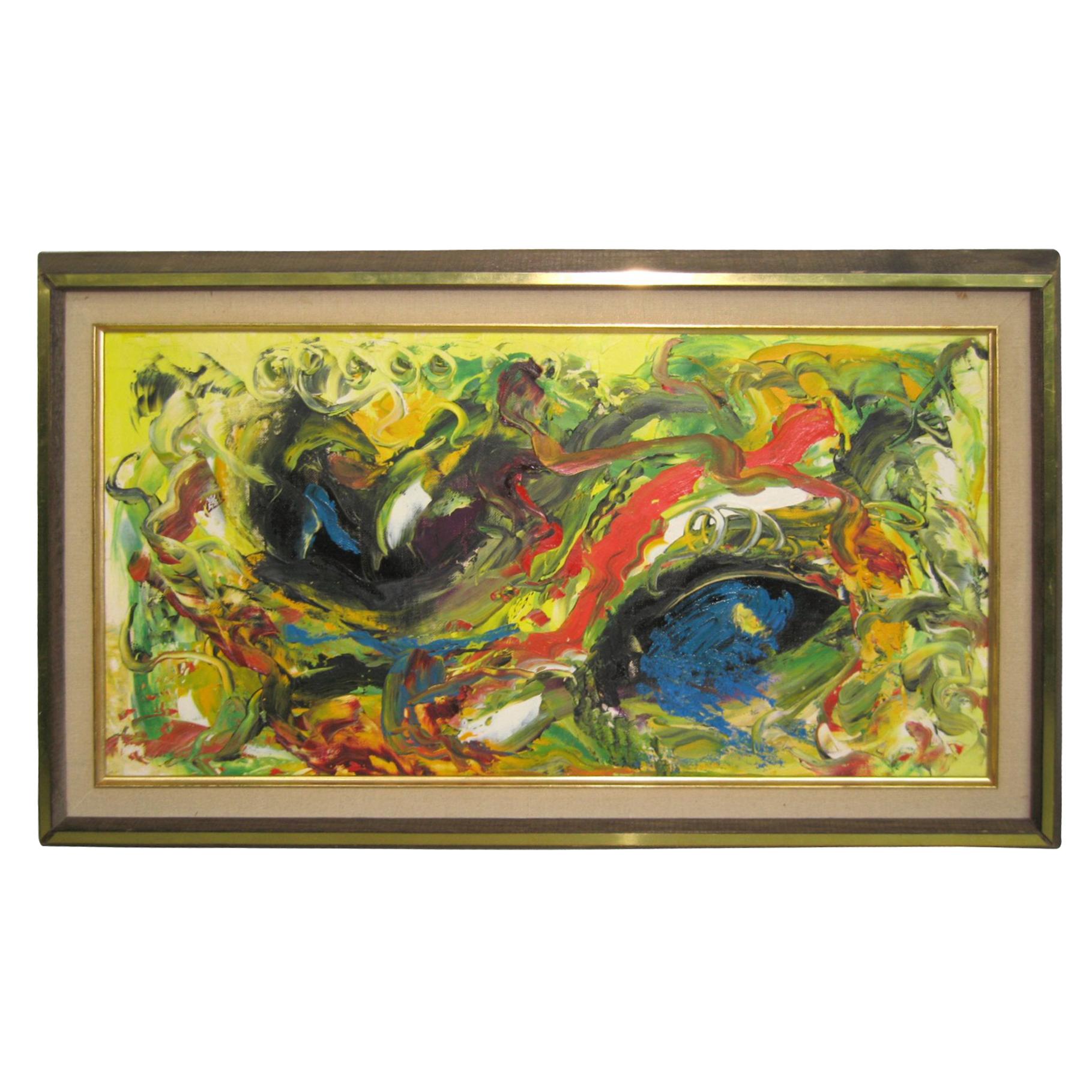
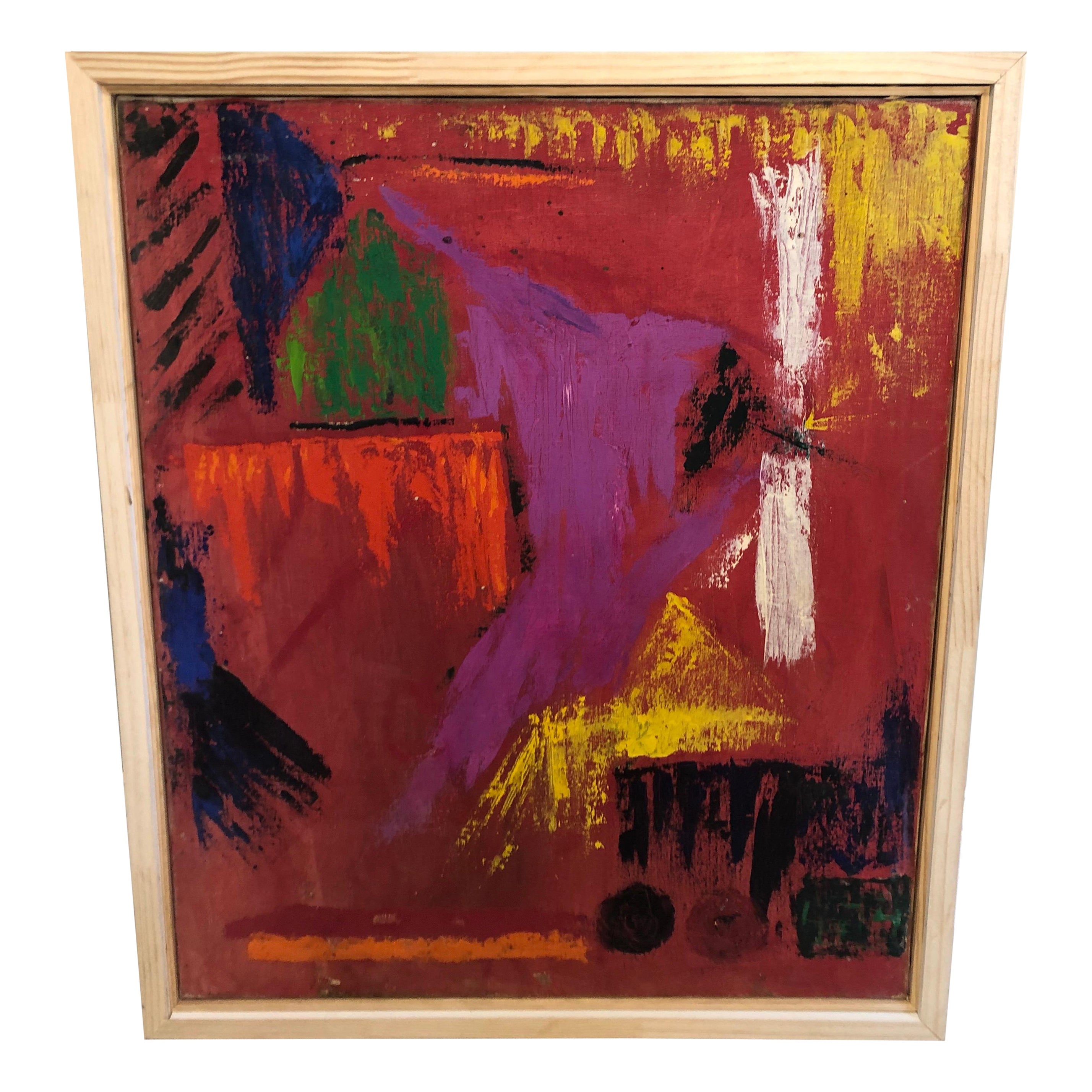
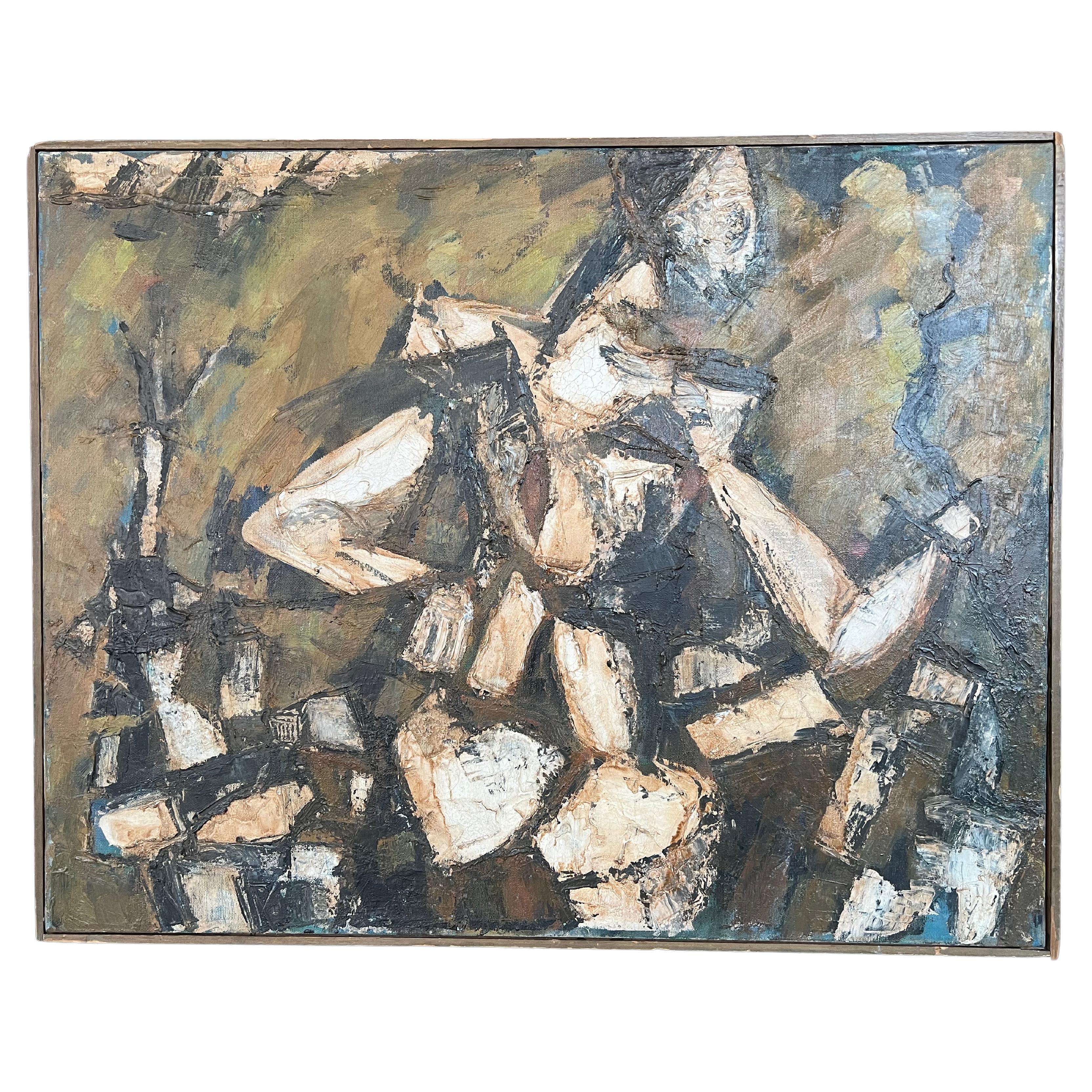
Want more images or videos?
Request additional images or videos from the seller
1 of 17
Mid Century 1960s Italian Abstract painting
$1,699.86
£1,235
€1,444.93
CA$2,323.20
A$2,529
CHF 1,342.39
MX$30,429.28
NOK 17,009.94
SEK 15,585.92
DKK 10,790.64
About the Item
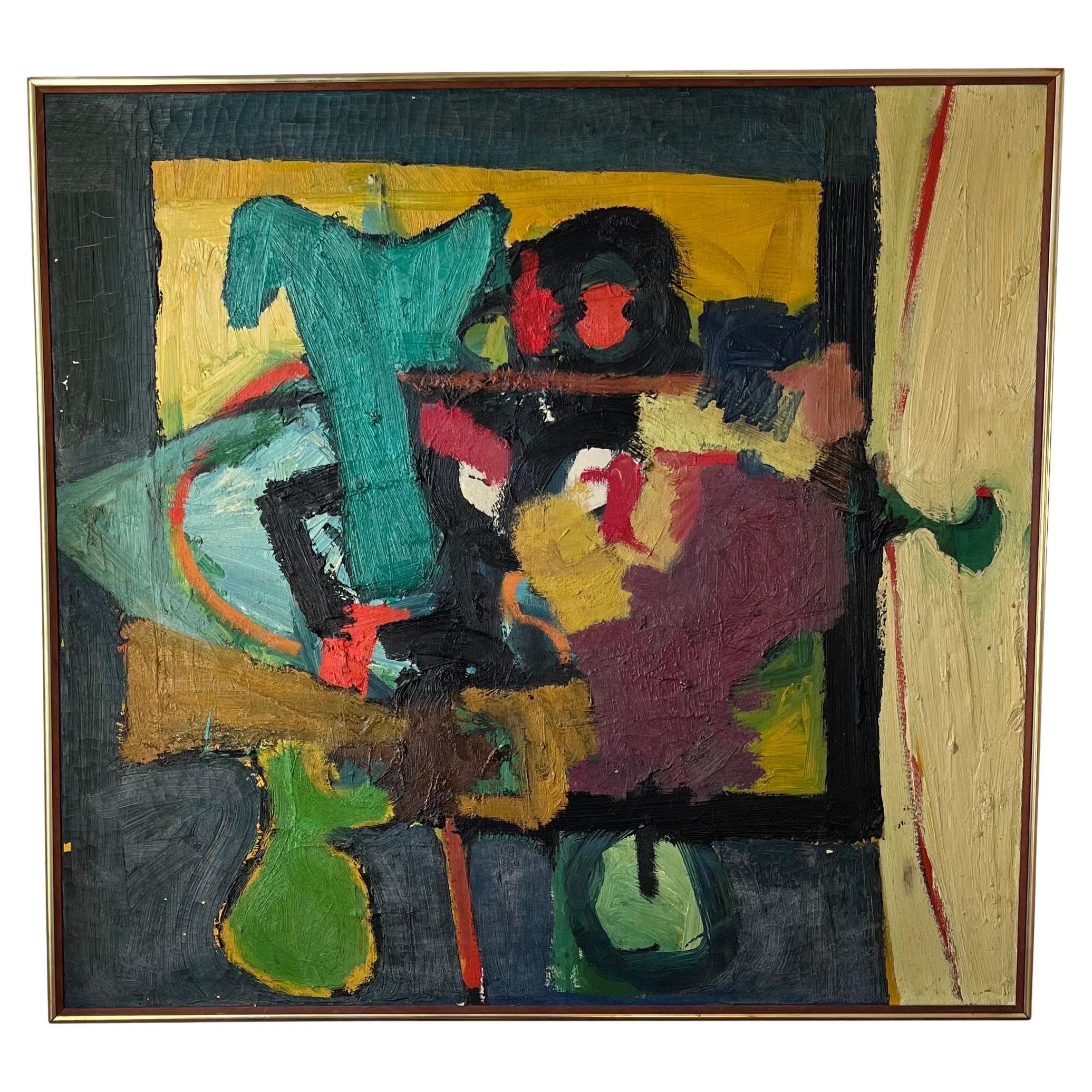
1960s Italian Abstract Painting in Orange and Black
This 1960s Italian abstract painting is a captivating exploration of form and color, featuring a vibrant interplay of orange and black. Dedicated to an editor, it reflects the emotional depth and innovative spirit of the post-war Italian abstract art movement.
The Legacy of 1960s Italian Abstract Painting
Dimensions:
Height - 82 cm
Width - 72 cm
The 1960s Italian abstract art scene emerged as a revolutionary force, challenging traditional artistic norms. This period, influenced by movements like Arte Informale and modernism, produced masterpieces characterized by bold colors and innovative techniques. This Italian abstract painting embodies the era’s essence, with its dynamic combination of orange and black creating a striking visual narrative.
Symbolism in Orange and Black: The Artist’s Palette
The choice of orange and black in this 1960s Italian painting is both deliberate and evocative.
Orange: Orange represents creativity, energy, and passion, capturing the vibrancy of post-war Italy.
Black: Symbolizes mystery, depth, and introspection, grounding the painting in emotional complexity.
These colors interact dynamically, reflecting the duality of light and shadow, movement and stillness, in Italian abstract art.
A Dedication to an Editor: Celebrating Creativity
This painting includes a special dedication to an editor, integrating personal meaning into its abstract forms. Editors, like artists, play a crucial role in shaping narratives and refining ideas. This dedicated Italian abstract painting is a tribute to their contribution to the creative process.
Subtle Personal Touches
The artwork subtly incorporates elements of the dedication, such as inscribed names or symbolic motifs. These details add a layer of intimacy, making the painting a unique expression of gratitude and collaboration.
Techniques in 1960s Italian Abstract Art
The painting employs hallmark techniques of 1960s Italian abstract painting, including:
Layered Textures: Adding depth and complexity to the composition.
Geometric Forms: Reflecting structure amidst creative freedom.
Gestural Strokes: Infusing the piece with energy and spontaneity.
These techniques are central to the Italian abstract art movement, showcasing the artist’s skill and innovation.
The Emotional Impact of Italian Abstract Art
This Italian abstract painting in orange and black speaks to universal themes of contrast and harmony. For the editor, it symbolizes the balance between creative inspiration and meticulous refinement. The interplay of colors evokes emotion and encourages personal reflection, inviting viewers to connect with the artwork on multiple levels.
Why Choose a 1960s Italian Abstract Painting?
Adding a 1960s Italian abstract painting to your collection is a celebration of art history and emotional depth.
Timeless Appeal: Abstract works transcend trends and remain relevant across generations.
Cultural Significance: It reflects the innovation of the Italian abstract art movement.
Unique Dedication: Personalizes the artwork, making it a one-of-a-kind piece.
Medium
Pencil and paint on paper
Condition;
Signed and dated bottom right. Dedication in Italian to an editor
Some paper creases to the edge, there is a water stain at the bottom right, and some light staining.
Please contact us for high-resolution images, or we can arrange mutually convenient virtual viewing.
Returns and Shipping
21-day return - Buyer pays for returns.
UK delivery £35-£55 - 7-10 days for delivery. N. Ireland highlands of Scotland, and island,s please contact for an accurate quote
Worldwide delivery is available. Please contact us for a quote
- Dimensions:Height: 32.29 in (82 cm)Width: 28.35 in (72 cm)Depth: 1.97 in (5 cm)
- Style:Mid-Century Modern (Of the Period)
- Materials and Techniques:Acrylic,Brushed
- Place of Origin:
- Period:
- Date of Manufacture:1960
- Condition:Wear consistent with age and use. Some paper creases to the edge, there is a water stain at the bottom right, and some light staining.
- Seller Location:Seaford, GB
- Reference Number:1stDibs: LU10376244346962
About the Seller
No Reviews Yet
Vetted Professional Seller
Every seller passes strict standards for authenticity and reliability
Established in 2021
1stDibs seller since 2025
Typical response time: 1 hour
- ShippingRetrieving quote...Shipping from: Seaford, United Kingdom
- Return Policy
More From This Seller
View AllMidcentury Abstract Expressionist Oil on Paper Painting, Signed 1964
Located in Seaford, GB
🖼️ Midcentury North African Abstract Expressionist Oil on Paper Painting — Signed 1964
This Midcentury North African Abstract Expressionist...
Category
Mid-20th Century African Mid-Century Modern Paintings
Materials
Paint, Paper
Midcentury Italian Abstract Blue Painting
Located in Seaford, GB
Midcentury Abstract Blue Painting Signed and dated 1972
Midcentury Abstract Blue Painting The Italian abstract art scene of the 1970s was transformativ...
Category
Vintage 1970s Spanish Mid-Century Modern Paintings
Materials
Acrylic
$1,376 Sale Price
20% Off
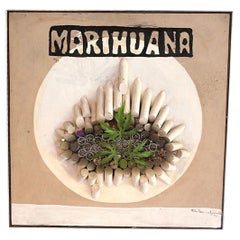
Pop Art mixed media painting
Located in Seaford, GB
1960s Pop Art Mixed Media Painting by Pietro Psaier – "Home-Grown Big Joints"
Original Mixed Media Artwork from the Hollywood & Vine Head Shop Series (19...
Category
Vintage 1960s American Mid-Century Modern Paintings
Materials
Acrylic
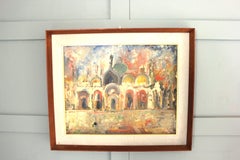
Piazza San Marco Venice Oil Painting, Abstract Expressionist, 29x39 cm
Located in Seaford, GB
Venetian Painting by Emanuele Cappello – Stunning Original Oil Painting of Venice
Discover an exquisite Venetian painting by renowned Italian artist Emanuele Cappello. This original...
Category
20th Century Italian Mid-Century Modern Paintings
Materials
Paint
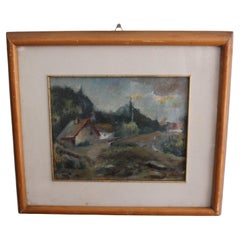
Mid 20th Century Landscape Oil Painting in the Manner of Maurice de Vlaminck –
By Maurice de Vlaminck
Located in Seaford, GB
An evocative early 20th century oil painting, executed in the expressive manner of Maurice de Vlaminck, depicting a tranquil rustic village nestled within a moody, wooded landscape. ...
Category
Mid-20th Century Italian Mid-Century Modern Paintings
Materials
Paper
$715 Sale Price
20% Off
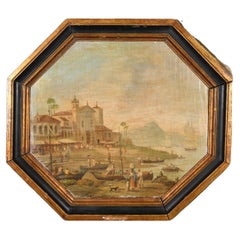
Early 19th century Capriccio Brazil School Painting
Located in Seaford, GB
Rare Early 19th century Capriccio view of Rio de Janeiro Painting
Probably painted circa 1810 by one of Jean-Baptiste Debret, Italian Students.
Painted on Sailcloth.
Historical Context of Early 19th Century Portuguese Colonial Brazil
1.1 Transition from Colony to Empire
During the early 19th century, Brazil underwent a seismic shift in its political status. Originally a colony under the Portuguese Empire, the arrival of the Portuguese Royal Court in Rio de Janeiro in 1808 rapidly elevated the city’s cultural and political importance. By 1815, Brazil was declared a kingdom united with Portugal, setting the stage for the emergence of the Empire of Brazil in 1822. This period of transformation—often termed the transitional period from colony to empire—fueled a wave of artistic production in cities like Rio de Janeiro.
1.2 European Artistic Influence in Brazil
With the French Artistic Mission in Rio (initiated in 1816) and the presence of various Portuguese and European artists, Brazilian art of the early 1800s began to reflect diverse influences, from neoclassical painting to the early rumblings of romanticism. Painters such as Jean-Baptiste Debret, and Nicolas-Antoine Taunay, and local luminaries like Manuel de Araújo Porto-Alegre contributed to the fine arts tradition in Brazil. Their works featured scenes of local life, portraits of Brazilian society, and imaginative vistas—sometimes referred to as “capriccios,” in which real elements were combined with artistic liberties to create an idealized panorama.
1.3 Rio de Janeiro as Cultural and Political Hub
Rio de Janeiro, often called the Imperial capital after Brazil’s independence, was home to foundational institutions like the Imperial Academy of Fine Arts (Academia Imperial de Belas Artes). Later evolving into the Escola de Belas Artes (School of Fine Arts in Rio), these academies nurtured the talents of emerging painters, who found patronage under the Royal Court and, subsequently, the Imperial Court. The city’s significance was further enhanced by the construction of significant buildings, the modernization of infrastructure, and the mingling of European courtly customs with the traditions of local inhabitants.
. Description of the Octagonal Oil on Canvas: A Capriccio View of Rio de Janeiro
2.1 Composition and Layout
The most striking characteristic of this 19th-century Brazilian art piece is its octagonal shape, a relatively unusual format that draws the viewer’s gaze toward its centre. The composition showcases Rio de Janeiro’s shoreline in the early 1800s, brimming with merchant ships and smaller boats anchored near the shore. On the sand, there is a bustling crowd of local people—men and women carrying food and goods on their heads, loading and unloading boats, and engaging in everyday commerce. The backdrop of soaring mountains suggests Rio’s iconic topography, embodying the landscape that famously defines the city.
2.2 Architectural and Religious Landmarks
On the left side, one can discern the silhouette of a church believed to be Santa Lucia, a significant religious structure in the heart of early 19th-century Rio. This element provides viewers with a tangible reference point, linking the scene to an actual location. However, because this painting is labelled as a “capriccio,” the artist might have taken creative liberties by rearranging or amplifying certain features of the city. The melding of real and idealized elements is characteristic of these imaginative vistas.
2.3 Evoking Daily Life in Colonial Rio
One of the painting’s greatest appeals lies in its portrayal of daily life during the colonial era. Men and women from various backgrounds populate the scene. Some appear to be carrying goods on their heads, a common practice in Brazil that has persisted through different centuries. Others appear to be haggling or trading near small vessels, revealing the commercial pulse of an active port city. This focus on local people, combined with the grandeur of merchant ships, captures the tension and synergy between the every day and the extraordinary—a hallmark of Brazilian colonial painting that balances the grand narratives of empire with the rhythms of ordinary life.
2.4 An Amalgamation of Neoclassical and Romantic Influences
Although academic art in early 19th century Brazil was highly influenced by neoclassicism, the onset of romanticism can be spotted in the emotional portrayal of the sky, the lively palette, and the dramatic emphasis on nature’s beauty (the mountains, in particular). This duality reflects the fine arts tradition in Brazil during the transitional phase when artists were embracing multiple styles. As part of the School of Rio or the Rio de Janeiro school, painters often integrated academic techniques learned from European masters with emerging local subjects and influences.
3. Institutions and Artistic Movements
3.1 Imperial Academy of Fine Arts
Originally known as the Royal School of Sciences, Arts, and Crafts, the Imperial Academy of Fine Arts in Rio de Janeiro was instrumental in shaping 19th-century Brazilian art. Influential artists and teachers from Portugal, France, and other European nations congregated at the Academy, imparting their expertise to native students. As the monarchy consolidated power, the Academy enjoyed royal patronage, leading to the creation of Imperial Academy-style works that combined European academic rigour with Brazilian-themed subject matter.
3.2 Impact of the French Artistic Mission
The French Artistic Mission, which arrived in 1816, played a pivotal role in introducing advanced European artistic techniques, thereby elevating the overall quality of painting in Brazil. Artists like Jean-Baptiste Debret not only documented Brazilian society but also spearheaded the development of a local visual identity that aligned with both academicism and the national context of a blossoming empire. Debret, alongside others such as Nicolas-Antoine Taunay, mentored Brazilian artists, sowing the seeds of what would become the Brazilian academic art movement.
3.3 Religious, Historical, and Landscape Paintings
In addition to everyday scenes and historical compositions, religious iconography remained crucial throughout Portuguese colonial and imperial Brazil. Churches were omnipresent in cityscapes like Rio de Janeiro. Many colonial-era Brazilian portraits...
Category
Antique Early 19th Century Brazilian Spanish Colonial Paintings
Materials
Canvas
$2,973 Sale Price
20% Off
You May Also Like
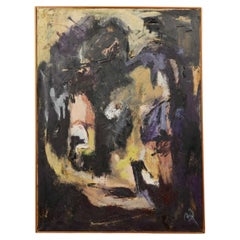
Mid-Century Modern Abstract Painting
Located in Ventura, CA
Abstract Mid-Century Modern Painting
This Light and Dark Abstract Mid-Century artwork is a captivating abstract painting that measures 36 inches in width and 48 inches in height....
Category
Vintage 1950s Mid-Century Modern Paintings
Materials
Paint, Acrylic
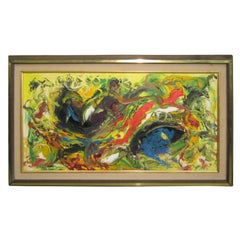
Mid-Century Modern Oil on Canvas Abstract Painting
Located in Newfoundland, PA
Stunning colors on this midcentury painting. Total measurement is 23 in W x 13 in x 1-5/8 in deep. Dated 1/1/1960, E Byard. Painting measurements listed below. The frame is original....
Category
Vintage 1960s American Mid-Century Modern Paintings
Materials
Acrylic
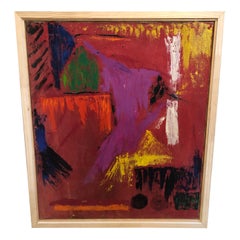
Abstract Mid Century on Canvas
Located in Redding, CT
Abstract Mid Century on Canvas. This custom frame has been painted white since being photographed. Nice bright colors make up this abstract modern composit...
Category
Mid-20th Century Mid-Century Modern Paintings
Materials
Canvas, Wood, Paint
$910 Sale Price
62% Off
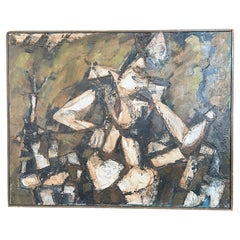
Midcentury Abstract Oil Painting
Located in Chicago, IL
Midcentury abstract oil painting framed in simple wood frame.
Category
Vintage 1960s American Mid-Century Modern Paintings
Materials
Canvas, Wood, Paint
French Vintage Mid-Century Abstract Painting
Located in Baton Rouge, LA
This French vintage Mid-century abstract painting on canvas is signed by the artist, Katzyi. View all images to see the current condition.
Category
20th Century French Mid-Century Modern Paintings
Materials
Canvas, Paint
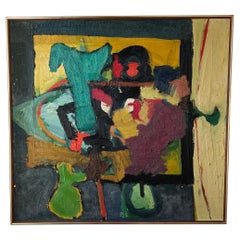
Vintage Mid Century Abstract Painting On Canvas
Located in W Allenhurst, NJ
Beautiful bold vintage Mid-Century Abstract Painting on canvas. Wonderful colors and expression. True period piece with vibrant colors, textural brush marks framed nicely in thin bra...
Category
Mid-20th Century Mid-Century Modern Paintings
Materials
Canvas, Wood, Paint
More Ways To Browse
Antique Pewter Dish
Antique Portuguese Chest Of Drawers
Antique Stepping Stones
Argento 800
Art Nouveau Sterling Silver Photo Frame
Bank Table
Bird In The Hand Compact
Black Chinese Chests
Block Front Chest
Blue Bohemian Crystal
Blue Chinese Cloisonne
Blush Table
Borge Mogensen Drawers
Borge Mogensen Soborg Mobler
Borneo Wood
Bow Front French
British Campaign Chest
Brutalist Wall Sculpture Signed