Items Similar to Cashew and Rose Apple Trees with Pepper and Crocus Indicus – de Bry, 1600
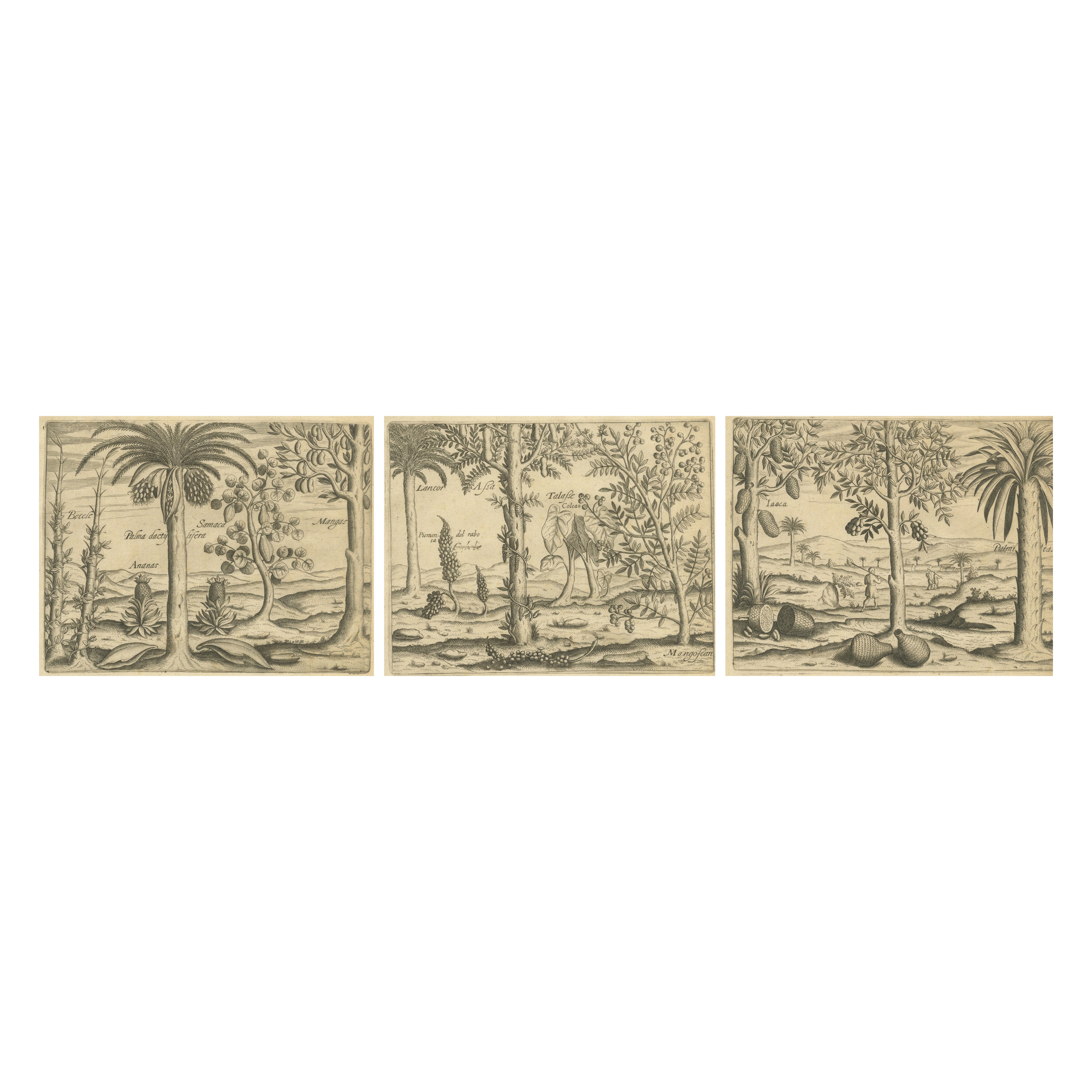
Want more images or videos?
Request additional images or videos from the seller
1 of 10
Cashew and Rose Apple Trees with Pepper and Crocus Indicus – de Bry, 1600
$215.61
£161.23
€180
CA$297.06
A$323.98
CHF 171.62
MX$3,884.10
NOK 2,185.73
SEK 1,998.69
DKK 1,371.67
About the Item
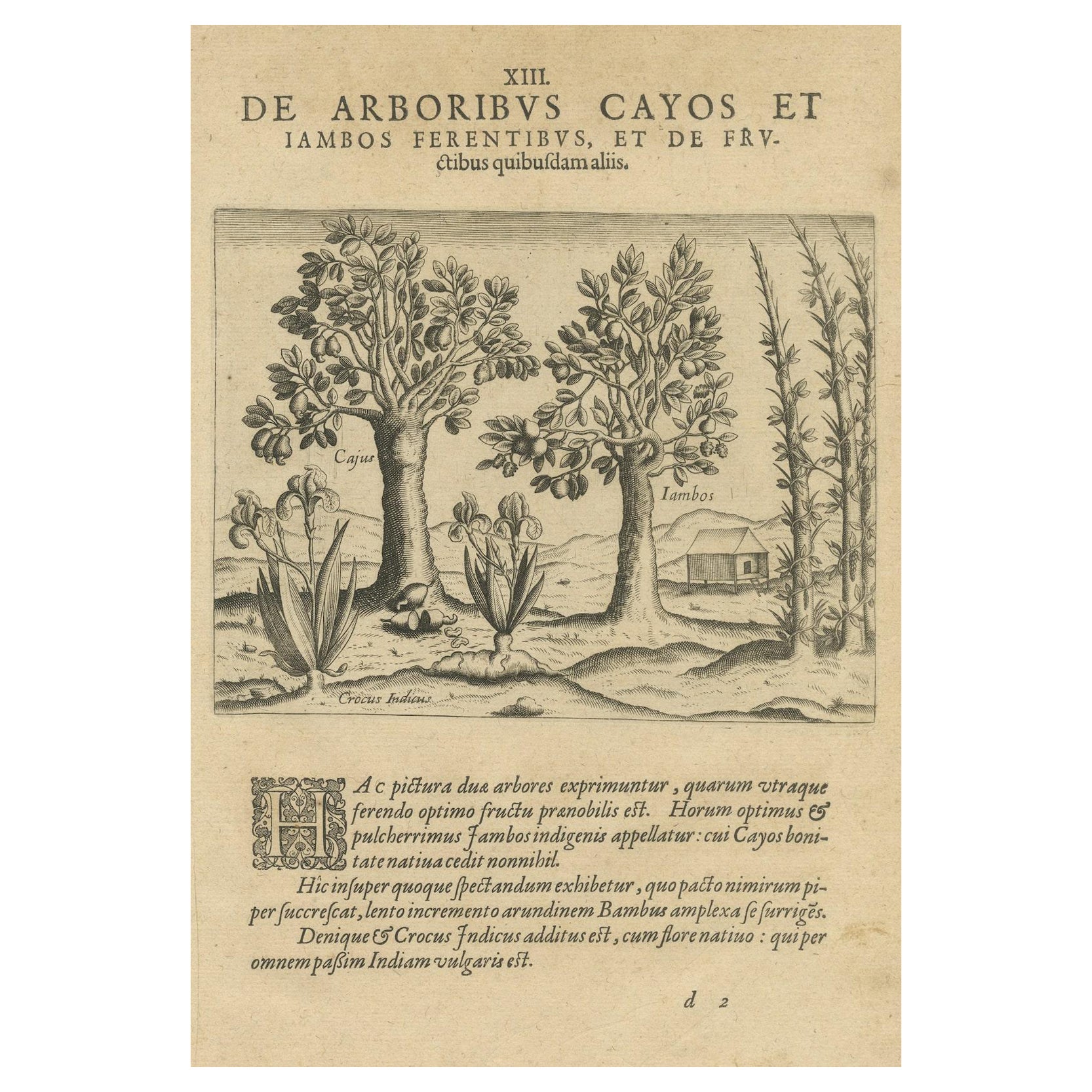
Cashew and Rose Apple Trees with Pepper and Crocus Indicus – de Bry, 1600
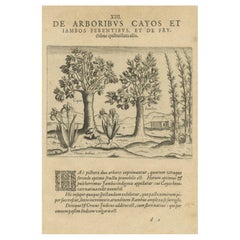
Exotic early engraving from Johann and Israel de Bry’s illustrated edition of Jan Huygen van Linschoten’s travel accounts, showing the tropical trees Cajus (Cashew tree) and Iambos (Rose Apple tree). To the right is a pepper plant climbing up bamboo canes, while in the foreground the Crocus Indicus is depicted. The detailed composition is accompanied by descriptive German text that highlights the value and beauty of these fruits and plants in India.
This copper engraving was published in Frankfurt in 1600 by W. Richter as part of the monumental series “Vierder Theil der Orientalischen Indien.” De Bry’s series brought exotic landscapes, peoples, and flora to a European audience at the dawn of global exploration. These images, based on the accounts of Linschoten and other travelers, played a key role in shaping Europe’s understanding of the East Indies and their wealth of natural resources.
The illustration not only reflects contemporary botanical curiosity but also the commercial significance of tropical plants. Pepper was one of the most coveted spices in the European market, while cashew and rose apple were admired both for their fruits and exotic origins. Prints like these combined visual appeal with educational purpose, serving as early records of species unfamiliar to most Europeans. Today, they are considered valuable works of both art and cultural history, representing the Age of Discovery’s blending of science, exploration, and trade.
Condition report: Strong impression on laid paper. Minor toning and faint age browning in the margins, as usual. Plate mark clearly visible. Reverse blank.
Framing tips: A dark wooden or ebony frame with a cream or ivory mount would emphasize the engraving’s historic detail. Alternatively, a green or muted red mount would highlight the botanical subject matter and bring out the exotic theme.
Technique: Copper engraving
Maker: Johann
Israel de Bry, Frankfurt am Main, 1600
- Dimensions:Height: 9.06 in (23 cm)Width: 6.97 in (17.7 cm)Depth: 0 in (0.02 mm)
- Materials and Techniques:Paper,Engraved
- Place of Origin:
- Period:1600-1609
- Date of Manufacture:circa 1600
- Condition:Condition report: Fair to Good. Strong impression on laid paper. A few creases, minor toning and faint age browning in the margins, as usual. Plate mark clearly visible. Reverse blank. Margins cut short.
- Seller Location:Langweer, NL
- Reference Number:Seller: BG-13748-1341stDibs: LU3054346299372
About the Seller
5.0
Recognized Seller
These prestigious sellers are industry leaders and represent the highest echelon for item quality and design.
Platinum Seller
Premium sellers with a 4.7+ rating and 24-hour response times
Established in 2009
1stDibs seller since 2017
2,791 sales on 1stDibs
Typical response time: <1 hour
- ShippingRetrieving quote...Shipping from: Langweer, Netherlands
- Return Policy
More From This Seller
View AllExotic Flora of the Indies: The Cajus and Jambos Trees Copper Engraved in 1601
Located in Langweer, NL
Title: "Exotic Flora of the Indies: The Cajus and Jambos Trees in De Bry's 1601 Engraving"
Description: This detailed engraving by Theodore de Bry, dating back to 1601, beautifully illustrates two tropical trees, the Cajus and the Jambos, both renowned for their delectable fruits in the regions of India. The Cajus tree, likely referring to what is known today as the cashew, is depicted with its distinctive fruit that dangles below the swollen pedicel, commonly called the cashew apple. The Jambos tree, with its lush, dense foliage and abundant fruiting, could be related to the rose apple, known for its fragrant, rose-scented fruit.
Included in the scene is a depiction of the Indian Crocus, adding a touch of the diverse understory vegetation of the tropical climate. The image conveys a peaceful coexistence with nature, as indicated by a modest dwelling in the background, suggesting the integration of these trees into the daily lives of the local inhabitants for both nourishment and commerce.
The text is in Latin, and here is the English translation:
"In this picture, two trees are shown, each of which bears the most excellent and noble fruit. The best of these is called the Jambos, native to the region, which the inhabitants call Cayos. On this tree, nothing of note is bestowed.
Moreover, this also represents a marvelous spectacle, in which the slow-growing cane bamboo surrounds itself. Finally, the Indian Crocus has been added, which blooms with its native flower; which is widespread throughout all of India."
De Bry's engravings were pivotal in bringing the natural wealth of the New World and the East Indies to the European imagination. His work not only served as an artistic endeavor but also as an educational tool that fed the European appetite for knowledge about the vast diversity of the world's flora and fauna. This engraving, with its precision and attention to botanical detail, remains a significant historical record of the natural world as seen through the lens of the early modern European...
Category
Antique Early 17th Century Dutch Prints
Materials
Paper
$428 Sale Price
35% Off
De Bry Indian Botanical Engravings – Coconut, Bamboo
Cashew Trees, c.1598
Located in Langweer, NL
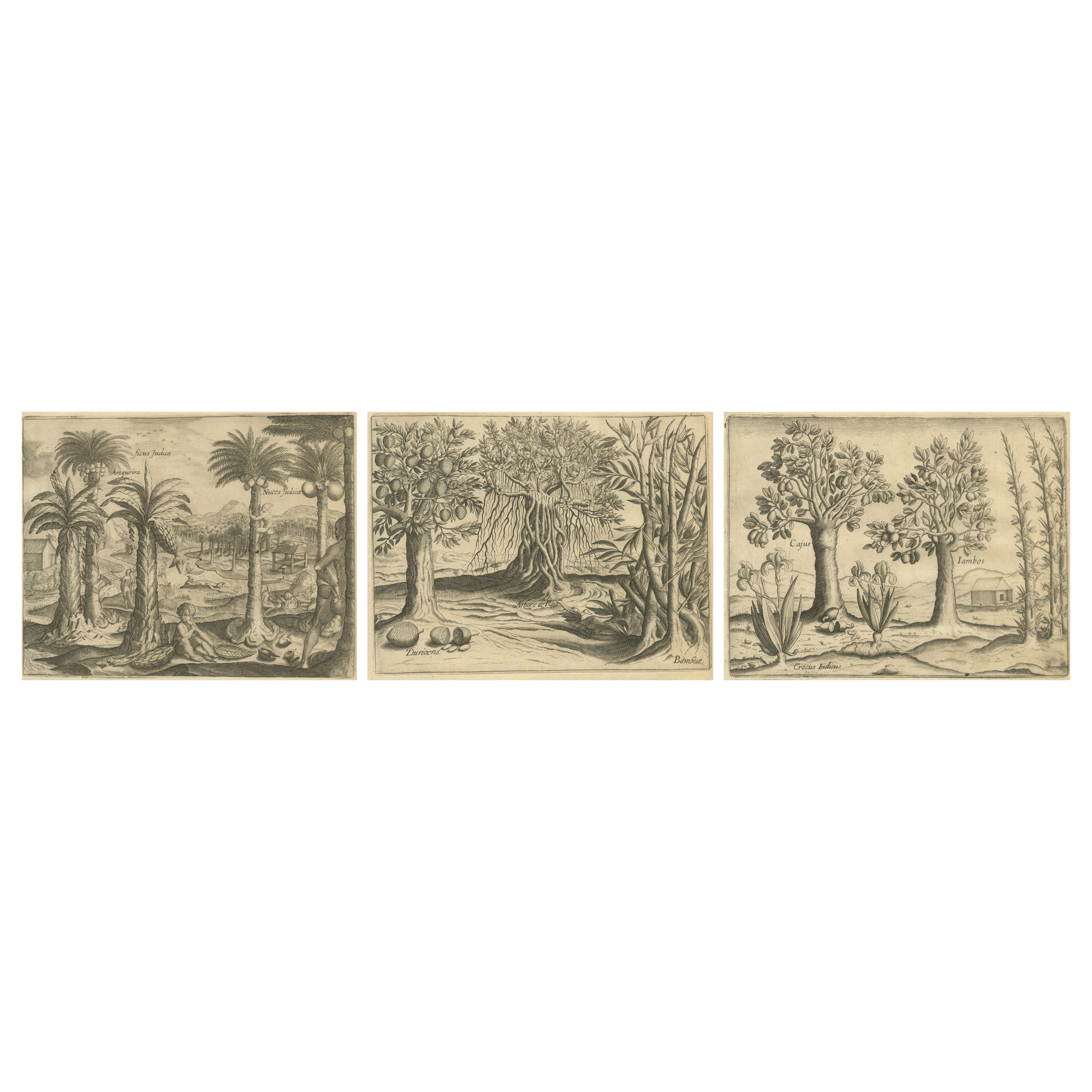
Set of Three De Bry Botanical Engravings of Indian Trees and Fruits, c.1598 – Coconut, Bamboo, and Cashew
Description:
A rare and beautifully matching set of three original copper e...
Category
Antique 16th Century German Prints
Materials
Paper
Tropical Abundance: The Jackfruit and Palm Trees in De Bry
s 1601 Engraving
Located in Langweer, NL
"Tropical Abundance: The Jackfruit and Palm Trees in De Bry's 1601 Engraving"
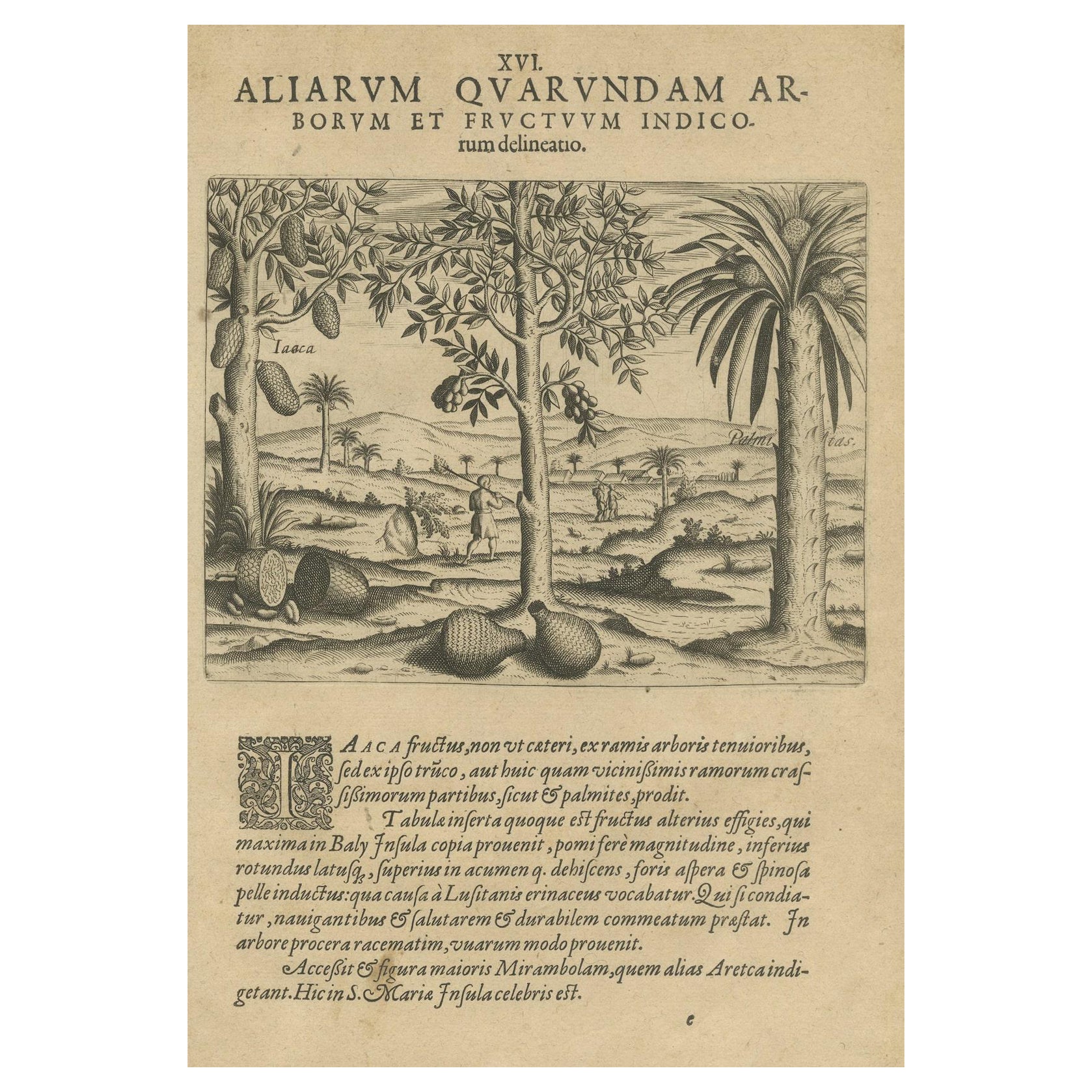
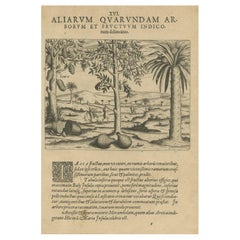
Description: This remarkable 1601 engraving by Theodore de Bry illustrates the lush vegetation of India...
Category
Antique Early 17th Century Dutch Prints
Materials
Paper
$428 Sale Price
35% Off
De Bry Botanical Engravings – Pineapple, Mango
Pepper Plants, c.1598
Located in Langweer, NL
Set of Three De Bry Botanical Engravings of Indian Fruits and Spices, c.1598 – Pineapple, Mango, and Pepper
An exceptional trio of original copper engravings from Theodor de Bry’s P...
Category
Antique 16th Century German Prints
Materials
Paper
Verdant Wonders: Exotic Trees and Spices of India in De Bry
s 1601 Illustration
Located in Langweer, NL
Title: "Verdant Wonders: Exotic Trees and Spices of India in De Bry's 1601 Illustration"
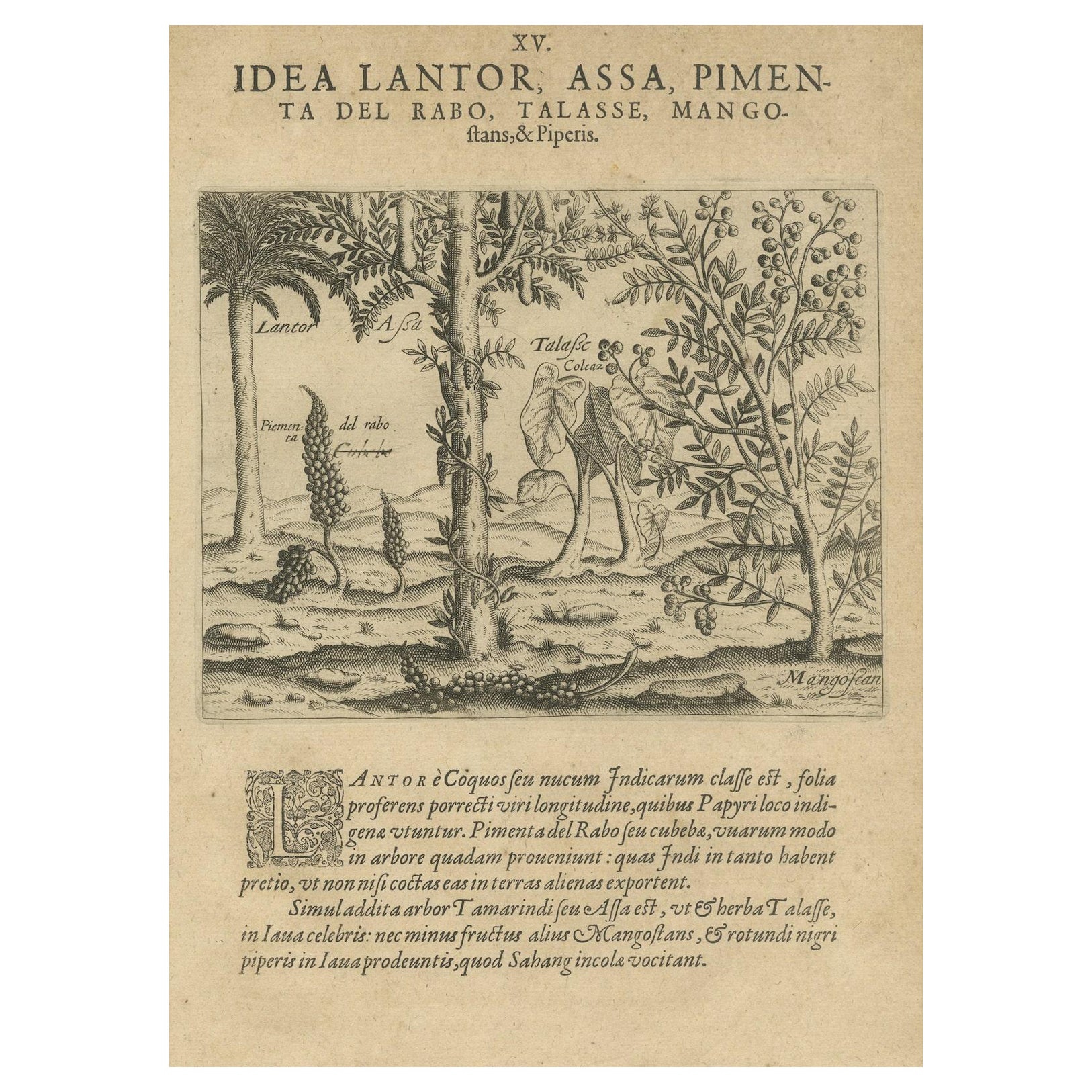
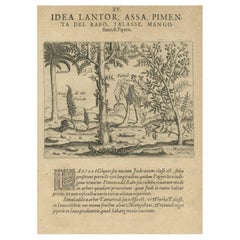
Description: This striking 1601 engraving by Theodore de Bry, titled "IDEA LANTOR, ASSA, PIM...
Category
Antique Early 17th Century Dutch Prints
Materials
Paper
$395 Sale Price
40% Off
Spices of the Tropics: Cinnamon and Cassia in De Bry
s 1601 Illustration
Located in Langweer, NL
Title: "Spices of the Tropics: Cinnamon and Cassia in De Bry's 1601 Illustration"
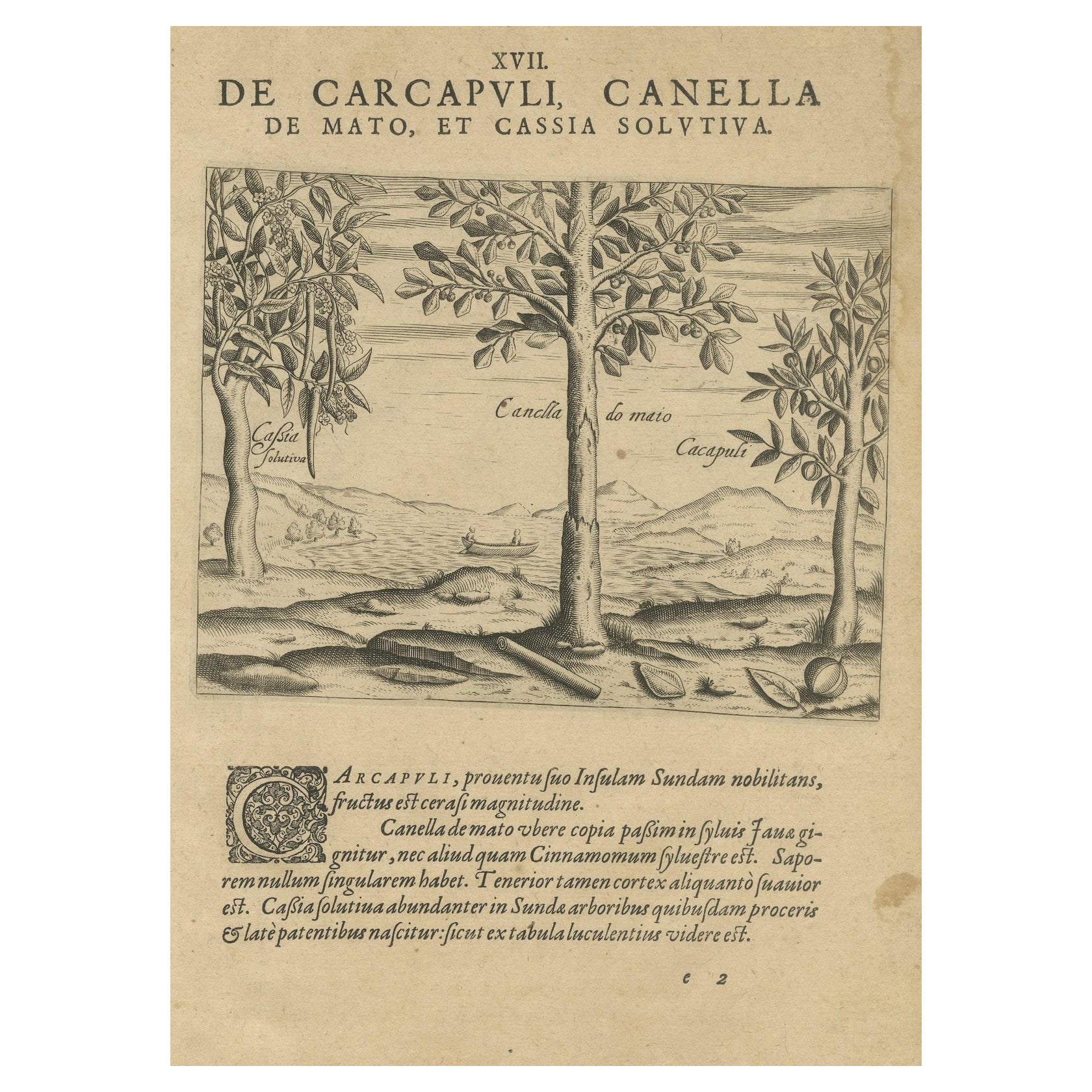
Description: This 1601 engraving by Theodore de Bry offers a detailed look at the spice-bearing tre...
Category
Antique Early 17th Century Dutch Prints
Materials
Paper
$402 Sale Price
30% Off
You May Also Like
Flowering Pomegranate
Rock Rose: A 17th C. Besler Hand-colored Engraving
Located in Alamo, CA
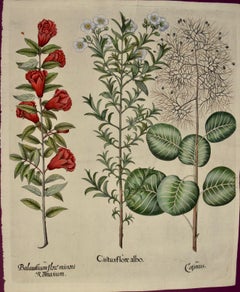
This is a hand-colored copper-plate engraving entitled "Cistusflore Albo, Balaustium Flore Minori Romanum, Cotinus", depicting flowering Pomegranate, Rock Rose...
Category
1640s Academic Still-life Prints
Materials
Engraving
Fever Nut Plant "Ban Caretti": A 17th Century Engraving by Hendrik van Rheede
Located in Alamo, CA
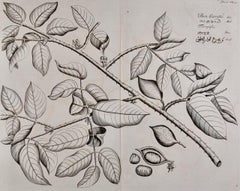
This is a 17th century engraving of a fever or bonduc nut plant entitled "Ban Caretti" by Hendrik van Rheede tot Drakenstein, plate 20 from his 'Hortus Indi...
Category
Late 17th Century Naturalistic Landscape Prints
Materials
Engraving
Flowering Hyacinth
Calla Plants: A Besler Hand-colored Botanical Engraving
Located in Alamo, CA
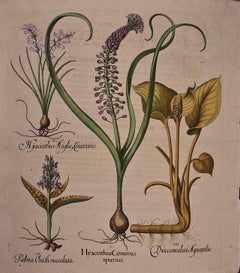
This is a hand-colored copper plate engraving depicting flowering "Hyacinthus Comosus Spurius" (Hyacinth), "Hyacinthus Anglicus" (Blue Hyacinth), "Palma ...
Category
Early 18th Century Academic Still-life Prints
Materials
Engraving
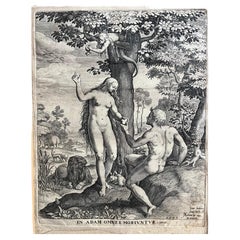
Adam and Eve Engraving by Johann Sadeler circa 1579
Located in Doylestown, PA
A rare engraving titled “IN ADAM OMNES MORIUNTUR” (All die in Adam) by Johann Sadeler after a work by Maerten de Vos, depicting Adam taking the forbidden fruit from Eve. Signed and...
Category
Antique 16th Century Dutch Renaissance Prints
Materials
Paper
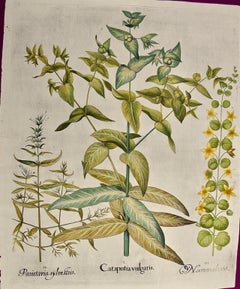
Flowering Lily Plants: A 17th C. Besler Hand-colored Botanical Engraving
Located in Alamo, CA
This is a hand-colored copper plate engraving entitled "Cataputia Vulgaris, Parietaria Sylvestris, Nummularia", depicting flowering Spanish Nut, Yellow Turk's-cap Lily, Yellow Turk's...
Category
1640s Academic Still-life Prints
Materials
Engraving
$2,540 Sale Price
20% Off
Citamerdu (Amrita) Plant: 17th Century Botanical Engraving by Hendrik van Rheede
Located in Alamo, CA
This is a rare 17th century engraving of a plant entitled "Citamerdu" by the Dutch botanist Hendrik van Rheede tot Drakenstein, plate 21 from his 'Hortus Indicus Malabaricus' (Garden of Malabar), published in Amsterdam in 1686 by Johann van Someren. The engraving depicts the Citamerdu plant, also known as Tinospora cordifolia plant or Amrita and Guduchi. It is a deciduous plant with heart-shaped leaves, greenish flowers, and pea-shaped fruits. Rheede's 19th century publication featured illustrations of exotic plants and fruits labelled with script in the upper right corner in Latin, Malay, Arabic, and Sanskrit. Hortus Indicus Malabaricus is believed to be the earliest comprehensive published work on the flora of Asia and the tropics. The 17th century treatise featured important illustrations of 740 plants of the region, including Indian medicinal plants.
The engraving is printed on 17th century laid, chain-linked paper, watermarked with an elaborate crown design. The sheet measures 15.75" high by 18.75" wide. There is a central fold, as issued. There are a few small spots, but the print is otherwise in excellent condition.
There are additional Rheede botanical engravings from his 'Hortus Indicus Malabaricus' publication that are listed on my 1stdibs storefront and online website. These would make for an impressive display grouping. A discount is available for purchase of two or more of the prints.
Hendrik Adriaan van...
Category
Late 17th Century Naturalistic Landscape Prints
Materials
Engraving