Items Similar to The Distinguished Spanish Chicken - A Rare 19th Century Poultry Lithograph


Want more images or videos?
Request additional images or videos from the seller
1 of 10
The Distinguished Spanish Chicken - A Rare 19th Century Poultry Lithograph
$288.22
£213.47
€240
CA$394.26
A$429.08
CHF 227.46
MX$5,162.17
NOK 2,884.86
SEK 2,639.45
DKK 1,828.84
About the Item
The Distinguished Spanish Chicken A Rare 19th Century Poultry Lithograph
This striking 19th century chromolithograph features a pair of Spanish chickens, a distinguished breed known for its sleek black plumage, prominent white facial patches, and regal bearing. The print, titled Spanjaarden, originates from Geïllustreerd Hoenderboek, an Illustrated Poultry Book published in 1888 by Elsevier. Compiled by Julius Volschau and adapted for Dutch readers by Dr. A. C. Oudemans Jzn., this book provided detailed insights into poultry breeding, selection, and care, reflecting the great interest in specialized breeds during the 19th century.
The Spanish chicken, often referred to as the White Faced Black Spanish, is one of the oldest Mediterranean poultry breeds. It is believed to have been developed in Spain before being refined in England during the 18th and 19th centuries. This breed is best recognized for its glossy black feathers, bright red comb, and large white earlobes and facial skin, giving it a striking contrast that made it highly desirable for exhibition purposes. Spanish chickens were prized for their strong egg laying abilities, producing large white eggs consistently, though they were less commonly used as meat birds due to their slender build.
This lithograph was created using chromolithography, a sophisticated 19th century printing technique that allowed for richly detailed and vibrant illustrations. The original artwork was drawn by Christian Förster, a renowned animal illustrator of the period. Chromolithographs were made by layering multiple colors, each applied with a separate stone plate, allowing for depth and realism in the final image. The smooth sheen of the feathers and the delicate shading on the white facial skin in this print showcase the precision and craftsmanship of the technique.
### Condition Summary
The print remains in very good condition, with strong contrast and fine details well preserved. Some minor age related toning and slight foxing spots are present along the edges, which is typical for lithographs of this period. The paper remains stable, with minimal signs of wear, making this a highly collectible piece for enthusiasts of antique poultry illustrations and historical agricultural prints.
### Framing Tips
To best protect and display this lithograph, consider the following framing techniques
- Use acid free matting to prevent long term deterioration. A soft cream or light gray mat can provide a subtle contrast to the dark plumage
- Opt for UV protective glass to shield the colors from light exposure and fading
- A wooden frame in deep walnut, black lacquer, or dark mahogany will complement the striking contrast between the Spanish chicken’s black feathers and white facial markings
- Float mounting can highlight the original paper edges, adding a historical and museum quality presentation
This lithograph is an exceptional example of 19th century poultry illustration, capturing the elegance and rarity of the Spanish chicken breed. Whether displayed in a study, farmhouse, or antique print collection, it serves as a beautiful and historically significant piece of agricultural art.
- Dimensions:Height: 10.63 in (27 cm)Width: 7.88 in (20 cm)Depth: 0.01 in (0.2 mm)
- Materials and Techniques:
- Period:
- Date of Manufacture:1888
- Condition:The print remains in very good condition, with strong contrast and fine details well preserved. Some minor age related toning and slight foxing spots are present along the edges, which is typical for lithographs of this period.
- Seller Location:Langweer, NL
- Reference Number:Seller: BG-14012-101stDibs: LU3054344034182
About the Seller
5.0
Recognized Seller
These prestigious sellers are industry leaders and represent the highest echelon for item quality and design.
Platinum Seller
Premium sellers with a 4.7+ rating and 24-hour response times
Established in 2009
1stDibs seller since 2017
2,816 sales on 1stDibs
Typical response time: 1 hour
- ShippingRetrieving quote...Shipping from: Langweer, Netherlands
- Return Policy
More From This Seller
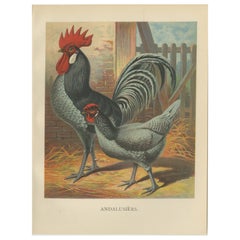
View AllThe Elegant Andalusian Chicken - A Rare 19th Century Poultry Lithograph
Located in Langweer, NL
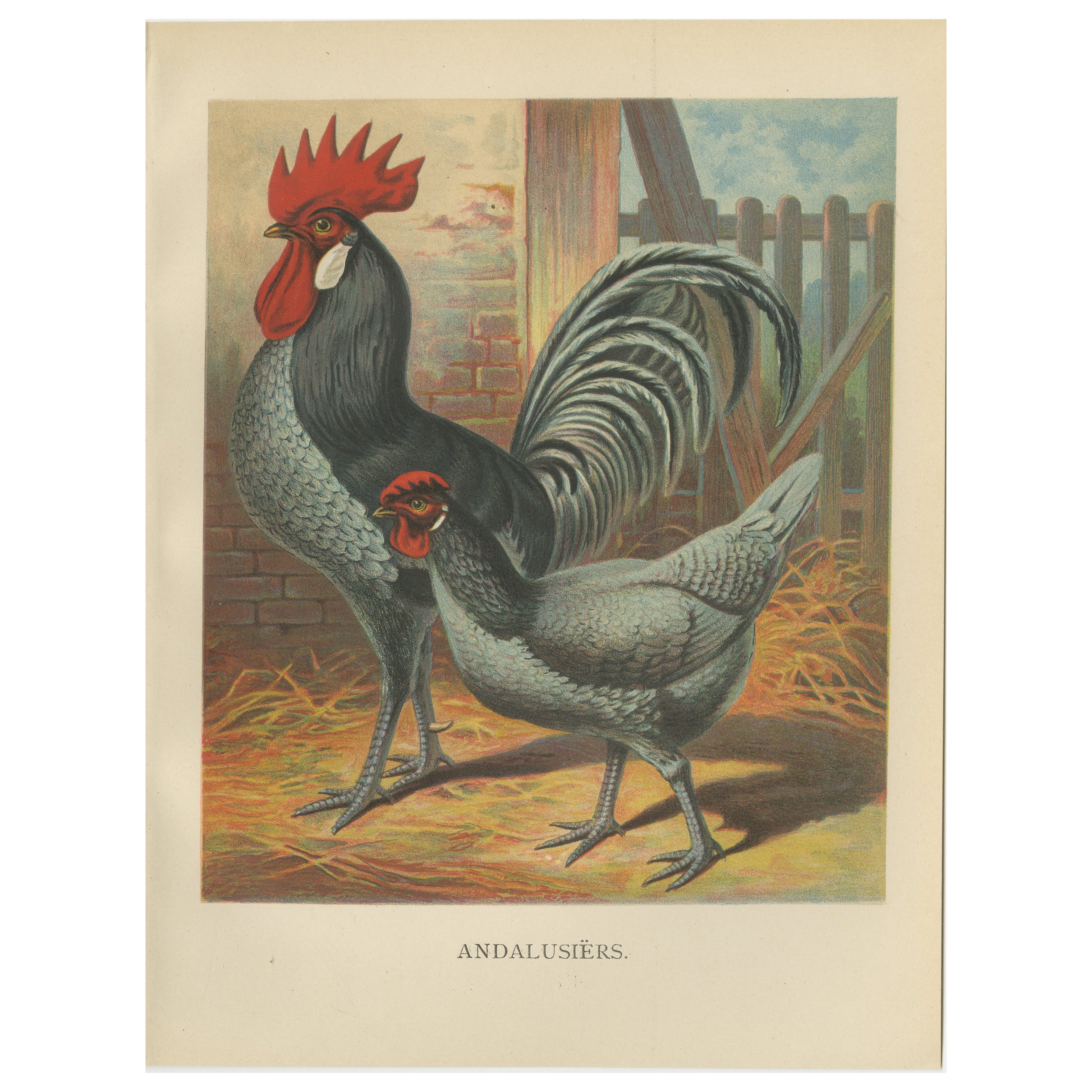
The Elegant Andalusian Chicken - A Rare 19th Century Poultry Lithograph
This stunning 19th century chromolithograph features a pair of Andalusian chickens, a striking Mediterranea...
Category
Antique 1880s Prints
Materials
Paper
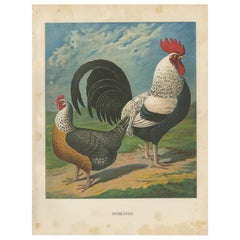
The Noble Dorking Chicken - A Rare 19th Century Poultry Lithograph
Located in Langweer, NL
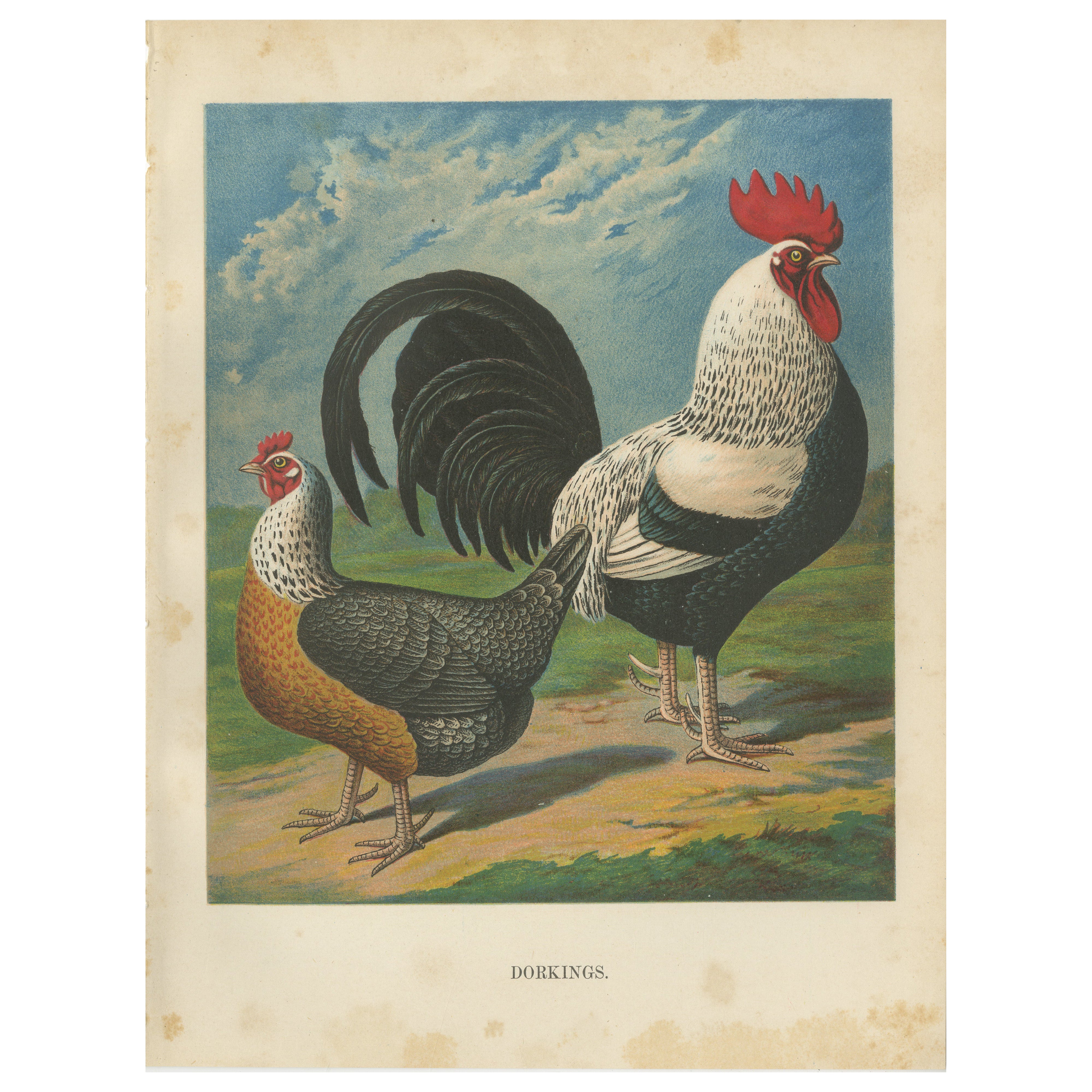
The Noble Dorking Chicken A Rare 19th Century Poultry Lithograph
This magnificent 19th century chromolithograph features a pair of Dorking chickens, one of the oldest and most dis...
Category
Antique 1880s Prints
Materials
Paper
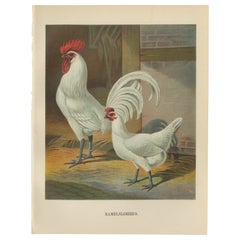
The Distinguished Ramelsloher Chicken - A Rare 19th Century Poultry Lithograph
Located in Langweer, NL
The Distinguished Ramelsloher Chicken A Rare 19th Century Poultry Lithograph
This striking 19th-century chromolithograph features a pair of Ramelsloher chickens, a breed known for...
Category
Antique 1880s Prints
Materials
Paper
The Regal Partridge Italian Chicken - A Rare 19th Century Poultry Lithograph
Located in Langweer, NL
The Regal Partridge Italian Chicken A Rare 19th Century Poultry Lithograph
This remarkable 19th century chromolithograph features a pair of Partridge Italian chickens, a breed admired for its striking plumage, graceful build, and lively temperament. The print, titled Patrijsveer-Italianen, originates from Geïllustreerd Hoenderboek, an Illustrated Poultry Book published in 1888 by Elsevier. Compiled by Julius Volschau and adapted for Dutch readers by Dr. A. C. Oudemans Jzn., this book provided an extensive guide to poultry breeding, detailing both functional and ornamental breeds highly regarded in the 19th century.
Partridge Italian chickens are a visually striking variety, displaying a rich combination of deep golden-brown, black, and chestnut hues. The rooster in this lithograph stands with an imposing posture, exhibiting its glossy black tail feathers and vibrant golden saddle feathers. The hens are equally beautiful, featuring finely patterned feathering on their backs and wings, transitioning into a warm golden-brown on their chests. This variety is not only known for its beauty but also for its excellent egg-laying abilities and hardy nature, making it a favorite among poultry breeders.
This lithograph was created using chromolithography, a highly skilled 19th-century printing process that allowed for vibrant, multi-colored illustrations. The artwork is based on an original drawing by Christian Förster, a well-known animal illustrator of the time. Chromolithography involved layering multiple colors, each applied with a separate stone plate, to achieve depth, shading, and fine detail. The precision in rendering the intricate feather textures and the interplay of light and shadow in this lithograph highlights the mastery of this technique.
Condition Summary
The print remains in very good condition, with its colors still rich and vibrant. Some minor age-related toning and light foxing are visible along the edges, a common characteristic of lithographs from this period. The paper is stable with minimal signs of wear, making it a valuable collectible for antique poultry print...
Category
Antique 1880s Prints
Materials
Paper

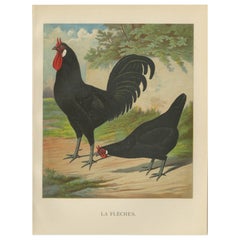
The Distinctive La Flèche Chicken - A Rare 19th Century Poultry Lithograph
Located in Langweer, NL
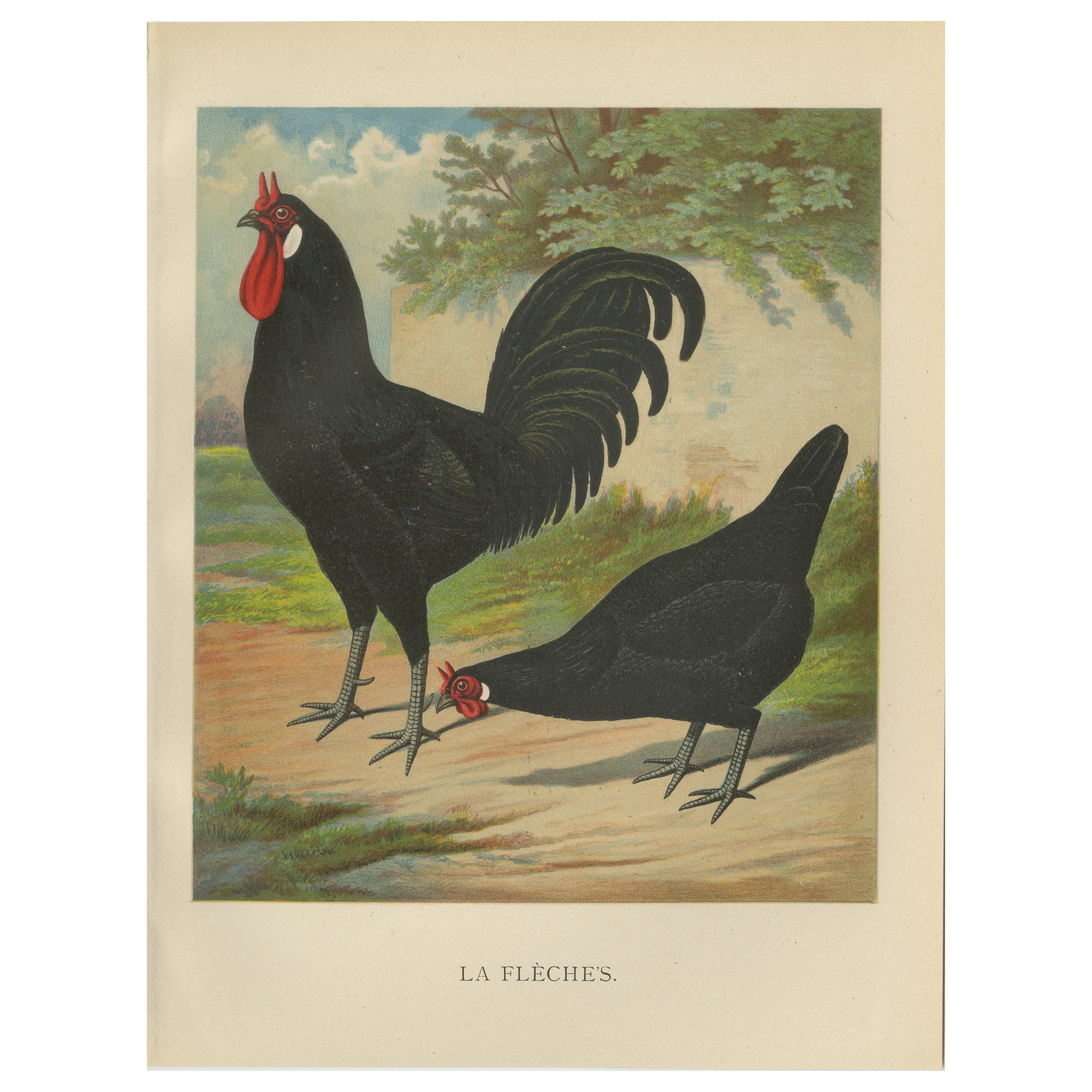
The Distinctive La Flèche Chicken A Rare 19th Century Poultry Lithograph
This remarkable 19th century chromolithograph showcases a pair of La Flèche chickens, an elegant and rare French breed known for its striking V-shaped comb, sleek black plumage, and excellent meat quality. The print, titled La Flèche’s, originates from Geïllustreerd Hoenderboek, an Illustrated Poultry Book published in 1888 by Elsevier. Compiled by Julius Volschau and adapted for Dutch readers by Dr. A. C. Oudemans Jzn., this book provided an in-depth guide to poultry breeding, care, and selection, reflecting the growing demand for high quality meat and egg producing breeds during the 19th century.
La Flèche chickens are one of the most unique European breeds, originating in the Loire Valley of France. They are best known for their distinctive horn-shaped comb, which gives them a regal and almost devilish appearance. These birds were historically favored by French markets for their fine-textured meat, which was considered among the best of any poultry breed. The breed is also an excellent forager, thriving in free range environments, and is capable of producing a good number of large white eggs...
Category
Antique 1880s Prints
Materials
Paper
The Striking Cuckoo Italian Chicken - A Rare 19th Century Poultry Lithograph
Located in Langweer, NL
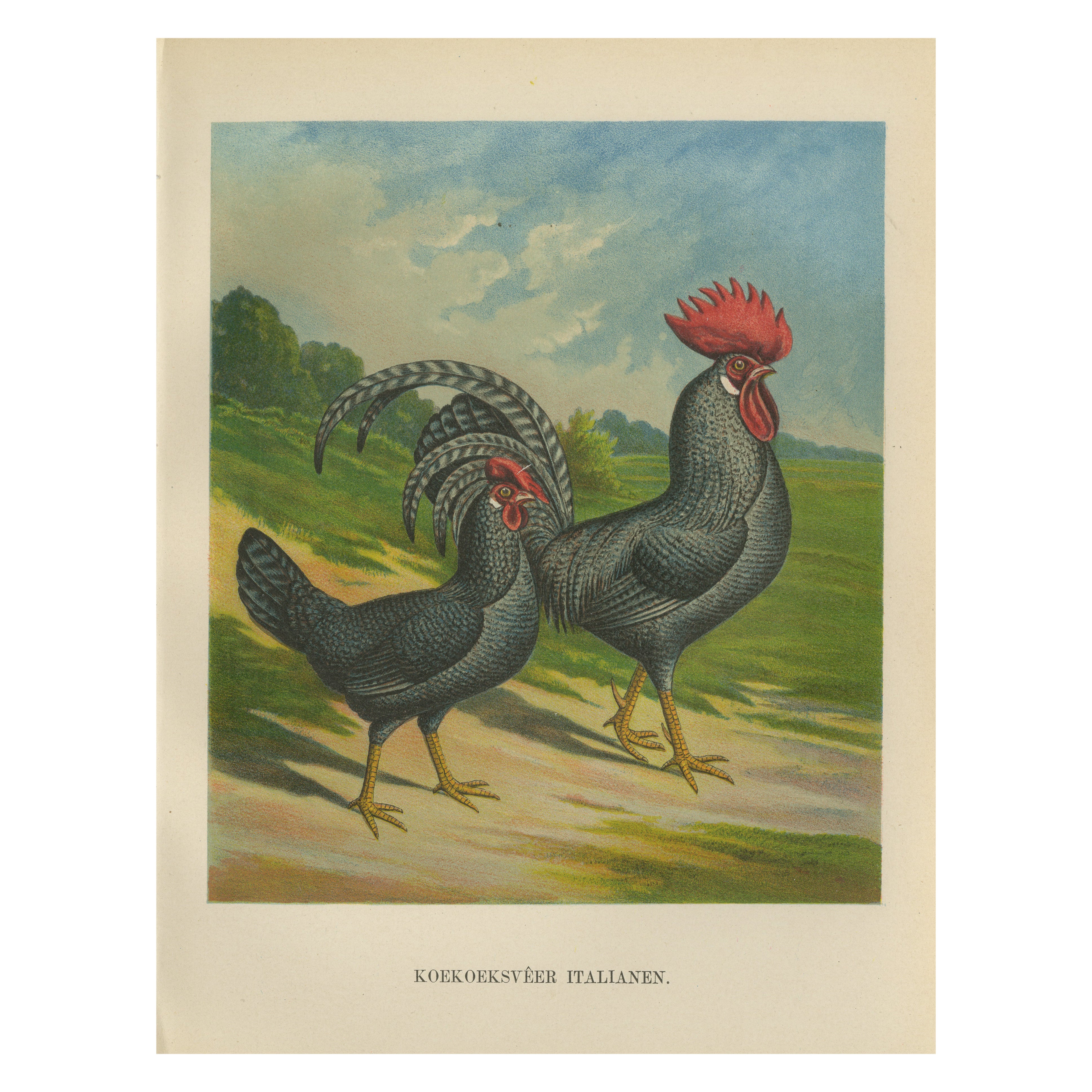
The Striking Cuckoo Italian Chicken A Rare 19th Century Poultry Lithograph
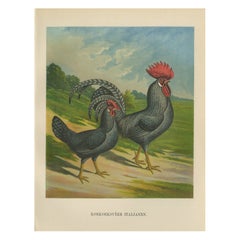
This exquisite 19th century chromolithograph features a pair of Cuckoo Italian chickens, a breed distinguished by its beautiful barred plumage, elegant body shape, and alert expression. The print, titled Koekoeksvêer Italianen, originates from Geïllustreerd Hoenderboek, an Illustrated Poultry Book published in 1888 by Elsevier. Compiled by Julius Volschau and adapted for Dutch readers by Dr. A. C. Oudemans Jzn., this book provided a comprehensive guide to poultry breeding, showcasing both practical and ornamental breeds that were highly valued in the 19th century.
Cuckoo feathering, also known as barring, is a striking pattern where alternating bands of dark and light feathers create a rippling effect across the body. This coloration was favored in many European breeds for its camouflage benefits and visual appeal. The rooster in this lithograph stands with a commanding presence, displaying bold barring throughout its body and tail, while the hen exhibits a more subtle but equally refined version of this striking pattern. Both birds have bright red combs and wattles, providing a dramatic contrast to their cool-toned feathers.
This lithograph was created using chromolithography, a sophisticated 19th century printing process that allowed for richly detailed and vibrantly colored illustrations. The artwork is based on an original drawing by Christian Förster, a skilled animal illustrator of the time. Chromolithographs were produced by layering multiple colors, each applied with a separate stone plate, ensuring depth and realism in the final print. The detailed rendering of the barring pattern and subtle shading in this lithograph highlights the craftsmanship involved in this technique.
Condition Summary
The print remains in very good condition, with well preserved colors and sharp details. Some minor age related toning and light foxing spots are visible, particularly along the edges, which is common in lithographs of this period. The paper remains stable, with minimal signs of wear, making this an excellent collectible piece for antique poultry print...
Category
Antique 1880s Prints
Materials
Paper
You May Also Like
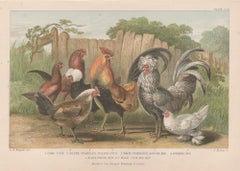
Poultry, English antique bird engraving print, 1879
Located in Melbourne, Victoria
Poultry
Wood-engraving with original colouring. 1879.
160mm by 245mm (sheet).
Key below the image. From Oliver Goldsmith's 'A History of the Earth and Animated Nature'.
Category
Late 19th Century Victorian Animal Prints
Materials
Engraving
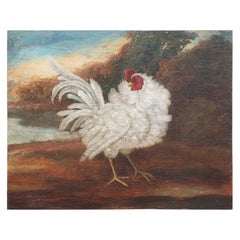
Rooster in Nature Print on Wood
Located in Queens, NY
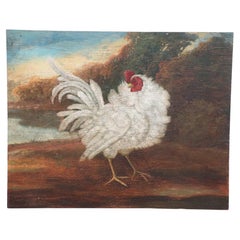
English Victorian style (20th Century) print of a rooster standing on red clay and looking to the side, in front of a blue pond and autumnal trees, on...
Category
20th Century American Mid-Century Modern Paintings
Materials
Wood
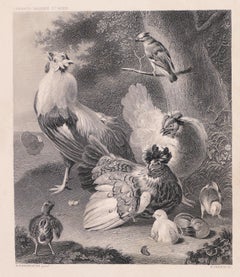
Chicken Family - Lithograph by W. French - Late 19th Century
Located in Roma, IT
A Chicken Family is an original print realized by William French (1815 ca.-1898) in the late 19th century.
Black and white lithograph. Original Title: ...
Category
Late 19th Century Animal Prints
Materials
Lithograph
Rooster in Nature Print on Wood
Located in Queens, NY
English Victorian style (20th Century) print of a rooster standing on red clay and looking to the side, in front of a blue pond and autumnal trees, on...
Category
20th Century American Mid-Century Modern Paintings
Materials
Wood
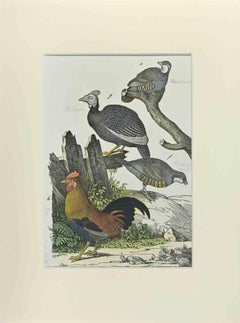
The Rooster - Etching by Johann Friedrich Naumann - 1840
Located in Roma, IT
The Rooster is an Etching hand colored realized by Gotthilf Heinrich von Schubert - Johann Friedrich Naumann, Illustration from Natural history of birds in pictures, published by Stu...
Category
1840s Contemporary Figurative Prints
Materials
Etching
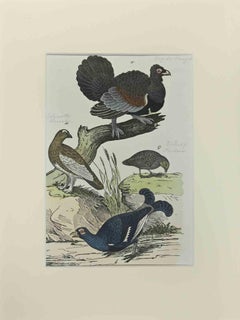
Wood Rooster - Etching by Johann Friedrich Naumann - 1840
Located in Roma, IT
Wood Rooster is an Etching hand colored realized by Gotthilf Heinrich von Schubert - Johann Friedrich Naumann, Illustration from Natural history of birds in pictures, published by St...
Category
1840s Modern Figurative Prints
Materials
Etching
More Ways To Browse
Russell Woodard Aluminum
Sandblasting Antique Furniture
Seahorse Decorative
Seated Buddha Thai
Seattle Furniture
Shino Pottery
Ship Porthole Table
Showa Japan Plates
Side Table 32 Inches Tall
Signed Jc
Silk Cherry Blossom
Silver Egg Holder
Silver Flamingo
Silver Spurs
Small Tansu
Song Dynasty Porcelain
Sottsass Grey
Spike Table