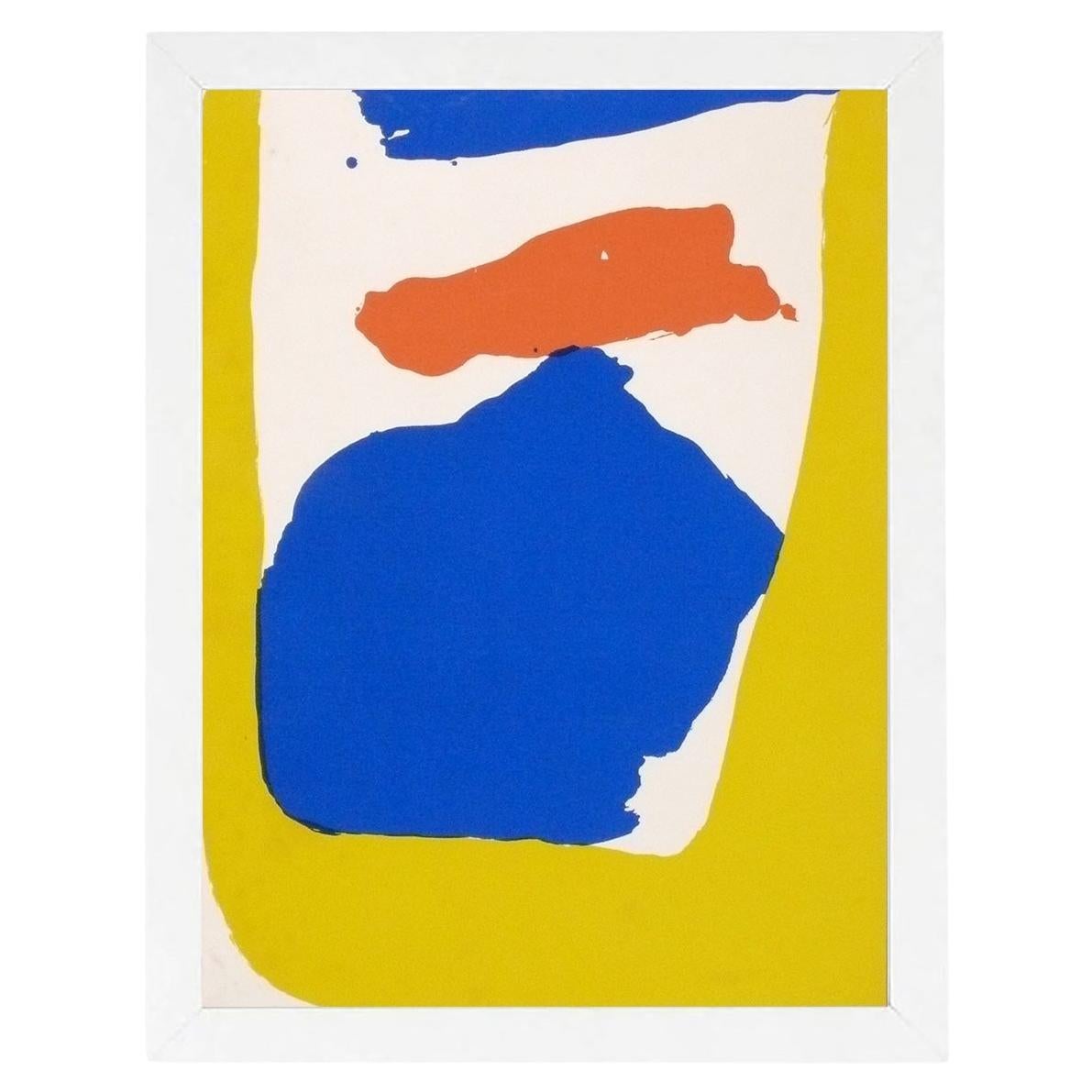
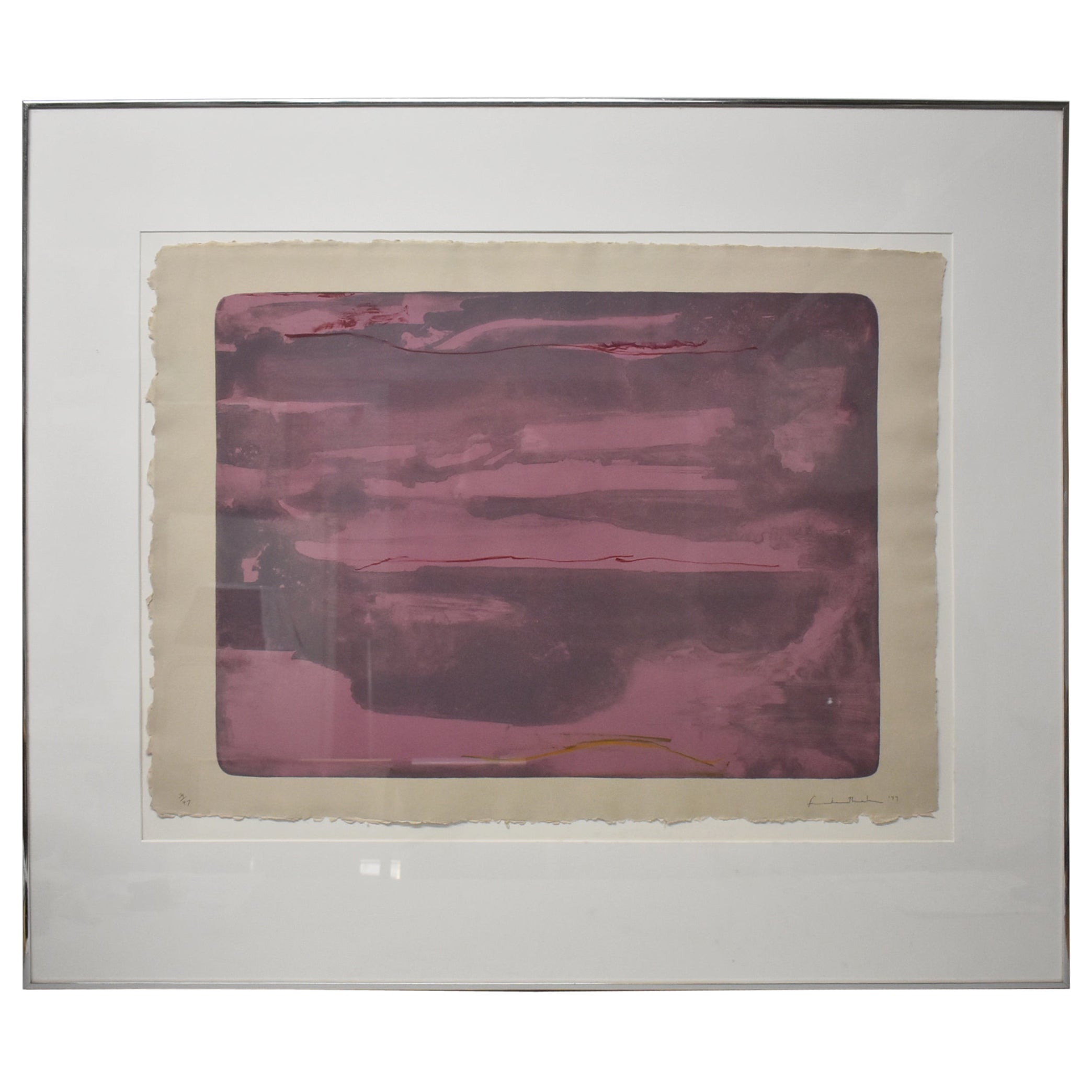
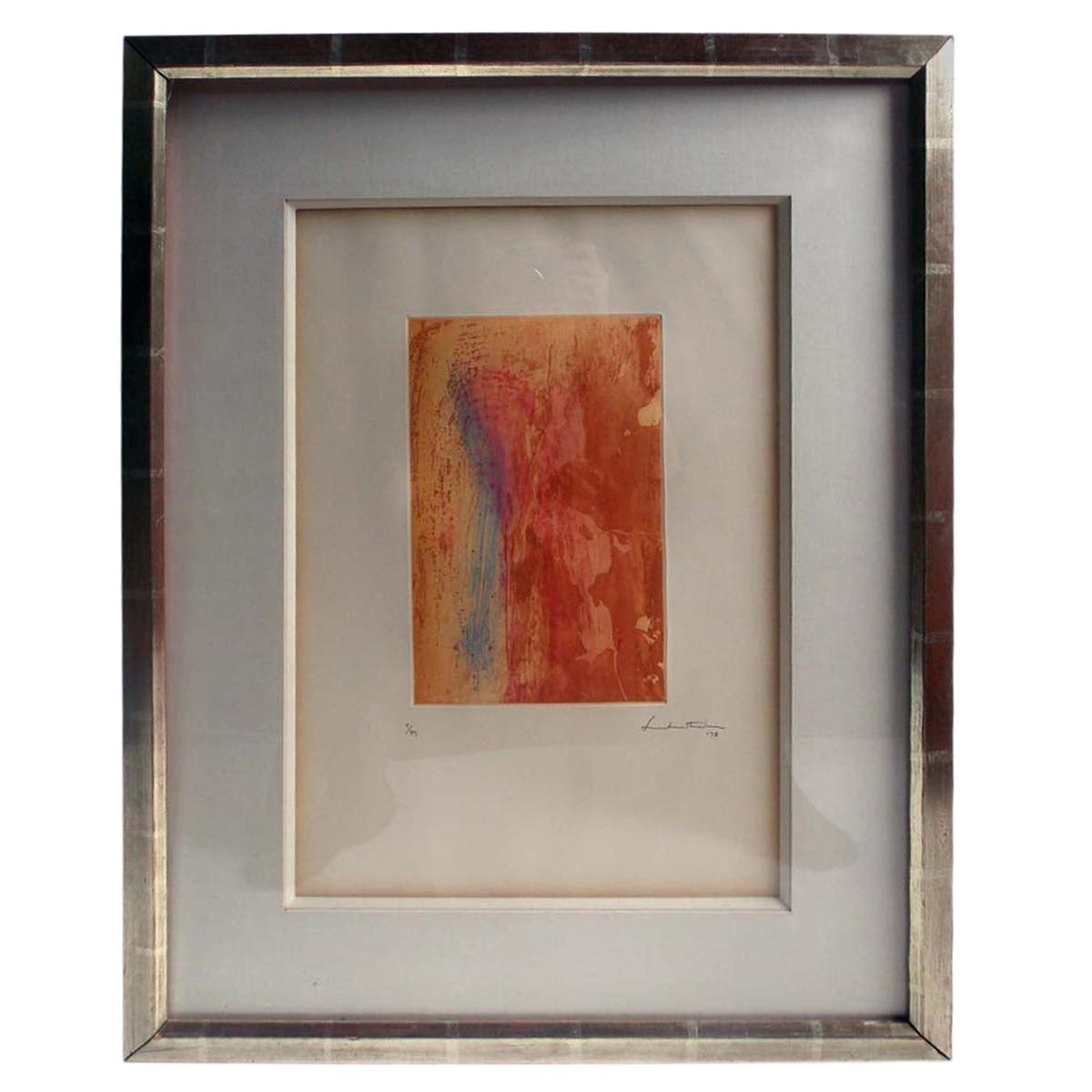
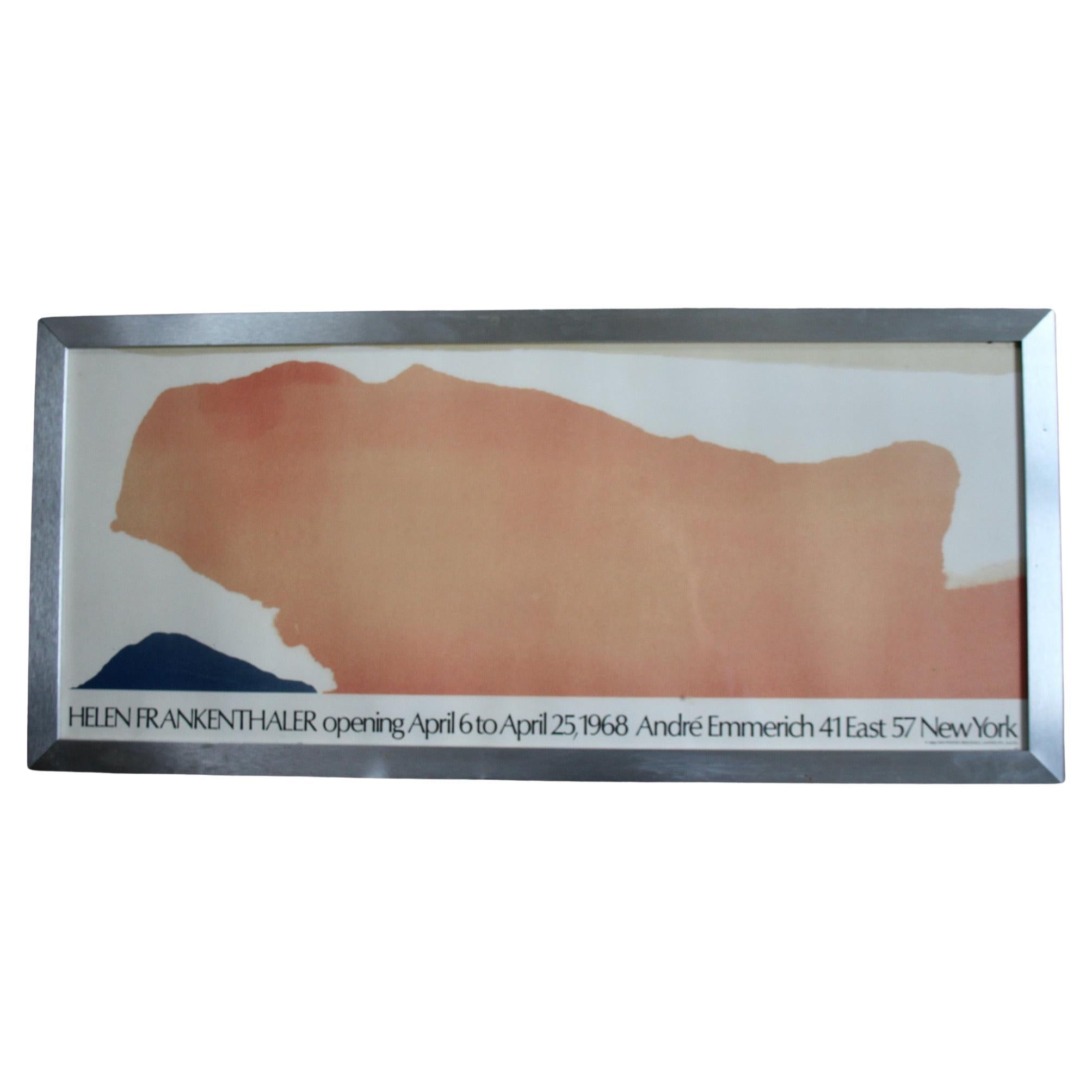
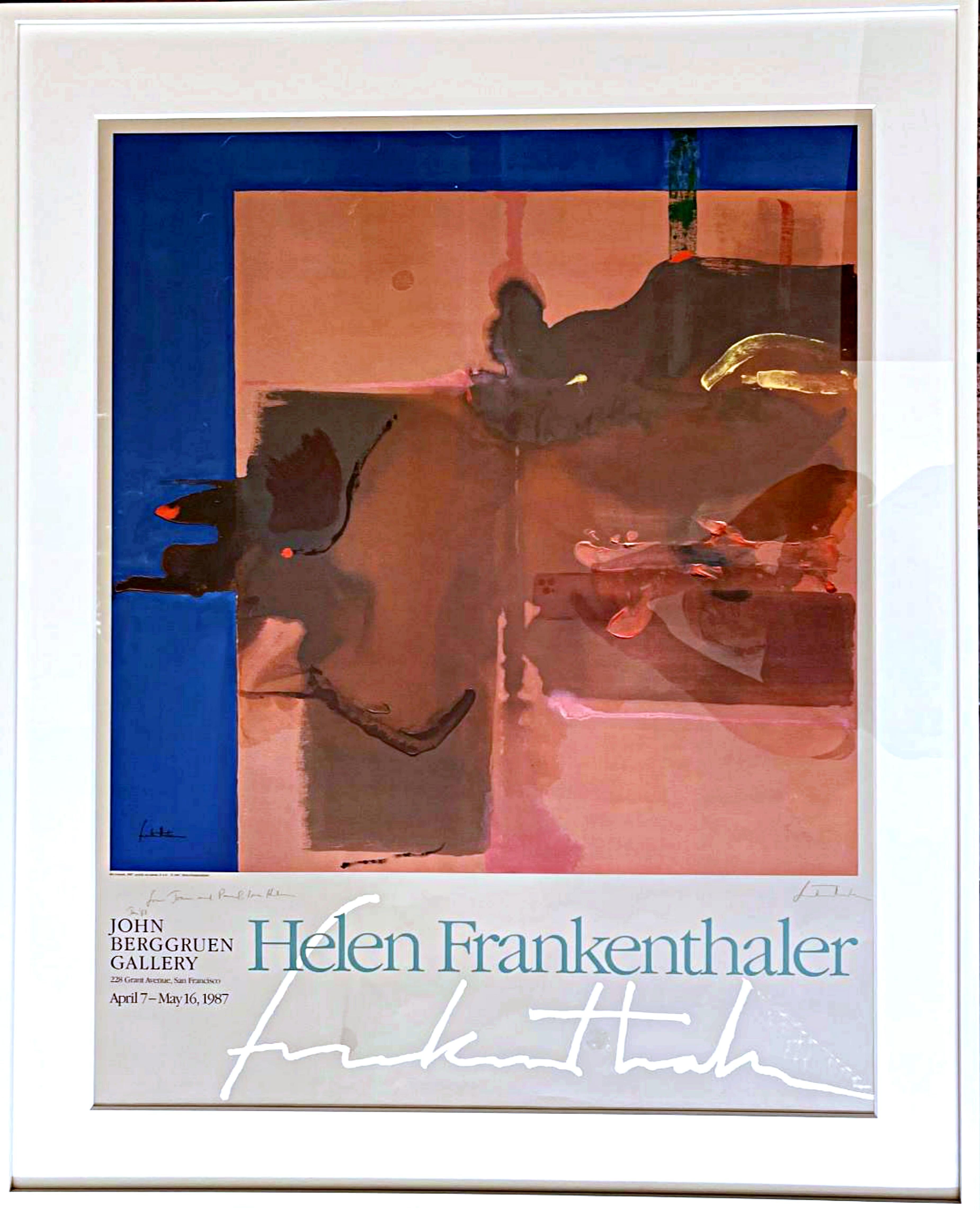
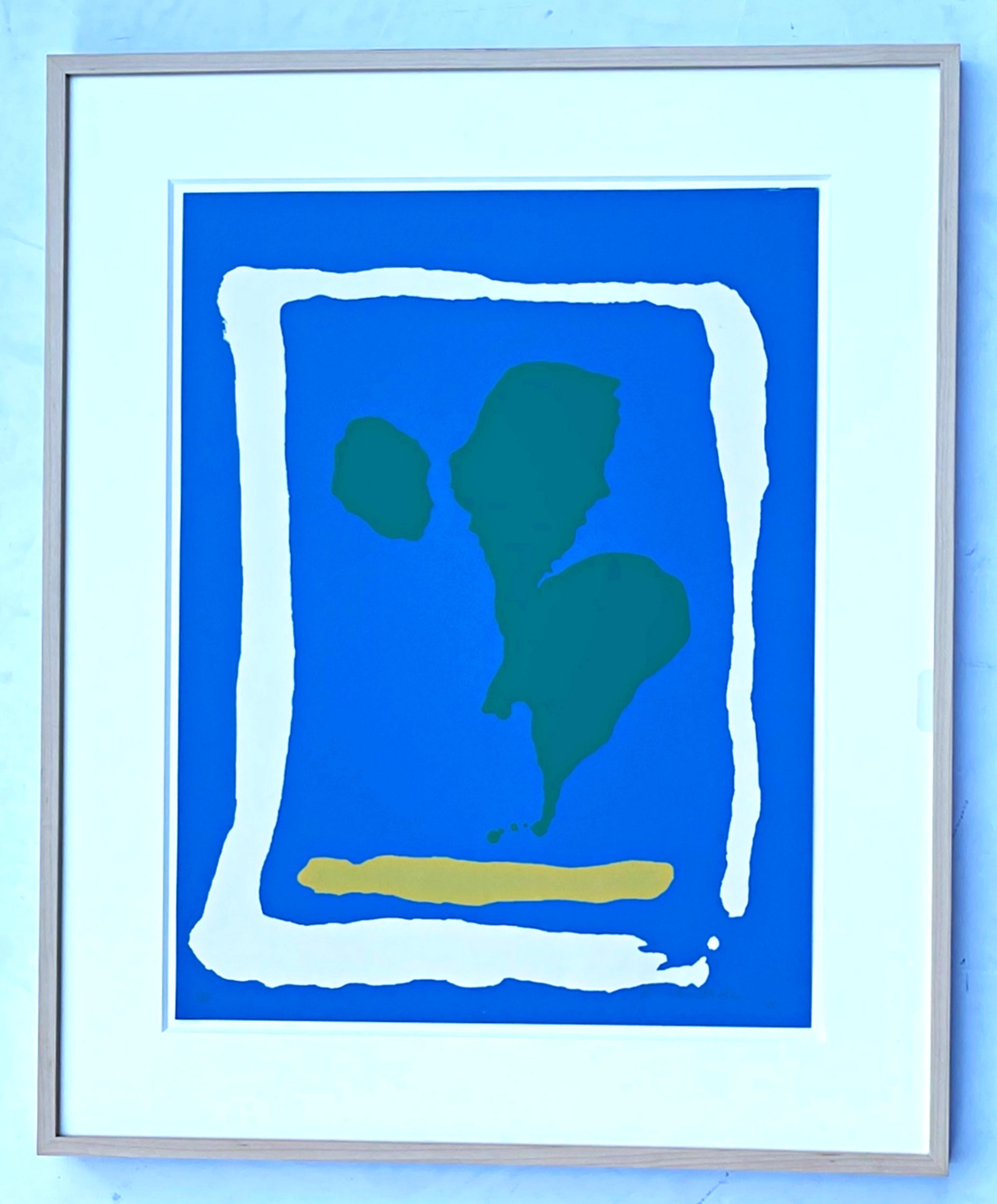
Hand Signed Abstract Lithographs by Motherwell Frankenthaler Rivers Mid Century
About the Item
- Creator:
- Dimensions:Height: 37.25 in (94.62 cm)Width: 23 in (58.42 cm)Depth: 1 in (2.54 cm)
- Style:Mid-Century Modern (Of the Period)
- Materials and Techniques:
- Place of Origin:
- Period:1980-1989
- Date of Manufacture:1980s
- Condition:Wear consistent with age and use. Very good condition. Some minor fading and slight waviness to the paper. Minor surface scratches, rubs, and wear, mainly to the outside edges of the frames.
- Seller Location:Atlanta, GA
- Reference Number:1stDibs: LU871848324102
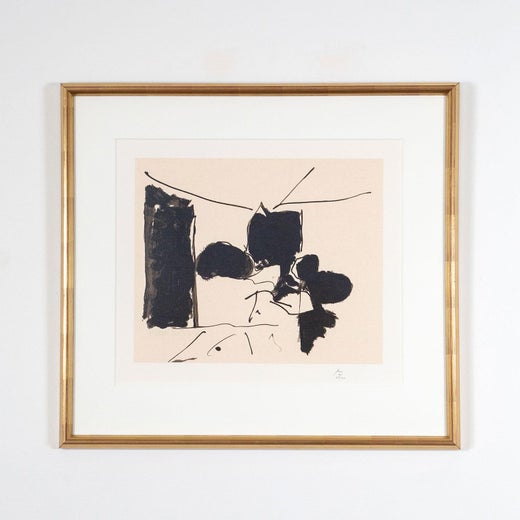
Robert Motherwell
The name of painter, printmaker and writer Robert Motherwell (1915–91) is often taken as synonymous with the New York School, whose name he coined. Motherwell was the youngest of this group of Abstract Expressionists working in art, dance, poetry and music in 1950s and '60s New York City, which included Jackson Pollock, Willem de Kooning, Philip Guston, Helen Frankenthaler and Mark Rothko.
Born in Aberdeen, Washington, in 1915, Motherwell had perhaps the broadest and best education of any of the New York School coterie, with an extensive background in philosophy, literature and art history. He earned a BA in philosophy in 1937 from Stanford University and was working toward a PhD in the subject at Harvard when he interrupted his studies for a yearlong trip to Europe, where he fell in love with European modernism.
After returning, in 1940 he enrolled Columbia to study art history. It was there that he met a group of exiled Parisian Surrealists, and encounter that proved influential on his style. Motherwell began to integrate the idea of “automatism” — unmediated gestures that reflect deeper psychological impulses — into his work, pioneering a new form of Abstract Expressionism that came to characterize the New York School.
Works like the 1967 Beside the Sea no. 45, an acrylic on canvas, and the 1966 lithograph New York International epitomize Motherwell’s use of simple shapes in boldly contrasting colors, executed in quick, gestural strokes that occasionally evoke figures, suggesting a latent narrative despite their obvious abstraction.
Throughout his career, Motherwell taught painting at Hunter College, in New York, and at Black Mountain College, in North Carolina, where his work influenced the likes of Cy Twombly, Robert Rauschenberg and Kenneth Noland. His influence as one of the founding fathers of American Abstract Expressionism remains profound.
Helen Frankenthaler
Prolific and pioneering painter Helen Frankenthaler said it was “a combination of impatience, laziness and innovation” that drove her to thin her paints with turpentine so that they would seep into the fabric of an unprimed canvas. Her breakthrough in the early 1950s led the way for a spellbinding new style of painting that would come to be known as Color Field.
Although Color Field is often considered a strain of Abstract Expressionism, Frankenthaler’s work differed from the gestural “Action Painting” that typified the paintings of artists like Willem de Kooning and Lee Krasner. Her vast and immersive expanses of color created at a fearless scale captivated art critics and greatly influenced her peers including Morris Louis and Kenneth Noland.
Frankenthaler knew from an early age that she wanted to be a painter. The youngest daughter of a New York State Supreme Court justice, she grew up on Manhattan’s Park Avenue and as a child delighted in the little ways color and form revealed themselves, whether dribbling red nail polish in a sink full of water or drawing her steps from the Metropolitan Museum of Art to her family’s apartment. As a student at Bennington College, her rare vision was enriched by the mentorship of painter Paul Feeley, who gave her lessons in Cubism. After dabbling in art history at Columbia University, she rented a studio downtown and befriended rising New York art stars like Jackson Pollock and Robert Motherwell, whom she later married.
Characterized by “direct, exuberant gestures,” the Abstract Expressionist technique was all about gusto, and Frankenthaler had it in spades. One of the few women of this era to garner widespread critical acclaim, Frankenthaler had a significant impact on the mid-20th-century art world. She exhibited in the high-profile 1951 Ninth Street Show and, in 1957, she appeared in a Life magazine spread on women artists photographed by Gordon Parks. In 1960, the Jewish Museum held her first major museum show, a retrospective of her 1950s work. A 1969 solo exhibition at the Whitney Museum of American Art further introduced Frankenthaler to the broader art world.
While Frankenthaler remains best known for bold, expressive “soak-stain” paintings such as Mountains and Sea (1952), she worked across diverse media for decades, with forays into woodcutting, drawing and printmaking that also pushed boundaries. She also taught at Harvard, Yale and Princeton, fostering generations of artists. She died in 2011.
Find original Helen Frankenthaler art on 1stDibs.
- ShippingRetrieving quote...Shipping from: Atlanta, GA
- Return Policy
More From This Seller
View AllVintage 1960s American Mid-Century Modern Prints
Glass, Wood, Paper
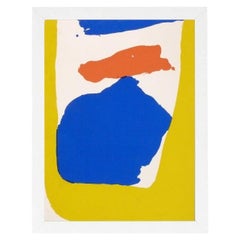
Vintage 1950s American Mid-Century Modern Prints
Glass, Wood, Paper
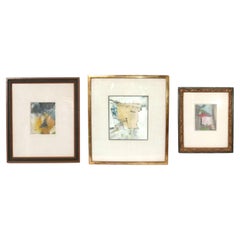
Vintage 1960s French Mid-Century Modern Prints
Glass, Wood, Paper
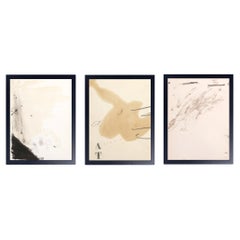
Vintage 1960s French Mid-Century Modern Prints
Glass, Wood, Paper
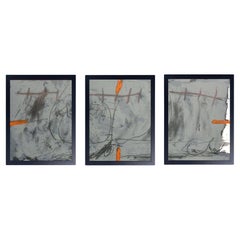
Vintage 1980s American Mid-Century Modern Prints
Glass, Wood, Paper
20th Century American Mid-Century Modern Prints
Glass, Wood, Paper
You May Also Like
Vintage 1970s American Mid-Century Modern Prints
Paper
Vintage 1970s North American Contemporary Art
Paper
Vintage 1960s American Posters
Glass, Wood, Paper
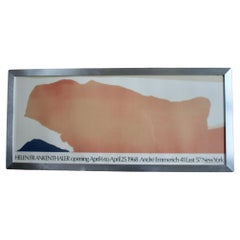
1980s Abstract Abstract Prints
Offset, Lithograph
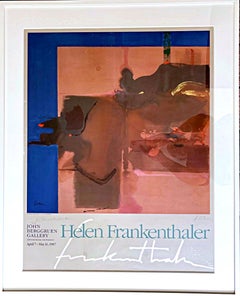
1960s Abstract Expressionist Abstract Prints
Screen
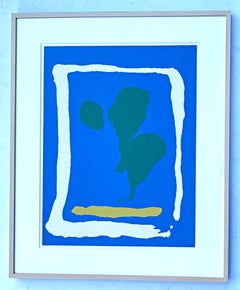
Vintage 1960s American Mid-Century Modern Contemporary Art
Paper
