Items Similar to Kirghiz Elegance Engraved: A Study of 19th Century Central Asian Attire, 1814
Want more images or videos?
Request additional images or videos from the seller
1 of 7
Kirghiz Elegance Engraved: A Study of 19th Century Central Asian Attire, 1814
$229.64per set
$287.05per set20% Off
£170.52per set
£213.15per set20% Off
€192per set
€240per set20% Off
CA$315.50per set
CA$394.37per set20% Off
A$343.01per set
A$428.76per set20% Off
CHF 181.86per set
CHF 227.33per set20% Off
MX$4,111.79per set
MX$5,139.74per set20% Off
NOK 2,311.39per set
NOK 2,889.23per set20% Off
SEK 2,117.54per set
SEK 2,646.93per set20% Off
DKK 1,463.66per set
DKK 1,829.57per set20% Off
About the Item
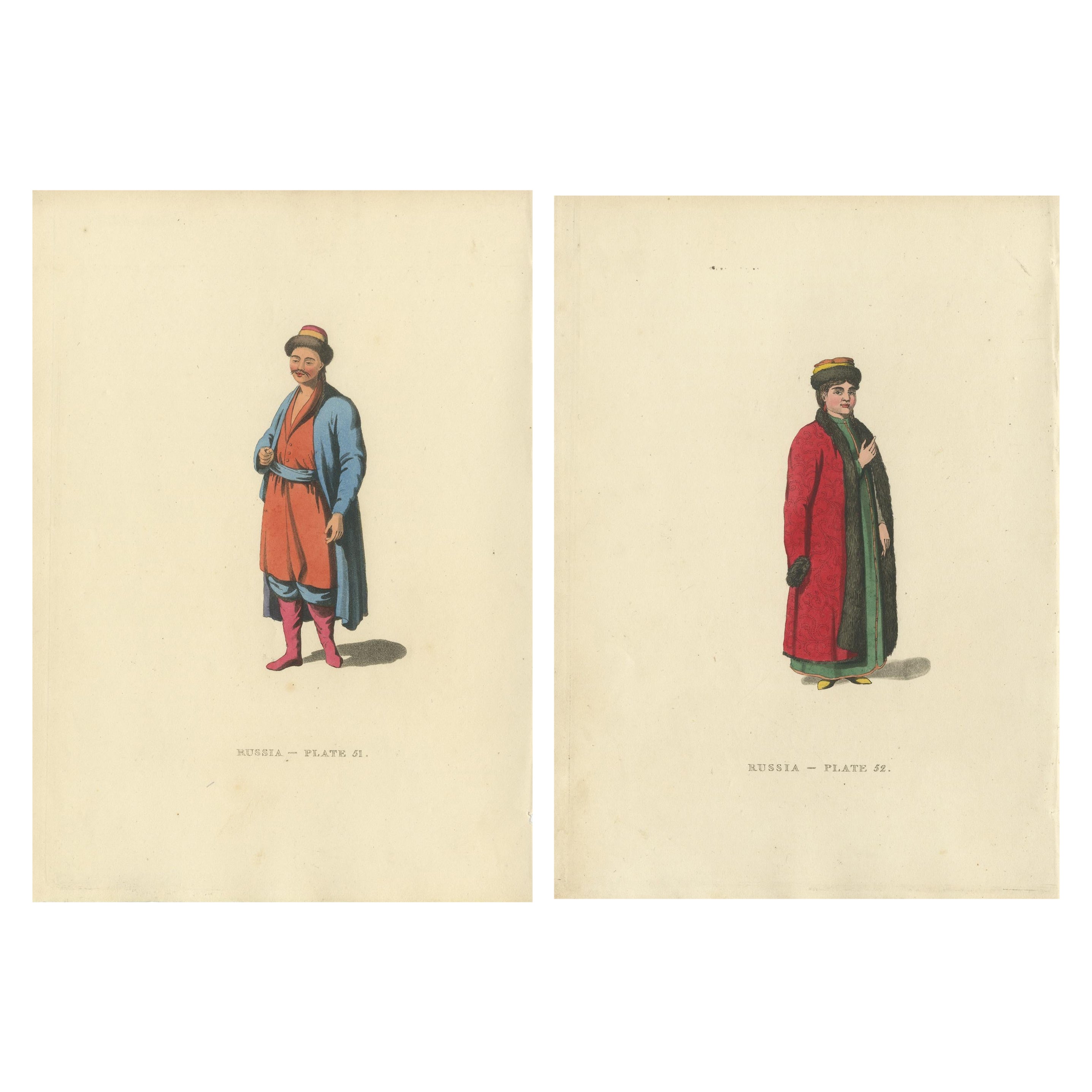
The two engravings vividly capture the traditional attire of the Kirghiz, a group native to the steppes of Central Asia.
1. The first engraving portrays a Kirghiz man mounted on horseback. The man is dressed in a fur-lined coat, reflecting the need for insulation against the cold climate of the region. Notably, his attire includes a distinctive tall hat, possibly indicating his status or a particular tradition within Kirghiz society. The attention to detail in the saddle and bridle of the horse suggests the importance of horsemanship in Kirghiz culture. The man carries a spear, hinting at hunting or combat practices.
2. The second image presents a female Kirghi, standing in a long, flowing robe with a vibrant floral pattern. Her outer garment is red, a color that stands out and may signify social significance or simply be a fashion choice. The headgear she wears is elaborate and decorative, suggesting that adornment plays a role in the cultural expression of identity among Kirghiz women. Her pose, with one hand extended, could be indicative of communication or may simply show the draping of her garments.
These engravings by William Alexander are intricate and informative, providing a rich visual representation of Kirghiz dress. The use of color and detail in these images was intended to give a Western audience a glimpse into the lives and customs of the Kirghiz people during this period. As an ethnographic record, they offer valuable insights into the textile patterns, garment structures, and accessory use of the era, contributing to our understanding of the cultural diversity within the Russian Empire of the early 19th century.
Source: The publication "Picturesque Representations of the Dress and Manners of the Russians," which includes sixty-four colored engravings with descriptions. The writer of this work is William Alexander, and it was published by John Murray in 1814.
- Dimensions:Height: 9.45 in (24 cm)Width: 6.7 in (17 cm)Depth: 0 in (0.02 mm)
- Sold As:Set of 2
- Materials and Techniques:Paper,Engraved
- Period:
- Date of Manufacture:1814
- Condition:Very good, given age. General age-related toning and/or occasional minor defects from handling. Soiling on one print, adding to its patina. Right edge rough, but leaving enough space for proper framing. Please study scan carefully.
- Seller Location:Langweer, NL
- Reference Number:Seller: BG-13605-4-7 BG-13605-4-81stDibs: LU3054338703172
About the Seller
5.0
Recognized Seller
These prestigious sellers are industry leaders and represent the highest echelon for item quality and design.
Platinum Seller
Premium sellers with a 4.7+ rating and 24-hour response times
Established in 2009
1stDibs seller since 2017
2,823 sales on 1stDibs
Typical response time: 1 hour
- ShippingRetrieving quote...Shipping from: Langweer, Netherlands
- Return Policy
More From This Seller
View AllA Visual Journey through 19th-Century Russian Ethnic Attire, Engraved in 1814
Located in Langweer, NL
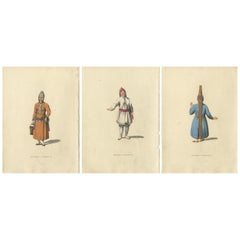
These original antique engravings represent a fascinating window into the past, specifically illustrating the traditional dress of Russian ethnic groups from the early 19th century. ...
Category
Antique 1810s Prints
Materials
Paper
$315 Sale Price / set
20% Off
Free Shipping
A Glimpse into Kalmyk Culture through William Alexander
s 1814 Engravings
Located in Langweer, NL
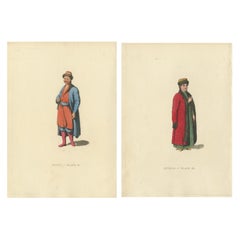
Original hand-coloured historical representations of a Kalmuk (or Kalmyk) man and woman, based on the traditional attire depicted. The term "Kalmuk" refers to the Kalmyk people, who ...
Category
Antique 1810s Prints
Materials
Paper
$229 Sale Price / set
20% Off
Free Shipping
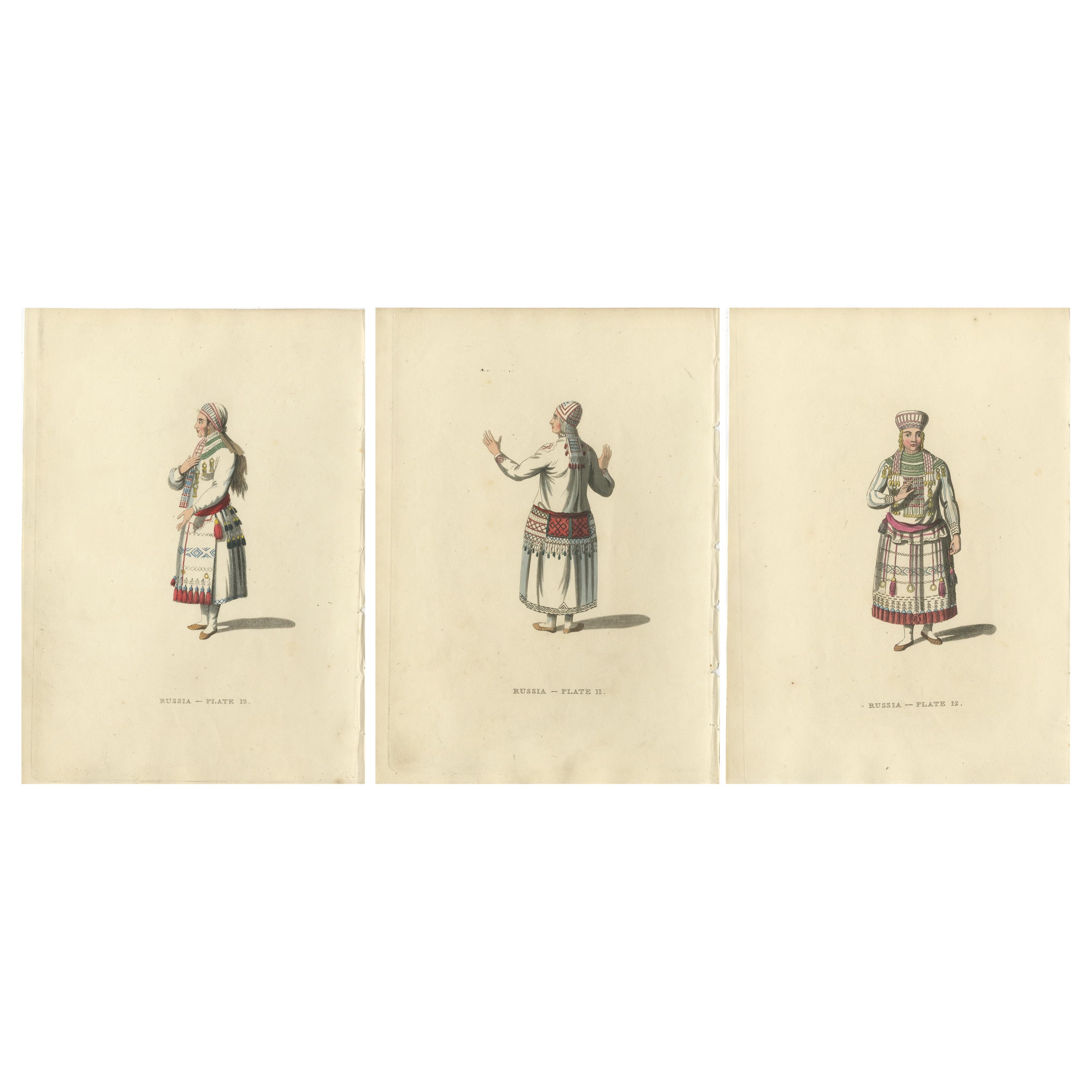
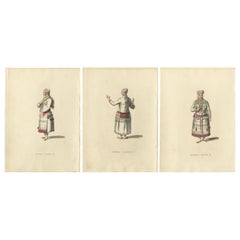
Ethnic Elegance: The Mordvin Attire of 19th-Century Russia Engraved, 1814
Located in Langweer, NL
The engravings offer a valuable glimpse into the traditional dress of the Mordvin people, an ethnic group from the region of Mordovia in Russia. The "Picturesque Representations of t...
Category
Antique 1810s Prints
Materials
Paper
$315 Sale Price / set
20% Off
Free Shipping
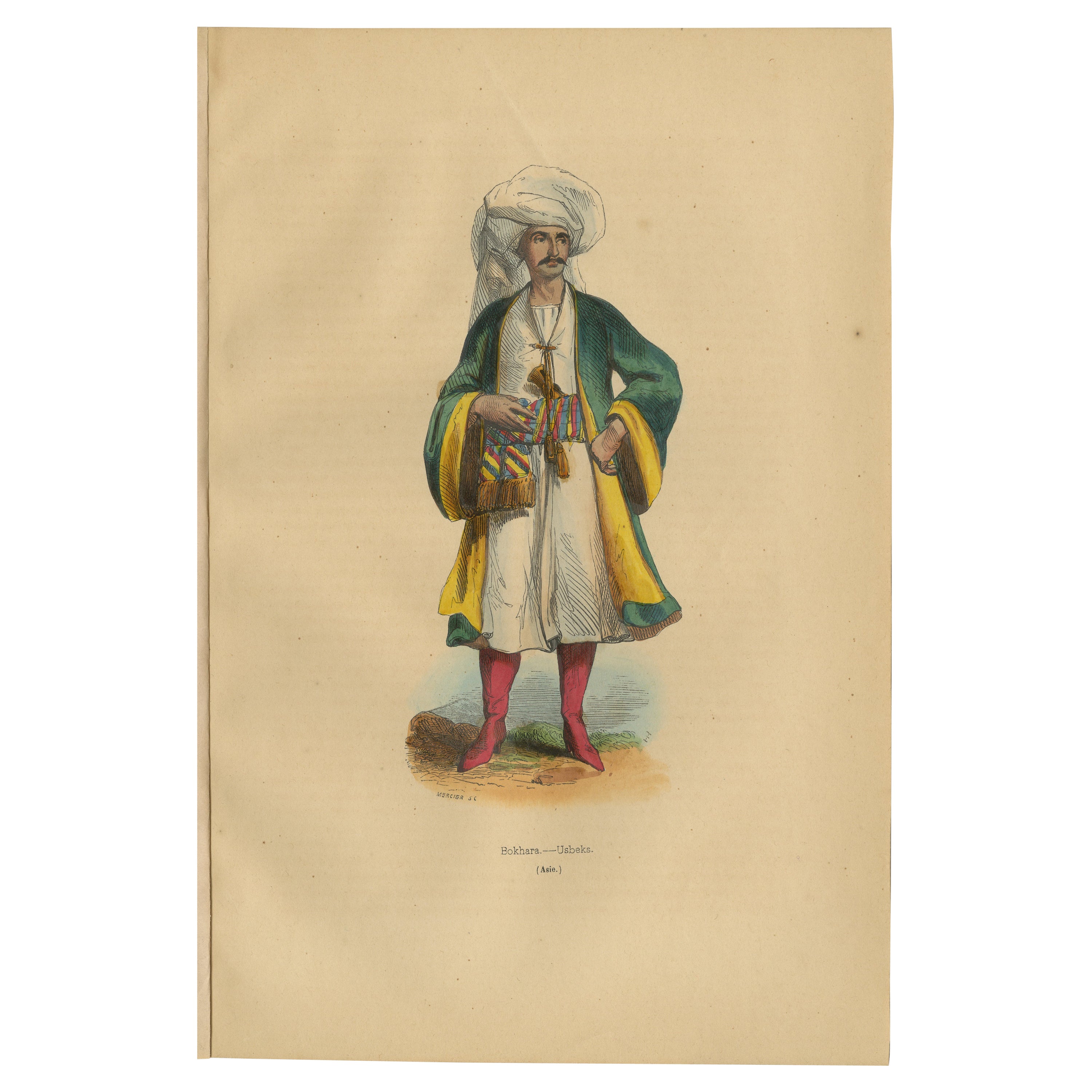
1844 Lithograph of a Bukharan Uzbek: Traditional Attire and Craft
Located in Langweer, NL
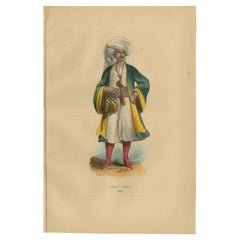
"1844 Lithograph of a Bukharan Uzbek: Traditional Attire and Craft"
Description: This 1844 lithograph captures a traditional Bukharan Uzbek man, from the renowned series "Moeurs, Usages et Costumes de tous les Peuples de Monde" by Auguste Wahlen.
Published in Paris using the technique of handcoloured lithography, enhanced with Arabic gum on vellin paper, this print vividly portrays the rich cultural attire unique to Bukhara, Uzbekistan.
The man's elaborate robe and distinctive headwear highlight the regional fashion and craftsmanship. The print’s appeal lies in its detailed depiction of historical dress and accessories, offering a window into the cultural diversity of Central Asia. Such prints are treasured for their historical value and intricate artistry, making them highly desirable to collectors and enthusiasts of ethnographic art.
The lithograph depicting a man from Bukhara, Uzbekistan, offers several intriguing cultural and historical insights:
1. Traditional Attire: The attire of the Bukharan man, particularly the elaborate robe and turban, is a rich display of Uzbek textile craftsmanship. Traditional robes, often made from silk and cotton, are adorned with intricate ikat patterns—a dyeing technique where threads are dyed before weaving. This style is emblematic of Uzbekistan's well-known textile industry.
2. Turban Significance: The turban, known locally as a "doppa" or "tubeteika," is more than just practical headwear; it serves as a cultural symbol of status and identity. The style, color, and way it is worn can convey information about the wearer's social status, region, and even his clan affiliations.
3. Historical Context: Bukhara was a pivotal Silk Road city, making it a melting pot of cultures, languages, and religions. The diverse influences are reflected in the traditional clothing, which blends Persian, Turkic, and nomadic styles.
4. Artistic Technique: The use of handcoloured lithography in the 19th century allowed for high-quality, detailed prints that were more accessible to the European public. This technique involved drawing on limestone with a greasy medium, then using water and oil-based ink to print vibrant images, which were then painted by hand.
5. Cultural Preservation: Prints like this serve not only as artwork but also as historical documents that preserve and share the cultural heritage of regions less known to the Western world at the time. They played a crucial role in educating and influencing perceptions about distant cultures during the 19th century.
This print, therefore, is not just a beautiful piece of art but a deep well of cultural history and craftsmanship, reflecting the rich tapestry of life in Central Asia during the 19th century.
Keywords:
- Antique Uzbek prints
- Handcoloured lithography
- 19th-century Central Asian costumes
- Auguste Wahlen lithographs
- Traditional Bukharan attire
- Ethnographic art prints
- Collectible cultural lithographs
- Historical Uzbek fashion
- Asian historical prints
- Vintage Uzbek art...
Category
Antique 1840s Prints
Materials
Paper
$143 Sale Price
20% Off
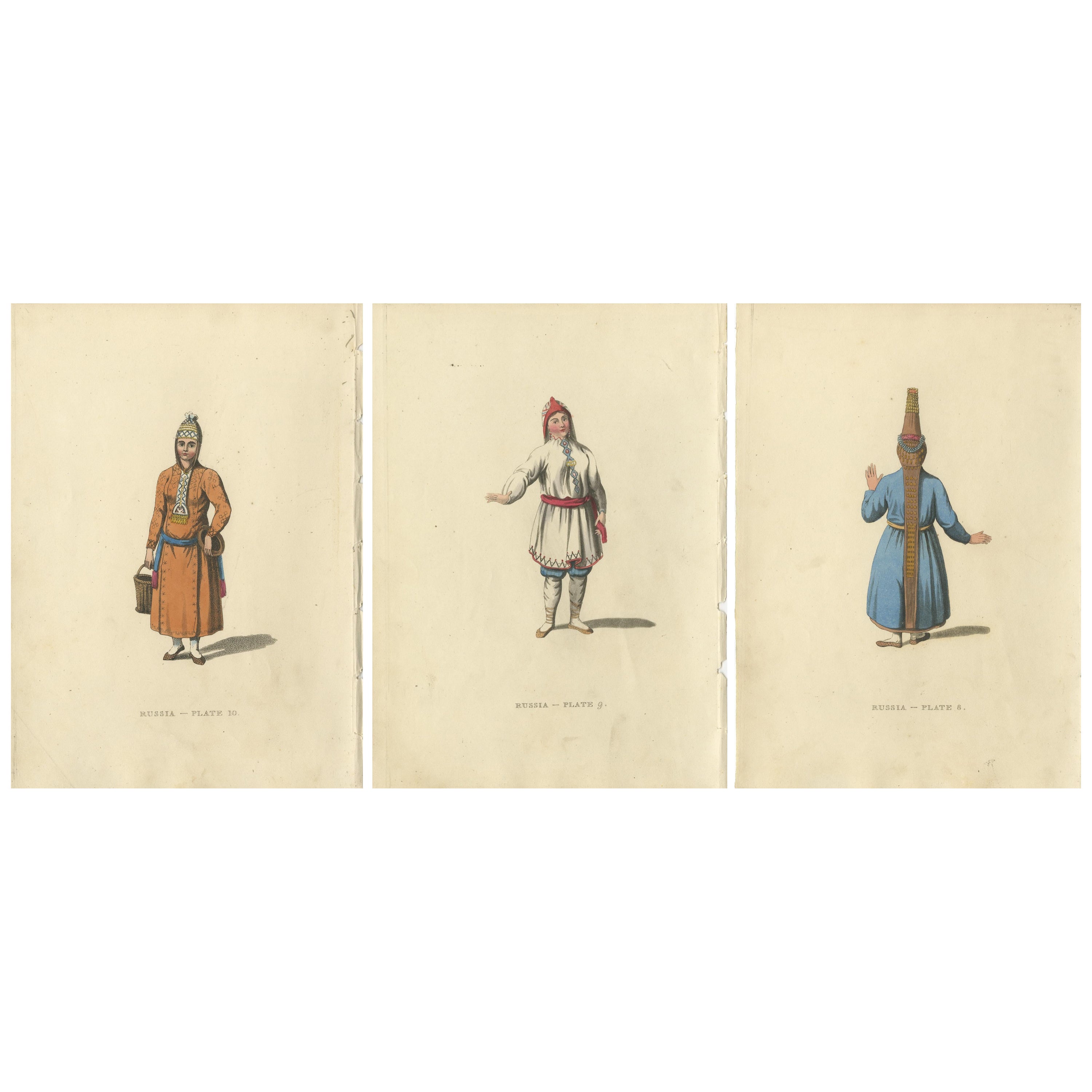
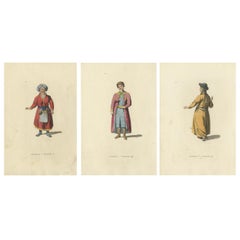
Cultural Tapestry: Traditional Female Attire of 19th Century Russia, 1814
Located in Langweer, NL
These original antique images are colored engravings that represent the traditional attire of three female inhabitants from different ethnic groups within the Russian Empire as of th...
Category
Antique 1810s Prints
Materials
Paper
$315 Sale Price / set
20% Off
Free Shipping
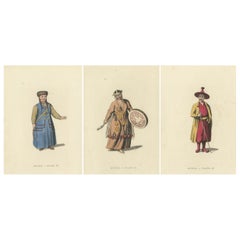
Traditional Mongolian Attire in Alexander
s Russian Ethnographic Engraving, 1814
Located in Langweer, NL
The images are original hand-colored engravings from William Alexander's "Picturesque Representations of the Dress and Manners of the Russians," published in 1814 by John Murray. Thi...
Category
Antique 1810s Prints
Materials
Paper
$315 Sale Price / set
20% Off
Free Shipping
You May Also Like
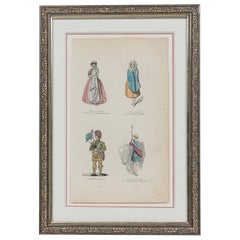
English Victorian Print of 4 Scottish Noble Attires
Located in Queens, NY
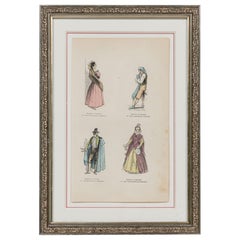
English Victorian prints featuring four styles of Scottish noble attires from historical periods in a carved silver/gilt frame with a mat (Similar items: NWL6149A-F)
Good condition...
Category
Antique 19th Century British Victorian Prints
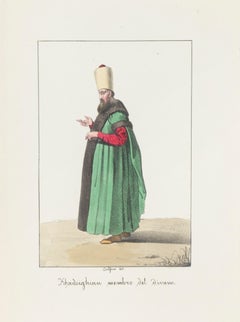
Khadsighian - Lithograph by Dolfino - 19th Century
Located in Roma, IT
Khadsighian is an original Hand-colored lithograph artwork realized by Dolfino, the engraver of the 19th Century.
Signed on the plate on the lower center.
Titled on the lower cente...
Category
19th Century Figurative Prints
Materials
Lithograph
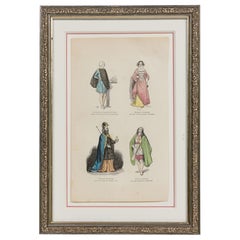
English Victorian Prints of 4 English Noble Attires
Located in Queens, NY
English Victorian print featuring four styles of English noble attires from historical periods in a carved silver/gilt frame with a mat (Similar items: NWL6149A-F)
Good condition co...
Category
Antique 19th Century British Victorian Prints
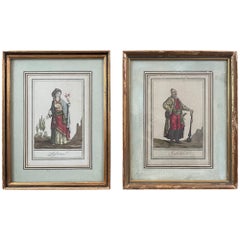
Pair Russian Portraits in 18th Century Garb
Located in New York, NY
Pair Russian portraits in 18th century garb. Fine French hand coloured engravings of a Russian male and female in traditional late 18th century richly coloured and styled clothing an...
Category
Antique Late 18th Century French Prints
Materials
Paper, Giltwood
English Victorian Print of 4 Spanish Noble Attires
Located in Queens, NY
English Victorian prints featuring four styles of Spanish noble attires from historical periods in a carved frame with a mat (Similar items: NWL6149A-F)
Good condition consistent wi...
Category
Antique 19th Century British Victorian Prints
Noble Arab - Lithograph by Auguste Wahlen - 1844
Located in Roma, IT
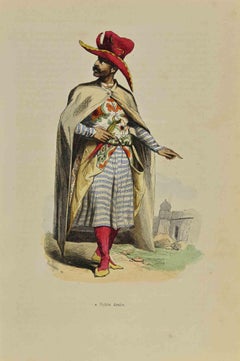
Noble Arab is a lithograph made by Auguste Wahlen in 1844.
Hand colored.
Good condition.
At the center of the artwork is the original title "Noble Arabe".
The work is part of Sui...
Category
1840s Modern Figurative Prints
Materials
Lithograph
More Ways To Browse
Aztec Stone
B Altman Vintage
Beetles Sculpture
Bencharong Porcelain
Biedermeier Marble Top
Bird Sculpture Plated
Birds Eye Maple Chest
Black Japanese Chest
Black Lacquer Asian Painting
Black Lacquer Chinoiserie Chest
Black Squirrel
Blue Biedermeier
Blue Elephant Ceramic
Bonbon Dish
Bow Front Chest 4 Drawers
Bradley Wood
Brass Animal Head
Brass Coat Of Arms