Items Similar to Neoclassical Grandeur: An Architectural Study from the Early 1700s
Want more images or videos?
Request additional images or videos from the seller
1 of 6
Neoclassical Grandeur: An Architectural Study from the Early 1700s
$1,310.53
£973.63
€1,100
CA$1,817.11
A$1,954.15
CHF 1,044.89
MX$23,566.51
NOK 13,213.33
SEK 12,039.04
DKK 8,383.83
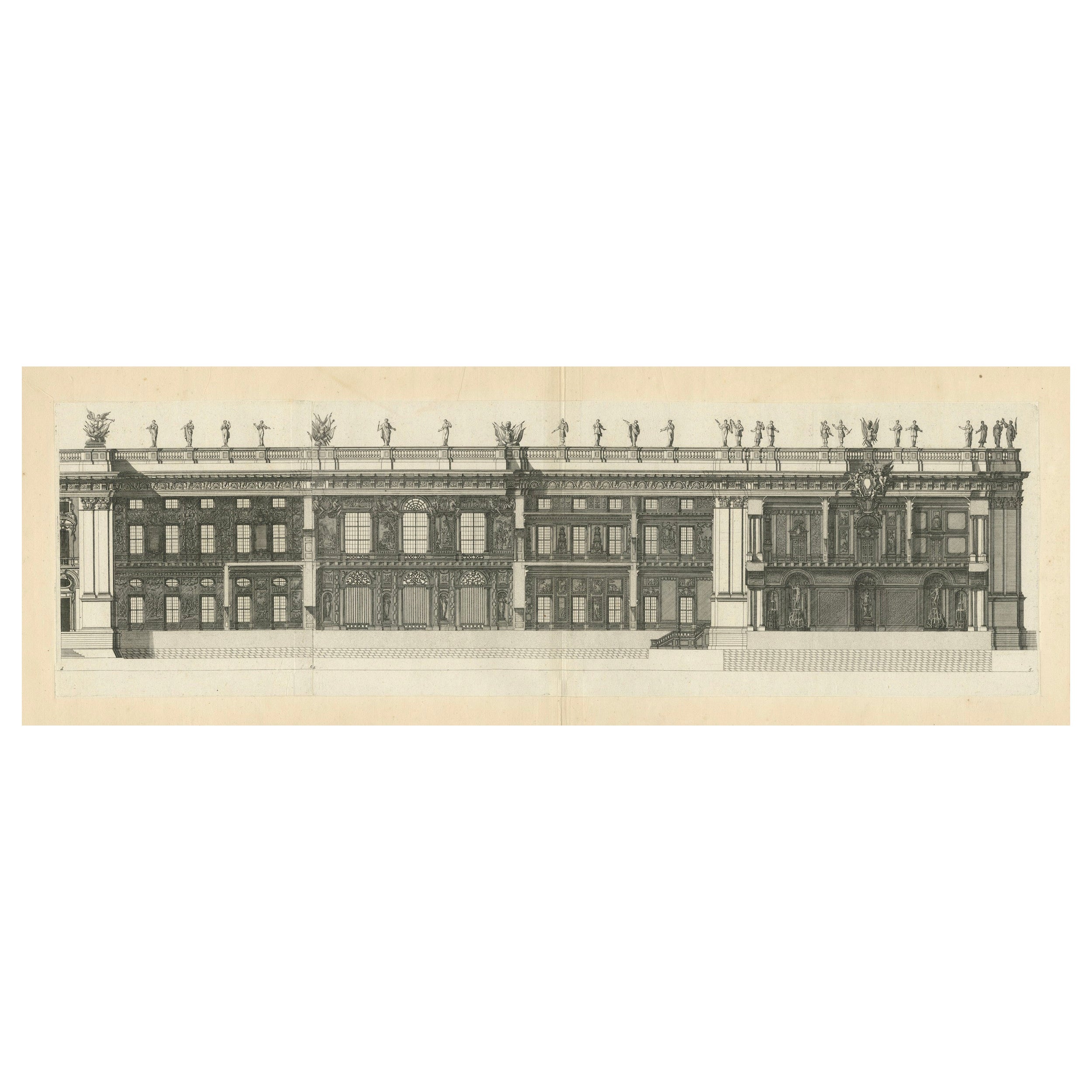
About the Item
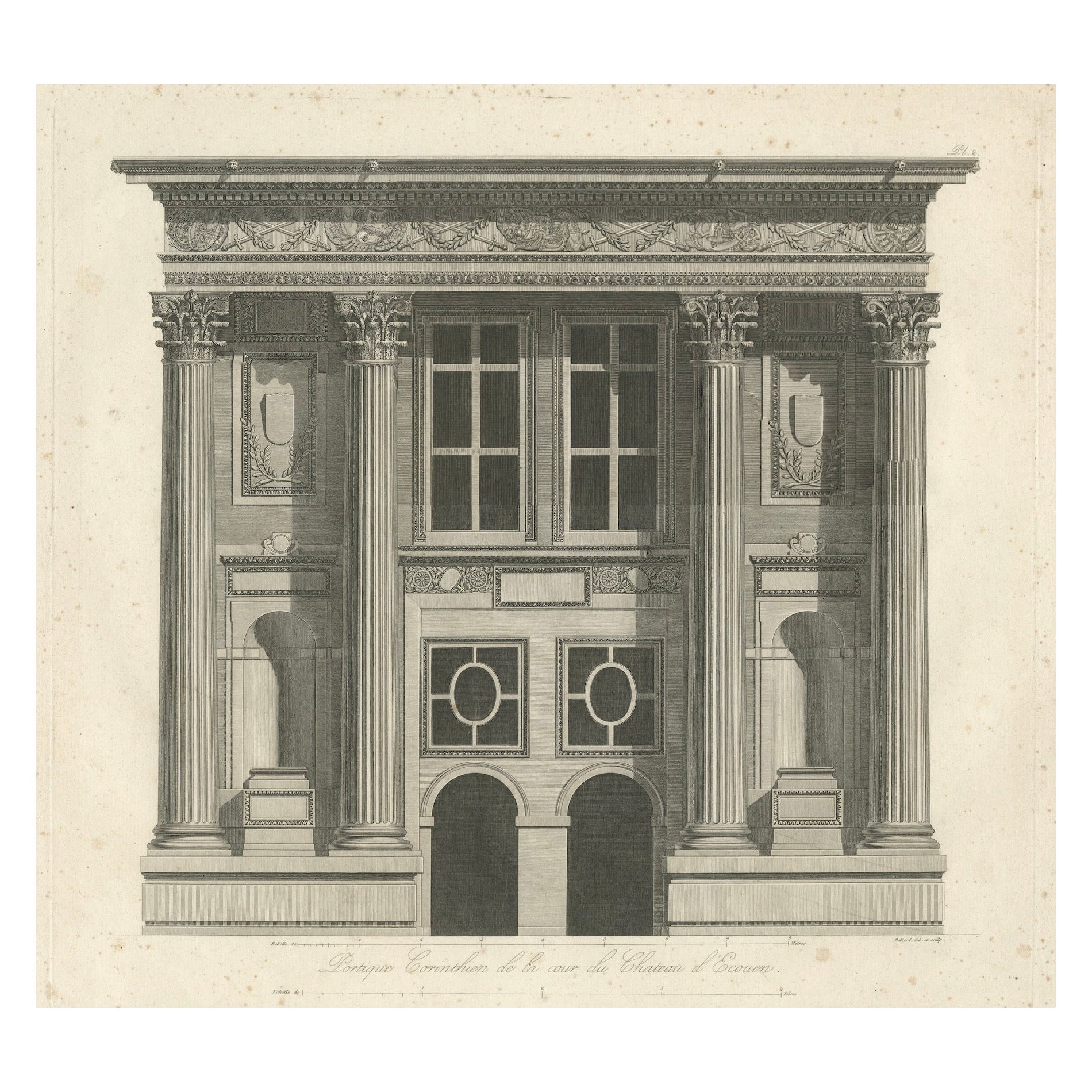
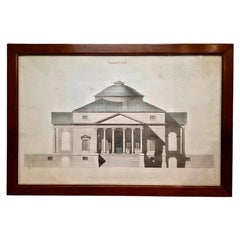
The engraving depicts a classical façade of a building, designed with a series of evenly spaced windows and arches on the ground floor, and rectangular windows on the upper floor. The architectural style is neoclassical, characterized by its symmetry, balanced proportions, and the use of classical elements such as pilasters and pediments. Atop the structure sits a central pediment supported by columns, flanked by statues. This could represent a public building or a grand palatial structure. The precise lines and attention to detail suggest that it was intended for scholarly study or as a record of architectural design. The labeling at the bottom, if any, could provide information on the building's location or the architect, but it's not visible in the image.
The engraving is possible part of a series published around the early 18th century by Joan Blaeu, a renowned Dutch cartographer born in 1599 and who passed away in 1673. His works often featured detailed engravings of notable locations. This particular piece would have been published posthumously, as part of a collection that his heirs continued, which was later reissued by publishers like Pierre Mortier. The exact date of publication for this specific engraving is not provided in the information, but it would be within the timeframe of the early 1700s, given the dates of the reissues mentioned and the info behind the watermark that is visible if you hold the print to the light.
The text appears in the paper is a historical note about the Honig family, prominent in the Dutch paper manufacturing industry during the 17th and 18th centuries. Jan Jbz. Honig (1688-1757), the white paper manufacturer from Zaandijk, was the son of paper manufacturer Jacob Cz. Honig(h) (1648-1709). Jan began his independent work in 1738 and continued until 1757. He was the younger brother of Cornelis Jbz. Honig (1683-1755), and together they started the company C
J HONIG in 1709. Following a division of the family business in 1738, Jan took over the mill 'De Vergulde Bijkorf' and also acquired the mill 'De Eendracht'. He was married to Trijntje Claes Caescoper (1689-1763) and operated with his son Jacob Jsz. Honig (1712-1780) under the name J(an) HONIG
ZOON. Around 1741, this firm produced Pro Patria paper featuring the emblem of the Hollandse Tuin as a watermark. By 1764, under the direction of his son Jacob, J. HONIG
ZOON supplied paper to the Amsterdam Chamber of the Dutch East India Company, using watermarks including the Amsterdam coat of arms and a beehive. Some of the watermark blocks and paper molds from this firm are preserved at the paper mill 'De Schoolmeester' in Westzaan.
This description provides insight into the operations and legacy of the Honig family's paper manufacturing business, illustrating its historical significance in the context of Dutch industrial heritage.
- Dimensions:Height: 17.52 in (44.5 cm)Width: 26.78 in (68 cm)Depth: 0 in (0.02 mm)
- Materials and Techniques:Paper,Engraved
- Period:
- Date of Manufacture:circa 1705
- Condition:Good, considering age. Aged paper with typically warm, yellowish-brown hue. The paper edges are worn with creases and dirt due to handling, but inside the plate mark the image is fine. One central vertical folding line. Study the scans carefully.
- Seller Location:Langweer, NL
- Reference Number:Seller: BG-13610-261stDibs: LU3054337837162
About the Seller
5.0
Recognized Seller
These prestigious sellers are industry leaders and represent the highest echelon for item quality and design.
Platinum Seller
Premium sellers with a 4.7+ rating and 24-hour response times
Established in 2009
1stDibs seller since 2017
2,828 sales on 1stDibs
Typical response time: 1 hour
- ShippingRetrieving quote...Shipping from: Langweer, Netherlands
- Return Policy
More From This Seller
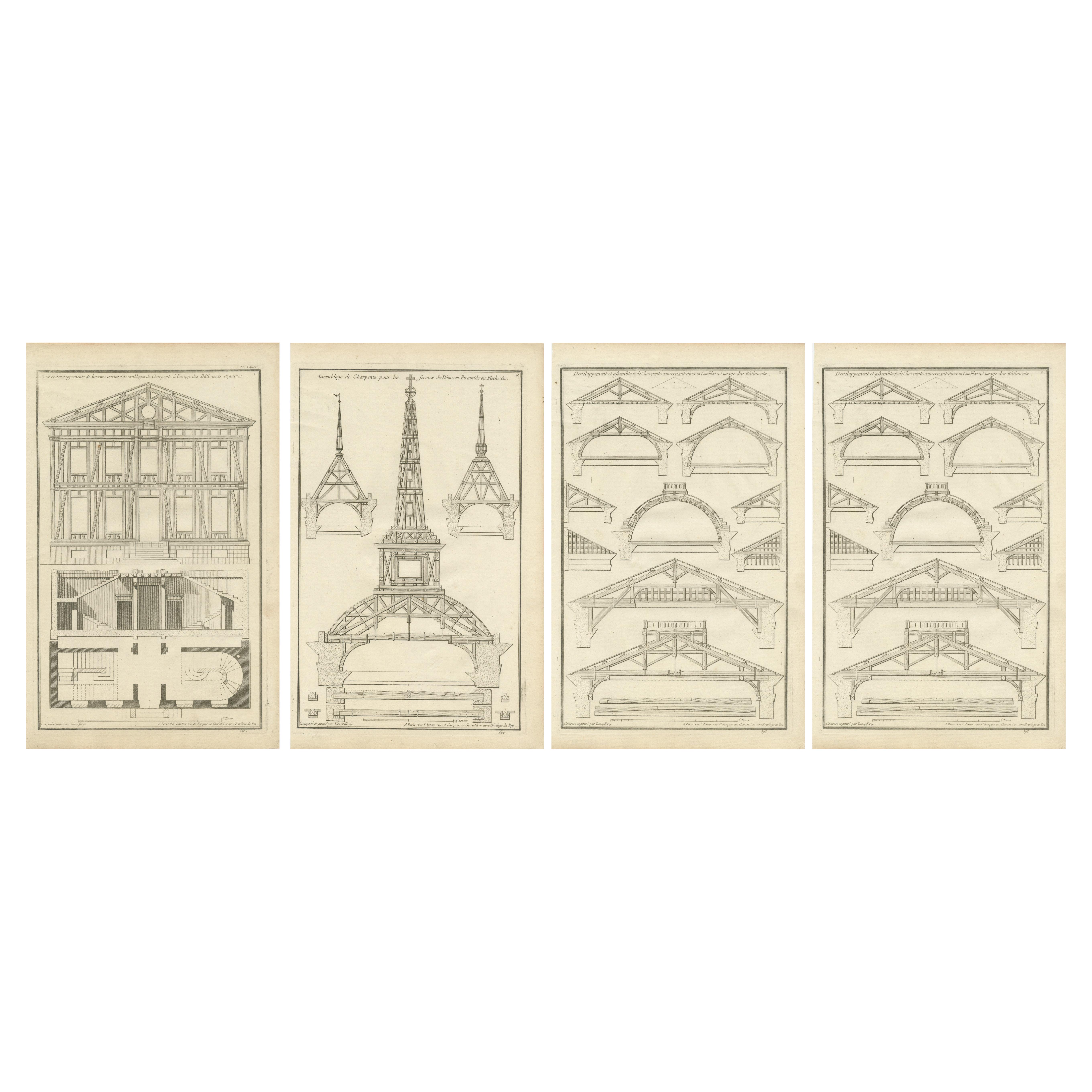
View All18th Century Architectural Mastery by Neufforge in Engravings, Circa 1770
Located in Langweer, NL
Architectural engravings by Jean-François de Neufforge (1714–1791).
Neufforge was a Flemish engraver, architect, and publisher known for his work "Recueil élémentaire d'architectur...
Category
Antique Late 18th Century Belgian Prints
Materials
Paper
$838 Sale Price / set
20% Off
Free Shipping
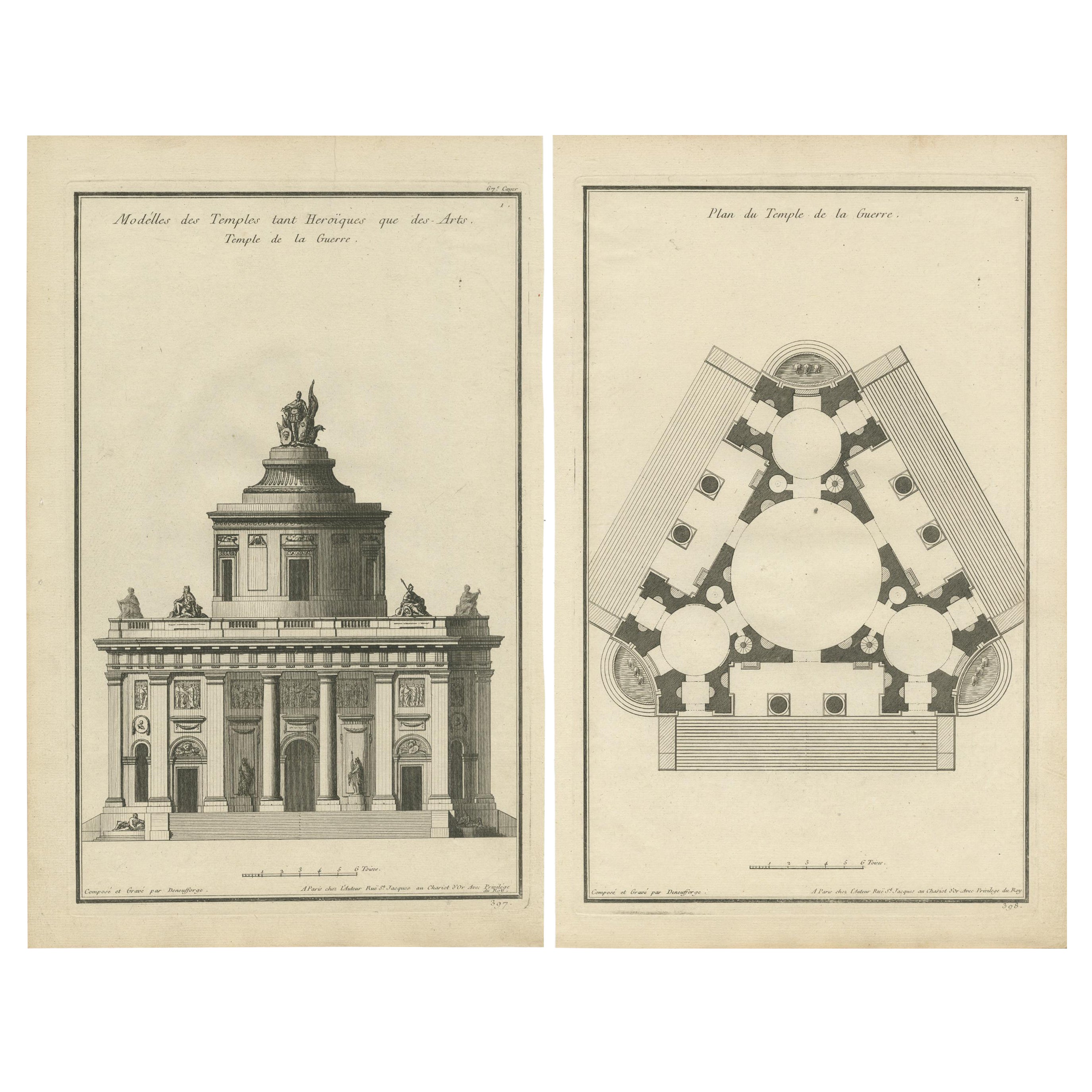
Neoclassical Visions: De Neufforge
s Temple Designs Original Engravings, ca.1770
Located in Langweer, NL
Engravings by Jean-François de Neufforge, a French architect and engraver from the 18th century. These images are part of his work "Recueil élémentaire d'architecture," an influentia...
Category
Antique Late 18th Century Prints
Materials
Paper
$819 Sale Price
20% Off
Free Shipping
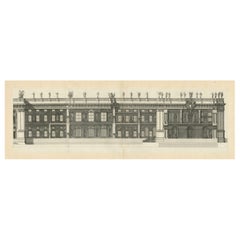
Louvre Grande Galerie Façade – Antique Architectural Engraving, Marot c.1670
Located in Langweer, NL
Antique Architectural Engraving of the Louvre Grande Galerie Façade, Jean Marot, c.1670
This rare antique architectural engraving presents the elevation of the south façade of the G...
Category
Antique Mid-17th Century Prints
Materials
Paper
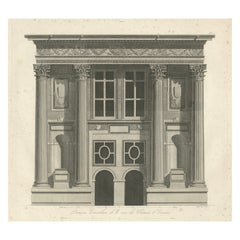
Portique Corinthien du Château d’Écouen – Architectural Engraving, Baltard, 1799
Located in Langweer, NL
Portique Corinthien du Château d’Écouen – Architectural Engraving by Louis-Pierre Baltard
A finely detailed architectural engraving by Louis-Pierre Baltard (1764–1846) depicting the...
Category
Antique Late 18th Century French Prints
Materials
Paper
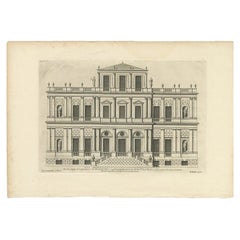
Antique Print of a Building Design in Theatrical Style to Paul Methnuen, 1725
Located in Langweer, NL
Antique print titled 'This new design of my invention in the Theatrical style (..)'.
View of a new building design in theatrical style to Paul Methnuen principal Secretary of Sta...
Category
Antique 18th Century Prints
Materials
Paper
$266 Sale Price
20% Off
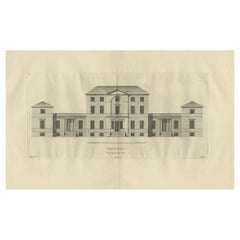
Antique Architectural Elevation of Sandon Hall, Staffordshire in England, c.1770
Located in Langweer, NL
Antique print titled 'Principal Front of Sandon'.
Architectural elevation of Sandon Hall, Staffordshire. This print originates from 'Vitru...
Category
Antique 1770s Prints
Materials
Paper
You May Also Like
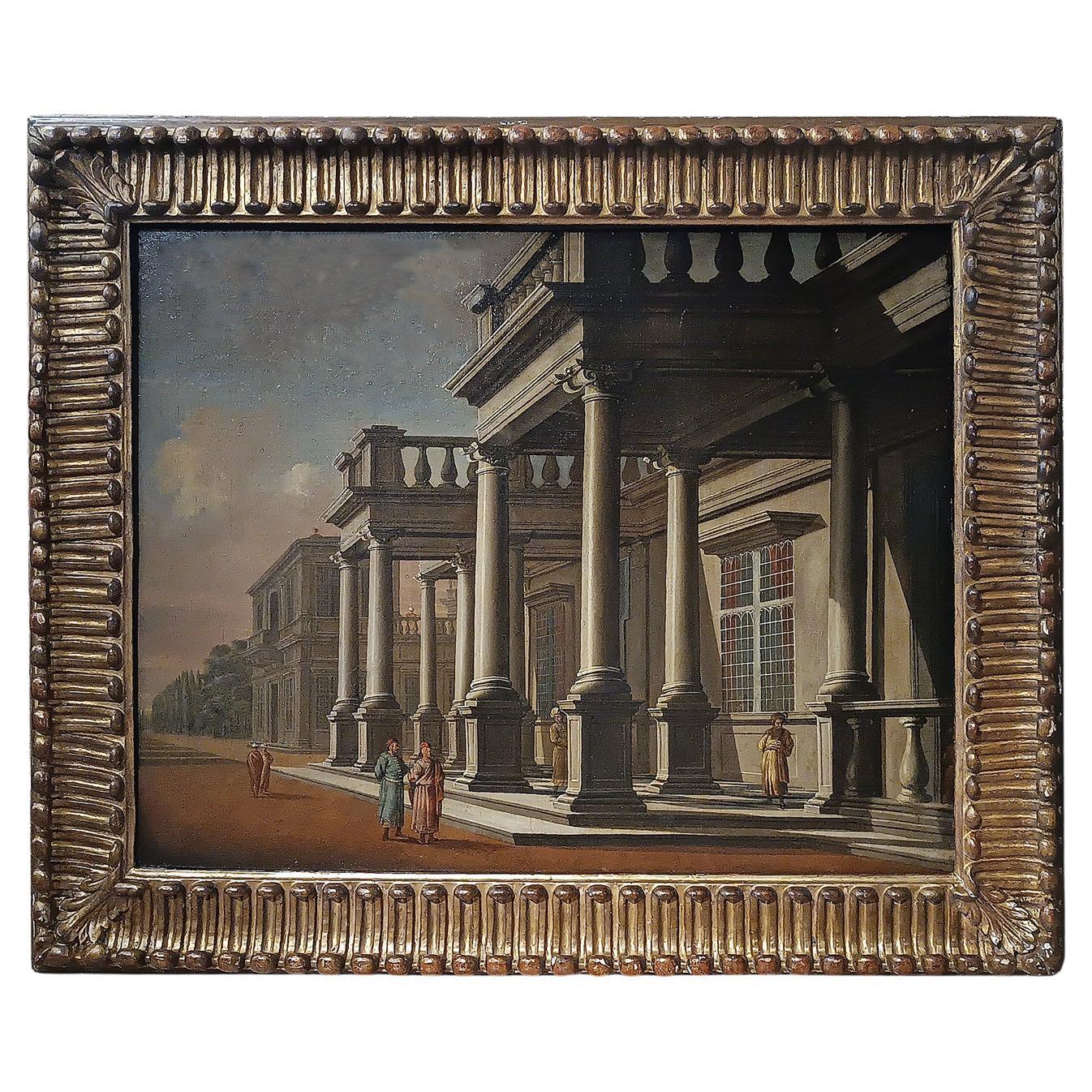
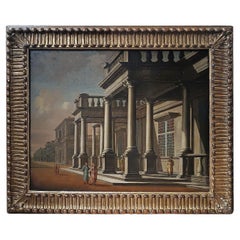
SECOND HALF OF THE 18th CENTURY PAINTING WITH ARCHITECTURAL CAPRICE
Located in Firenze, FI
Beautiful oil painting on canvas depicting a classic architectural caprice, in a fascinating play of architecture and shadows populated by small characters. In an imaginary backgroun...
Category
Antique Late 18th Century Italian Neoclassical Paintings
Materials
Gold Leaf
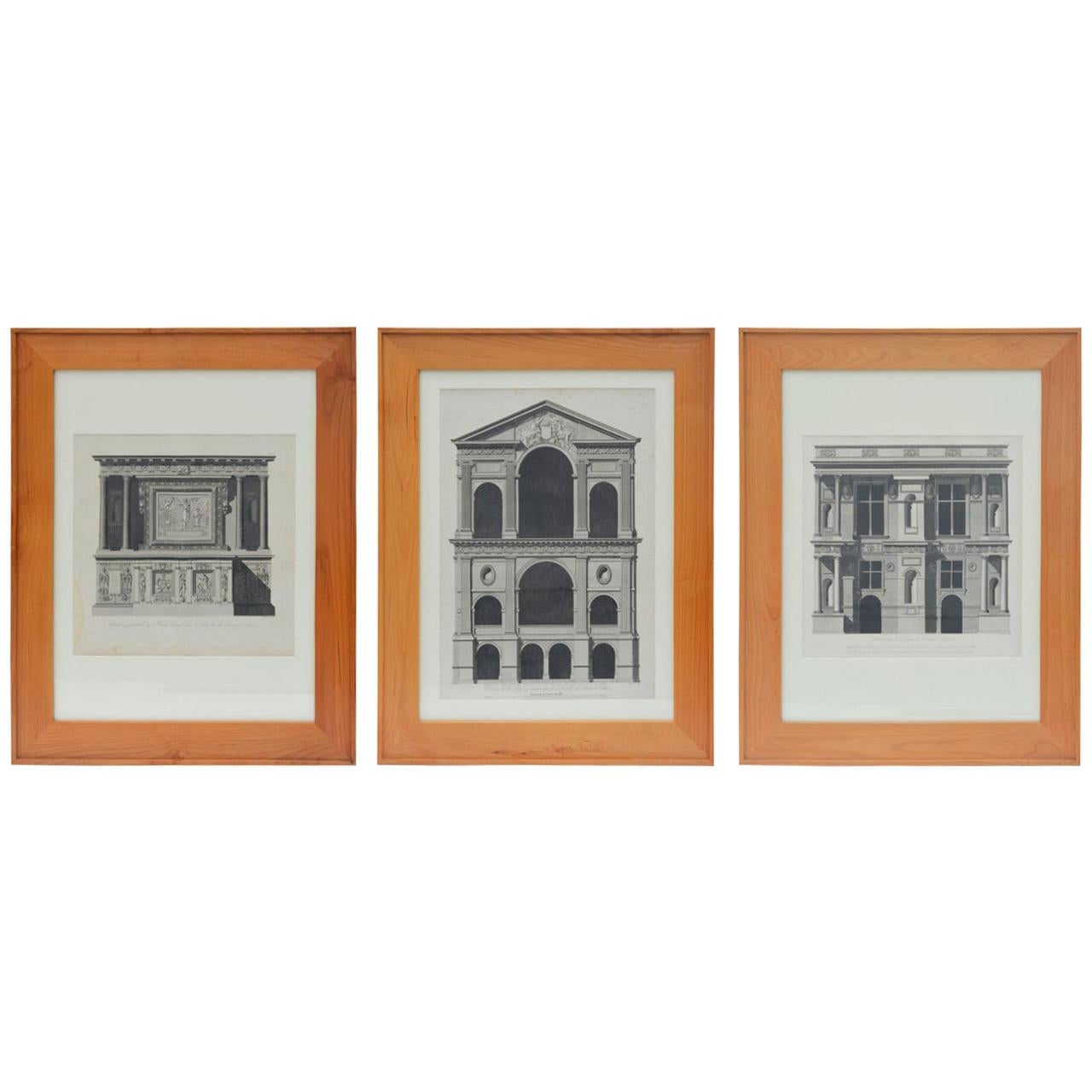
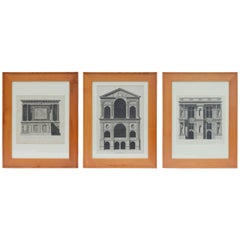
Early 19th Century Architectural Prints by Louis-Pierre Baltard de la Fresque
By Louis-Pierre Baltard
Located in Los Angeles, CA
Three gorgeous early 19th century architectural prints by Louis-Pierre Baltard de la Fresque (1764-1846).
Category
Antique 19th Century French Neoclassical Prints
Materials
Wood, Paper
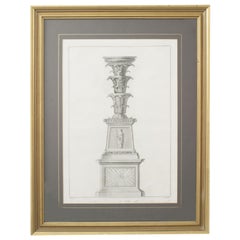
Italian Neo-Classic Architecture Print
Located in Queens, NY
Italian Neo-classic engravings of architecture in a gold frame (18th/19th Cent)
Category
Antique 19th Century Italian Neoclassical Paintings
Materials
Paper
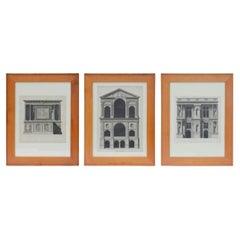
Early 19th Century Architectural Prints by Louis-Pierre Baltard De La Fresque
By Louis-Pierre Baltard
Located in Los Angeles, CA
Three gorgeous early 19th century architectural prints by Louis-Pierre Baltard de la Fresque (1764-1846).
Category
Antique 19th Century French Neoclassical Prints
Materials
Wood, Paper
19th Century Architectural Ink and Watercolor
Located in Hudson, NY
Charming and handsome 19th century original drawing and watercolor combined. Inscribe Rotonda del Capra for the Palladian Villa Rotunda....
Category
Antique Mid-19th Century Paintings
Materials
Paint, Paper
Pair of Large Scale Original Antique Architectural Prints, Circa 1790
Located in St Annes, Lancashire
Wonderful pair of architectural prints.
Copper-plate engravings by J.Newton after designs by Vetruvius
Published C.1790
Unframed and not matted.
Category
Antique 1790s English Classical Roman Prints
Materials
Paper
More Ways To Browse
Pro Patria
Oyster Burl
Painted Black Lacquer Chest
Painted Red Distressed
Paradis Paris
Pea Pod
Persian Calligraphy
Perugia Italy
Pink Glass Bird
Plaster Angels
Polychrome Chest Of Drawers
Portuguese Majolica Plate
Poseidons Trident
Purple Pedestal
Rabbit Chair By Stefano Giovannoni
Rabbit Figurine
Raku Tea
Ram Skull