Items Similar to Antique Japanese Indigo dyed hemp textile Noren doorway curtain w/ lucky symbols
Video Loading
Want more images or videos?
Request additional images or videos from the seller
1 of 21
Antique Japanese Indigo dyed hemp textile Noren doorway curtain w/ lucky symbols
$2,000
£1,510.93
€1,732.70
CA$2,790.62
A$3,037.05
CHF 1,609.94
MX$36,538.03
NOK 20,419.18
SEK 18,682.12
DKK 12,944.62
About the Item
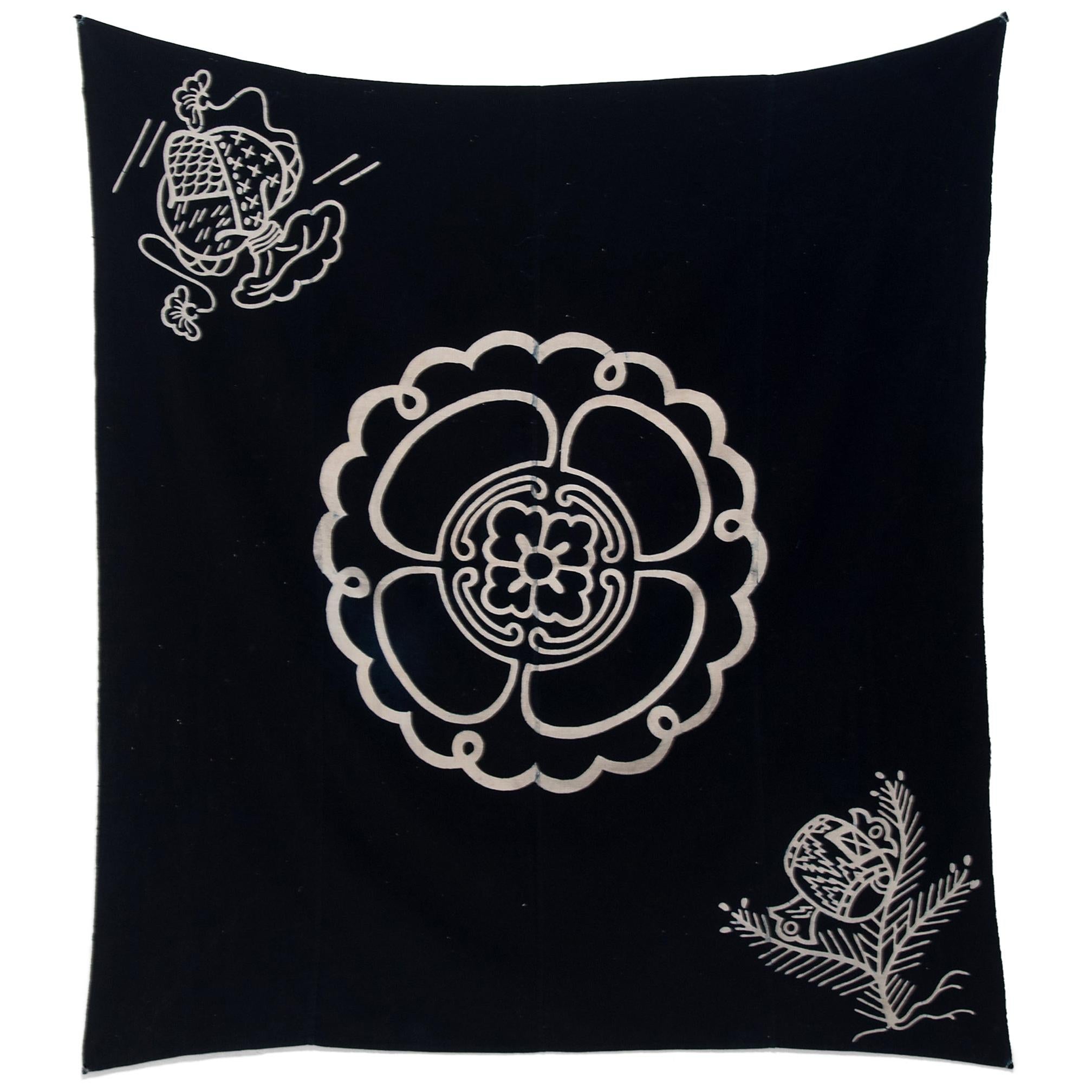
Antique Japanese doorway curtain called Noren, made of indigo-dyed, hand-woven hemp textile. the product of 1870s to 1900s (Meiji to Taisho era).
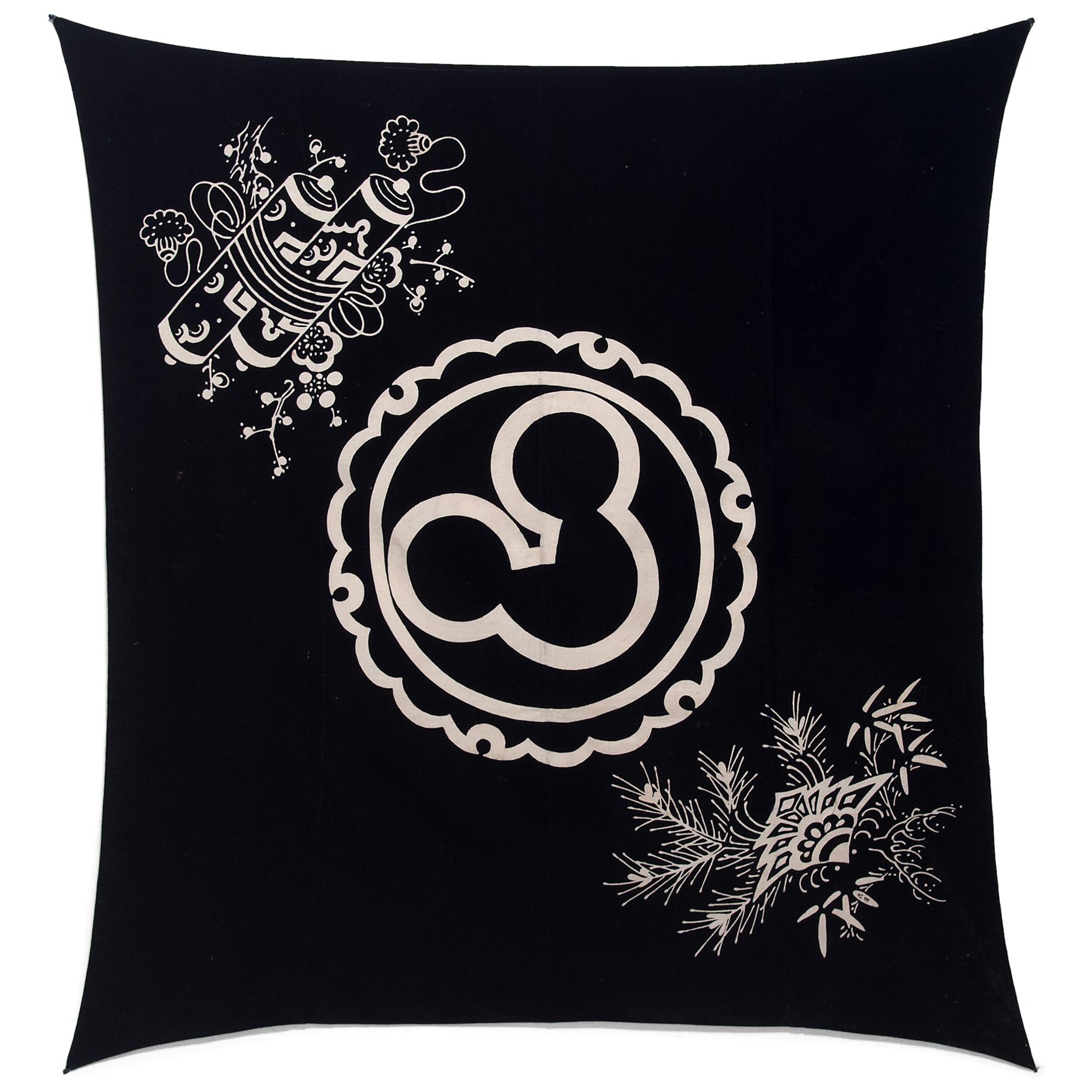
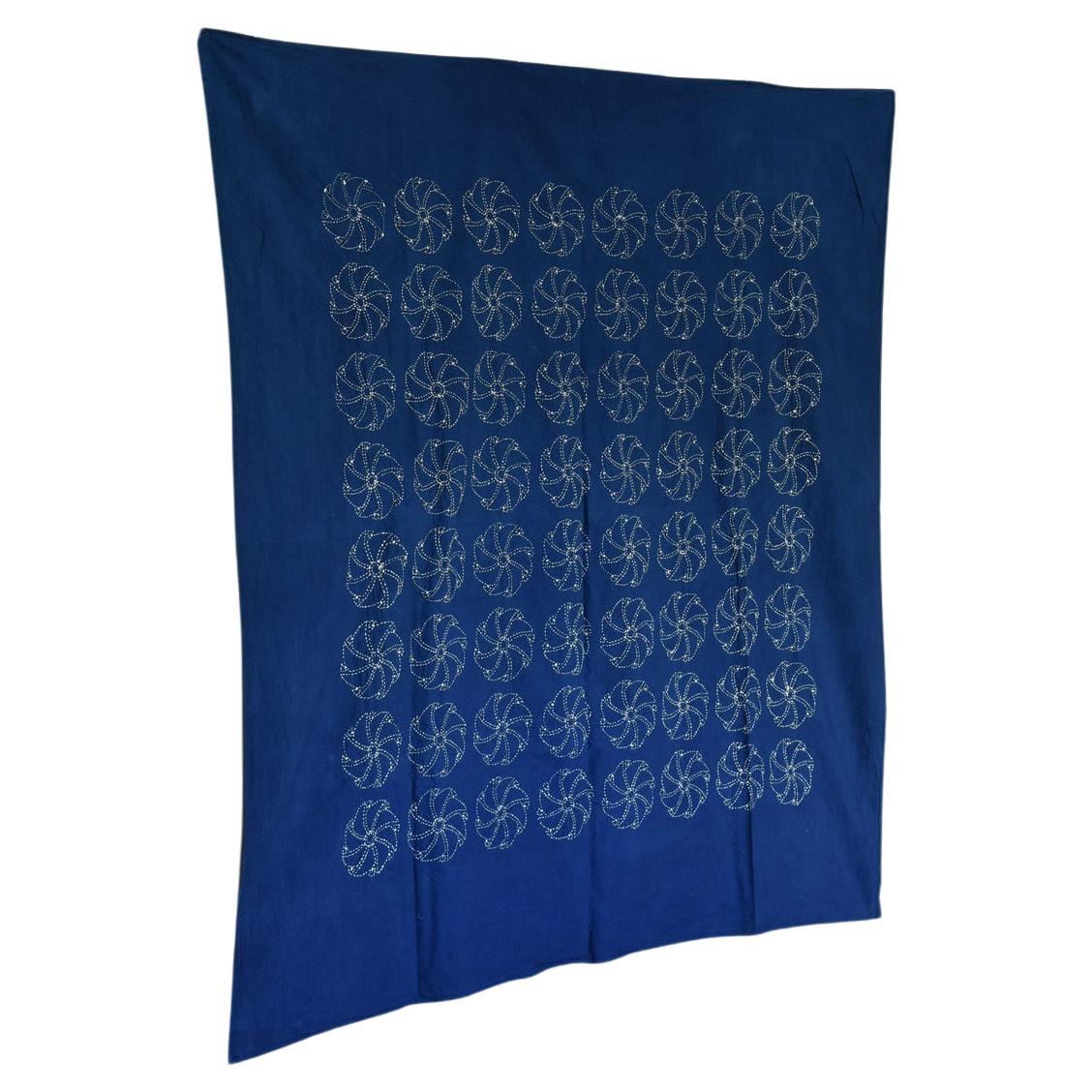
This Noren is filled with so many lucky symbols - Pine tree, cranes and turtles depicted on the textile, together with the family crest, which features Kasa (traditional Japanese hat) design in circle on top. Also, there're embroidered symbols on each loop belt,
it symbolizes turtle’s shell,
- Pine tree : "eternal life" and "good health"
From its evergreen characteristic, also pine is traditionally considered as one of sacred trees. In this Noren, the tree has pine cones too. it's unique design, probably means "prosperity" as well.
- Cranes and turtles : "living long"
Since both are traditionally considered as long live animals.
Also, when used as a pair, it means "living long together".
- Turtle’s shell embroideries : "Protection"
For both physically and spiritually. Embroidery itself is traditionally believed to have certain protective power.
- Hemp : Considered to have a power to repel the evil energy.
Guessing from this design, this Noren was especially used at the wedding ceremony.
This type of Noren was called "Yome Noren", means "Bride's curtain".
This tradition was typically found at Hokuriku area from the end of the Edo period through the Meiji period.
However, from a modern Japanese perspective, this design is intended to bring good luck and is suitable for any occasion, whether at home or in a shop.
Actual item weight : lbs (2.4kg)
Dear customer - feel free to inquire me for the shipping fee quote.
The shipping fee showed in the page is automatically calculated by the system, I'm able to offer reasonable quote via Fedex.
***
We're eco-friendly, organic-oriented vintage wood furniture
fitting seller.
Avoiding the harsh chemicals as much as possible, using organic
traditional materials in the whole process, especially cleaning, repaint / refinish.
- using non-toxic, eco-friendly method when cleaning
repairing the item
- using organic
traditional materials (beeswax, linseed oil, urushi lacquer, persimmon tannin, burnt pine ink, etc) for repainted/re-finished items
- repairing the necessary parts for long-lasting use
- Dimensions:Height: 69.3 in (176 cm)Width: 66.93 in (170 cm)Depth: 0.08 in (2 mm)
- Style:Folk Art (In the Style Of)
- Materials and Techniques:
- Place of Origin:
- Period:
- Date of Manufacture:Circa 1870s-1900s
- Condition:Wear consistent with age and use.
- Seller Location:常陸大宮市, JP
- Reference Number:1stDibs: LU9981248088332
About the Seller
5.0
Platinum Seller
Premium sellers with a 4.7+ rating and 24-hour response times
Established in 2010
1stDibs seller since 2024
61 sales on 1stDibs
Typical response time: <1 hour
- ShippingRetrieving quote...Shipping from: Hitachiomiya, Japan
- Return Policy
More From This Seller
View AllAntique Japanese wood step stool, Fumidai wabi sabi organic mingei
Located in 常陸大宮市, JP
Antique Wooden step stool, "Fumidai", made of Sugi Cedar - New finds from a Kominka (old traditional style house) in Ibaraki pref., Japan.
Manufactured in Circa 1900s - 1930s (Taisho...
Category
Early 20th Century Japanese Folk Art Stools
Materials
Wood, Cedar
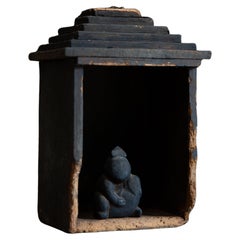
Antique Japanese Zushi, wabi sabi miniature shrine w/ Ebisu figurine mingei
Located in 常陸大宮市, JP
Antique wooden Zushi (miniature shrine, the "house of the Gods") with mini wooden figurine of Ebisu - from Tohoku area., Japan.
Manufactured circa 1860s - 1900s (late Edo to Meiji pe...
Category
Antique Late 19th Century Japanese Primitive Sculptures and Carvings
Materials
Wood
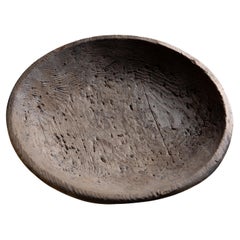
antique Japanese wabi sabi Konebachi, hand-carved dough bowl, primitive, mingei
Located in 常陸大宮市, JP
Antique wooden dough bowl, Konebachi. - Hand-carved from the one solid wood piece , circa 1870s - 1900s.
dough bowls were widely owned by the ordinary Japanese households, the most ...
Category
Antique Late 19th Century Japanese Primitive Decorative Bowls
Materials
Wood
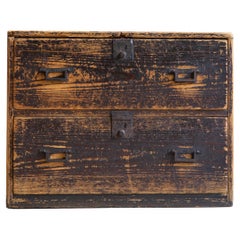
1870s-1900s wabi sabi Japanese antique mid tansu chest of drawers
Located in 常陸大宮市, JP
Japanese antique mid size Tansu (chest of drawers), product of circa 1870s - 1900s, late Edo to Meiji era, estimate from the style
conditions.
Remaining original paint gives a ...
Category
Antique Late 19th Century Japanese Edo Decorative Boxes
Materials
Iron
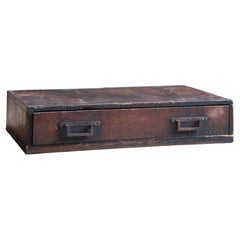
$600 Sale Price
36% Off
Antique Japanese low display stand w/ drawer, Okidoko tansu, wabi sabi mingei
Located in 常陸大宮市, JP
Antique "Okidoko"- wooden low display stand with drawer from Tohoku area, Japan.
Manufactured in Circa 1900s to 1920s (Taisho to early Showa period) , estimate from the style
c...
Category
Early 20th Century Japanese Taisho Commodes and Chests of Drawers
Materials
Wood, Hardwood
Japanese antique checkout counter w/shelf, wabi sabi side table, display stand
Located in 常陸大宮市, JP
Japanese antique checkout counter with inner shelf, manufactured circa 1780s - 1910s (Meiji period), estimate from the style & conditions.
Tabletop is finished with traditional blac...
Category
Antique Late 19th Century Japanese Meiji Side Tables
Materials
Wood
You May Also Like
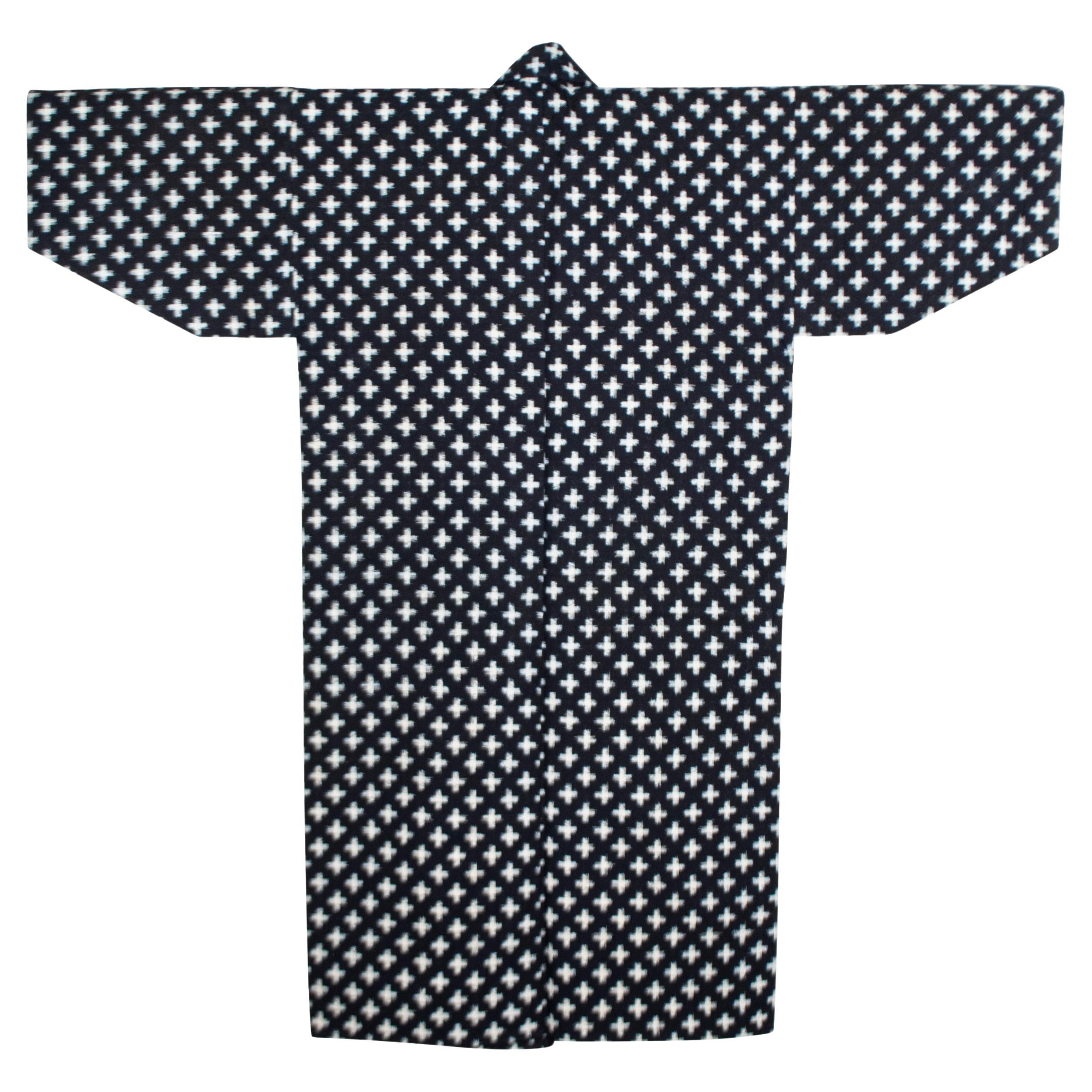
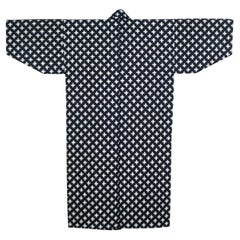
Antique Japanese Indigo-Dyed Double Ikat Kimono
Located in Point Richmond, CA
Antique Japanese Indigo-Dyed Double Ikat Kimono
This deeply saturated indigo-dyed kimono is made of heavy-weight hand-spun cotton and precisely patter...
Category
Early 20th Century Japanese Taisho Tribal Art
Materials
Cotton
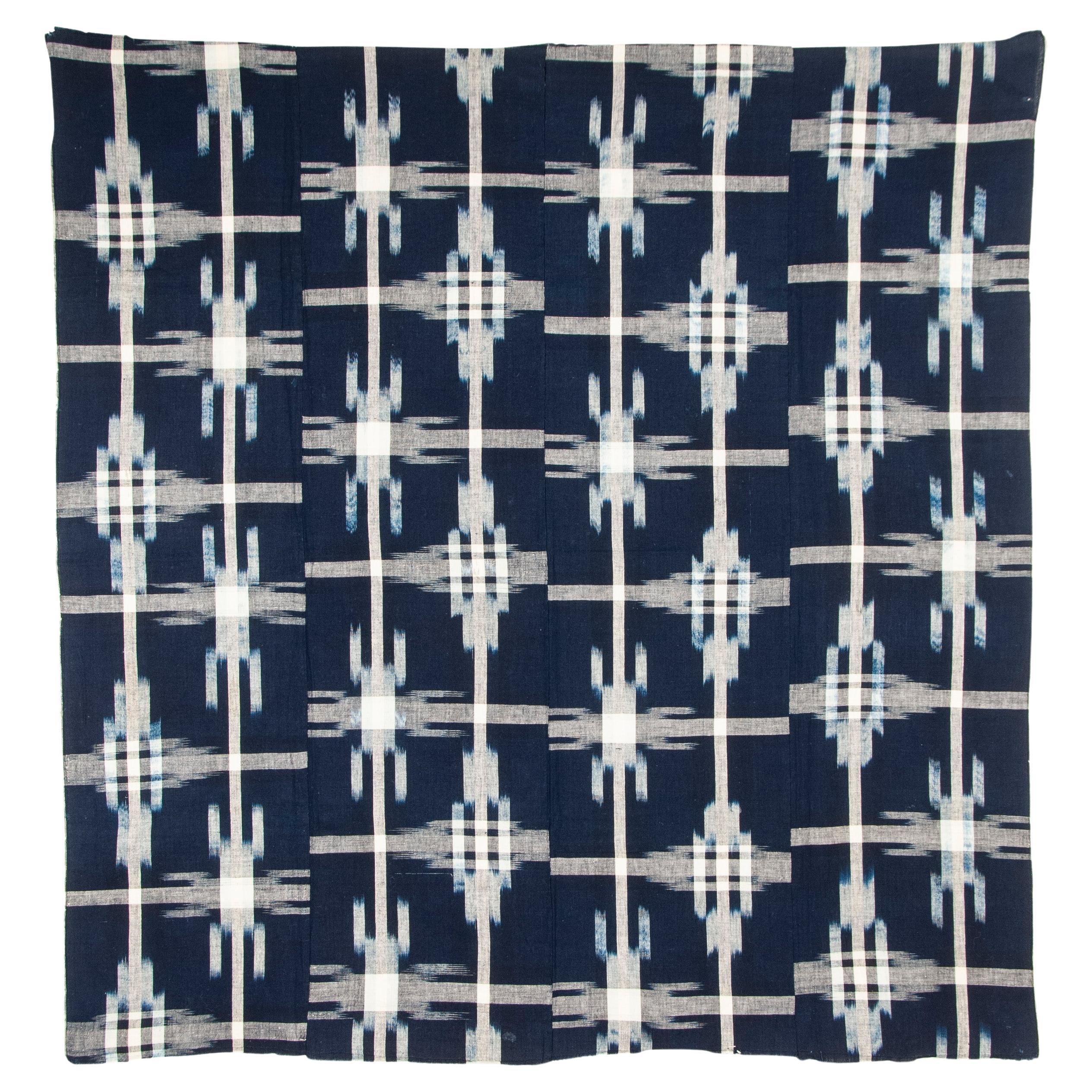
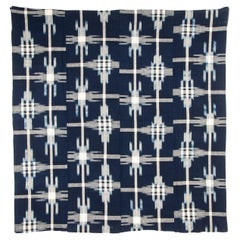
Antique Japanese Indigo-Dyed Double Ikat Futon Cover
Located in Point Richmond, CA
Antique Japanese Indigo-Dyed Double Ikat Futon Cover
This early 20th century indigo-dyed futon cover displays a large, graphically compelling lattice design created by warp and weft...
Category
Early 20th Century Japanese Taisho Tribal Art
Materials
Cotton
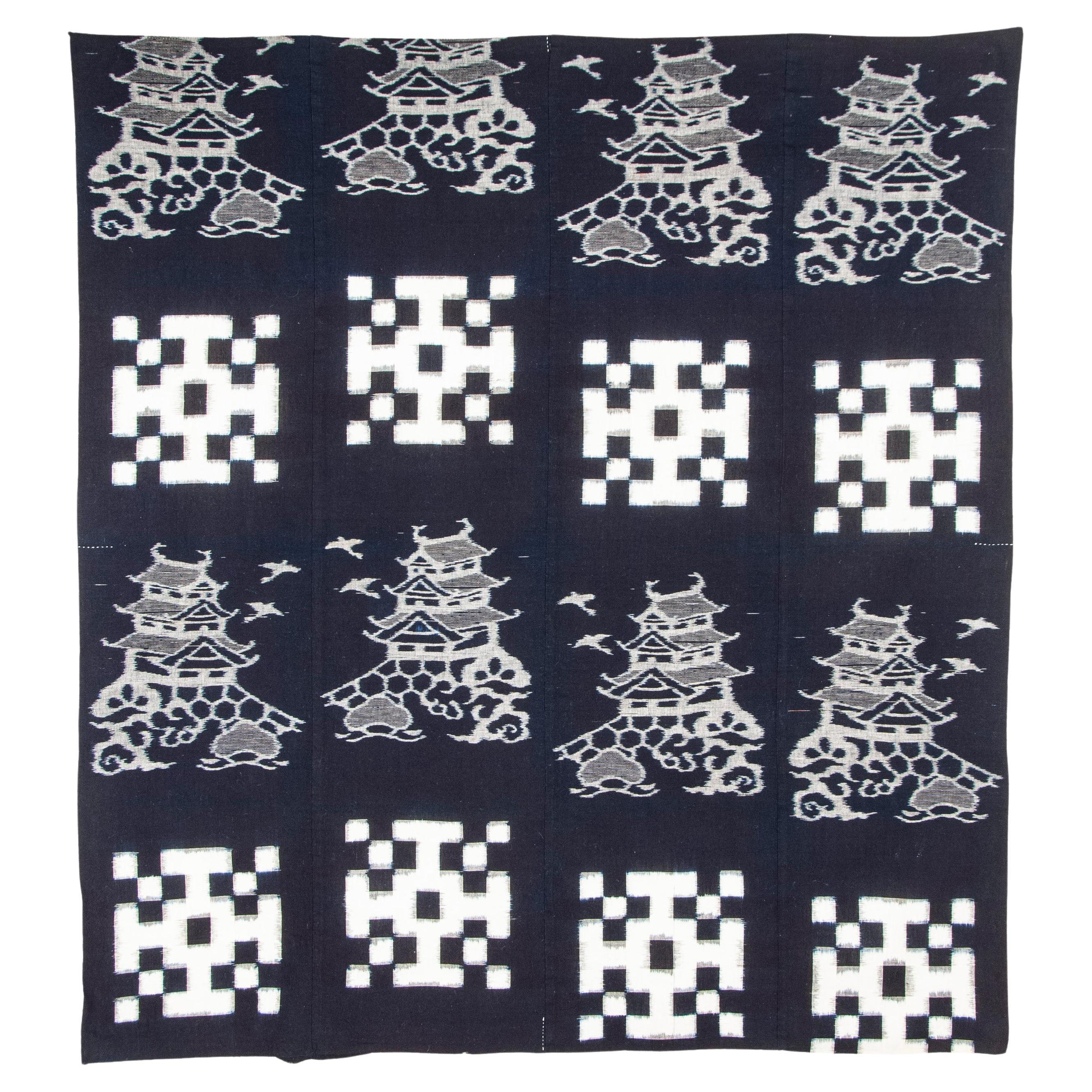
Antique Japanese Kurume Indigo-Dyed Double Ikat Futon Cover
Located in Point Richmond, CA
Antique Japanese Kurume Indigo-Dyed Double Ikat Futon Cover
Kurume double-ikat weaving was established over 200 year ago on the southern island of Kyushu, and has long been celebrat...
Category
Early 20th Century Japanese Taisho Tribal Art
Materials
Cotton
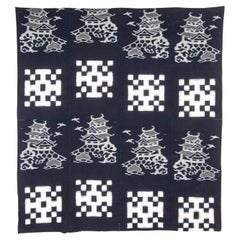
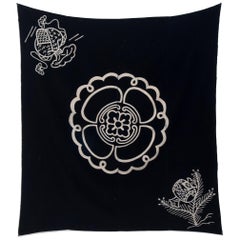
Vintage Japanese Indigo Folk Kamon Textile
Located in Chicago, IL
Dating to the mid-20th century, this vintage Japanese textile is a folk example of traditional stencil dyed fabric, known as katazome. Richly...
Category
Mid-20th Century Japanese Textiles
Materials
Cotton
Vintage Japanese Indigo Folk Kamon Textile
Located in Chicago, IL
Dating to the mid-20th century, this vintage Japanese textile is a folk example of traditional stencil dyed fabric, known as katazome. Richly...
Category
Mid-20th Century Japanese Textiles
Materials
Cotton
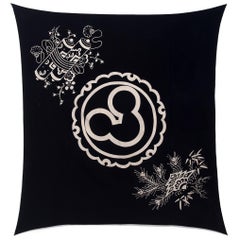
Japanese Indigo Dyed Old Embroidery Cloth / Japanese Toy Pattern / 1912-1960
Located in Sammu-shi, Chiba
It is a Japanese indigo dyed antique cloth.
It calls its name "fu-ro-shi-ki".
Originally used in the dressing room of the public bath "furo" during the...
Category
Early 20th Century Japanese Showa Textiles
Materials
Cotton