Edo Tapestries

EDO STYLE

Edo furniture was created during a flourishing time for the decorative arts owing to the stability of the Tokugawa shogunate rule in Japan. Spanning from 1603 to 1867, this era of peace and economic growth supported artistic advancements in lacquer, woodblock printing, porcelain and other artisanal trades. Because the country was largely isolated, there was little outside influence, leading to centuries of exceptional attention to the design of its furnishings and the quality of its traditional arts.

Unlike during the Meiji period that followed, with an increase in domestic and international markets, furniture during the Edo period was predominately commissioned by the ruling class, although people from across social groups benefited from the burgeoning metropolitan hubs for artisanal trades. For instance, Kyoto became a major center for lacquer art. Most furniture pieces were made from wood such as cedar or ash, including the era’s sashimono cabinets, which involved fine joinery and were rooted in the Heian period.

Sashimono cabinets, which were built by master craftsmen in a range of different wood types owing to the various trees that populate Japan, occasionally featured a stack of slender drawers as well as sliding doors. They were popular with everyone from samurai to kabuki actors. Tansu storage chests crafted from wood with metal fittings were also common in Edo-period homes. Some were designed to be easily portable while others were made to double as staircases.

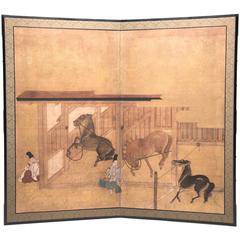
Painted folding screens, called byōbu, were also fashionable, with Japanese artists inspired by nature, literature and scenes of history and daily life to create vivid works. In Buddhist temples and the palatial homes of the aristocratic class, fusuma, or large sliding panels, would sometimes be adorned with gold or silver leaf. These dividers allowed interiors to change throughout the day, closing in small spaces for personal use or reflecting candlelight to illuminate communal spaces after dark.

Find a collection of Edo tables, lighting, decorative objects, wall decorations and more furniture on 1stDibs.

to
1
3
5
Height
to
Width
to
565
315
112
108
68
65
64
31
31
21
16
15
14
12
12
11
5
4
2
3
5
2
2
1
5
5
5
5
5
5
Style: Edo
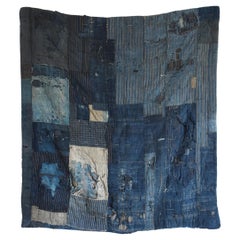
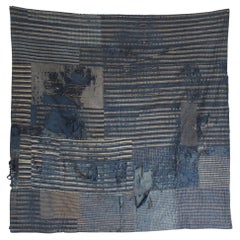
Japanese Antique "BORO" Edo period 1800s-1860s / Rag Abstract Art Wabi-Sabi
Located in Chōsei District Nagara, JP
This is an old Japanese BORO textile, dating back to the Edo period (1800s–1860s). It is a rare cloth that has survived through a long span of time. The interplay of indigo and natur...
Category

Late 19th Century Japanese Antique Edo Tapestries

Materials

Fabric

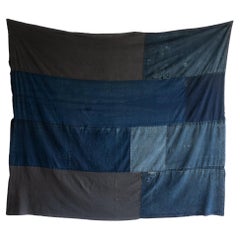
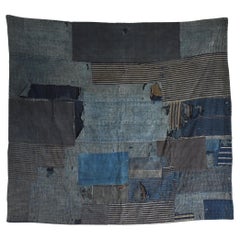
Japanese Antique Rag "BORO" 1800s-1860s / Abstract Art Wabi Sabi
Located in Sammu-shi, Chiba
This is an exceptional example of a Japanese *BORO* textile, dating from the late Edo period (1800s–1860s). Carefully preserved over generations, it embodies both the resourcefulness...
Category

Mid-19th Century Japanese Antique Edo Tapestries

Materials

Fabric

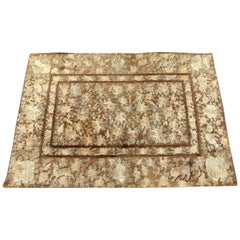
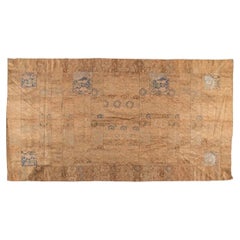
Antique Japanese Embroidery Tapestry Panel Edo Period
Located in Atlanta, GA
A large Japanese silk embroidery tapestry circa 18th century Edo period. Possibly an altar tablecloth originally, the embroidered textile pane...
Category

18th Century Japanese Antique Edo Tapestries

Materials

Silk

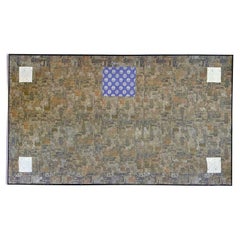
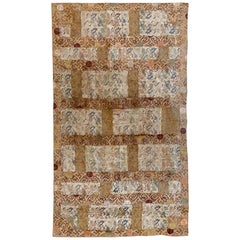
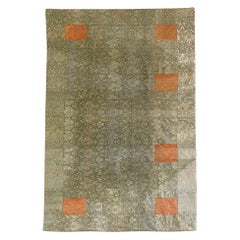
Antique Framed Japanese Silk Kesa Monk s Robe Edo Period
Located in Atlanta, GA
A Japanese Kesa (Monk's Vestment) made from thirteen columns of patchworks of brocades set within a border of the same material. The brocade was woven from a subtle color palette of ...
Category

19th Century Japanese Antique Edo Tapestries

Materials

Brocade, Silk

Antique Brocade Kesa Monk s Patched Robe Edo Period
Located in Atlanta, GA
Kesa, known as "Jiasha" in Chinese and "Kasaya" in Sanskrit, is an out layer garment worn by the ordained Buddhist monks. Bearing a basic rectangular form, it developed originally in...
Category

Late 18th Century Japanese Antique Edo Tapestries

Materials

Textile, Brocade

Related Items
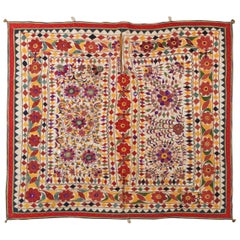
Large Antique Embroidered Panel with Floral Pattern from India
Located in Moreno Valley, CA
Antique embroidered mirrored horse blanket throw used in India for the wedding ceremonies. Large antique embroidered panel with floral patter...
Category

Late 19th Century Indian Antique Edo Tapestries

Materials

Linen, Silk, Sequins

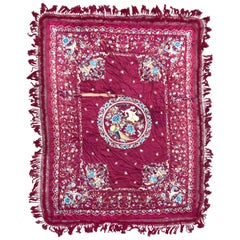
Antique Chinese Embroidery Tapestry
Located in Saint Ouen, FR
Beautiful antique embroidery from China late 19th century with very nice Chinese design with birds, flowers and personages, and beautiful purple color silk foundation, entirely hand ...
Category

Late 19th Century Chinese Antique Edo Tapestries

Materials

Silk

Antique Chinese Embroidery Tapestry
$2,994
H 89.77 in W 68.12 in D 0.4 in
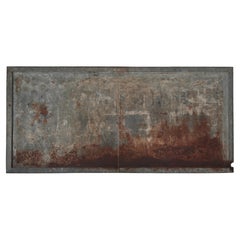
Japanese Antique Tin Plate Art / Wall Decoration / Wabi-sabi
Located in Iwate-gun Shizukuishi-cho, Iwate Prefecture
This is an old Japanese tin panel. The rust caused by natural aging is expressed like art. The exact purpose is unknown, but it seems that it was originally used in a place where fi...
Category

Early 1900s Japanese Antique Edo Tapestries

Materials

Tin

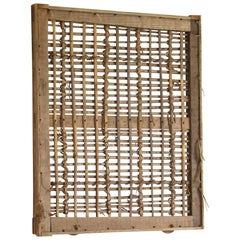
Japanese Antique Small Door Wall Decoration 1860s-1900s / Abstract Art Wabi Sabi
Located in Chōsei District Nagara, JP
This is an old small window frame made in Japan. It was originally used as a traditional Japanese mud wall fixture. It dates back to the Meiji period (1860s-1900s) and has been in us...
Category

Early 20th Century Japanese Edo Tapestries

Materials

Bamboo, Cedar

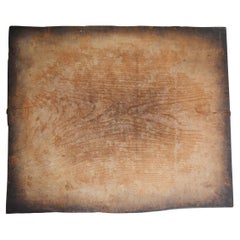
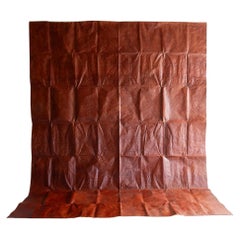
Japanese Antique Paper Mat Wall Decoration 1800s-1860s / Abstract Art Wabisabi
Located in Chōsei District Nagara, JP
This is a very old Japanese paper mat. It is believed to date from the late Edo period (1800s–1860s) and has an impressive scale of approximately 1700 mm × 1830 mm. It was created by...
Category

Late 19th Century Japanese Antique Edo Tapestries

Materials

Paper

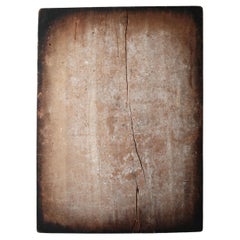
Japanese Antique Wooden Board / Wall Decoration Abstract Art / Wabi-Sabi
Located in Iwate-gun Shizukuishi-cho, Iwate Prefecture
This is an old Japanese workboard. It was called "Mochiita" and was used as a workbench for kneading flour. It seems to be around the Meiji period. The board is thought to be pine...
Category

Late 19th Century Japanese Antique Edo Tapestries

Materials

Wood

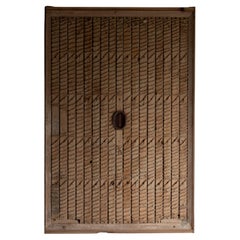
Japanese Antique Huge Door " Wall Decoration " 1860s-1900s / Wabi Sabi"
Located in Sammu-shi, Chiba
Japanese Antique Huge Door " Wall Decoration " 1860s-1900s / Wabi Sabi This extraordinary large sliding door was once used in an old warehouse in Japan. Dating back to the Meiji per...
Category

Early 20th Century Japanese Edo Tapestries

Materials

Iron

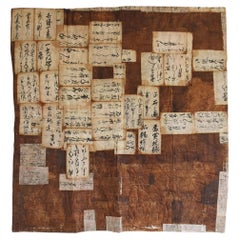
Japanese antique washi paper tapestry / 1868-1920 / Wabi-Sabi MINGEI Art
Located in Sammu-shi, Chiba
This large, vintage Japanese paper tapestry was created in Japan between the Meiji and Taisho periods (late 19th and early 20th centuries). It's believed to have originally been used...
Category

Late 19th Century Japanese Antique Edo Tapestries

Materials

Bamboo, Paper

Japanese Antique Wabi-Sabi Wooden board "Wall Decoration" 1860s-1900s
Located in Chōsei District Nagara, JP
This is an old Japanese wooden workboard Crafted during the Meiji period (1860s–1900s), it is made from a single slab of keyaki (zelkova wood), a material now extremely rare. The imp...
Category

Early 20th Century Japanese Edo Tapestries

Materials

Wood

Antique Japanese Brocade Monk s Robe Kesa Meiji Period
Located in Atlanta, GA
A Japanese Kesa (Monk's Vestment) made from thirteen columns of patchworks of shimmering woven brocades. The elaborate motifs feature repetitive elaborat...
Category

Late 19th Century Japanese Antique Edo Tapestries

Materials

Brocade, Silk

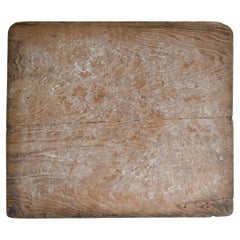
Japanese Antique Wabi-Sabi Wood Board 1860s-1900s / Wall Decoration
Located in Chōsei District Nagara, JP
This is an old Japanese wooden board called “Mochiita” (rice cake board). It was used during the Meiji period (1860s-1900s) and is made of pine wood with a rich texture. As the name ...
Category

Early 20th Century Japanese Edo Tapestries

Materials

Pine

Japanese Antique Wabi-Sabi Wood Board 1860s-1900s / Wall Decoration
$720 Sale Price
44% Off
H 30.71 in W 35.04 in D 2.96 in
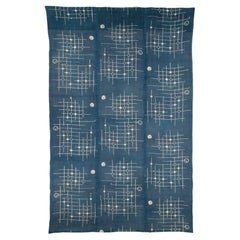
Early 20th Century Japanese Linen Go-Board Pattern Futon Cover
Located in Point Richmond, CA
Early 20th Century Japanese linen go-board pattern futon cover A unique example of a game-themed textile, this 3-panel futon cover is woven of very fine...
Category

Early 20th Century Japanese Edo Tapestries

Materials

Hemp

Previously Available Items
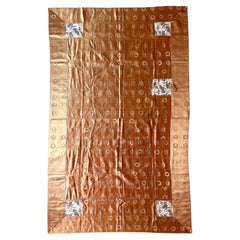
Antique Japanese Embroidered Silk Kesa Monk s Robe Edo Period
Located in Atlanta, GA
A Japanese Kesa (Monk's Vestment) made from thirteen columns of patchworks of fine shimmering silk fabric of a salmon orange color, the shade of which changed subtly from different a...
Category

19th Century Japanese Antique Edo Tapestries

Materials

Brocade, Silk

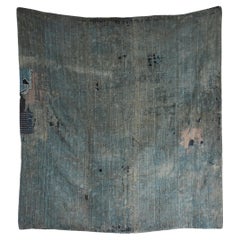
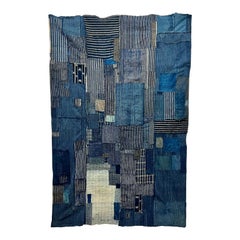
Japanese Antique "BORO" 1800s-1860s / Rag Tapestry Patchwork Textile Wabisabi
Located in Chōsei District Nagara, JP
This is an old Japanese BORO, dating back to the late Edo period (1800s–1860s). It is an extremely valuable textile that has been carefully preserved and passed down to the present d...
Category

Mid-19th Century Japanese Antique Edo Tapestries

Materials

Fabric

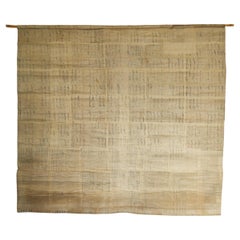
Japanese Antique Paper Wabi-Sabi Washi
Located in Sammu-shi, Chiba
This rare shichou-maku (paper-hung curtain) was crafted during Japan’s Meiji period (late 19th to early 20th century). It was originally used in sericulture rooms—spaces dedicated ...
Category

Early 19th Century Japanese Antique Edo Tapestries

Materials

Paper

Japanese Antique Paper Wabi-Sabi Washi
H 139.77 in W 106.3 in D 0.08 in
Japanese Antique "BORO" 1800s-1860s / Rag Tapestry Patchwork Textile Wabisabi
Located in Chōsei District Nagara, JP
This is an old Japanese BORO. It was made in the late Edo period (1800s-1860s) and is an extremely valuable piece that has been carefully passed down to the present day. BORO" is a ...
Category

Mid-19th Century Japanese Antique Edo Tapestries

Materials

Fabric

Japanese Antique "BORO" 1800s-1860s / Tapestry Rug Wabi Sabi
Located in Chōsei District Nagara, JP
This BORO is an extremely valuable old cloth made in Japan during the Edo period (1800s-1860s). It is filled with the wisdom and history of people's lives who, in order to survive th...
Category

Mid-19th Century Japanese Antique Edo Tapestries

Materials

Fabric

Antique Modern Japanese Boro Wall Hanging 1900s
Located in Oakland, CA
Incredible vintage Japanese indigo fabric Boro wall hanging c1900s. Acquired in Kyoto from a reputable textile dealer. Amazing detail and craft...
Category

Early 20th Century Japanese Edo Tapestries

Materials

Metal

Antique Japanese Brocade Kesa Monk s Robe Edo Period
Located in Atlanta, GA
A Japanese Kesa (Monk's Vestment) made from thirteen columns of patchworks of shimmering woven brocades. The elaborate motifs feature repetitive hibiscus flowers within framework of ...
Category

19th Century Japanese Antique Edo Tapestries

Materials

Brocade, Silk

Framed Japanese Metallic Thread Temple Embroidery of a Shishi, Edo Period
Located in Austin, TX
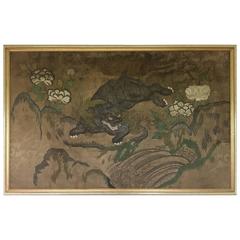
A large and powerful metallic thread embroidered temple hanging of a Buddhistic lion, shishi, stalking by a rushing stream, late Edo period, early 19th century. The shishi has been ...
Category

Early 19th Century Japanese Antique Edo Tapestries

Materials

Metallic Thread

"Stable Jump" Two-Panel Japanese Byobu Screen
Located in Chicago, IL
The term byobu means “wind wall” and as the name suggests painted folding screens, like this one, were originally used in Japanese homes to block drafts of air. The oldest screens da...
Category

Early 1700s Japanese Antique Edo Tapestries
"Stable Jump" Two-Panel Japanese Byobu Screen
H 65.75 in W 37.75 in D 1.5 in

Edo tapestries for sale on 1stDibs.

Find a broad range of unique Edo tapestries for sale on 1stDibs. Many of these items were first offered in the 19th Century, but contemporary artisans have continued to produce works inspired by this style. If you’re looking to add vintage tapestries created in this style to your space, the works available on 1stDibs include asian art and furniture, wall decorations and other home furnishings, frequently crafted with brocade, fabric and other materials. If you’re shopping for used Edo tapestries made in a specific country, there are Asia, East Asia, and Japan pieces for sale on 1stDibs. It’s true that these talented designers have at times inspired knockoffs, but our experienced specialists have partnered with only top vetted sellers to offer authentic pieces that come with a buyer protection guarantee. Prices for tapestries differ depending upon multiple factors, including designer, materials, construction methods, condition and provenance. On 1stDibs, the price for these items starts at $4,200 and tops out at $5,200 while the average work can sell for $4,700.

Still Thinking About These?

All Recently Viewed