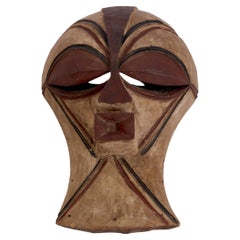
Items Similar to Bamana Koré “Suruku” Hyena Mask, Mali, Early to Mid-20th Century
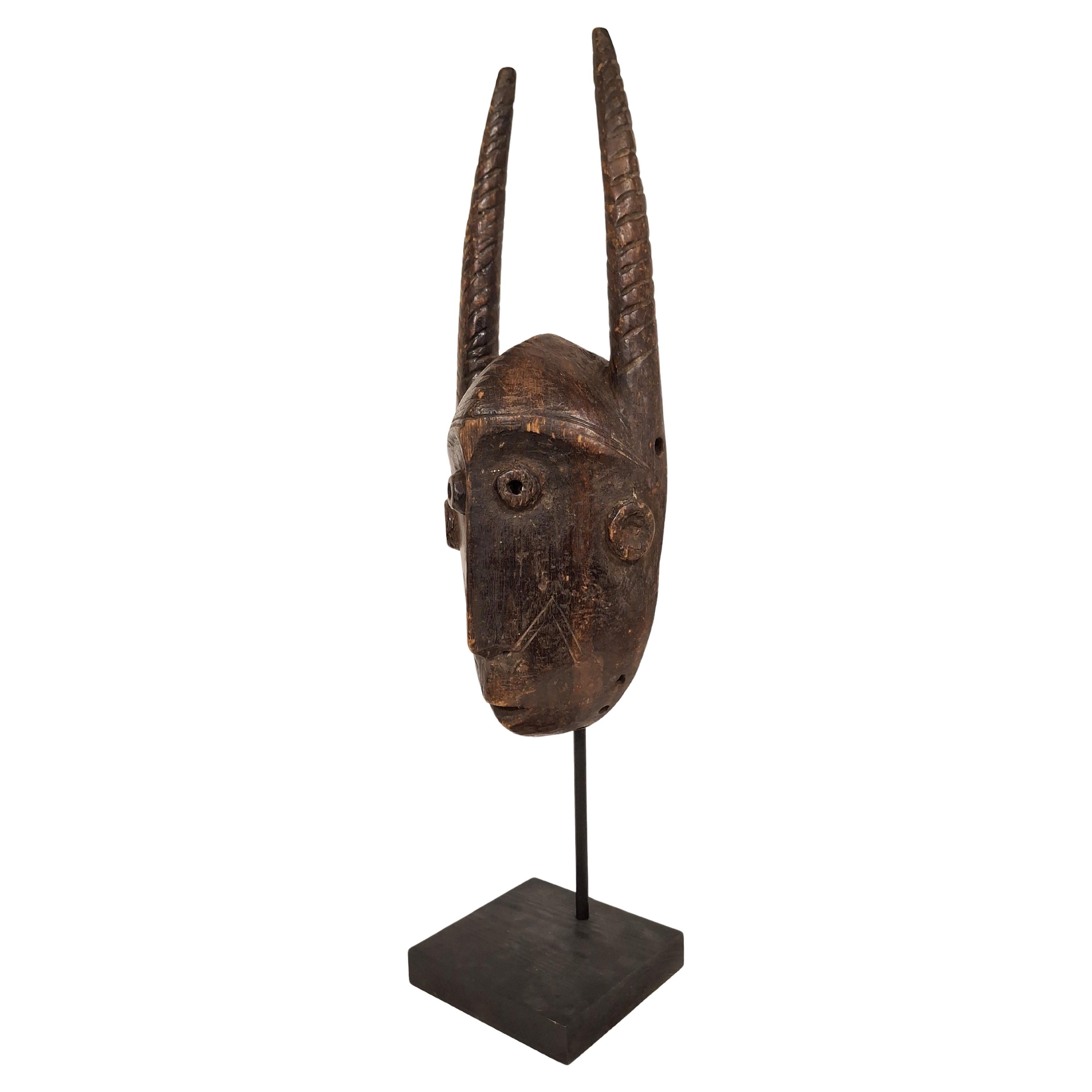
Want more images or videos?
Request additional images or videos from the seller
1 of 19
Bamana Koré “Suruku” Hyena Mask, Mali, Early to Mid-20th Century
$1,500.45
£1,100
€1,277.69
CA$2,067.25
A$2,254.62
CHF 1,194.35
MX$27,029.73
NOK 15,210.68
SEK 13,909.03
DKK 9,545.57
About the Item
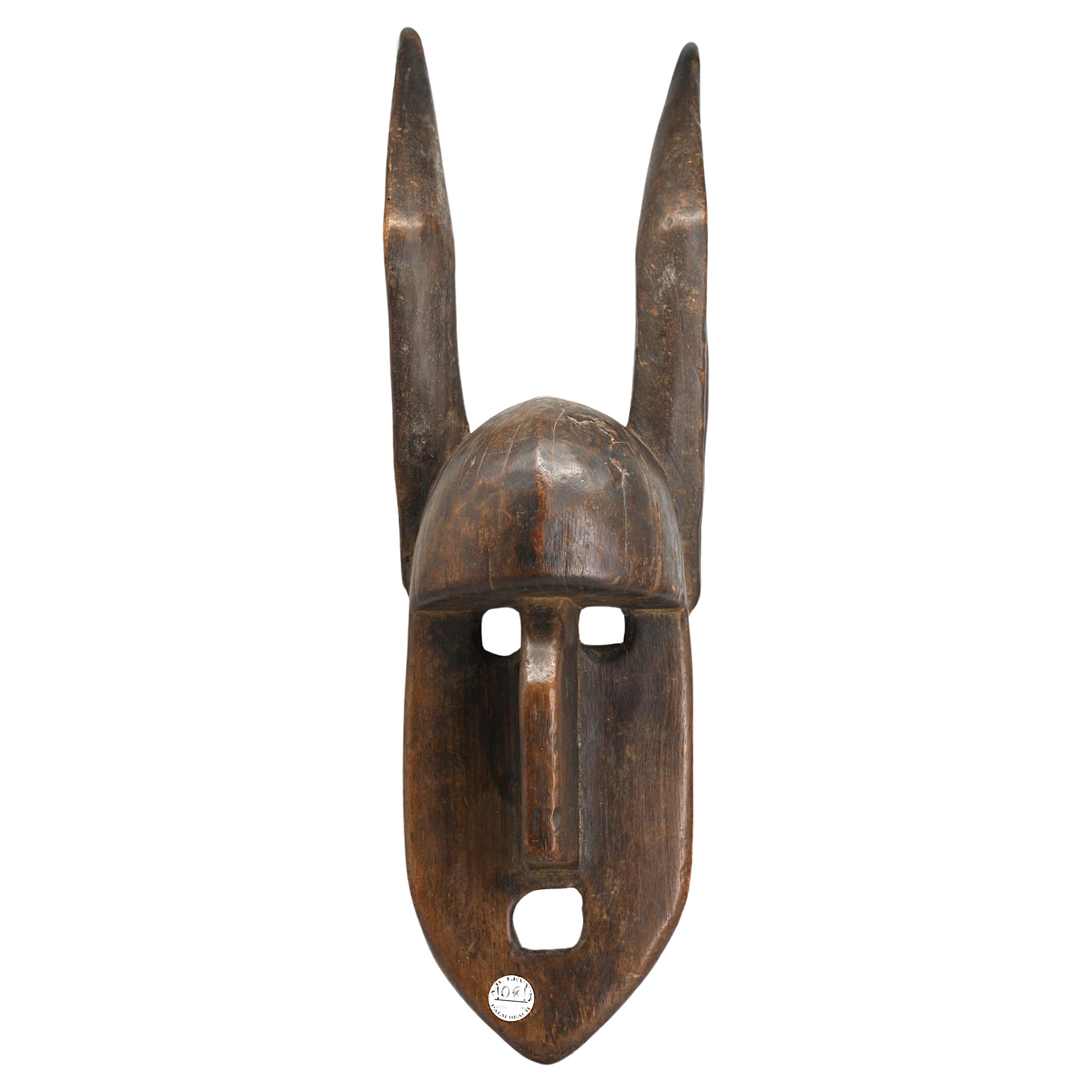
On offer is a striking Kore Suruku (Hyena) mask from the Bamana (Bambara) people of Mali, West Africa, dating from the early to mid-20th Century.
The Suruku (the hyena) is one of the most complex and symbolically charged figures in Bamana ritual thought. Its minimalist geometry and elongated proportions embody both animal and spirit, revealing the Bamana sculptor’s mastery of abstraction and symbolism.
Within Bamana culture, the Koré society is the highest level of male initiation, guiding men toward moral and spiritual maturity. Masks such as this one were integral to Kore performances, where each animal character embodies a lesson about human behaviour. The hyena serves as a trickster figure — clever, gluttonous, and deceitful — whose exaggerated traits are used to instruct initiates on restraint, discipline, and wisdom. During masquerades, the Suruku mask would have appeared in theatrical, often humorous performances that balance mockery and moral teaching.
This example showcases the defining elements of the Kore Suruku type: a long, geometric snout; two long, tapering ears that rise vertically from the head; and small, square eye apertures set deep under a prominent brow. The dark, oily patina is consistent with age and handling, showing areas of natural wear and smoothing. Two dark tar or resin-filled repairs, approximately two-thirds up the front of each ear, suggest careful ritual maintenance. Additional details include several old nails in the forehead, likely once securing attachments or amulets, and a hole at the tip of the snout, possibly for affixing animal hair or other ornamentation during use. Of note, there's a prominent split at the top back of the mask, between the ears (see photos).
Estimated date: Early to mid-20th century (circa 1920–1950).
Material: Wood, iron nails, resin/tar.
Origin: Bamana (Bambara) people, Mali.
This mask stands as a powerful example of Bamana abstraction; both a beautiful sculptural object and a vessel of cultural meaning, reflecting the moral and spiritual dimensions of Bamana initiation philosophy.
- Dimensions:Height: 17.33 in (44 cm)Width: 5.91 in (15 cm)Depth: 4.73 in (12 cm)
- Style:Tribal (Of the Period)
- Materials and Techniques:
- Place of Origin:Mali
- Period:
- Date of Manufacture:circa 1920–1950
- Condition:Wear consistent with age and use. Minor losses. Minor structural damages. Minor fading.
- Seller Location:London, GB
- Reference Number:Seller: African_Bamana_Mask_011stDibs: LU7068246941972
About the Seller
5.0
Vetted Professional Seller
Every seller passes strict standards for authenticity and reliability
Established in 2010
1stDibs seller since 2022
26 sales on 1stDibs
- ShippingRetrieving quote...Shipping from: London, United Kingdom
- Return Policy
More From This Seller
View All20th Century African Songye Nkishi Kifwebe Figure, Democratic Republic of Congo
Located in London, GB
For sale is this wonderful vintage African hand-carved Kifwebe association Figure (or "N'kishi"), originating from the Songye people of the Democratic Republic of Congo (formerly the...
Category
Late 20th Century Congolese Tribal Tribal Art
Materials
Metal
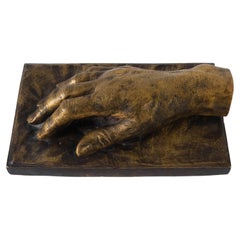
Antique French Lost Wax Cast Bronze Hand Sculpture of Richard Hudnut
Located in London, GB
For sale a magnificent early 20th Century gilt bronze sculpture, cast using the Lost Wax (in French, 'Cire Perdue') process. This fine sculpture is a cast of Richard Alexander Hudnut's hand and was produced by the renowned Montagutelli Frères foundry in Paris in 1912.
The sculpture is in very good vintage condition, signed "Richard Alexander Hudnut 1912" and carries the oval "Montagutelli Freres Paris Cire Perdue" foundry stamp to the underside.
Richard Alexander Hudnut (1856-1928) was an American businessman recognised as being the first American to achieve international success in cosmetics manufacturing. After graduating from Princeton University, he toured France and returned with the idea of introducing French-style perfumes and cosmetics to American women. The Richard Hudnut company once maintained separate US and European headquarters on Fifth Avenue in New York City and on the Rue de la Paix in Paris, respectively. Although his fortune had been built around cosmetics and beauty products...
Category
Early 20th Century French Art Nouveau Figurative Sculptures
Materials
Bronze
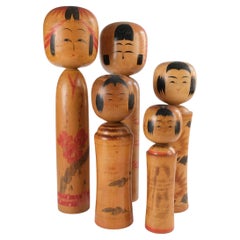
Vintage Set of 5 Traditional Hand-Painted Japanese Kokeshi Dolls, c.1950s
Located in London, GB
For sale is a vintage set of five traditional Japanese wooden 'Naruko' and 'Togatta' style "Kokeshi" dolls, dating from circa the mid-20th century.
Consisting of five different-siz...
Category
Mid-20th Century Japanese Edo Sculptures and Carvings
Materials
Wood
$1,069 Sale Price / set
20% Off
Jake Chapman
ME MYSELF AND EYE
Unique Hand-Painted Signed
Numbered AP, 2022
Located in London, GB
For sale, is a signed and numbered unique limited edition Artist's Proof, titled "ME MYSELF AND EYE" by Jake Chapman and produced in 2022.
The work is numbered 16 from an edition of...
Category
2010s British Contemporary Art
Materials
Paint, Paper
Jake Chapman
ME MYSELF AND EYE
Unique Hand-Painted Signed
Numbered AP, 2022
Located in London, GB
For sale, is a signed and numbered unique limited edition Artist's Proof, titled "ME MYSELF AND EYE" by Jake Chapman and produced in 2022.
The work is numbered 20 from an edition of...
Category
2010s British Contemporary Art
Materials
Paint, Paper
Rare Mid-Century Gino Sarfatti Model 600P Lamp for Arteluce, Italy 1966
By Arteluce, Gino Sarfatti
Located in London, GB
For sale is an iconic and extremely rare orange 600P table lamp by GINO SARFATTI, designed in 1966 and produced by Arteluce of Italy.
Thanks to its lead-filled weighted pouch base, the lamp can be placed at any angle and the reflector shade can be rotated to direct light in any direction. Made of lacquered aluminium and synthetic leather, the light is in excellent overall condition, with some minor chips to the paintwork, but absolutely nothing to detract (see photos).
Gino Sarfatti’s 600P...
Category
Mid-20th Century Italian Mid-Century Modern Table Lamps
Materials
Aluminum

You May Also Like
African Katanda Mask – Lega Tribe, DR Congo – Mid 20th Century
Located in Ljubljana, SI
Bring a piece of African heritage into your space with this authentic vintage Katanda mask from the Lega people of DR Congo. Hand-carved in the mid-20th century, this tribal mask is ...
Category
Vintage 1950s Congolese Tribal Masks
Materials
Hardwood
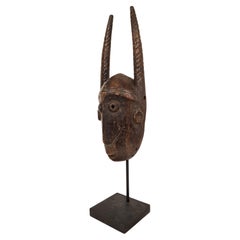
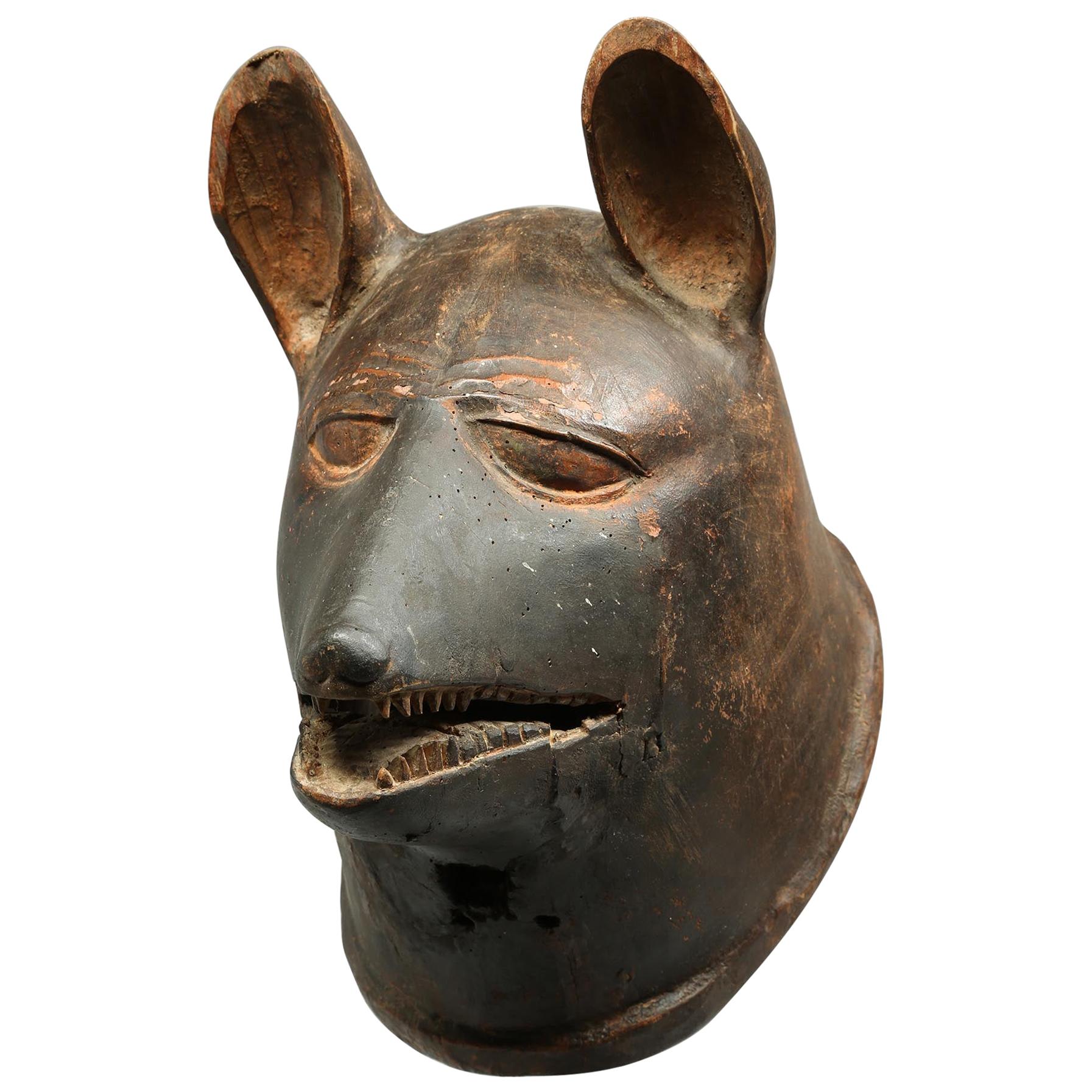
Striking Makonde Animal Helmet Mask, Dog or Hyena, Tanzania, Early 20th C.
Located in Point Richmond, CA
Striking Makonde animal helmet mask, dog or hyena, Tanzania. Early 20th century with dark patina from traditional tribal use, wear inside from being used. Finely carved features, wit...
Category
Early 20th Century Tanzanian Tribal Sculptures and Carvings
Materials
Wood

$1,400 Sale Price
20% Off
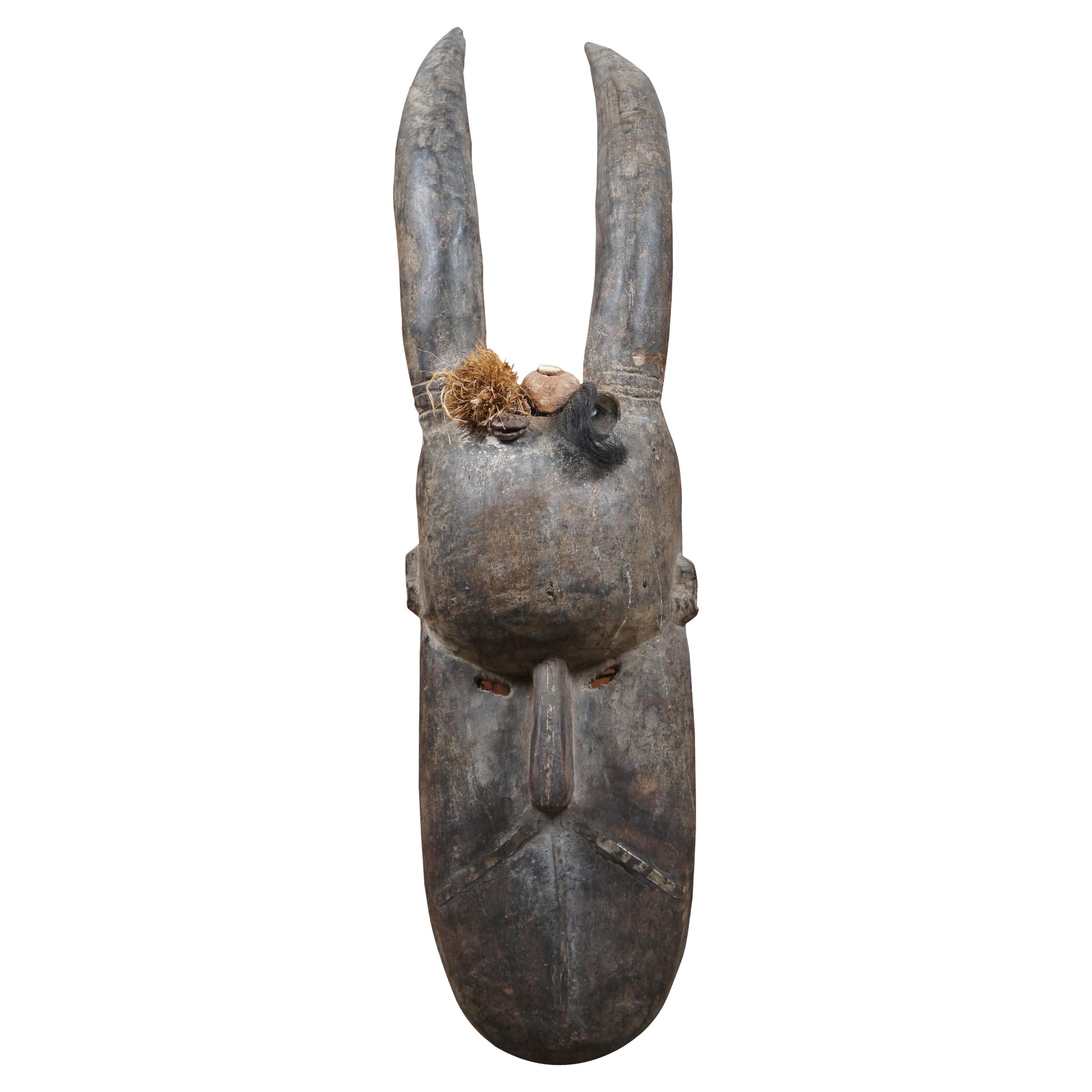
Antique African Carved Toma Landai Tribal Ceremonial Mask Guinea Art Horns
Located in Dayton, OH
Early antique hand carved Toma or Landai mask from Guinea, Africa. “These brooding, often quite large, masks represent a forest spirit, Landai. Masks lik...
Category
Early 20th Century Tribal Masks
Materials
Raffia, Hardwood
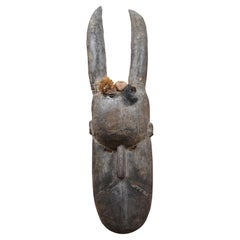
Bobo Uele Mask, Bwa, North Burkina Faso, First Half of 1900s
Located in Stockholm, SE
Bobo Uele Mask in hand-carved wood from the Bwa tribe in northern part of Burkina Faso. Antilope-shaped mask with human-like face. Painted with white and black color.
Provenance:...
Category
Early 20th Century Burkinabe Tribal Sculptures and Carvings
Materials
Wood
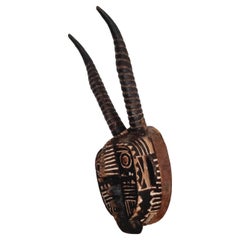
Bamana Notomo Ceremonial Wood Dance Mask
Located in West Palm Beach, FL
Bamana Notomo Ceremonial Wood Dance Mask
Height 23 in., Width 7 in., Depth 6.5 in.
Provenance: Formerly the Property of Lynn University
Gift of Walter P. Scott, MD
Category
20th Century Animal Sculptures
Materials
Wood
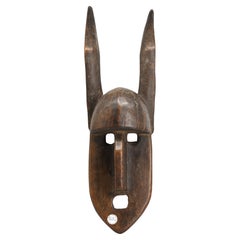
Handcarved Beninese Tribal Mask
Located in Miami, FL
Acquired from Albert F. Gordon's Tribal Arts Gallery in Manhattan in the early 1970s, this is a handcarved wood mask that measures approximately 11.75" wide, 6.25" deep, and 17.75" t...
Category
Early 20th Century Beninese Tribal Wall-mounted Sculptures
Materials
Fruitwood