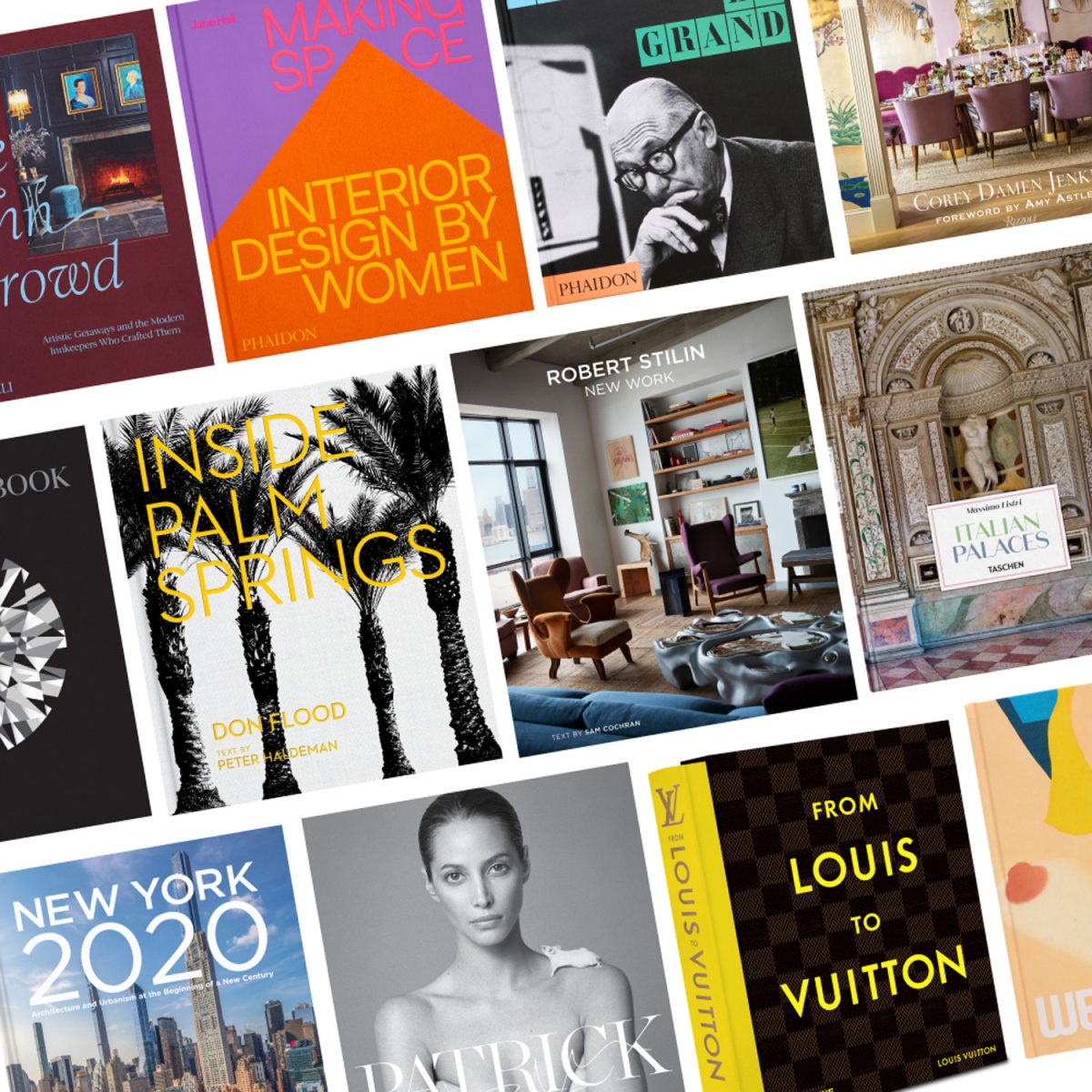
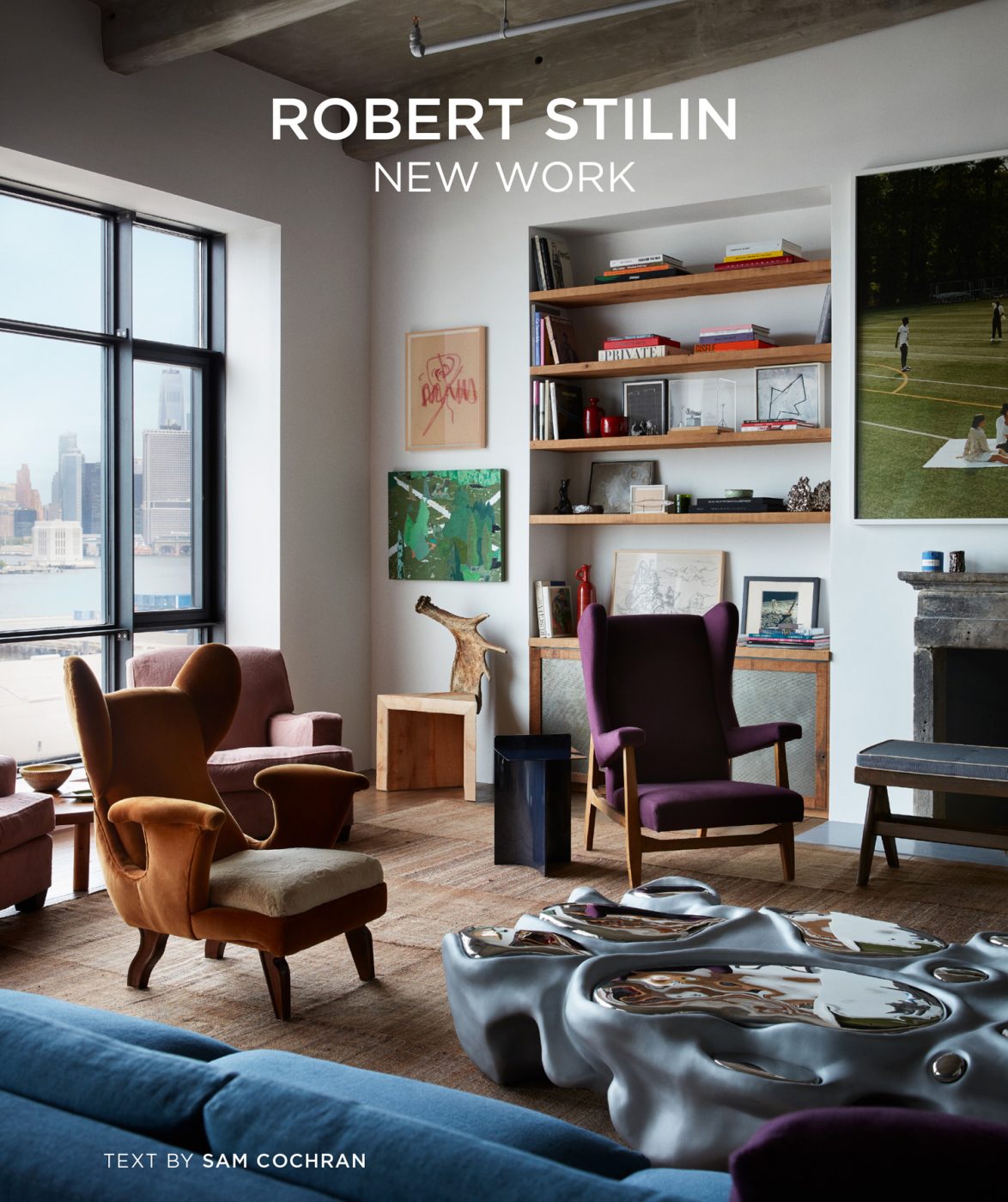
Robert Stilin: New Work

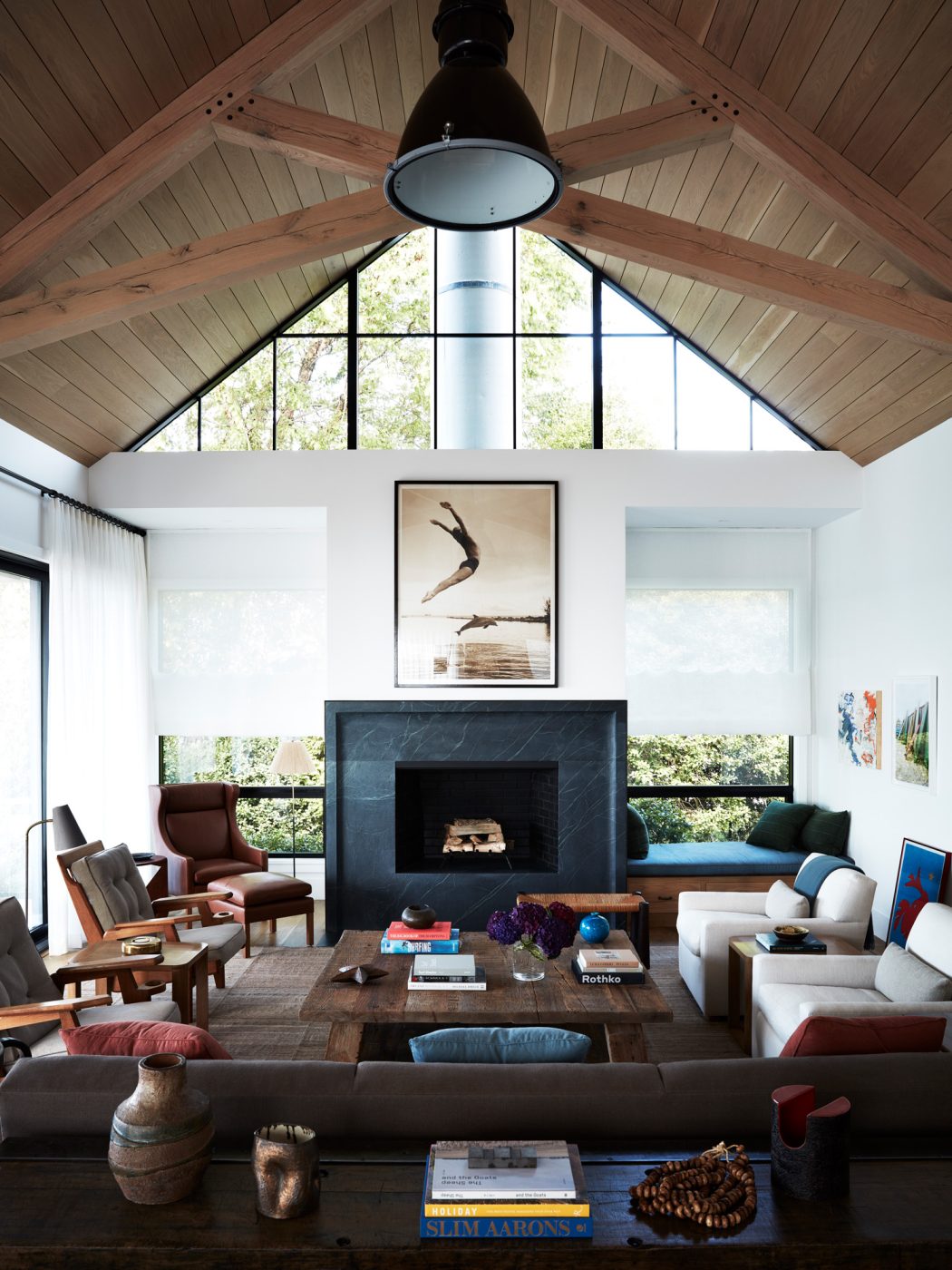
December 7, 2025Unfussy, chic and full of surprises, interiors by the New York–based Robert Stilin get a stellar showcase in this Vendome offering, coming six years after his first book. Two of the projects featured are his own homes: a large loft in Brooklyn (Stilin is even pictured in his bathtub there) and a Hamptons retreat.
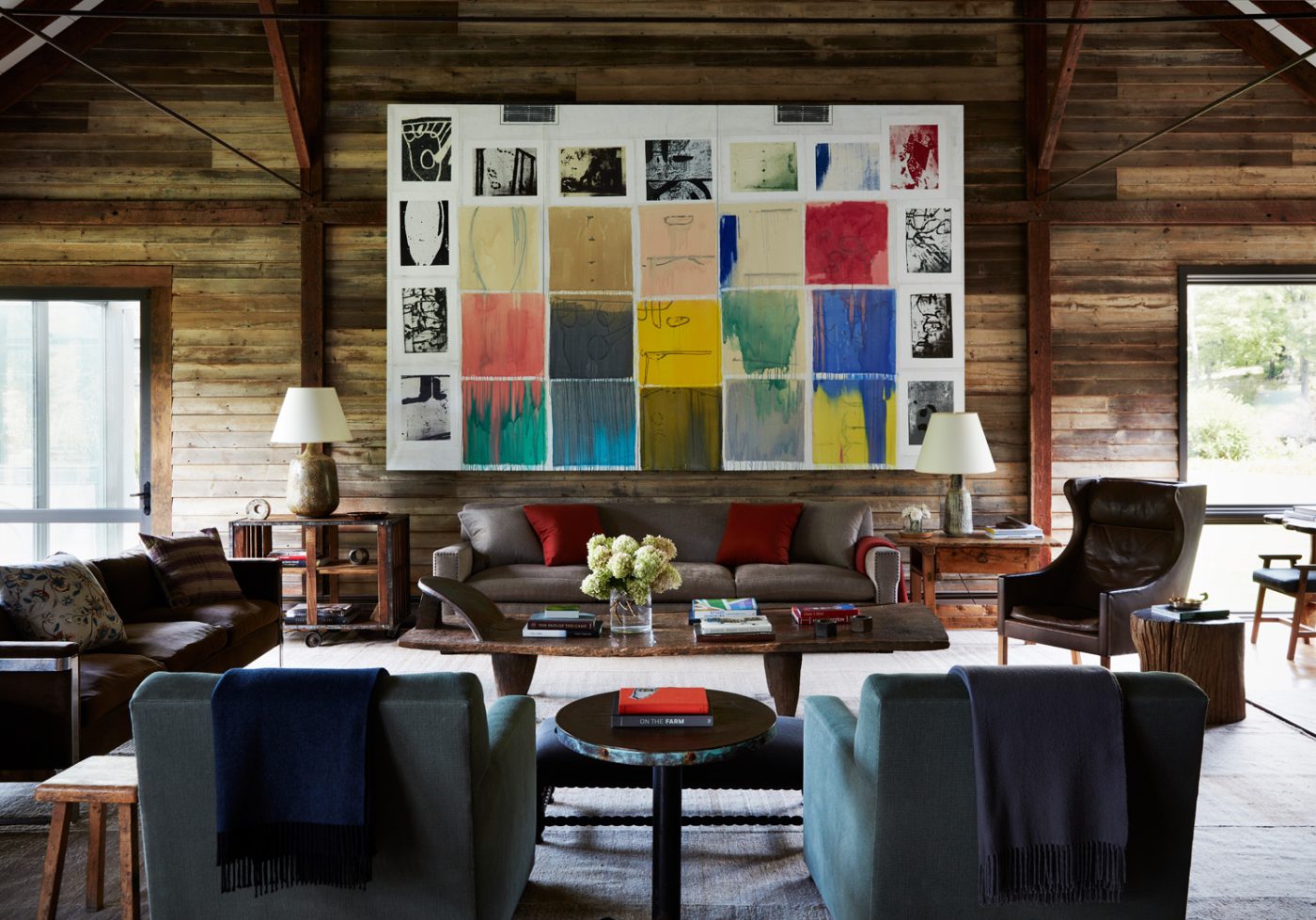
The rest range geographically from Seattle to Florida and Kentucky, many of them employing a range of subtle blue tones and all of them filled with the chic vintage furniture and expertly curated art that is Stilin’s trademark. The appreciative text, by Architectural Digest’s global features director, Sam Cochran, breaks down Stilin’s decorating wizardry, describing specifics like rhythmic furniture arranging but never ruining the magic trick.
From Louis to Vuitton
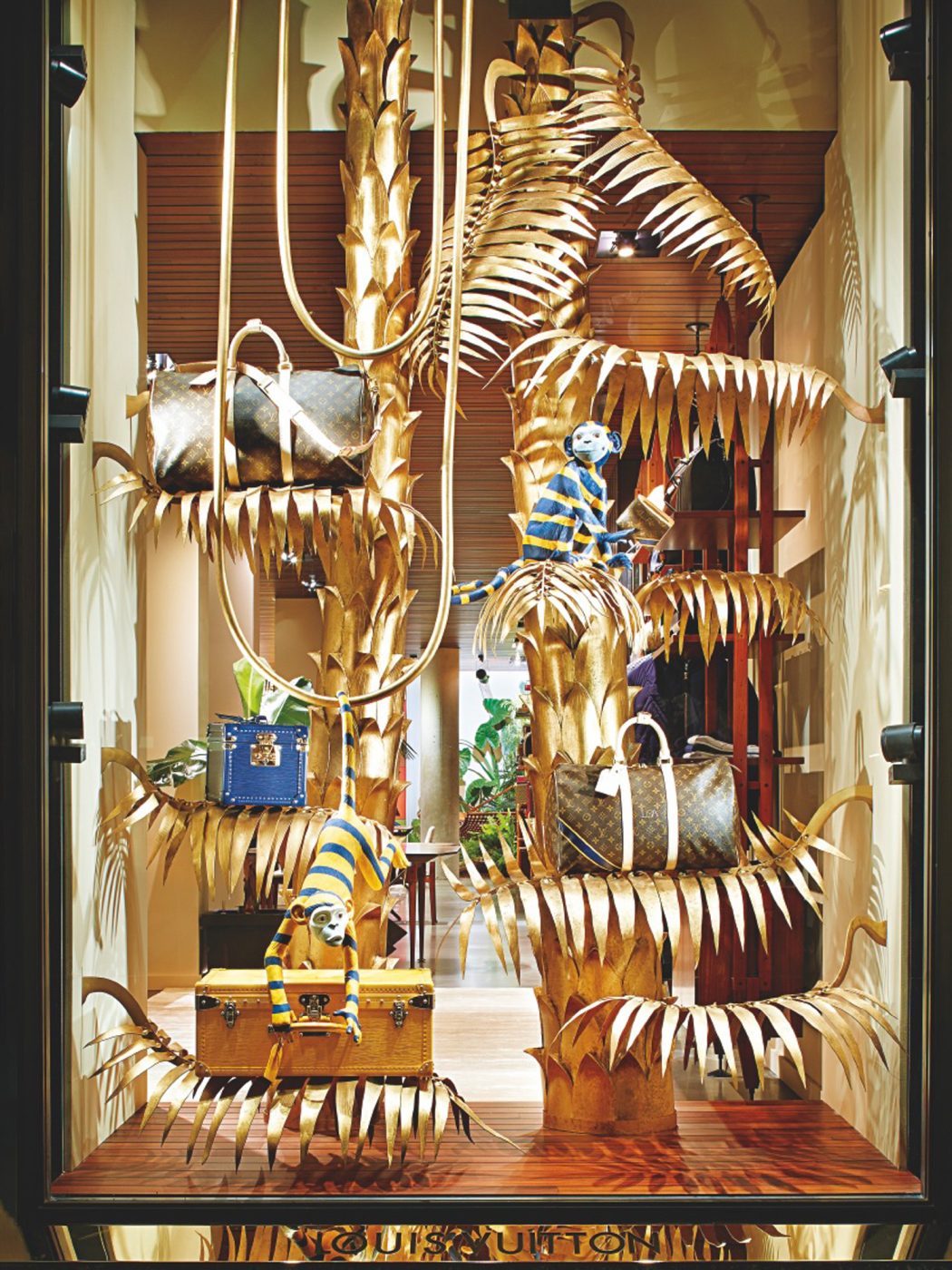

Brands come and go, especially these days, but Louis Vuitton seems to be eternal. This new Assouline volume, with text by writer and filmmaker Arthur Dreyfus, takes readers on a heavily illustrated journey, beginning in the 1850s in the workshop of the original Vuitton, in Asnières, France. The book — a vibrant and hefty yellow tome with a slim slipcase — is designed to be a collectible objet in and of itself. And creatives as diverse as Jeff Koons, Catherine Deneuve and former LV designer Marc Jacobs are on hand to explain why the name means something special. The charming old drawings and advertisements included look just as punchy as the contemporary Vogue photos of more recent campaigns.

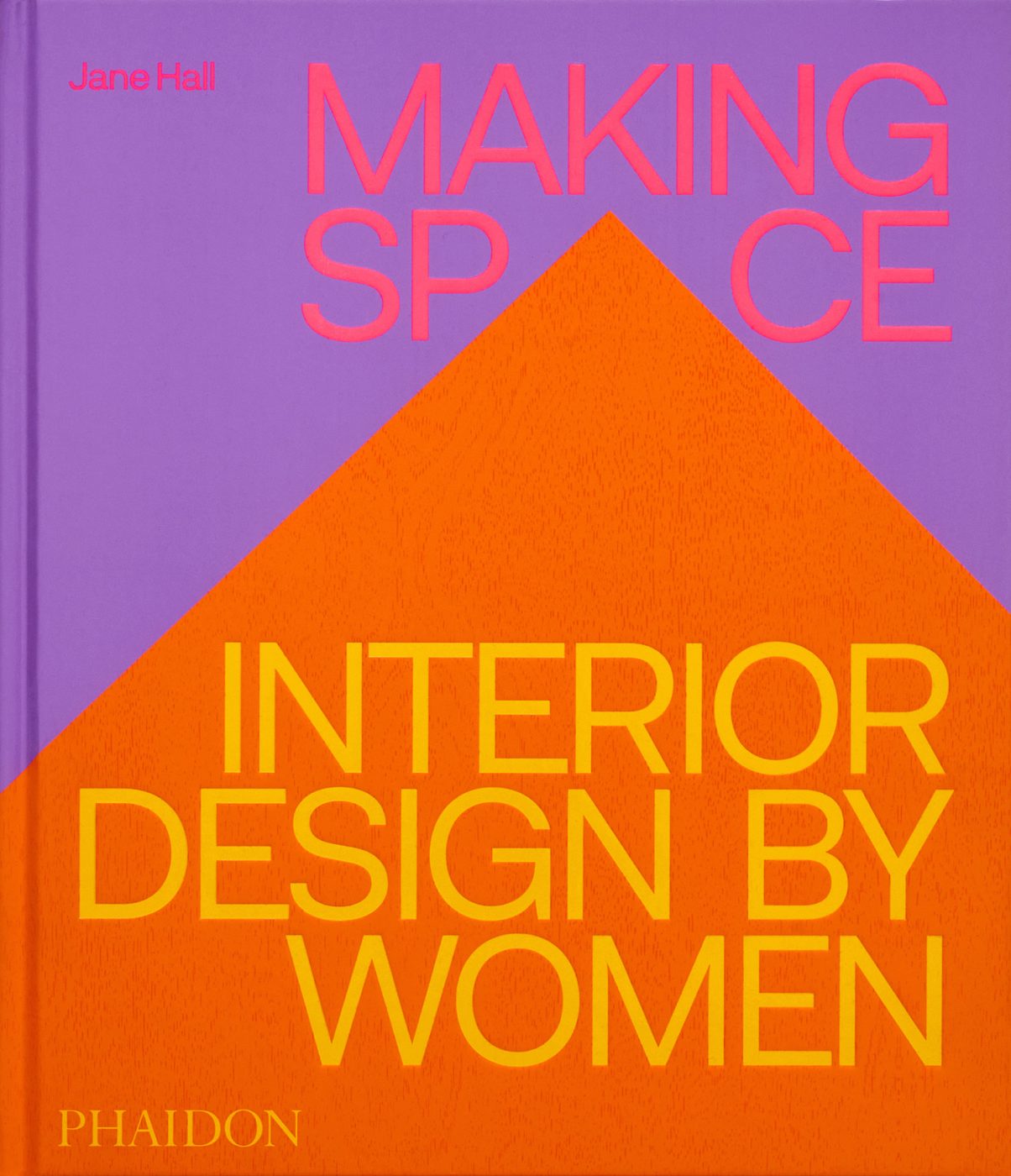
Making Space: Interior Design by Women
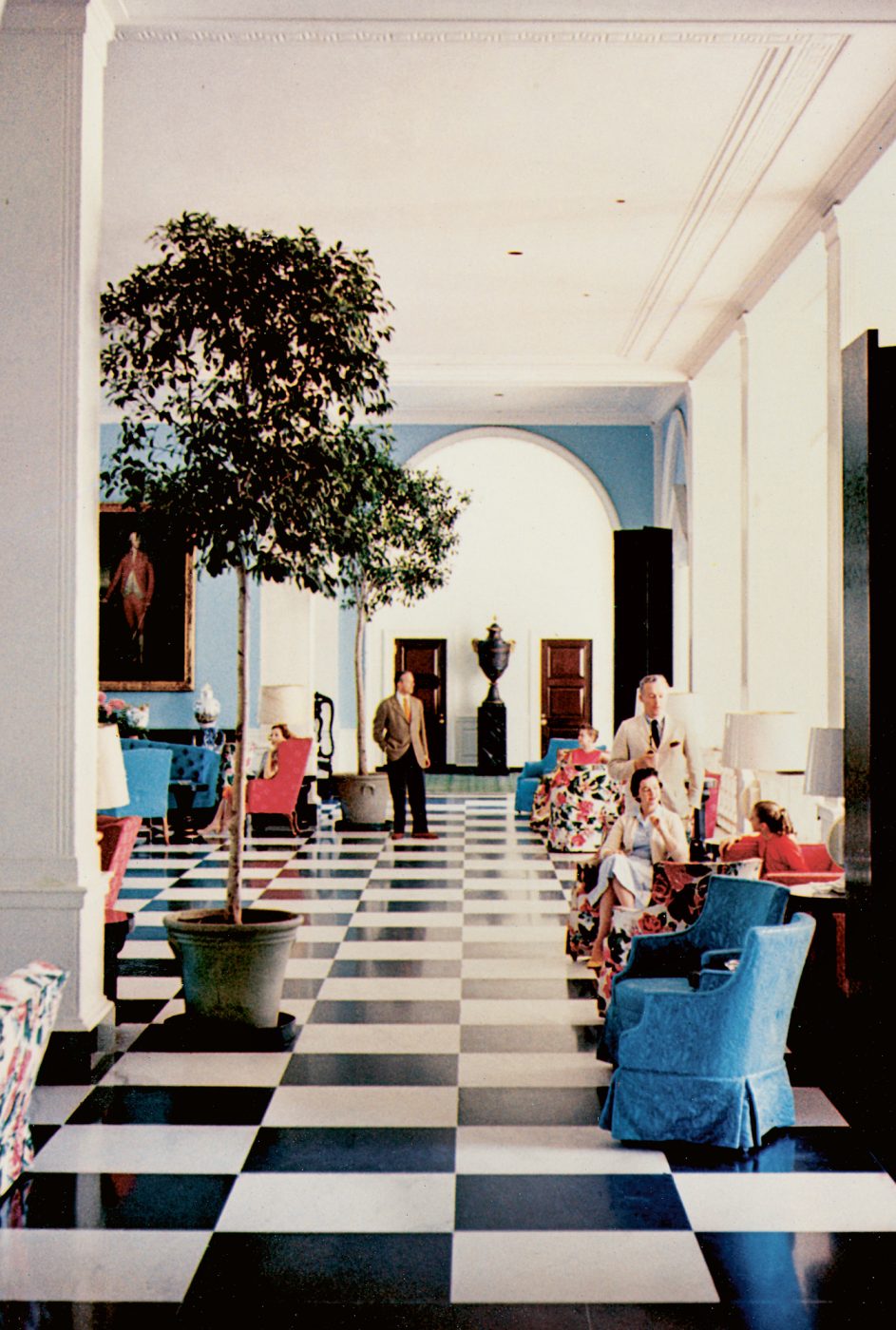
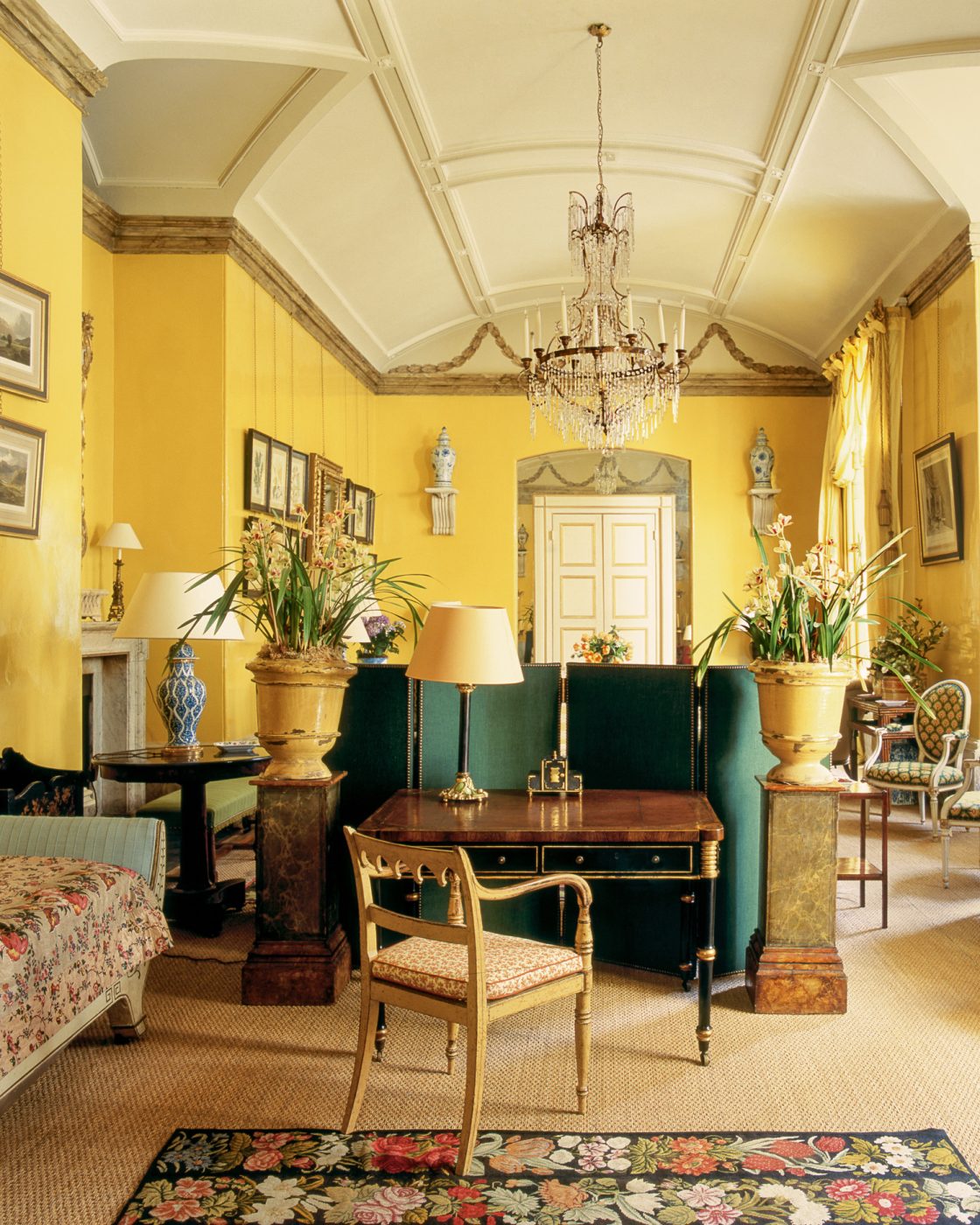
In this new Phaidon release, the British architect and academic Jane Hall takes a wide-ranging look at a topic truly hiding in plain sight: decor by women through the ages. Each designer is represented by one project, allotted a short text and a photograph. Noting that decorating wasn’t even considered a serious pursuit at first, Hall starts with the profession’s earliest practitioners, like Edith Wharton, Elsie de Wolfe and Sister Parish, moving on through the 20th century and into our current one.
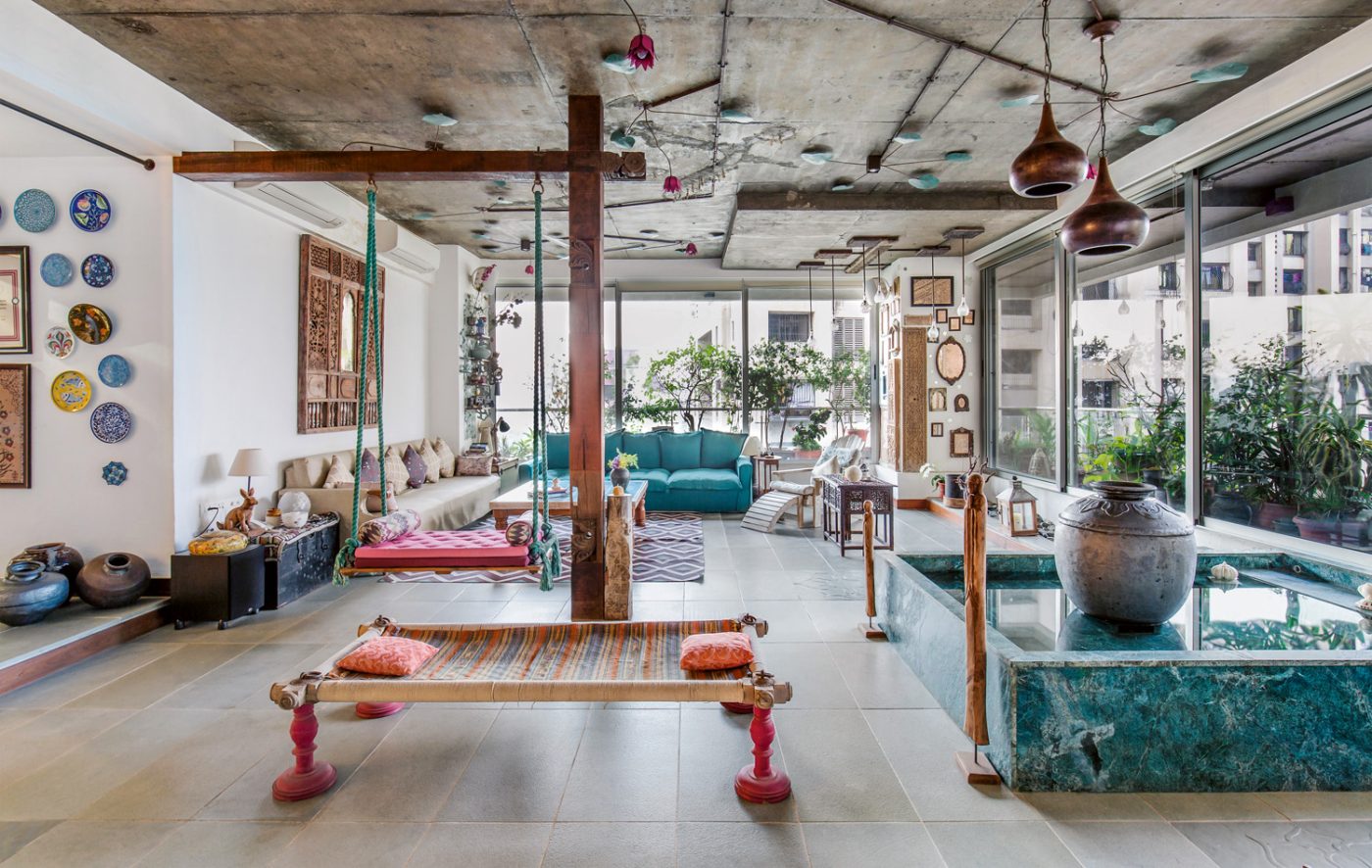
By keeping an orderly timeline, Hall reveals the design roots of such current stars as Rose Uniacke, Pamela Shamshiri, Muriel Brandolini and Nicole Hollis. While taking a feminist perspective, she reminds us of the universal truth that an interior is “shaped by those who create and occupy it, expanding the possibilities for reimagining the self.”
Tom Wesselmann: The Great American Nude
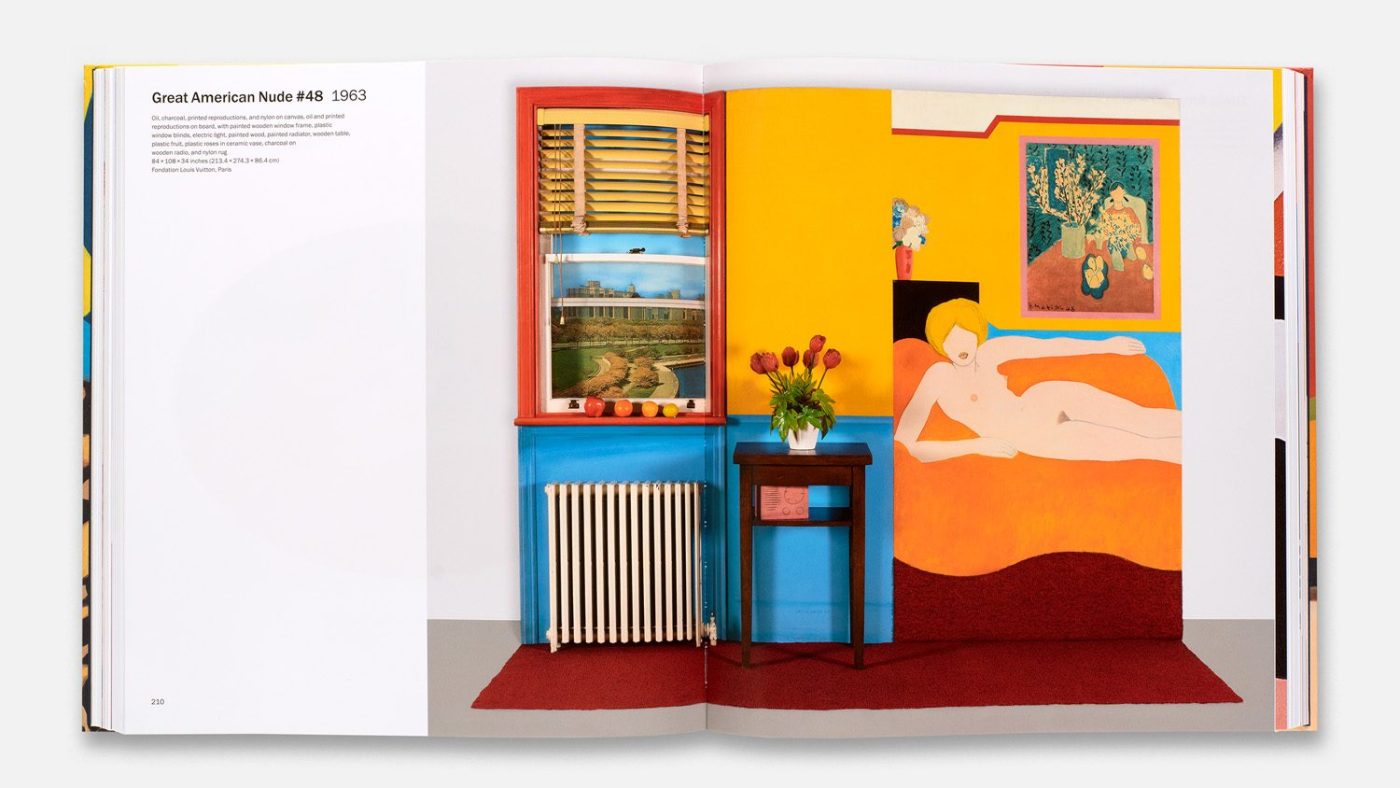
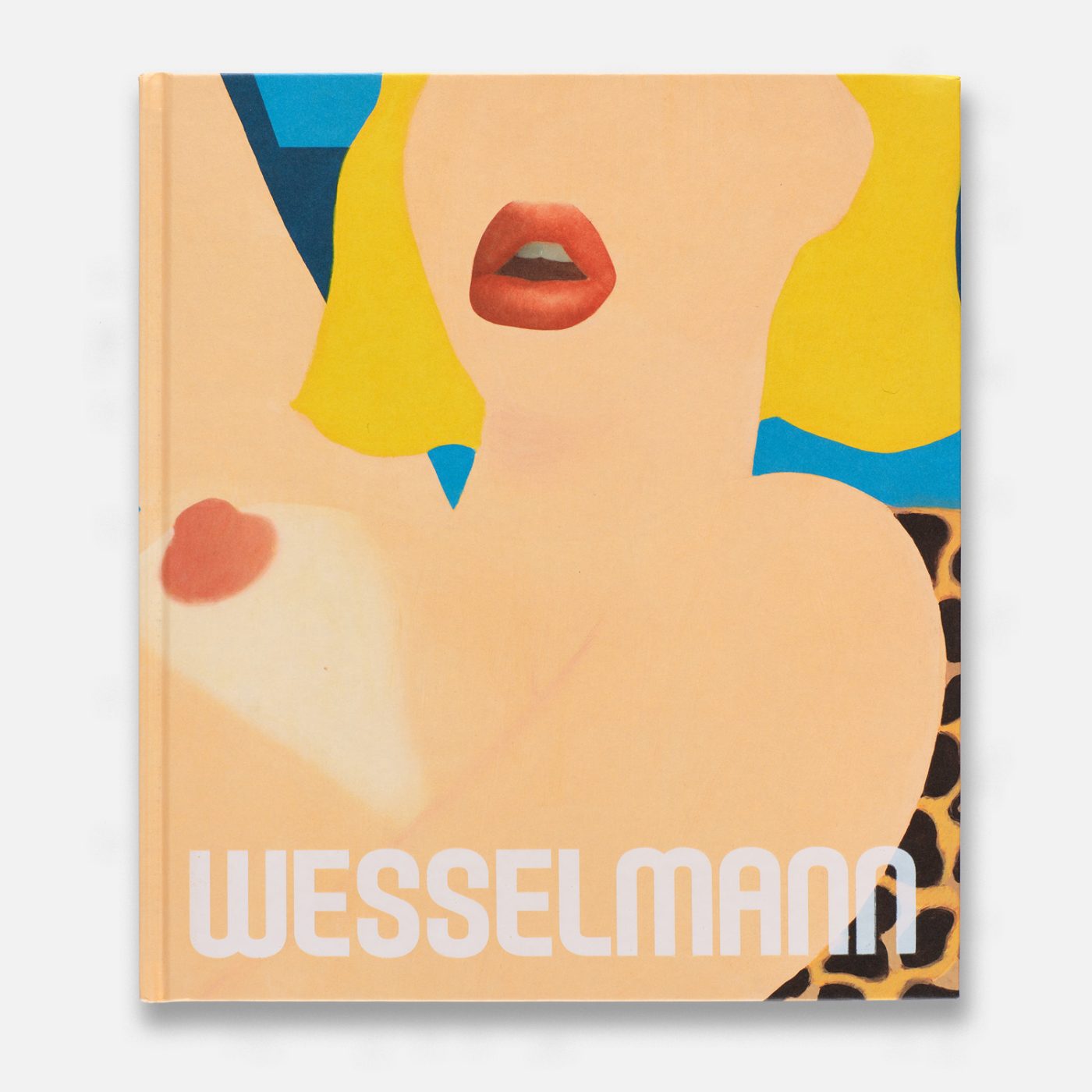
Coffee-table books can have heft beyond their literal weight. This Rizzoli monograph is a deep dive into an important series, created in the 1960s and early 1970s, by Tom Wesselmann (1931–2004), a top Pop artist. Anyone who saw the show of his work at the Louis Vuitton Foundation, in Paris, last year knows that Wesselmann took the age-old subject of the nude and made it thoroughly modern, deploying a collage-like style and a surprisingly textural use of materials other than paint (silk, wallpaper and even linoleum). Contributors Susan Davidson, Rachel Middleman and Lauren Mahony explore not only the complex works themselves but also the process and the thinking that went into them.
The Jewelry Book

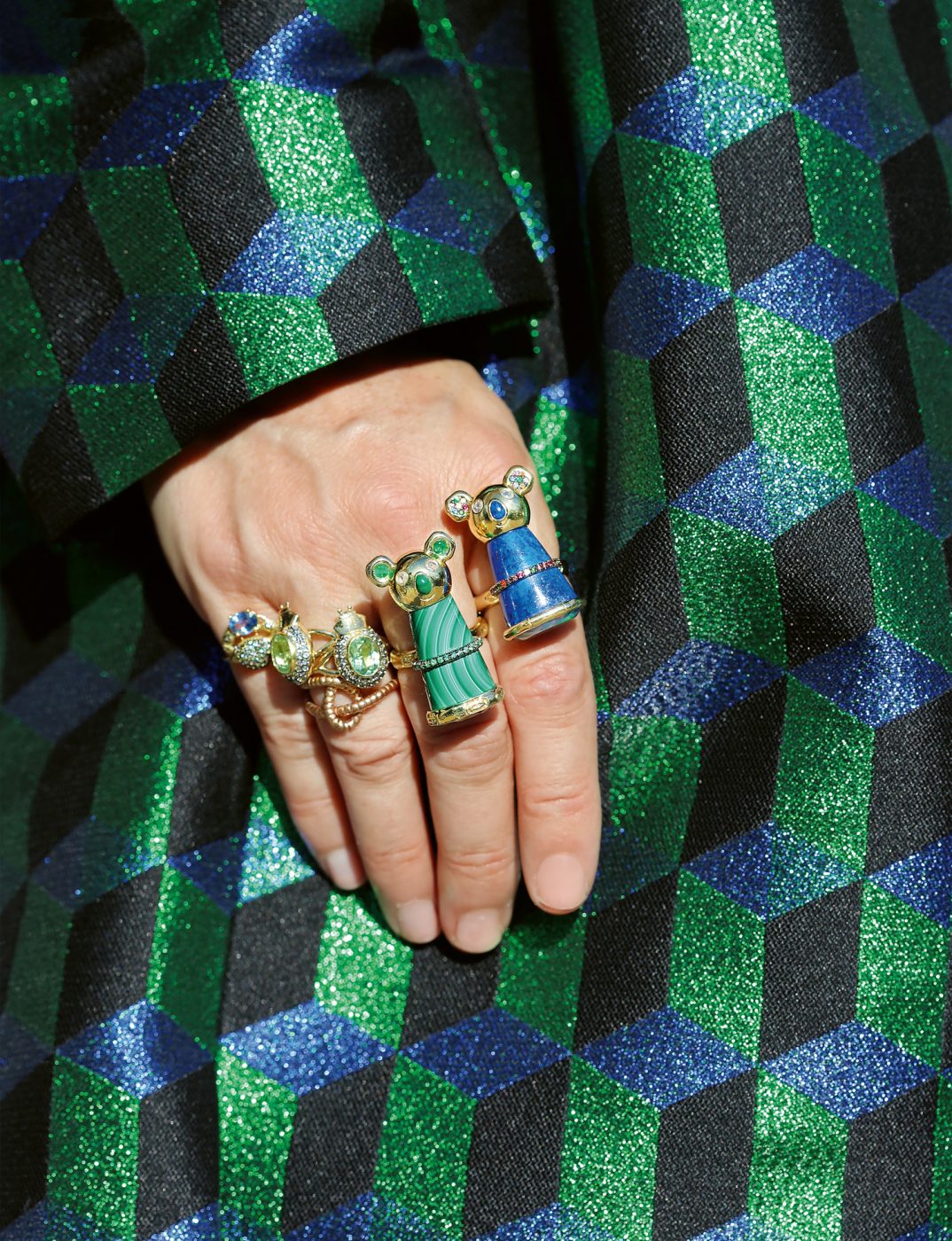
Taking on the whole world of jewelry is a challenge. It requires an encyclopedic approach, which Melanie Grant pulls off with élan in this large and handsome Phaidon book, a no-brainer gift option for a variety of recipients, given its breadth. Grant, a luxury-focused journalist based in London, covers the waterfront, from Adler (the Swiss jeweler) to Zendaya (the actress and face of Bulgari). Some entries are about the designers and makers of sparkling creations, others explore the wearers and appreciators. Even if you aren’t ready to concede that jewelry is, in Grant’s words, “the most enduring expression of freedom that exists in material culture,” your eye will be dazzled and satisfied.

Massimo Listri. Italian Palaces
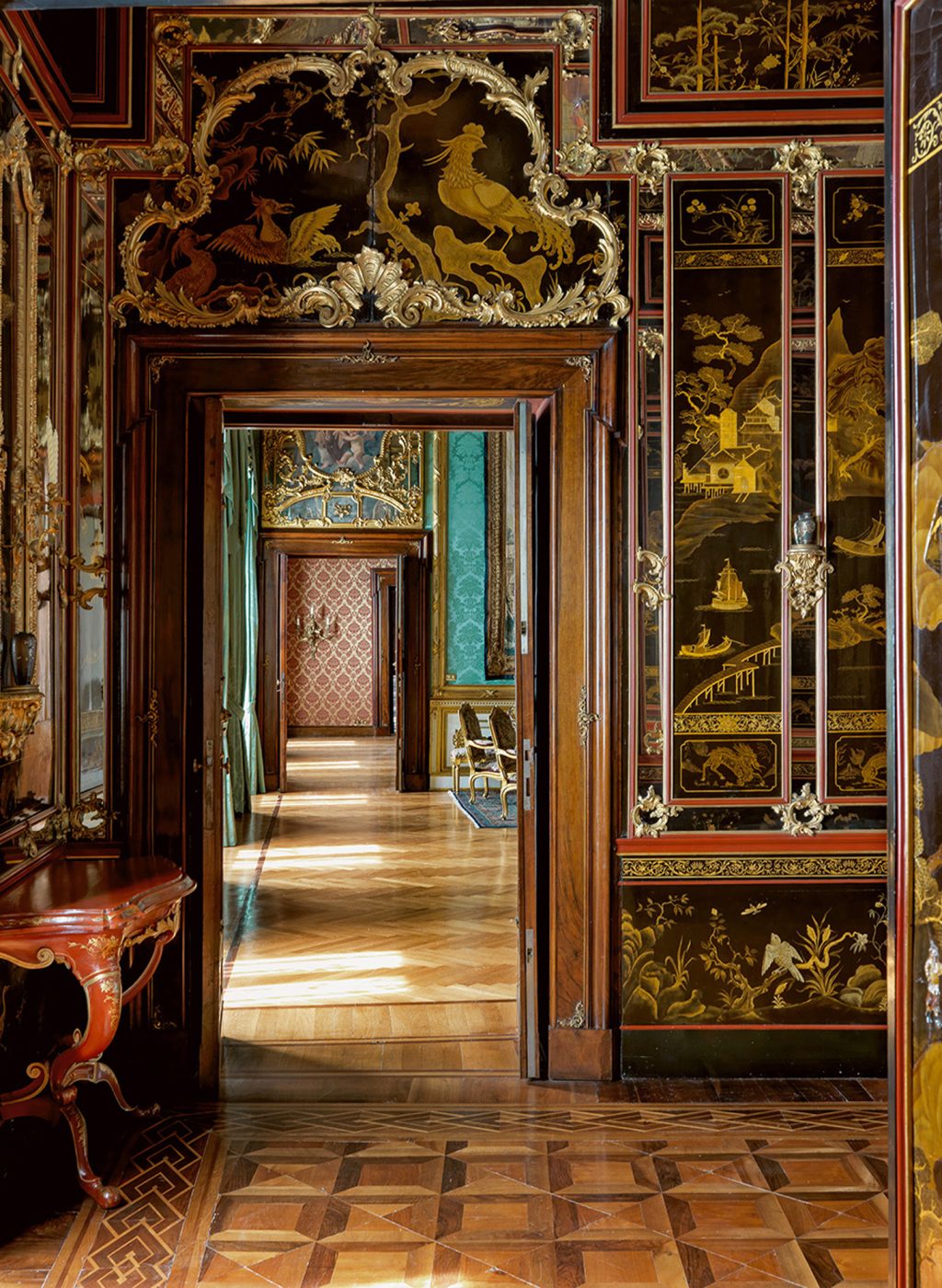
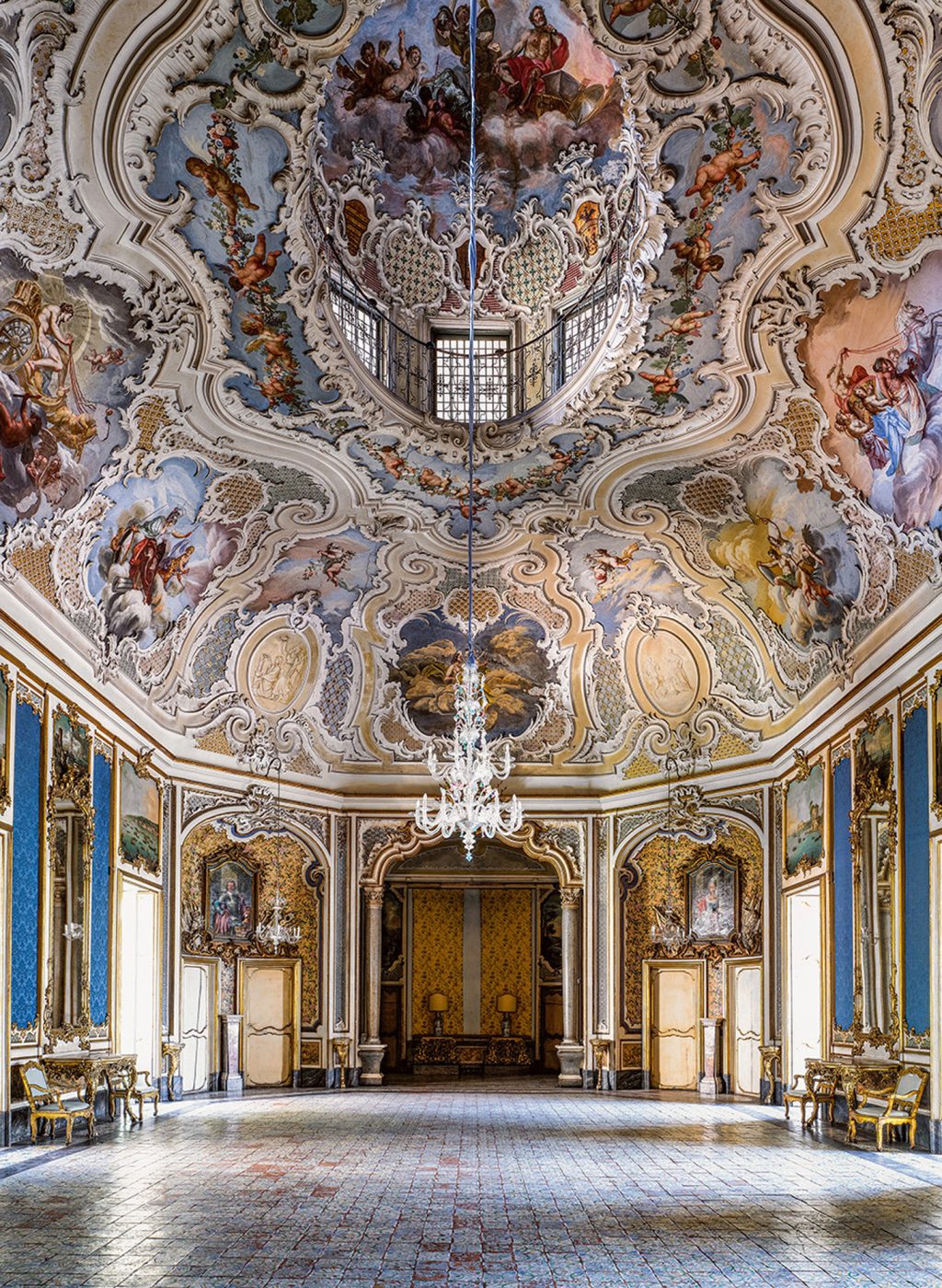
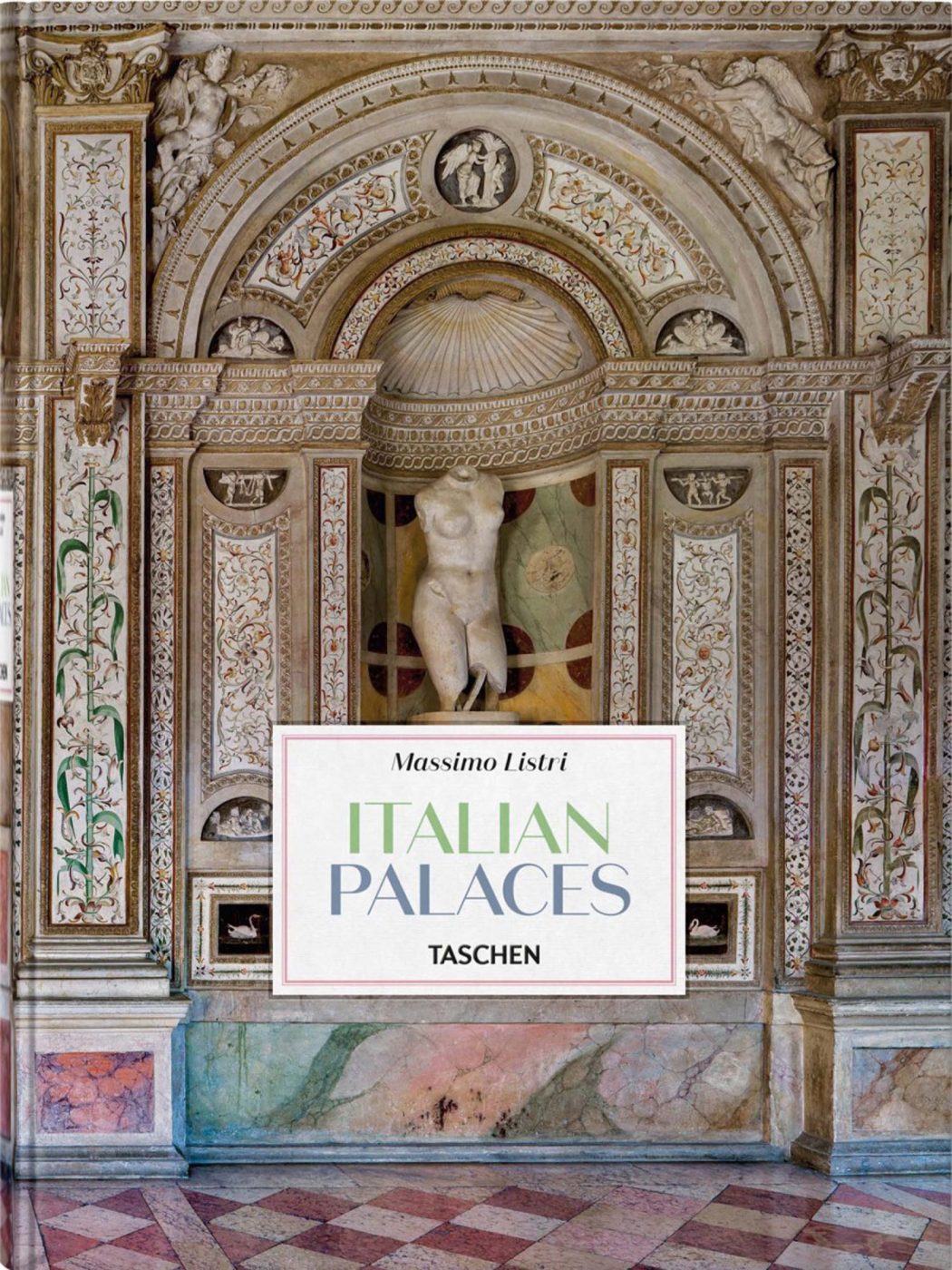
Fans of frescoes and fluted columns will sink into this Taschen tome, with its sumptuous images by veteran lensman Massimo Listri, as into a warm bath. As ornate as the palazzos are, the book’s arrangement is simple. Divided into three parts, corresponding to the country’s north, central and southern regions, it finds room for examples that range from the fairly famous (Rome’s legendary Farnese Palace) to those that should perhaps be better known (the hidden gems of Palermo, Sicily). Readers can just enjoy the transporting pictures and accompanying captains or delve into the scholarly details through the essay by architectural historian Robert Stalla, which traces changes in the form from the 13th through the 18th century.
Patrick Demarchelier: Fashion Photographs Seen and Unseen

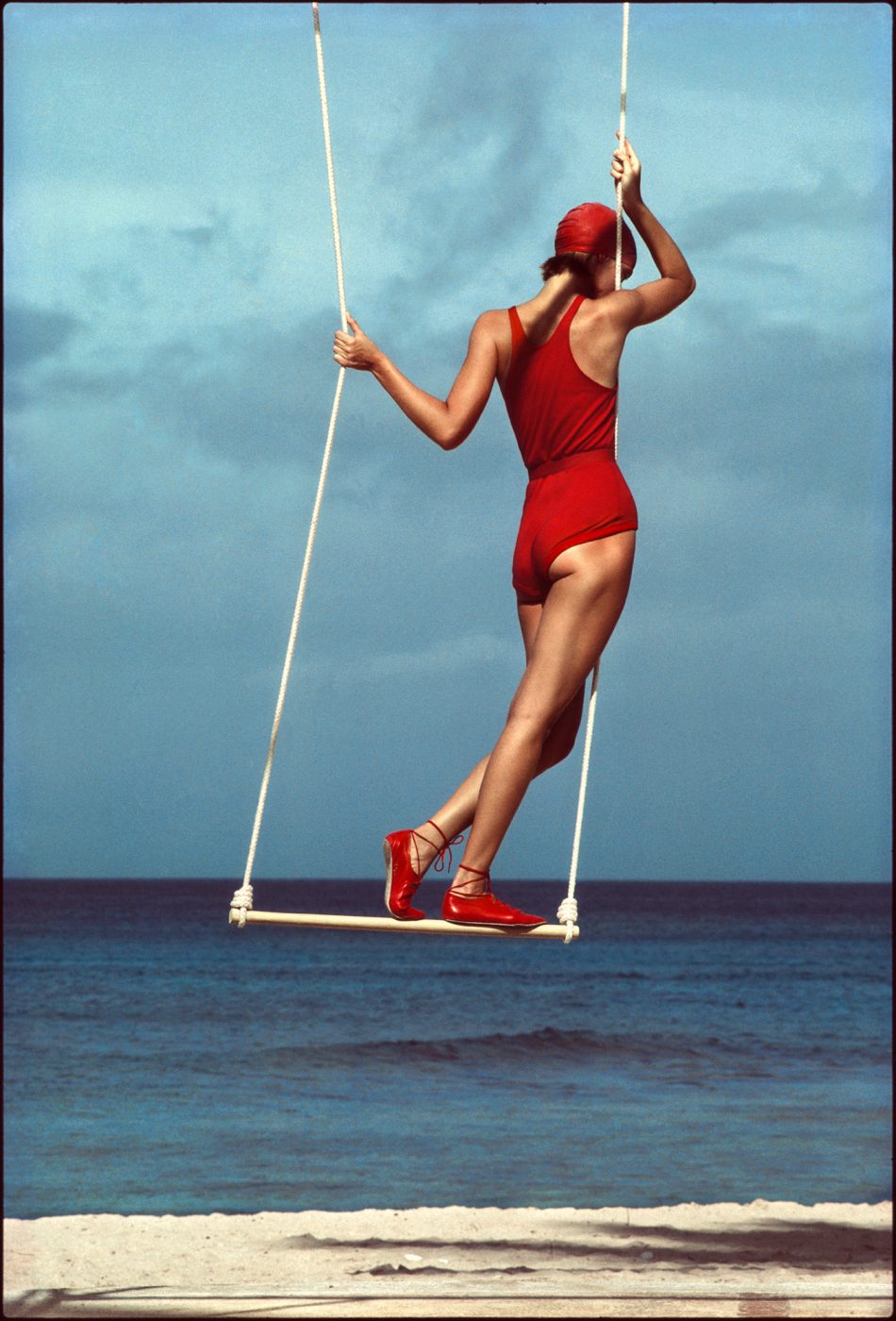
With plates chosen by acclaimed art director Fabien Baron and a thoughtful essay by biographer Brad Gooch, this Rizzoli book does justice to the legendary Patrick Demarchelier (1943–2022), who ranks at the top of the best fashion photographers of all time. Part of the last generation to shoot exclusively on film, Demarchelier covered seemingly the entire world of fame and fashion for 45 years in the pages of Vogue, Harper’s Bazaar and other glossies. His Princess Diana images in particular are eternally iconic. They are included, but so are pictures never before seen, including the contact sheets from shoots featuring such famed models as Linda Evangelista. At the end, Demarchelier’s son, Victor, interviews top collaborators like Grace Coddington, Kate Moss and Renée Zellweger. As frequent subject supermodel Cindy Crawford puts it, he simply “captured women at their best.”

Le Corbusier: Le Grand
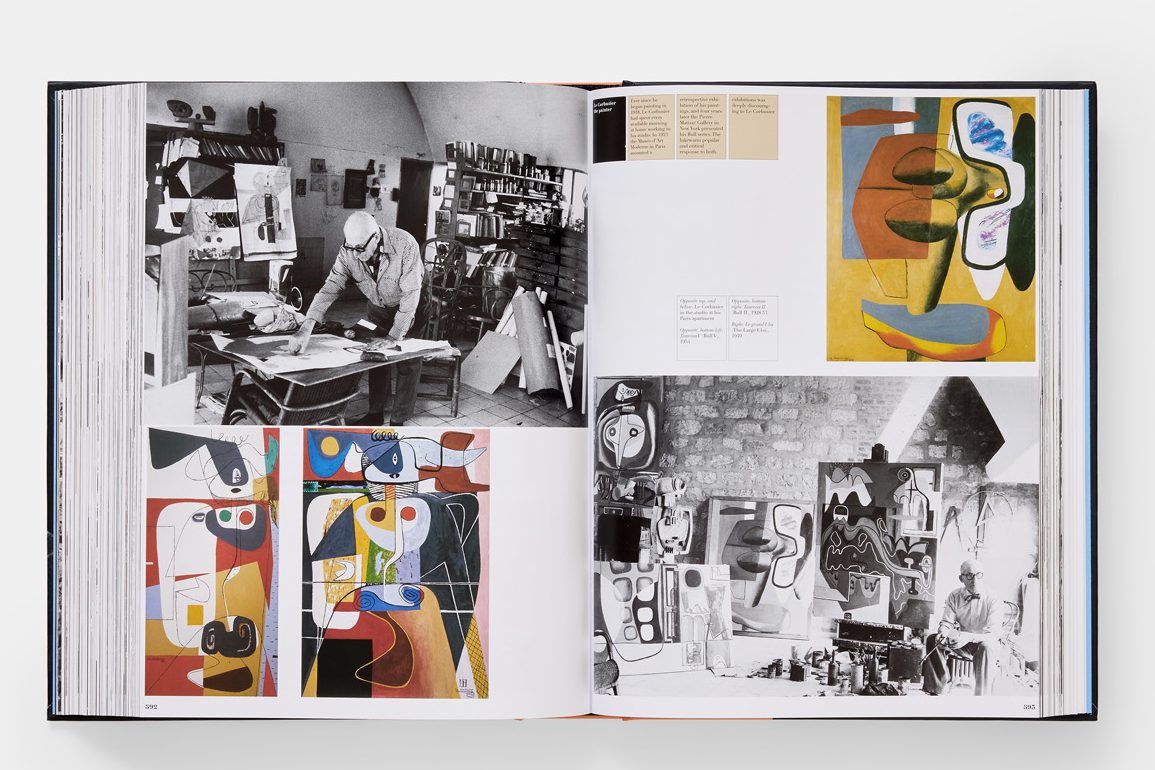
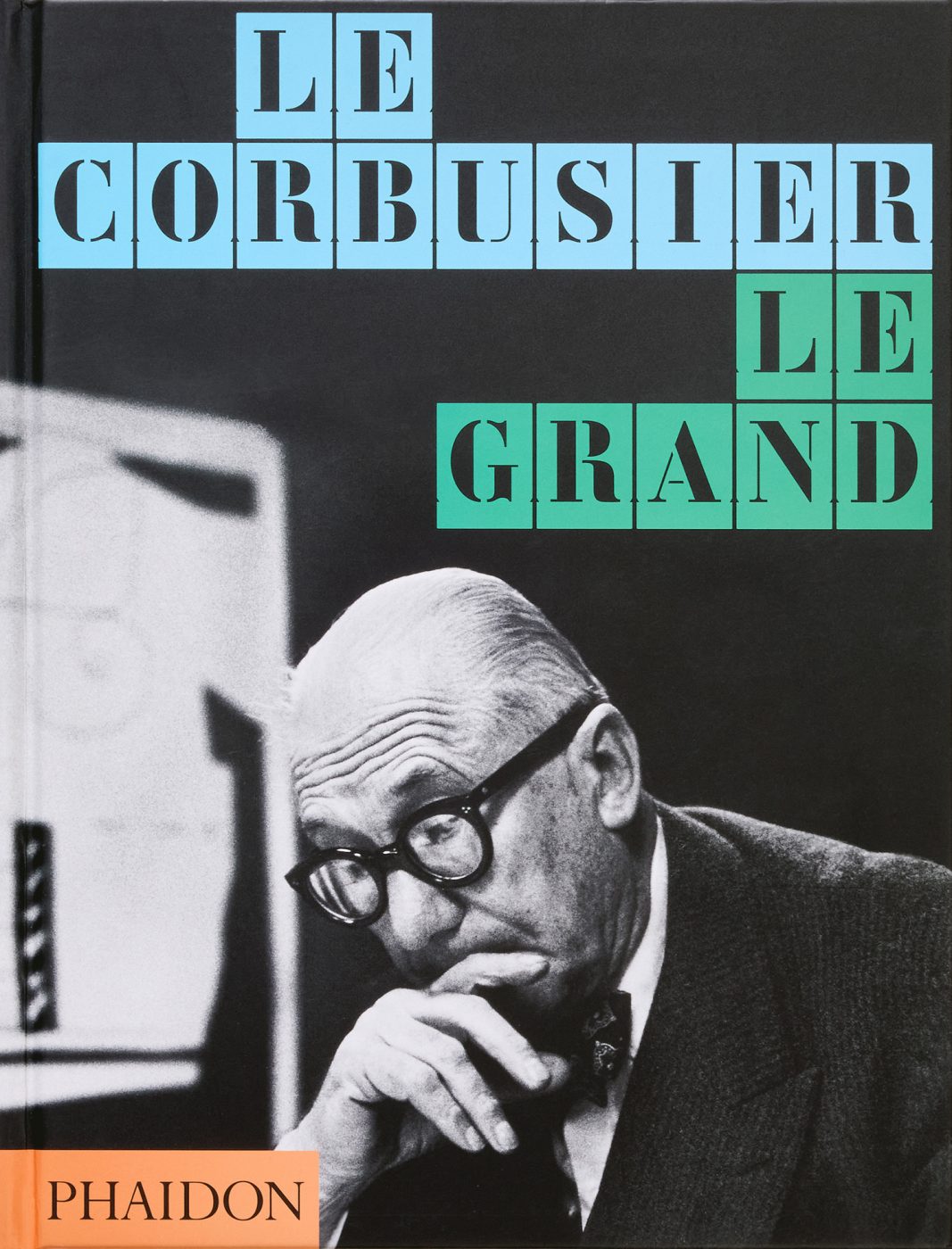
Known for crafting breathtakingly spare modernist structures like the Villa Savoye, outside Paris, and for codesigning the United Nations Secretariat Building, Le Corbusier gets a jam-packed, scrapbook-style treatment in this oversize volume, which Phaidon is rereleasing after nearly 20 years. The late Jean-Louis Cohen contributed a concise introduction to the designer — born Charles-Édouard Jeanneret in France’s Jura region — whom he memorably calls “a man of geometry.”
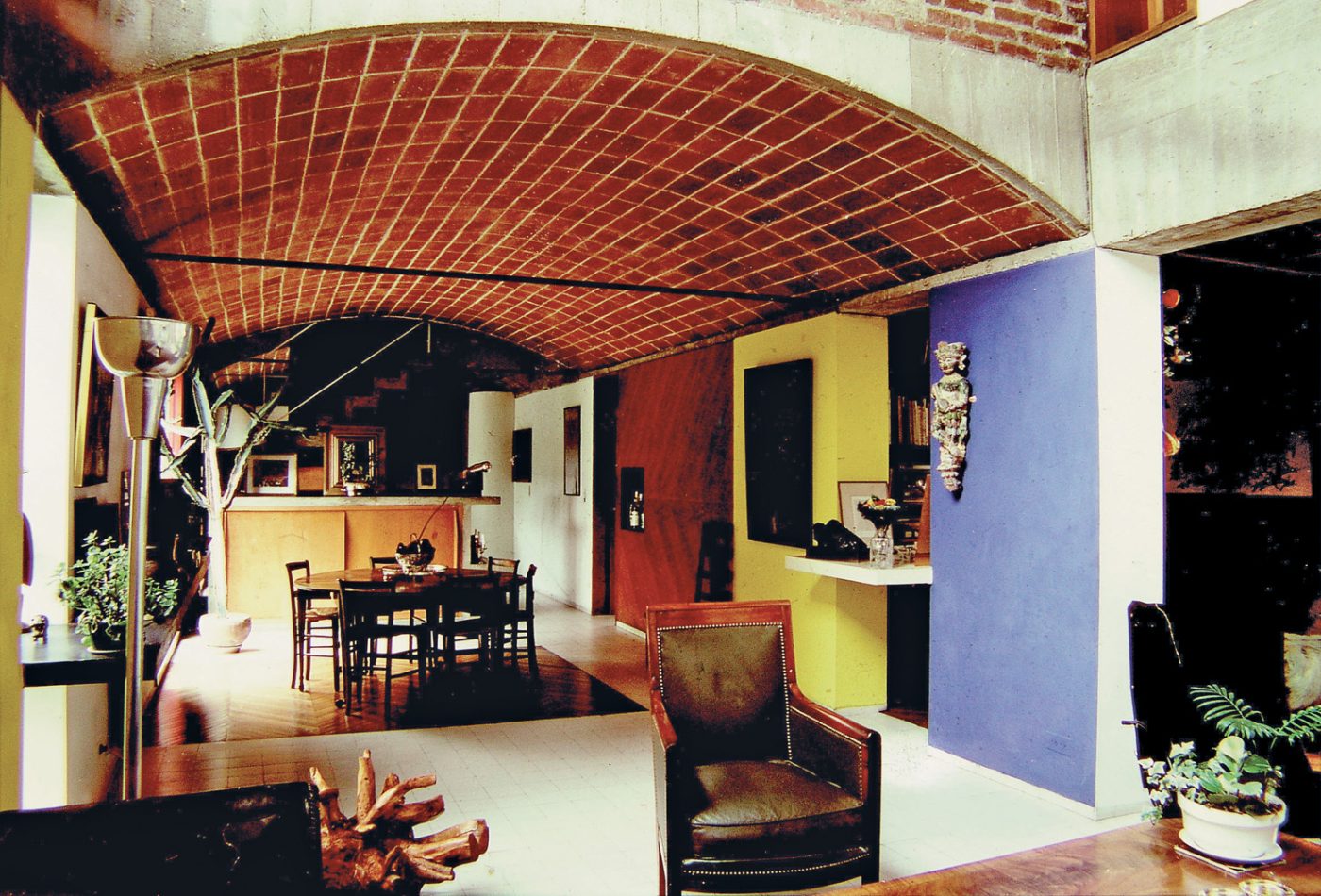
Photo courtesy Fondation Le Corbusier, Paris
With chapter introductions by Tim Benton, the book tells the rest of the story through photographs of the architect (including an endearing image of a bespectacled Corbu with a cat) and his buildings and pioneering modern furniture designs; plans and drawings; letters, posters and pages from books and magazines; and some beautiful watercolors by his own hand.
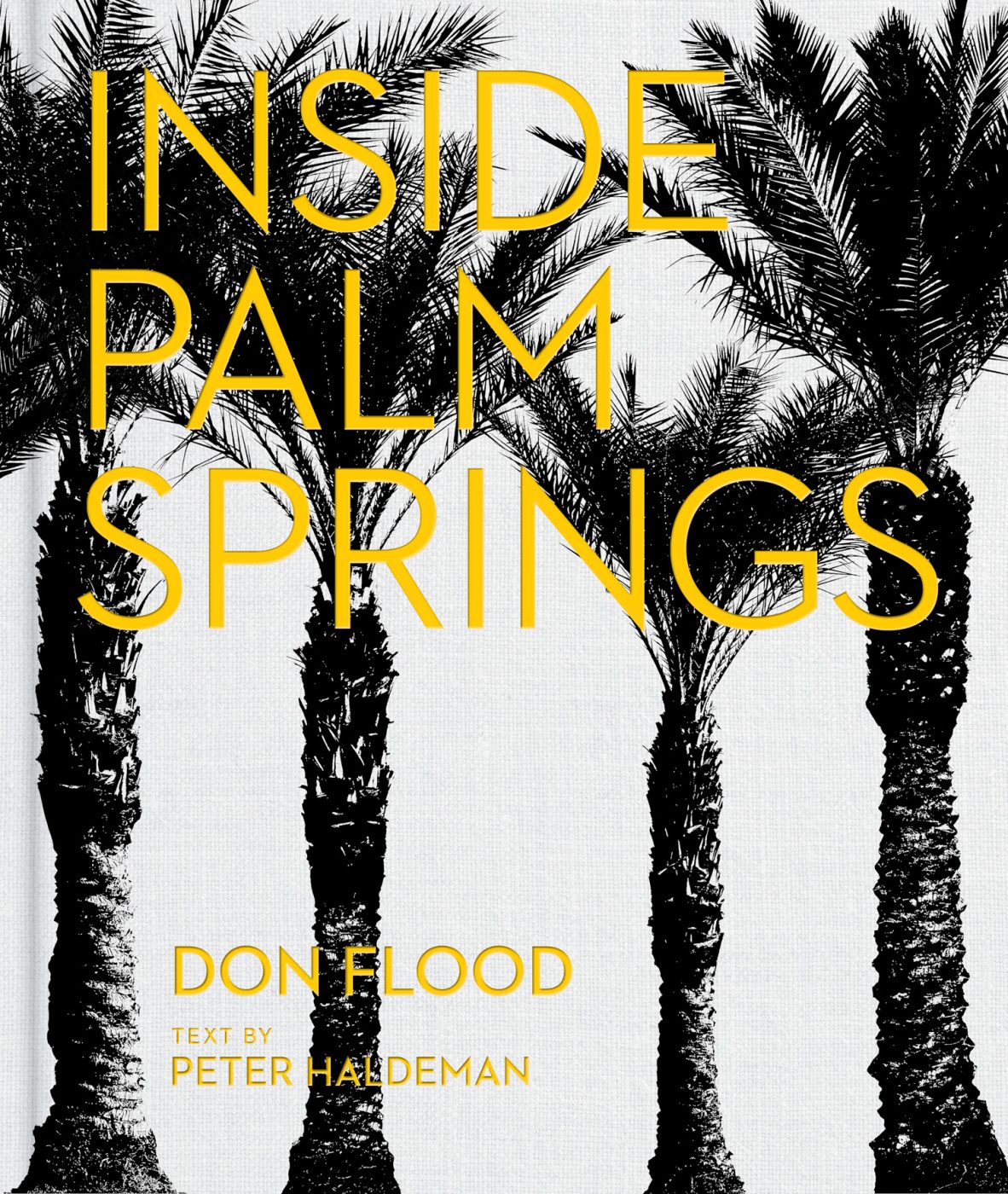
Inside Palm Springs
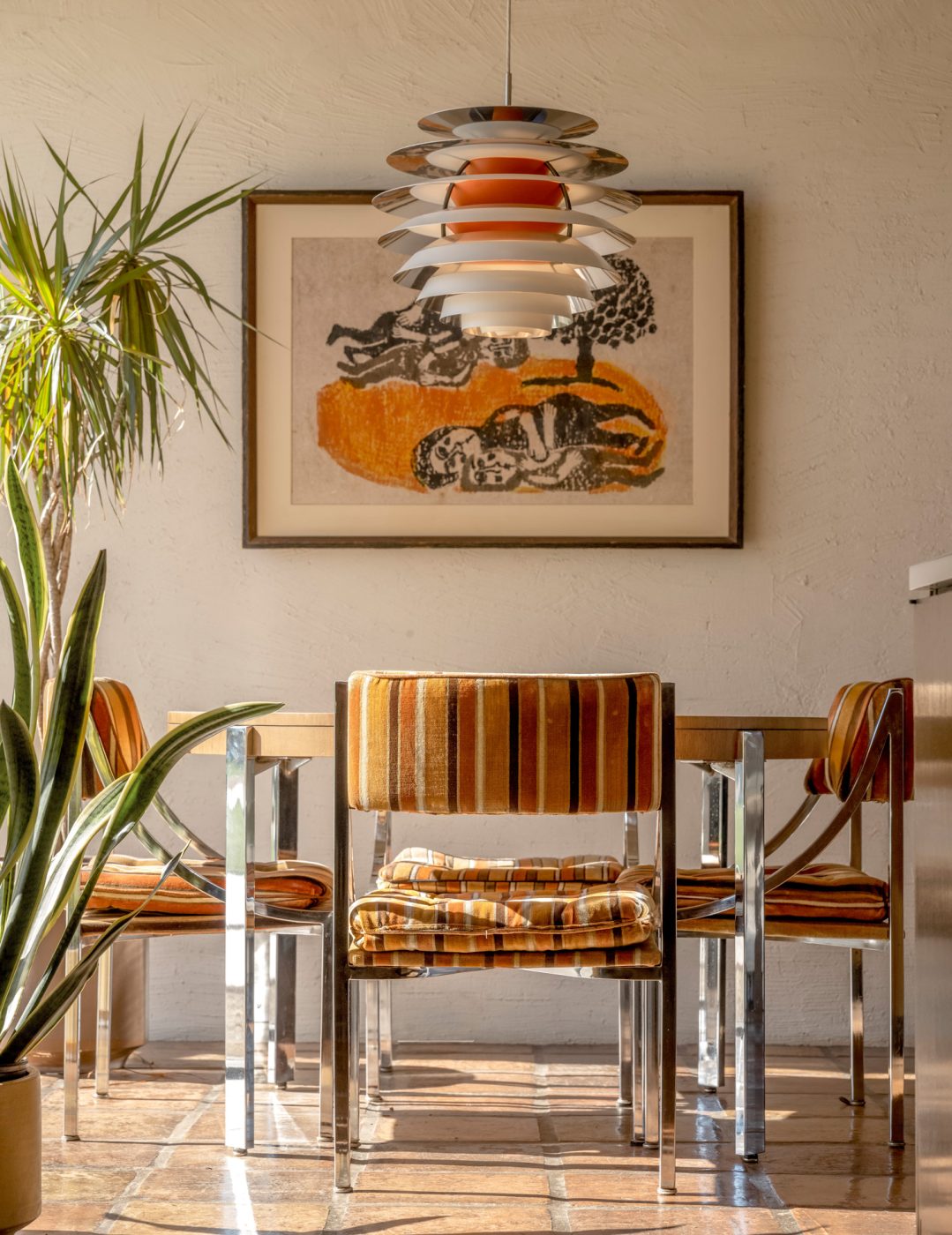

There’s something satisfying about a book that meets expectations as thoroughly as this Vendome volume does. You know it will present interiors replete with warm mid-century modernism and images of shimmering swimming pools, but that doesn’t lessen the impact of the 22 interiors on display. These sun-baked gems are not uniform by any means, including, as they do, contemporary homes and even a Spanish revival house. The book’s creative team comprises veteran design chroniclers Don Flood (photographer), Peter Haldeman (text) and Stephen Drucker (editor of Vendome’s Inside series), all fluent in Palm Springs appreciation. Most charming of all is that each chapter is essentially a love story about how the owners fell for the desert lifestyle.
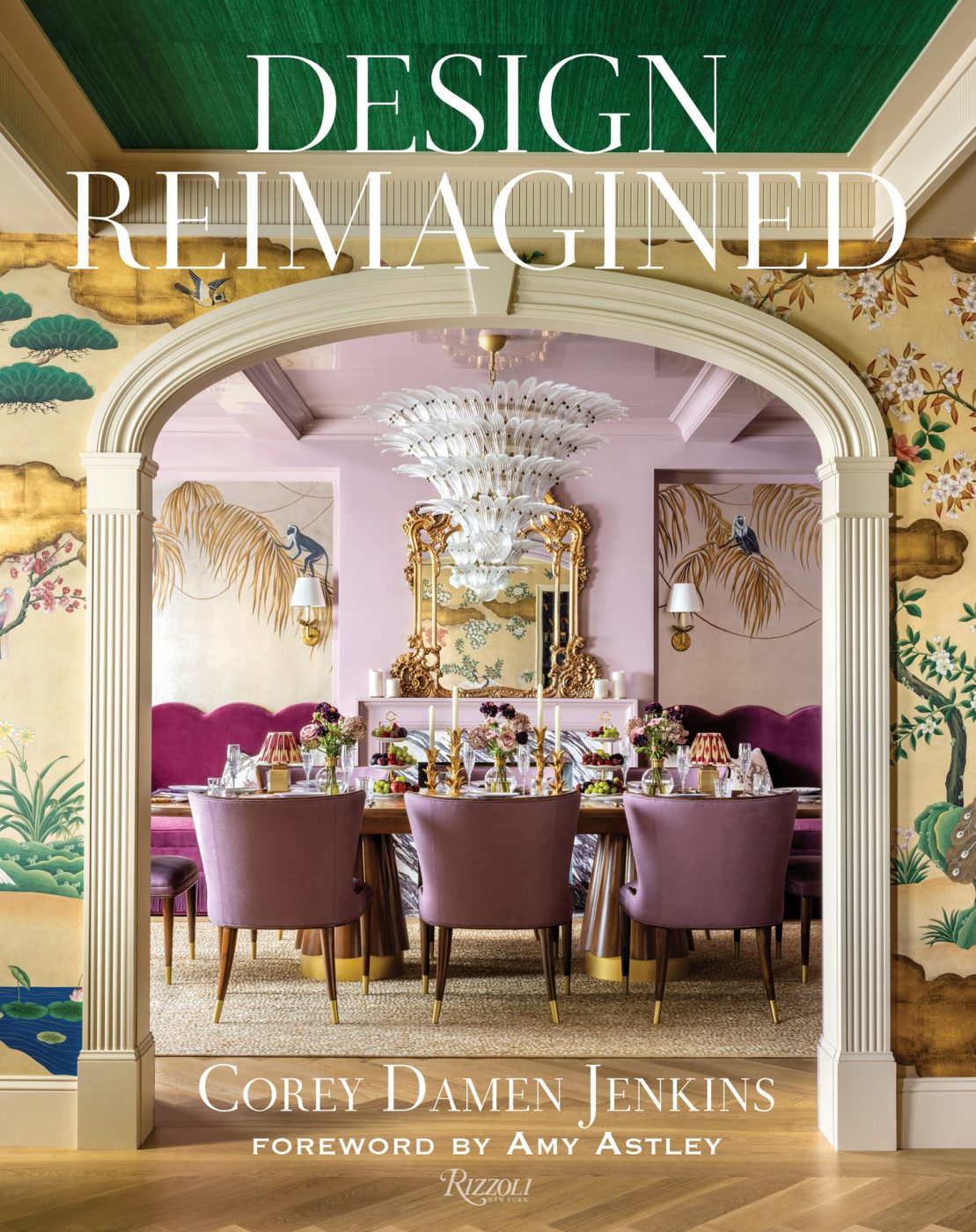
Design Reimagined: A Fresh and Colorful Take on Timeless Rooms
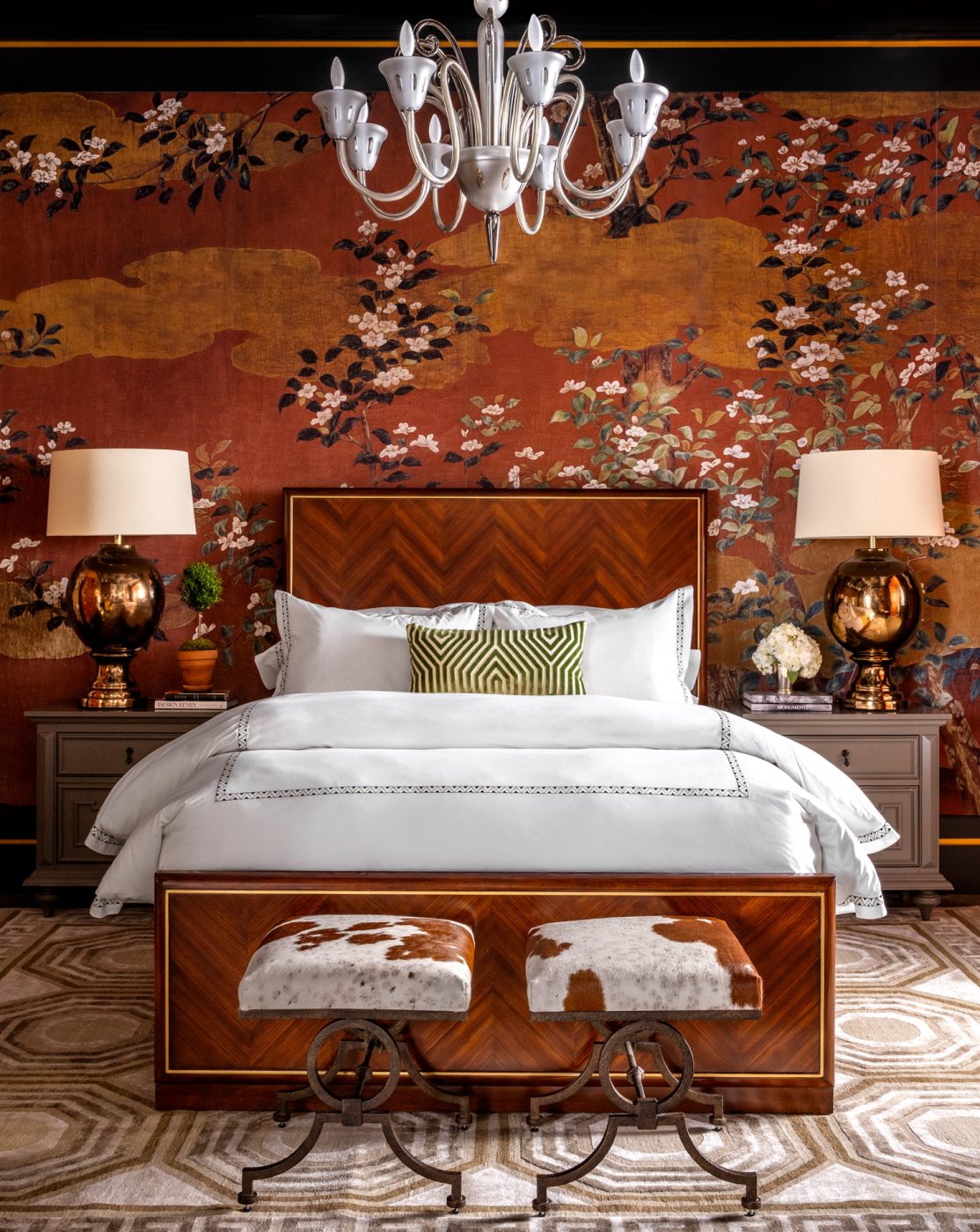
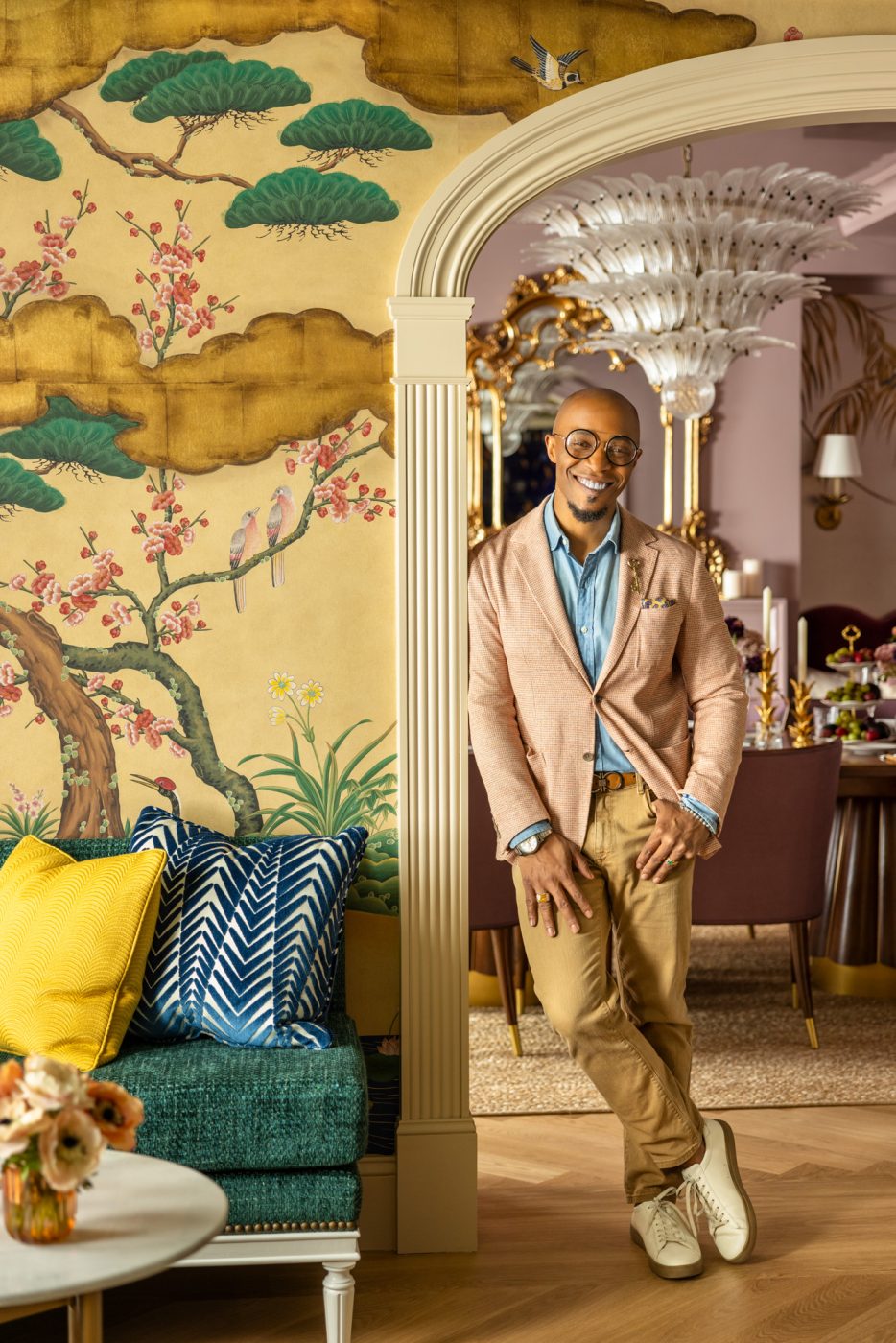
Dense wallpapers, elaborately decorated ceilings and vibrant jewel tones are some of the maximalist hallmarks of the designer Corey Damen Jenkins, as demonstrated in this Rizzoli book, his second. The Michigan native presents 10 projects — described with the help of writer Kyle Hoepner and illustrated with dazzling photographs by Andrew Frasz — from the Hamptons to the Upper East Side to Monterey, California.
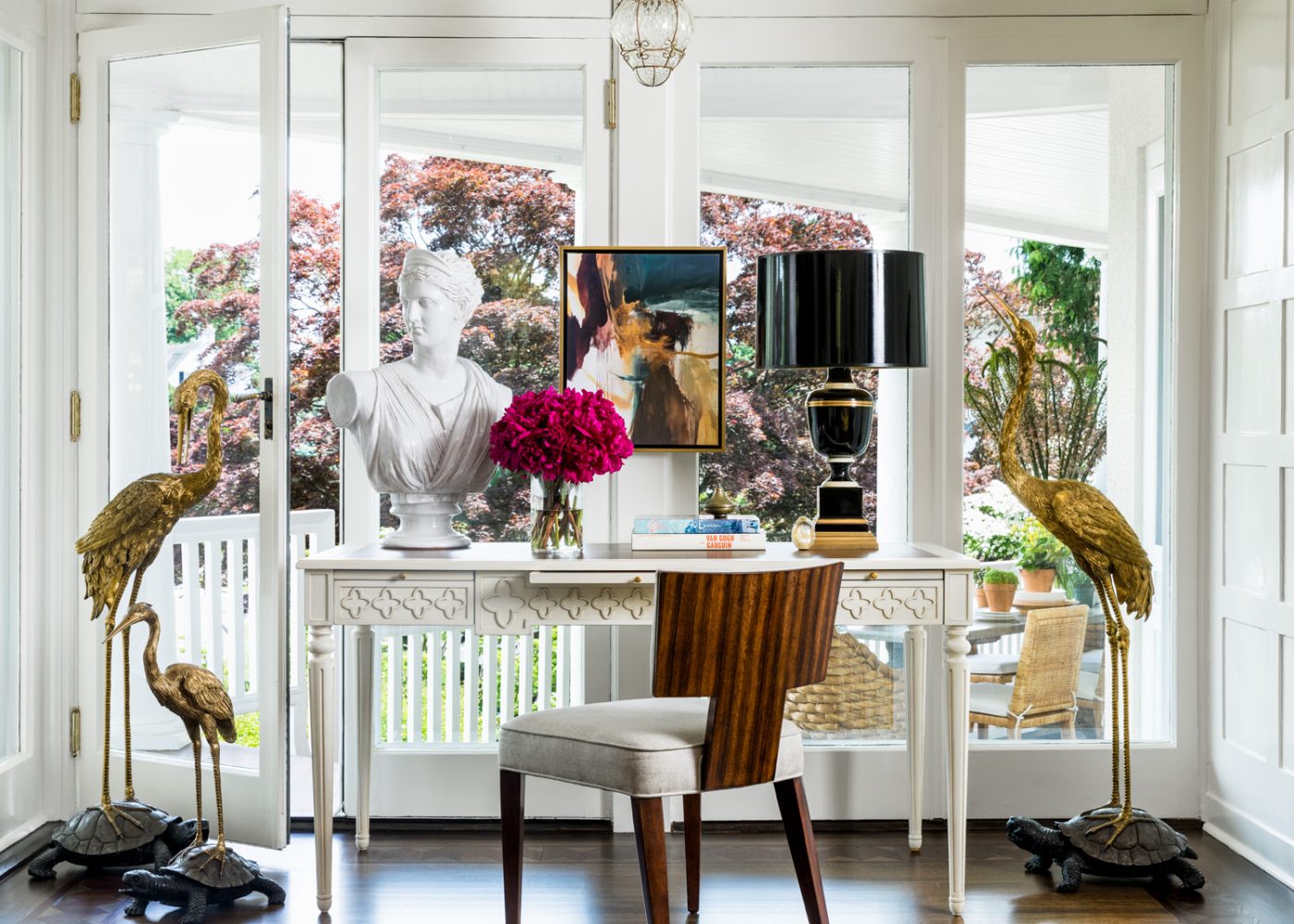
Photo by Andrew Frasz
Jenkins’s “Applied Expertise” sidebars, while uniformly exuberant, also serve as a useful how-to element explaining the science that underlies the fun. That’s why Architectural Digest global editorial director Amy Astley in her introduction praises his vision as “both inspirational and practical.”
The Inn Crowd
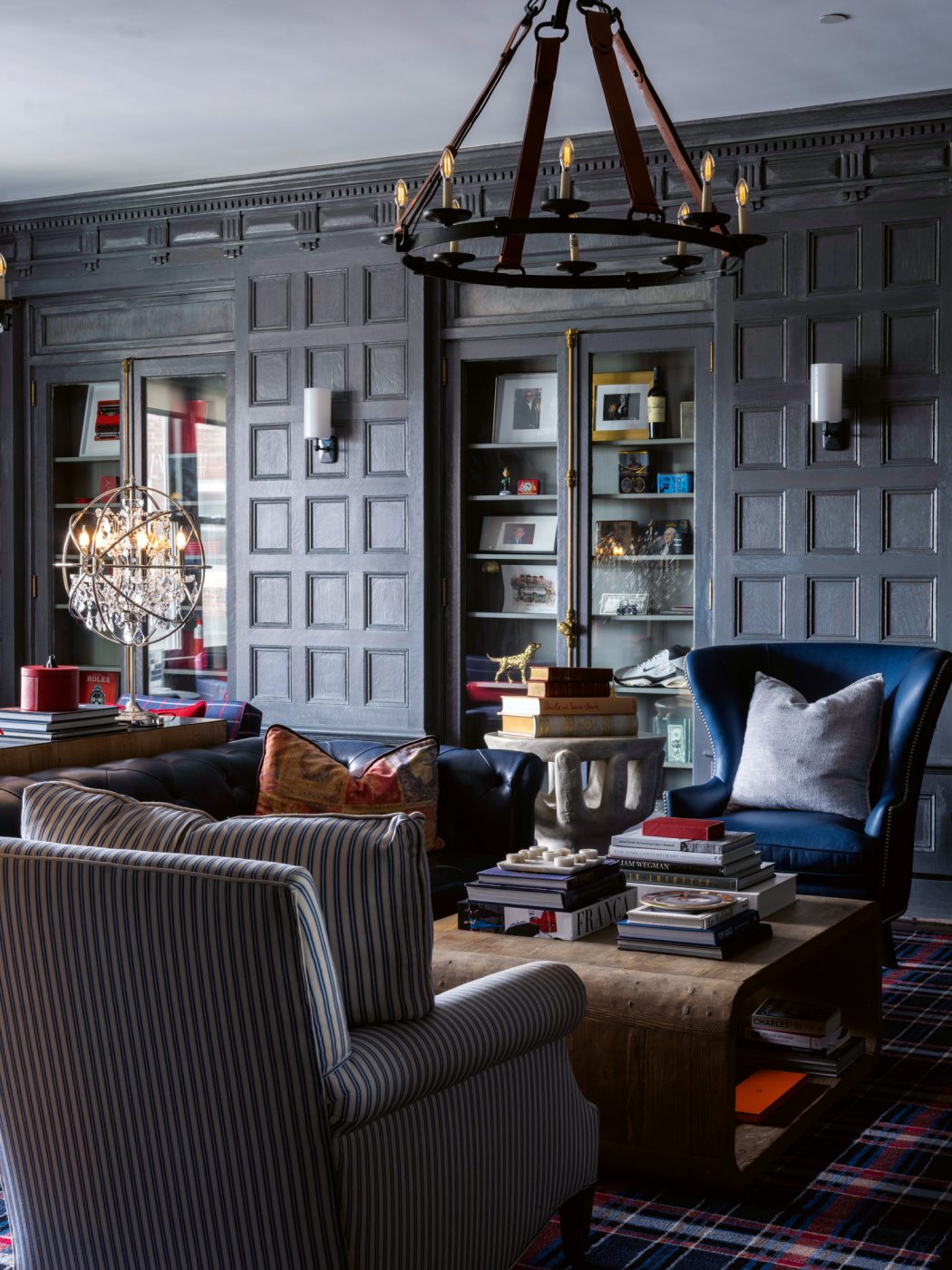
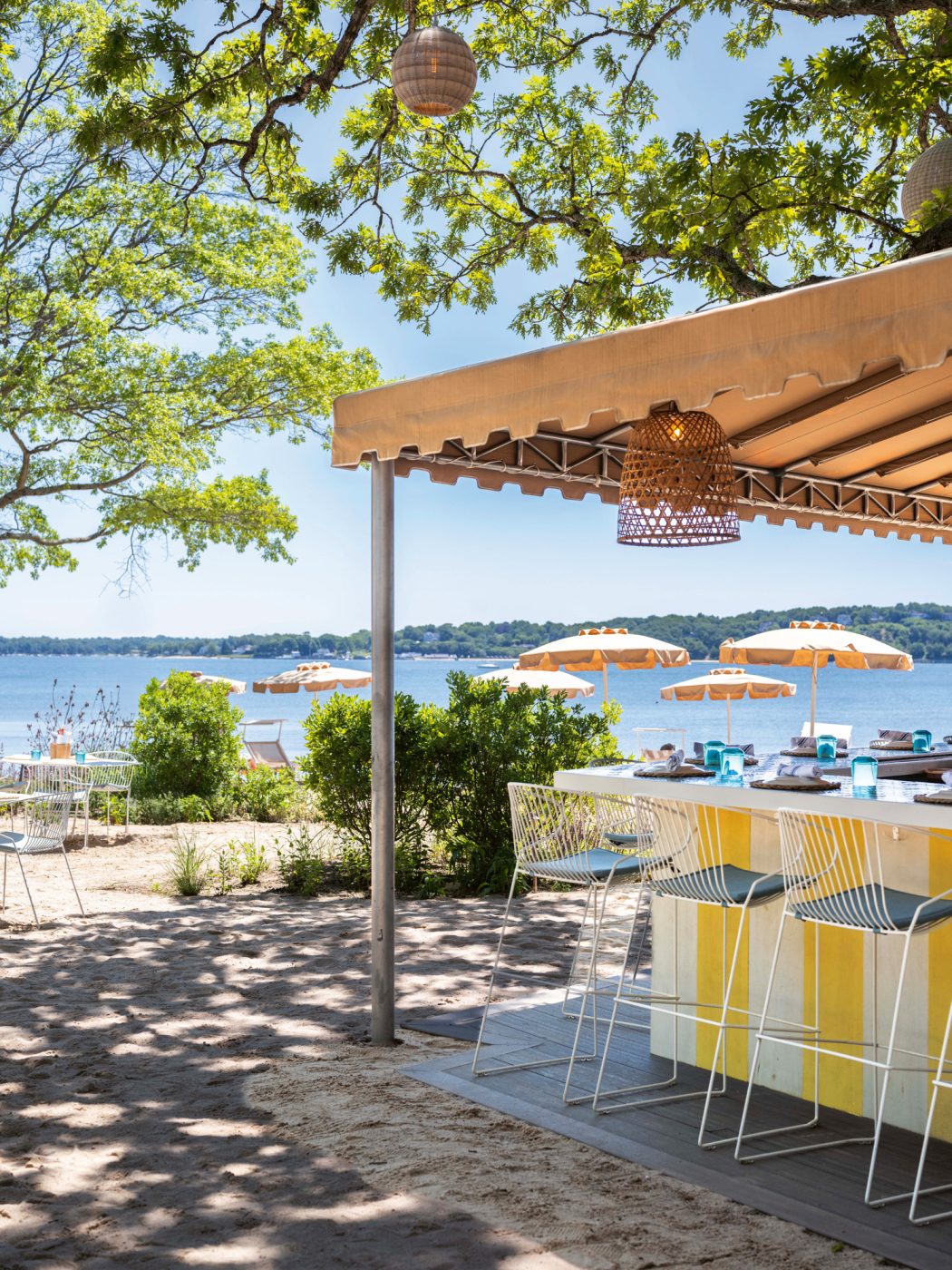
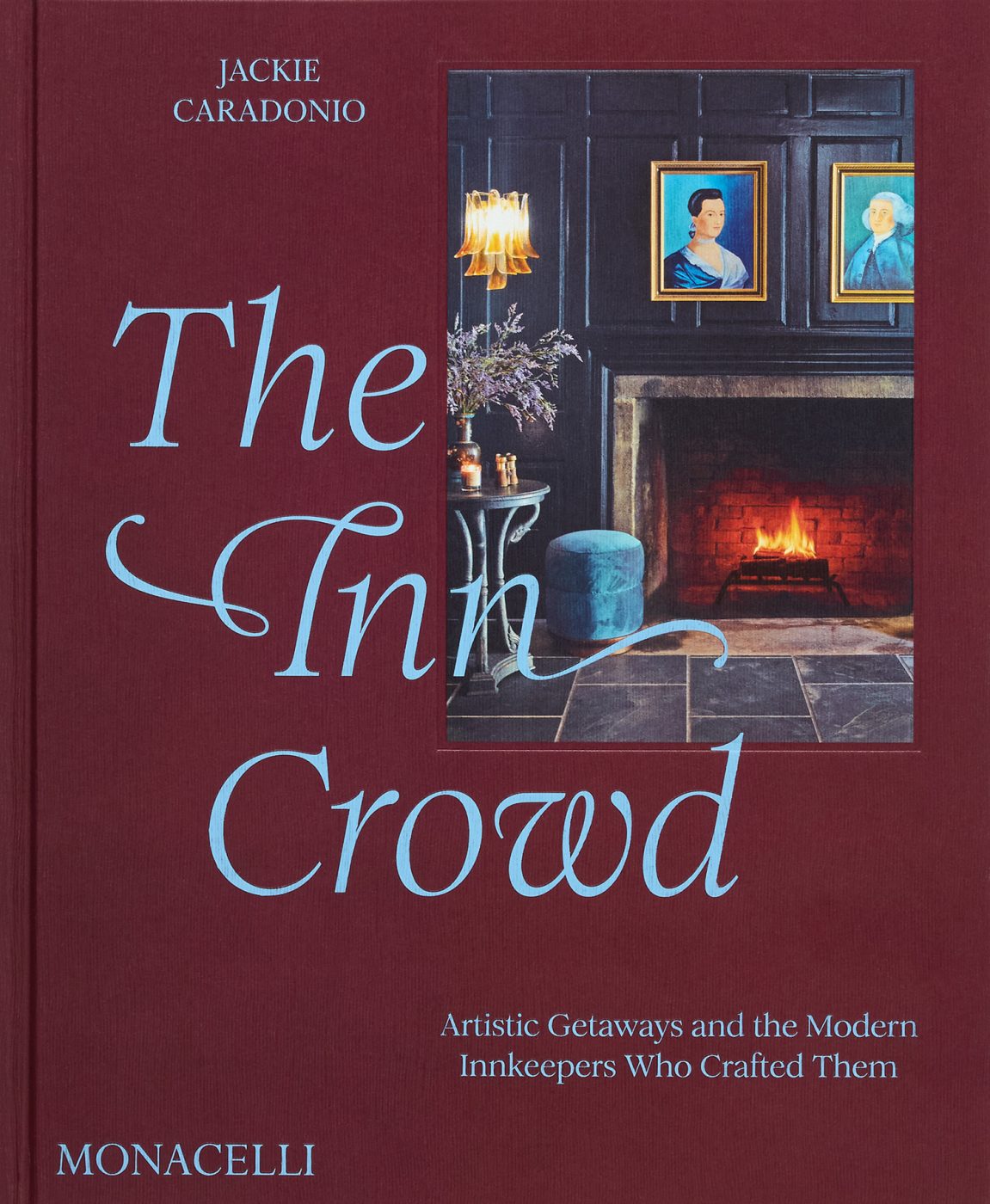
What could be cozier than checking into a beautiful inn somewhere in the Northeast? Jackie Caradonio, writer and photographer of this Phaidon book, has a talent for highlighting telling details in beautifully designed lodgings — 18th-century hostelries as well as modern A-frames — across New England, on the seaside and in Upstate New York. Consider, for example, the vibrant green of a Murano chandelier glowing against elaborate Eastlake-style oak paneling at the Norumbega, in Camden, Maine. The text includes an introduction by makeup icon Bobbi Brown and her developer husband, Steven Plofker, owners of The George, a strikingly composed 31-room inn in Montclair, New Jersey. Before you check in anywhere, check out this book.
Foundations


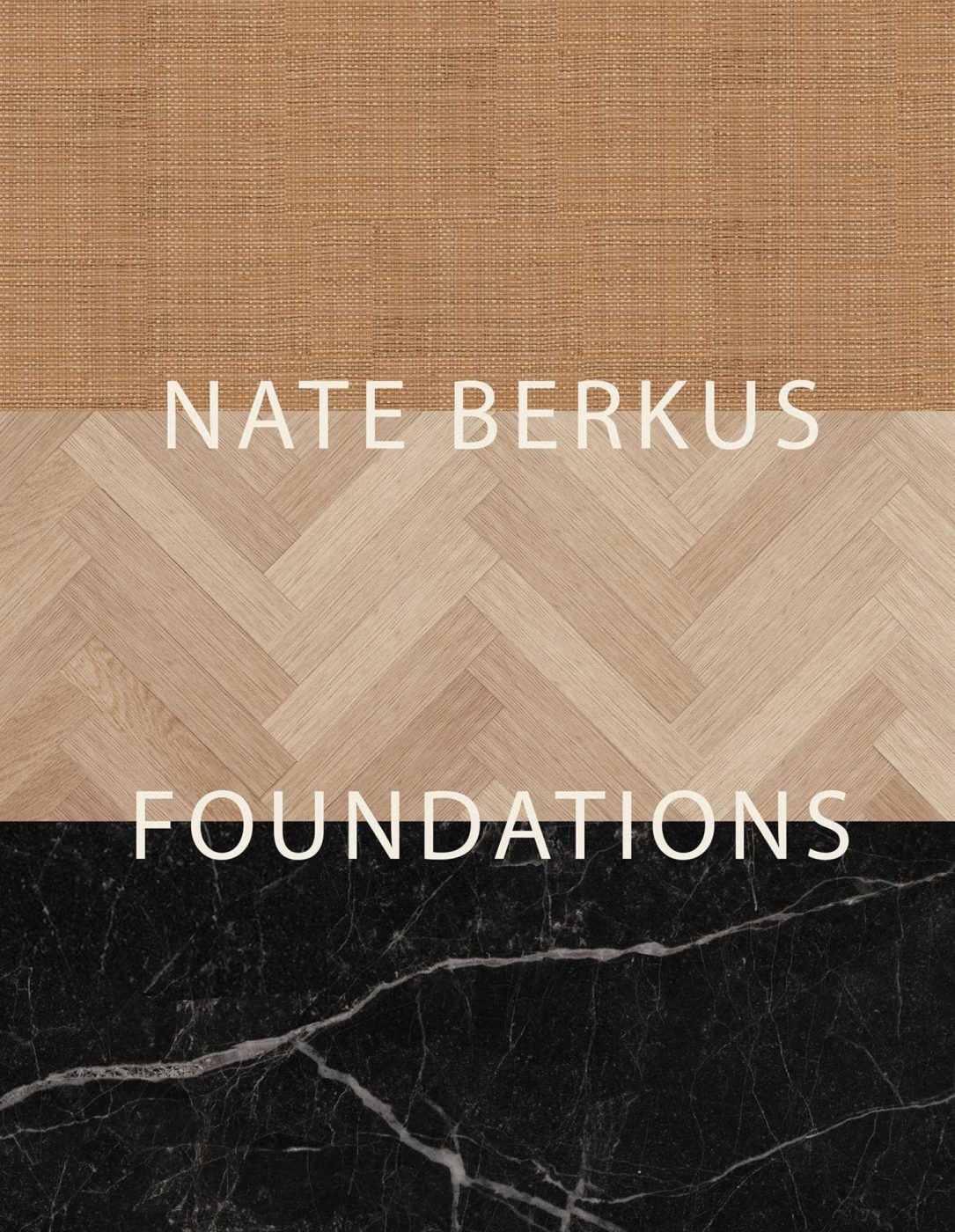
Despite the camera-ready final results, interior design can be a messy business — combining inspiration and perspiration; art and science; whimsy, wisdom, wit and wonder. As such, it’s a challenge to actually describe the complicated process of creating a memorable and inviting room. That’s what makes Nate Berkus’s latest book, Foundations (published by Simon Element), such a treat to read. It’s also stunning to flip through, filled as it is with photographs of the interior designer and television personality’s prodigious recent output, among other inspiring images.
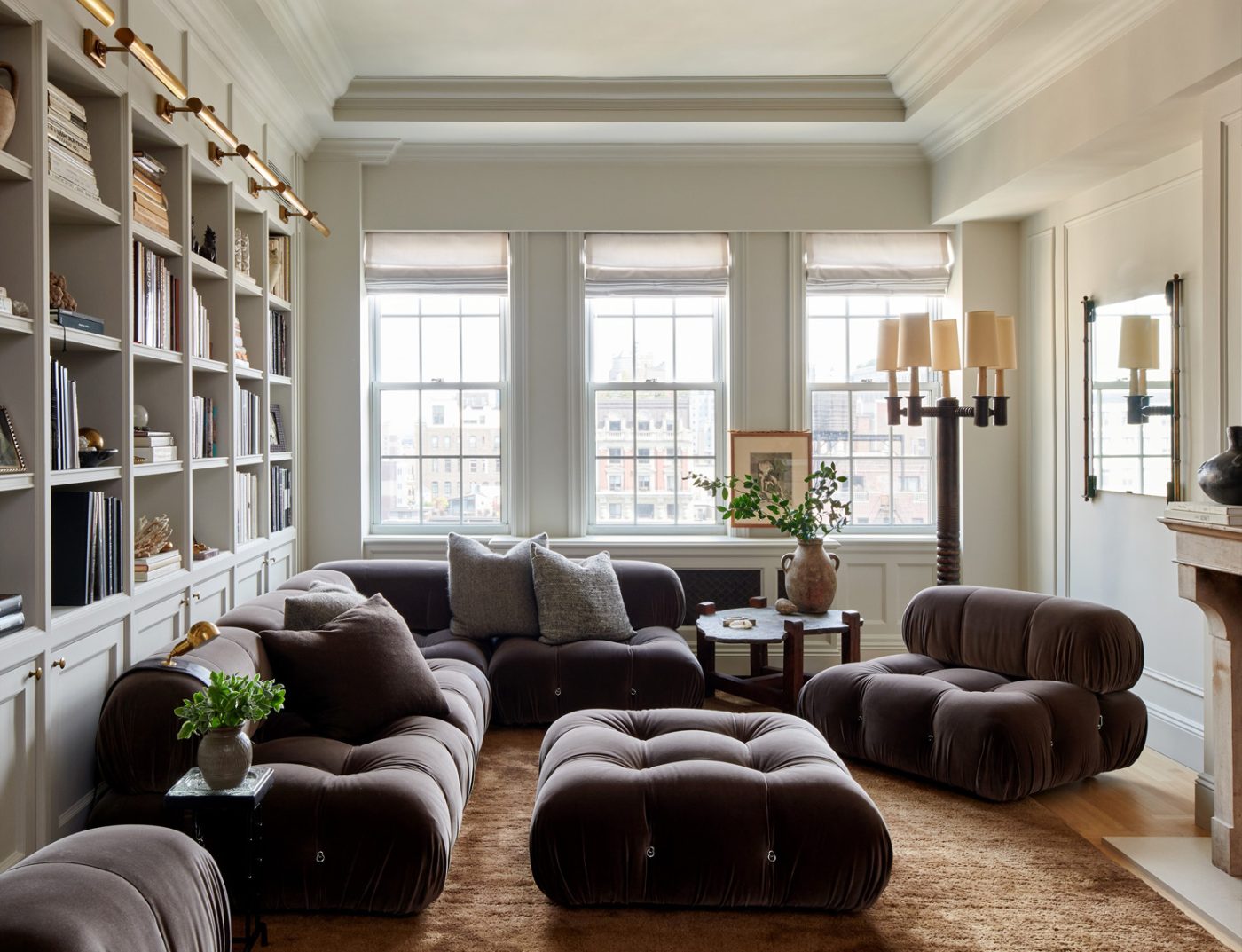
But it’s the words — written with Heather Summerville — that are the foundation, so to speak, of the volume, laying out clearly and methodically how we all can create spaces that are both beautiful and characterful— reflective, that is, of our own characters. Follow Berkus’s “Four Tenets of Good Design” presented here, and internalize precepts like “A room does not feel special unless it has old things in it,” and you, too, can create a home that is, as Berkus puts it, not just timeless but also “honest, emotional, something you see with your eyes but feel with your heart.”
New York 2020: Architecture and Urbanism at the Beginning of a New Century

The great metropolis of New York is getting what it deserves with Monacelli’s 745-page final installment in Robert A.M. Stern’s series on the city’s architecture and built environment. The epic journey started with New York 1930 (published in 1987), making stops along the way at 1880, 1900, 1960 and 2000. Here. writing with coauthors Jacob Tilove and David Fishman, Stern — the prolific architect, historian, educator and writer who died last month at the age of 86 — explores the cityscape formed between two catastrophic events, 9/1l and the COVID pandemic, but finds innovation and resilience everywhere.


The long and dense introduction sets up what’s to come in the neighborhood-by-neighborhood breakdown that composes the bulk of the book. Stern — who contributed mightily to the skyline himself through the work of his eponymous firm, also known as RAMSA — does justice to a project that will long outlast him, and us.