October 5, 2025Of course, Jeff Russak, owner of the Connecticut-based jewelry gallery Lawrence Jeffrey, carries pieces from all the big design houses, like Tiffany Co., Cartier and Van Cleef Arpels. But browsing the breadth of his assortment reveals something potentially still more compelling: a curated mix of lesser-known designers from Switzerland, Italy, Germany and beyond.
The savviest jewelry collector might not be familiar with some of these names, making the element of discovery key to the pleasure of perusing the firm’s storefront on 1stDibs.
Even for the marquee houses, “we actually avoid a lot of the iconic pieces, because they’re everywhere, and you can buy them new,” says Russak, who founded Bradford Antiques, Lawrence Jeffrey’s parent company, with his wife, Sandy, in 1989.
It’s not that Russak doesn’t appreciate the appeal of iconic pieces. That’s just not his thing.
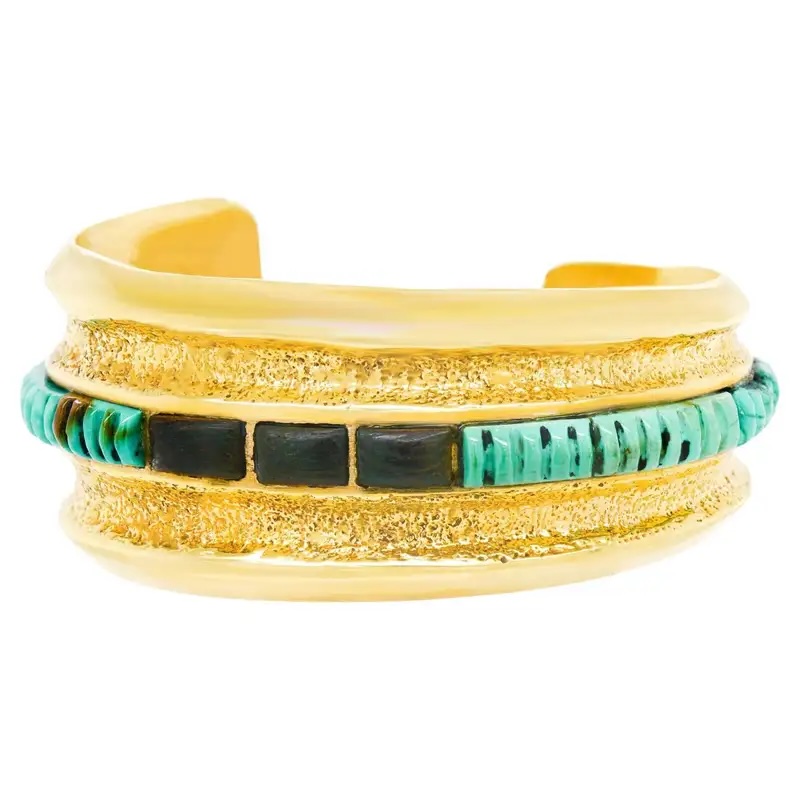
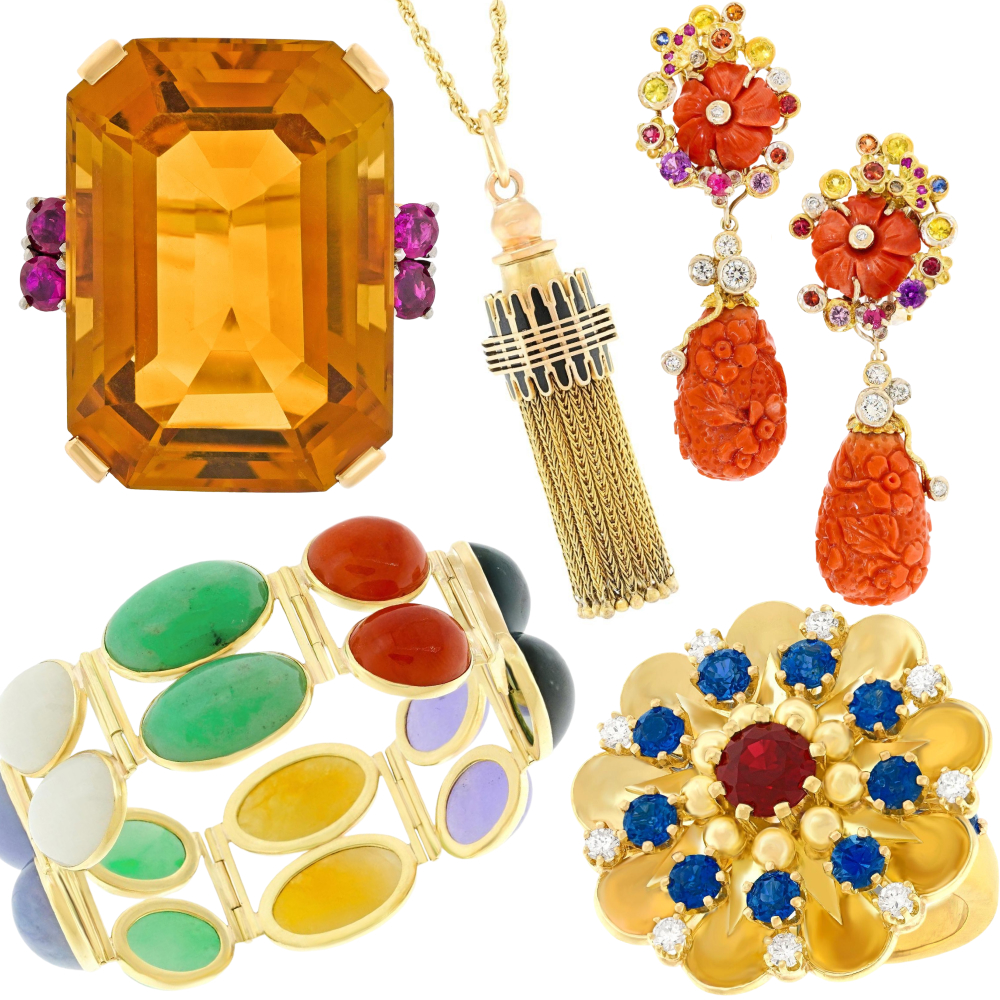
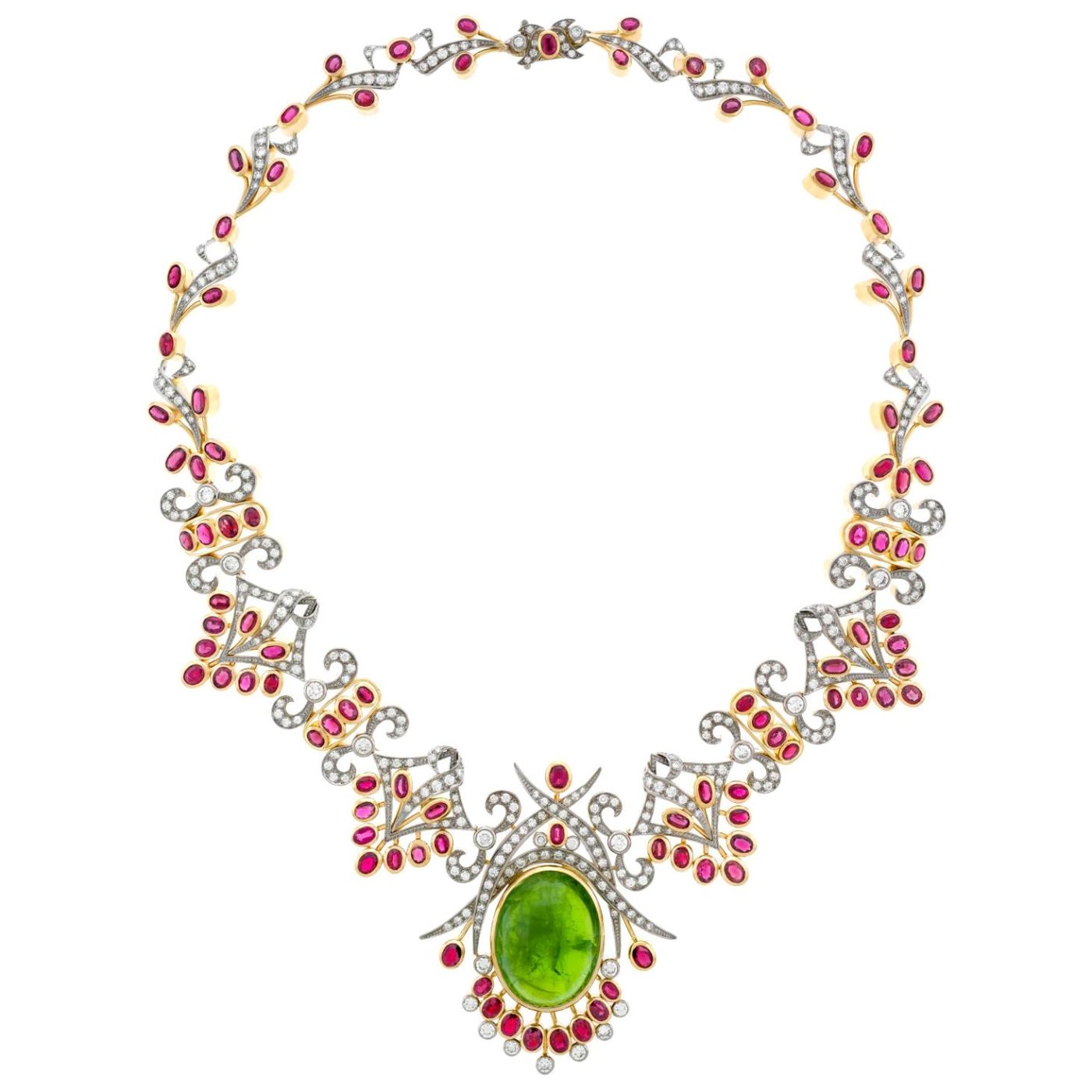
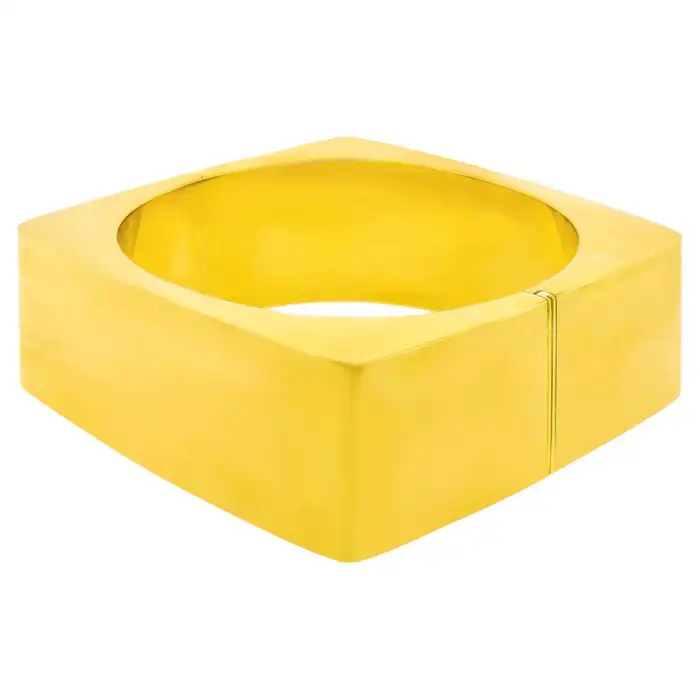
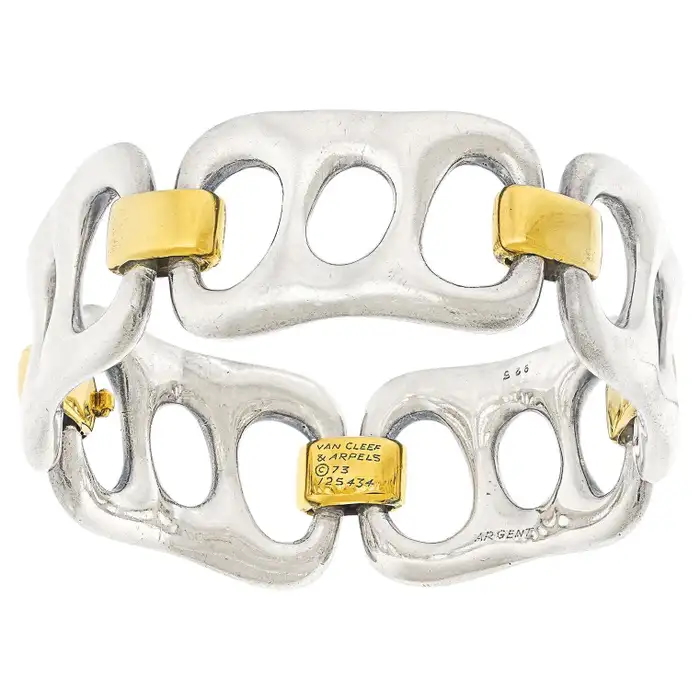
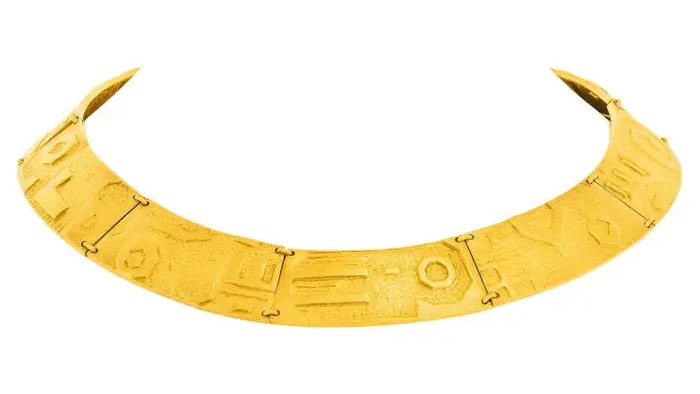
Instead, the Lawrence Jeffrey collection emphasizes distinctive finds like an unsigned 1960s minimalist-meets–Fashion Week 18-karat-gold bangle, a Cleopatra-worthy Olga Finzi collar necklace and an unusual circa-1973 Van Cleef Arpels bracelet in gold and silver, which feels as far away from Alhambra as you can get.
“We believe that the ultimate expression of luxury is owning something that is uniquely yours, one of a kind, something no one else has,” says Russak.
Russak and his wife have been dealing in antiques for more than 30 years. They began working the flea-market circuit, selling out of their car. “We started at the bottom, and gradually we learned and grew,” he says. In those early days, the market favored a more formal aesthetic, so they found their niche in traditional antique glassware and furniture.
But Russak also had a natural inclination toward modernism, particularly the Danish modern school. “My dad was in the army, and we lived in Germany,” he explains. “And my parents bought Danish modern because Denmark was right there.” When he started adding jewelry to the gallery, he found he liked the modernist pieces best — and his clients felt the same way. Over the years, he has
learned as he grew his business, sharpening his curatorial eye and even achieving a certain level of recognition (he currently serves, for example, on the governing board of the Antiques Council). About 10 years ago, he and his wife purchased a building in the heart of Litchfield, Connecticut, and transformed it into a prime destination for exceptional rarities, building a robust base of discerning local and online clients. Fine tabletop and crystal items are a constant — “Our stemware is rarer than our rarest jewelry,” Russak says — but the real draw is one-of-a-kind masterworks by mid-century jewelry designers that wait quietly for a collector with exceptional taste to discover them.
“We don’t think of ourselves as antique dealers,” says Russak. “We never have. We think of ourselves as luxury dealers.”
Ahead, more from our conversation with Russak, covering topics from his curation strategy to the creators he most admires.
Your collection reveals a discerning eye and covers diverse movements. How would you describe your aesthetic?
We have a very strong presence in antique jewelry, and we have some spectacular antique pieces. But I’m definitely drawn to modernism, and over the years, we have moved from classical and formal into the twentith century. When I started buying modernist pieces, other dealers would look at them and say, “Why did you buy that?” And my answer was always the same: “Well, people really like this. It’s high design. This is ‘cover of Vogue’ stuff.”
How do you decide on a jewel to add to the collection?
When curating pieces for the gallery, what we’re looking for is uniqueness, design, quality gemstones, beautiful colors. And we look at what condition the piece is in. We also look at craftsmanship and the way the piece is made. It doesn’t matter whether a piece is fourteen hundred dollars, fourteen thousand or one hundred forty thousand. We apply the same standard.
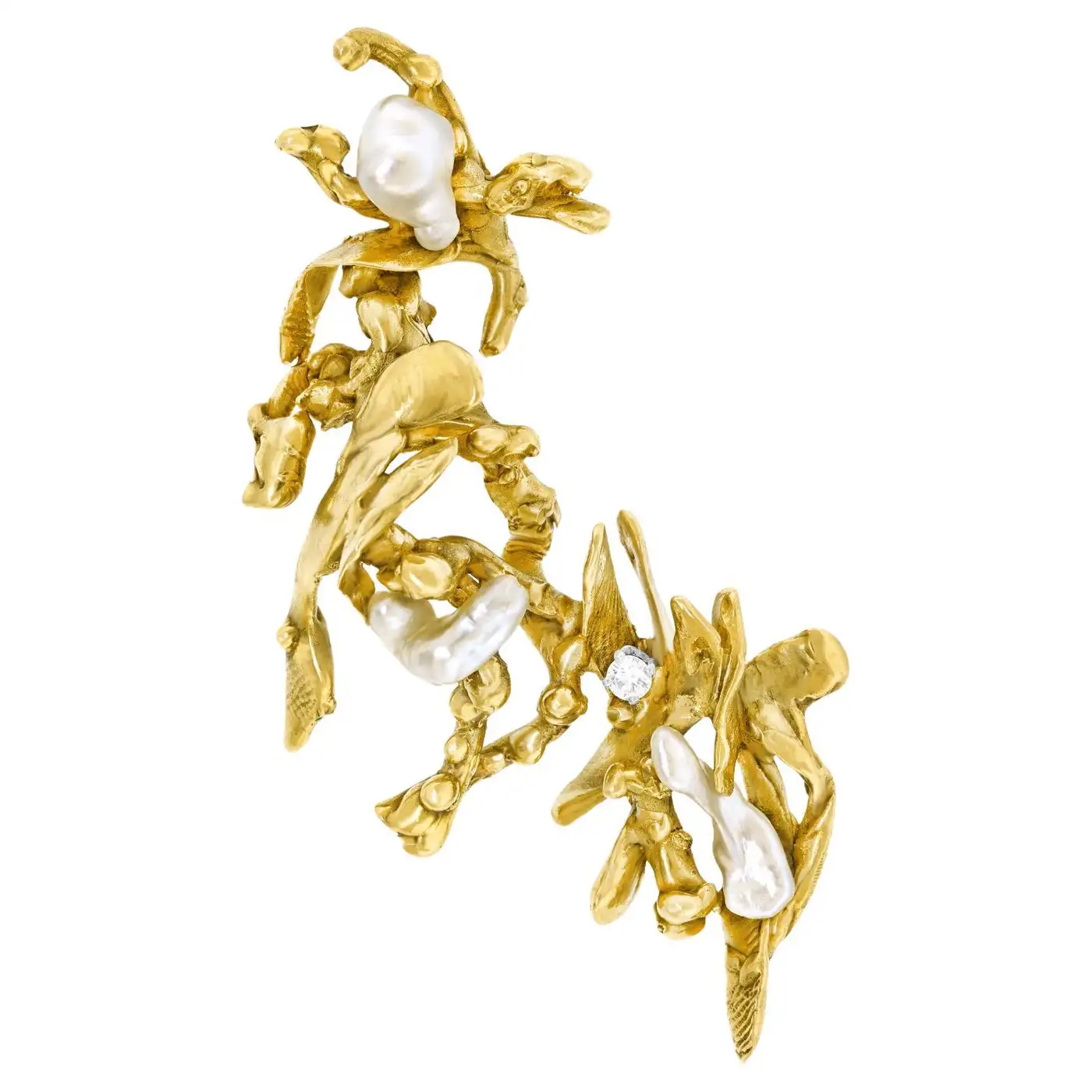
The creators behind some of your most impressive pieces are not all household names. What can you tell us about your collection’s concentration of mid-century Swiss jewelers, for example?
When you talk about smaller names, lesser-known names, you’re talking about goldsmiths and goldsmithing firms. They’ve always been there, but very often the work was rebranded by the big houses and sold as their own. As an example, if you want to buy early Jean Dinh Van or Jean Mahie pieces, you have to buy Cartier. In Switzerland, you have Gilbert Albert, who was the work master for special projects at Patek Philippe in the fifties. When you go into the jewelry display at the Victoria Albert Museum, in London, there’s an entire panel devoted to just his work, which is really unusual.
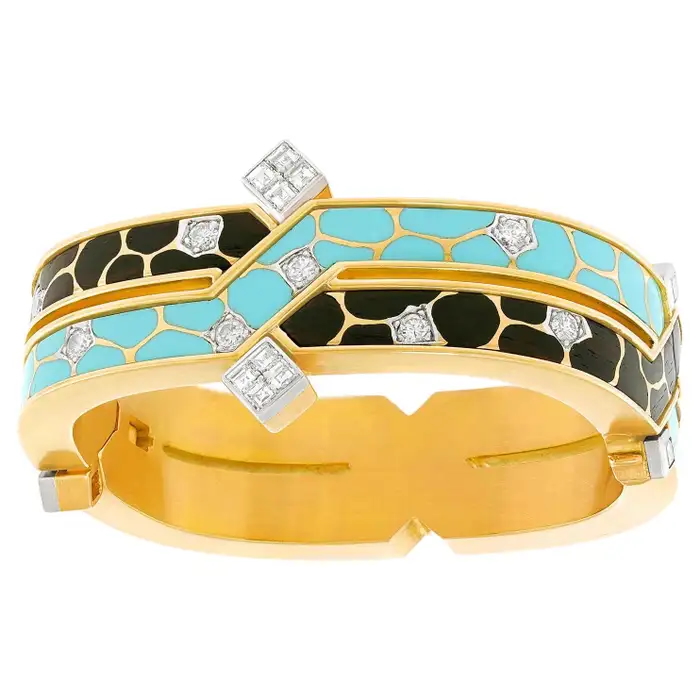
I think Kurt Aepli was probably the most important jewelry designer in the continental postmodern idiom in the second half of the twentieth century. He worked for two firms in Zurich, and he was also the most important teacher at Zurich’s School of Applied Arts. All of his courses were compulsory. You couldn’t graduate as a goldsmith without his courses. He also never signed any of his pieces.
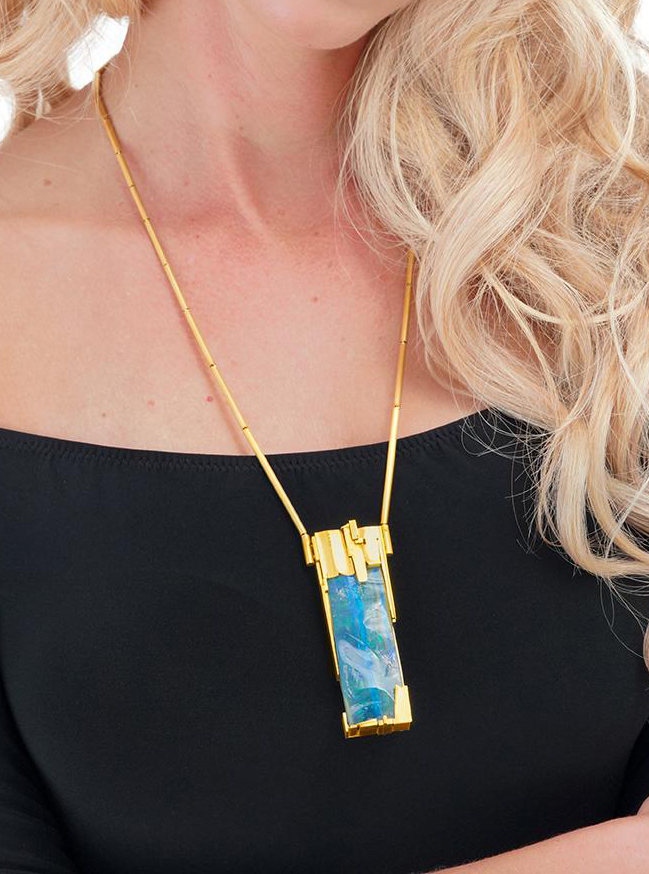
We have a Seventies opal necklace by Othmar Zschaler that is one of the two or three best pieces of his entire career. And I would rate this Seventies bracelet by Paul Binder, one of the finest goldsmiths of his generation, as probably in the top ten.
We have a number of pieces in stock made by these types of smaller Swiss goldsmiths. And they are all what I would call “best in show” pieces. Every piece these folks made is spectacular and one of a kind.
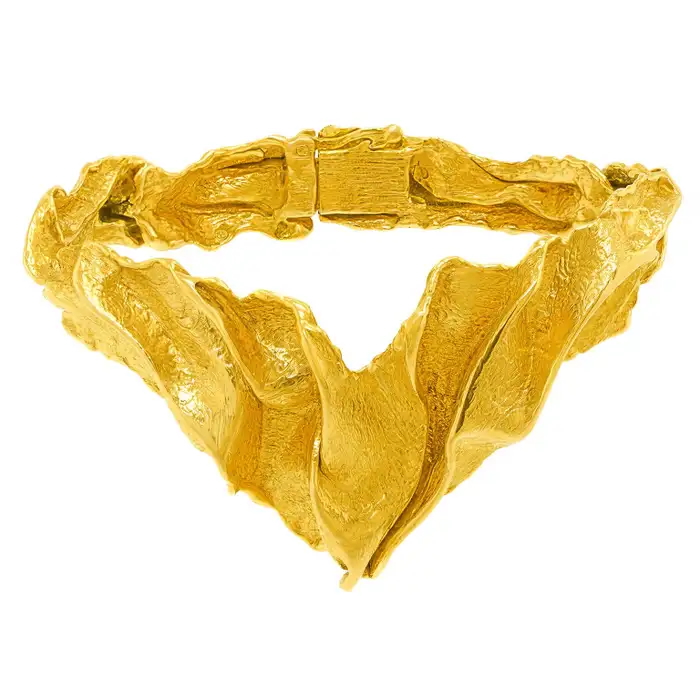
It’s clear you love luxurious, weighty pieces made entirely of gold, and so do your clients.
There are so many iterations of the gold idiom, from Art Deco to modernist to the seventies and eighties. We have probably one of the largest curated selections of gorgeous, chunky gold bracelets. That’s something we’ve been doing forever, and they continue to sell.
There are loads and loads of big, heavy gold bracelets out there in general. But most of them are things we would send to the refiner for melting.
Any concerns about the metal’s rising cost?
You would think that when gold suddenly goes up a lot in price, your sales would quiet down for a while. But there’s definitely a trend toward heavier gold. People are making an emotional connection with the permanence in value that gold offers. The metal has a “decorating our bodies” history that is easily traceable back six thousand years. It’s not going anywhere.