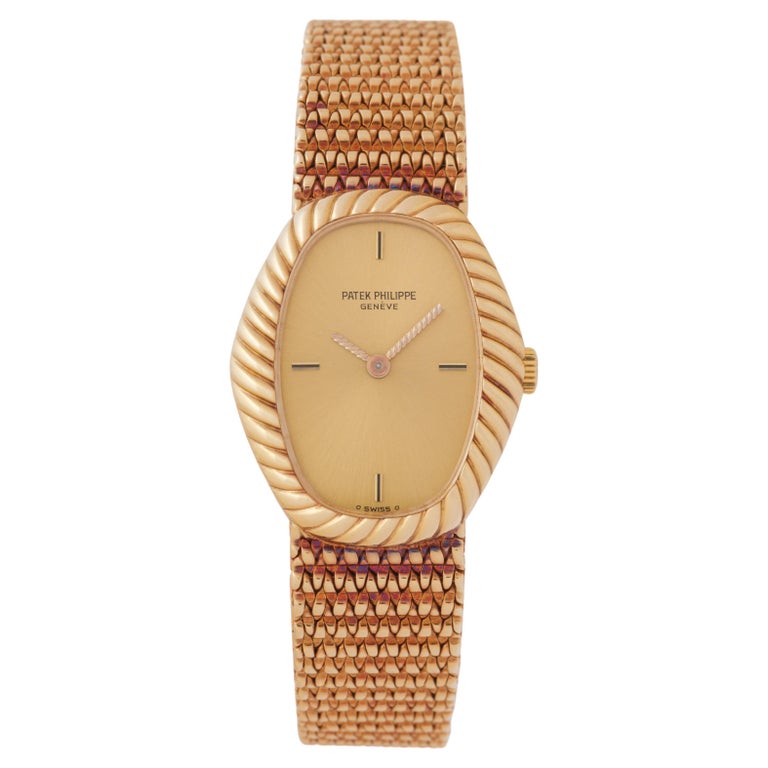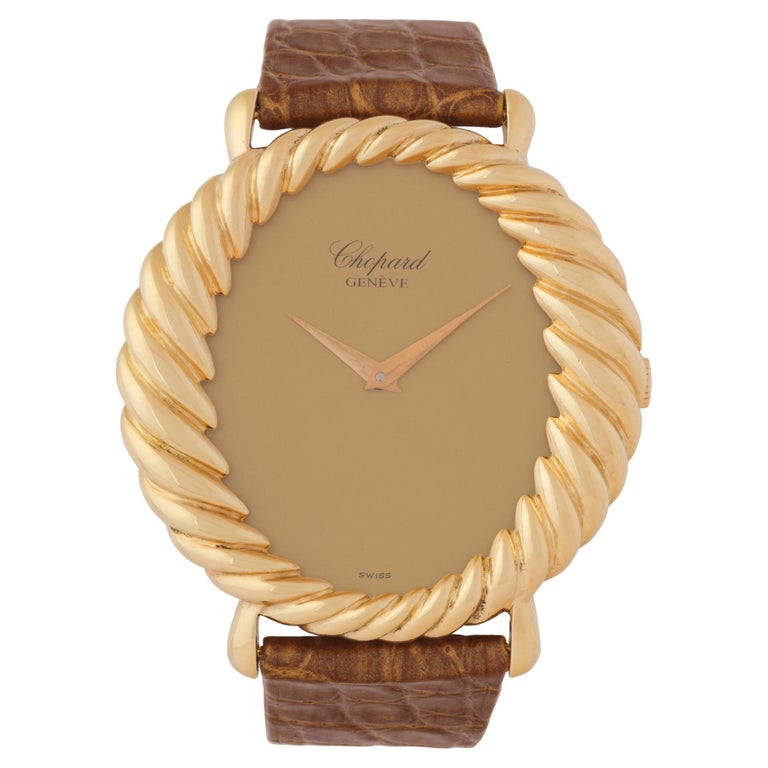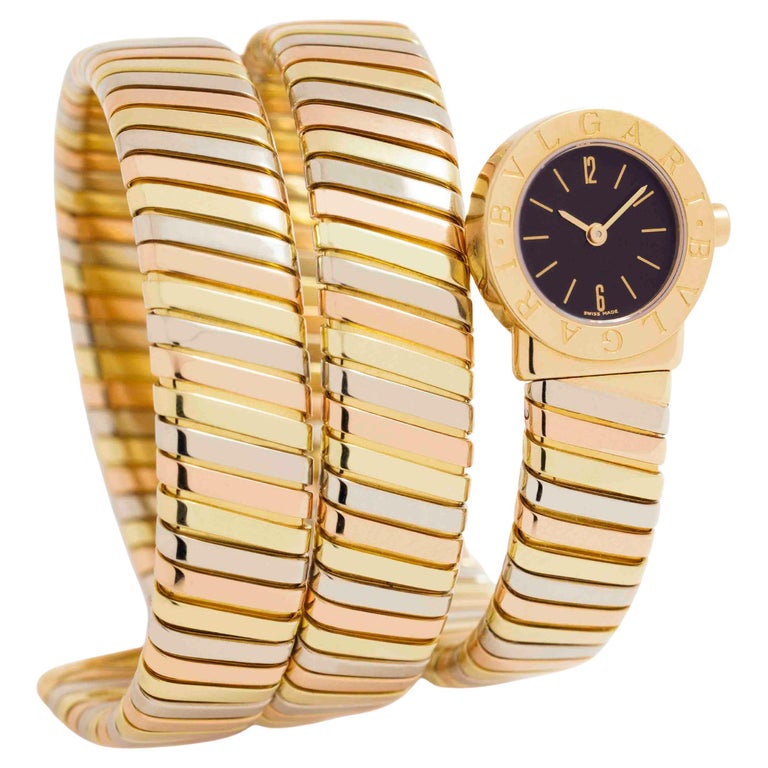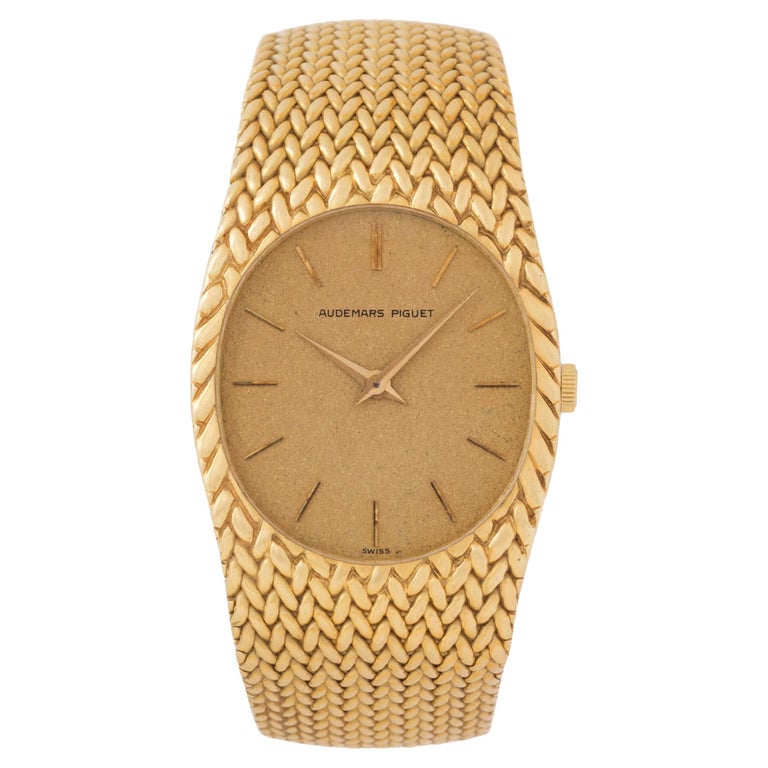
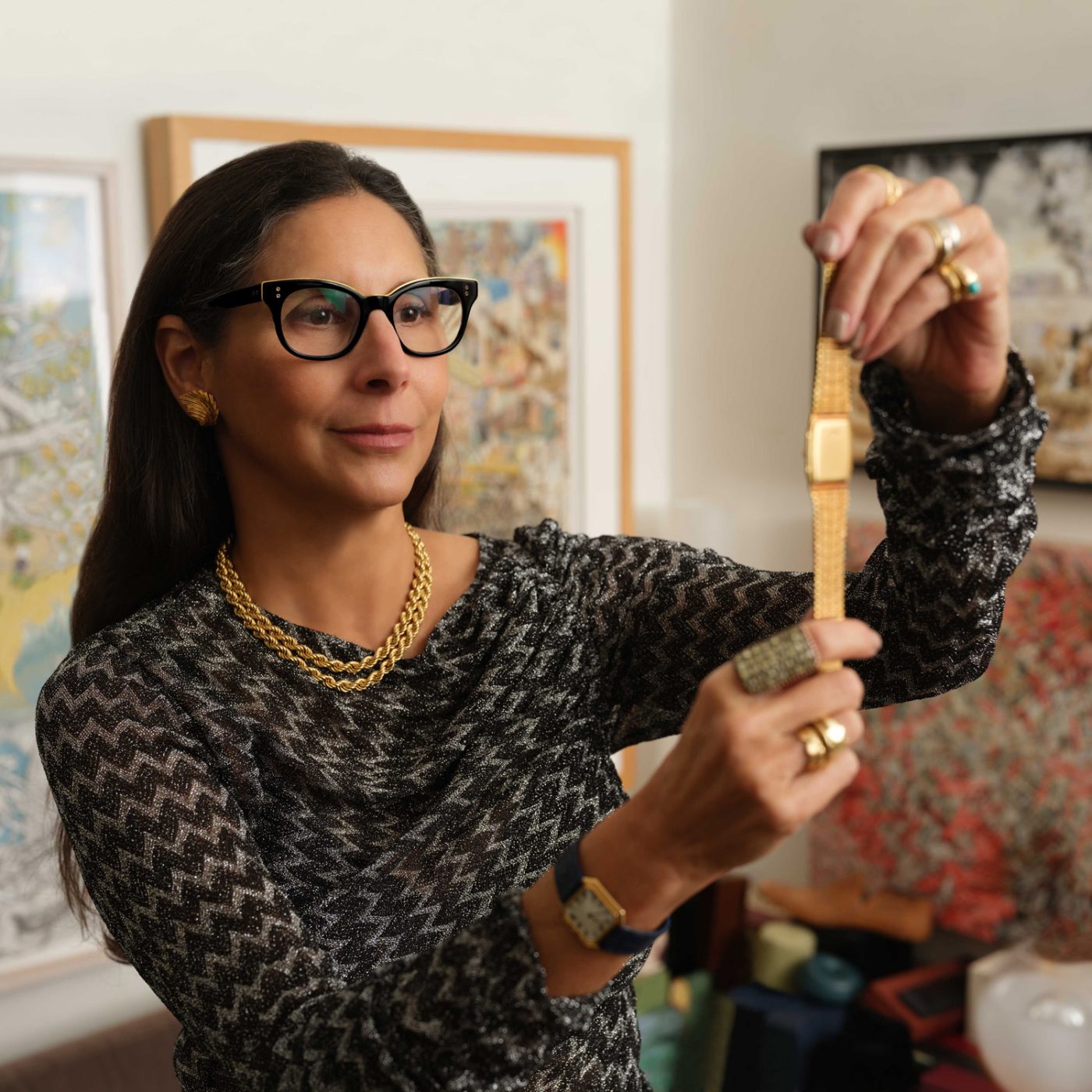
November 23, 2025With her creative curation, Stephanie Windsor proves that watches don’t have to be understated accessories. The bold gold timepieces she offers reflect collectors’ current obsession with designs from the end of the analogue era. They also evince her extensive experience in fashion and film and the time she spent sharpening her eye in New York City.
A native of Montreal, Windsor moved to Manhattan in 1987, landing her first job, at Norma Kamali, after a one-question interview with the designer. “She asked me, ‘What’s your sign?’ ” Windsor remembers. “When I told her I was a July Leo she said, ‘You’re hired.’ ”
As simple as that screening may sound, the junior fashionista gained serious chops on the job. Windsor did a little of everything for the small but mighty brand, from stepping in as a fit model to working in retail sales and helping put together runway shows featuring supermodels like Cindy Crawford, Claudia Schiffer and Paulina Porizkova.
After several years with Norma Kamali, Windsor became cochair of design marketing at Parsons School of Design, where she placed students in fashion internships. Her office was two doors down from Tim Gunn, who later became famous on Project Runway.
Next, Windsor founded her own accessories showroom, which she named Metropolitan. “I had a beautiful loft-style space in a beaux arts building overlooking Bryant Park,” she says. Charismatic and outgoing, she befriended Stan Herman, a neighbor in the building and one of the founders of the Council of Fashion Designers of America (CFDA). “We both brought our dogs to work, and he would bring a chicken cutlet for my dog, Simon, every day,” she recalls.
With the showroom, Windsor delved into her interest in jewelry, which was sparked by a childhood fascination with her grandmother’s collection. Among the contemporary talents she carried was Philip Crangi, a master craftsman. The two bonded over the art and craft of jewelry and often went on weekends to the 26th Street Flea Market, still in its glory days, to hunt for vintage jewels.
Around 2010, Windsor decided to add filmmaking to her résumé. Over the years, she had often joined her uncle, who was a director, on set and to scout talent. “It made me realize I wanted to be a documentary-film producer,” she says. At the same time, contacts Windsor had made at Barneys through the showroom asked if she could put together an assortment of vintage watches and jewelry for the department store.
Although the combination of filmmaking with jewelry and watch dealing may sound unusual — and it is — it worked perfectly for Windsor. “Both fields are about storytelling and aesthetics,” she explains. “Plus, some movies take a few years to get off the ground, so I always had the jewelry collection to keep me busy.”
Windsor’s documentaries became higher and higher profile, her best-known being the 2019 Halston. With jewelry as well, her ethos has always been one of constant refinement
When Barneys closed, five years ago, Windsor began taking her collection in more unconventional directions. And while she has sold watches since 2017, she says that during the pandemic she started focusing more on rare, high-end watches. From her atelier in Greenwich Village and while traveling abroad, she seeks out statement pieces and limited editions that wouldn’t necessarily work within a department-store inventory. Read on to find out how Windsor curates her collection today.
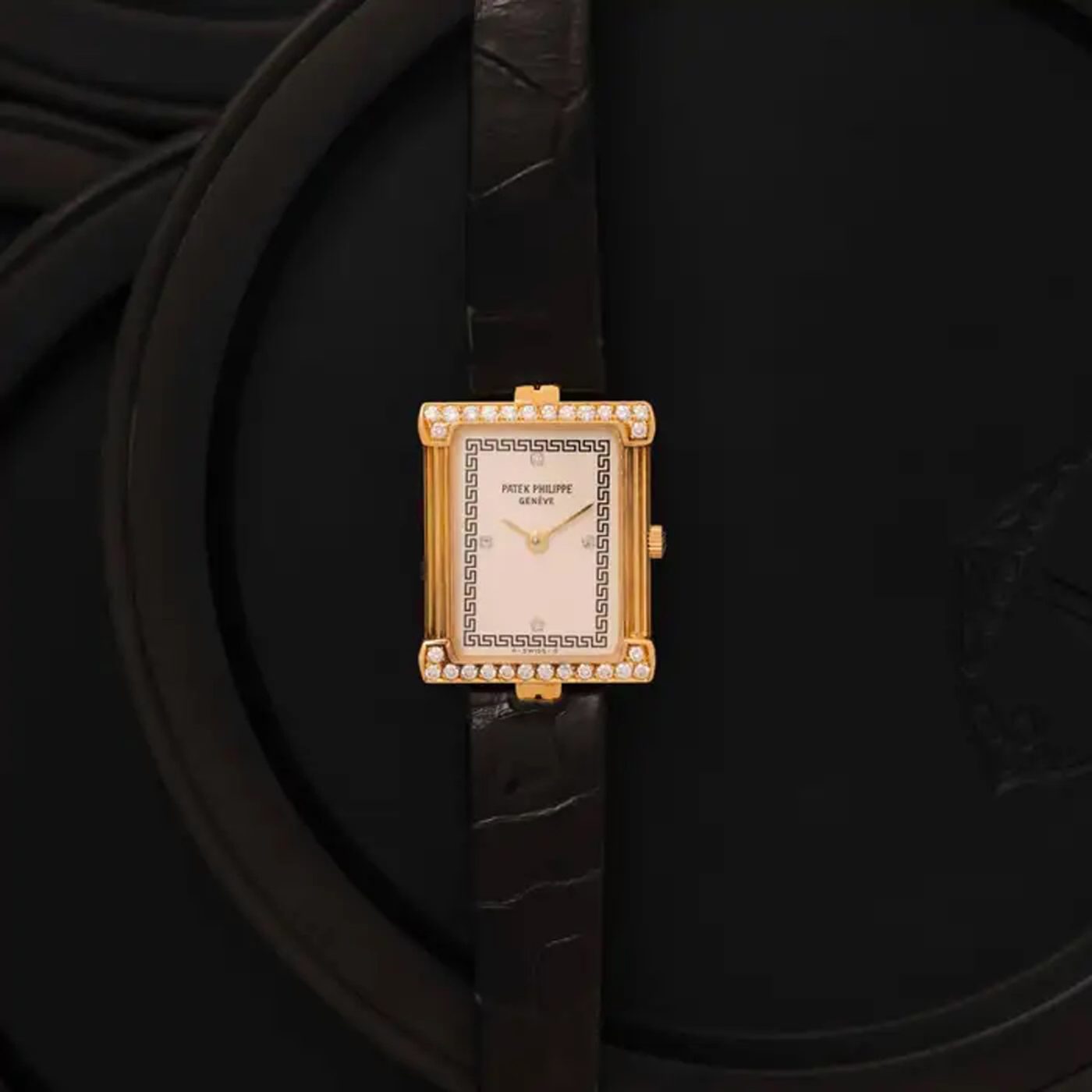
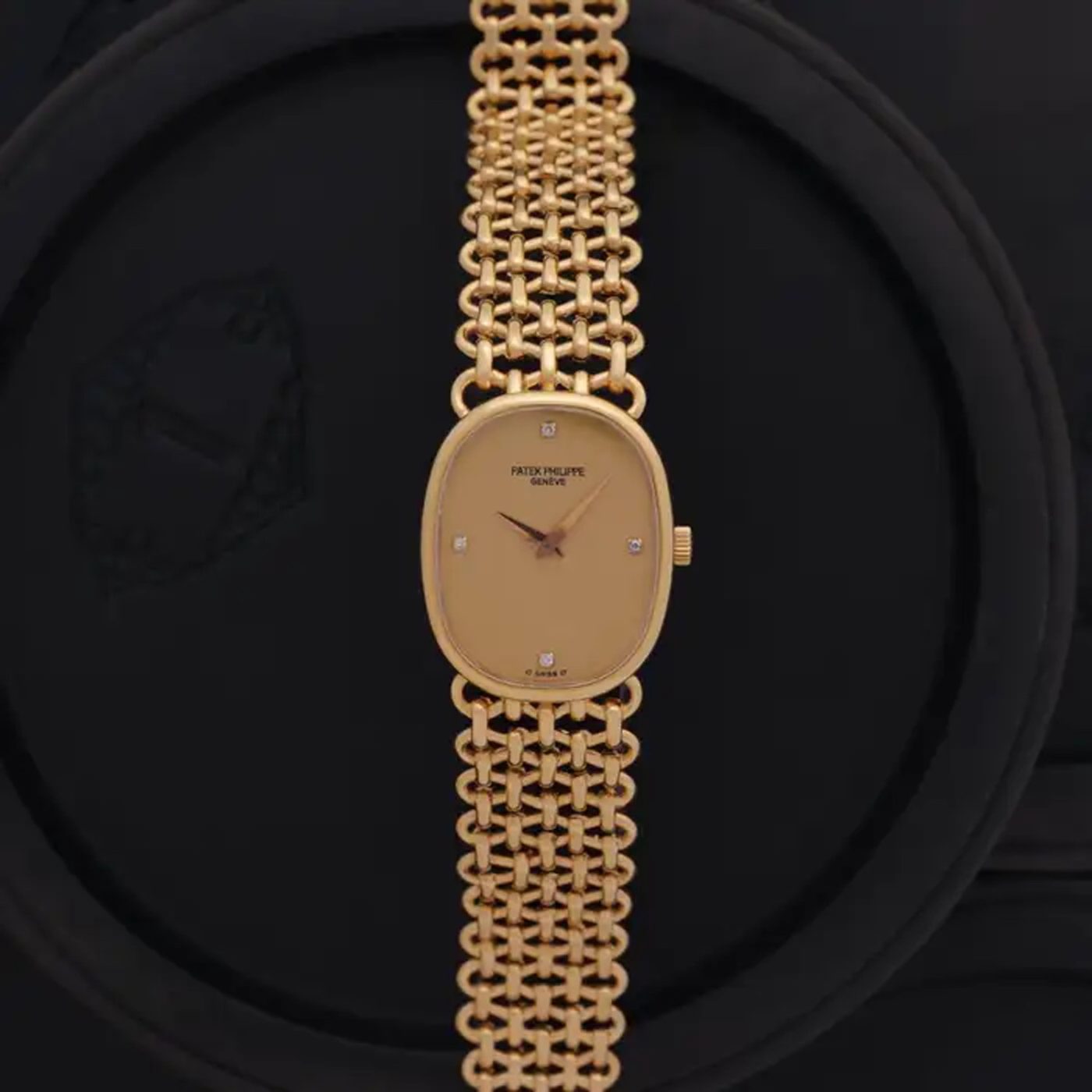
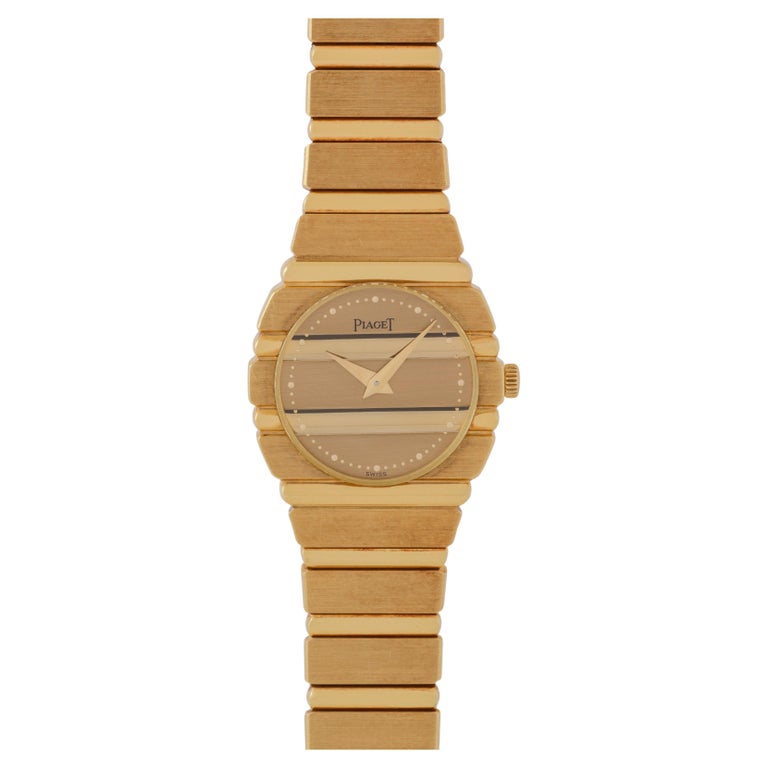
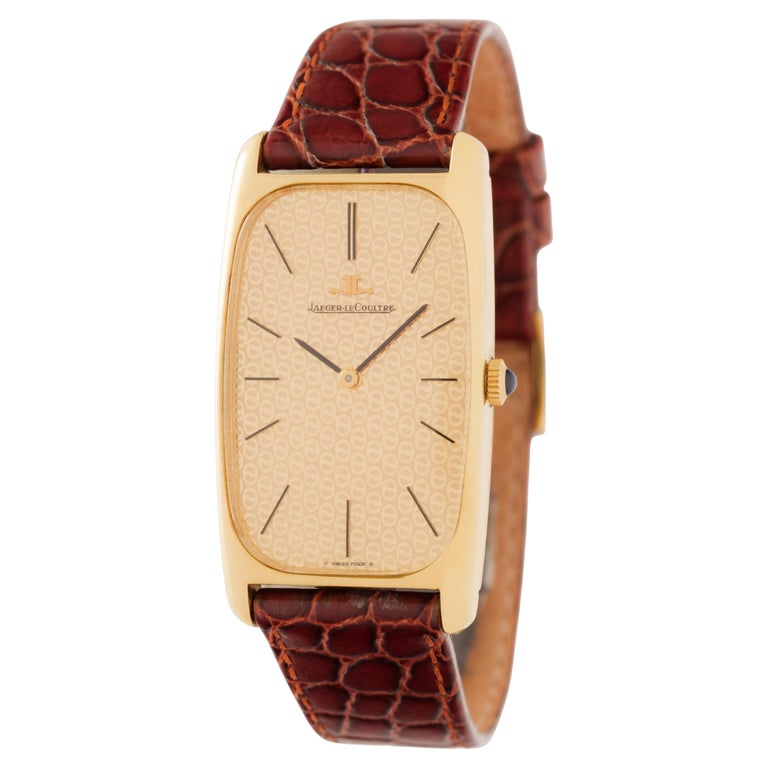
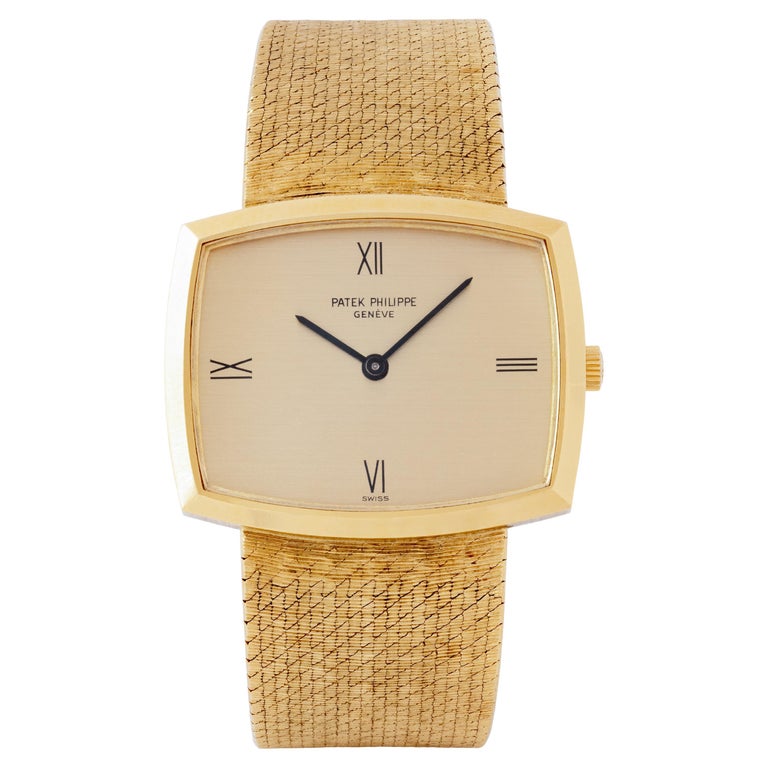
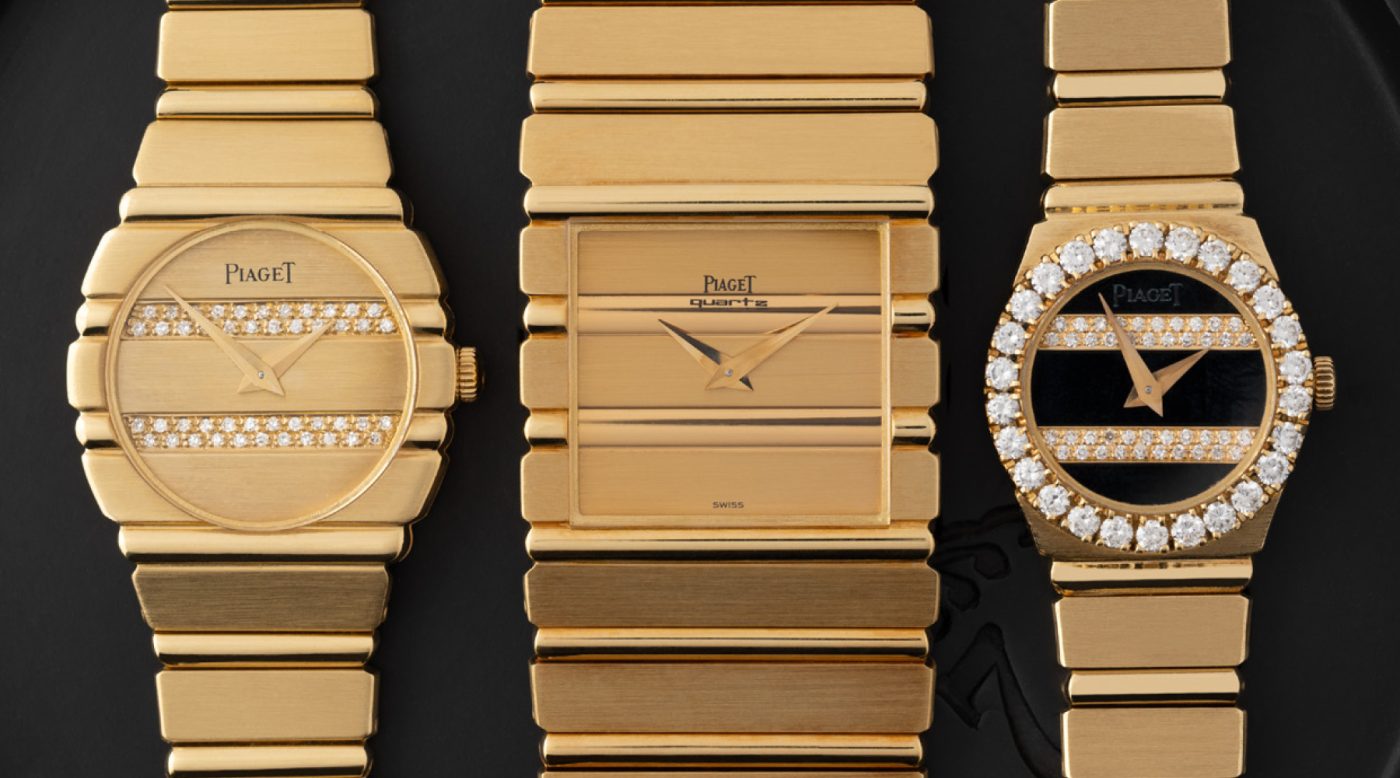
You focus on late-20th-century watches, including pieces by Audemars Piguet, Patek Philippe and Piaget. Why do you think this period has become so popular?
There is a nostalgia for late-twentieth-century design, when things were made beautifully and authentically. This period occurred just before a pivotal moment when technology changed everything.
Another reason is innovation. People had watch wardrobes with timepieces for various occasions, so there was a lot of creativity. It predates the corporatization and commercialization of watches. The watchmakers were much more adventurous back then, which appeals to collectors now who don’t want cookie-cutter items.
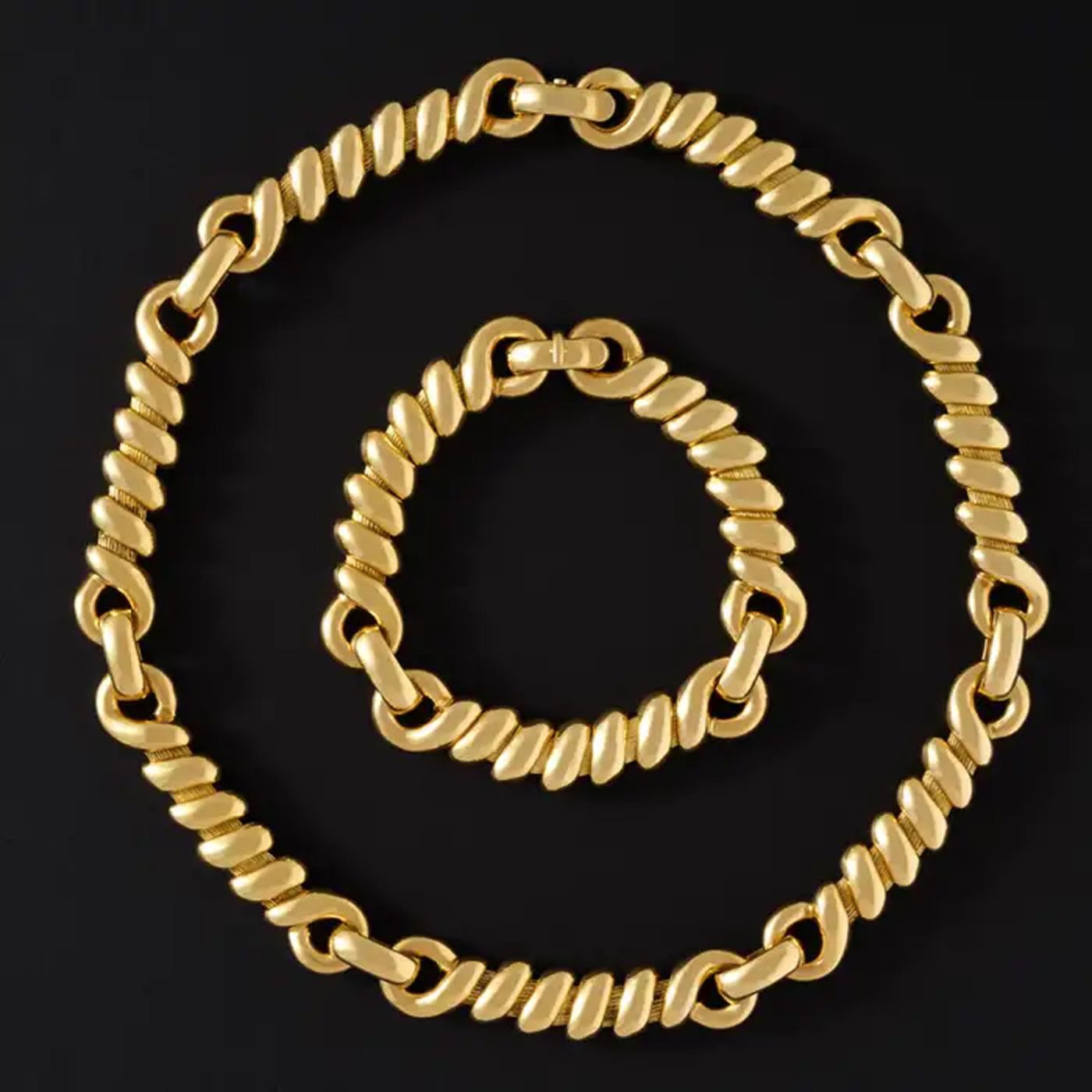
Many of your watches have so much gold in the design that they are noticeably heavier than those on the market today. It’s amazing to hold them.
Watchmakers and jewelers were more generous with their use of gold in the past, when it was much less expensive. In the nineteen nineties, gold cost three hundred to four hundred dollars an ounce, compared with the recent eye-popping price of four thousand dollars an ounce.
This generosity with gold is reflected in a lot of my gold jewelry, which comprises companion pieces to the watches. The double-row Cartier chain-link bracelet is a perfect example. I have a L’Enfant chain and bracelet set made in the sixties, and it is like a half a pound of gold.
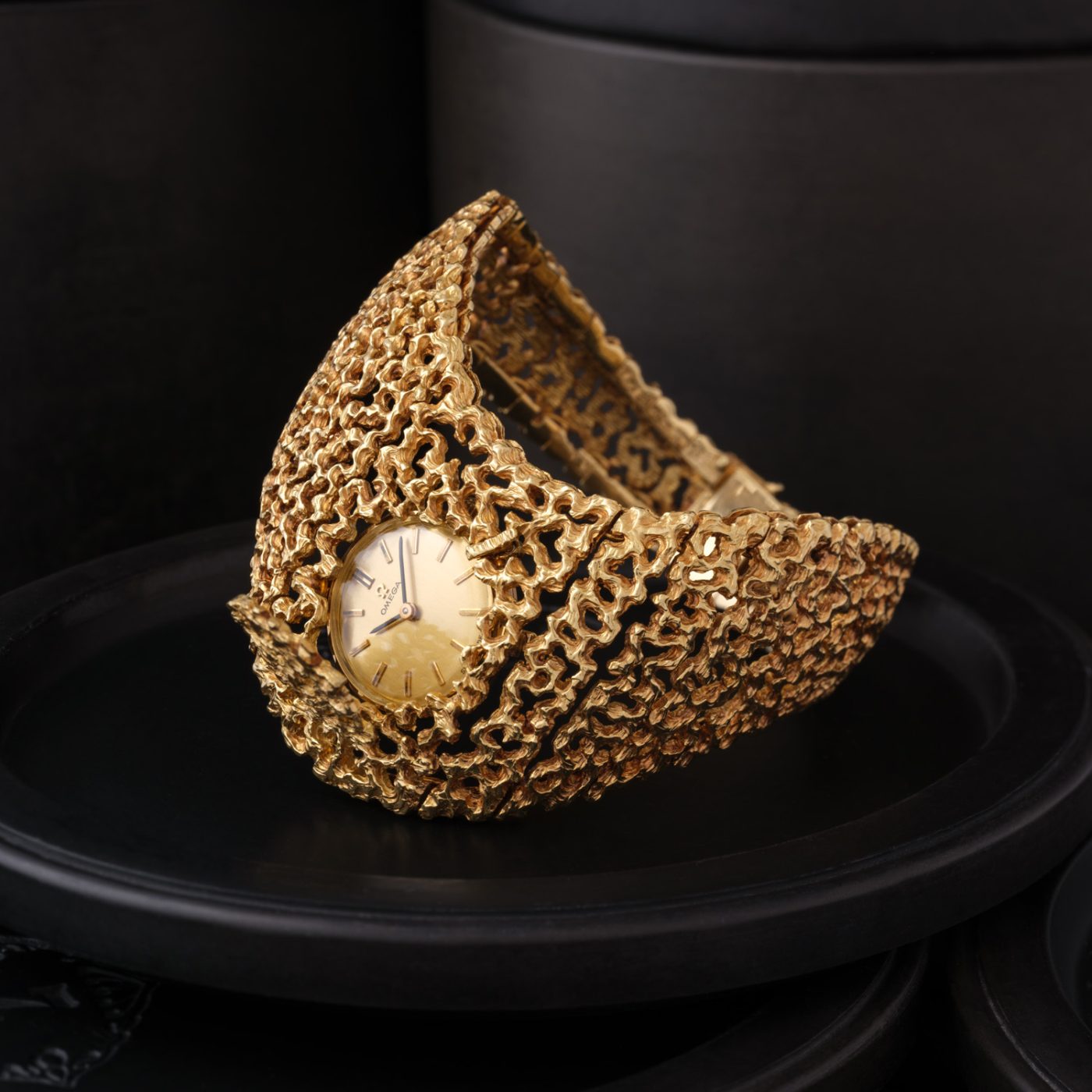
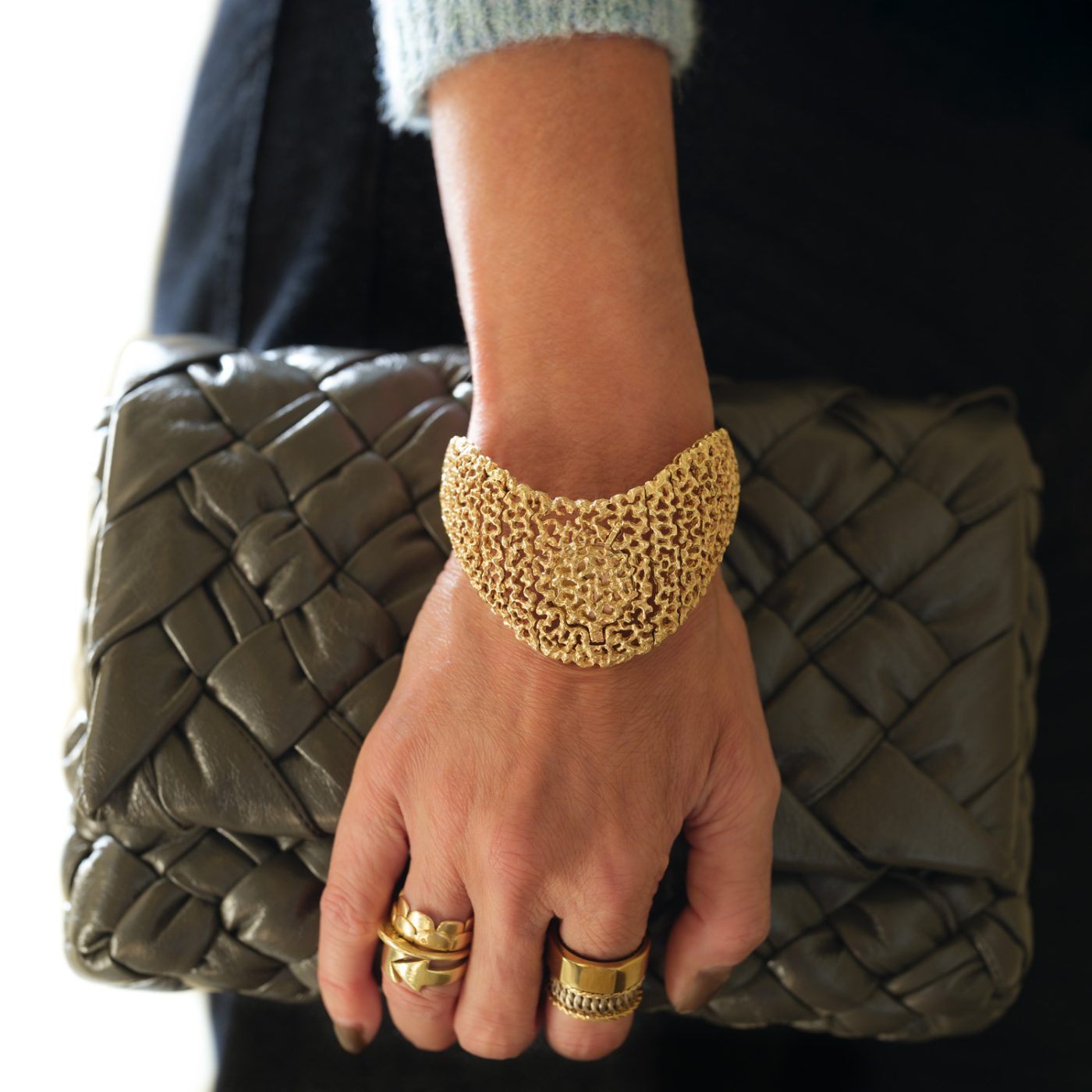
The preponderance of the watches in your collection are almost like jewelry.
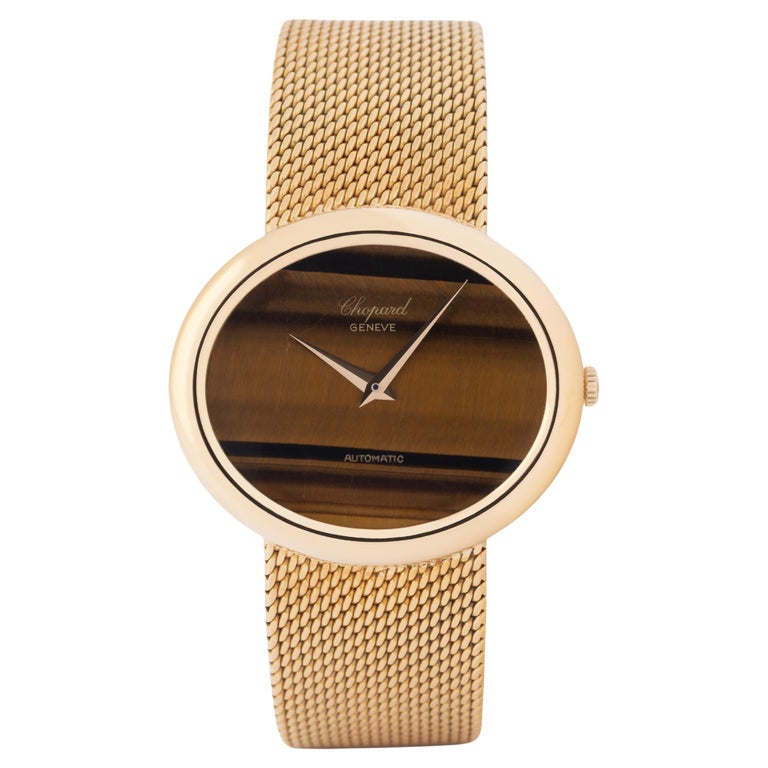
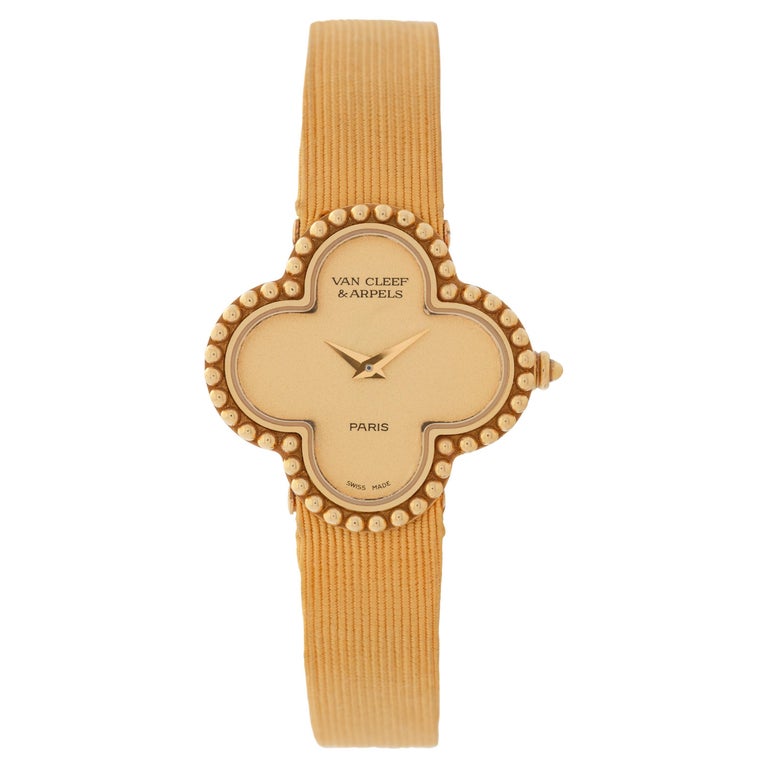
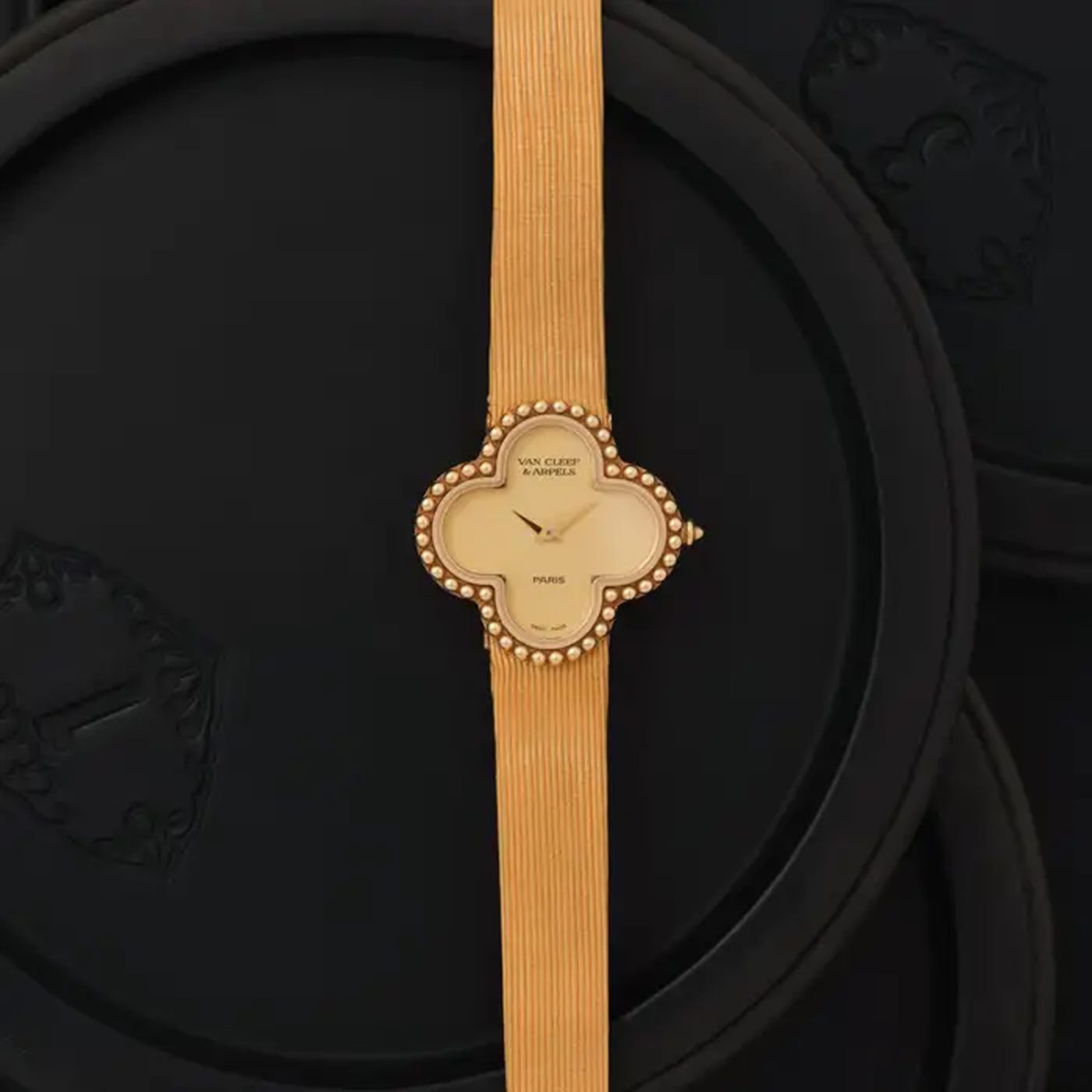
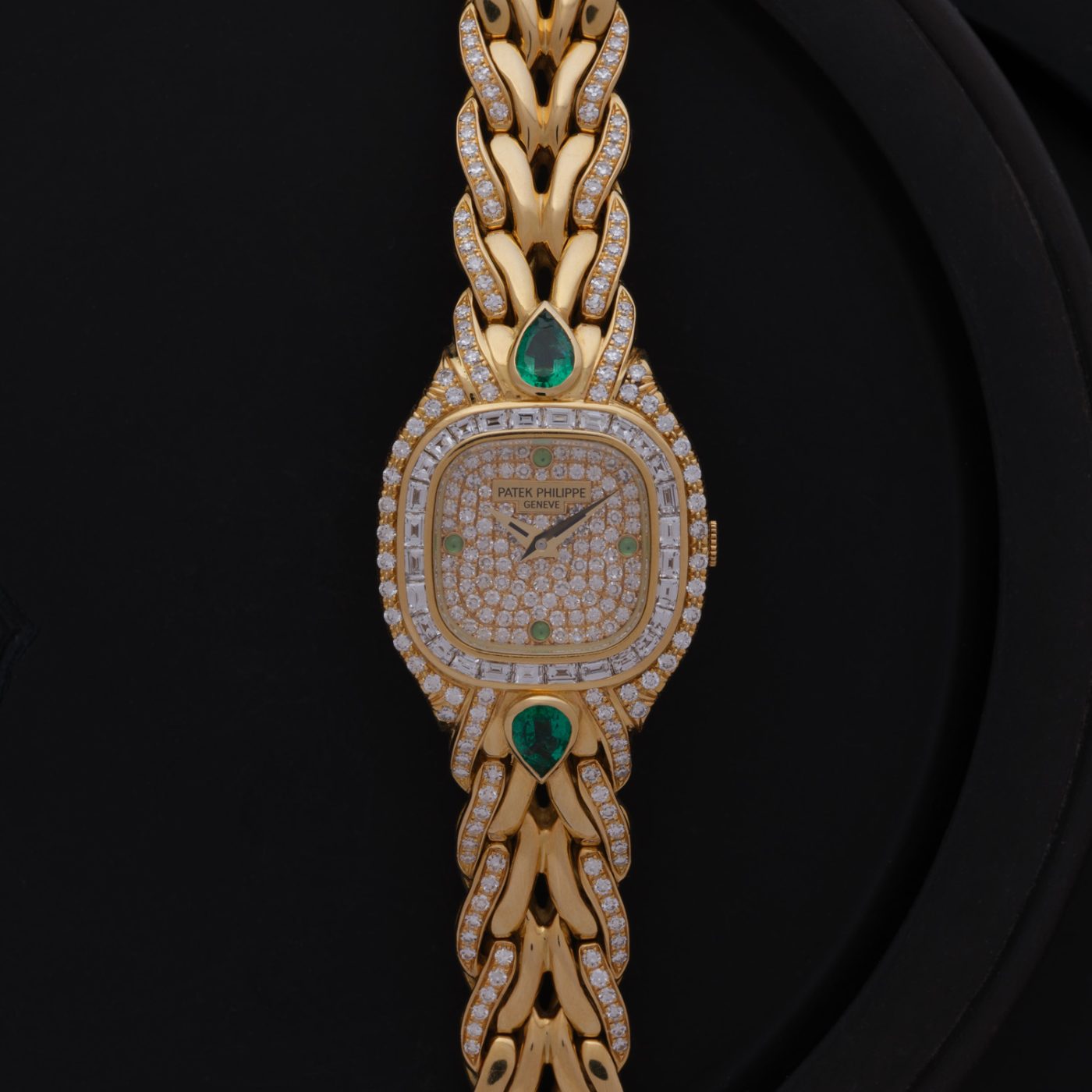
It’s true. Watches by houses known for jewelry, like Bulgari, Cartier and Chopard, often have interesting gold details. Gold-mesh watch bracelets are an example of a jewelry trend that has crossed over into watches. There are also chain-link bracelets in watches.
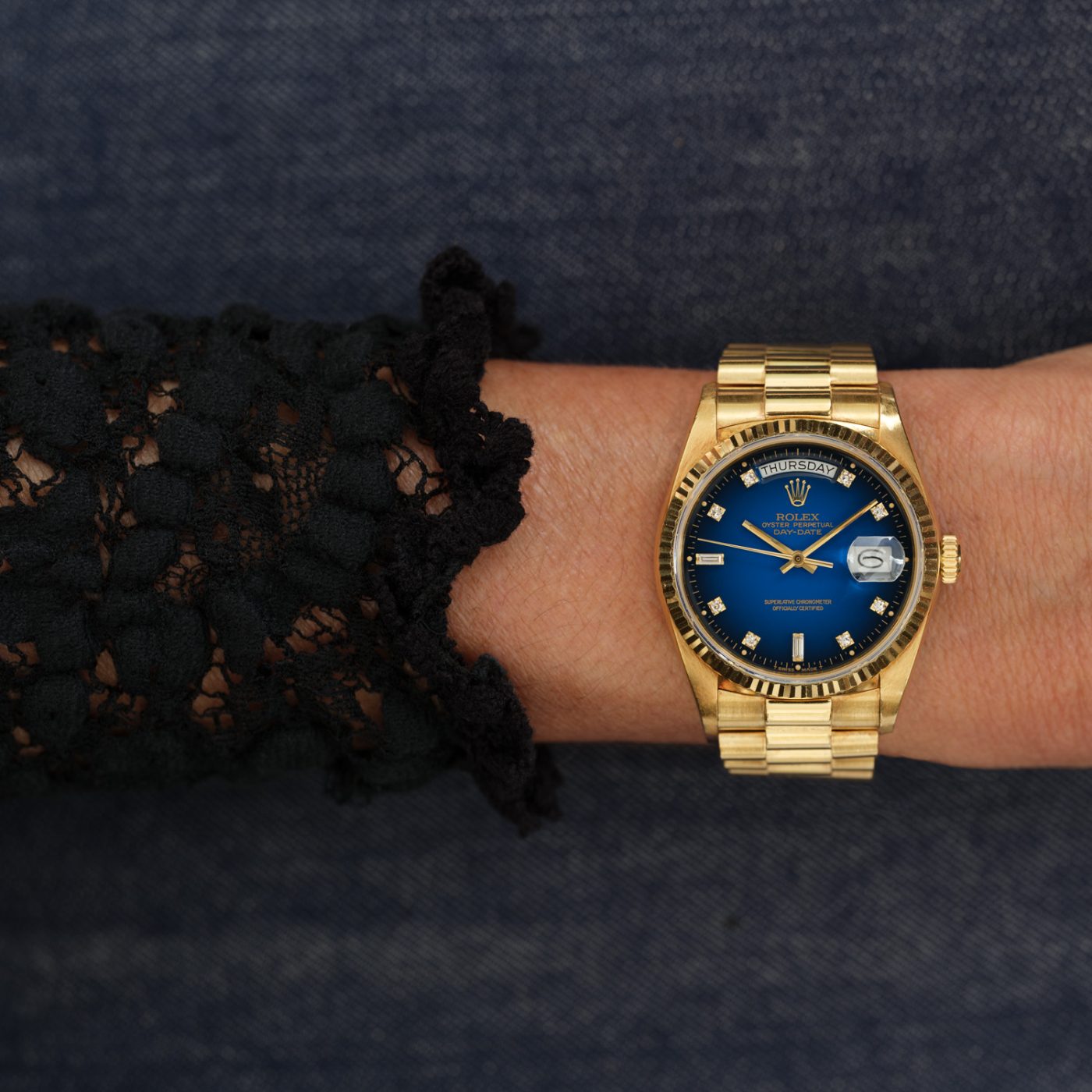
The jewelry idea also comes through with the lapis, agate and other hard-stone dials that can be found on Rolexes and Audemars Piguets, among many other labels.
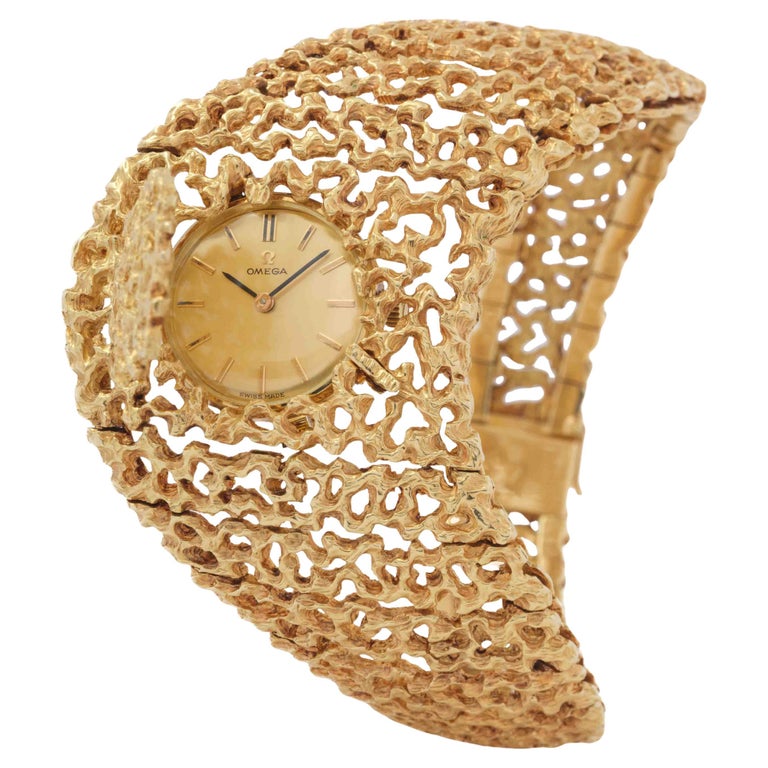
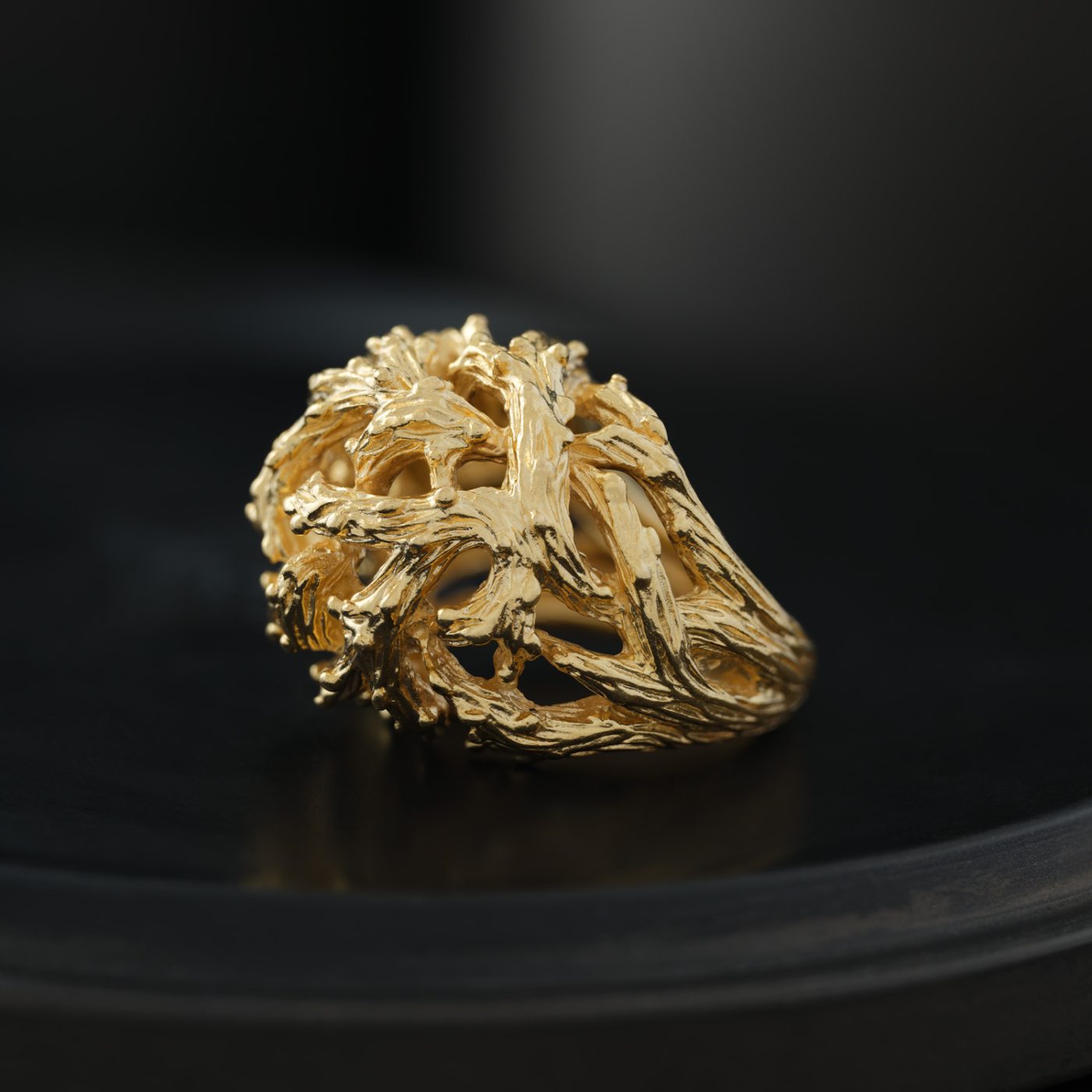
Then there are pieces like the Gilbert Albert Frisson D’Or Watch for Omega. It is sculpted to look like a piece of branch coral. You push a button to flip open a section at the center where the watch case is hidden.
What kinds of special requests do you receive from your clients?
One popular thing is to find a watch, often a Rolex, from the year that they were born. I’ve had clients born in the seventies, eighties and nineties make this request.
For decades, women didn’t seem to have much interest in watches, but now they are turning back to them. What do you think is causing this shift?
Besides the nostalgia idea we have discussed, I also think there is a poetry about time, and timepieces capture it. Women are interested in these ideas.