Articoli simili a Presentation Rowing Oar Trophy, Fitzwilliam House, 1st Lent Boat 1950
Vuoi altre immagini o video?
Richiedi altre immagini o video al venditore
1 di 20
Presentation Rowing Oar Trophy, Fitzwilliam House, 1st Lent Boat 1950
2161,93 €
Informazioni sull’articolo
Antique Rowing Oar, 1950 Fitzwilliam House, Lent Boat.
The full-length oar, 12 foot long, is an original traditional Cambridge University presentation rowing oar with gilt calligraphy and college insignia. It is a beautiful oar and in original condition. The calligraphy denotes the crew's names and weights with the oar once belonging to G. Marsden. We also have two other oars once belonging to G. Marsden and a Presentation Trophy Rowing Shield from when he was a coach.
The calligraphy on this blade reads:-
Fitzwilliam House 1st lent Boat 1950.
Bow E.W. Brown 10.10
2. K.H. Unger. 11.10
3. R. Wilkinson. 11.12
4. C.L. Dawson. 10.7
5. I.G. Mortimer. 12.12
6. D. Chamberlain. 12.12
7. G. Marsden. 12.0
Str. B.T. Tuffield. 12.2
Cox. J.D. Reynolds. 9.8
Overbumped:- Chester III, Bumped Downing II, Selwyn II
Coach T.E.W. Nind. (St. Caths.).
As the oar is full length (12 foot) shipping can be quite expensive. We have come up with an ingenious way to cut the oar so as to make shipping cheaper, the oar can then be easily reassembled. One of the images shows different images of an oar that has been cut down. It is cut by the leather sleeve so the joint is less visible or obvious. The oar can then be bolted together to make the oar one solid piece.
Please do enquire about the different shipping options.
Any crew which records four consecutive bumps is said to have 'gained their oars'. The prize being a full-size oar decorated with the names of the full crew in gold lettering on the college colours for each rower. The cox is given a decorated rudder and the coach receives a decorated wooden shield with a mock-up of the bow end of a boat.
Both Oxford and Cambridge Universities host two university bumps races yearly, each lasting several days. The races are for eights (i.e. eight rowers and a cox), each representing one of the university's various colleges. One of the races is held in early spring and the other in early summer, in Oxford they are called 'Torpids' in the spring and 'Eights' in the summer, in Cambridge these are called 'Lent Bumps' and 'May Bumps'. The leading crews of the Lent Bumps go on to race the leading Oxford Torpids crews at the Henley Boat Races around Easter.
The first attested bumps race took place in Oxford in 1815 and was between two eights from Brasenose College and Jesus College. Twelve years later Lent Bumps racing commenced at Cambridge University. As the Isis and Cam are long narrow rivers, not ideal for normal side by side racing, Bumps racing evolved. The competing crews line up bow-to-stern in order, one behind the other with gaps of about 1½ boat lengths between them. The start of the race commences with the firing of a cannon, the idea to progress up their division by attempting to catch and Bump (touch) the boat in front whilst simultaneously trying not to be Bumped by the boat behind. The ultimate aim becoming top of the first division and "Head Of The River". When a bump has taken place both of the crews involved in the Bump pull over to the riverbank and take no further part in that race, allowing the rest of the division to pass. The only difference is in Torpids where the crew whose boat was Bumped has to continue racing (and is liable to be bumped again). It is possible to "over bump", if the 2 crews involved in the Bump have pulled over and the crew behind them manage to catch the boat that was in front of them, this is an "over bump".
Fitzwilliam began in 1869 as a non-collegiate institution, providing Cambridge education to undergraduates who were unable to afford membership of a college. It received in turn the names of Fitzwilliam Hall and Fitzwilliam House, and its members continually strove to enhance its standing. Fitzwilliam moved to its current site in 1963, and in 1966 it was granted a Royal Charter and became an independent college.
Dimensions:
Height
16 cm / 6 "
Width
371 cm / 146 "
Depth
10 cm / 4"
- Dimensioni:Altezza: 16 cm (6,3 in)Larghezza: 371 cm (146,07 in)Profondità: 10 cm (3,94 in)
- Materiali e tecniche:
- Luogo di origine:
- Periodo:
- Data di produzione:1950
- Condizioni:Riparato: The shaft of the oar has an historical repair to it. Usura compatibile con l’età e l’utilizzo. The calligraphy is in good condition, paint with a crackle finish. The shaft of the oar has an historical repair to it.
- Località del venditore:Oxfordshire, GB
- Numero di riferimento:Venditore: 306671stDibs: LU975747933932
Informazioni sul venditore
5,0
Venditore Platino
Venditori Premium con valutazione 4.7+ e tempi di risposta entro 24 ore
Fondazione nel 1977
Venditore 1stDibs dal 2013
832 vendite su 1stDibs
Tempo di risposta standard: 4 ore
Associazioni
LAPADA - The Association of Arts
Antiques Dealers
- SpedizioneRecupero del preventivo…Spedizione da: Oxfordshire, Regno Unito
- Politica di reso
Alcune parti di questa pagina sono state tradotte automaticamente. 1stDibs non può garantire che le traduzioni siano corrette. L’inglese è la lingua predefinita del sito.
Altro da questo venditore
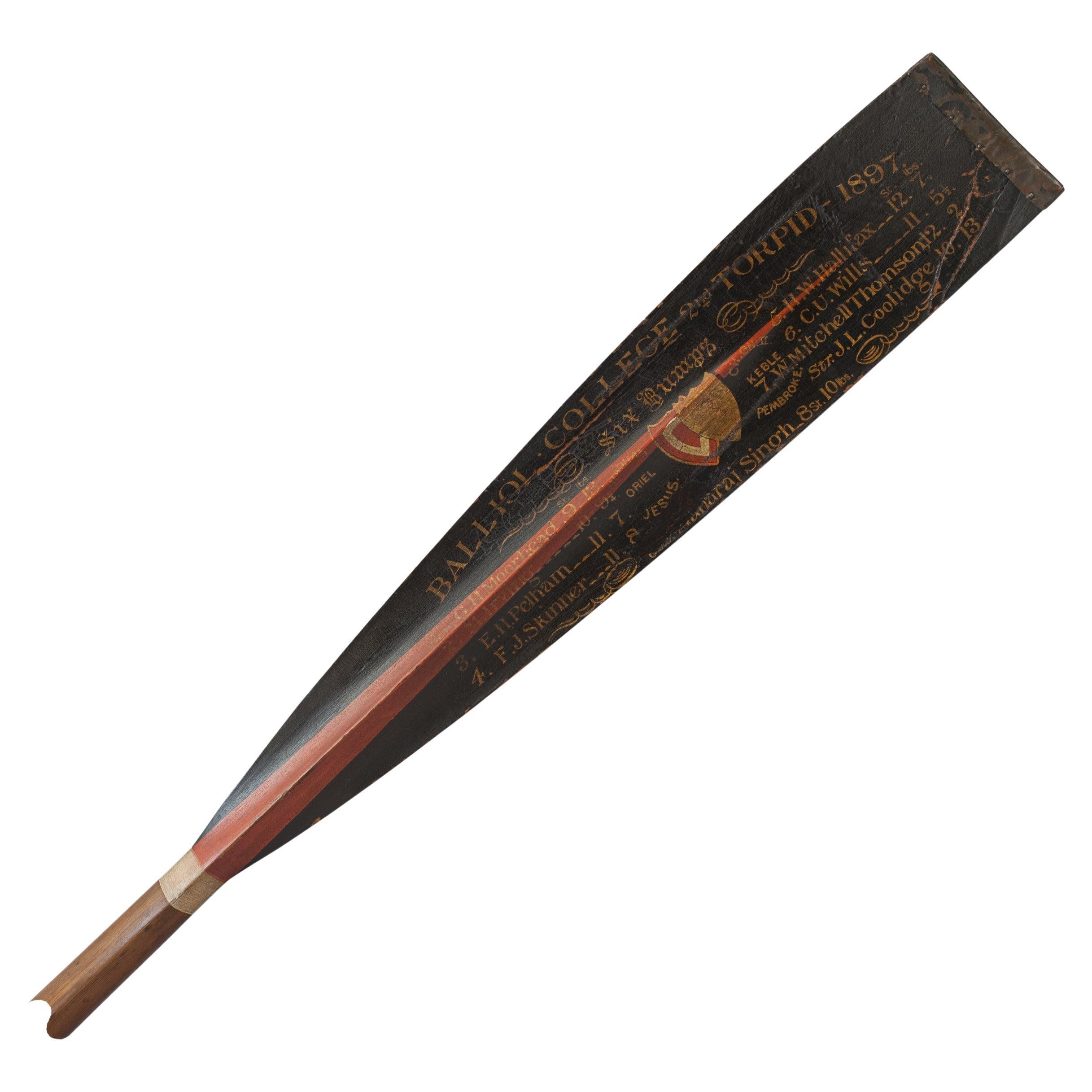
Mostra tuttoTrofeo di presentazione del remo da 12
, Università di Oxford, 1897 Balliol
Remiera antica, 1897 Balliol College Oxford, 2° Torpide.
Il remo a figura intera è un remo tradizionale di presentazione originale con calligrafia dorata e insegne del Balliol Colleg...
Categoria
Di antiquariato/d’epoca, Fine XIX secolo, Britannico, Sporting Art, Attr...
Materiali
Pino
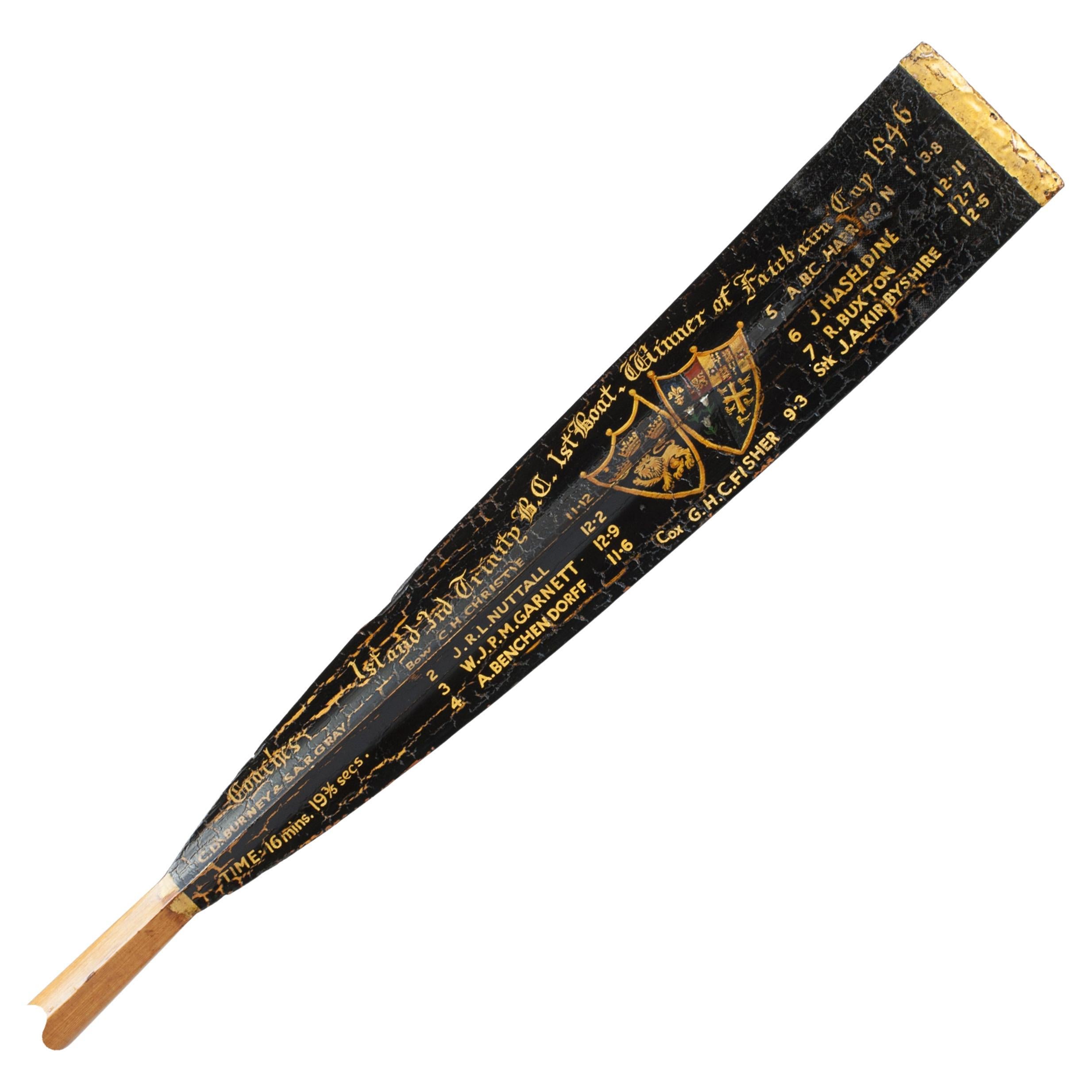
Trofeo con remo di presentazione da 12
, Università di Cambridge 1a e 3a barca Trinity
Remiera antica, Coppa Fairbairn 1946, 1° e 3° Trinity Boat Club 1946.
Il remo a figura intera, lungo 12 piedi, è un remo originale di presentazione dell'Università di Cambridge con c...
Categoria
XX secolo, Britannico, Sporting Art, Attrezzatura sportiva e memorabilia
Materiali
Pino
Canna Split Cane, Canna da pesca a mosca Hardy
Di Hardy Bros.
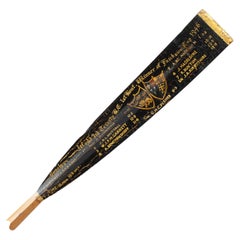
Hardy Bros. Canna da mosca Split Cane Palakona.
Canna da mosca in canna spaccata di epoca edoardiana in condizioni originali con borsa in tela di Hardy. Canna da mosca da 10'6" con s...
Categoria
Inizio XX secolo, Inglese, Attrezzatura sportiva e memorabilia
Materiali
Bambù

Canna da pesca a mosca "Victor" Hardy, Split Cane
Di Hardy Bros.
Canna da pesca a mosca Hardy Bros. 'Victor' Palakona.
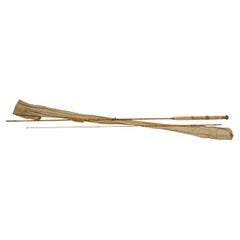
Una canna da pesca a mosca in 2 pezzi da 8' 2" split cane di Hardy di Alnwick, Victor. È in condizioni riparate, con giunti a ve...
Categoria
Inizio XX secolo, Britannico, Attrezzatura sportiva e memorabilia
Materiali
Bambù
373 € / articolo
Canna da pesca a mosca per trote Hardy Gold Medal 9 piedi
Canna da pesca a mosca Hardy Split Cane 'Palakona' 9' vintage.
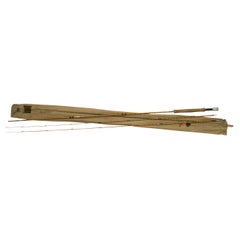
La canna Hardy 'Gold Medal' è una canna da mosca per trote in 2 pezzi in canna spaccata Palakona con punta di ricambio ...
Categoria
Metà XX secolo, Britannico, Attrezzatura sportiva e memorabilia
Materiali
Bambù
Mazza da cricket, in legno duro
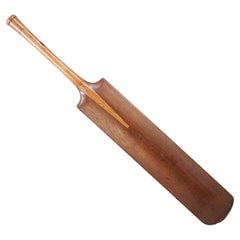
Mazza da cricket antica in legno duro.
Un'insolita e bellissima mazza da cricket realizzata con lama in legno duro e manico in frassino. La lama ha un profilo curvo davanti e dietro ...
Categoria
Di antiquariato/d’epoca, Fine XIX secolo, Britannico, Attrezzatura sport...
Materiali
Legno massiccio
Ti potrebbe interessare anche
Skiff da canottaggio Wood, anni
60
Skiff da canottaggio Wood, anni '60
Design vintage
Informazioni aggiuntive:
Materiali: Wood
Colore: marrone
Periodo di progettazione: Dal 1960 al 1969
Paese di produzione: Francia
...
Categoria
XX secolo, Francese, Arte decorativa
Materiali
Legno
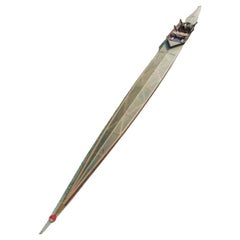
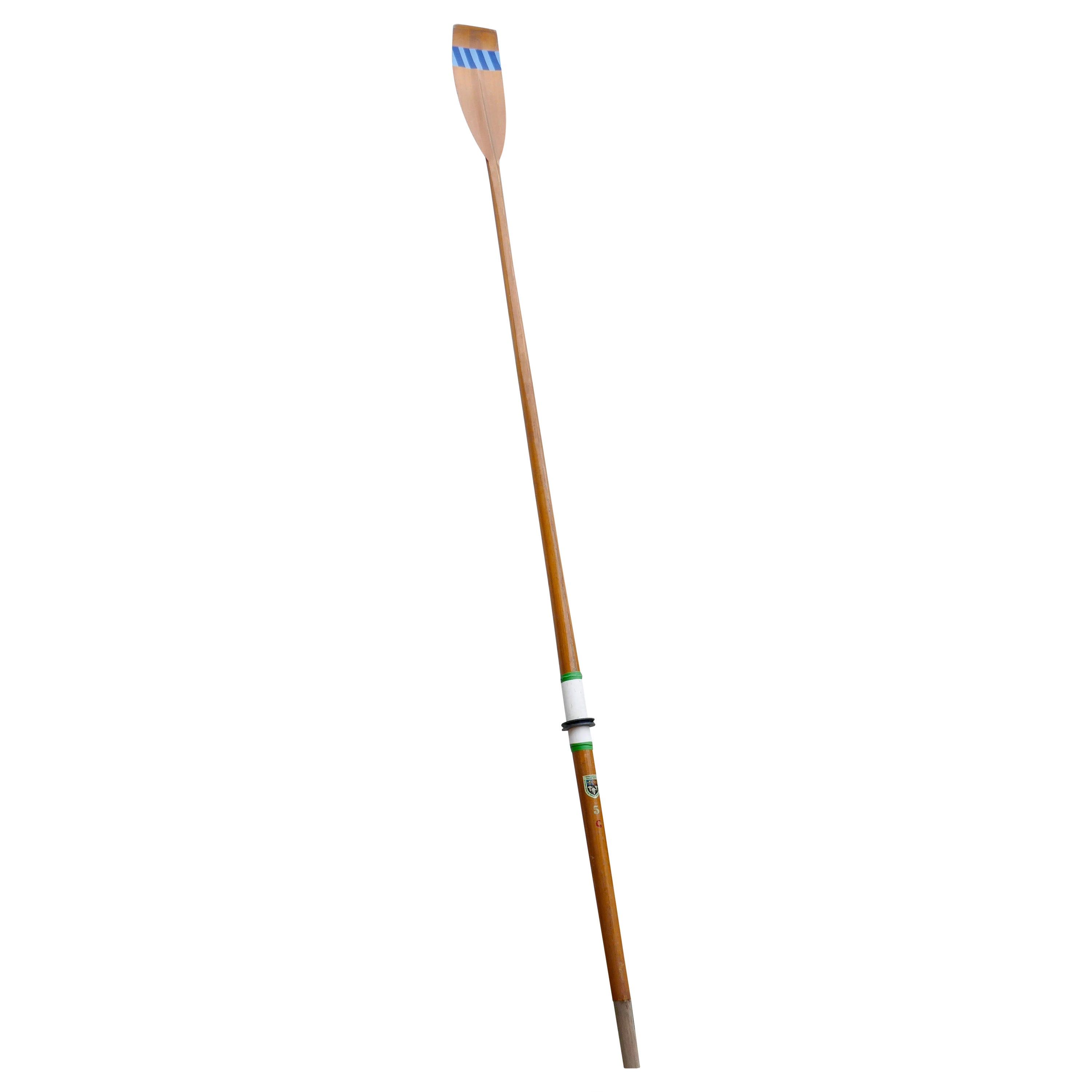
Remiera o remo da corsa molto lunghi dell
Eton College di Windsor
Remiera o remo da corsa molto lunghi dell'Eton College di Windsor
Si tratta di un remo extra-lungo di ottima qualità proveniente dall'Eton College; il cucchiaio o lama ha dei gal...
Categoria
Inizio XX secolo, Arte popolare, Oggetti nautici
Materiali
Frassino
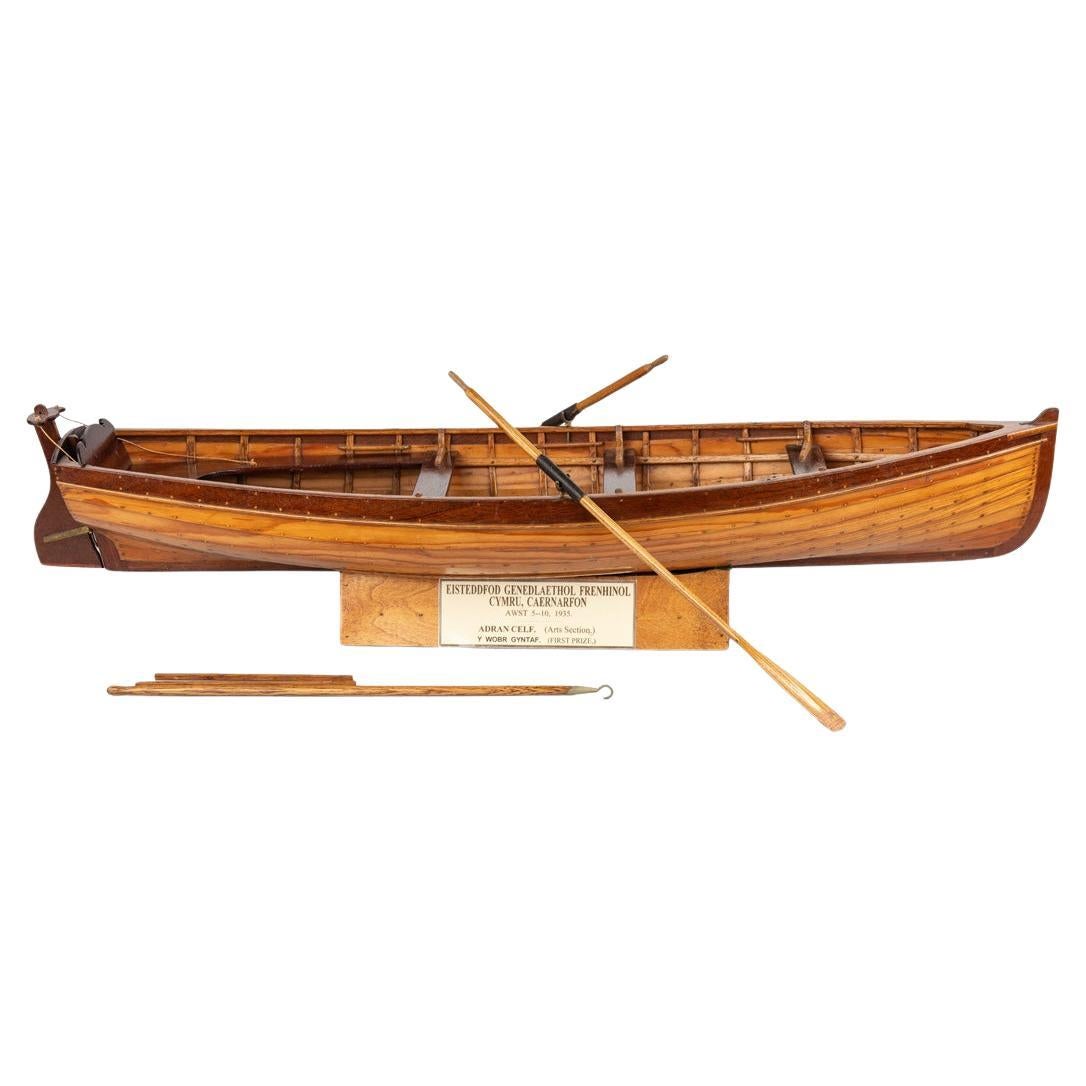
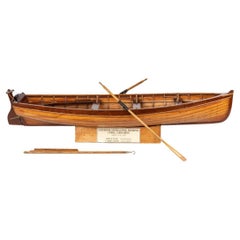
Un raro modello in pino gallese e mogano di una barca a remi vincitrice di un premio
Uno straordinario modello di barca a remi vincitore di un premio, probabilmente l'Ambitious, realizzato da John Evans di Llandudno,
Esposto al Caernarfon National Eisteddfod del 1935...
Categoria
Inizio XX secolo, Inglese, Modelli e miniature
Materiali
Mogano, Pino
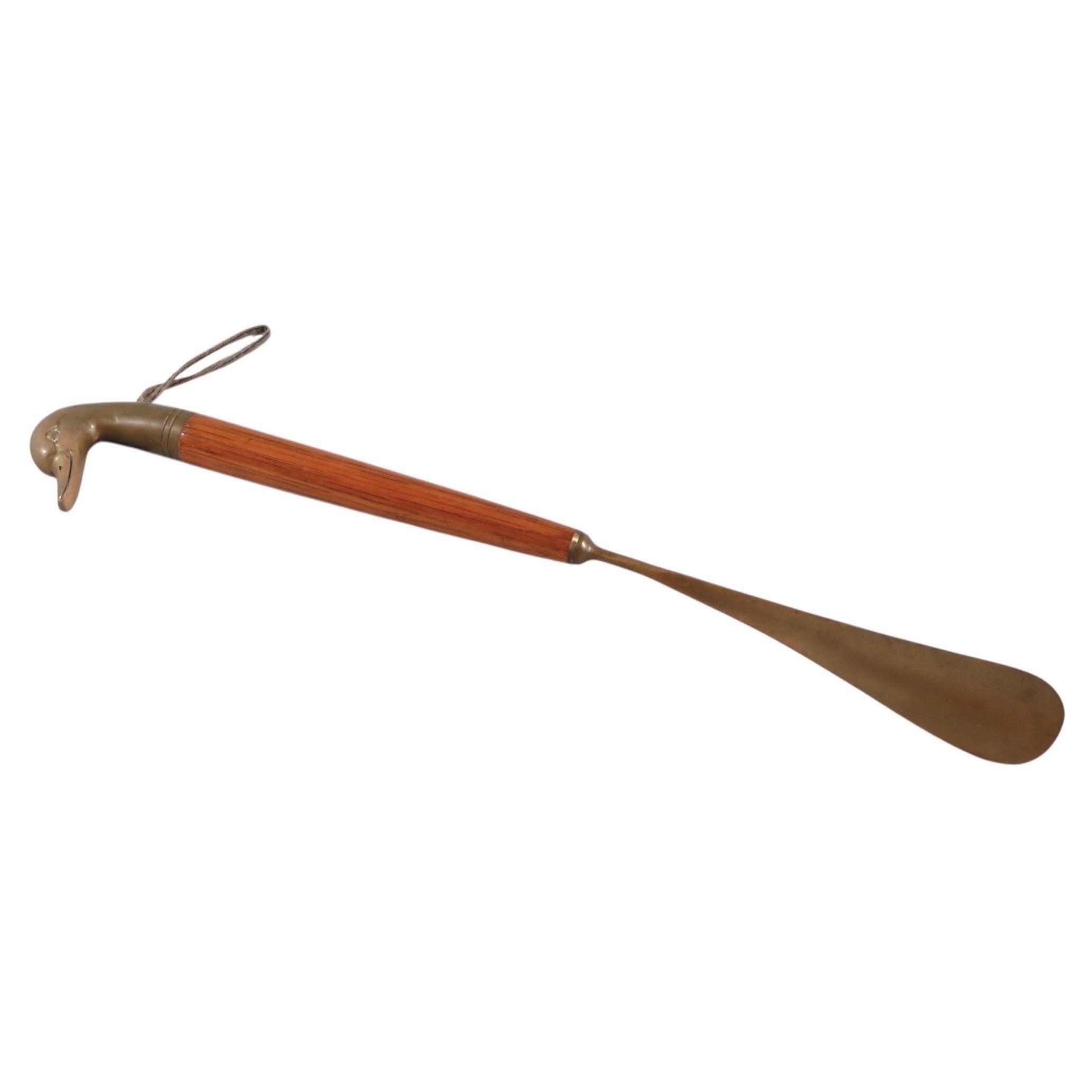
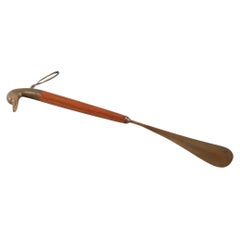
Calzascarpe in ottone e Wood
Un calzascarpe in ottone e legno. Il manico è in ottone fuso a forma di testa d'anatra, con una cordicella attaccata per facilitare la conservazione. Il gambo rotondo in legno è rifi...
Categoria
Metà XX secolo, Bohémien, Porta cappelli
Materiali
Ottone
Horn in osso del XIX secolo con gancio a bottone
Corno da scarpe e gancio per bottoni in osso inglese del XIX secolo, probabilmente per le scarpe con bottoni alti del periodo vittoriano. C'è un monogramma che sembra essere le lett...
Categoria
Di antiquariato/d’epoca, XIX secolo, Inglese, Vittoriano, Antichità
Materiali
Metallo
Mezzo modello di un motoscafo dell
architetto navale
Mezzo modello da architetto di qualità di un motoscafo da competizione a doppia estremità. Lo scafo è contrassegnato dalle linee della nave. Forse un C.W. Design del tosaerba. Montat...
Categoria
Vintage, Anni 1930, Nordamericano, Modelli e miniature
Materiali
Legno