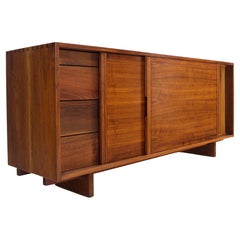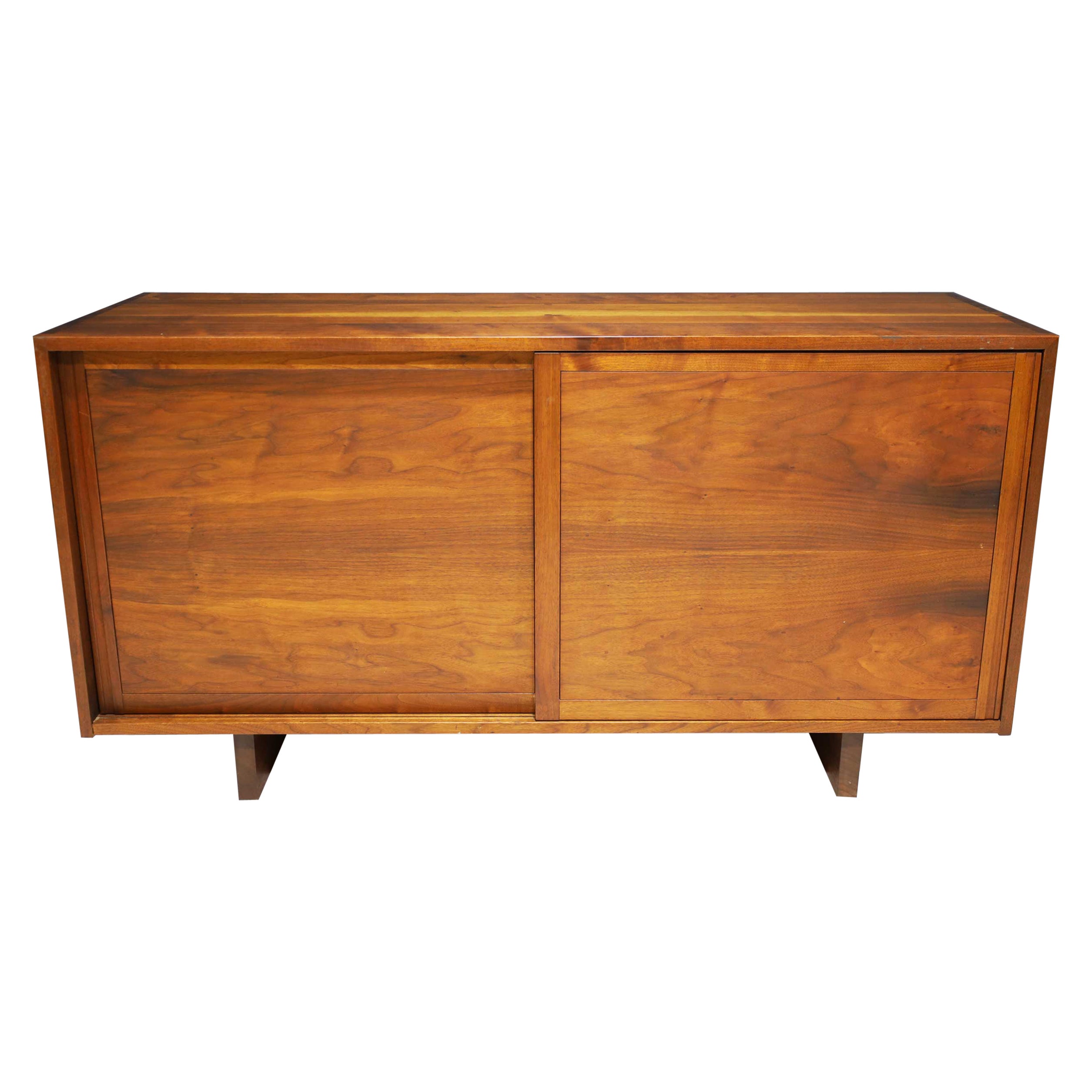
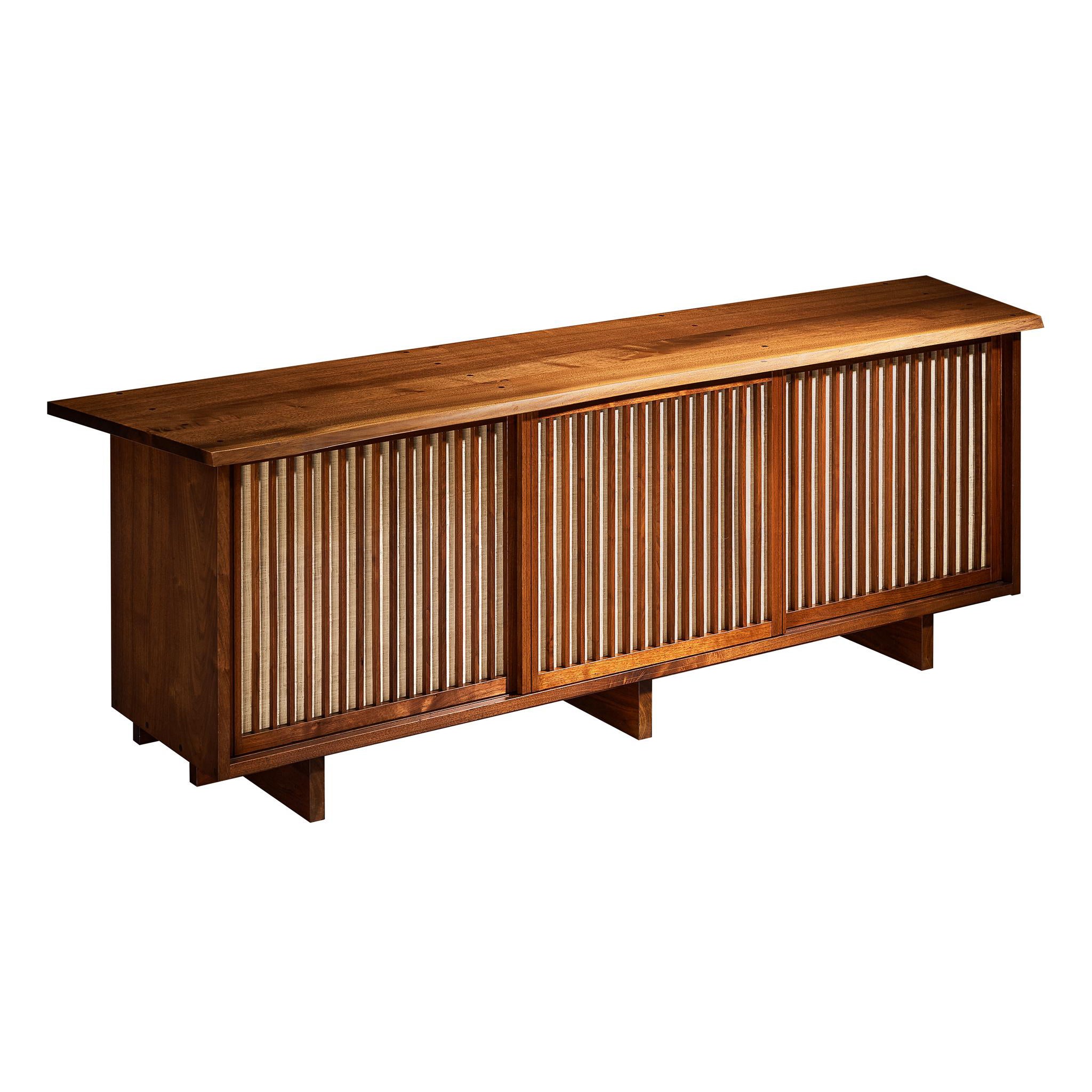
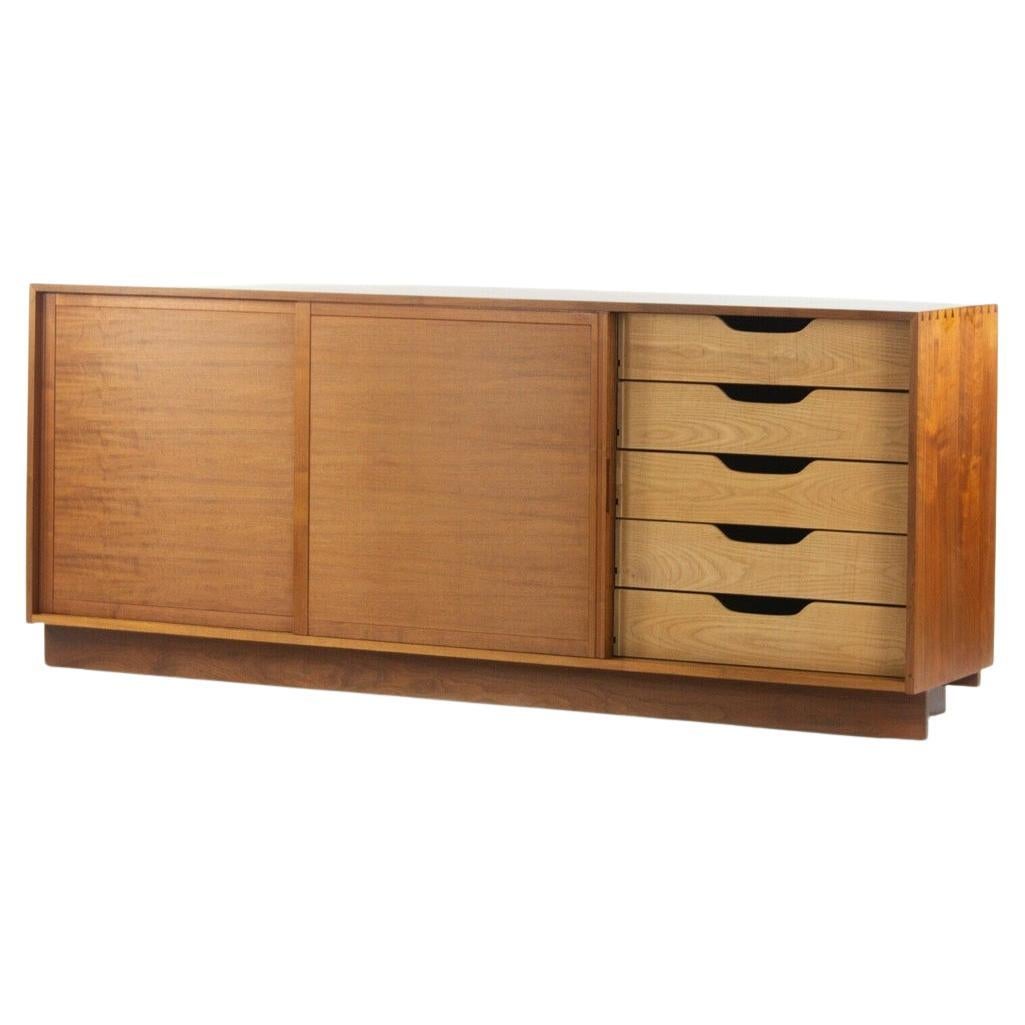
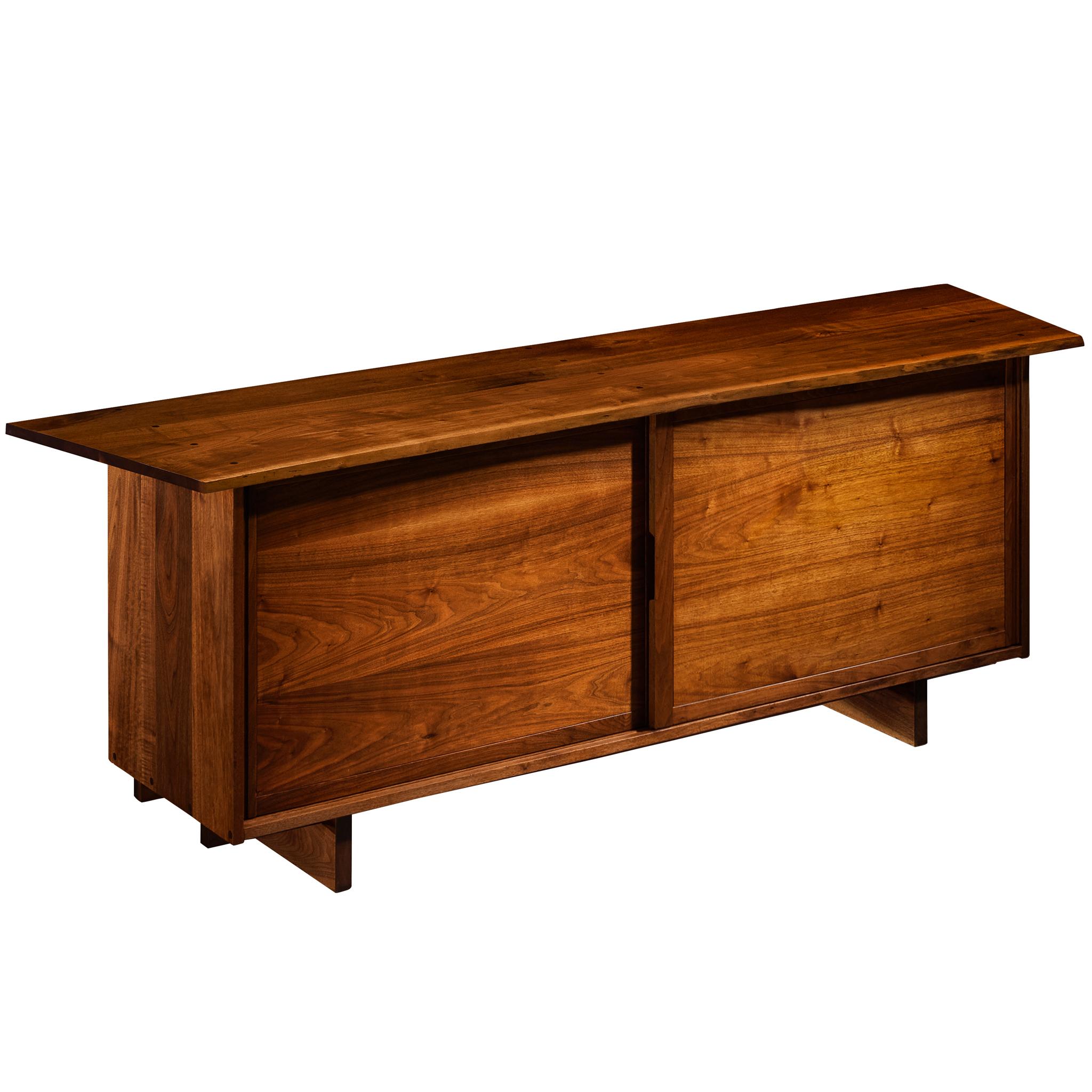
George Nakashima Double Sliding-Door Cabinet in Walnut and Pandanus Cloth
Informazioni sull’articolo
- Creatore:George Nakashima (Designer),George Nakashima Studio (Produttore)
- Dimensioni:Altezza: 81 cm (31,89 in)Larghezza: 152,5 cm (60,04 in)Profondità: 51 cm (20,08 in)
- Stile:Mid-Century moderno (Del periodo)
- Materiali e tecniche:
- Luogo di origine:
- Periodo:1980-1989
- Data di produzione:1983
- Condizioni:Usura compatibile con l’età e l’utilizzo. Every item Morentz offers is checked by our team of 30 craftspeople in our in-house workshop. Special restoration or reupholstery requests can be done. Check ‘About the item’ or ask our design specialists for detailed information on the condition.
- Località del venditore:Waalwijk, NL
- Numero di riferimento:Venditore: 501179341stDibs: LU933147981052
George Nakashima
George Nakashima Studio. George Nakashima Studio. è stato il leader del movimento americano Studio. Insieme a Wharton Esherick, Sam Maloof e Wendell Castle, Nakashima era un artigiano che disdegnava i metodi e i materiali industriali a favore di un approccio personale e artigianale alla progettazione di sedie, tavolini e altri pezzi. Ciò che distingue Nakashima è lo stile poetico del suo lavoro, la sua venerazione per il legno e la convinzione che i suoi mobili possano evincere - come disse nel titolo del suo libro di memorie del 1981 - L'anima di un albero.
Nato a Spokane, Washington, da immigrati giapponesi, Nakashima ha viaggiato molto dopo il college, lavorando e studiando a Parigi, in Giappone e in India, e in ogni tappa ha assorbito sia le influenze del modernismo di che quelle del design tradizionale.
Il punto di svolta nella carriera di Nakashima avvenne negli Stati Uniti nel 1942, quando fu rinchiuso in un campo di internamento per asiatici-americani nell'Idaho. Lì, Nakashima incontrò un maestro intagliatore che lo istruì sulle tecniche artigianali giapponesi. Un ex datore di lavoro ottenne il rilascio di Nakashima e lo portò nella bucolica New Hope, in Pennsylvania, dove Nakashima aprì uno studio e lavorò per il resto della sua vita. (La maestra artigiana Mira Nakashima mantiene viva l'eredità di suo padre presso il George Nakashima Studio di New Hope oggi. È la direttrice artistica di George Nakashima Woodworkers dalla morte del padre, nel 1990).
L'estetica singolare di Nakashima si esprime al meglio nei suoi tavoli e nelle panche - pezzi che mettono in evidenza le venature, le bave e le ondulazioni di una tavola di legno. An He lasciò il "bordo libero" o il contorno naturale della lastra non piallato e rinforzò le fessure del legno con giunti a "farfalla".
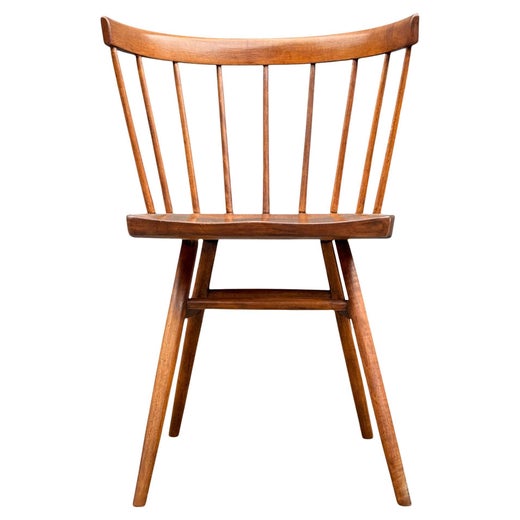
Quasi tutti i pezzi di Nakashima hanno bordi lisci e fresati. Nakashima ha anche stipulato contratti con produttori di grandi dimensioni per produrre edizioni accuratamente supervisionate dei suoi disegni. Knoll ha offerto la sua Straight chair - una rivisitazione in chiave moderna della sedia Windsor con schienale a fuso - fin dal 1946; l'azienda Widdicomb-Mueller, ora scomparsa, frutto della fusione tra Widdicomb e Mueller Furniture, ha lanciato negli anni '50 la collezione Shakers ispirata a Origins.
Nel 1973 Nelson Rockefeller affidò a Nakashima la sua più grande commissione: una suite di 200 pezzi per la sua tenuta nei sobborghi di New York. Oggi, i mobili di Nakashima sono collezionati sia dai più modesti che da quelli alla moda: le sue opere sono presenti nelle collezioni del Philadelphia Museum of Art, del Metropolitan Museum of Art di New York e dello Smithsonian Institution, oltre che nelle case di Steven Spielberg, Brad Pitt, Diane von Furstenberg e del compianto Steve Jobs.
Trova mobili vintage di George Nakashima in vendita su 1stDibs.
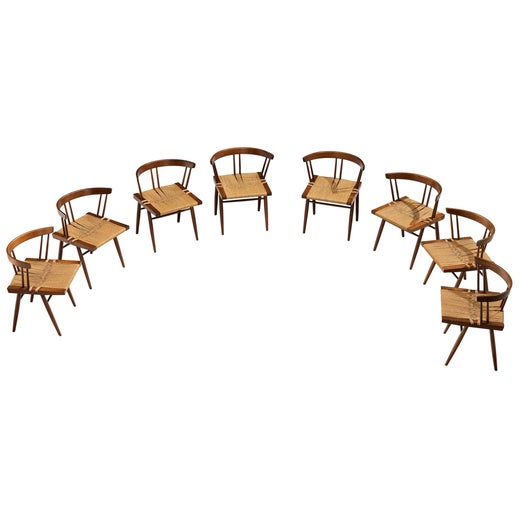
George Nakashima Studio
George Nakashima Studio. George Nakashima Studio. è stato il leader del movimento americano Studio. Insieme a Wharton Esherick, Sam Maloof e Wendell Castle, Nakashima era un artigiano che disdegnava i metodi e i materiali industriali a favore di un approccio personale e artigianale alla progettazione di sedie, tavolini e altri pezzi. Ciò che distingue Nakashima è lo stile poetico del suo lavoro, la sua venerazione per il legno e la convinzione che i suoi mobili possano evincere - come disse nel titolo del suo libro di memorie del 1981 - L'anima di un albero.
Nato a Spokane, Washington, da immigrati giapponesi, Nakashima ha viaggiato molto dopo il college, lavorando e studiando a Parigi, in Giappone e in India, e in ogni tappa ha assorbito sia le influenze del modernismo di che quelle del design tradizionale.
Il punto di svolta nella carriera di Nakashima avvenne negli Stati Uniti nel 1942, quando fu rinchiuso in un campo di internamento per asiatici-americani nell'Idaho. Lì, Nakashima incontrò un maestro intagliatore che lo istruì sulle tecniche artigianali giapponesi. Un ex datore di lavoro ottenne il rilascio di Nakashima e lo portò nella bucolica New Hope, in Pennsylvania, dove Nakashima aprì uno studio e lavorò per il resto della sua vita. (La maestra artigiana Mira Nakashima mantiene viva l'eredità di suo padre presso il George Nakashima Studio di New Hope oggi. È la direttrice artistica di George Nakashima Woodworkers dalla morte del padre, nel 1990).
L'estetica singolare di Nakashima si esprime al meglio nei suoi tavoli e nelle panche - pezzi che mettono in evidenza le venature, le bave e le ondulazioni di una tavola di legno. An He lasciò il "bordo libero" o il contorno naturale della lastra non piallato e rinforzò le fessure del legno con giunti a "farfalla".
Quasi tutti i pezzi di Nakashima hanno bordi lisci e fresati. Nakashima ha anche stipulato contratti con produttori di grandi dimensioni per produrre edizioni accuratamente supervisionate dei suoi disegni. Knoll ha offerto la sua Straight chair - una rivisitazione in chiave moderna della sedia Windsor con schienale a fuso - fin dal 1946; l'azienda Widdicomb-Mueller, ora scomparsa, frutto della fusione tra Widdicomb e Mueller Furniture, ha lanciato negli anni '50 la collezione Shakers ispirata a Origins.
Nel 1973 Nelson Rockefeller affidò a Nakashima la sua più grande commissione: una suite di 200 pezzi per la sua tenuta nei sobborghi di New York. Oggi, i mobili di Nakashima sono collezionati sia dai più modesti che da quelli alla moda: le sue opere sono presenti nelle collezioni del Philadelphia Museum of Art, del Metropolitan Museum of Art di New York e dello Smithsonian Institution, oltre che nelle case di Steven Spielberg, Brad Pitt, Diane von Furstenberg e del compianto Steve Jobs.
Trova i mobili di George Nakashima Studio in vendita su 1stDibs.
Fondata nel 2006, Morentz ha un team di circa 55 restauratori, tappezzieri, consulenti d'interni e storici dell'arte, che la rendono una galleria d'arte, officina e studio di tappezzeria, tutto in uno. Ogni giorno, una serie accuratamente selezionata di mobili del XX secolo arriva da tutto il mondo nel magazzino dell'azienda, dove il team esamina accuratamente ogni pezzo per determinare quali sono gli eventuali interventi da effettuare. Che si tratti di una nuova tappezzeria o di un restauro completo, l'obiettivo di Morentz è sempre quello di onorare le intenzioni del designer e soddisfare i desideri del cliente. Il team è in grado di affrontare qualsiasi sfida, dal restauro di un singolo pezzo al suo splendore originale all'arredamento di un progetto alberghiero su larga scala.
- SpedizioneRecupero del preventivo…Spedizione da: Waalwijk, Paesi Bassi
- Politica di reso
Altro da questo venditore
Mostra tuttoVintage, Anni 1960, Americano, Mid-Century moderno, Stipi
Tessuto, Noce
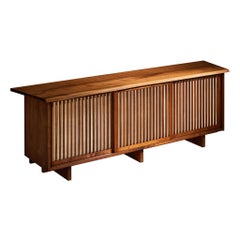
Vintage, Anni 1960, Americano, Mid-Century moderno, Stipi
Noce
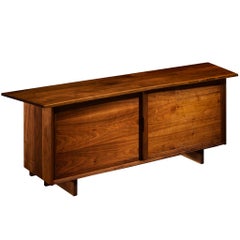
Vintage, Anni 1960, Americano, Mid-Century moderno, Stipi
Noce
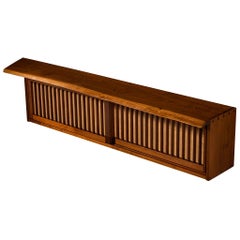
Vintage, Anni 1950, Danese, Scandinavo moderno, Stipi
Metallo
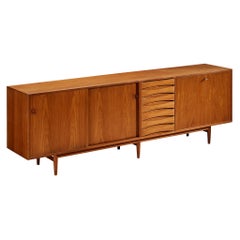
Vintage, Anni 1960, Francese, Mid-Century moderno, Stipi
Quercia, Ceramica
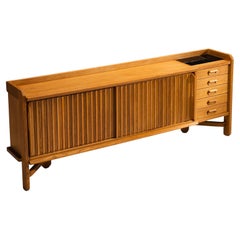
Vintage, Anni 1950, Danese, Scandinavo moderno, Stipi
Noce
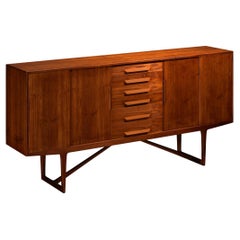
Ti potrebbe interessare anche
Metà XX secolo, Nordamericano, Mid-Century moderno, Stipi
Noce
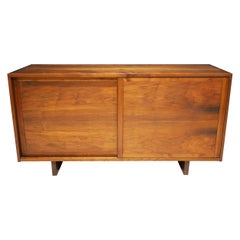
Vintage, Anni 1970, Americano, Mid-Century moderno, Stipi
Olmo, Noce
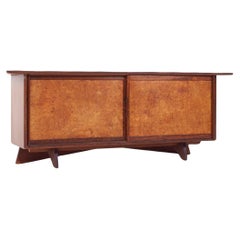
Metà XX secolo, Americano, Moderno, Credenze
Noce
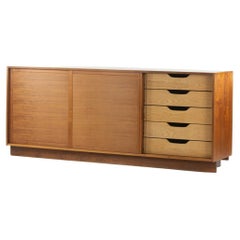
Vintage, Anni 1950, Mid-Century moderno, Mobili contenitori
Ottone
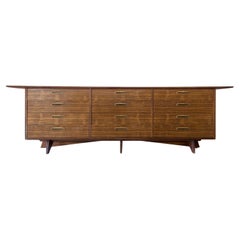
XX secolo, Americano, Mid-Century moderno, Comò e cassettiere
Noce, Nodo
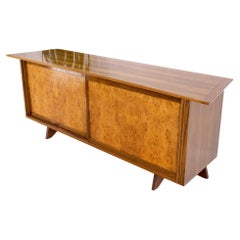
XX secolo, Americano, Mid-Century moderno, Credenze
Noce