Articoli simili a Tapa (barkcloth) by the Mbuti of the Republic of the Congo, Africa / Tapestry
Caricamento del video
Vuoi altre immagini o video?
Richiedi altre immagini o video al venditore
1 di 22
Tapa (barkcloth) by the Mbuti of the Republic of the Congo, Africa / Tapestry
865,63 €
Informazioni sull’articolo
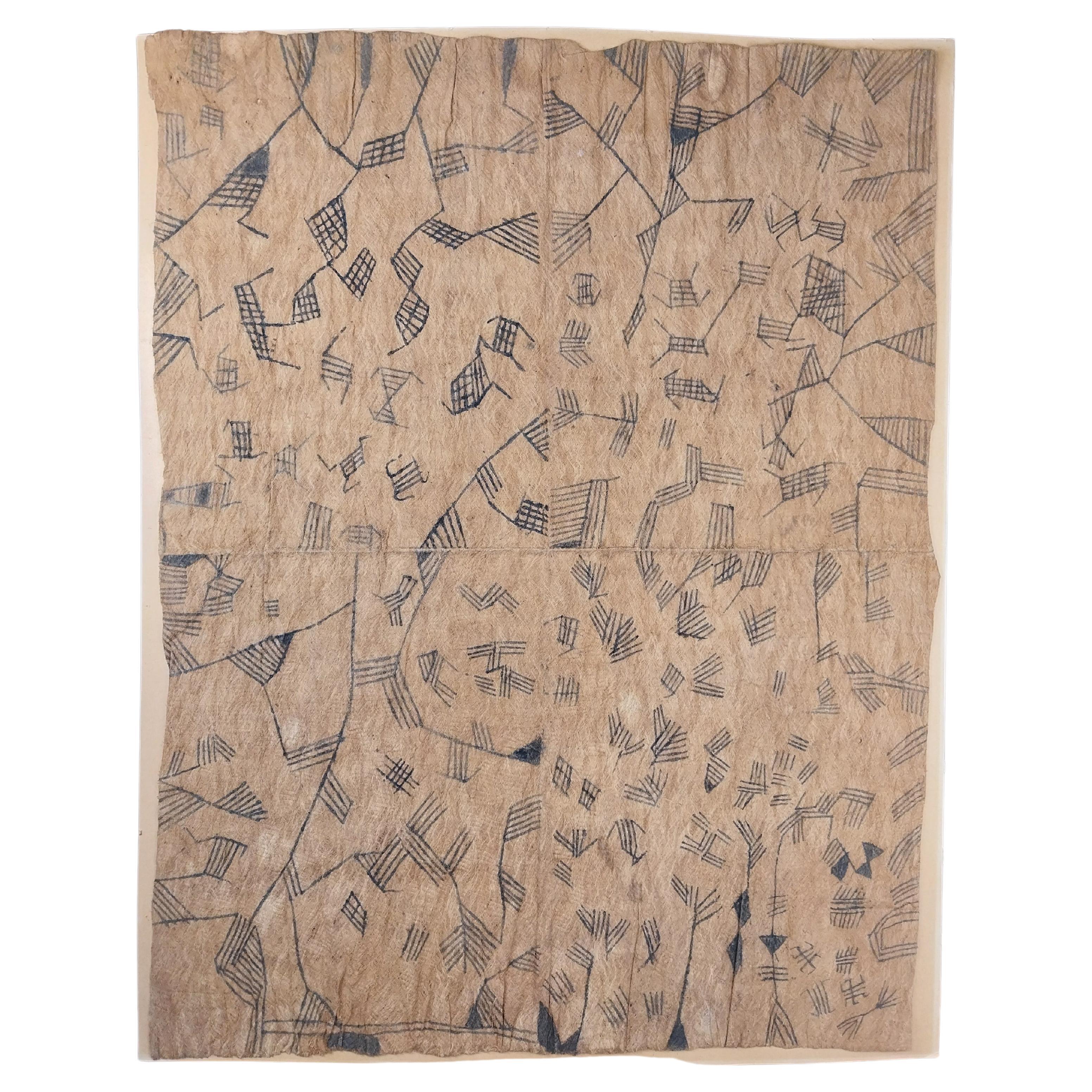
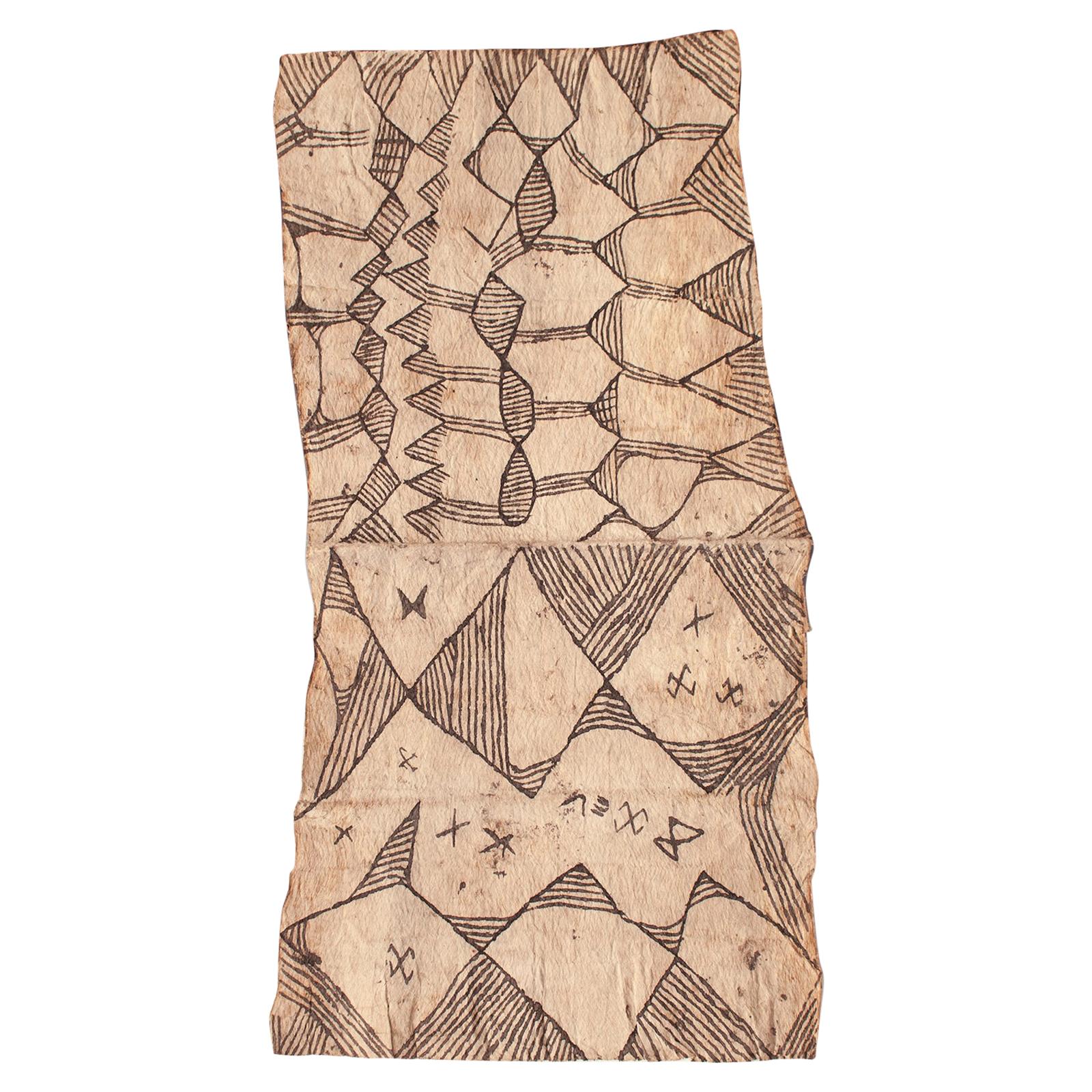
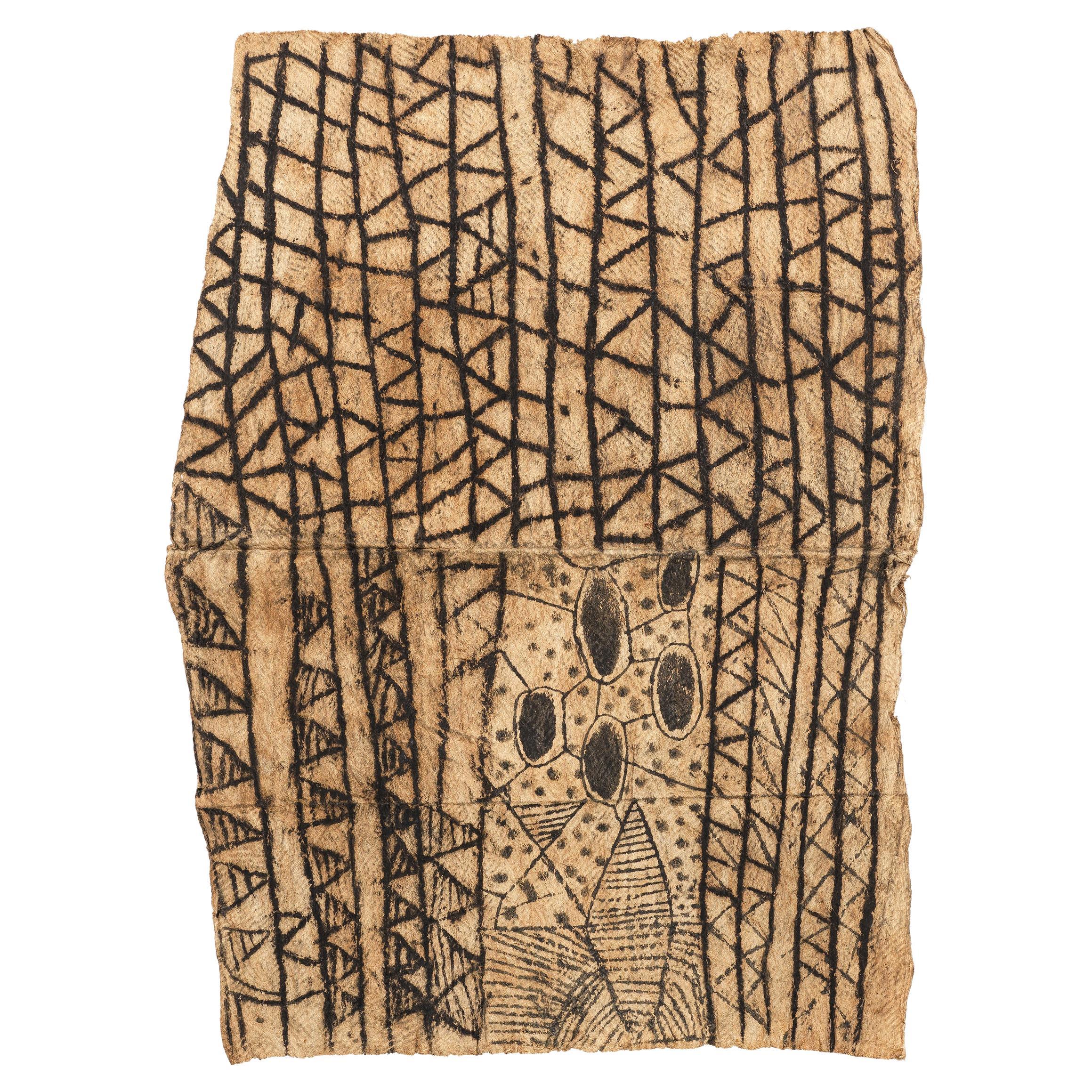
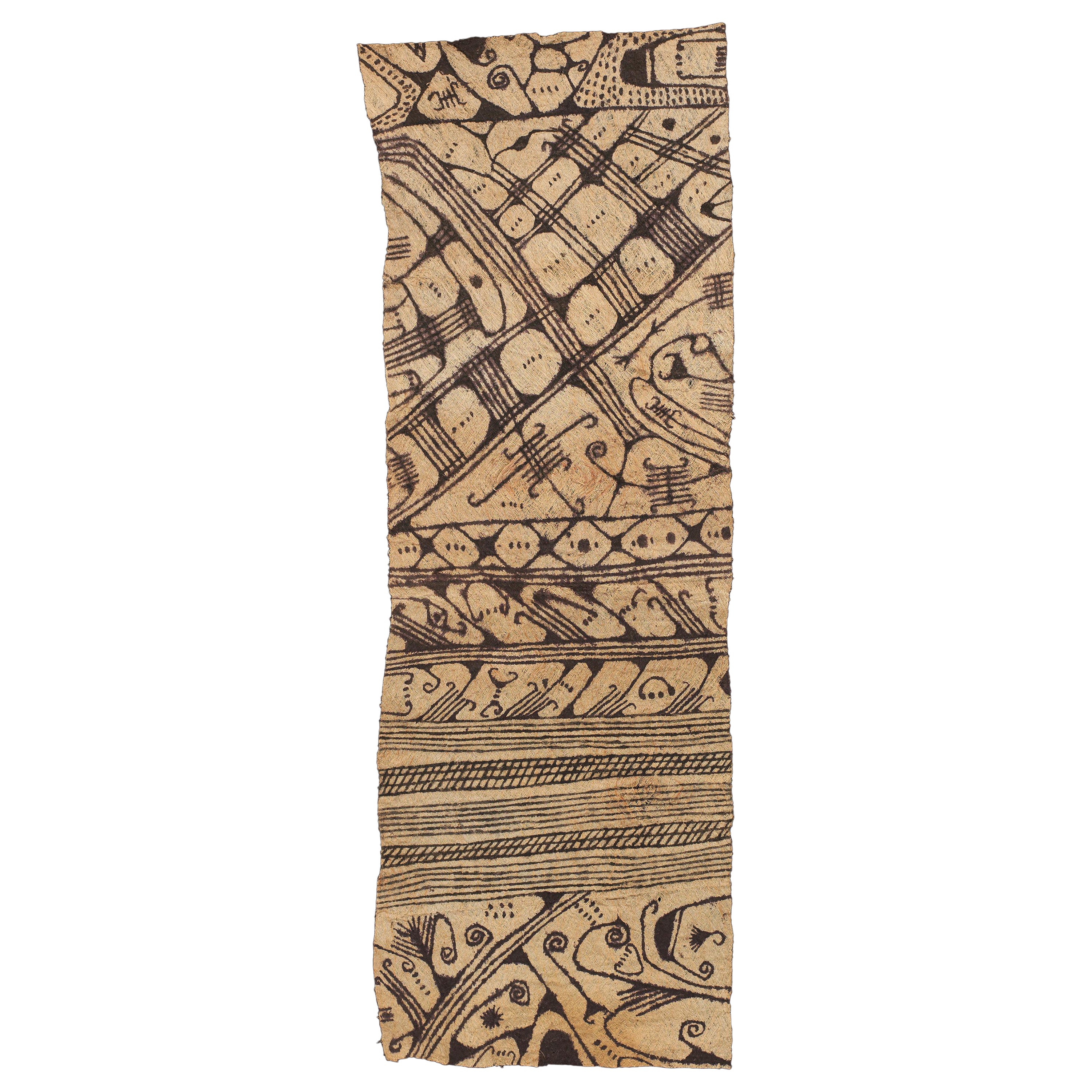
This is tapa (bark cloth) made by the Mbuti people, also known as pygmies, an indigenous people who live in the Ituri Forest, which stretches from northeastern Democratic Republic of the Congo in central Africa, near the border with Uganda. It is believed to have been made around the 20th century.
Tapa is a cloth made using a very primitive yet sophisticated technique: bark stripped from tree trunks is soaked in water, beaten to loosen the fibers, and then stretched into a cloth. While similar examples exist throughout Africa and Oceania, Mbuti tapa is known for its particularly free-flowing expression. (Reference materials excerpted from specialist books are included, so please take a look.)
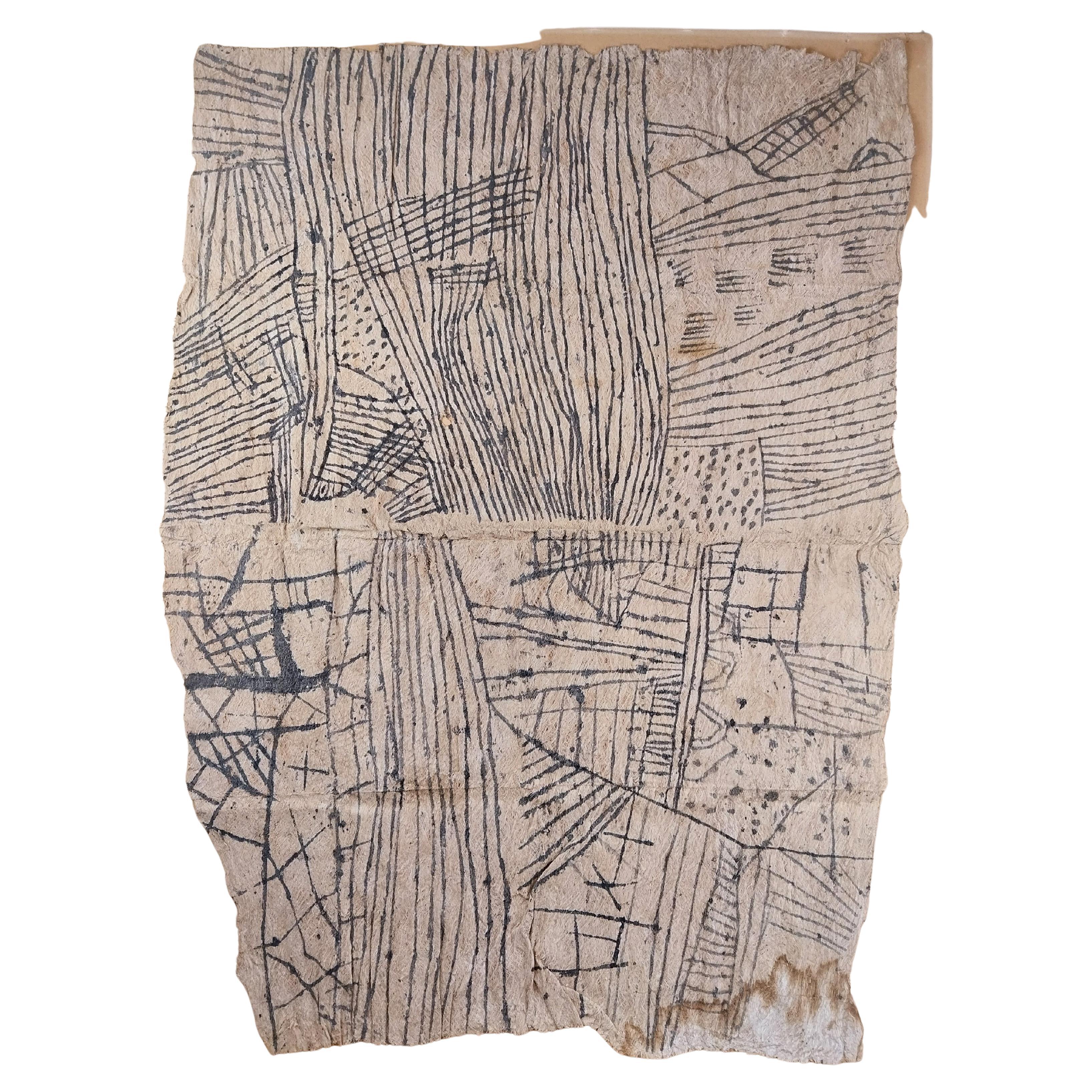
What's unique about this cloth is that it isn't a finished "painting," but rather features improvised patterns drawn by women. Natural pigments are used, and the lines are drawn without rulers or outlines, relying solely on physical sensations. The resulting patterns are highly geometric, yet somehow organic, possessing the strength of abstract painting.
Naturally, these pieces were not created with the intention of being appreciated as works of art. They were created out of necessity, as part of rituals, daily life, or decoration. For this reason, they are free of greed or calculation, and possess a surprisingly pure and spontaneous expression.
While there is no clear interpretation of the meaning of the patterns, many Mbuti motifs are said to be abstractions of nature itself, such as plants, animals, and the sounds and rhythms of the forest. The repetitive lines and shapes seen in this piece are likely fragments of their everyday world, such as natural objects in the forest or animal tracks.
Over the years, the fabric has developed a soft, off-white color, and the edges display natural fluctuations and fraying. Rather than a perfectly symmetrical rectangle, the uneven contours, born from beating and stretching the bark, add to the piece's appeal. When hung on the wall, a texture completely different from that of paper or canvas is added to the space, creating a quiet sense of tension and depth.
It complements modern furniture, minimalist spaces, rustic wooden furniture, and even stone Buddha statues. Simply fastening it to the wall with thin pins or nails enhances the overall impression of the space. This is a rare piece of textile art that exudes a strong presence without being overly assertive.
Dimensions (when hung):
Width: Approx. 52.5 cm
Depth: Approx. 0.1 cm
Height: Approx. 62.5 cm
Weight: Extremely lightweight.
Item Number:
OB316
A unique piece born from the intersection of nature and human activity.
Opportunities to find a Mbuti tapa of similar quality and ambiance are likely to be extremely limited. It is highly recommended as both an interior piece and a piece of folk art/primitive art.
- Dimensioni:Altezza: 62,5 cm (24,61 in)Larghezza: 52,5 cm (20,67 in)Profondità: 1 mm (0,04 in)
- Stile:Altro (Nello stile di)
- Materiali e tecniche:
- Luogo di origine:
- Periodo:
- Data di produzione:20th Century
- Condizioni:
- Località del venditore:Sammu-shi, JP
- Numero di riferimento:1stDibs: LU5487248099462
Informazioni sul venditore
5,0
Venditore Platino
Venditori Premium con valutazione 4.7+ e tempi di risposta entro 24 ore
Fondazione nel 2015
Venditore 1stDibs dal 2020
1703 vendite su 1stDibs
Tempo di risposta standard: 6 ore
- SpedizioneRecupero del preventivo…Spedizione da: senzoku, Giappone
- Politica di reso
Alcune parti di questa pagina sono state tradotte automaticamente. 1stDibs non può garantire che le traduzioni siano corrette. L’inglese è la lingua predefinita del sito.
Altro da questo venditore
Mostra tuttoAntico tessuto africano di corteccia/20° secolo/Mbuti Pygmy Barkcloth Textile
Questo tessuto è stato realizzato dal popolo Mbuti, una tribù pigmea che vive nella Repubblica Democratica del Congo. I Mbuti sono cacciatori-raccoglitori che vivono nella foresta pl...
Categoria
XX secolo, Congolese, Altro, Tessuti
Materiali
Altro
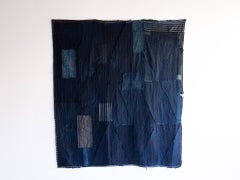
Japanese Antique Rag "BORO" 1800s-1860s / Abstract Art Wabi Sabi
This is an exceptionally old piece of Japanese fabric, dating back to the Edo period (1800s–1860s).
It has been carefully used to withstand the harsh winter cold.
Since ancient time...
Categoria
Di antiquariato/d’epoca, Metà XIX secolo, Giapponese, Edo, Tessuti
Materiali
Tessuto
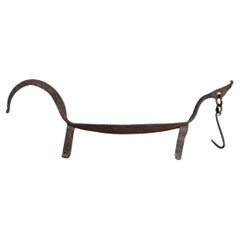
XX secolo-Africano, Oggetto in ferro realizzato dalla tribù Lobi del Burkina Faso, Africa
Una statuetta in ferro realizzata in Africa intorno al XX secolo.
In molti paesi dell'Africa, gli oggetti in ferro sono utilizzati per oggetti, monete, strumenti e rituali.
Dogon, ...
Categoria
XX secolo, Burkinabé, Tribale, Arte tribale
Materiali
Ferro
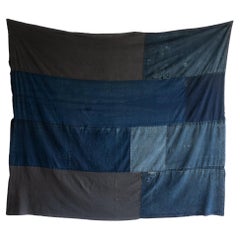
Straccio antico giapponese "BORO" 1800s-1860s / Arte astratta Wabi Sabi
Si tratta di un eccezionale esempio di tessuto giapponese *BORO*, risalente al tardo periodo Edo (1800-1860). Conservato con cura per generazioni, incarna sia l'intraprendenza che la...
Categoria
Di antiquariato/d’epoca, Metà XIX secolo, Giapponese, Edo, Arazzi
Materiali
Tessuto
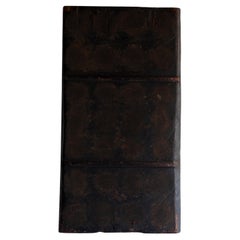
Japanese Antique Wooden Board 1860s-1900s / Abstract Art Wabisabi
This Japanese antique wooden workboard was crafted during the Meiji period
1860s to 1900s
and is made from solid cedar wood.
Originally, this board functioned as a practical work su...
Categoria
Inizio XX secolo, Giapponese, Meiji, Arte decorativa
Materiali
Cedro
Antico cesto giapponese in bambù intrecciato/vaso da parete/1868-1920/Mingei
Si tratta di un cesto di bambù intrecciato realizzato in Giappone tra il periodo Meiji e Taisho (1868-1920).
Non so se i cesti effettivamente utilizzati dai contadini siano stati riu...
Categoria
Inizio XX secolo, Giapponese, Meiji, Arte decorativa
Materiali
Bambù
Ti potrebbe interessare anche
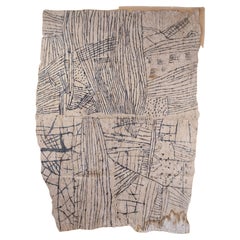
Tessuto tradizionale Mbuti Ituri in corteccia Pygmee dipinto a mano
Di OTHR
Tessuto tradizionale in corteccia di Pygmee dipinto a mano da Mbuti Ituri (Congo).
+/- 1920
Questi panni sono ricavati dall'interno della corteccia dell'albero di lattice Ficus.
Do...
Categoria
Inizio XX secolo, Congolese, Tribale, Arte tribale
Materiali
Legno
Tessuto tradizionale Mbuti Ituri in corteccia Pygmee dipinto a mano
Di Icons
Tessuto tradizionale in corteccia di Pygmee dipinto a mano da Mbuti Ituri (Congo).
+/- 1920
Questi panni sono ricavati dall'interno della corteccia dell'albero di lattice Ficus.
Do...
Categoria
Inizio XX secolo, Congolese, Tribale, Arte tribale
Materiali
Legno
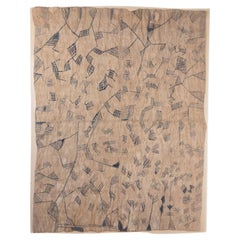
Fine stoffa di corteccia Mbuti degli anni
50 con motivi biomorfi
Nella Repubblica Democratica del Congo, i disegni asimmetrici, spontanei e animati delle tele di corteccia realizzate dalle donne Mbuti per le danze, le feste e le cerimonie di passa...
Categoria
Vintage, Anni 1950, Congolese, Tribale, Arte tribale
Materiali
Fibra naturale
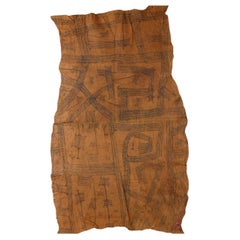
Pittura su tela di corteccia del XX secolo, popolo Mbuti
Efe
, D. A. Congo
Pittura su corteccia del XX secolo, popolo Mbuti (Efe), Foresta dell'Ituri, D. A. Congo
Una tela di corteccia dipinta del popolo Efe nella foresta di Ituri, nel nord-est della Repub...
Categoria
Vintage, Anni 1970, Congolese, Tribale, Disegni
Materiali
Fibra naturale
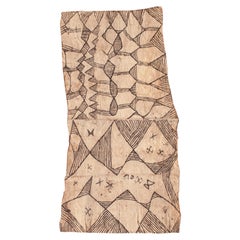
Pittura Mbuti su tela di corteccia, XX secolo
Pittura Mbuti su tela di corteccia
Foresta di Ituri, RD Congo
20° secolo
0,54 x 0,75 m (1'9″ x 2'6″)
Le eccentriche geometrie biomorfe e lineari delle tele di corteccia Mbuti, dipin...
Categoria
Metà XX secolo, Congolese, Tribale, Dipinti
Materiali
Fibra naturale
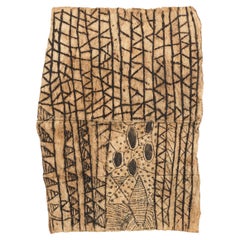
Pittura Mbuti su tela di corteccia, XX secolo
Pittura Mbuti su tela di corteccia
Foresta di Ituri, RD Congo
20° secolo
34,75 x 12 pollici. 87 x 30.5 cm
Le eccentriche geometrie biomorfe e lineari delle tele di corteccia Mbuti,...
Categoria
Vintage, Anni 1960, Congolese, Tribale, Dipinti
Materiali
Fibra naturale