Salta e passa al contenuto principale
Caricamento del video
Vuoi altre immagini o video?
Richiedi altre immagini o video al venditore
1 di 22

Set of six “Kinu” chairs designed by Motomi Kawakami for Arflex, 1983 Set of 2

1066 €per set|IVA inclusa

Informazioni sull’articolo

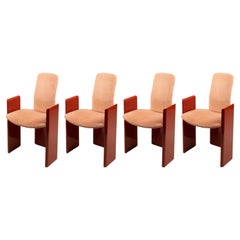
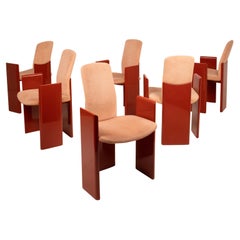
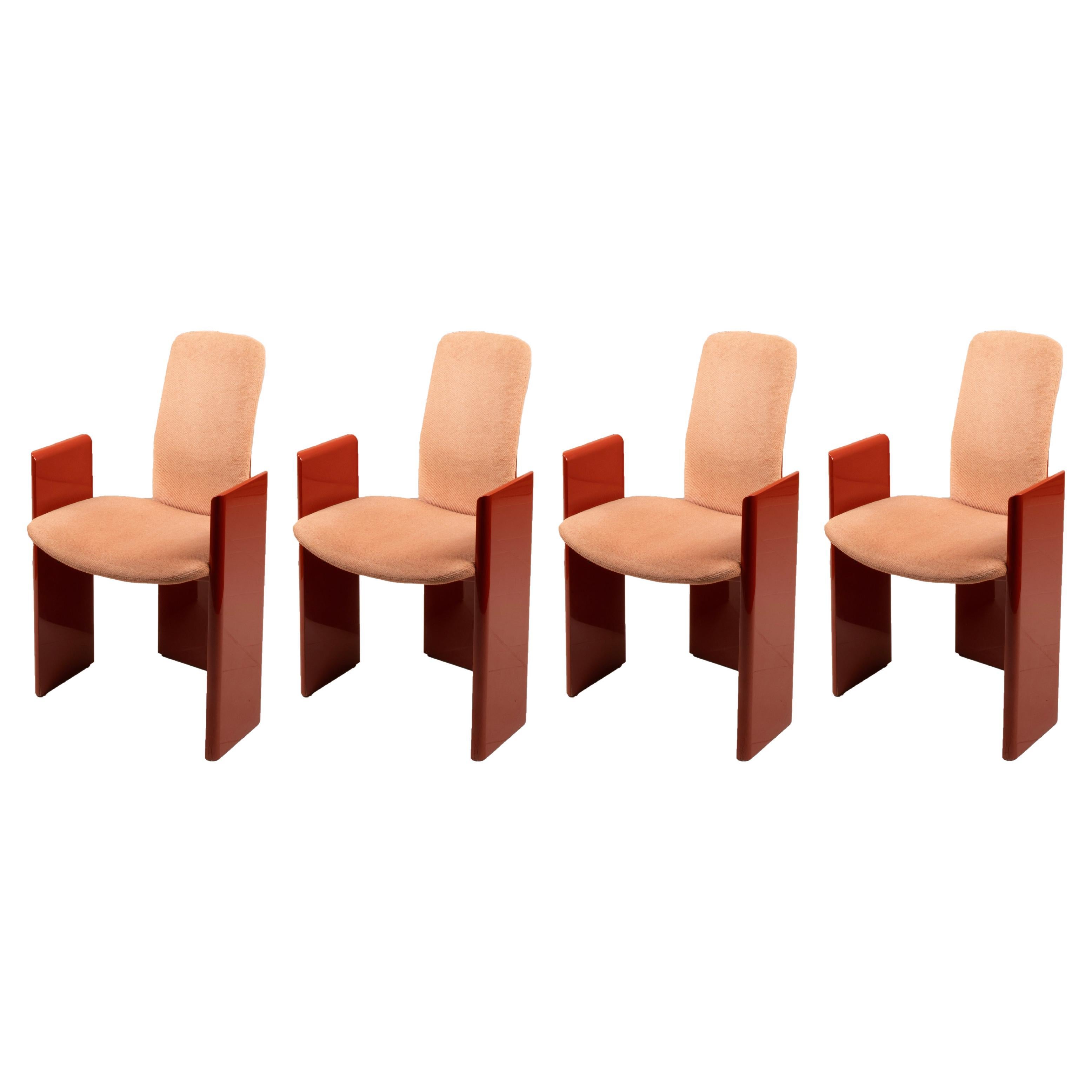
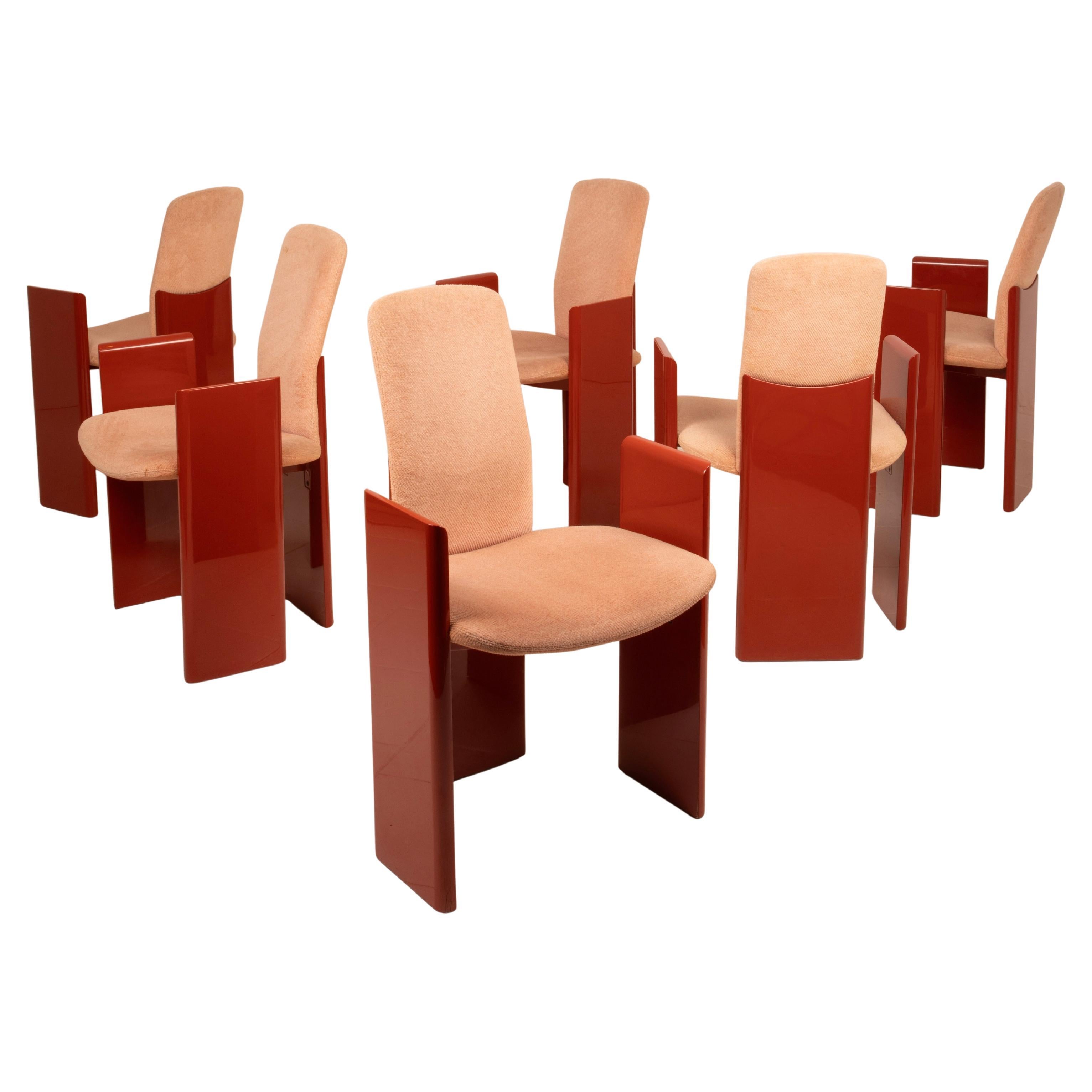
The Kinu chairs represent a masterful encounter between the sobriety of Japanese minimalism and Italian productive elegance, fully expressing the design philosophy of Motomi Kawakami, a Japanese-trained designer active in Milan, who in the 1980s collaborated with major Italian companies, bringing an essential, rigorous, yet poetic vision. Arflex, a pioneer in the experimentation of innovative materials and avant-garde forms, found in Kawakami a partner capable of translating the rationalist language into warm, welcoming, and functional design, perfectly in line with the spirit of the decade. The structure of the chairs, crafted in wood and finished with a glossy bright red lacquer, gives the seats an architectural connotation of great visual impact. The lines are sharp and geometric, yet never cold: the horizontal armrests integrate precisely into the overall design, emphasizing the sculptural character of the model. This deep red is not a mere chromatic detail, but an integral part of their aesthetic identity—a bold and sophisticated color that evokes both Italian modernism and the Eastern tradition of saturated, symbolic tones. The seat and backrest are upholstered in salmon-colored velvet, a daring and refined chromatic choice that delicately balances the strength of the lacquered red. The softness of the fabric dialogues with the hardness of the wooden structure, creating a sensory and tactile equilibrium that reflects Kawakami’s focus on ergonomics and comfort. The result is a harmonious whole that combines formal rigor with ease of use, making these chairs ideal both for everyday living and for a collector’s setting. The Kinu stand out for their versatility: born as dining chairs, their timeless design now allows them to fit into diverse environments—from a contemporary dining room to an eclectic living space, as well as professional settings and galleries. Their strength lies precisely in the ability to merge aesthetics and function, fulfilling the need for a design that is not only to be admired but also to be lived. From a historical perspective, the 1980s marked for Arflex a phase of openness to new languages and international collaborations. With the Kinu model, Motomi Kawakami created a product that reflects that moment of creative ferment, anticipating later trends linked to cross-cultural contamination and the pursuit of a universal design language. Today, these chairs are not only witnesses of that era but true collectible pieces, sought after by design lovers and collectors of the 20th century. The chairs presented are in excellent vintage condition, with only minimal signs of age consistent with their time, which do not compromise either their aesthetics or their structure, but rather emphasize the authenticity and history of the piece. The lacquer still retains its brilliance, while the velvet preserves its chromatic elegance. These Kinu chairs by Motomi Kawakami for Arflex, 1983, are not merely a set of seats, but a manifesto of the perfect fusion between Japanese rigor and Italian sensibility. A unique opportunity to enrich prestigious interiors with an authentic, refined piece, laden with historical and aesthetic significance. Product Name: Kinu Chairs by Motomi Kawakami for Arflex, 1983 Designer: Motomi Kawakami Year of Design: 1983 Style: Japanese minimalism and 1980s Italian modernism Main Materials: Wooden structure with glossy red lacquer, seat and backrest upholstered in salmon velvet Distinctive Design: Architectural structure with sculptural horizontal armrests, intense red lacquer and salmon velvet balancing strength and softness Dimensions: Height: 86 cm Width: 54 cm Depth: 48 cm Comfort: Ergonomic and enveloping seat combining the rigor of the wooden structure with the tactile softness of velvet Typical Use: Dining chairs for refined interiors, also ideal for contemporary spaces, eclectic environments, professional contexts, and design collections Design Icon: Rare and representative example of Arflex’s experimental spirit in the 1980s, reflecting Kawakami’s fusion of Japanese discipline and Italian sensibility Versatility: Created as dining chairs but perfectly adaptable to diverse contexts—residential, professional, or curatorial Current Condition: Excellent vintage condition with minimal signs of age consistent with the period; lacquer retains brilliance, velvet maintains intact chromatic elegance Additional Notes: Please note this piece is in excellent vintage condition. Minor signs of age may be present but do not affect functionality. We invite you to consider these features before purchase. Motomi Kawakami (Tokyo, 1940) is a Japanese designer and architect who has been able to merge the sobriety of Eastern minimalism with Italian productive elegance. After graduating in Tokyo, he moved to Milan in 1966, collaborating with companies such as Arflex, Zanotta, and Cassina, developing an essential, poetic, and ergonomic design language. In the 1980s he created for Arflex iconic models such as the “Kinu” chairs of 1983. Founder of Studio Kawakami in Tokyo and president of the Japan Industrial Designers’ Association, he is today recognized as a key figure in the cultural dialogue between East and West. Arflex, founded in Milan in 1947 by Pirelli technicians and architect Marco Zanuso, was a pioneer in the use of foam rubber and elastic belts in furniture, revolutionizing modern comfort. Since the 1950s it has collaborated with masters such as Franco Albini, Joe Colombo, Cini Boeri, and Motomi Kawakami, distinguishing itself for experimentation and quality. Today its furniture, including icons such as the Lady sofa and the Marenco, are part of the permanent collections of MoMA and the Triennale di Milano, confirming Arflex as an undisputed protagonist of Italian design.
  • Creatore:
    Arflex (Produttore),Motomi Kawakami (Designer)
  • Dimensioni:
    Altezza: 86 cm (33,86 in)Larghezza: 54 cm (21,26 in)Profondità: 48 cm (18,9 in)
  • Venduto come:
    Set di 2
  • Materiali e tecniche:
  • Luogo di origine:
  • Periodo:
    1980-1989
  • Data di produzione:
    1983
  • Condizioni:
    Usura compatibile con l’età e l’utilizzo. Note: The set is available in groups of 6, 4, or 2. Please purchase the desired quantity by visiting the corresponding product page.
  • Località del venditore:
    Conversano, IT
  • Numero di riferimento:
    1stDibs: LU8395247376792

Altro da questo venditore

Mostra tutto
Set of six “Kinu” chairs designed by Motomi Kawakami for Arflex, 1983 Set of 4
Di Arflex, Motomi Kawakami
The Kinu chairs represent a masterful encounter between the sobriety of Japanese minimalism and Italian productive elegance, fully expressing the design philosophy of Motomi Kawakami...
Categoria

Vintage, 1980s, Italian, Sedie per sala da pranzo

Materiali

Velluto, Legno

Set of six “Kinu” chairs designed by Motomi Kawakami for Arflex, Italy, 1983
Di Arflex, Motomi Kawakami
The Kinu chairs represent a masterful encounter between the sobriety of Japanese minimalism and Italian productive elegance, fully expressing the design philosophy of Motomi Kawakami...
Categoria

Vintage, 1980s, Italian, Sedie per sala da pranzo

Materiali

Velluto, Legno

Pair of Saghi Armchairs by Kazuhide Takahama for Simon – 1970s
Di Simon Gavina Editions, Kazuhide Takahama
Designed by Kazuhide Takahama and produced by Simon International, the “Saghi” armchairs are one of the finest examples of the meeting between Japanese rigor and Italian design visio...
Categoria

Vintage, Anni 1970, Italiano, Poltrone

Materiali

Acciaio

Pellicano Chairs by Luigi Saccardo for Arrmet, 1975 Set of 2
Di Luigi Saccardo, Arrmet
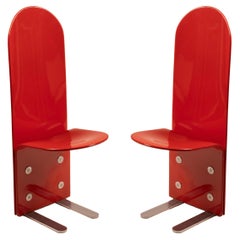
An extraordinary set of two red lacquered Pellicano chairs, designed by Luigi Saccardo for Arrmet and published in Domus in 1975—authentic icons of Italian Radical Design from the Se...
Categoria

Vintage, Anni 1970, Italiano, Minimalismo, Sedie per sala da pranzo

Materiali

Metallo

Italian Modernist Pamplona Dining Chairs by Augusto Savini for Pozzi Set of 2
Di Pozzi, Augusto Savini
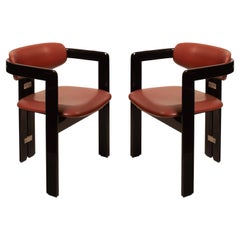
Exceptional and iconic set of two “Pamplona” armchairs, designed by Augusto Savini for Pozzi in the late 1960s. A striking blend of elegance, functionality, and innovation, these cha...
Categoria

Vintage, 1960s, Italian, Sedie per sala da pranzo

Materiali

Pelle animale, Frassino

Pellicano Chairs by Luigi Saccardo for Arrmet, 1975
Di Luigi Saccardo, Arrmet
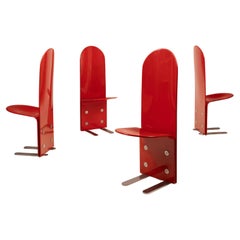
An extraordinary set of four red lacquered Pellicano chairs, designed by Luigi Saccardo for Arrmet and published in Domus in 1975—authentic icons of Italian Radical Design from the S...
Categoria

Vintage, Anni 1970, Italiano, Minimalismo, Sedie per sala da pranzo

Materiali

Metallo

Ti potrebbe interessare anche

Set di sedie "Rennie" di Kazuhide Takahama per Gavina, Kazuki Italia 1980
Di Kazuhide Takahama
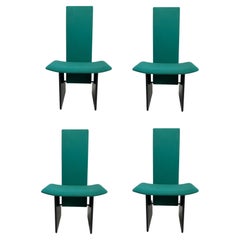
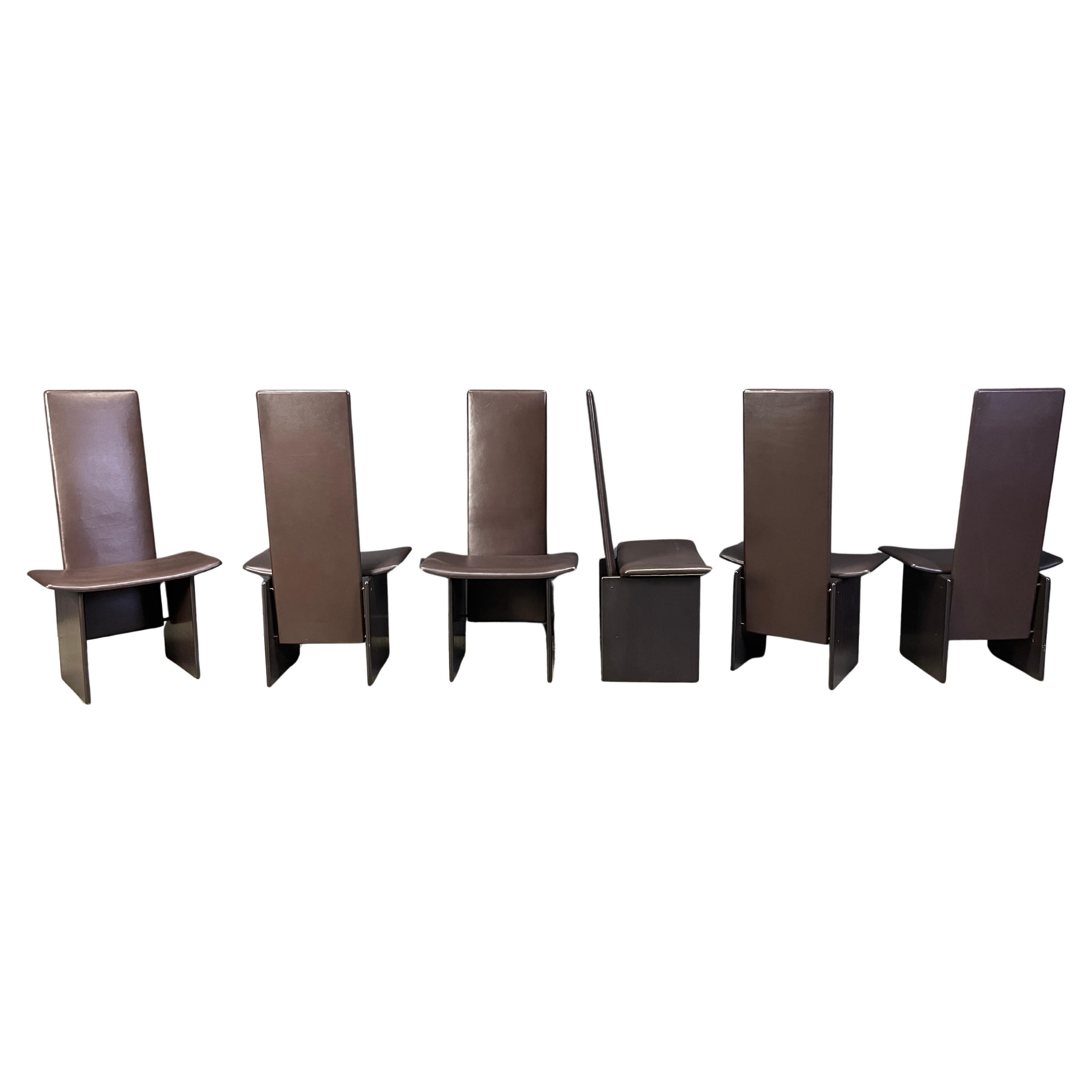
Kazuhide Takahama, (1930-2010), Set di 6 sedie da pranzo modello "Rennie", Italia 1970 circa Schienale alto e ampia seduta rivestita in tessuto verde, le gambe formano dei ripiani in...
Categoria

Vintage, Anni 1980, Italiano, Postmoderno, Sedie

Materiali

Tessuto, Legno

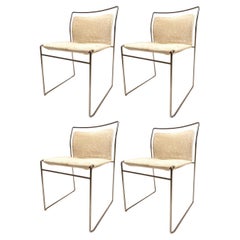
Set di sedie "Tulu" di Kazhuide Takahama per Simon Gavina, Italia
Di Kazuhide Takahama, Gavina
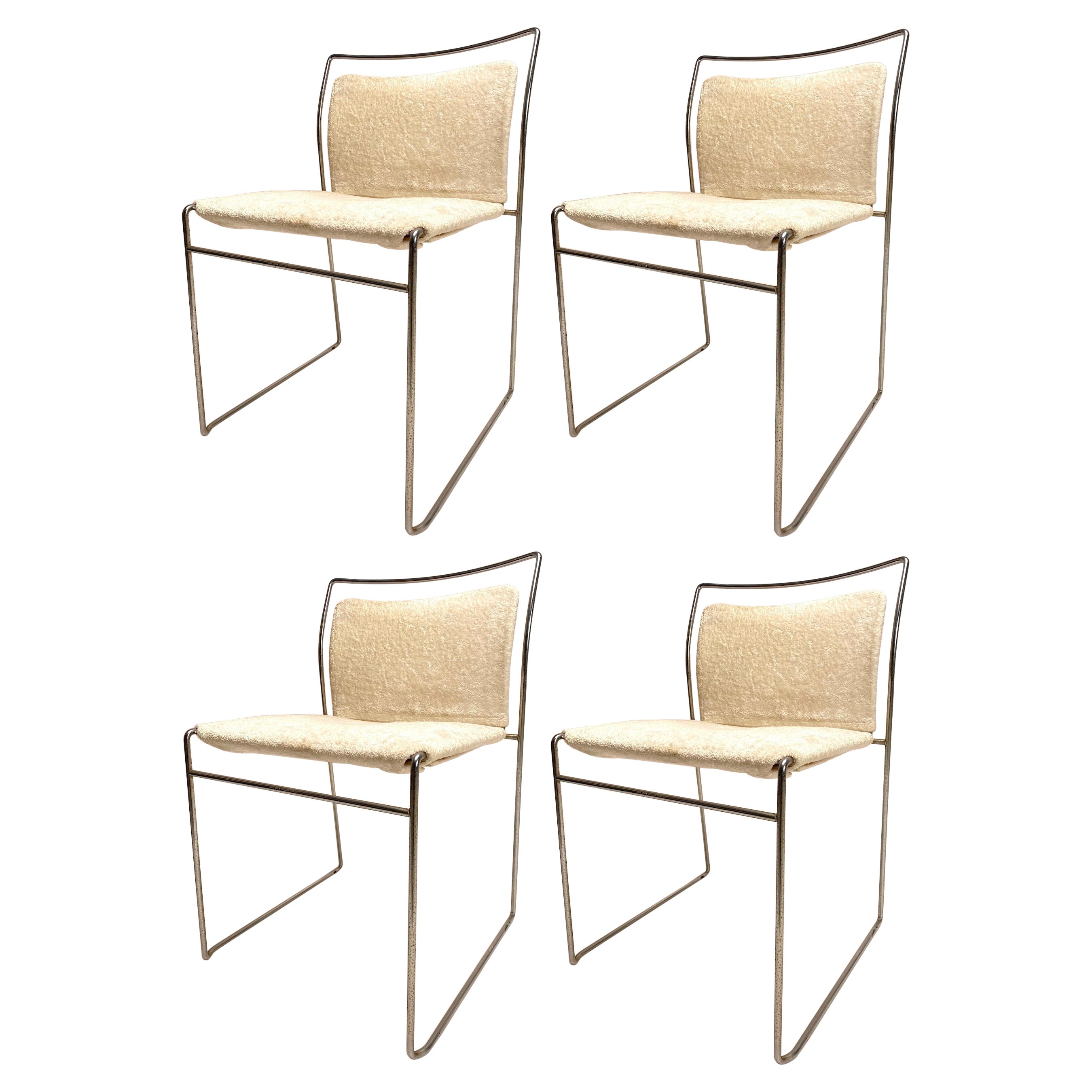
Set di 4 sedie "Tulu" di Kazuhide Takahama (1930-2010) per Simon International, Italia, 1968. Le sedie Tulu sono snelle, eleganti, con un profilo sottile e slanciato che si adattano...
Categoria

Vintage, Anni 1970, Mid-Century moderno, Sedie

Materiali

Metallo

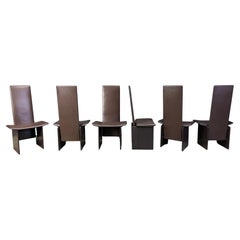
Sedie da pranzo Rennie di Kazuhide Takahama, 1970, Set di 6
Di Studio Simon, Kazuhide Takahama
Le splendide sedie da pranzo "Rennie" disegnate da Kazuhide Takahama per Studio Simon. Sono stati prodotti dal 1970 al 1979. Realizzata con strutture in legno laccato marrone e s...
Categoria

Vintage, Anni 1970, Italiano, Postmoderno, Sedie per sala da pranzo

Materiali

Pelle, Legno

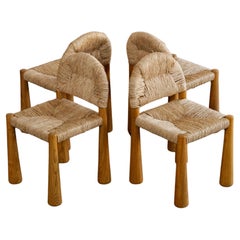
Alessandro Becchi "Toscanolla" per Giovannetti, 1970, Set di 4 sedie da pranzo
Di Alessandro Becchi, Giovannetti
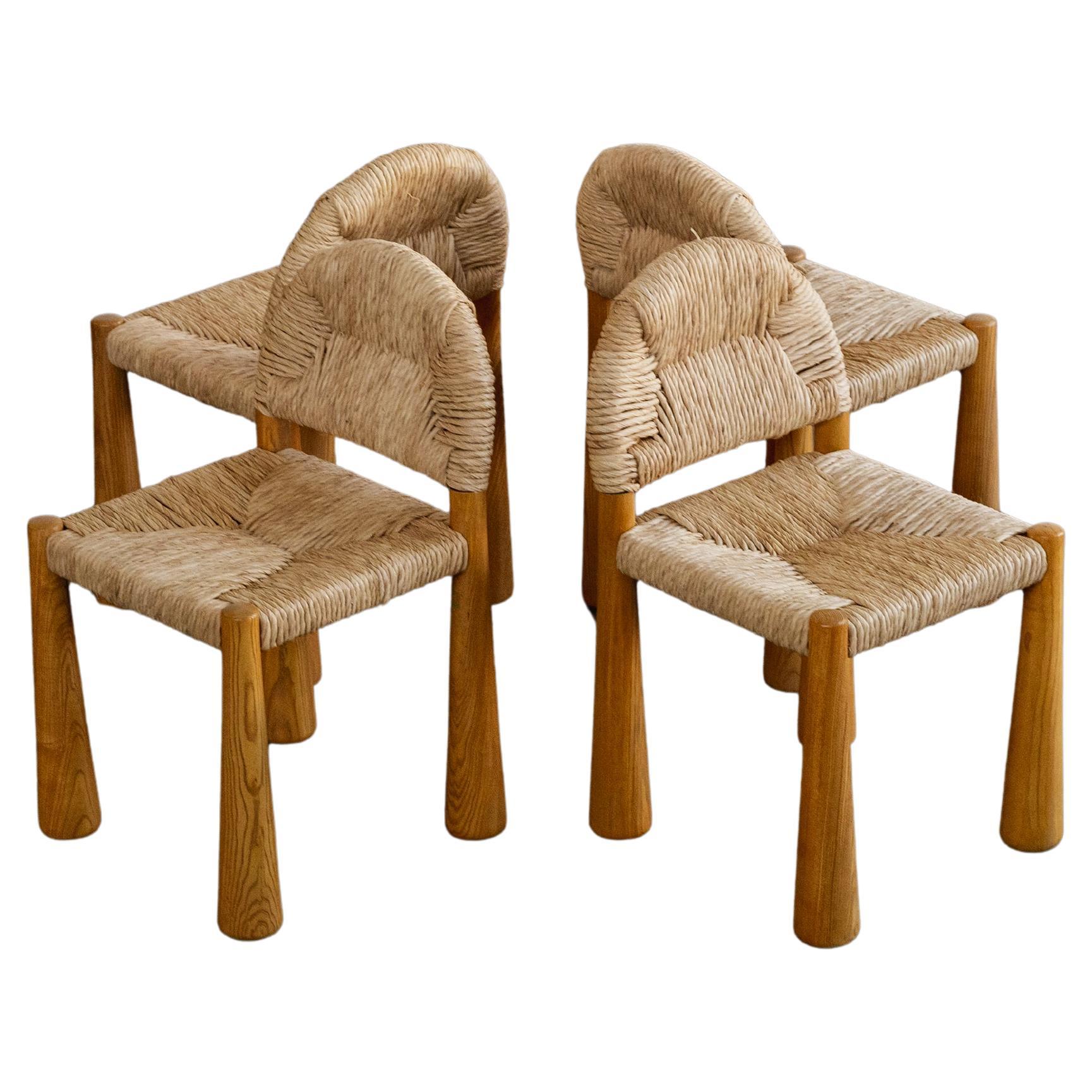
Sedie da pranzo "Toscanolla" di Alessandro Becchi per Giovannetti, frassino e paglia, Italia, 1970, set di quattro. Questa rara sedia da pranzo "Toscanolla" è stata disegnata da Bec...
Categoria

Vintage, Anni 1970, Italiano, Mid-Century moderno, Sedie

Materiali

Paglia, Frassino

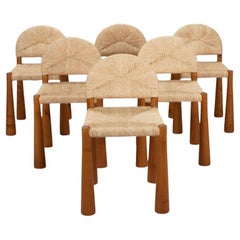
Set di 6 sedie da pranzo italiane di Alessandro Becchi, anni 70, del Medioevo
Di Alessandro Becchi
Set di 6 sedie da pranzo italiane di Alessandro Becchi, anni '70, del Medioevo
Categoria

Metà XX secolo, Italiano, Mid-Century moderno, Sedie

Materiali

Paglia, Frassino

Set di sei sedie italiane del XX secolo di Alessandro Becchi
Di Alessandro Becchi
Bellissimo set di sei sedie da pranzo italiane del XX secolo di Alessandro Becchi. Stile Mid-Century. Rivestito in rattan. Circa 1970.
Categoria

Metà XX secolo, Italiano, Mid-Century moderno, Sedie per sala da pranzo

Materiali

Rattan, Legno