Articoli simili a Japanese Keyaki Wood Stool Inspired by French Stereotomy Craftsmanship
Vuoi altre immagini o video?
Richiedi altre immagini o video al venditore
1 di 18
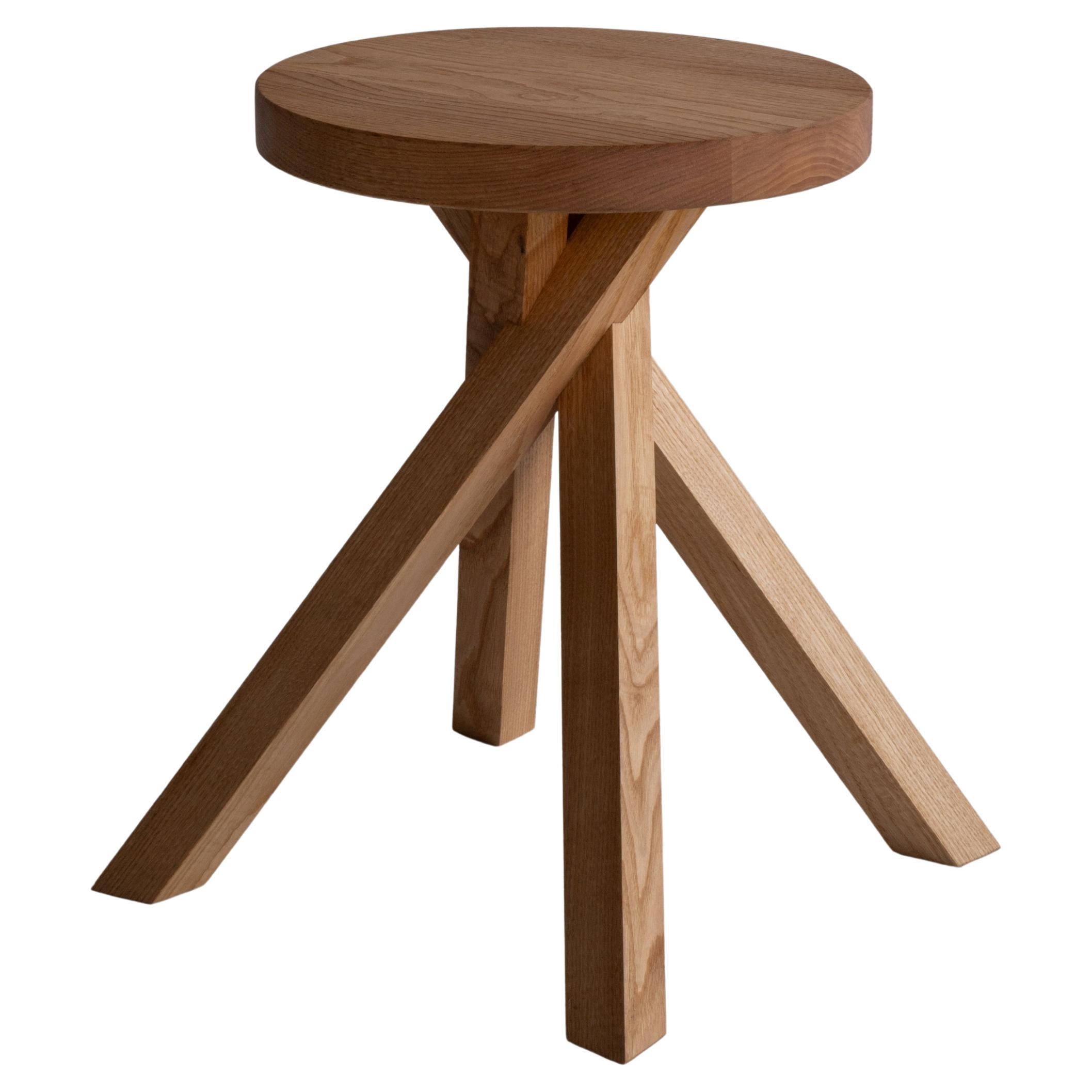
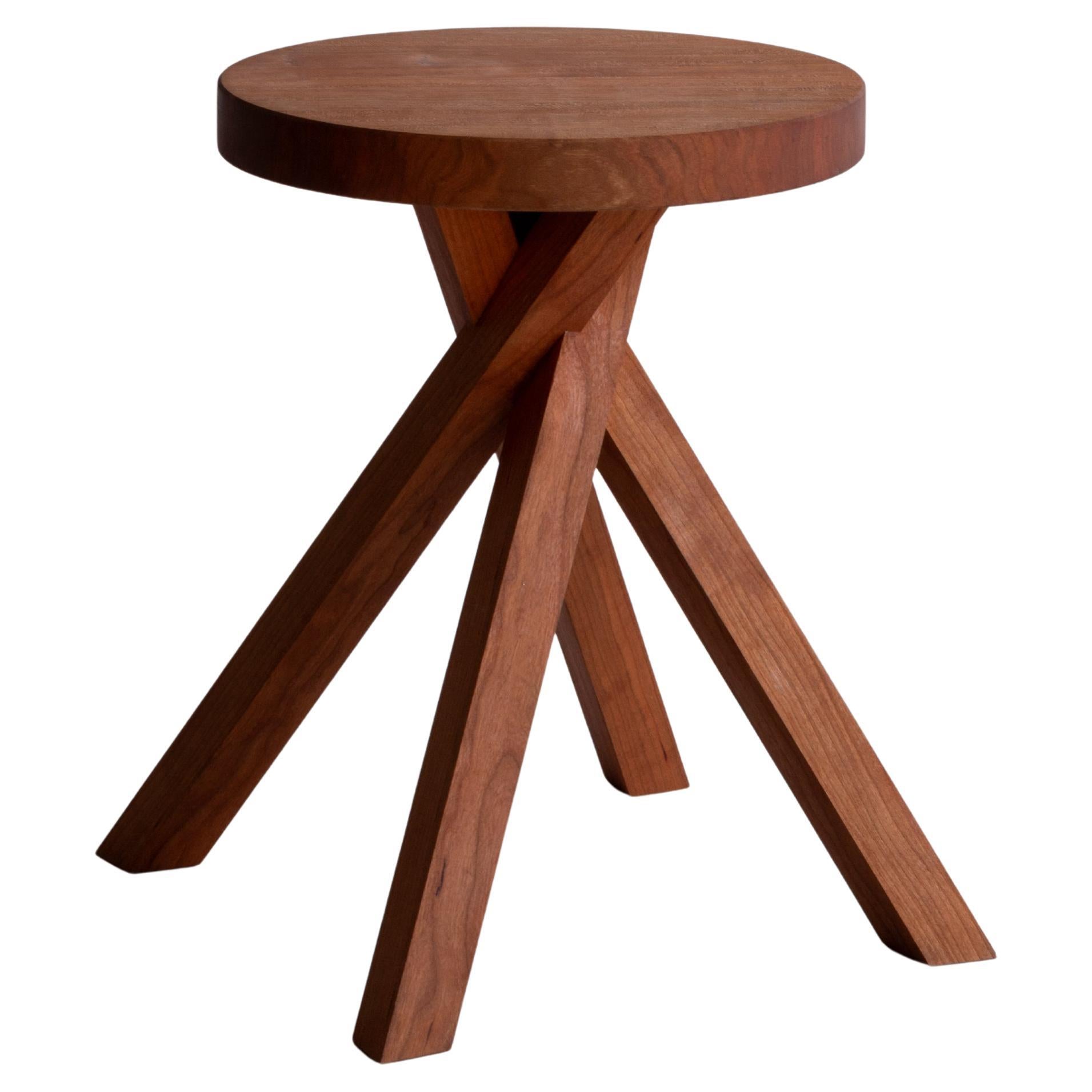
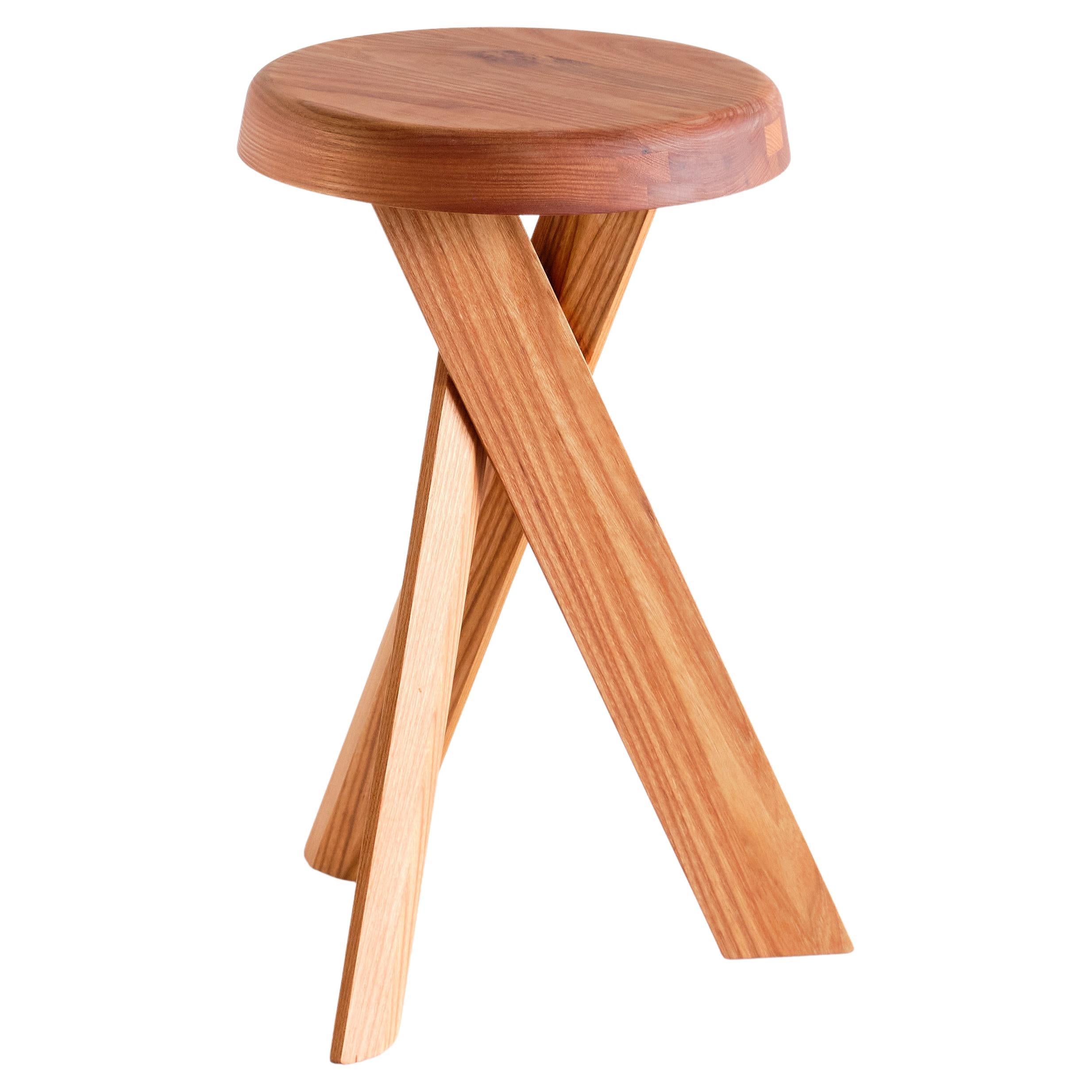
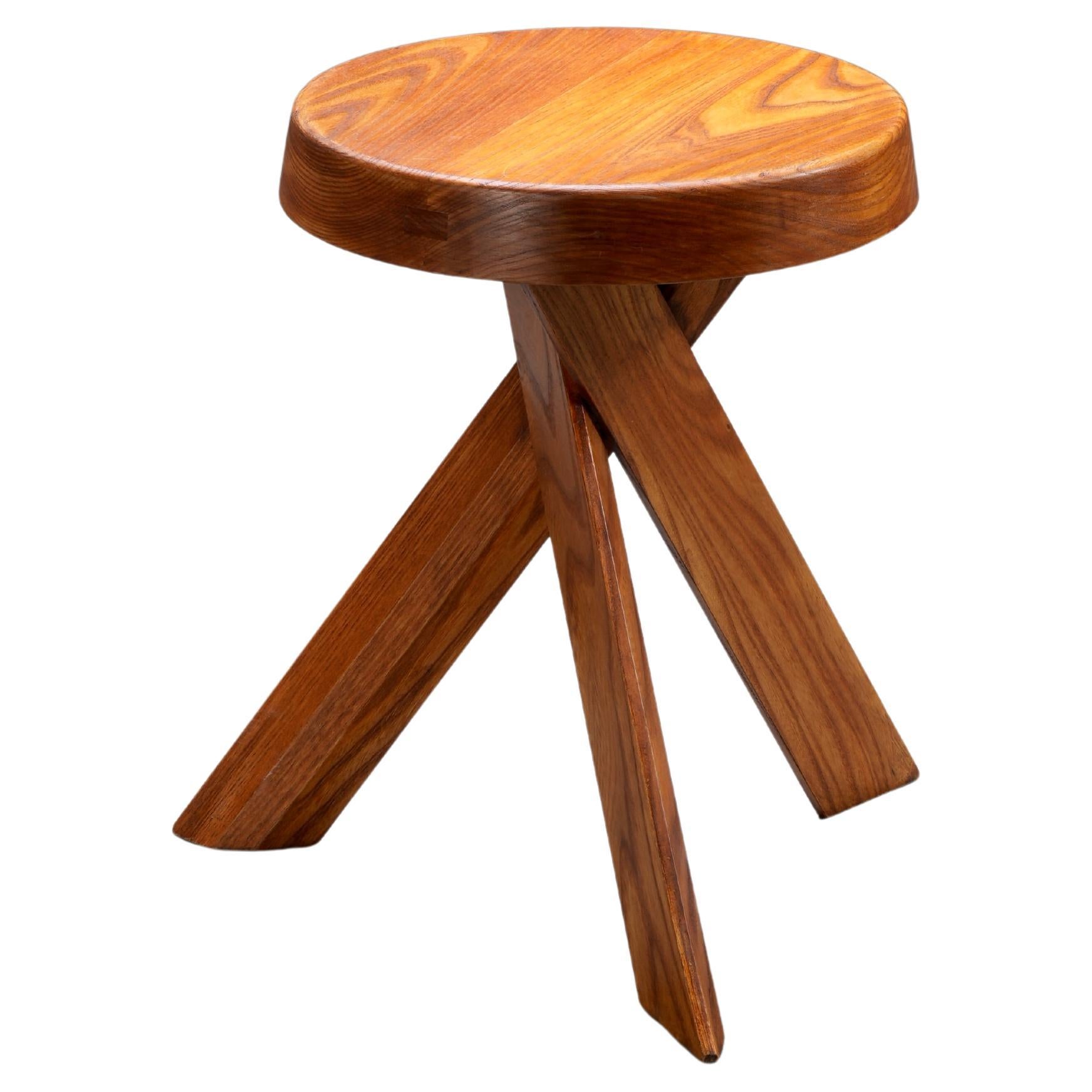
Japanese Keyaki Wood Stool Inspired by French Stereotomy Craftsmanship
1100 €per articolo
Quantità
Informazioni sull’articolo
This stool is crafted from Japanese zelkova (Keyaki) by a Japanese carpenter who studied French stereotomy (L’art du Trait), a geometric drafting tradition passed down among French masons and carpenters since the Middle Ages.
Inspired by the techniques and philosophies cultivated in both Japan and France, the maker sought to merge these two lineages of craftsmanship to create a form of furniture where structure itself becomes beauty.
French stereotomy is a discipline that interprets three-dimensional structures through precise lines, deriving form from geometric and structural necessity.
Japanese wood joinery, by contrast, is rooted in centuries of understanding material behavior, force flow, and rational structural design.
This stool emerges at the intersection of these two traditions, both of which share the belief that structure is a form of aesthetics.
The angles at which the Keyaki legs intersect, the flow of force supporting the top, and the tension created by a single line are all carefully calculated.
Every element exists out of necessity; nothing is superfluous, and nothing is missing.
Its beauty arises not from ornamentation but from the refined clarity of its structural logic.
The presence of the stool is quiet yet powerful, humble yet impeccably balanced.
Though a daily-use object, it stands as a symbolic expression of what occurs when two cultures and their technical heritages resonate to give birth to a new form.
About French Stereotomy (L’art du Trait)
French stereotomy originated in the Middle Ages as masons and carpenters developed geometric methods to design cathedrals—particularly pointed arches, ribbed vaults, and complex spiral staircases.
By the 16th–17th centuries, these practical techniques began to be formalized.
Mathematician Gaspard Monge later systematized them into descriptive geometry, establishing methods to precisely translate three-dimensional forms into two-dimensional drawings.
These principles spread beyond stonework into French carpentry, shipbuilding, and fine craft, carrying forward the philosophy that lines generate form and form reveals structure.
This stool embodies that spirit, merging the geometric clarity of stereotomy with the warmth and strength of Keyaki and the sensibility of Japanese woodworking—an elegant fusion of technique, culture, and structural expression.
- Dimensioni:Altezza: 35 cm (13,78 in)Diametro: 35 cm (13,78 in)Altezza della seduta: 43,5 cm (17,13 in)
- Stile:Mid-Century moderno (Nello stile di)
- Materiali e tecniche:Legno,Falegnameria
- Luogo di origine:
- Periodo:
- Data di produzione:2025
- Tipo di produzione:Nuovo e personalizzato(Produzione regolare)
- Tempi di produzione stimati:8-9 settimane
- Condizioni:
- Località del venditore:Sammu-shi, JP
- Numero di riferimento:1stDibs: LU5819247952842
Informazioni sul venditore
5,0
Venditore professionale selezionato
Ogni venditore supera rigorosi standard di autenticità e affidabilità
Venditore 1stDibs dal 2021
20 vendite su 1stDibs
- SpedizioneRecupero del preventivo…Spedizione da: Sammu-shi, Giappone
- Politica di reso
Alcune parti di questa pagina sono state tradotte automaticamente. 1stDibs non può garantire che le traduzioni siano corrette. L’inglese è la lingua predefinita del sito.
Altro da questo venditore
Mostra tuttoJapanese chestnut wood Stool Inspired by French Stereotomy Craftsmanship
This stool is crafted from Japanese chestnut wood by a Japanese carpenter who studied French stereotomy (L’art du Trait), a geometric drafting tradition passed down among French maso...
Categoria
Anni 2010, Giapponese, Mid-Century moderno, Sgabelli
Materiali
Legno, Ciliegio
Japanese Sakura wood Stool Inspired by French Stereotomy Craftsmanship
This stool is crafted from Japanese cherry wood (Sakura) by a Japanese carpenter who studied French stereotomy (L’art du Trait), a geometric drafting tradition passed down among Fren...
Categoria
Anni 2010, Giapponese, Mid-Century moderno, Sgabelli
Materiali
Legno, Ciliegio
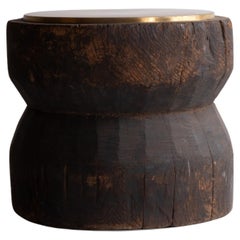
Sculptural Side Table Crafted from an Antique Japanese Mortar with Brass Top
Questo tavolino unico è ricavato da un usu originale, un mortaio tradizionale giapponese risalente al periodo Meiji (1868-1912).
La forma ricca e scultorea e la superficie rovinata d...
Categoria
Inizio XX secolo, Giapponese, Primitivo, Tavolini laterali
Materiali
Legno
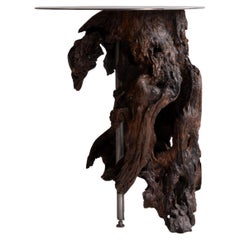
Sculptural Driftwood
Steel Side Table – Natural Wabi-Sabi Modern Design
A sculptural side table crafted from naturally formed Japanese driftwood paired with an industrial stainless-steel tabletop.
The organic, fluid structure of the driftwood contrasts b...
Categoria
XXI secolo e contemporaneo, Giapponese, Primitivo, Tavolini laterali
Materiali
Acciaio inossidabile
Tavolino Terra di Papier Langackerhäusl
Tavolino Terra
W550 D600 H600 mm
Un'impressione profonda.
Vasi semisferici di carta fatta a mano di varie dimensioni, forme e colori.
Adatto per contenuti secchi.
[PAPIER LA...
Categoria
Anni 2010, Austriaco, Moderno, Sculture astratte
Materiali
Pergamena
Sawtooth di Blue Tip Atelier A
Dente di sega
Giappone / 2019
Dimensioni: L 1640 x H 2050 mm
Un omaggio al tradizionale disegno del quilt americano realizzato intorno al 1840. Realizzato con cotone biologico ...
Categoria
Anni 2010, Asiatico, Moderno, Tessuti
Materiali
Lino
Ti potrebbe interessare anche
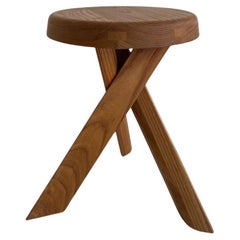
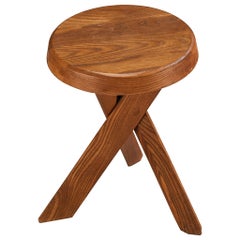
S31 Sgabello in legno di olmo, Pierre Chapo, Made in France
Di Chapo Creation, Pierre Chapo
Nel 1971, Pierre Chapo presentò i suoi visionari tavoli a linee convergenti, dando il via alla seconda serie di sgabelli.
L'S31 incarna la maestria di Chapo, unendo abilmente tre g...
Categoria
Anni 2010, Francese, Mid-Century moderno, Sgabelli
Materiali
Olmo
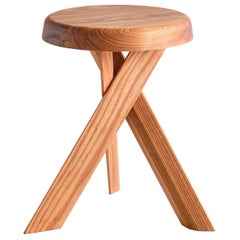
Sgabello Pierre Chapo S31A in olmo massiccio, Chapo Creation, Francia, 2025
Di Pierre Chapo, Chapo Creation
Questo straordinario sgabello a tre gambe è il modello S31, disegnato da Pierre Chapo nel 1974. Presenta una base a gambe incrociate e una seduta rotonda, entrambe realizzate in legn...
Categoria
Anni 2010, Francese, Mid-Century moderno, Sgabelli
Materiali
Olmo
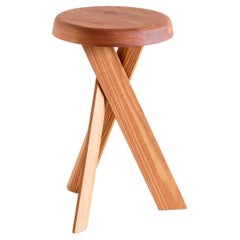
Sgabello Pierre Chapo S31B in olmo massiccio, Chapo Creation, Francia
Di Pierre Chapo, Chapo Creation
Questo straordinario sgabello a tre gambe è il modello S31 disegnato da Pierre Chapo nel 1974. La base a gambe incrociate e la seduta rotonda sono in legno di olmo massiccio. Questo ...
Categoria
Anni 2010, Francese, Mid-Century moderno, Sgabelli
Materiali
Olmo
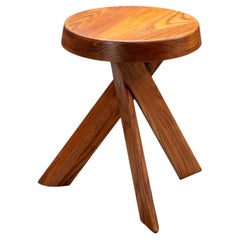
Sgabello S13A vecchia versione di Pierre Chapo in olmo, Francia, anni
70
Di Pierre Chapo
Questo sgabello è un esempio lampante della maestria di Pierre Chapo, con il modello S13a degli anni '70, realizzato in Francia. Realizzato in olmo massiccio, lo sgabello mostra un'e...
Categoria
Vintage, Anni 1970, Francese, Mid-Century moderno, Sgabelli
Materiali
Olmo
Sgabello Pierre Chapo
S13A
in olmo massiccio
Di Pierre Chapo
Pierre Chapo, sgabello, modello 'S31A', olmo massiccio, Francia, circa 1974
Questo sgabello S31A è una delle prime edizioni disegnate da Pierre Chapo, noto per l'uso caratteristico ...
Categoria
Vintage, Anni 1970, Francese, Mid-Century moderno, Sgabelli
Materiali
Olmo
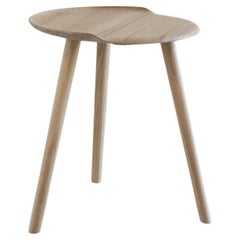
Sgabello Akande di Jensen per la Collectional di Jona Lyndby Jensen
Sgabello Akande di Jensen per la Collectional di Jona Lyndby Jensen
Åkande", che in danese significa "ninfea", definisce una serie di mobili sfaccettati di Jensen, già vincitore del...
Categoria
Anni 2010, Danese, Mid-Century moderno, Sgabelli
Materiali
Quercia
1042 € / articolo