Salta e passa al contenuto principale
Vuoi altre immagini o video?
Richiedi altre immagini o video al venditore
1 di 13

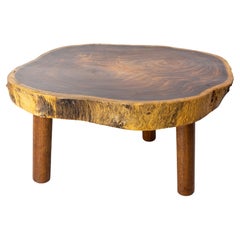
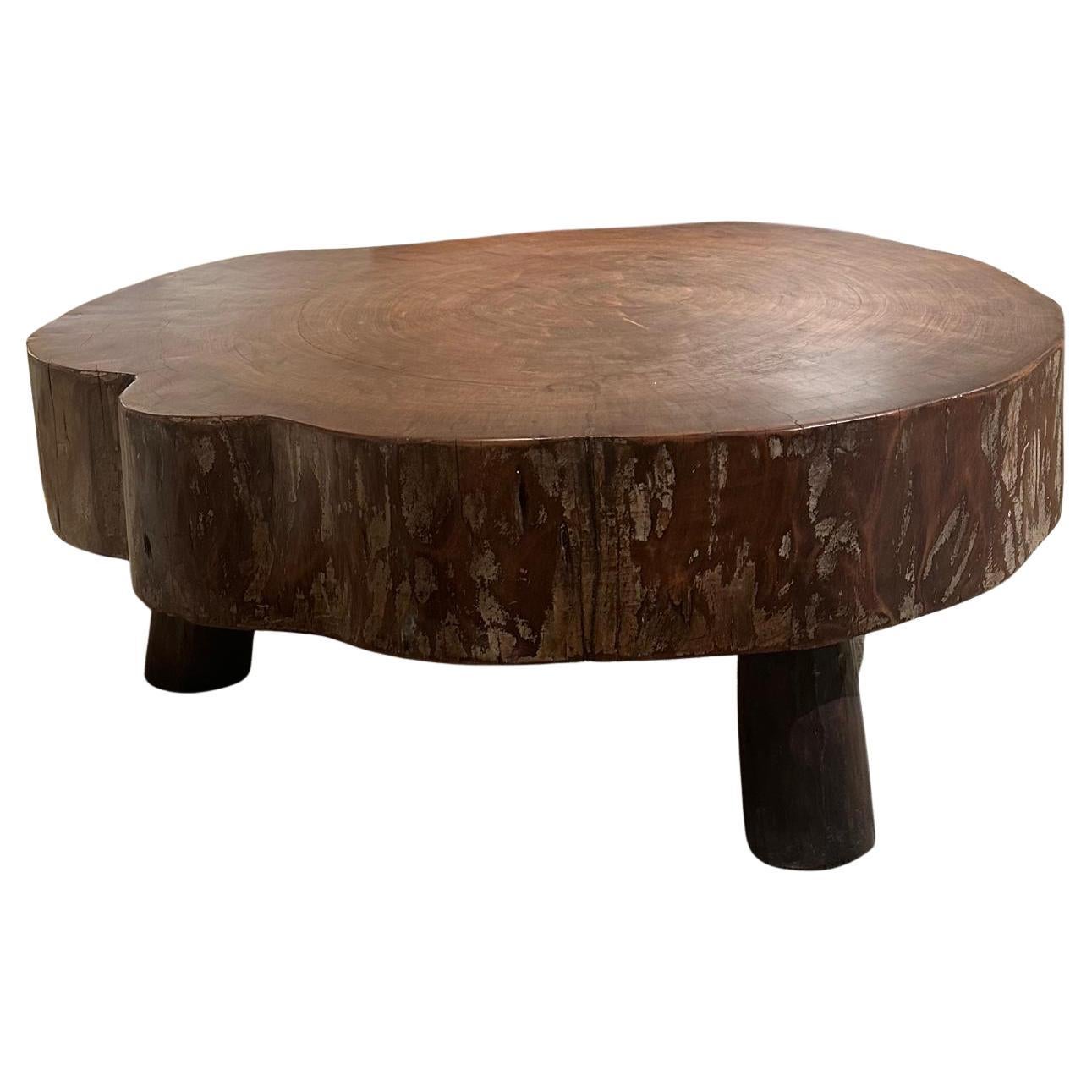
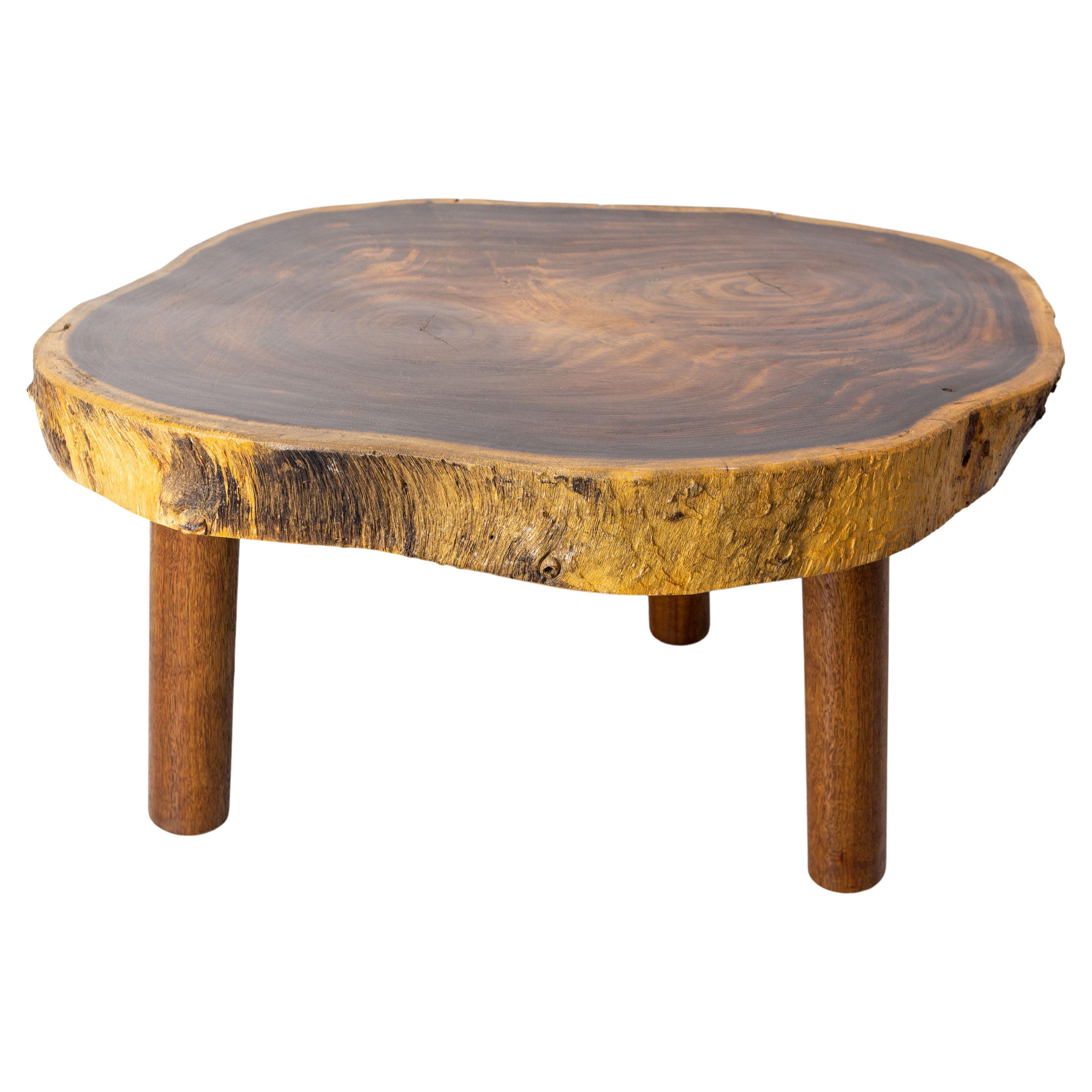
José Zanine Caldas Hand-Carved Coffee Table in Brazilian Hardwood

86.483,62 €IVA inclusa

Informazioni sull’articolo

José Zanine Caldas, coffee table, Brazilian hardwood (pequi), Brazil, 1970s This exceptional hand carved coffee table embodies everything that José Zanine Caldas stood for: love of nature and especially wood. This table, created in the 1970s, is hand carved out of a single piece of wood. A thick round tabletop is hold by three legs. The pure beauty of nature is truly what is on show with this piece. The wood shows a beautiful color and overall patina. When Zanine Caldas returned to his home state of Bahia later on in his career, he became inspired by the local craftsmen who carved boats and furniture from felled trees. As such, he began experimenting with chiselling and carving large, sculptural pieces of furniture such as the present one. A pioneer in the field of forest preservation and ecology, he wrote extensively about his connection to the forest and attempted to either use salvaged wood or to plant a new tree for each one he used in one of his projects. His work is a testament to the power of natural wood and its beauty as a material. José Zanine Caldas (1919-2001) was born in Belmonte, Brazil. His designs are known for their raw, natural and sculptural qualities. Caldas was an autodidact and started his career as designer in the construction industry. He worked as a model builder for designers and architects including Oscar Niemeyer. In 1948 he founded the company Moveis Artisticos Z, and there he produced semi-mass produced plywood furniture. But already two years later, he decided to leave the company and return to his home state Bahia. Later he began to work with local materials, and combined the colonial aesthetic with the new modernist style. It was through his experience and development in style that is known to stay close to the truth of the material and that abandoned the rigid rules and objectivism of the Modernist era. Caldas held a strong believe that man should live in harmony with nature. Brazilian artist José Zanine Caldas was born in Belmonte, on the south coast of Bahia, in 1919. The doctor's son was a self-taught artist and had no formal education. His idiosyncrasy characterized him from an early age as an artist and person. Caldas always deviated from the beaten track and usual norms: In times of advancing industrialization and globalization, Caldas always let his love for nature guide his choices and art. Most of Caldas' contemporary colleagues graduated from art schools or architectural institutes. Caldas, however, developed his own style and methods. He decided to leave Bahia and move to Rio de Janeiro. Here he opened his own studio, where he developed architectural models without having been trained as an architect himself. Famous colleagues such as Lucio Costa and Oscar Niemeyer admired his methods, skills and ingenuity. José Zanine Caldas was particularly interested in other cultures and peoples. During his travels through Africa and Asia, he was impressed by the local customs in the places he visited. This made him realize that people who live in harmony with nature provide for themselves in a similar way everywhere in the world. The human quest for unity with nature became the main theme in his work. He still felt drawn to his native region of Bahia and Caldas moved back in 1968. There he was inspired by the local craftsmen who cut boats out of fallen trees. Caldas began to apply this method to his furniture art. He started chiseling and carving wooden sculptural works and furniture. These handmade objects, which are all unique due to his working method, formed the focus and the pinnacle of Zanine Caldas' further career. The fact that Caldas was very committed to his environment, and in particular the Brazilian landscape, always proved to be a guiding principle in his choices. He saw the toll agriculture and forest clearing demanded on the local nature. An advocate of rainforest conservation, Caldas founded the Foundation Center for the Development of the Application of Brazilian Woods. With this foundation Caldas fought against the destruction of the rainforests in Brazil by, among other things, freeing up money for education. For his handmade furniture, he also made the radical choice to use only found wood, just like the local craftsmen. Caldas only used wood from trees that had died or fallen naturally. The furniture that Caldas made in this way is called 'Móveis Denúncia', in other words: protest furniture.
  • Creatore:
  • Dimensioni:
    Altezza: 39,5 cm (15,56 in)Larghezza: 96 cm (37,8 in)Profondità: 77 cm (30,32 in)
  • Stile:
    Mid-Century moderno (Del periodo)
  • Materiali e tecniche:
  • Luogo di origine:
  • Periodo:
  • Data di produzione:
    1970s
  • Condizioni:
    Usura compatibile con l’età e l’utilizzo. Every item Morentz offers is checked by our team of 30 craftspeople in our in-house workshop. Special restoration or reupholstery requests can be done. Check ‘About the item’ or ask our design specialists for detailed information on the condition.
  • Località del venditore:
    Waalwijk, NL
  • Numero di riferimento:
    Venditore: 501134501stDibs: LU933148055902

Altro da questo venditore

Mostra tutto
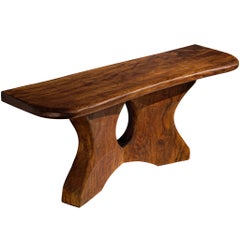
Console grande intagliata a mano in legno duro brasiliano di José Zanine Caldas
Di José Zanine Caldas
José Zanine Caldas, console, legno duro brasiliano, Brasile, anni '80 Questa eccezionale console intagliata a mano incarna tutto ciò che José Zanine Caldas rappresentava: l'amore pe...
Categoria

Vintage, Anni 1980, Brasiliano, Mid-Century moderno, Consolle

Materiali

Legno massiccio

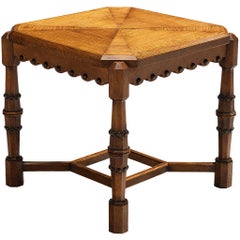
Tavolino da caffè di Ernesto Valabrega per Vittorio Valabrega in Oak massiccio intagliato
Di Vittorio Valabrega
Ernesto Valabrega per Vittorio Valabrega, tavolino da caffè o da salotto, rovere massiccio, tessuto, ottone, Italia, anni '30 Tavolino da caffè disegnato dall'italiano Ernesto Valab...
Categoria

Vintage, Anni 1930, Italiano, Art Déco, Tavolini laterali

Materiali

Ottone

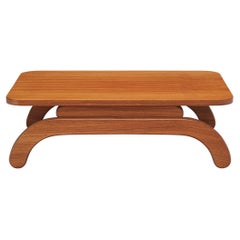
Tavolino da caffè Karl Wittmann Independence in teak
Di Karl Wittmann
Karl Wittmann per Wittmann Möbelwerkstätten, tavolino da caffè, modello 'Independence', teak, Austria, 1968 Questo tavolino da caffè estremamente equilibrato è realizzato in teak. ...
Categoria

Vintage, Anni 1960, Austriaco, Mid-Century moderno, Tavolini bassi

Materiali

Teak

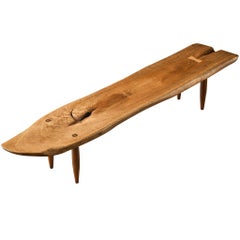
Phillip Lloyd Powell Tavolo da caffè lungo o panca in noce massello
Di Phillip Lloyd Powell
Phillip Lloyd Powell, tavolino da caffè, noce, Stati Uniti, anni '60 Questo tavolino o panca unica è stata progettata dal designer americano Phillip Lloyd Powell. Il pezzo poggia su...
Categoria

Vintage, Anni 1960, Americano, Mid-Century moderno, Tavolini bassi

Materiali

Noce

Tavolino da caffè Karel Koželka e Antonín Kropáček
Karel Koželka e Antonín Kropácek per Interiers Praha, tavolino da caffè in rovere e vetro, Repubblica Ceca, prodotto negli anni Sessanta. Un pezzo iconico del design cecoslovacco re...
Categoria

Vintage, Anni 1960, Francese, Mid-Century moderno, Tavolini bassi

Materiali

Vetro, Quercia

Raro tavolino da caffè Sheriff di Sergio Rodrigues per ISA Bergamo in pino massiccio
Di Sergio Rodrigues, ISA Bergamo
Sergio Rodrigues per ISA Bergamo, tavolino in pino, Italia, anni '60 Sergio Rodrigues è una delle figure più iconiche del design brasiliano, con una carriera straordinaria che ha at...
Categoria

Vintage, Anni 1960, Italiano, Mid-Century moderno, Tavoli

Materiali

Pino

Ti potrebbe interessare anche

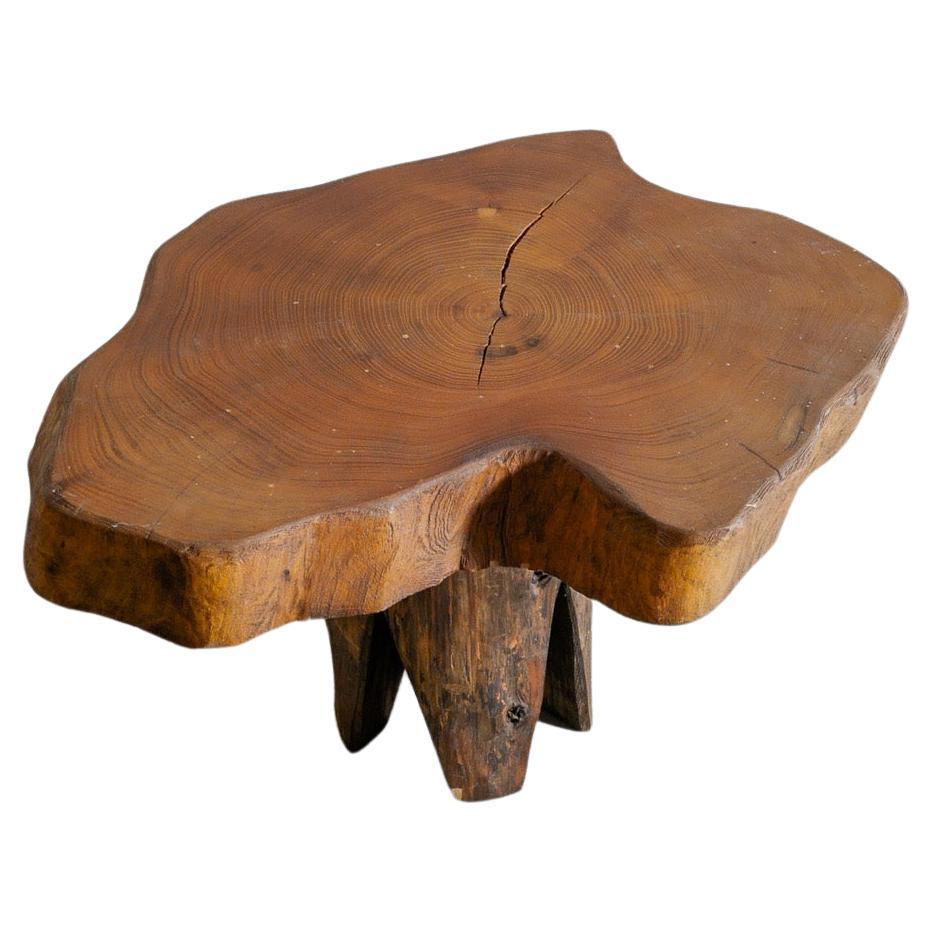
José Zanine Caldas (attribuito). Tavolo centrale. Legno duro Vinhatico. c. 1970
Di José Zanine Caldas
José Zanine Caldas (attribuito) (1919-2001) Tavolino da caffè, 1970 ca. Attribuito al famoso designer e architetto brasiliano José Zanine Caldas, questo tavolino unico è stato realiz...
Categoria

Metà XX secolo, Brasiliano, Mid-Century moderno, Tavolini da salotto

Materiali

Legno massiccio

Tavolino da caffè francese brutalista in legno esotico, circa 1960
Tavolino francese di metà secolo realizzato con il tronco di un albero del Madagascar (Africa) Top brutalista indossato da 3 piedi massicci. In buone condizioni, con segni d'uso su...
Categoria

Metà XX secolo, Francese, Mid-Century moderno, Tavolini bassi

Materiali

Legno

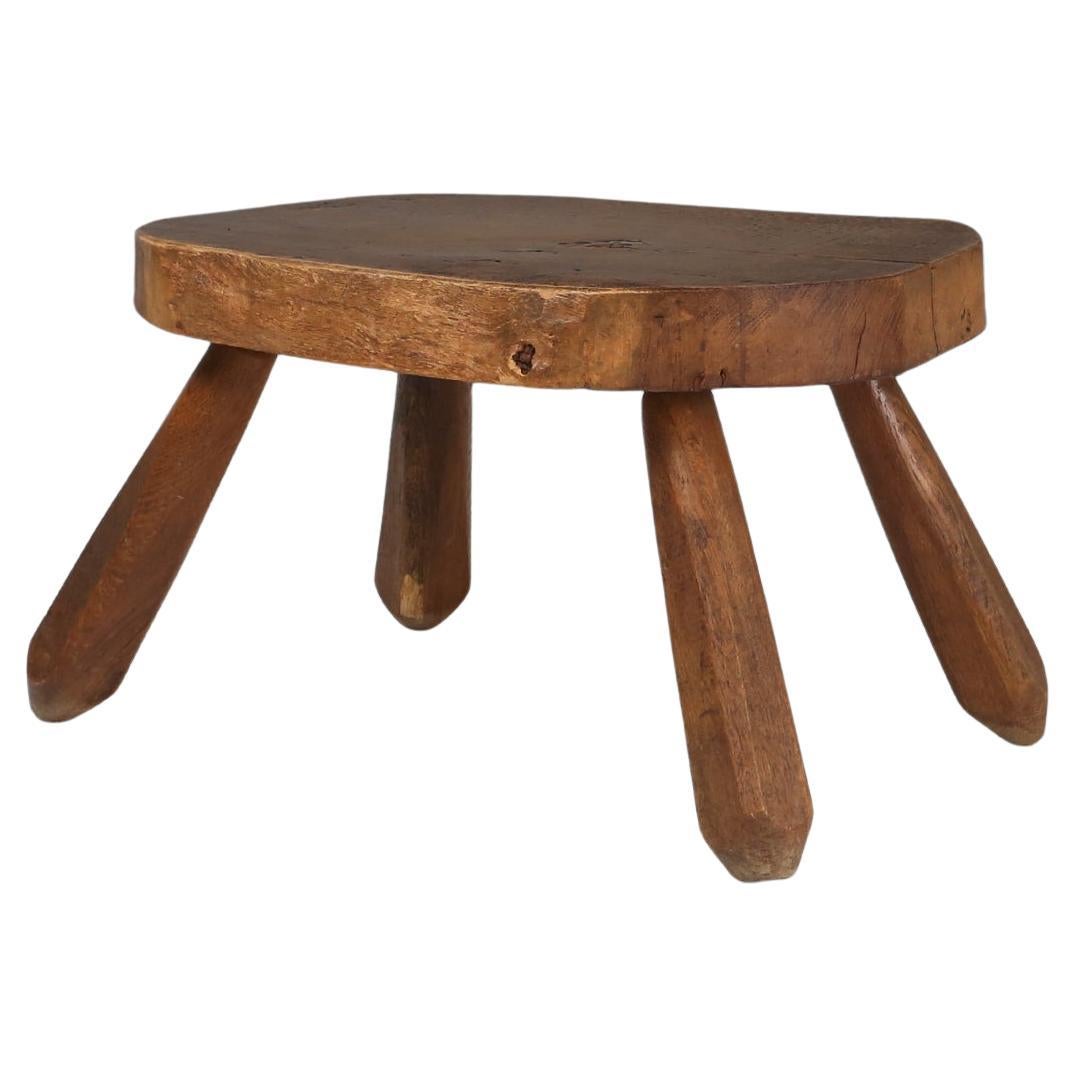
Tavolino francese di metà secolo in legno a forma libera prodotto in Francia, anni 50
Raro tavolino francese di metà secolo di forma organica e libera in legno di olmo prodotto in Francia negli anni '50 circa. In buone condizioni originali. Molto decorativo. Dimensi...
Categoria

Vintage, Anni 1950, Francese, Mid-Century moderno, Tavolini laterali

Materiali

Olmo

Robusto tavolino a tronco d albero della metà del secolo scorso, Francia, 1910
Francia / 1910 / tavolino a tronco d'albero / metà secolo / design vintage Ricavato da un unico tronco d'albero, questo pezzo unico è un perfetto tavolino da caffè robusto. Il desig...
Categoria

Vintage, Anni 1910, Francese, Mid-Century moderno, Tavolini bassi

Materiali

Legno

Tavolino attribuito a Joaquim Tenreiro
Di Joaquim Tenreiro
Tavolo basso tripode attribuito a Joaquim Tenreiro.
Categoria

Vintage, Anni 1950, Brasiliano, Mid-Century moderno, Tavolini bassi

Materiali

Legno massiccio, Imbuia

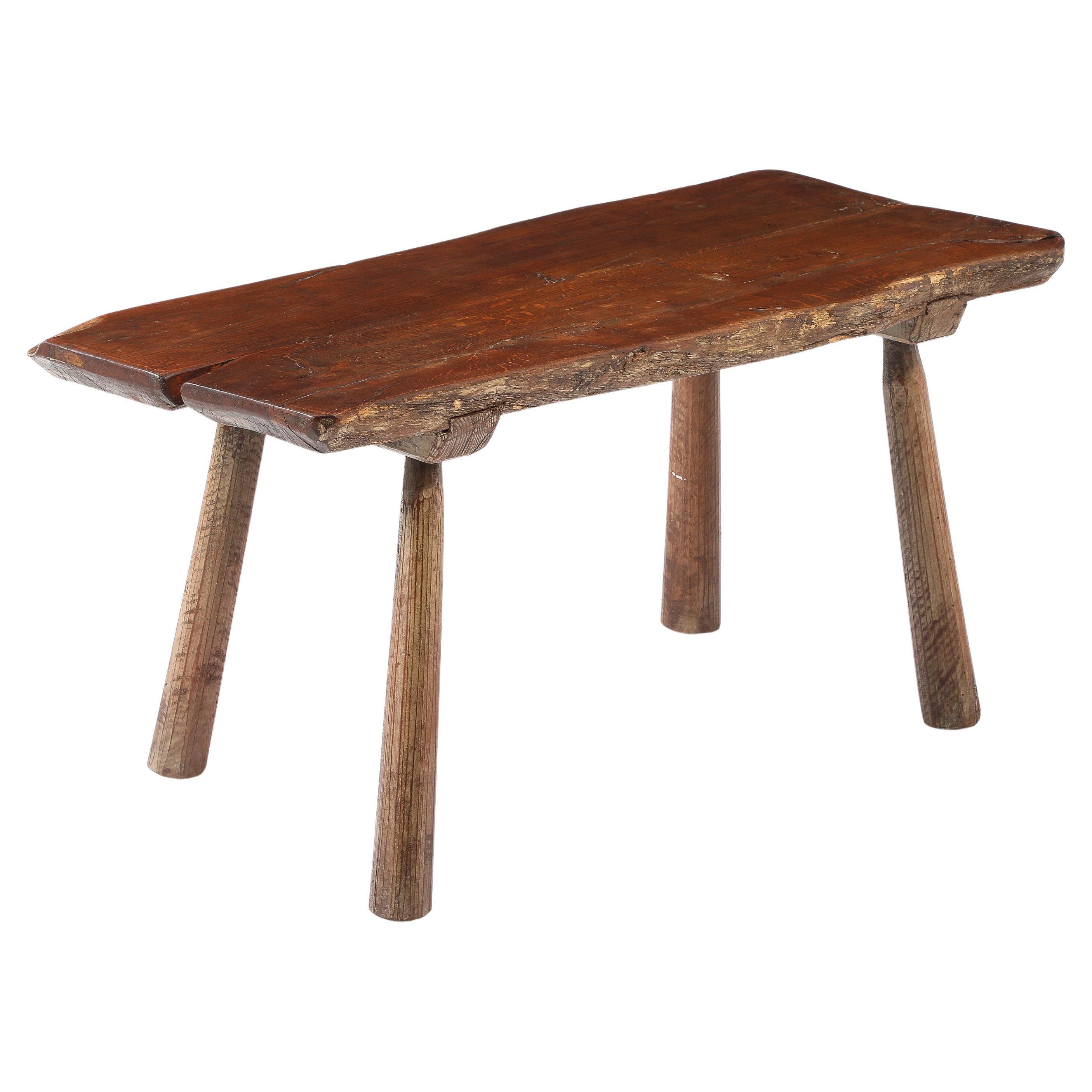
Tavolino rustico, Francia, anni 50
Tavolino rustico intagliato a mano con bordo vivo su gambe stellate.
Categoria

Metà XX secolo, Francese, Mid-Century moderno, Tavolini bassi

Materiali

Olmo