Articoli simili a Spanish school. Secretary of Pope Pius V, abbot of Husillos, bishop of Córdoba.
Caricamento del video
Vuoi altre immagini o video?
Richiedi altre immagini o video al venditore
1 di 20
UnknownSpanish school. Secretary of Pope Pius V, abbot of Husillos, bishop of Córdoba.
1280 €IVA inclusa
1600 €20% in meno
Informazioni sull’articolo
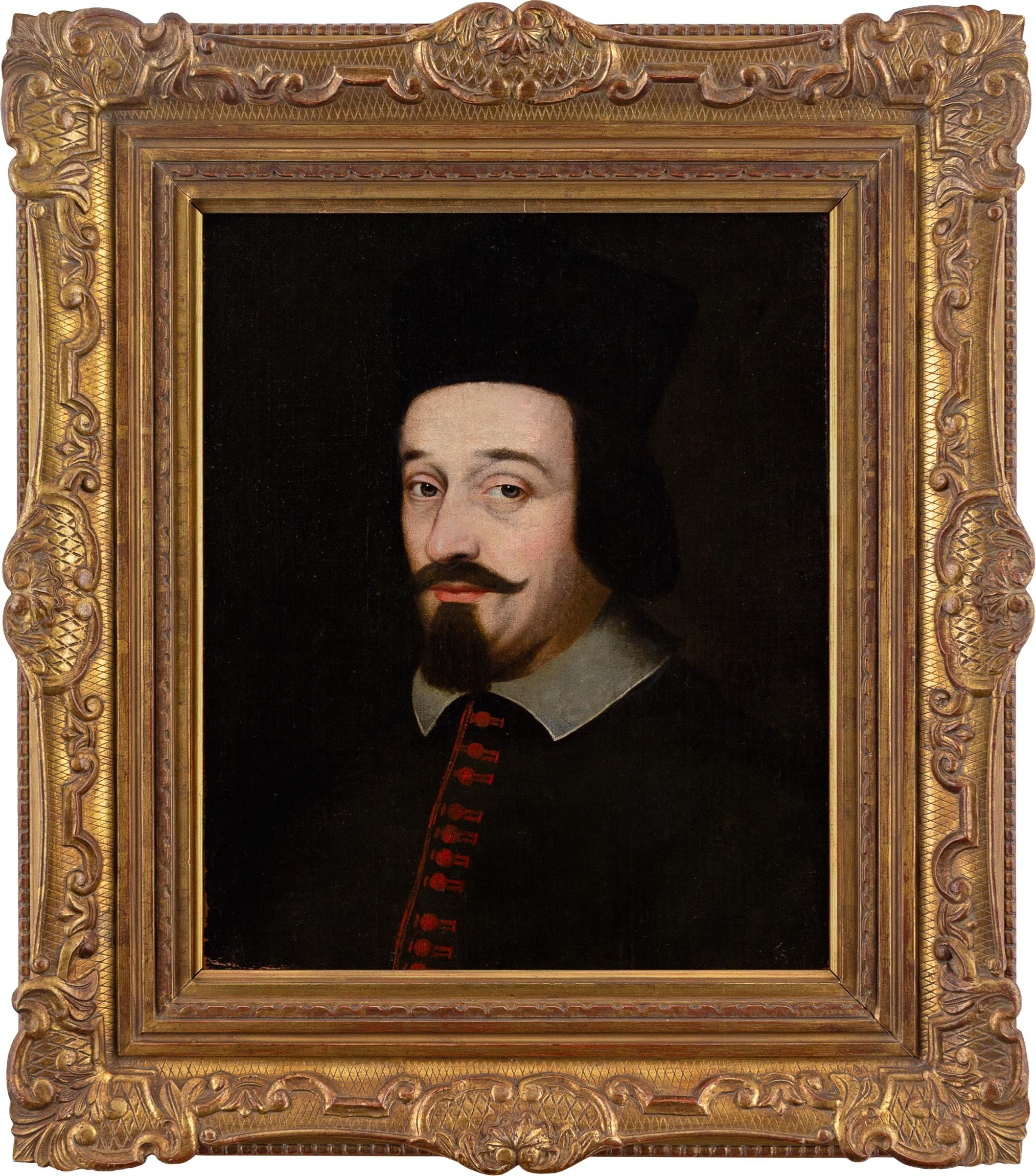
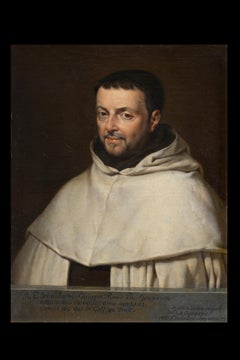
Portrait of Francisco de Reynoso y Baeza.
Secretary of Pope Pius V, abbot of Husillos and bishop of Córdoba. Francisci de Reynoso.
Early XVII century.
Small-format portrait from the late Renaissance period.
Spanish school.
Dim.: Cm 19 x Cm 13,5
Oil on wooden panel.
On the back the fine tablet is strengthened (already in ancient times) by a sheet of parchment.
Circa 1600-1610.
As often in Mannerist / Late Renaissance portraits, the image of the character is accompanied by the writing that runs at the top, adding a celebratory, historicising touch to the effigy. Let's bring back the sentence here:
DON FRANCISCO DE REINOSO. CAMARERO SECRETO IESCALCO PIO QUINTO OBISCOPO CORDOBA. 68 (? O 7?)
(1534, Autillo de Campos, Spain - 1601, Córdoba)
Francisco de Reynoso was a Spanish cleric, chief chamberlain, and secretary to Pope Pius V, abbot of Husillos, and bishop of Córdoba.
He was the fourth of eleven children. His father was the seventh Lord of Autillo de Campos, and his mother was Juana de Baeza y de las Casas, daughter of Manuel de Baeza, a lawyer of the Royal Council and at the Court of Valladolid.
Francisco de Reynoso was deeply devoted to the Virgin Mary and showed a strong inclination towards religion and piety from an early age.
He studied Latin, arts, and theology at the University of Salamanca.
In 1562, he traveled to Rome with his brothers Pedro and Luis.
In January 1566, following the death of Pope Pius IV, Cardinal Antonio Michele Ghislieri was elected pope, becoming Pius V. From this period until Ghislieri's death in 1572, Francisco de Reynoso served as his chief chamberlain and secretary.
After Pope Pius V died, Francisco de Reynoso returned to Spain and lived for several years in the city of Palencia, where his brother Manuele was a canon.
He supported the Society of Jesus when it was established in Palencia, providing alms to the school's clergy and funding chairs of Letters and Theology at his own expense, as well as donating a significant number of books.
During the brief outbreak of the Black Plague in 1580, he personally tended to the poor and sick in the city, bringing them food and making their beds. He also contributed to the establishment of the school for English seminarians in Valladolid.
As abbot of Husillos, he sold tapestries, silverware, carpets, and other household items to give alms, according to a 1591 report by the archdeacon of Toledo, Francisco de Ávila, to King Philip II.
In 1597, he was appointed bishop of Córdoba, on the recommendation of Philip II. During his episcopate, he completed the vault of the choir in the Cathedral of Córdoba and was known for his austerity and charity towards the poor, the sick, and prisoners.
Bishop Reynoso's family held various important positions: his brother Pedro succeeded as the eighth Lord of Autillo de Campos, his brother Manuel was a canon of the Cathedral of Palencia, his brother Miguel was governor of the city of L'Aquila in the Kingdom of Naples, and his brother Luis de Reynoso was a captain of the Tercio in Maastricht. Luis also served as a captain of one of the five companies that belonged to the flags of Naples in the Battle of Lepanto under the Tercio Costa de Granada.
Additionally, in 1559, two of his sisters were condemned by the Inquisition in a unique case: his sister Catalina de Reynoso y Baeza, a nun of the convent of Belén in Valladolid, was accused of Lutheranism. In controversial statements made by other nuns of the same convent, it was claimed that she sang verses to the god Baal while they sang in the choir. Besides the accusation of Lutheranism, it was mentioned that their mother, Doña Juana de Baeza, descended from converted Jews. Catalina was sentenced to house arrest for being a fictitious confessor, confessed, and died in 1559 at the age of 21 by garrote vil before being burned. His other sister, Francisca de Reynoso (also known as Francisca de Zúñiga), was convicted of Lutheranism and burned in an auto-da-fé, permanently deprived of her active and passive vote, and confined to her convent.
Most likely, these actions were taken to eliminate the center of Lutheranism in Valladolid, led by the "Alumbrados," a Protestant group to which the family of Gonzalo Pérez de Cazalla y Vivero, husband of Inés de Reynoso y Baeza, belonged.
- Dimensioni:Altezza: 19 cm (7,49 in)Larghezza: 13,5 cm (5,32 in)
- Tecnica:
- Movimento e stile:
- Periodo:
- Cornice:Opzioni disponibili per la cornice
- Condizioni:
- Località della galleria:Firenze, IT
- Numero di riferimento:1stDibs: LU2464214502822
Informazioni sul venditore
4,9
Venditore Oro
Venditori Premium con valutazione 4,3+ e tempi di risposta entro 24 ore
Fondazione nel 2016
Venditore 1stDibs dal 2023
87 vendite su 1stDibs
Tempo di risposta standard: 4 ore
- SpedizioneRecupero del preventivo…Spedizione da: Firenze, Italia
- Politica di reso
Alcune parti di questa pagina sono state tradotte automaticamente. 1stDibs non può garantire che le traduzioni siano corrette. L’inglese è la lingua predefinita del sito.
Altro da questo venditore
Mostra tuttoStudio accademico per il capo di un apostolo o di un santo
Studia la testa di un apostolo o di un santo
Artista: Enrico Reffo (1831-1917)
Mezzo: Carboncino e gesso bianco su carta colorata
Dimensioni: [Da specificare]
Data: Fine XIX - inizi...
Categoria
Metà XIX secolo, Accademia, Disegni e acquarelli (ritratto)
Materiali
Carta, Carboncino, Matita carboncino
183 € Prezzo promozionale
30% in meno
Ritratto di una nobildonna. Attribuito a Carlo Ceresa. 1640 circa.
Di Carlo Ceresa
Ritratto di una nobildonna.
Attribuito a Carlo Ceresa. (1609 - 1679, Bergamo)
Olio su tela.
Dimensioni cm 110x86,5cm con cornice
Intorno al 1640.
Questo ritratto raffigura una do...
Categoria
Metà XVII secolo, Barocco, Dipinti (ritratto)
Materiali
Tela, Olio
2256 € Prezzo promozionale
43% in meno
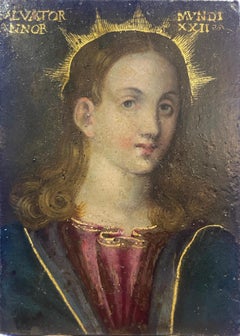
Salvator Mundi, oil on copper, North Italian school, late 16th–early 17th c.
Salvator Mundi, olio su rame. Scuola italiana del nord.
Fine XVI - inizio XVII secolo. 9 x 7 cm
Technique: oil on copper.
Dimensioni: 9 cm x 7 cm.
Scuola del Nord Italia, in un con...
Categoria
Inizio XVII secolo, Scuola italiana, Dipinti (ritratto)
Materiali
Rame
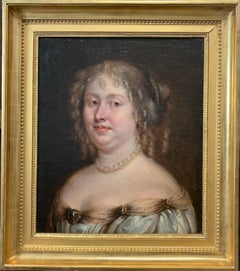
Ritratto di Dama . Louis Ferdinand Elle il Giovane. ( Parigi, 1612-1689), attrib
Di Louis Elle (Ferdinand)
Ritratto di dama .
Louis Ferdinand Elle il Giovane. ( Parigi, 1612-1689), attribuito.
Circa 1680.
Olio su tela, appoggiata sul cartone.
In cornice in legno dorato del XIX secolo. ...
Categoria
1680s, Scuola francese, Dipinti (ritratto)
Materiali
Tela, Oil, Cartone
2450 € Prezzo promozionale
30% in meno
Spedizione gratuita
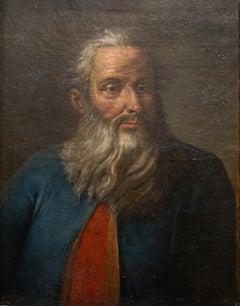
Portrait of a Levantine Merchant, 18th Century. Italian school.
Portrait of a Levantine Merchant, 18th Century
Italian school.
Oil on canvas.
Circle of Giuseppe Nogari (1699-1763)
Dimensions with frame cm 71 x 56
Dimensions without frame cm 66 x...
Categoria
18th Century, Barocco, Dipinti (ritratto)
Materiali
Tela, Oil
1600 € Prezzo promozionale
20% in meno
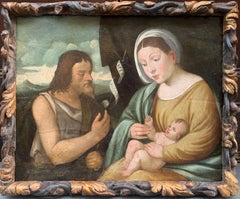
Venezia. XVI secolo. Madonna con bambino e St. Johns. Attribuire. Marco Bello.
Conversazione sacra: Madonna con bambino e St. John con sfondo di paesaggio idealizzato con montagne.
Inizio del XVI secolo.
Olio su tavola di conifere veneziane.
Marco Bello, attr...
Categoria
XVI secolo, Rinascimento, Dipinti figurativi
Materiali
Olio, Pannello in legno
Ti potrebbe interessare anche
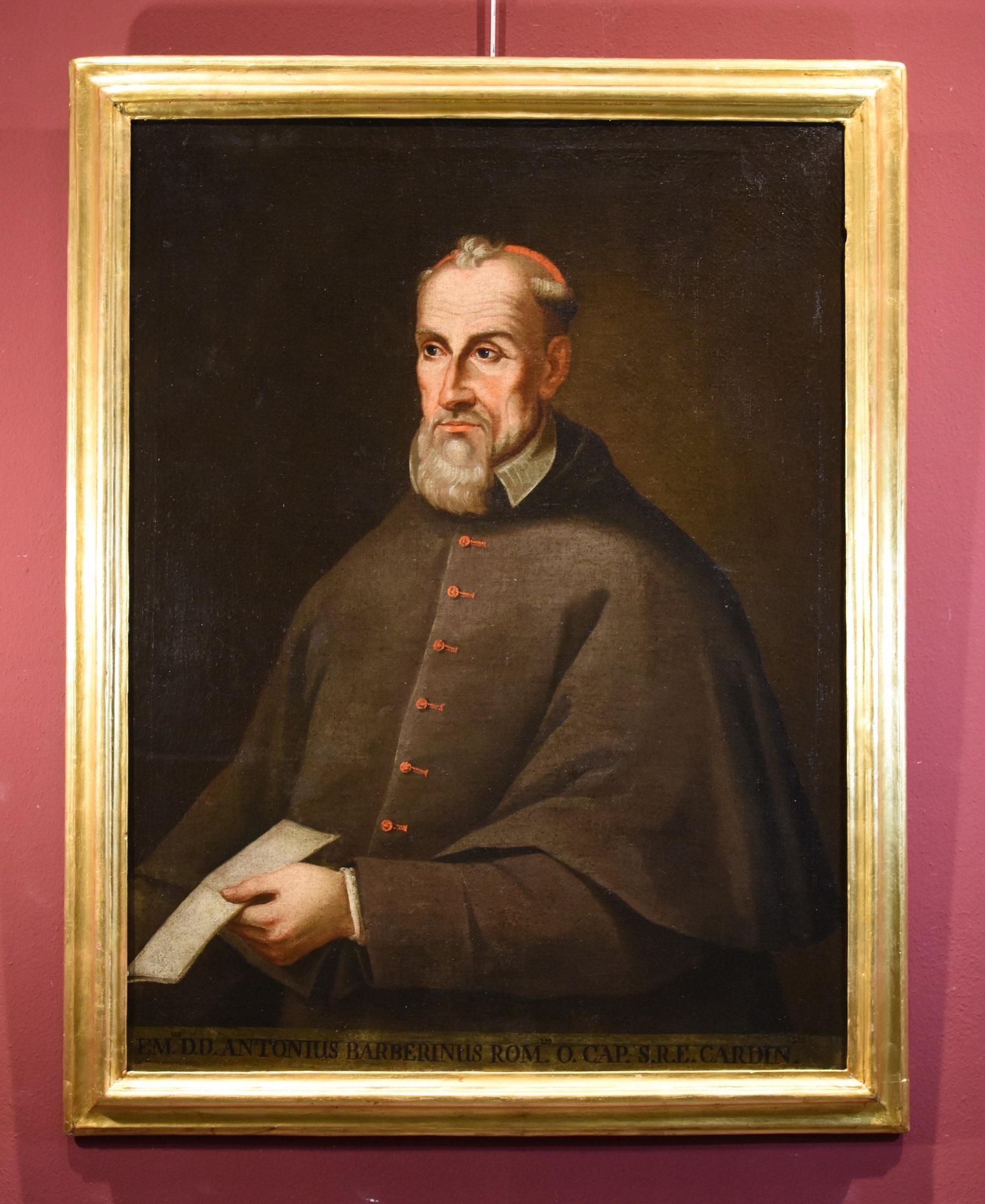
Ritratto Cardinale Barberini Alberti Dipinto Olio su tela 17° secolo Vecchio maestro
Antonio Alberti (1603 - 1649)
Ritratto del cardinale Antonio Marcello Barberini (Firenze 1569 - Roma 1646)
Iscrizione sul fondo: F.M.F. ANTONIUS BARBERINUS ROM. O. CAP. S.R.E. CARDI...
Categoria
XVII secolo, Antichi maestri, Dipinti
Materiali
Olio
6136 € Prezzo promozionale
20% in meno
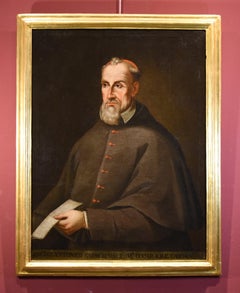
Pittura a olio di scuola spagnola della metà del XVII secolo, Ritratto di un teologo
Questo olio su tela spagnolo della metà del XVII secolo raffigura un dignitoso uomo di cultura, un teologo o forse un canonico della cattedrale.
Vestito con una tonaca nera, contrad...
Categoria
Metà XVII secolo, Barocco, Dipinti (ritratto)
Materiali
Tela, Olio
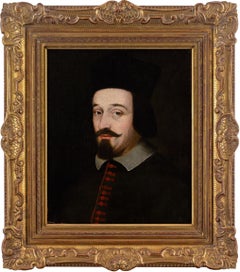
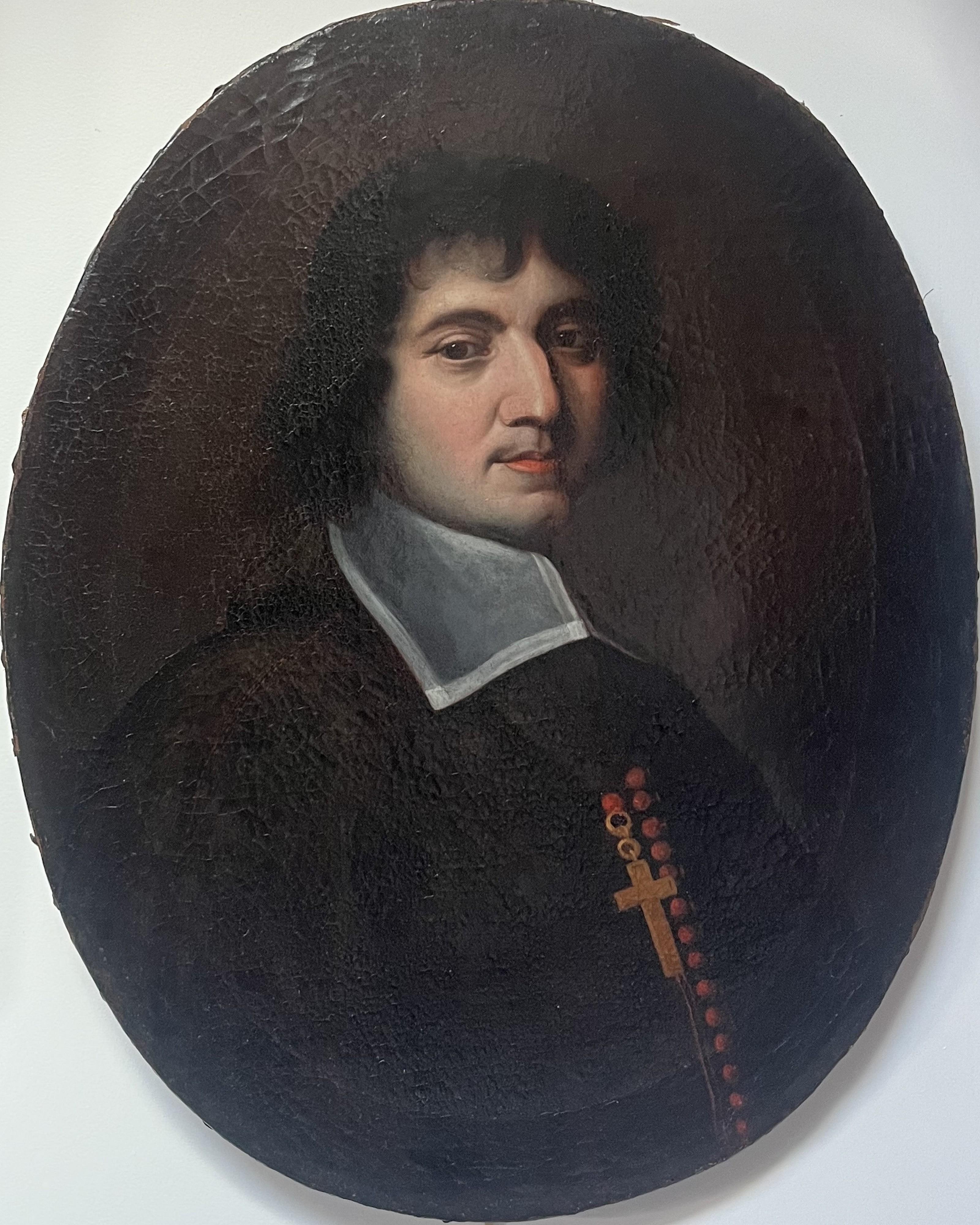
Francia, inizio XVIII secolo, Ritratto di un chierico, olio su tela
Scuola francese dell'inizio del XVIII secolo
Ritratto di un chierico,
olio su tela
68 x 54 cm, ovale
Recentemente ho fatto pulire e restaurare questo dipinto da un restauratore pro...
Categoria
Anni 1710, Antichi maestri, Dipinti (ritratto)
Materiali
Olio
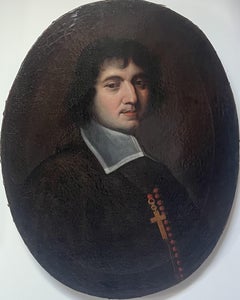
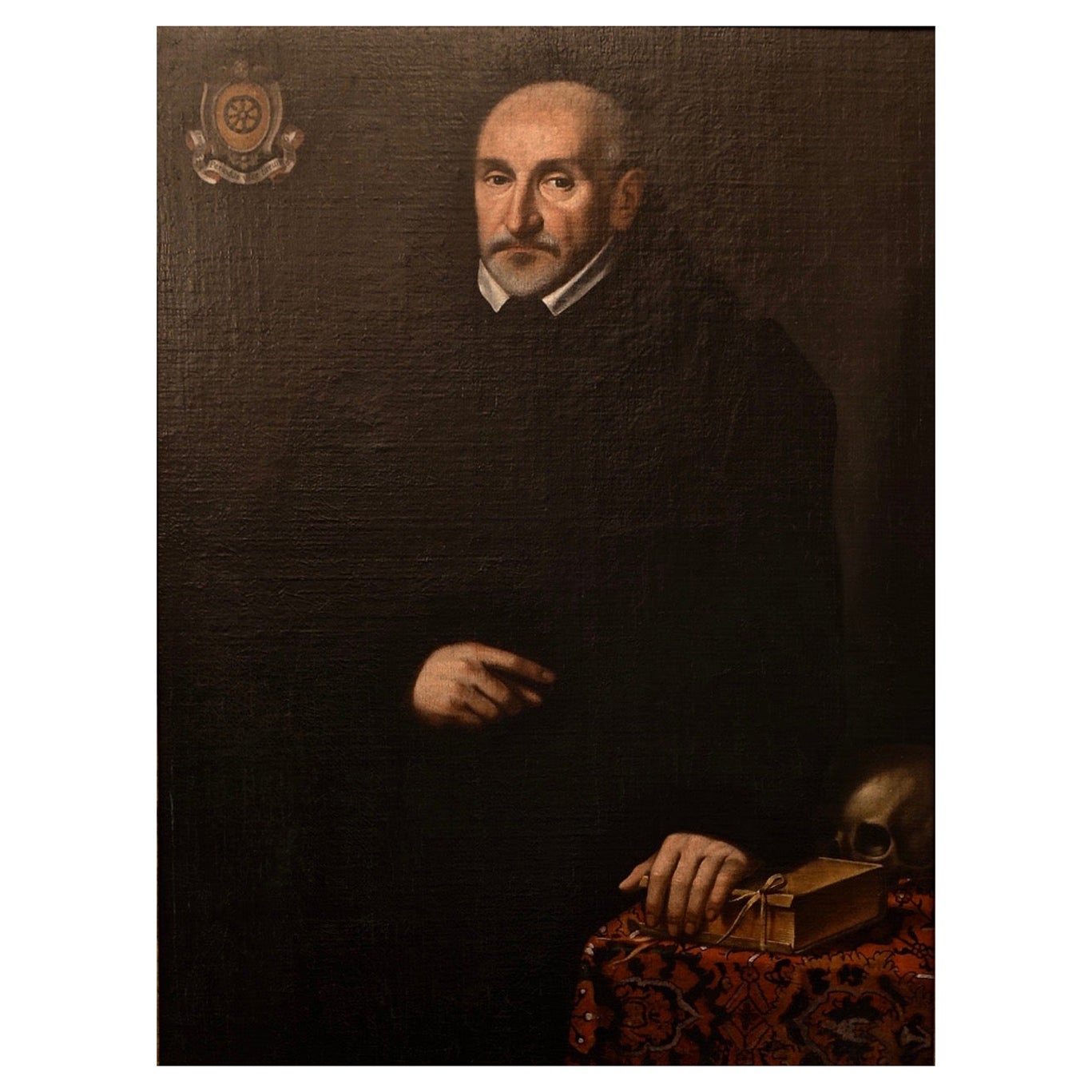
Ritratto di gentiluomo della famiglia Della Ruota, Lombardia, datato 1624
Ritratto di gentiluomo della famiglia Della Ruota
Lombardia, datato 1624
Olio su tela
Misure: 105 x 81 cm (senza cornice)
Lo stemma in alto a sinistra del ritratto identifica...
Categoria
Di antiquariato/d’epoca, XVII secolo, Italiano, Rinascimento, Dipinti
Materiali
Tela
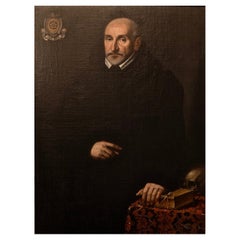
Grande dipinto a olio su tela del 1700 Ritratto di un gentiluomo impiegato
Ritratto di un gentiluomo impiegato
Artista italiano, metà del XVIII secolo
Circolo di Giovanni Battista Carboni (1725-1790)
olio su tela, senza cornice
tela: 26 x 22 pollici
proveni...
Categoria
Metà XVIII secolo, Antichi maestri, Dipinti (ritratto)
Materiali
Olio, Tela
817 € Prezzo promozionale
30% in meno
XIX secolo Dal Comte d
Houdetot Ritratto di GiovanniAntonioFilippini Olio/tela
Frédéric Christophe, Comte d'Houdetot (Parigi, Francia, 1778 - 1859)
Titolo: Ritratto di Giovanni Antonio Filippini
Medium: Olio su tela
Dimensioni: senza cornice 72,50 x 42 cm - con...
Categoria
XIX secolo, Antichi maestri, Dipinti (ritratto)
Materiali
Tela, Olio
10.789 € Prezzo promozionale
20% in meno