Items Similar to Pre Columbian 800 / 1450 AD Costa Rica Chiriki Tumbaga Gold Condor Pendant
Want more images or videos?
Request additional images or videos from the seller
1 of 8
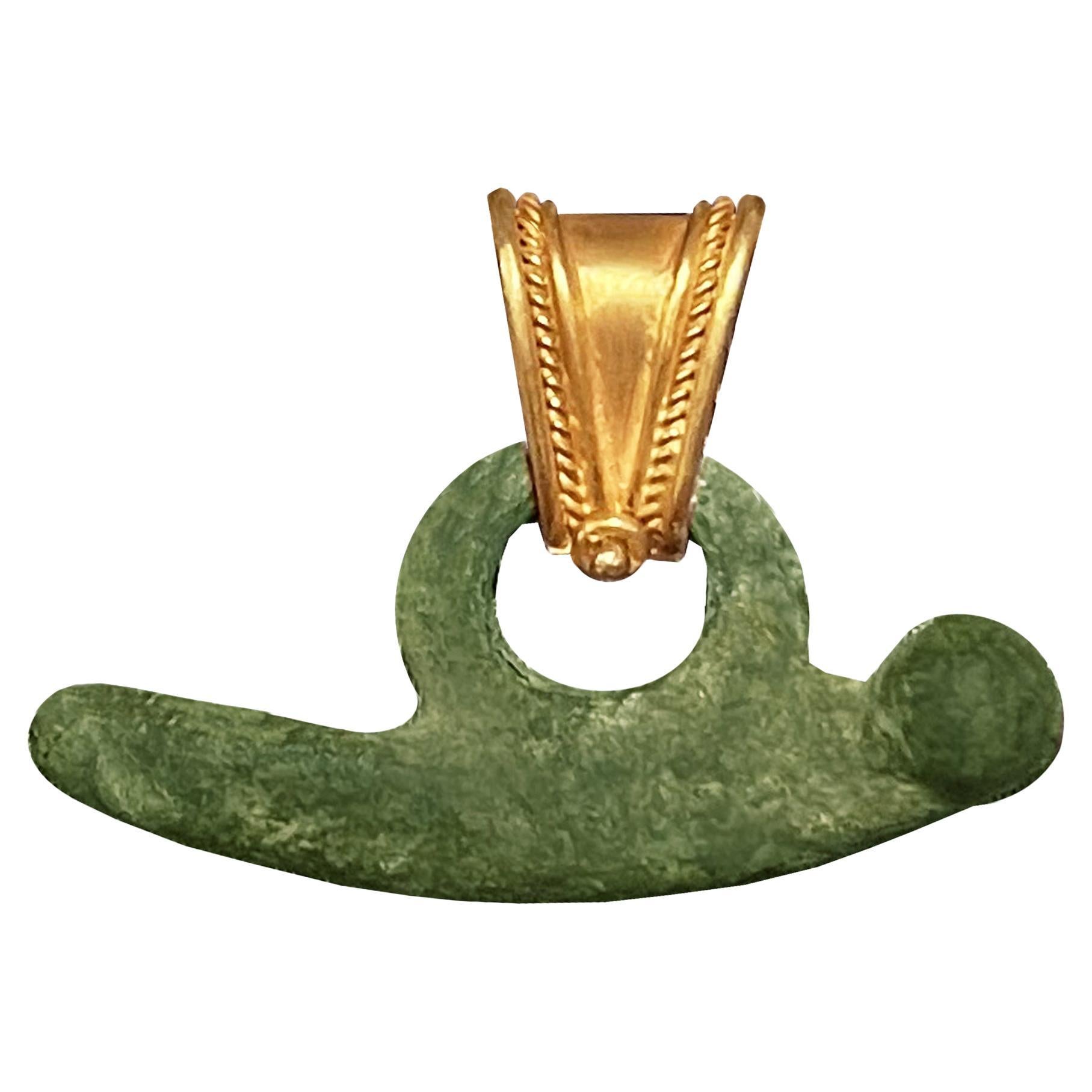
Pre Columbian 800 / 1450 AD Costa Rica Chiriki Tumbaga Gold Condor Pendant
$5,428
$6,78520% Off
£4,101.16
£5,126.4520% Off
€4,702.16
€5,877.7020% Off
CA$7,575.40
CA$9,469.2520% Off
A$8,242.61
A$10,303.2620% Off
CHF 4,364.36
CHF 5,455.4520% Off
MX$99,164.22
MX$123,955.2720% Off
NOK 55,417.64
NOK 69,272.0520% Off
SEK 50,703.26
SEK 63,379.0820% Off
DKK 35,131.69
DKK 43,914.6120% Off
About the Item
Tumbaga gold condor pendant from Costa Rica.
Very rare archeological pre-Columbian piece from the Central American region, between Costa Rica and Panama. Created by the Chiriki culture, between the 800 and 1450 AD and crafted by the wax lost method in the shape of a condor bird with spread wings in solid tumbaga gold. Adapted with a removable piece to be wear as a pendant. This piece do not affect the integrity of the ancient piece.
Weight: 15.95 Grams, (10.22 Dwt).
Measurements: 51 mm by 50 mm by 20 mm (2.0 x 1.97 x 0.79 Inches).
Hallmarks Electronically tested for gold.
Chiriki Culture
The Veraguas culture, also known as the Chiriqui culture, was a pre-Columbian Panamanian culture. It is noted for the quality of its goldwork. The Veraguas culture cast zoomorphic pendants out of gold and tumbaga, using the lost wax method. When using tumbaga, artists would often use acid to remove copper from the surface, allowing for a shinier piece. This process is known as depletion gilding. This goldwork was practiced until the early 16th century AD. The Veraguas culture also produced painted tripod bowls and anthropomorphic figures.In addition, sculptures were made out of basalt.
Tumbaga Gold
The term tumbaga was used in pre-Columbian times from Mesoamerica to Peru and Chile as a generic term for any combination of gold and copper. Tumbaga is an alloy of gold and copper (and sometimes silver). It ranged in content from 3-97% copper with a balance of gold and several trace metals as impurities; silver could be an impurity or a deliberate alloying element up to 18%. One of the reasons that the composition varies so widely is that it was also the name of the metal bars that were hastily produced from South American raw materials during the early years of European conquest and settlement. These bars were shipped back to Spain and separated back into pure copper, gold, and silver. The Pre-Hispanic American metal smiths used tumbaga extensively. Alloying gold with 15-40% copper gives a metal that melts at 860°C (1580°F). The alloy is significantly harder than copper, but is malleable like gold and can be hammered. It is therefore ideally suited to the formation of elaborate objects made of hammered sheet metal. Its relatively low melting point was a big advantage to early metal workers. The alloy could be made to look like pure gold by treating the finished face with an acid solution to dissolve the copper and then hammering or polishing to join the gold, creating a uniform gold surface.
Collateral: This rare piece is accompanied by a presentation jewelry box.
Condition: The overall condition of this piece is excellent. Beside the little normal wear, there is no damage to the gold. This pendant has been carefully inspected to guarantee the condition and the authenticity.
INVENTORY REF: P061723ANNM/.3834
- Creator:Chiriki Culture Tumbaga Gold
- Metal:
- Weight:15.95 g
- Dimensions:Width: 1.97 in (50.04 mm)Depth: 0.79 in (20.07 mm)Length: 207 in (5,257.8 mm)
- Style:
- Place of Origin:Costa Rica
- Period:
- Date of Manufacture:800-1400 AD
- Condition:Wear consistent with age and use. The overall condition of this piece is excellent. Beside the little normal wear, there is no damage to the gold. This pendant has been carefully inspected to guarantee the condition and the authenticity.
- Seller Location:Miami, FL
- Reference Number:Seller: P061723ANNM/.38341stDibs: LU2690219601252
About the Seller
4.9
Recognized Seller
These prestigious sellers are industry leaders and represent the highest echelon for item quality and design.
Established in 1995
1stDibs seller since 2022
1,073 sales on 1stDibs
Typical response time: <1 hour
- ShippingRetrieving quote...Shipping from: Miami, FL
- Return Policy
More From This Seller
View AllThomas Gentille 1970 Rare Sculptural Ethnics Necklace In Copper And Cotton
Located in Miami, FL
Rare Necklace designed by Thomas Gentille (1936-).
An impressive sculptural piece of art, created in New York city by the artist studio goldsmith Thom...
Category
Vintage 1970s American Modernist Drop Necklaces
Materials
Silver, Copper
Casa De Maya Mexico 1950 Mid Century Sculptural Retro Belt Buckle Pendant
Located in Miami, FL
Statement belt-buckle pendant designed by Casa De Maya.
A rare vintage piece, created in Mexico during the mid-century back in the 1950. Crafted at the at...
Category
Vintage 1950s Mexican Modernist Pendant Necklaces
Materials
Brass, Copper, Mixed Metal
$468 Sale Price
20% Off
Free Shipping
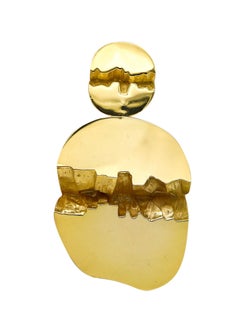
GUBELIN 1970 Grand Canyon Fractured Pendant In Solid 18Kt Yellow Gold
By Gubelin Lucerne
Located in Miami, FL
Modernist Grand Canyon pendant designed by Gubelin.
Fabulous movable pendant, created during the modernism period back in the 1970. This sculptural p...
Category
Vintage 1970s Swiss Modernist Pendant Necklaces
Materials
Gold, Yellow Gold, 18k Gold
$6,760 Sale Price
20% Off
Free Shipping
Tiffany
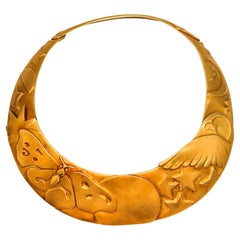
Co. 1981 Angela Cummings Prototype Nocturnal Collar Necklace 18Kt Gold
By Tiffany
Co.
Located in Miami, FL
Nocturnal Collar Necklace designed by Angela Cummings for Tiffany & Co.
An extremely rare prototype piece, created by Angela Cummings for the Tiffany Studios, back in the 1981. This...
Category
Vintage 1980s American Modernist Choker Necklaces
Materials
Gold, 18k Gold, Yellow Gold
$34,000 Sale Price
20% Off
Free Shipping
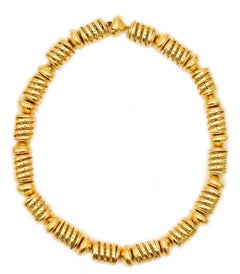
MARINA B. Milano 1996 Limited Edition Modernist Spring Necklace 18Kt Yellow Gold
By Marina B
Located in Miami, FL
Spring necklace designed by Marina B. (1930-2024).
This is a very rare necklace created in Milano Italy by the iconic jewelry house of Marina B. back in 1994. The necklace is part o...
Category
1990s Italian Modernist Link Necklaces
Materials
Gold, Yellow Gold, 18k Gold
$27,600 Sale Price
20% Off
Free Shipping
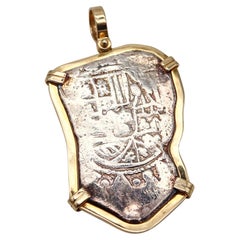
MEL FISHER Spanish Colonial 1715 Shipwreck 8 Reales Mount In 14Kt Gold Frame
Located in Miami, FL
A shipwreck 8 Reales Spanish colonial coin pendant made by Mel Fisher.
This is a genuine and authentic shipwreck piece-of-eight from the Spanish colonial period. The is an 8 Reales ...
Category
Antique 1710s American Neoclassical Pendant Necklaces
Materials
Gold, Yellow Gold, 14k Gold
$3,198 Sale Price
20% Off
Free Shipping
You May Also Like
Supernatural Being, Pre-Columbian Gold Pendant, Costa Rica, circa 800 to 1500 AD
Located in San Pedro Garza Garcia, Nuevo Leon
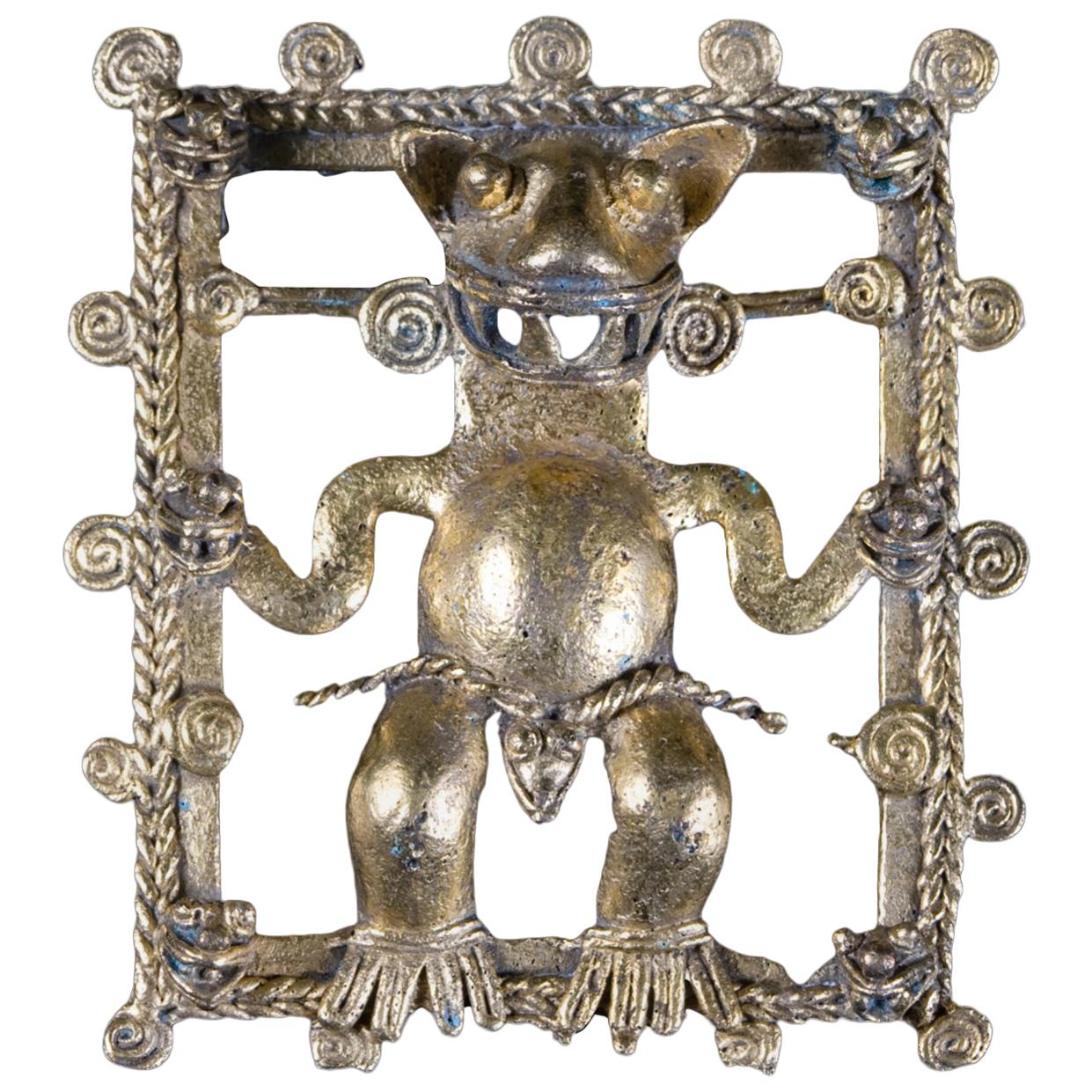
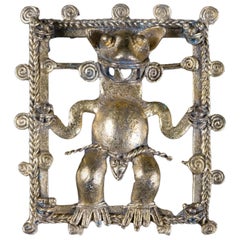
Southern Costa Rica or Western Panama, circa 800 to 1500 AD. A very fine example of the goldwork of the Veraguas-Chiriqui-Diquis region. A pendant in Carbonera style of a supernatural being, a composite monster with human torso and feline (probably jaguar) head. The figure is set in a frame decorated with little animal heads, one at each corner. The hands have also turned into animal heads. In place of genitalia is a stylized serpent head suspended by a twisted cord that was supposed to continue across the frame. A minor casting accident prevented it form being attached to the frame. A modern goldsmith would solder in two short lengths of twisted wire, but the ancient goldsmith did not have the equipment to make such repair. A double thread ending in spirals goes across the frame behind the neck of the figure, helping to fill up the frame and avoiding a large empty space. The word "thread" reminds us that the twisted and straight cords were, in the original wax model of the pendant really extruded wax threads, turned into metal by the lost wax (cire perdue) process. The braid pattern on the frame is illusory, just two twisted threads of extruded wax laid side by side. The goldsmith made the toes out of extruded wax thread too, very decorative as well. The piece comes with a certificate of authenticity by Mr. Robert Sonin, 5 May 2006. ref. photo roll 3301. A world renowned expert on Pre-Columbian Artifacts...
Category
Antique 15th Century and Earlier Costa Rican Pre-Columbian Figurative Sc...
Materials
Gold
Museum Quality Pre-Columbian Gold Twin Figures Pendant, circa 800 to 1500 AD
Located in San Pedro Garza Garcia, Nuevo Leon
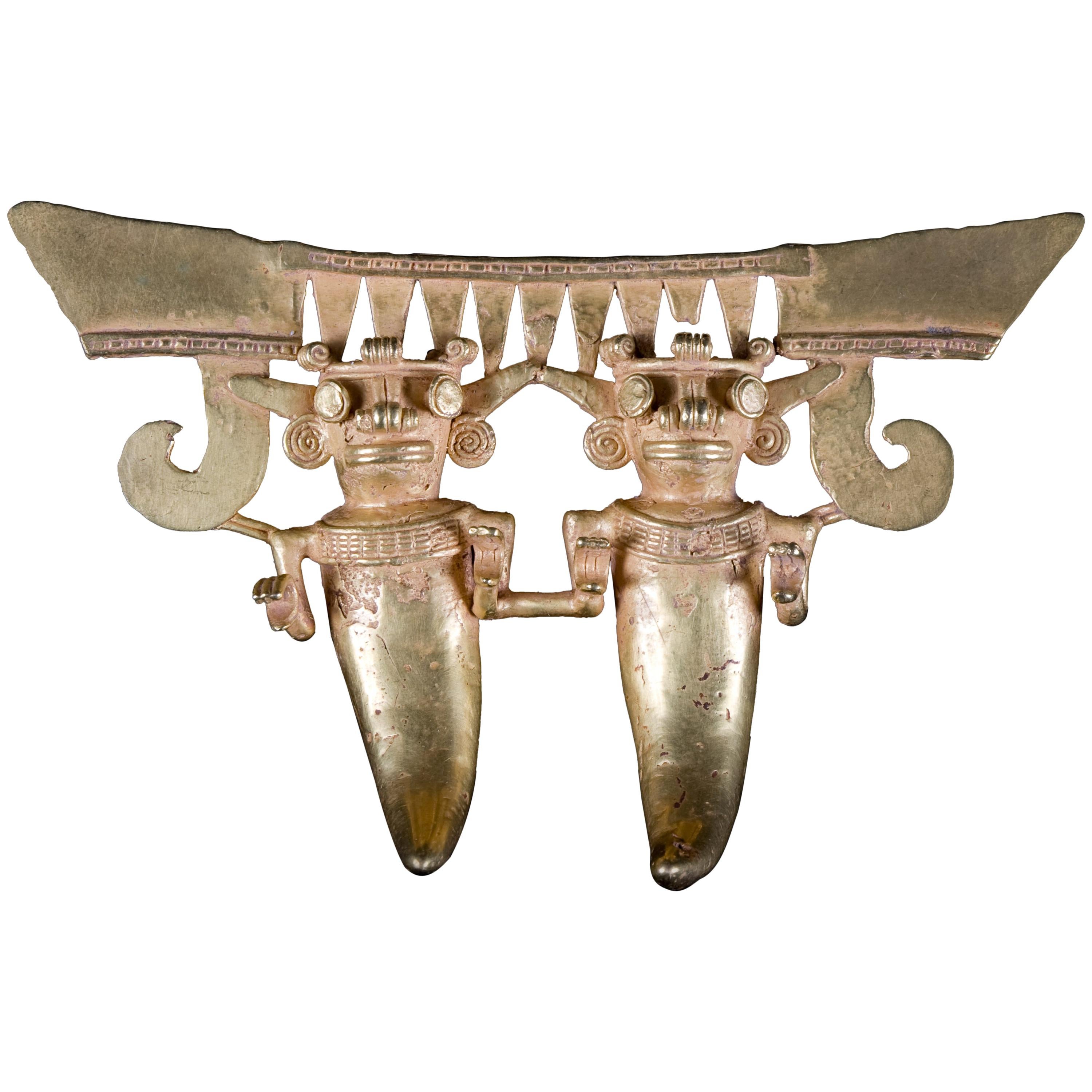
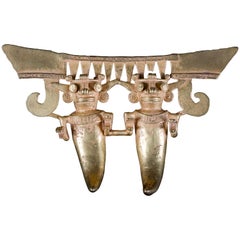
Southern Costa Rica/Western Panama, circa 800 to 1500 AD. Gold Veraguas-Chiriqui-Diquis twin figure pendant cast by the lost-wax (cire perdu) grasping an imaginary club with their claws, with bat ears and pop out eyes and each figure ending in the shape of a jaguar tooth, symbolizing the power of the jaguar and the ability to see in the dark; The casting process did not go entirely smoothly. Part of his mold, on the side of the proper right figure (viewer's left side), did not fill with metal. The Pre-Columbian goldsmith carried out a superb repair, probably making a wax patch and pouring gate on the gold pendant, then enclosing it in a new mold and pouring in more metal. The patch is hardly visible on the outside. A modern goldsmith, who cannot do it as well, would use his gas torch to solder on a patch. The gold is of such high grade or karat, possibly unalloyed native gold...
Category
Antique 15th Century and Earlier Costa Rican Pre-Columbian Figurative Sc...
Materials
Gold
Vintage Gold Tribal Pendant
Located in West Palm Beach, FL
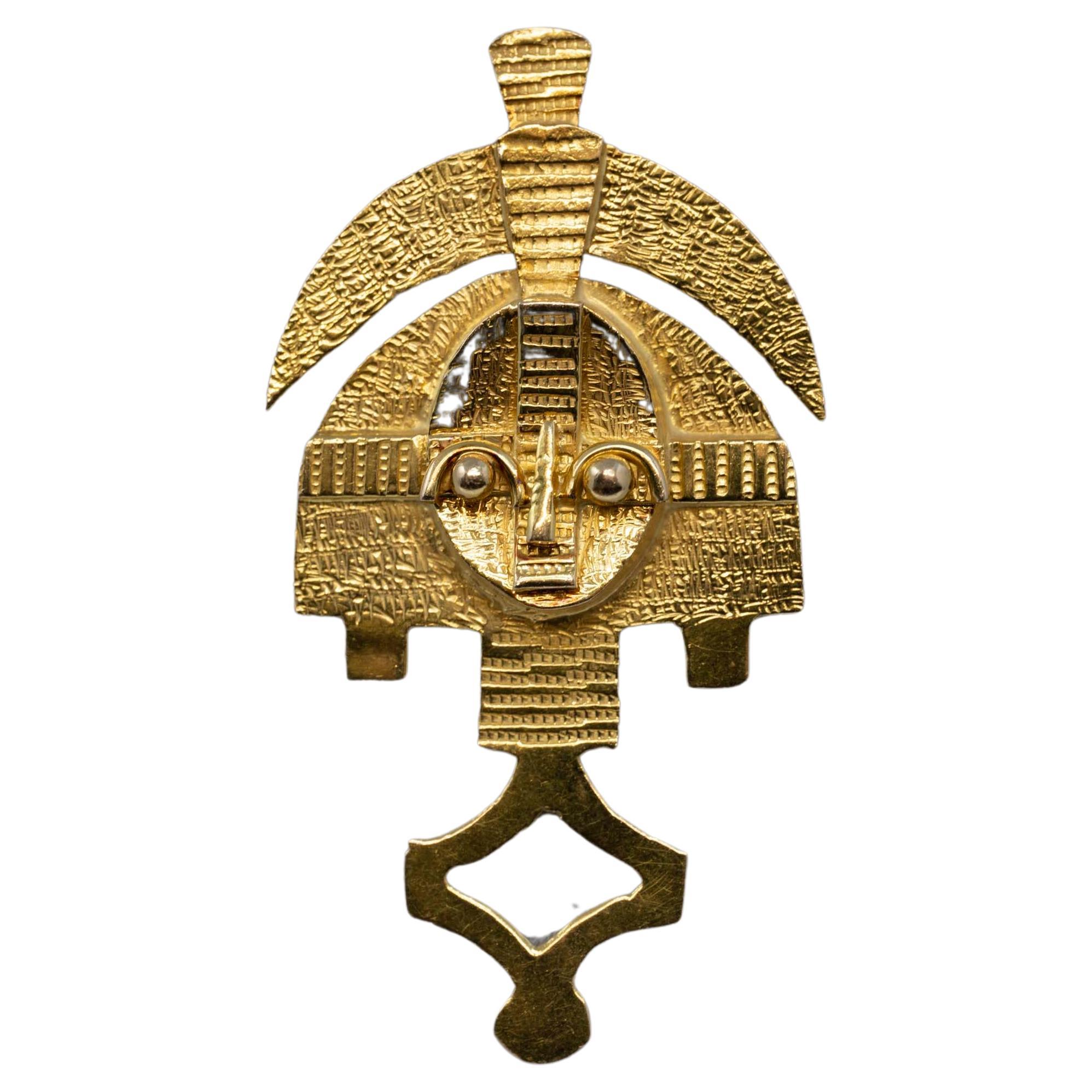
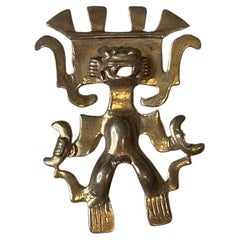
A Vintage Gold Tribal Pendant is a captivating piece of jewelry that combines rich history, cultural symbolism, and timeless craftsmanship. Tribal-inspired jewelry has always been as...
Category
Late 20th Century Regency Pendant Necklaces
Materials
Gold Plate
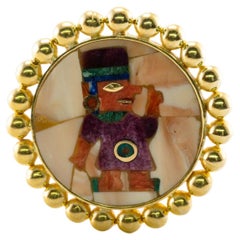
Aztec 18k Gold God Pendant
Located in Montreal, QC
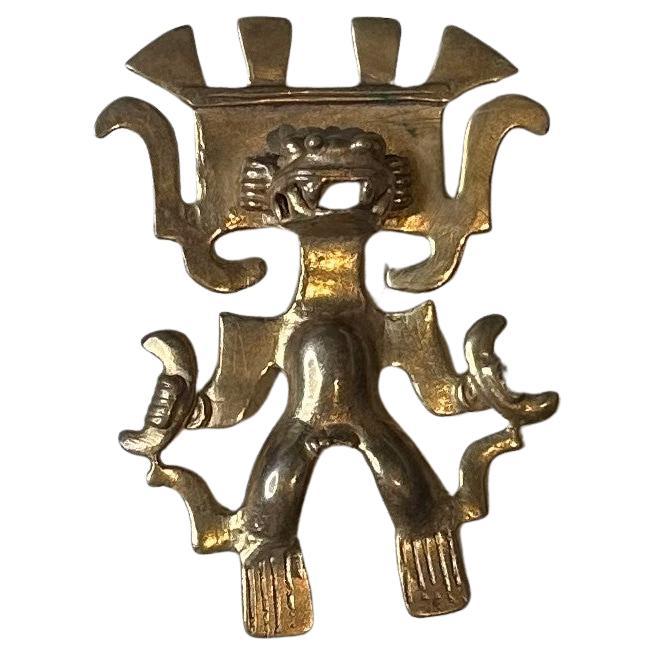
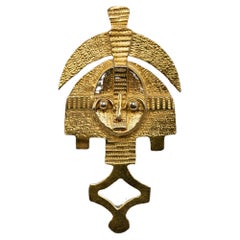
Stamped with an illegible mark tested 18k. Measures 2 1/8 inches long x 1 1/8 inches wide, weight 12.5 grams. Circa 1980.
Category
Vintage 1980s Unknown Brooches
Materials
18k Gold
Aztec Peruvian Figure Pendant Brooch 18K Yellow Gold
By Estate Jewelry
Located in East Brunswick, NJ
Aztec Peruvian Figure Pendant Brooch 18K Yellow Gold
This outstanding vintage piece can be worn as a pendant or a brooch. It is crafted in solid fine 18K Yellow Gold and also hallma...
Category
Late 20th Century Pendant Necklaces
Materials
18k Gold, Yellow Gold
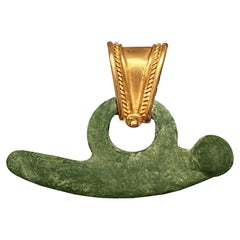
Roman Bronze Phallus-Fascinus 1st-3rd Cent. AD 18 Kt Gold Pendant
Located in Roma, IT
In ancient Roman religion and magic, the fascinus or fascinum was the embodiment of the divine phallus. The word can refer to phallus effigies and amulets, and to the spells used to ...
Category
2010s Italian Classical Roman Pendant Necklaces
Materials
18k Gold, Bronze
More Ways To Browse
Spanish Ship
Columbian Gold Jewelry
Peruvian Silver And Gold Jewelry
Pre Columbian Jewelry
Gold Tumbaga
Mourning Locket
Multi Color Diamond Pendants
Old Diamond Mine Cross Pendant
Padlock Necklace
Rare Locket
Spanish Art Nouveau Jewelry
Sterling Silver Tumblers
Tibetan Turquoise
Turkey Coin
Victorian Antique Emerald Necklace
White Nephrite
15k Locket Pendant
18k Dog Pendant