Items Similar to Anthropomorphic Lead Spout in the Form of a Dog. England, 16th century.
Want more images or videos?
Request additional images or videos from the seller
1 of 10
Anthropomorphic Lead Spout in the Form of a Dog. England, 16th century.
$1,980.20
£1,450
€1,687.89
CA$2,728.08
A$2,973.13
CHF 1,574.40
MX$35,710.41
NOK 19,932.25
SEK 18,325.74
DKK 12,606.66
About the Item
Anthropomorphic Lead Spout in the Form of a Dog.
England, Tudor period, 16th century.
Measurements: 9.3 × 6.8 × 3.6 cm (excluding stand); 11 × 8.2 × 7 cm (including stand).
This small sculptural spout, cast in lead, depicts a dog with an open maw and a tightly curled forelimb, its body rendered in a compact, serpentine posture. The modelling is robust, with simplified planes and incised details used to articulate the head and limbs. Pierced apertures indicate its functional role as a conduit for liquid. The surface shows a dry, chalky patina consistent with excavated lead, with areas of impact loss and deformation attesting to historic damage. Mounted on a modern painted metal stand.
Zoomorphic lead spouts of this period are associated with domestic and architectural water-management systems, often serving as both ornamental and practical outlets on smaller-scale structures. The choice of a dog—an animal emblematic of loyalty and vigilance—aligns with the broader taste in north European decorative arts during the Renaissance, where fantastical or expressive creatures were frequently integrated into utilitarian fittings.
- Period:
- Date of Manufacture:16th century
- Condition:Wear consistent with age and use.
- Seller Location:London, GB
- Reference Number:1stDibs: LU4435228052942
About the Seller
New to 1stDibs
Joined in the past six months.
No Reviews Yet
Vetted Professional Seller
Every seller passes strict standards for authenticity and reliability
Established in 2011
1stDibs seller since 2025
- ShippingRetrieving quote...Shipping from: London, United Kingdom
- Return Policy
More From This Seller
View AllRenaissance Bronze Lion. Germany or Italy, 16th century.
Located in London, GB
Renaissance Bronze Lion.
Germany or Italy, 16th century.
Measurements
8.5 × 7.2 × 3.5 cm
Description
A small bronze lion cast as a solid figure, t...
Category
Antique 16th Century Figurines and Sculptures
Silver Spice Container in the Form of a Poodle, 18th century.
Located in London, GB
Silver Spice Container in the Form of a Poodle.
18th century.
Measurements: 6.1 × 5.8 × 2.2 cm.
Weight: 73 grams.
A silver spice container in the form of a seated poodle, consi...
Category
Antique 18th Century Figurines and Sculptures
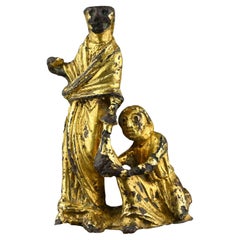
Gilt-Bronze Group Depicting an Act of Almsgiving. England, early 12th century
Located in London, GB
Gilt-Bronze Group Possibly Depicting an Act of Almsgiving
England, early 12th century
Measurements
4.2 × 2.8 × 1.7 cm
Material
Fire-gilt bronze
This rare Romanesque figural g...
Category
Antique 15th Century and Earlier Figurines and Sculptures
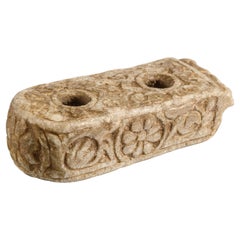
Roman Marble Double Inkwell, 2nd–3rd century AD.
Located in London, GB
Roman Marble Double Inkwell.
Roman Empire, 2nd–3rd century AD.
Measurements
11 × 4.2 × 3.2 cm
This compact double inkwell is carved from marble, its surface displaying a softly wo...
Category
Antique 15th Century and Earlier Desk Accessories
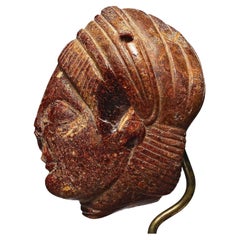
An Etruscan Amber Head Pendant. Etruria, circa 5th century B.C.
Located in London, GB
An Etruscan Amber Head Pendant.
Etruria, circa 5th century B.C.
Measurements
5.1 × 3.6 × 2.4 cm.
9cm high on its bronze display stand.
Provenance
Anonymous sale; Sotheby’s L...
Category
Antique 15th Century and Earlier Figurines and Sculptures
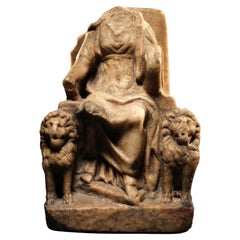
Marble Statuette of Cybele Enthroned, Roman Empire, circa 3rd Century A.D.
Located in London, GB
Roman Marble Statuette of Cybele Enthroned
Roman Empire, circa 3rd Century A.D.
Measurements: 21.5 × 14 × 9 cm.
A finely carved marble statuette depicting the goddess Cybele, e...
Category
Antique 15th Century and Earlier Figurines and Sculptures
You May Also Like
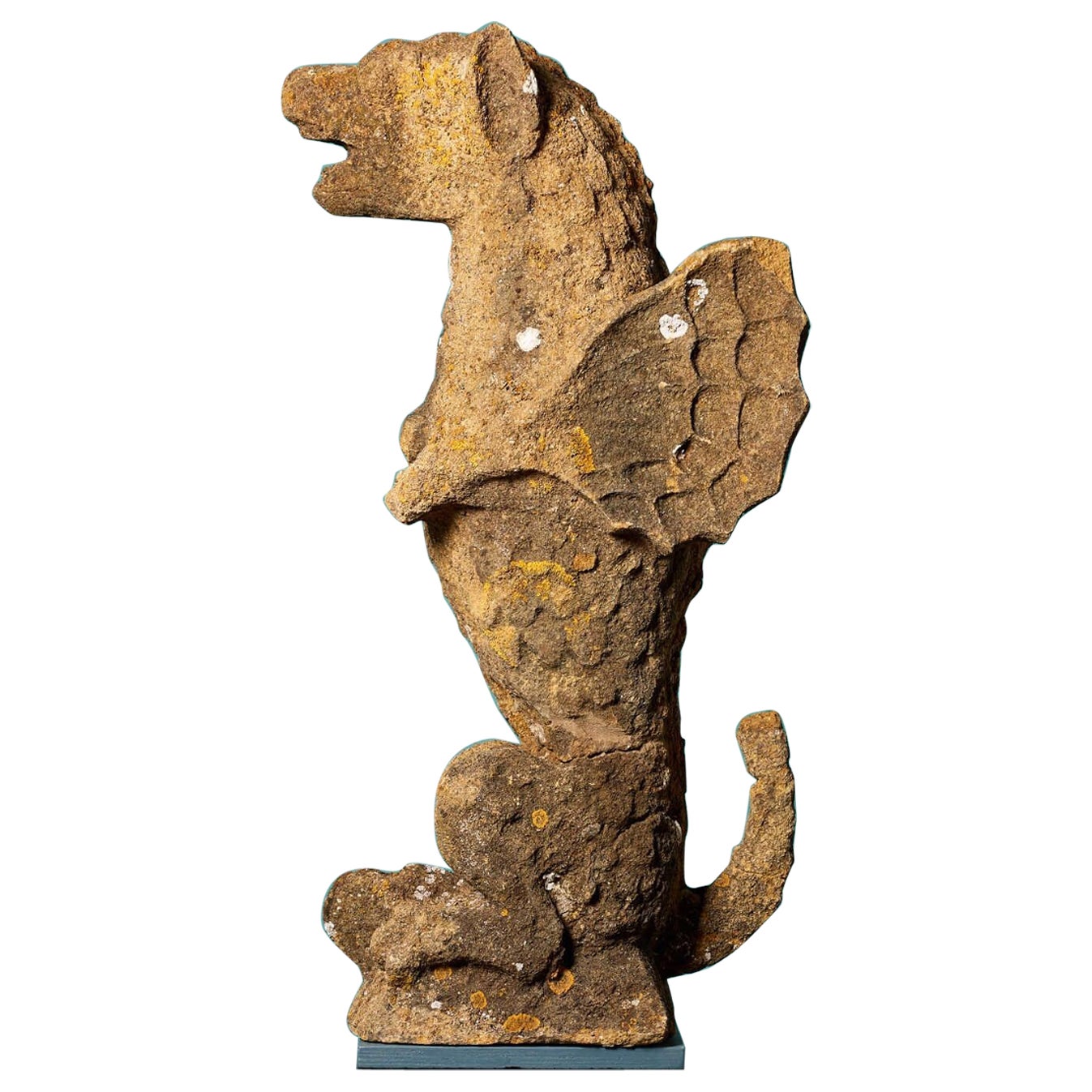
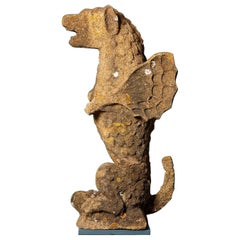
17th Century English Carved Stone Griffin
Located in Wormelow, Herefordshire
Dating from the 17th century, this English carved stone griffin or stylised dragon statue is an architectural fragment from history. Over 350 years old, ...
Category
Antique Mid-17th Century English Statues
Materials
Limestone
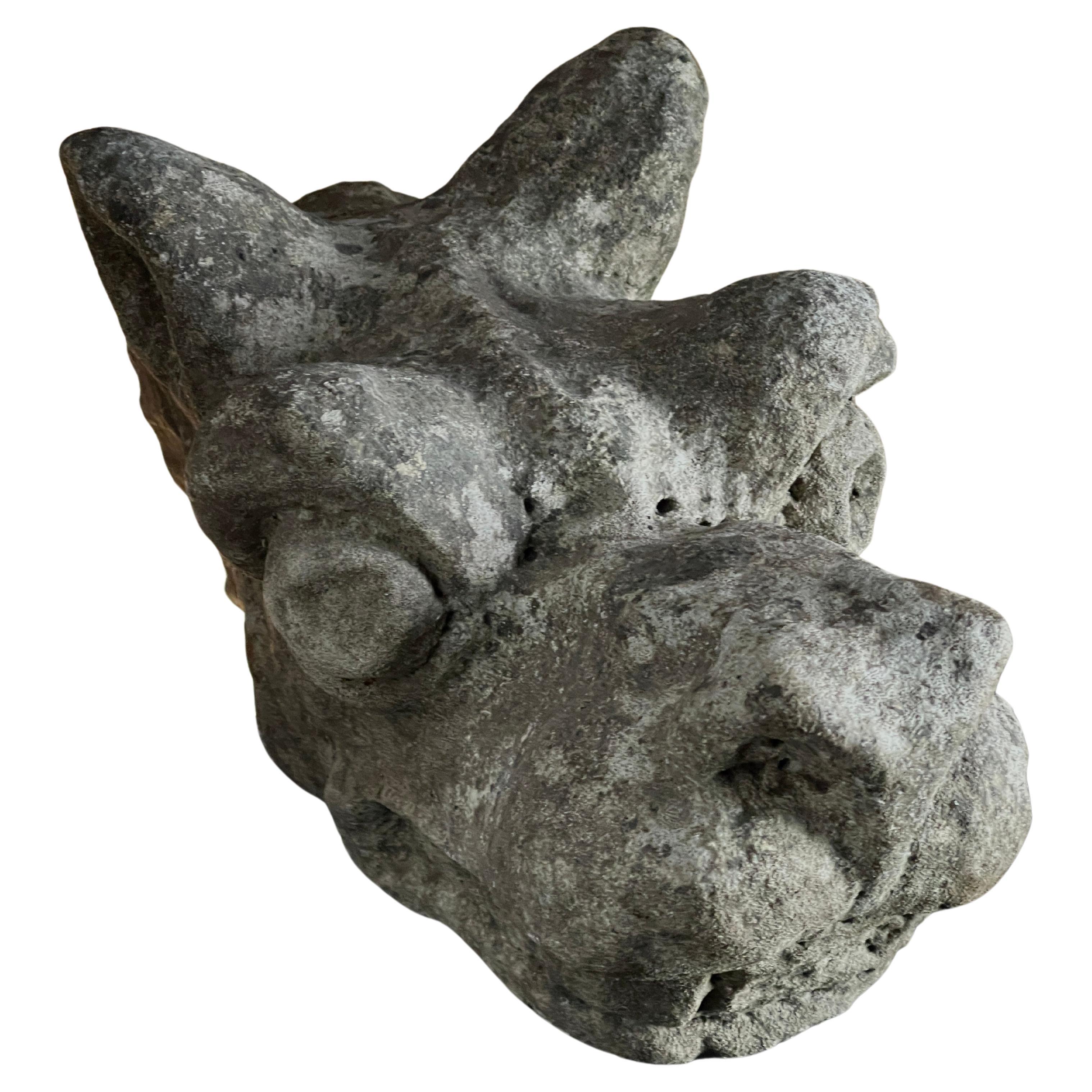
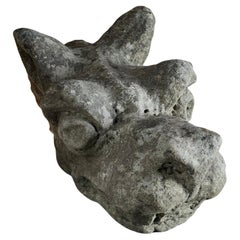
Stone Grotesque Carving Circa 1400
Located in Bakewell, GB
A Stone grotesque carving c1400
Size 40cms long 22 cms high and 21 cms wide
Category
Antique 15th Century and Earlier Garden Ornaments
Materials
Stone
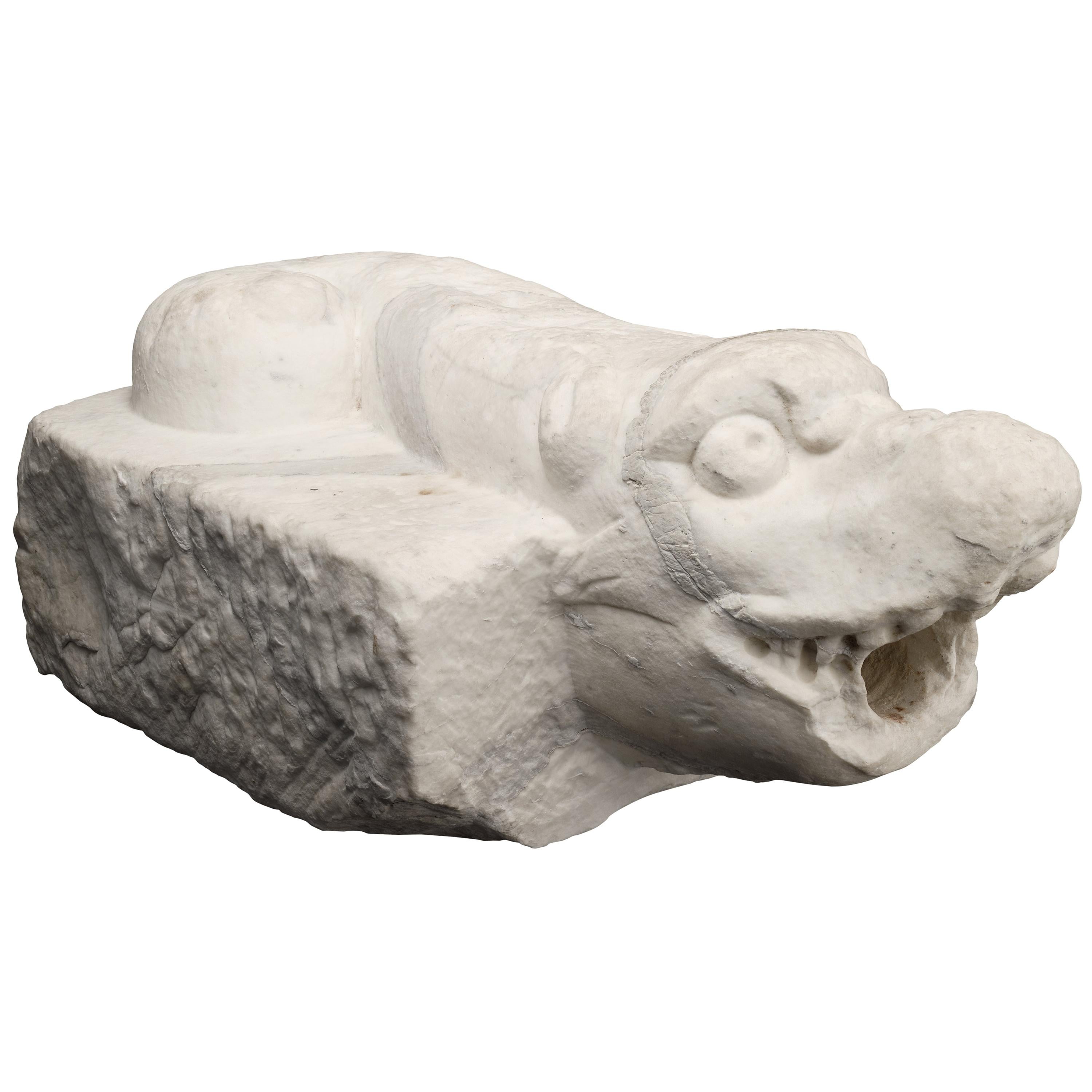
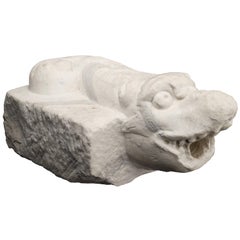
Italian Ancient Marble Sculpture Fountain, Late 16th Century
Located in Milano, IT
Sea monster
Carrara marble mouth fountain
Italy, late 16th century
It measures 13.8 x 31.5 x 18.9 in (35 x 80 x 48 cm)
State of conservation: some small evident gaps and widespread signs of wear due to outdoor exposure. The gray marks crossing it do not come from restoration, but are rather the natural veins of the marble.
This work has some morphological characteristics typically associated with the iconography of the sea monster: an elongated muzzle, sharp teeth, protruding eyes, elongated ears, and a coiled serpent's tail.
An in-depth series of studies on artistic depictions of the sea monster attempted to verify how this symbol evolved in antiquity in the European and Mediterranean contexts and how it gradually changed its image and function over time. The iconography itself is mutable and imaginative and its history is rich with cultural and artistic exchange, as well as the overlapping of ideas. This occurred so much that it is difficult to accurately pinpoint the "types" that satisfactorily represent its various developments.
However, we can try to summarize the main figures, starting from the biblical Leviathan and the marine creature that swallowed Jonah (in the Christian version, this figure was to become a whale or a "big fish", the “ketos mega”, translation of the Hebrew “dag gadol”). Other specimens ranged from the dragons mentioned in the Iliad (which were winged and had legs) to "ketos” (also from Greek mythology), the terrifying being from whose Latinized name (“cetus”) derives the word "cetacean". See J. Boardman, “Very Like a Whale” - Classical Sea Monsters, in Monsters and Demons in the Ancient and Medieval Worlds, in Papers presented in Honor of Edith Porada, Mainz am Rhein 1987, pp. 73-84).
In Italy the monster underwent yet further variations: it can be found in Etruscan art on the front of some sarcophagi representing the companion of souls, while among the Romans we find the “Pistrice” (cited by Plinio in Naturalis Historia PLIN., Nat., II 9, 8 and by Virgilio in Eneide: VERG., Aen., III, 427), which appeared in the shape of a stylized hippocampus or a very large monstrous cetacean and evolved into a hideous being with a dragon's head and long webbed fins.
During the Middle Ages, the sea monster was the object of new transformations: at this time, it is often winged, the head is stretched like a crocodile, the front legs are often very sharp fins - sometimes real paws - until the image merges with dragons, the typical figures of medieval visionary spirituality widely found throughout Europe (on this topic and much more, see: Baltrušaitis, J., Il Medioevo fantastico. Antichità ed esotismi nell’arte gotica, Gli Adelphi 1997).
In Italy during the 15th and 16th centuries, the revival of classicism - representative of the humanistic and Renaissance periods - led to a different reading of these "creatures". Indeed, the sea monster was also to find widespread use as an isolated decorative motif, especially in numerous fountains and sculptures where dolphins or sea monsters were used as a characterizing element linked to water (on this theme see: Chet Van Duzer, Sea Monsters on Medieval and Renaissance Maps, London, The British library, 2013).
From the morphological point of view, the "sea monsters" of this period are mostly depicted as hybrid figures, in which the body of a mythological or real being (a hippocampus, a sea snake, a dolphin), is joined to a head with a rather indistinct appearance. It was usually characterized by large upright ears, an elongated snout, sharp teeth and globular, protruding eyes; a complex and indefinite figure, both from the symbolic point of view and from that of its genesis.
The work we are examining is placed as a cross between the medieval sea serpent and the Renaissance dolphin, with stylistic features which recall the snake as often used in heraldry (such as the "snake" depicted in the coat of arms of the Visconti - the lords and then dukes of Milan between 1277 and 1447 - and which, for some, may be derived from the representations of the “Pistrice” that swallowed Jonah).
In the search for sources, Renaissance cartography and in particular woodcuts should not be neglected. See for example the monsters of Olaus Magnus, from the editions of the “Historia de gentibus septentrionalibus” (“History of the peoples of the north”) and the natural histories of Conrad Gesner, Ulisse...
Category
Antique 16th Century Italian Renaissance Animal Sculptures
Materials
Carrara Marble
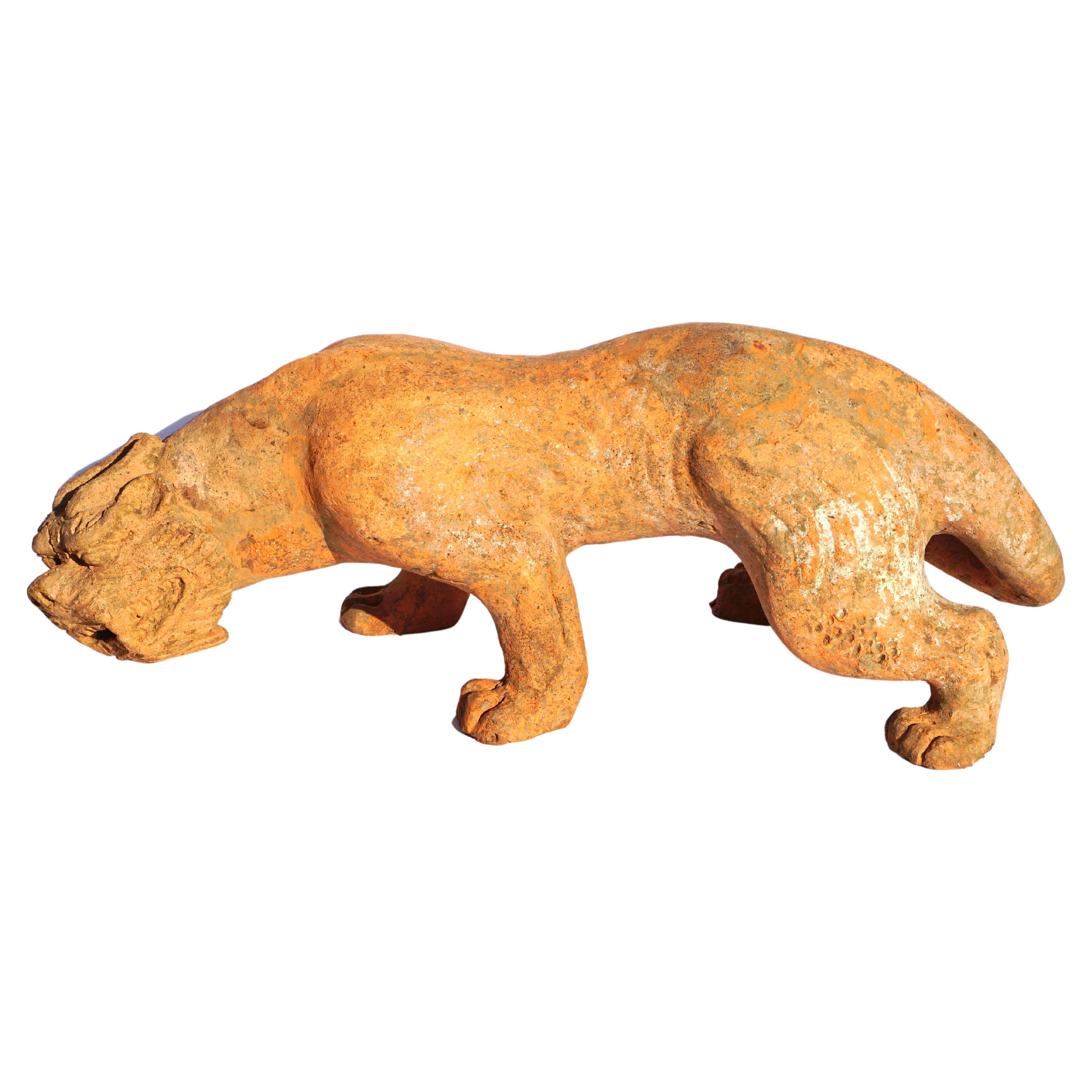
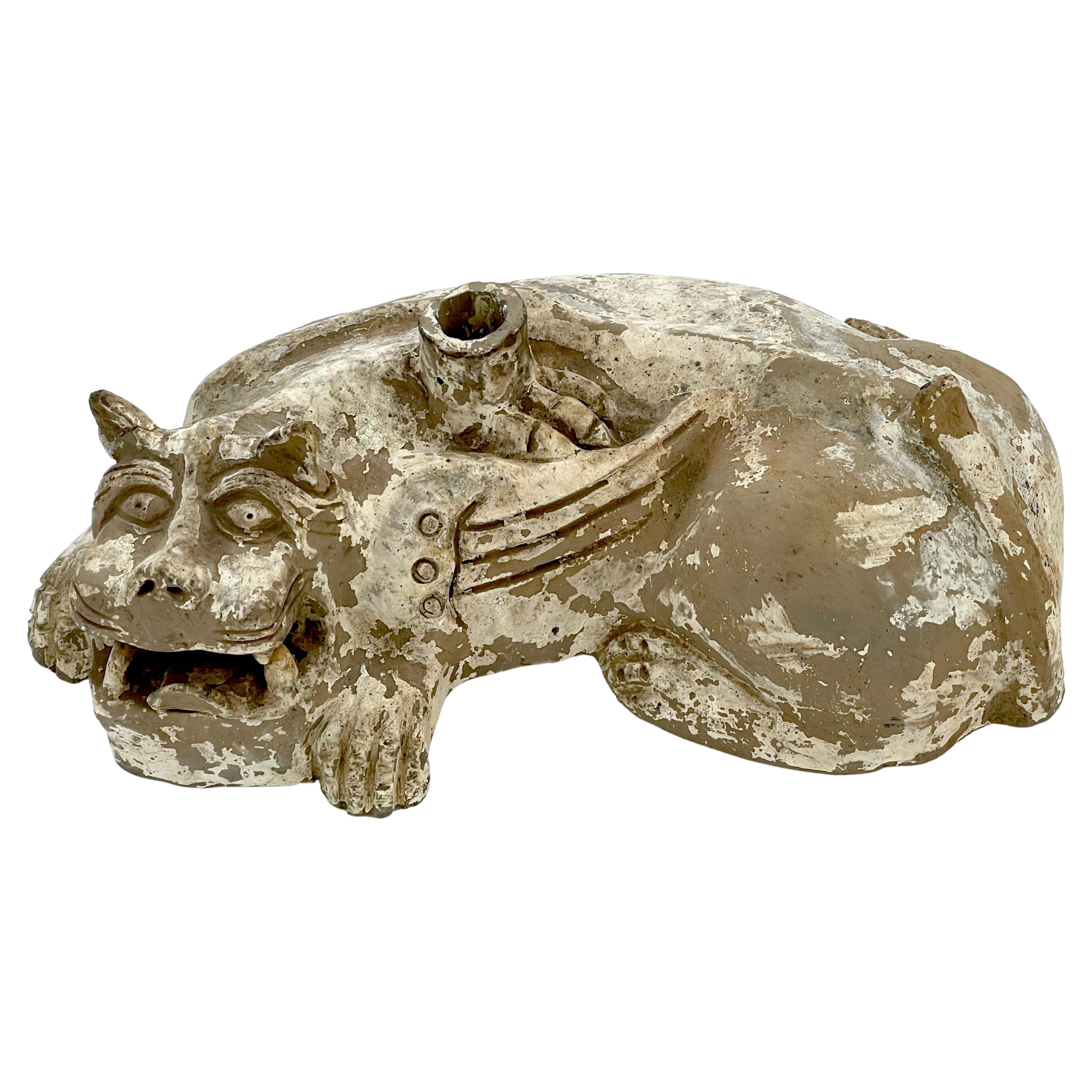
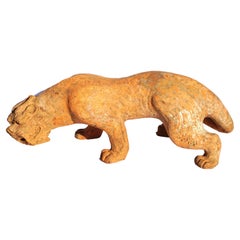
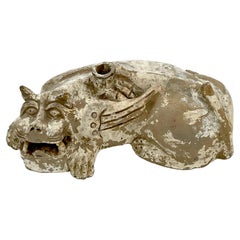
Han Dynasty Pottery Sculpture of a Winged Lion Bixie Mythical Beast TL Tested
Located in Dallas, TX
A Large Han Dynasty Terracotta sculpture of a Mythical Beast. TL Tested
I cant emphasize how rare this item is and predict it will not last long. The condition is extraordinary with...
Category
Antique 15th Century and Earlier Chinese Han Animal Sculptures
Materials
Pottery
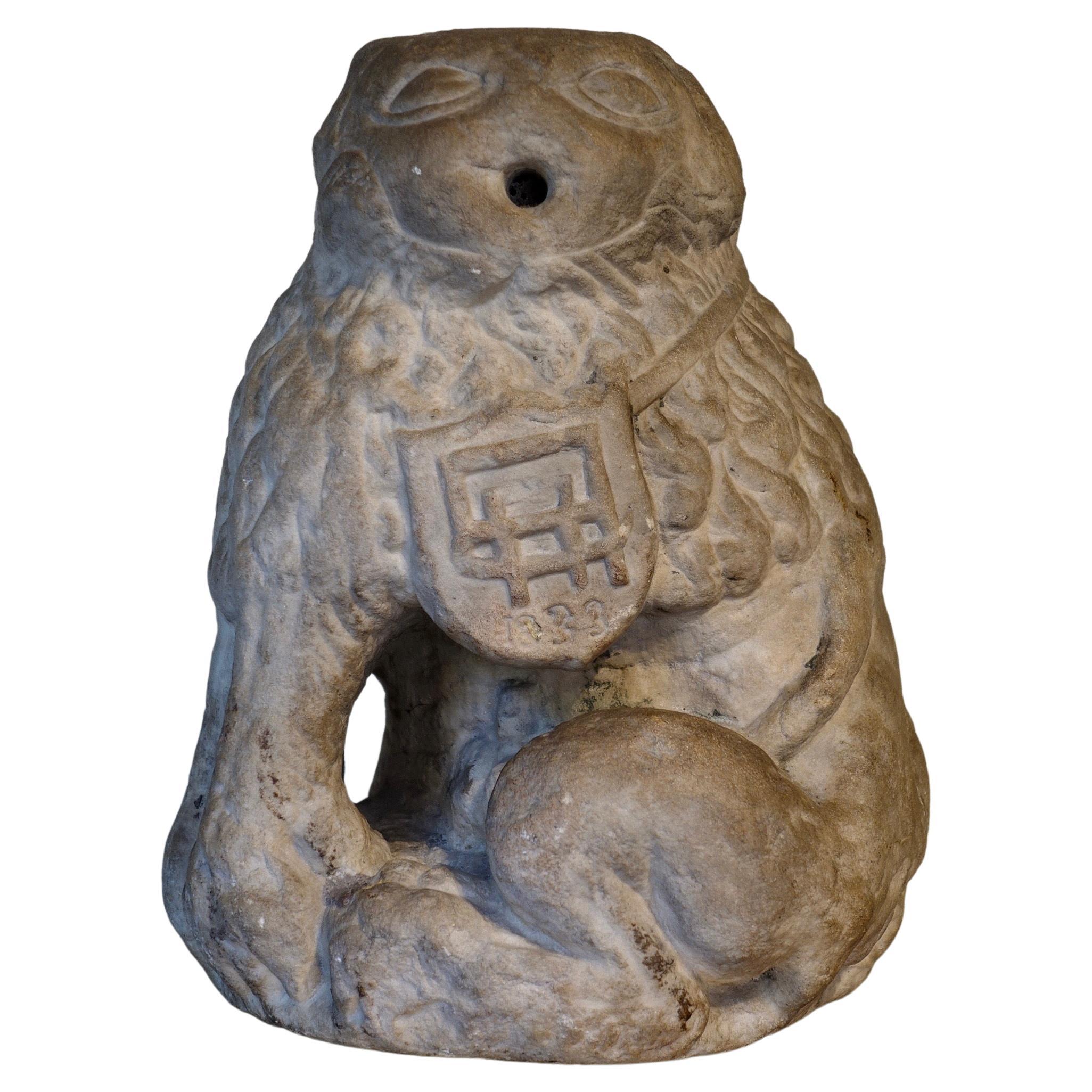
Marble Lion, Périgord, 17th Century
Located in Bruxelles, BE
Marble lion
white marble
France, probably Périgord, 17th century
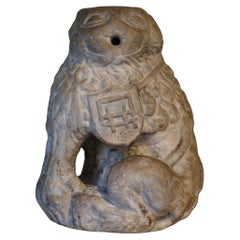
Small marble lion wearing a coat of arms pendant with the engraved date, ...
Category
Antique 17th Century French Renaissance Animal Sculptures
Materials
Marble
$3,948 Sale Price
40% Off
Large Chinese Han Dynasty Style Pottery Stylized Foo Dog Joss/ Candlestick
Located in West Palm Beach, FL
Large Chinese Han Dynasty Style Pottery Stylized Foo Dog Joss/ Candlestick
China, 20th Century
An impressive piece of Chinese artistry—a large, 20th-century copy of the Han Dynast...
Category
20th Century Chinese Chinese Export Candlesticks
Materials
Pottery
$1,516 Sale Price
20% Off