Asia - Asian Art and Furniture

to
476
2,682
11,208
5,372
1,771
852
59
95
37
15
9
4
3
2
2
1
537
386
848
911
377
160
44
16
2
13
2
2
37
14
9
6
1
1,003
914
689
569
304
2,592
1,903
1,418
623
283
2,682
2,439
2,590
64
62
41
26
10
Item Ships From: Asia
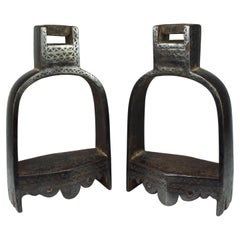
Pair of Metal Mughal Horse Stirrups with Silver Inlay, 19th Century
Located in Islamabad, PK
Thepair of metal Mughal horse stirrups with silver inlay, dating back to the 19th century, are astriking example of equestrian equipment reflecting the ar...
Category

19th Century Indian Anglo Raj Antique Asia - Asian Art and Furniture

Materials

Metal, Silver

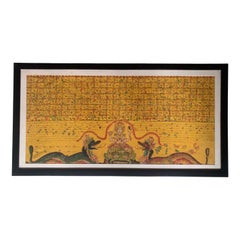
Framed Hindu Calendar Kamasan Painting from Bali, Indonesia
Located in Jimbaran, Bali
This framed Hindu Calendar is a 'Kamasan' cotton textile painting from Bali, Indonesia. It features a black wood frame and glass front. Along the bottom there are two "Naga" dragons ...
Category

1950s Balinese Tribal Vintage Asia - Asian Art and Furniture

Materials

Cotton, Paint

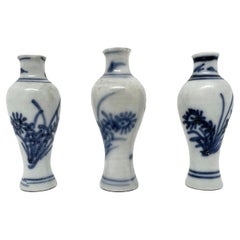
Three Blue and White Miniature Vases Set, C 1725, Qing Dynasty, Yongzheng Era
Located in seoul, KR
* Set Item(3 vases) During Yongzheng era, such miniatures were appreciated for their craftsmanship and aesthetic value. They were also often used in scholars' studios as part of the...
Category

1720s Vietnamese Qing Antique Asia - Asian Art and Furniture

Materials

Ceramic

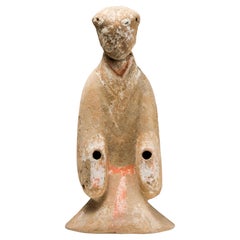
Large Pottery Standing Figure of Attendant
Located in seoul, KR
The statuette shows traces of the original red, black, and white pigmentation. The figure’s body, head, and hands (which in this case are lost) were all made separately to give her an essence of movement and dynamism. Given its almost identical shape to the piece from the Artemis Gallery...
Category

15th Century and Earlier Hong Kong Han Antique Asia - Asian Art and Furniture

Materials

Pottery

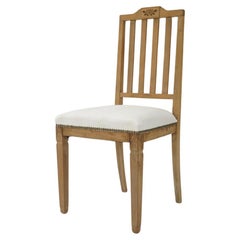
Japanese Antique Cherry Chair, 1950s–1960s - Japandi Wabi-Sabi
Located in Chiba, Chiba
A Japanese antique chair crafted from cherry wood and dating from the 1950s–1960s. Its presence evokes the quiet elegance of an old Western-style residence—refined yet understated. T...
Category

Mid-20th Century Japanese Asia - Asian Art and Furniture

Materials

Wood

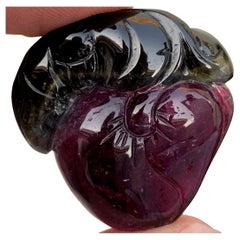
51.05 Carat Incredible Natural Loose Bicolor Tourmaline Carving from Africa
By Deloris "Dee" Giltz 1
Located in Peshawar, PK
51.05 carat incredible natural loose bicolor tourmaline carving from Africa Weight: 51.05 Carats Dimension: 2.8 x 2.8 x 0.8 Cm Origin: Africa Co...
Category

15th Century and Earlier Malagasy Adam Style Antique Asia - Asian Art and Furniture

Materials

Crystal

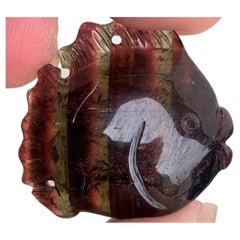
Stunning 37.10 Carats Bi Color Fish Shape Tourmaline Drilled Carving
By Deloris "Dee" Giltz 1
Located in Peshawar, PK
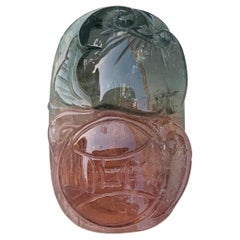
Stunning 37.10 Carats Bi-Color Fish Shape Tourmaline Drilled Carving. Weight: 37.10 Carats Dimension: 2.5 x 2.3 x 0.9 Cm Origin: Africa Color: Red & Green Shape: Carving Quality: AA...
Category

15th Century and Earlier Malagasy Adam Style Antique Asia - Asian Art and Furniture

Materials

Crystal

Natural 2.96 Gram Bi Color Tourmaline Specimen from Kunar Afghanistan
By Deloris "Dee" Giltz 1
Located in Peshawar, PK
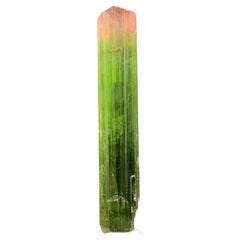
Natural Bi-Color Tourmaline Specimen From Kunar Afghanistan WEIGHT: 2.96 grams DIMENSIONS: 3.2 x 1.5 x 1.0 Cm ORIGIN: Kunar, Afghanistan TREATMEN...
Category

15th Century and Earlier Afghan Adam Style Antique Asia - Asian Art and Furniture

Materials

Crystal

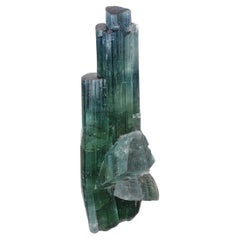
Gorgeous Natural 5.25 Gram Tri Color Tourmaline Specimen with Mica
By Deloris "Dee" Giltz 1
Located in Peshawar, PK
Gorgeous Natural Tri Color Tourmaline Specimen with Mica WEIGHT: 5.25 grams DIMENSIONS : 3.4 x 1.2 x 10 Cm ORIGIN: Afghanistan TREATMENT: None To...
Category

15th Century and Earlier Afghan Adam Style Antique Asia - Asian Art and Furniture

Materials

Crystal

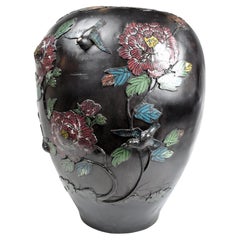
Large Japanese Bronze Relief Enameled Vase, Early 20th Century
Located in Islamabad, PK
Large Japanese, Bronze Relief Enameled Vase, Early 20th Century The vase's surface is adorned with intricate relief work that depicts a stunning tableau of flowers and birds. The re...
Category

19th Century Chinese Qing Antique Asia - Asian Art and Furniture

Materials

Bronze

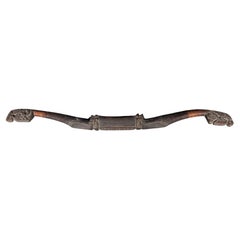
Hand-Carved Backstrap with Floral Engravings from Madura, Java, Indonesia
Located in Jimbaran, Bali
Hand-carved from Wood this is a wonderful example of a Backstrap Loom, an essential component of Ikat textile weaving. The present Backsrap Loom comes from the Island of Madura, off the northeastern coast of Java. The Curved section would fit around the weavers back not only providing support while they would we weave elaborate Ikat textiles but also allowing her to control the tension of the warp during weaving. In many cases husbands would craft unique carved and designed Backstrap looms for their wives and these would often be passed down through generations. The present Backstrap Loom features floral engravings.
Category

Early 20th Century Indonesian Tribal Asia - Asian Art and Furniture

Materials

Wood

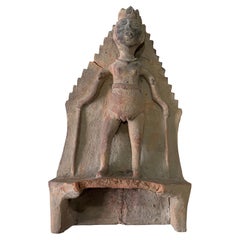
Balinese Temple Terracotta Panel of Male Figure c. 1800, Indonesia
Located in Jimbaran, Bali
A Balinese terracotta panel that once adorned a Hindu temple. The panel depicts a male figure semi-robbed with a sarong (a garment consisting of a long piece of cloth worn around the...
Category

19th Century Antique Asia - Asian Art and Furniture

Materials

Terracotta

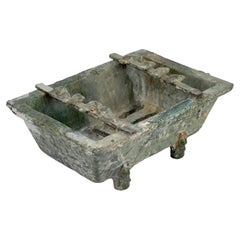
Rare Pottery Rectangular Brazier with cicadas in Green Glaze, Han Dynasty
Located in seoul, KR
This pottery brazier, a burial artifact from the Han Dynasty, features quadrilateral sides that slope inward and a base with slits for ventilation. Each side is adorned with animal motifs and geometric patterns. The brazier stands...
Category

15th Century and Earlier Hong Kong Han Antique Asia - Asian Art and Furniture

Materials

Pottery

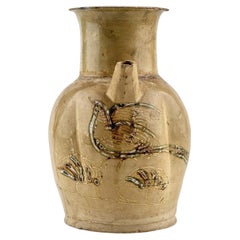
Changsha ewer, Tang Dynasty(618-907)
Located in seoul, KR
Changsha Ware has distinct and recognizable designs and motifs. Painted designs often depict flowers, vines, clouds and mountain landscapes. Some painting is simply splotches of colo...
Category

15th Century and Earlier Hong Kong Tang Antique Asia - Asian Art and Furniture

Materials

Stoneware

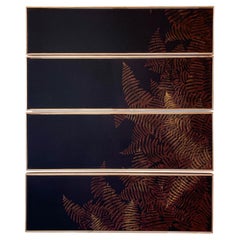
Vintage kimono textile art " Fern ~ Connection to Nature ~" by ikasu Black Japan
By Kimono ikasu
Located in Setagaya City, JP
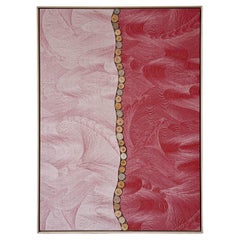
This work uses an antique tomesode (festive kind of kimono) with fern design to evoke feelings of tranquility, harmony, and appreciation for the beauty of the environment. Can be used both vertically and horizontally. It is elegantly framed with paulownia wood originally used for kimono chest-of-drawers, and is filled with storytelling and sense of luxury. I used pieces of kimono that could no longer be used as clothing and kiritansu chest-of-drawers that would normally be discarded to create the ultimate upcycled piece. << Explanation of colors and patterns In Japanese traditional culture, ferns, particularly the Japanese painted fern (Athyrium niponicum), hold several meanings and symbolisms: ・Elegance and Beauty: Ferns are admired for their graceful, delicate appearance and intricate leaf patterns. In Japanese aesthetics, they are appreciated for their natural beauty and are often used in gardens, landscapes, and floral arrangements to add a sense of refinement and elegance. ・Resilience and Perseverance: Ferns are known for their ability to thrive in diverse environments, including shady forests, rocky cliffs, and damp soil. Their resilience in the face of challenging conditions is seen as a symbol of endurance and perseverance. In Japanese culture, ferns may represent the ability to overcome adversity and flourish despite obstacles. ・Connection to Nature and Tranquility: Ferns are native to forested areas and are often associated with the natural world. In Japanese traditional culture, they symbolize a deep connection to nature and the importance of maintaining harmony with the environment. The lush green foliage of ferns evokes feelings of tranquility and peacefulness, making them popular motifs in Zen gardens and traditional landscape paintings. ・Purity and Simplicity: Ferns are emblematic of simplicity and purity in Japanese aesthetics. Their unassuming beauty and understated elegance reflect the principles of wabi-sabi, an aesthetic worldview that values imperfection, impermanence, and simplicity. Ferns may be used in tea ceremonies, Ikebana (flower arranging), and other traditional arts to evoke a sense of tranquility and appreciation for life's fleeting moments. Overall, ferns in Japanese traditional culture symbolize elegance, resilience, connection to nature, purity, and simplicity. Their presence in art, literature, and landscape design underscores their enduring significance as symbols of natural beauty and spiritual resonance. << Characteristics of the fabric This vintage textile is hand-painted with a traditional Japanese technique called "yuzen". << About the frame Kiritansu - chest-of-drawers for kimono, is traditionally made from paulownia wood, a uniquely Japanese material closely tied to the world of kimonos. Paulownia wood is known as the lightest wood in Japan, prased for its natural luster, resistance to moisture, and resilience against cracking. Since ancient times, it has been used in crafting furniture, chests, and musical instruments. During the Edo period, it became customary to store cherished kimonos in paulownia chests...
Category

1960s Japanese Japonisme Vintage Asia - Asian Art and Furniture

Materials

Silk, Wood

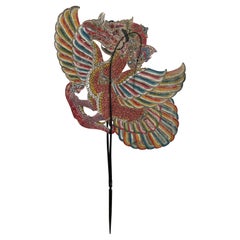
Indonesian Wayang Kulit" Shadow Puppet, Java, Indonesia, Early 20th Century
Located in Jimbaran, Bali
This flat shadow puppet depicts a mythical bird. It was crafted on the island of Java by a puppet artist using buffalo hide and mounted on bamboo sticks. It was used in Wayang puppet...
Category

Early 20th Century Indonesian Tribal Asia - Asian Art and Furniture

Materials

Leather, Wood

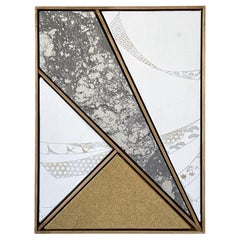
VIntage kimono textile art " Geometry ~ Marble ~" by ikasu Gold White Grey Japan
By Kimono ikasu
Located in Setagaya City, JP
This work is inspired by traditional Japanese nature motifs symbolism, and is framed in paulownia wood originally used for a kimono chest-of-drawers. It is elegantly framed with pau...
Category

1960s Japanese Japonisme Vintage Asia - Asian Art and Furniture

Materials

Silk, Wood

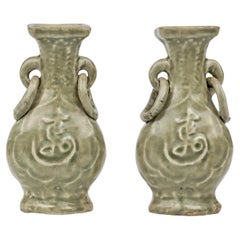
Two Set of Molded Longquan Celadon Fu Shou Vases, Ming Dynasty
Located in seoul, KR
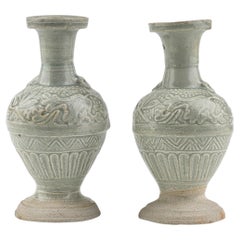
One side of the vase showcases a panel with the Shou character at its center, symbolizing longevity, while the opposite side displays the Fu character, signifying luck. The neck of the vase is adorned with leaves. Period: Yuan-Ming Dynasty (1271-1644) Region: Longquan, China Medium: Celadon Type: Ewer Provenance : Acquired in late 1990s from Hongkong Reference 1) British Museum - Museum number 1931,1118.5 (Type : Closely related) 2) Christies NEW YORK 24–25 MAR 2022 - Important Chinese Ceramics and Works of Art - Lot 1105 (Price realised : 9,450 USD / Type : Related) 3) Sotheby's New York 19 March 2024 - Chinese Art - Lot 172 (Price range : 15,000 USD - 20,000 USD / Type : Related) * Ming Dynasty Longquan Celadon Longquan celadon from the Ming Dynasty typically exhibits a more robust and heavier stoneware body compared to its Song Dynasty predecessors. The Ming era saw an evolution in celadon glaze, achieving a wider spectrum of green hues, from olive to bluish-greens. Ming celadons...
Category

15th Century and Earlier Hong Kong Ming Antique Asia - Asian Art and Furniture

Materials

Celadon

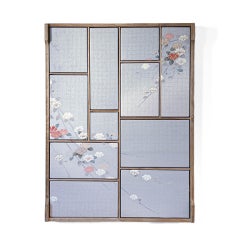
Vintage obi textile art " Camellia ~ Serendipity ~" by ikasu Blue Japan
By Kimono ikasu
Located in Setagaya City, JP
[Story behind the work] This work is inspired by traditional Japanese nature motifs symbolism, and is framed in paulownia wood originally used for a kimono chest-of-drawers. It is elegantly framed with paulownia wood originally used for kimono chest-of-drawers, and is filled with storytelling and sense of luxury. In this artwork, the aim was to capture the the auspicious symbol of camellia used in antique kimono. Traditional Japanese culture, represented by the kimono, and wood, an integral element of Japanese craftsmanship, were used to bring this vision to life. I used pieces of kimono that could no longer be used as clothing and kiritansu chest-of-drawers that would normally be discarded to create the ultimate upcycled piece. [Explanation and meaning of pattern and colors] This delicate piece features hand-drawn camellia motifs flowing gracefully on a softly brightened grayish background. Camellias, native to Japan, bloom from winter to early spring. As an evergreen tree with green leaves throughout the year, it symbolizes the anticipation of spring and is considered an auspicious plant. Due to its seasonal significance and auspicious meanings, camellias have been used as motifs symbolizing good fortune. Additionally, they were highly valued for their use in oil, cosmetics, and medicine, representing nobility. Believed to possess the power to ward off misfortune, camellias also carry the meaning of "protection from calamity" and have strong ties to traditional ceremonies. In this artwork, camellias are delicately depicted alongside flowing branches, subtly representing good fortune with their pale pink and white hues. "Sora-iro nezumi 空色鼠" refers to a light grayish color with a hint of blue, reminiscent of the slightly brightened sky on a lightly cloudy day. Popular during the late Edo period (19th cent.), it elegantly captures the slightly brighter sky pattern seen on lightly overcast days. Notably, the term "nezumi-iro" (mouse gray), popular during the late Edo period, was paired with brown tones, collectively known as "Forty-eight Teas and a Hundred Mice 四十八茶百鼠." Colors within the "nezumi" (gray) spectrum, particularly "sora-iro nezumi," were favored by young people for their cool and sophisticated appeal. [Characteristics of the fabric] The fabric features intricately woven patterns that reveal subtle gradations through dyeing, creating a grid pattern that transforms depending on the light conditions. Originally, this fabric was part of a formal kimono known as a "hōmongi 訪問着," featuring motifs along the hem, shoulders, and sleeves. These motifs have been carefully selected and combined to create a unified piece of artwork. [About the frame] Kiritansu - chest-of-drawers for kimono, is traditionally made from paulownia wood, a uniquely Japanese material closely tied to the world of kimonos. Paulownia wood is known as the lightest wood in Japan, prased for its natural luster, resistance to moisture, and resilience against cracking. Since ancient times, it has been used in crafting furniture, chests, and musical instruments. During the Edo period, it became customary to store cherished kimonos in paulownia chests...
Category

1960s Japanese Japonisme Vintage Asia - Asian Art and Furniture

Materials

Silk, Wood

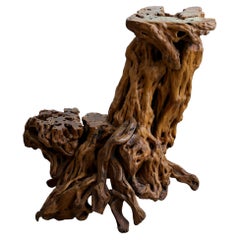
Primitives Flower stand, Exhibition stand , Object , Japanese Antique
Located in Katori-Shi, 12
This flower stand makes use of the beauty of nature's shapes. This burl wood, which is particularly rare among Zelkova trees, is characterized by knotty patterns formed by changes i...
Category

Early 20th Century Taisho Asia - Asian Art and Furniture

Materials

Wood

Vintage kimono textile art " Sunset Timelapse ~ Ephemerality ~" ikasu Red Japan
By Kimono ikasu
Located in Setagaya City, JP
< The art piece uses two sides - front and reverse - of the same kimono, to show beautiful sea surrounding Japan, in hues and in late sunset, as a timelapse. The frame for this work is made of paulownia wood taken from antique Kiritansu - chest-of-drawers for kimono. I use antique kiritansu that can’t be used as furniture anymore to create basis and frames for my works. It adds them even more authentic atmosphere of traditional wabisabi spirit. Can you feel it? << Period / Story The kimono used in this piece was originally crafted during Showa period (around 1960ies). << Explanation and meaning of pattern and colors Sea waves, depicted in two color variations here, are a symbol of transience and Impermanence in Japanese culture. The ebb and flow of the tides, the ever-changing currents, and the relentless motion of the waves serve as reminders of the fleeting nature of life. This artwork featuring the sea convey themes of impermanence, reminding viewers to cherish the present moment and appreciate the beauty of life's fleeting moments. The theme of impermanence is strengthen by two colors of the sea - the lighter in early hues and the darker when the sun is just about to set in the sea. << About the frame This artwork frame is crafted from paulownia wood, a uniquely Japanese material closely tied to the world of kimonos, and it serves to convey the refined beauty of Japanese nature. Paulownia wood is known as the lightest wood in Japan, prased for its natural luster, resistance to moisture, and resilience against cracking. Since ancient times, it has been used in crafting furniture, chests, and musical instruments. Paulownia wood is closely linked to kimono culture. During the Edo period (17th cent.~), it became customary to store cherished kimonos in paulownia chests...
Category

1960s Japanese Japonisme Vintage Asia - Asian Art and Furniture

Materials

Silk, Wood

111.85 Carat Glamorous Natural Bi Color Flower Tourmaline Drilled Carving
By Deloris "Dee" Giltz 1
Located in Peshawar, PK
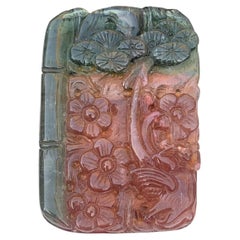
111.85 Carat Glamorous Natural Bi Color Flower Tourmaline Drilled Carving Weight: 111.85 Carats Dimension: 4.4 x 3.0 x 0.7 Cm Origin: Africa Col...
Category

15th Century and Earlier Malagasy Adam Style Antique Asia - Asian Art and Furniture

Materials

Crystal

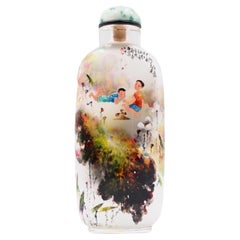
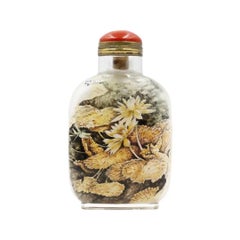
Inside Painted Rock Crystal, "Birds and Follower" Snuff Bottle by Li Yingtao
Located in Tainan, TW
Li Yingtao, an owner of Yizhenzhai, was born in Hengshui City in 1963. He was praised as a Chinese master of splashing color in inside painting, a Master of Arts and crafts in Hebei Province, and the founder of splashing color techniques in inside painting. By now, he has been teaching and passing down this technique to his students. Mr, Li Yingtao is one of the most outstanding disciples of the master of Chinese arts and crafts...
Category

21st Century and Contemporary Chinese Modern Asia - Asian Art and Furniture

Materials

Rock Crystal

Natural Faden Quartz Specimen Crystal From Balochistan Mine
By Deloris "Dee" Giltz 1
Located in Peshawar, PK
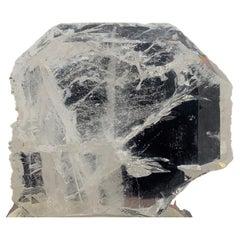
Natural Faden Quartz specimen crystal from Balochistan Mine WEIGHT 52.70 grams DIMENSIONS : 4.4x5.1x1.2 CM ORIGIN : Balochistan, Pakistan TREATMENT : None Today quartz is used in ma...
Category

15th Century and Earlier Pakistani Adam Style Antique Asia - Asian Art and Furniture

Materials

Crystal

Two white ware vases with flower design, Yuan Dynasty, 14th century
Located in seoul, KR
Porcelain with transparent pale-green (qingbai-type) glaze with flower, leaves and lotus design of typical yuan dynasty. Period : Yuan Dynasty(1271-1368) Type : Baluster vase Medium...
Category

15th Century and Earlier Hong Kong Antique Asia - Asian Art and Furniture

Materials

Ceramic, Porcelain

Chinese Qingbai Small Model of a Granary Set, Song Dynasty
Located in seoul, KR
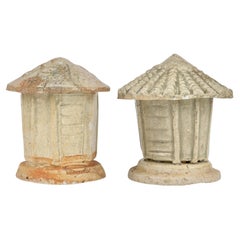
Two granary model porcelains. East Asia, This pottery representation of a granary sits on a layered base, topped with a conical lid that also acts as its roof, all finished in a greyish-blue glaze characteristic of Qingbai ware. The round structure features vertical, embossed strips intersected by a sliding door marked with horizontal lines on one side. Above, a tiled roof completes the model, topped with a central finial that doubles as the lid's handle. The interior of the lid, along with the edge and bottom of the piece, retains the unglazed finish known as biscuit. Period : Song Dynasty(960~1279) Type : Porcelain Model Medium : Qingbai Dimension : 11 cm(Height), 9cm(Lid Diameter) Condition : Good Provenance : Acquired in late 1990s from Hongkong Reference : 1) Artemis Gallery...
Category

15th Century and Earlier Hong Kong Antique Asia - Asian Art and Furniture

Materials

Ceramic, Porcelain

42.00 Carat Unique Bi Color Tourmaline Carving from Madagascar Africa
By Deloris "Dee" Giltz 1
Located in Peshawar, PK
Unique Bi-Color Tourmaline Carving From Madagascar Africa Weight: 42.00Carats Dimension: 2.9 x 1.7 x 0.9 Cm Origin: Africa Color: Peach & Green...
Category

15th Century and Earlier Malagasy Adam Style Antique Asia - Asian Art and Furniture

Materials

Crystal

Changsha Ewer, Tang Dynasty
Located in seoul, KR
It features two small lug handles on either side of the neck and a spout opposite the main handle. This ewer might have been used for wine or other liquids, which were poured through...
Category

15th Century and Earlier Hong Kong Tang Antique Asia - Asian Art and Furniture

Materials

Pottery, Stoneware

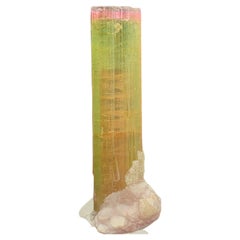
Gorgeous 53.65 Carat Bi Color Tourmaline Crystal From Paprok Mine Afghanistan
By Deloris "Dee" Giltz 1
Located in Peshawar, PK
Gorgeous Bi Color Tourmaline crystal from paprok mine Afghanistan WEIGHT: 53.65 Carat DIMENSION: 5.7 x 1.0 x 0/9 Cm ORIGIN : Paprok Mine, Afghanistan COLOR: Pink And Green TRE...
Category

15th Century and Earlier Afghan Adam Style Antique Asia - Asian Art and Furniture

Materials

Crystal

Amber-Glazed Pottery Figure of Sheep
Located in seoul, KR
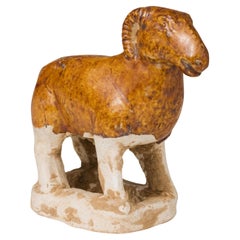
Naturalistically modelled, standing on a rectangular base with head facing forward, incised details and covered overall in a rich chestnut glaze save for the hooves and base. Date :...
Category

15th Century and Earlier Hong Kong Tang Antique Asia - Asian Art and Furniture

Materials

Pottery

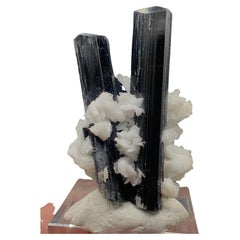
Natural Black Twins Tourmaline Specimen Elongated on Mica Mother Rock
By Rodrigo Calixto and Guilherme
Located in Peshawar, PK
Natural black tourmaline twins specimen elongated on mica mother Rock WEIGHT : 59.48 grams DIMENSIONS : 2.677 x 1.77 x 0.944 cm ORIGIN : Skardu Valley, Pakistan TREATMENT None Tourm...
Category

15th Century and Earlier Pakistani Adam Style Antique Asia - Asian Art and Furniture

Materials

Crystal

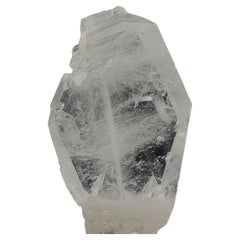
Unique Faden Quartz Crystal Inner Milk way Line From Balochistan Pakistan Mine
By Deloris "Dee" Giltz 1
Located in Peshawar, PK
Unique Faden Quartz crystal inner milkway line from Balochistan Pakistan Mine WEIGHT 100.21 grams DIMENSIONS 8.0x4.6x2.3 CM ORIGIN Balochistan, Pakistan TREATMENT None What is specia...
Category

15th Century and Earlier Pakistani Adam Style Antique Asia - Asian Art and Furniture

Materials

Crystal

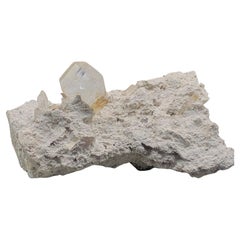
Gorgeous Faden Crystal Elongated on Matrix Mother Rock Specimen
By Deloris "Dee" Giltz 1
Located in Peshawar, PK
Gorgeous Faden Crystal Elongated On Matrix Mother Rock Specimen WEIGHT: 270.02 grams DIMENSIONS: 5.4x10.5x 7.5 CM ORIGIN: Balochistan, Pakistan TREATMENT : None Today quartz is used...
Category

15th Century and Earlier Pakistani Adam Style Antique Asia - Asian Art and Furniture

Materials

Crystal

Natural Muddy Skeletal Scepter Quartz Specimen From Balochistan
By Deloris "Dee" Giltz 1
Located in Peshawar, PK
Natural muddy skeletal scepter quartz specimen from balochistan, Pakistan WEIGHT: 18.71 grams DIMENSIONS : 5.3x2.8x1.7 cm ORIGIN: Balochistan, Pakistan TREATMENT : None Today quartz ...
Category

15th Century and Earlier Pakistani Adam Style Antique Asia - Asian Art and Furniture

Materials

Crystal

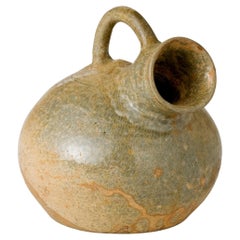
Rare Yue Celadon-Glazed Vessel, Jin dynasty (265-420)
Located in seoul, KR
A Yue celadon vessel from the Jin Dynasty period, notable for its characteristic greenish-glazed pottery which was prominent during this time. The vessel features a globular body wit...
Category

15th Century and Earlier Hong Kong Han Antique Asia - Asian Art and Furniture

Materials

Stoneware

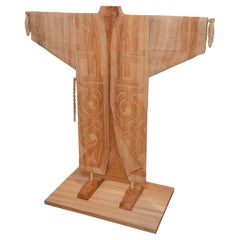
Contemporary Wooden Kimono Sculpture Carved in Japanese Elm by Toru Kaizawa
By Toru Kaizawa
Located in London, GB
This hand-carved wooden kimono sculpture is a contemporary piece of art made by award-winning artist Toru Kaizawa. Entitled “Hagi”, this piece was cre...
Category

2010s Japanese Other Asia - Asian Art and Furniture

Materials

Elm

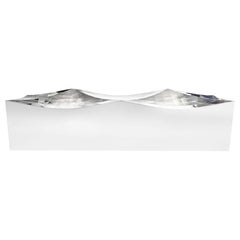
Wave Bench in Mirror Finish Stainless Steel by Zhoujie Zhang
By Zhang Zhoujie
Located in Beverly Hills, CA
The wave bench designed by Zhoujie Zhang continues to implement his design philosophy of spontaneity. By applying the laws of its own gravity, the bench naturally faces downward and ...
Category

21st Century and Contemporary Chinese Asia - Asian Art and Furniture

Materials

Stainless Steel

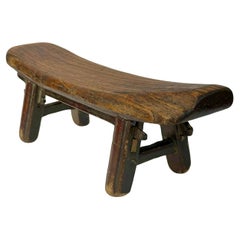
19th Century Elmwood Pillow from Shanxi
Located in Singapore, SG
This wooden pillow from Shanxi takes the form of a traditional Chinese bench, beautifully miniaturized with a gently curved top surface for resting one's head. What is special about ...
Category

1870s Chinese Qing Antique Asia - Asian Art and Furniture

Materials

Elm

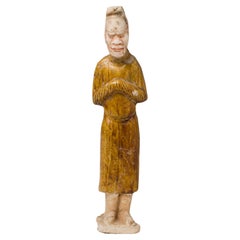
Amber-Glazed Pottery Figure Of A Foreign Official
Located in seoul, KR
The figure stands with arms crossed in front, a pose that is often seen in tomb figurines which were intended to serve the deceased in the afterlife. The long robe and facial feature...
Category

15th Century and Earlier Hong Kong Tang Antique Asia - Asian Art and Furniture

Materials

Earthenware

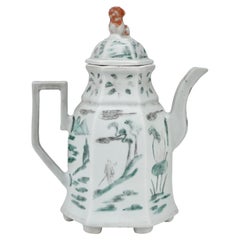
Famille Rose/Verte Ewer, Qing Dynasty
Located in seoul, KR
Beautiful flowers and scenary painted familie rose/verte ceramic ewer from Qing dynasty. Excavated from cargo underwater. This piece is from the early Qing dynasty, and it is not cl...
Category

17th Century Vietnamese Qing Antique Asia - Asian Art and Furniture

Materials

Ceramic

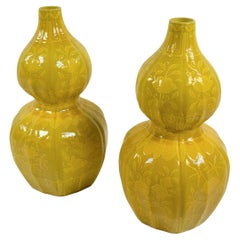
Chinese Porcelain Yellow Glazed Double Gourd Bottle Vase Pair
Located in Islamabad, PK
A stunning pair of Asian Chinese porcelain vases, adorned with a beautiful floral motif, featuring a vibrant yellow color scheme. These vases are designed in the shape of double gourds, symbolizing good fortune and prosperity in Chinese culture. Crafted with exceptional attention to detail, the porcelain vases showcase intricate hand-painted floral patterns that reflect the rich heritage of Chinese artistry. Delicate blossoms and lush foliage in various shades of pink, red, and green gracefully intertwine across the surface of the vases, creating a captivating visual display. The yellow glaze of the vases adds a touch of warmth and radiance to any space, making them an excellent decorative choice for both traditional and contemporary interiors. The glossy finish enhances the vibrancy of the colors and lends an air of elegance and sophistication to the overall design. Standing at an impressive height, the vases make a striking statement piece. They feature a slender neck that gradually widens into a rounded body, mirroring the shape of a gourd. The double-gourd form symbolizes harmony and abundance, making these vases not only visually appealing but also culturally significant. Whether displayed individually or as a pair, these porcelain vases are sure to become the focal point of any room. They are perfect for showcasing fresh or dried flowers, adding a touch of nature's beauty to your living space. Alternatively, they can be admired as standalone decorative objects, exuding timeless charm and artistic craftsmanship. Each vase has been meticulously crafted by skilled artisans, ensuring exceptional quality and durability. They are in pristine condition, making them a valuable addition to any collection or a thoughtful gift for collectors and enthusiasts of Chinese art. Embrace the allure of Asian Chinese aesthetics with this exquisite pair of floral motif yellow double gourd bottle...
Category

Late 20th Century Chinese Qing Asia - Asian Art and Furniture

Materials

Ceramic, Porcelain

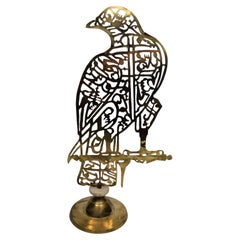
Brass Alam Hand Cutwork Calligraphy in the Shape of a Falcon, 20th Century
Located in Islamabad, PK
Brass Alam Persian hand Cutwork Calligraphy in the shape of a falcon, 20th century. The ornamental calligraphy arranged within a frame of a bird of prey -The Falcon. The letters are those of the Shia Muslim...
Category

20th Century Persian Islamic Asia - Asian Art and Furniture

Materials

Brass

Inside Painted Rock Crystal, "White Lotus" Snuff Bottle by Li Yingtao, 2014
By Li Yingtao
Located in Tainan, TW
Li Yingtao, an owner of Yizhenzhai, was born in Hengshui City in 1963. He was praised as a Chinese master of splashing color in inside painting, a Master of Arts and crafts in Hebei Province, and the founder of splashing color techniques in inside painting. By now, he has been teaching and passing down this technique to his students. Mr, Li Yingtao is one of the most outstanding disciples of the master of Chinese arts and crafts...
Category

2010s Chinese Modern Asia - Asian Art and Furniture

Materials

Glass

Urushi Partition
By Oonoya Butsudan
Located in Minato-Ku, JP
Since its establishment in 1854, Butsudan no Oonoya has been responsible for the manufacture and sale of Nagoya butsudan, a collection of traditional Japanese craft techniques such a...
Category

2010s Other Asia - Asian Art and Furniture

Materials

Wood

Urushi Partition
Urushi Partition
$11,356 / set
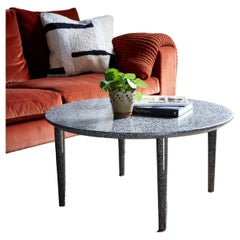
FLINT Coffee table
By Joyce Wang
Located in Hong Kong, HK
Part of the Flint collection, this coffee table is a magnificent complement to a modern living room and can be safely displayed in an outdoor terrace or patio. Either as unique cente...
Category

2010s Italian Asia - Asian Art and Furniture

Materials

Marble, Brass

FLINT Coffee table
FLINT Coffee table
$3,680 / item
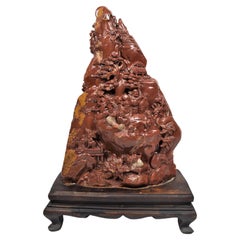
Monumental Chinese Buddhist Mountain Monastery Soapstone Carving, 20th Century
Located in Islamabad, PK
The Monumental Chinese Buddhist Mountain Monastery Soapstone Carving is a masterful work of art that encapsulates the grandeur and spiritual significance of Chinese Buddhist archite...
Category

Late 20th Century Chinese Qing Asia - Asian Art and Furniture

Materials

Soapstone

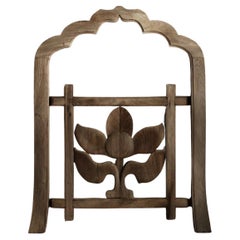
Japanese Antiques Kato-style(Firelight-shaped) wood window, for temples building
Located in Niiza, JP
1060(W)× 1400(H) × 85(D) [mm] 32kg Estimate packing size: W115cm H150cm D20cm 48kg Firelight (Kato-style) window used in temple building materials So named because of its shape that...
Category

18th Century Japanese Antique Asia - Asian Art and Furniture

Materials

Wood

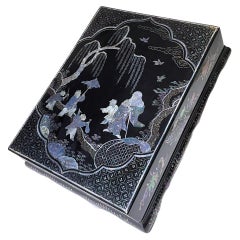
Shell-Inlaid Lacquer Box with Old Man and Children Design, Qing Period
Located in Chuo-ku, Tokyo
This is gorgeous and decorative stationary box decorated with "Raden" work with mother of pearl shell shining in seven colors. Raden work using mother of pearl shell shining in seven...
Category

17th Century Chinese Qing Antique Asia - Asian Art and Furniture

Materials

Shell, Wood

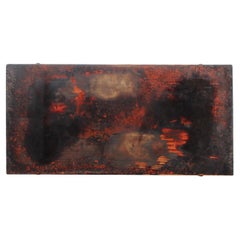
Japanese Antiques Lacquer craftsman s workbench, Abstract Painting
Located in Niiza, JP
Material: mainly Cedar board size:L45×W91×H20cm Estimate packing: Weight 19kg L63cm W110cm H38cm A workbench used by lacquer craftsman. Through years of use, natural layers of lacqu...
Category

19th Century Japanese Antique Asia - Asian Art and Furniture

Materials

Wood

Japanese Antiques Tanaka Kosai Striped Flower Basket Bamboo Basket
Located in Niiza, JP
φ360× 105(H) [mm] Box size:Box size: φ370×140mm 2kg The Oita Prefectural Art Museum also has similar collections of woven baskets by Kosai. The unique design makes it immediately re...
Category

20th Century Japanese Asia - Asian Art and Furniture

Materials

Bamboo

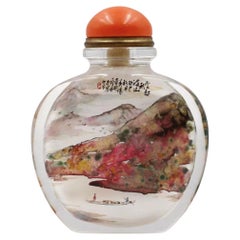
Inside Painted Rock Crystal, "Autumn Mountain" Snuff Bottle by Li Yingtao, 2013
Located in Tainan, TW
Li Yingtao, an owner of Yizhenzhai, was born in Hengshui City in 1963. He was praised as a Chinese master of splashing color in inside painting, a Master of Arts and crafts in Hebei Province, and the founder of splashing color techniques in inside painting. By now, he has been teaching and passing down this technique to his students. Mr, Li Yingtao is one of the most outstanding disciples of the master of Chinese arts and crafts...
Category

21st Century and Contemporary Asia - Asian Art and Furniture

Materials

Glass

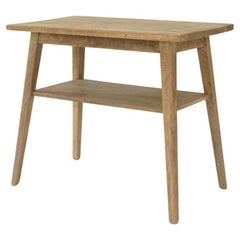
Japanese Antique Oak Side Table, 1950s–1960s - Japandi Wabi-Sabi
Located in Chiba, Chiba
A Japanese antique side table crafted from oak and dating from the 1950s–1960s. At first glance, the piece appears simple, yet a closer look reveals the thoughtful craftsmanship that...
Category

Mid-20th Century Japanese Asia - Asian Art and Furniture

Materials

Wood

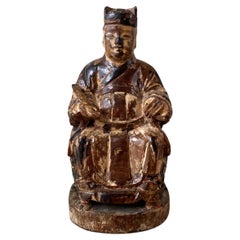
Early 20th Century Kitchen God Deity Statue
Located in Singapore, SG
A handsome wooden figure of the Kitchen God (灶神 in Chinese, pronounced zào shén), the Chinese name can also be translated into Stove God. He is a popular a...
Category

Early 20th Century Chinese Qing Asia - Asian Art and Furniture

Materials

Sandalwood

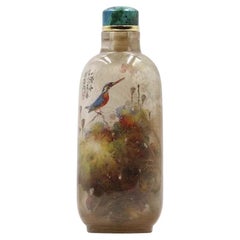
Inside Painted Crystal, "Bird in Autumn" Snuff Bottle by Li Yingtao 2012
Located in Tainan, TW
Li Yingtao, an owner of Yizhenzhai (???), was born in Hengshui City in 1963. He was praised as a Chinese master of splashing color in inside painting, a Master of Arts and crafts in Hebei Province, and the founder of splashing color techniques in inside painting. By now, he has been teaching and passing down this technique to his students. Mr, Li Yingtao is one of the most outstanding disciples of the master of Chinese arts and crafts...
Category

21st Century and Contemporary Chinese Modern Asia - Asian Art and Furniture

Materials

Rock Crystal

Inside Painted Glass, "Lotus in Autumn" Snuff Bottle by Zhang Zenlou 2009
Located in Tainan, TW
Zhang Zenglou was born in Hebei Province in 1956. He is a master of contemporary Chinese inside painted snuff bottle in Ji school. He is cu...
Category

21st Century and Contemporary Chinese Modern Asia - Asian Art and Furniture

Materials

Glass

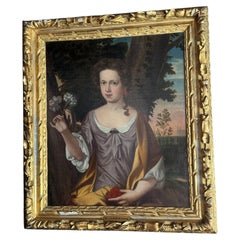
English Portrait Of A Lady From Circa End Of The 17th Century
Located in Chonburi, TH
Circle of Willem Wissing Oil on canvas in its original frame Canvas size 65x75cm = 25.5”x29.5" Including frame 82x93cm = 32”x36.5" The oil painting is in excellent condition. Fr...
Category

17th Century British Georgian Antique Asia - Asian Art and Furniture

Materials

Canvas, Linen, Wood

Japanese Antiques Serizawa Keisuke [Namu Amida Butsu] Woodblock print, framed
Located in Niiza, JP
Serizawa Keisuke [Namu Amida Butsu 南無阿弥陀仏] Woodblock print, framed 320×290×30mm Glass surface A dyer blessed with a natural talent for creating free color sense and patterns The "Se...
Category

20th Century Japanese Asia - Asian Art and Furniture

Materials

Paper

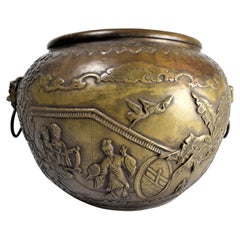
Gilt-Bronze Bowl, Qing Dynasty, Qianlong Period
Located in Islamabad, PK
A gilt-bronze bowl, qing dynasty, qianlong period. The beautiful bowl is showcasing palace courtyard daily life scenes and is heavily adorned all ar...
Category

19th Century Chinese Qing Antique Asia - Asian Art and Furniture

Materials

Bronze

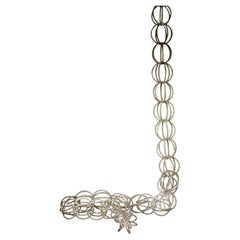
Japanese Antiques Copper Gutter Chain, Triple Ripples, 3M
Located in Niiza, JP
Single part: φ100 Length: 2950(H) [mm] 8kg Beautiful even on rainy days One of the old folk tools that impresses with Japanese aesthetics A passage for draining water from the gutte...
Category

20th Century Japanese Asia - Asian Art and Furniture

Materials

Copper

Japanese Antiques Hagiwara Hideo [Fish] Woodblock print, framed
Located in Niiza, JP
Hagiwara Hideo [Fish] Woodblock print, framed Print size: 445 (W) x 325 (H) [mm] Framed: 660 (W) x 470 (H) [mm] Hagiwara Hideo is an oil painter, but ...
Category

20th Century Asia - Asian Art and Furniture

Materials

Paper

Still Thinking About These?

All Recently Viewed