Australia - Asian Art and Furniture

to
28
11,216
5,374
163
2
9
4
1
1
31
69
63
2
23
21
6
2
1
10
5
3
1
57
57
36
31
18
147
143
83
56
10
165
164
164
1
1
1
1
1
Item Ships From: Australia
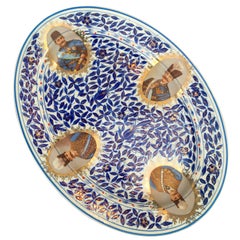
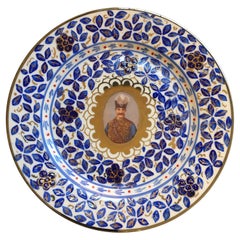
Persian Market Porcelain Platter Portrait Nasr al din Shah Qajar 20th C
By Gardner Porcelain Factory
Located in Melbourne, AU
A large platter, bearing commemorative portraits of Naser al din Shah Qajar, painted in cobalt and parcel gilt. This beautiful portrait platter was purc...
Category

1950s Japanese Late Victorian Vintage Australia - Asian Art and Furniture

Materials

Porcelain

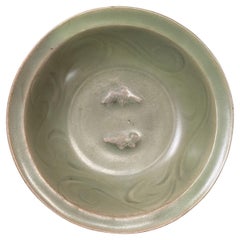
A Museum Quality Chinese Longquan Twin Fish Celadon Glazed Bowl, Song Dynasty
Located in ARMADALE, VIC
A Museum Quality Chinese Longquan Twin Fish Celadon Glazed Bowl, Song Dynasty Description: Celadon, 2 fish design at the center, scroll design on the cavetto. Provenance: Private A...
Category

15th Century and Earlier Chinese Antique Australia - Asian Art and Furniture

Materials

Ceramic

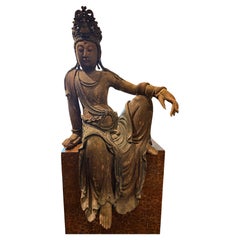
An Important Chinese Carved Wood Figure of Guanyin, Ming Dynasty, 17th Century
Located in ARMADALE, VIC
An Important Chinese Carved Wood Figure of Guanyin, Ming Dynasty, 17th Century Description: A dignified portrayal of the bodhisattva, respl...
Category

17th Century Chinese Ming Antique Australia - Asian Art and Furniture

Materials

Wood

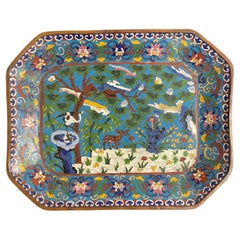
A Chinese Cloisonne Tray with Qianlong Mark, Early 20th Century
Located in ARMADALE, VIC
A Chinese Cloisonne Tray with Qianlong Mark, Early 20th Century Home decor, Interior design and collectibles. Provenance: Private Victoria Collection. ...
Category

Early 20th Century Chinese Australia - Asian Art and Furniture

Materials

Bronze

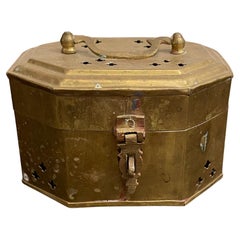
A Chinese Brass Jewellery Lidded Box, Early 20th Century
Located in ARMADALE, VIC
A Chinese Brass Jewellery Lidded Box, Early 20th Century Provenance: Private Australian Collection Acquired in 1980s. Dimension: Width: 11cm Height: 7cm Depth: 9cm.
Category

Early 20th Century Chinese Australia - Asian Art and Furniture

Materials

Brass

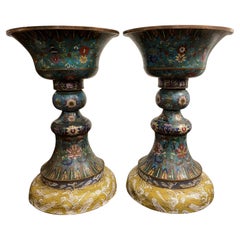
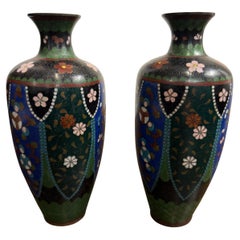
A Pair of Chinese Cloisonne Vases, Late 19th Century
Located in ARMADALE, VIC
A Pair of Chinese Cloisonne Vases, 19th Century Provenance: Private Australian Collection. Description: Each on rolled foot with undulating standard rising to a tape...
Category

Late 19th Century Chinese Qing Antique Australia - Asian Art and Furniture

Materials

Bronze

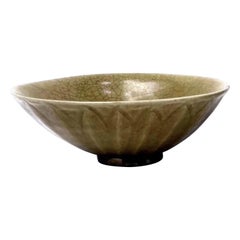
A Chinese Longquan Celadon Lotus Bowl, Ming Dynasty
Located in ARMADALE, VIC
A Chinese Longquan Celadon Lotus Bowl, Ming Dynasty Diameter: 16.7 cm Height: 5.5 cm Provenance: The Collection of Dr. John Yu AC Dr. Yu was the Foundi...
Category

15th Century and Earlier Chinese Ming Antique Australia - Asian Art and Furniture

Materials

Ceramic

Six Persian Market Porcelain Dinner Plates Gilt Portrait Nasr Al Din Shah Qajar
By Gardner Porcelain Factory
Located in Melbourne, AU
A set of six dinner plates, bearing commemorative portraits of Naser al-Din Shah Qajar. The whole hand-painted with a traditional pattern of leaves, flowers...
Category

1950s Persian Late Victorian Vintage Australia - Asian Art and Furniture

Materials

Porcelain

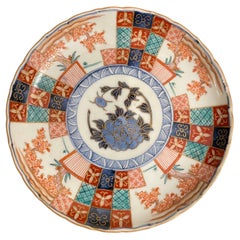
A Japanese Imari Plate, 19th Century
Located in ARMADALE, VIC
A Japanese Imari Plate, 19th Century Home decor, Interior design and collectibles. Provenance: Private Australian Collection. Dimension: Height: 4.5cm Diameter: 30cm
Category

19th Century Japanese Antique Australia - Asian Art and Furniture

Materials

Porcelain

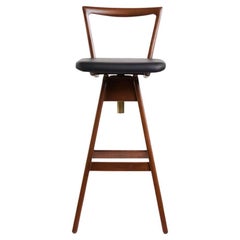
TH Brown Danish Bar Stool in Dark Ash - Australian Iconic Designer Piece
By Peter Brown (Australian)
Located in Adelaide, SA
The TH Brown Danish bar stool was designed by Peter Brown and first manufactured from early 1960, and remains an iconic, timeless Australian design masterpiec...
Category

2010s Australian Mid-Century Modern Australia - Asian Art and Furniture

Materials

Leather, Ash

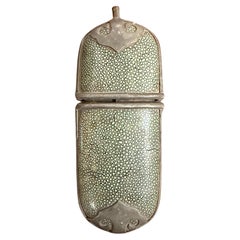
A Chinese Shagreen Glasses Case, 19th Century
Located in ARMADALE, VIC
A Chinese Shagreen Glasses Case, 19th Century This Chinese spectacle case is carved from wood with a striking shagreen covering. The case dates from ...
Category

19th Century Chinese Qing Antique Australia - Asian Art and Furniture

Materials

Metal

A Museum Quality Chinese Celadon Bowl, Yuan Dynasty
Located in ARMADALE, VIC
A Museum Quality Chinese Celadon Bowl, Yuan Dynasty Description: Celadon, six Chinese immortals at the interior, key fret and floral design at th...
Category

15th Century and Earlier Chinese Antique Australia - Asian Art and Furniture

Materials

Ceramic

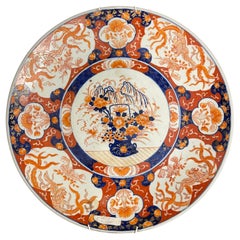
A Japanese Imari Charger, 19th Century
Located in ARMADALE, VIC
A Japanese Imari Charger, 19th Century Provenance: Private Australian Collection. Description: The central floral basket motif within a border of hou-ou bird cartouches to a cobalt...
Category

19th Century Japanese Antique Australia - Asian Art and Furniture

Materials

Porcelain

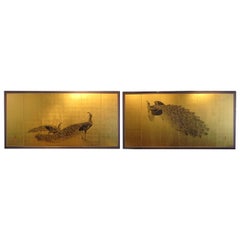
Pair of Japanese Screens: Ink paintings of peacocks on gold leaf by Imao Keinen
By Imao Keinen
Located in Prahran, Victoria
A pair of screens by Imao Keinen featuring peacocks painted in ink on gold leaf. Lacquered wood frame, brocade border, incised copper hardware. Dimensions: H 175cm x W 352cm Biogr...
Category

Late 19th Century Japanese Meiji Antique Australia - Asian Art and Furniture

Materials

Gold Leaf

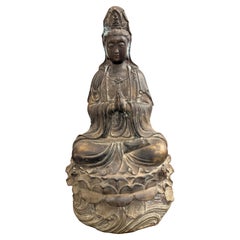
A Chinese Bronze Seated Guanyin, 19th Century
Located in ARMADALE, VIC
A Chinese Bronze Seated Guanyin, 19th Century Guanyin is the Buddhist bodhisattva associated with compassion. In the East Asian world, Guanyin is the equivalent term for Avalokitesv...
Category

19th Century Chinese Qing Antique Australia - Asian Art and Furniture

Materials

Bronze

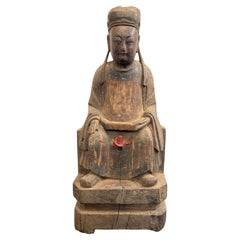
A Small Chinese Carved Timber Gilt and Polychrome Figure, Ming Dynasty
Located in ARMADALE, VIC
A Small Chinese Carved Timber Gilt and Polychrome Figure, Ming Dynasty Provenance: Private Old Australian Collection Acquired in Beijing Market in 1980s. Description: A devotional...
Category

17th Century Chinese Ming Antique Australia - Asian Art and Furniture

Materials

Wood

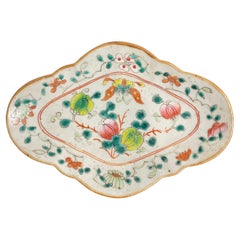
A Chinese Wucai Plate, 19th Century
Located in ARMADALE, VIC
A Chinese Wucai Plate, 19th Century Home decor, Interior design and collectibles. Provenance: Private Victoria Collection. Dimension: Height: 4cm Width: 20cm Depth: 14cm.
Category

19th Century Chinese Qing Antique Australia - Asian Art and Furniture

Materials

Porcelain

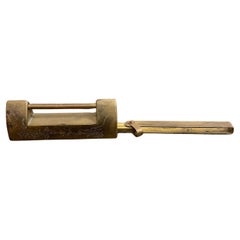
A Chinese Brass Etched Lock with Key, Early 20th Century
Located in ARMADALE, VIC
A Chinese Brass Etched Lock with Key, Early 20th Century Provenance: Private Australian Collection. Dimension: Height: 2.5cm Width: 10cm Depth: 2cm.
Category

Early 20th Century Chinese Qing Australia - Asian Art and Furniture

Materials

Brass

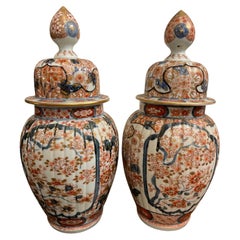
A Pair of Japanese Lidded Imari Vases, 19th Century
Located in ARMADALE, VIC
A Pair of Japanese Lidded Imari Vases, 19th Century Provenance: Private Melbourne Co...
Category

19th Century Japanese Antique Australia - Asian Art and Furniture

Materials

Porcelain

Home and Garden Style, By John Brookes
Located in PERTH, WA
Home and Garden Style, By John Brookes. Octopus Publishing Group. C. 1996. 
Category

1990s Australia - Asian Art and Furniture

Materials

Paper

Home and Garden Style, By John Brookes
$36 Sale Price / item
20% Off
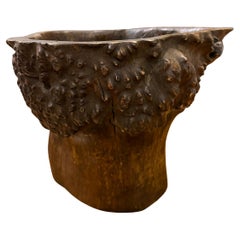
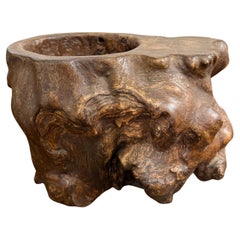
A Chinese Hardwood Gnarled Root Brush Pot, Late 19th Century
Located in ARMADALE, VIC
A Chinese Hardwood Gnarled Root Brush Pot, Late 19th Century This decorative container is used to hold writing brushes and popular during the Qing dynasty (1644–1911). It was revere...
Category

Late 19th Century Chinese Qing Antique Australia - Asian Art and Furniture

Materials

Hardwood

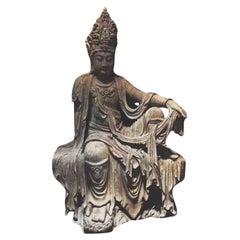
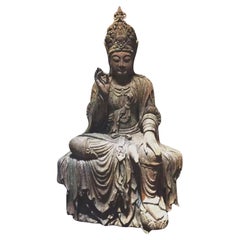
A Large Chinese Carved Wood Figure of Guanyin, Late Qing Dynasty
Located in ARMADALE, VIC
Description: A fine depiction of Guanyin, possessing the regal tranquillity that the Chinese Bodhisattva of compassion has come to be visually associated with. Marked by an urna signifying her spiritual enlightenment and crowned with a diadem depicting the Buddha Amitabha, the figure is immediately recognisable as Guanyin. Her androgynous figure is gracefully poised in the Lalit asana or “royal ease”, the pose classical in representations of the deity. The figure is asymmetric, with the weight of her supple form falling upon her left hand placed against the base, her right knee raised and left pendant. Her right hand rests upon her raised knee, delicately pinching at her draped attire. At first unassuming, this gesture may be suggestive of the Apana Mudra, the seal of purification. This Mudra is associated with physical wellbeing, fecundity and the cleansing of the body. Though she is adorned in the princely garb of dhoti, she bears features of idealised feminine beauty as prescribed in Asian art. With plump cheeks and near pouted lips, her full face gazes down upon the viewer with an empathetic and half-lidded gaze, upholding her title as ‘One who hears the cries of the world.’ Notes on the item: Guanyin is the Chinese interpretation of Avalokiteshvara, the Indian Bodhisattva of compassion. The term “Bodhisattva” is derived from the Sanskrit “Bodhi”, meaning ‘awakening’ or ‘enlightenment’, combined with “Sattva”, meaning ‘spirit’ or ‘being’, referring to one on the path to achieving enlightenment. Bodhisattvas in Mayahana Buddhism are recognised as figures who have effectively achieved enlightenment yet relinquish their accension to nirvana in order to remain amongst mankind in the ultimate act of compassion to aid as spiritual guides. As such, the Bodhisattva inhabit a liminal space between samsara and nirvana; enlightened beings that maintain a relationship with humanity that buddhas cannot, as attaining Buddhahood necessitates the abandonment of all worldly attachments, including mankind. Guanyin’s very name, ‘One who hears the cries of the world’ highlights this role as a compassionate figure who acknowledges the suffering and strife of man. Along with Mahāsthāmaprāpta, a fellow bodhisattva, Guanyin serves as an attendant to Buddha Amitabha, with these three deities recognised as the Three Sages of Western Pure Land Buddhism, a sect of Mayahana Buddhism popular in East Asia. Avalokiteshvara is commonly posited to have been adopted from Indian Buddhism into China as Guanyin around 200-400 CE, however it was the Tang dynasty (618-907) which saw the popularisation of the deity. By the Ming (1358–1644) and Qing (1644–1911) dynasties, Guanyin held the position as the most popular female deity in China. The unique state of religion in China held no monolithic canon regarding Buddhism and saw the assimilation of several belief systems, primarily Daoism, Buddhism and Confucianism. Consequently, Guanyin became a deity to be revered beyond Buddhism alone, appointed as both an official imperial deity and Daoist deity in the 12th century. Guanyin may also be seen to fulfil the role of idealised femininity as prescribed by Confucianism, with the scarcity of female Chinese deities perhaps accounting for the gradual gender shift Guanyin underwent. The Indian Avalokiteshvara is unequivocally recognised as male, whilst the supposed gender of Guanyin remains contentious. Although there is a clear shift from the masculine Avalokiteshvara towards a more feminine representation, it is unclear if Guanyin is understood to be entirely feminine, to inhabit qualities of both genders or to be elevated beyond gender entirely, embodying neither. Depictions of Guanyin are highly androgynous, which some believe lends credence towards Guanyin symbolising the unity of dualistic forces as recognised in Daoism, displaying the anthropomorphism of yin and yang. Comparative Analysis: Market comparisons of similar Qing Dynasty polychrome figures of Guanyin include lot 767 (no.2) From Christies ‘Important Chinese Ceramics and Works of Art,’ New York, 25 March 2022, with the price realised USD 52,920 (Estimate USD 20,000 – USD 30,000). Christies also auctioned a comparable polychrome Guanyin...
Category

Late 19th Century Chinese Qing Antique Australia - Asian Art and Furniture

Materials

Hardwood

A Chinese Imari Style Plate with Chenghua Mark, 19th century
Located in ARMADALE, VIC
A Chinese Imari Style Plate with Chenghua Mark, 19th century Provenance: Private Victoria Collection. Description: the central design comprising an unfurling blossom in hues of cob...
Category

19th Century Chinese Antique Australia - Asian Art and Furniture

Materials

Porcelain

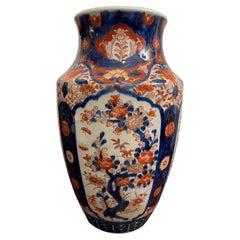
A Japanese Floral Imari Vase, 19th Century
Located in ARMADALE, VIC
A Japanese Floral Imari Vase, 19th Century Provenance: Private Australian Collectio...
Category

19th Century Japanese Antique Australia - Asian Art and Furniture

Materials

Porcelain

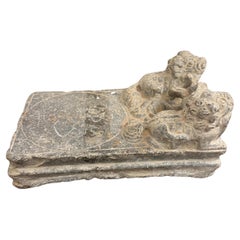
A Chinese Carved Inkstone, 18th Century
Located in ARMADALE, VIC
A Chinese Carved Inkstone, 18th Century Provenance: Private Australian Collection Acquired in 1980s. Dimensions: Height: 12.5cm. Width: 28.5cm. Depth: 17.5cm.
Category

18th Century Chinese Qing Antique Australia - Asian Art and Furniture

Materials

Stone

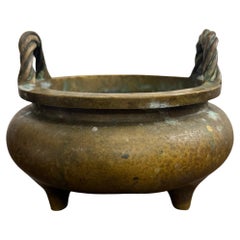
A Chinese Bronze Tripod Censer with Mark, 19th Century
Located in ARMADALE, VIC
A Chinese Bronze Tripod Censer with Mark, 19th Century With twisted handles. Provenance: Private Australian Collection. Dimensions: Height: 14cm. Diameter: 19cm.
Category

19th Century Chinese Qing Antique Australia - Asian Art and Furniture

Materials

Bronze

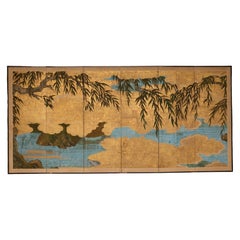
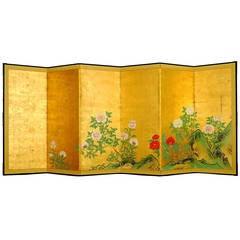
Japanese antique screen - EDO period - Willow over a stream
Located in Prahran, Victoria
Antique Japanese 6 panel screen from the early Edo period (C1650). One of a pair (both available). This magnificent golden screen shows...
Category

1650s Japanese Edo Antique Australia - Asian Art and Furniture

Materials

Gold Leaf

A Large Chinese Carved Wood Figure of Guanyin, Late Qing Dynasty
Located in ARMADALE, VIC
An impressive depiction of Guanyin, the Bodhisattva of compassion, whose name bears the meaning ‘One who hears the cries of the world.’ The rather androgynous figure is adorned with beaded jewellery and the princely regalia of a dhoti, draped across her body and spilling out over to partially obscure what she is resting upon. The goddess’ profile exhibits idealised features of Asian artistic convention; her face is soft and rounded, with full lips and relaxed eyes that provide a serene quality of youthfulness to the figure. Adhering to Chinese iconography of Guanyin, the figure is marked by an urna on her forehead, denoting her own enlightenment, as well as a diadem displaying Buddha Amitabha, the spiritual teacher of Guanyin. Seated in the Lalit asana pose, translated as ‘royal ease’, the figure exudes a fine example of the relaxed majesty typical in the characterisation of Guanyin. Whilst the figure’s left hand is placed restfully upon the left leg pendant, the right is raised in the gesture shuni mudra, the second finger held gently against the thumb. Otherwise known as the seal of patience, this gesture indicates the figure as one intended to bestow this virtue, along with compassion and understanding, upon the beholder. Notes on the item: Guanyin is the Chinese interpretation of Avalokiteshvara, the Indian Bodhisattva of compassion. The term “Bodhisattva” is derived from the Sanskrit “Bodhi”, meaning ‘awakening’ or ‘enlightenment’, combined with “Sattva”, meaning ‘spirit’ or ‘being’, referring to one on the path to achieving enlightenment. Bodhisattvas in Mayahana Buddhism are recognised as figures who have effectively achieved enlightenment yet relinquish their accension to nirvana in order to remain amongst mankind in the ultimate act of compassion to aid as spiritual guides. As such, the Bodhisattva inhabit a liminal space between samsara and nirvana; enlightened beings that maintain a relationship with humanity that buddhas cannot, as attaining Buddhahood necessitates the abandonment of all worldly attachments, including mankind. Guanyin’s very name, ‘One who hears the cries of the world’ highlights this role as a compassionate figure who acknowledges the suffering and strife of man. Along with Mahāsthāmaprāpta, a fellow bodhisattva, Guanyin serves as an attendant to Buddha Amitabha, with these three deities recognised as the Three Sages of Western Pure Land Buddhism, a sect of Mayahana Buddhism popular in East Asia. Avalokiteshvara is commonly posited to have been adopted from Indian Buddhism into China as Guanyin around 200-400 CE, however it was the Tang dynasty (618-907) which saw the popularisation of the deity. By the Ming (1358–1644) and Qing (1644–1911) dynasties, Guanyin held the position as the most popular female deity in China. The unique state of religion in China held no monolithic canon regarding Buddhism and saw the assimilation of several belief systems, primarily Daoism, Buddhism and Confucianism. Consequently, Guanyin became a deity to be revered beyond Buddhism alone, appointed as both an official imperial deity and Daoist deity in the 12th century. Guanyin may also be seen to fulfil the role of idealised femininity as prescribed by Confucianism, with the scarcity of female Chinese deities perhaps accounting for the gradual gender shift Guanyin underwent. The Indian Avalokiteshvara is unequivocally recognised as male, whilst the supposed gender of Guanyin remains contentious. Although there is a clear shift from the masculine Avalokiteshvara towards a more feminine representation, it is unclear if Guanyin is understood to be entirely feminine, to inhabit qualities of both genders or to be elevated beyond gender entirely, embodying neither. Depictions of Guanyin are highly androgynous, which some believe lends credence towards Guanyin symbolising the unity of dualistic forces as recognised in Daoism, displaying the anthropomorphism of yin and yang. Comparative Analysis: Market comparisons of similar Qing Dynasty polychrome figures of Guanyin include lot 767 (no.2) From Christies ‘Important Chinese Ceramics and Works of Art,’ New York, 25 March 2022, with the price realised USD 52,920 (Estimate USD 20,000 – USD 30,000). Christies also auctioned a comparable polychrome Guanyin...
Category

Late 19th Century Chinese Qing Antique Australia - Asian Art and Furniture

Materials

Hardwood

A Chinese Cloisonne Tray with Qianlong Mark, Early 20th Century
Located in ARMADALE, VIC
A Chinese Cloisonne Tray with Qianlong Mark, Early 20th Century Home decor, Interior design and collectibles. Provenance: Private Victoria Collection. ...
Category

Early 20th Century Chinese Australia - Asian Art and Furniture

Materials

Bronze

A Pair of Japanese Cloisonné Vases, 19th Century
Located in ARMADALE, VIC
A Pair of Japanese Cloisonné Vases, 19th Century With enameled flowers. Provenance: Private Australian Collection. Dimensions: Height: 20cm. Diameter: 8cm.
Category

19th Century Japanese Meiji Antique Australia - Asian Art and Furniture

Materials

Metal

A Small Chinese Carved Timber Gilt and Polychrome Figure, Ming Dynasty
Located in ARMADALE, VIC
A Small Chinese Carved Timber Gilt and Polychrome Figure, Ming Dynasty Provenance: Private Old Australian Collection Acquired in Beijing Market in 1980s. Description: The cavity ...
Category

17th Century Chinese Ming Antique Australia - Asian Art and Furniture

Materials

Wood

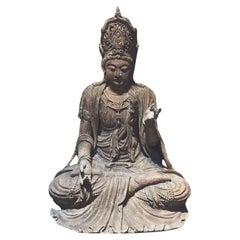
A Large Chinese Carved Wood Figure of Guanyin, Late Qing Dynasty
Located in ARMADALE, VIC
Description: A singular example of Guanyin. Deviating from the Bodhisattva’s conventional pose of ‘royal ease’, the figure is instead seated in the meditative padmasana, or ‘lotus position’, rendering this Guanyin something of a rarity. An Apana more typically associated with depictions of Buddhas, Guanyin assuming this pose immediately signifies this figure as one of particular spiritual reverence. Both feet are revealed crossed upon one another from beneath fabric which spills before her, her left palm turned upward with her hand resting upon her left knee and her right raised in a relaxed gesture. Adorned with a diadem housing a depiction of Amitabha Buddha, her own spiritual guide, she exudes an air of tranquil regality, further characterised by her numerous strings of beads and elaborately fastened dhoti, attire traditionally reserved for Indian princes. Though the figure’s dress is Indian her face is undoubtedly exemplifying artistic Chinese beauty standards. Her face is soft and rounded, full in both the lips and cheeks, with eyes that restfully peer down, as though she is watching over the worries of mankind with compassion. Notes on the item: Guanyin is the Chinese interpretation of Avalokiteshvara, the Indian Bodhisattva of compassion. The term “Bodhisattva” is derived from the Sanskrit “Bodhi”, meaning ‘awakening’ or ‘enlightenment’, combined with “Sattva”, meaning ‘spirit’ or ‘being’, referring to one on the path to achieving enlightenment. Bodhisattvas in Mayahana Buddhism are recognised as figures who have effectively achieved enlightenment yet relinquish their accension to nirvana in order to remain amongst mankind in the ultimate act of compassion to aid as spiritual guides. As such, the Bodhisattva inhabit a liminal space between samsara and nirvana; enlightened beings that maintain a relationship with humanity that buddhas cannot, as attaining Buddhahood necessitates the abandonment of all worldly attachments, including mankind. Guanyin’s very name, ‘One who hears the cries of the world’ highlights this role as a compassionate figure who acknowledges the suffering and strife of man. Along with Mahāsthāmaprāpta, a fellow bodhisattva, Guanyin serves as an attendant to Buddha Amitabha, with these three deities recognised as the Three Sages of Western Pure Land Buddhism, a sect of Mayahana Buddhism popular in East Asia. Avalokiteshvara is commonly posited to have been adopted from Indian Buddhism into China as Guanyin around 200-400 CE, however it was the Tang dynasty (618-907) which saw the popularisation of the deity. By the Ming (1358–1644) and Qing (1644–1911) dynasties, Guanyin held the position as the most popular female deity in China. The unique state of religion in China held no monolithic canon regarding Buddhism and saw the assimilation of several belief systems, primarily Daoism, Buddhism and Confucianism. Consequently, Guanyin became a deity to be revered beyond Buddhism alone, appointed as both an official imperial deity and Daoist deity in the 12th century. Guanyin may also be seen to fulfil the role of idealised femininity as prescribed by Confucianism, with the scarcity of female Chinese deities perhaps accounting for the gradual gender shift Guanyin underwent. The Indian Avalokiteshvara is unequivocally recognised as male, whilst the supposed gender of Guanyin remains contentious. Although there is a clear shift from the masculine Avalokiteshvara towards a more feminine representation, it is unclear if Guanyin is understood to be entirely feminine, to inhabit qualities of both genders or to be elevated beyond gender entirely, embodying neither. Depictions of Guanyin are highly androgynous, which some believe lends credence towards Guanyin symbolising the unity of dualistic forces as recognised in Daoism, displaying the anthropomorphism of yin and yang. Comparative Analysis: Market comparisons of similar Qing Dynasty polychrome figures of Guanyin include lot 767 (no.2) From Christies ‘Important Chinese Ceramics and Works of Art,’ New York, 25 March 2022, with the price realised USD 52,920 (Estimate USD 20,000 – USD 30,000). Christies also auctioned a comparable polychrome Guanyin...
Category

Late 19th Century Chinese Qing Antique Australia - Asian Art and Furniture

Materials

Hardwood

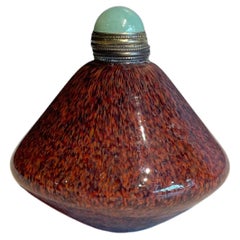
A Chinese Glass Snuff Bottle, 20th Century
Located in ARMADALE, VIC
A Chinese Glass Snuff Bottle, 20th Century Dimension: Height: 9 cm Diameter: 9 cm. Provenance: Private Western Australian Collection.
Category

20th Century Chinese Australia - Asian Art and Furniture

Materials

Glass

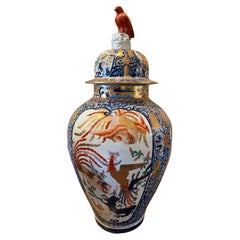
A Substantial Japanese Imari Baluster Vase with Cover, Early 20th Century
Located in ARMADALE, VIC
A Substantial Japanese Imari Baluster Vase with Cover, Early 20th Century Description: The baluster vase with a domed lid surmounted by a perched bird in a terracotta tone, three ca...
Category

Early 20th Century Japanese Australia - Asian Art and Furniture

Materials

Ceramic

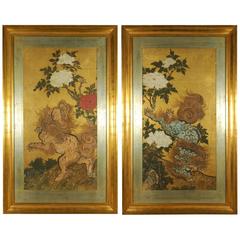
Pair of Antique Japanese Paintings of Karashishi, Edo Period, 18th Century
Located in Prahran, Victoria
A rare pair of antique Japanese Karashishi paintings in a landscape of rocks and peony flowers on gold leaf ground in fine handmade frames, Edo period, early 18th century. The Karash...
Category

Early 18th Century Japanese Edo Antique Australia - Asian Art and Furniture

Materials

Gold Leaf

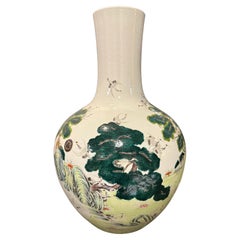
A Large Chinese Ceramic Famille Rose Vase With Mark
Located in ARMADALE, VIC
A Large Chinese Ceramic Famille Rose Vase With Mark, Probably Early 20th Century Provenance: Private Hong Kong Collection. Dimensions: Height: 54cm. Diameter: 33cm.
Category

20th Century Chinese Qing Australia - Asian Art and Furniture

Materials

Ceramic

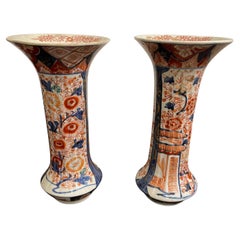
A Pair of Japanese Imari Beaker Vases, 19th Century
Located in ARMADALE, VIC
A Pair of Japanese Imari Beaker Vases, 19th Century Provenance: Private Brisbane Collection. Description: Each decorated with alternating panels of garden pavilio...
Category

19th Century Japanese Antique Australia - Asian Art and Furniture

Materials

Ceramic

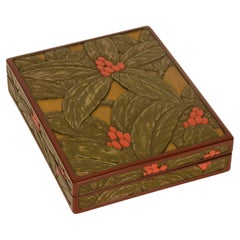
Intricately Carved Kamakura Lacquer Box with Botanical Design by Tamerou Ono
Located in Prahran, Victoria
A vintage Japanese Tsuzuri bako, writing box. with an unusual, deeply carved relief of Japanese sarcandra glabra, a woody herbal sub-shrub native to Asia with deep green glossy leave...
Category

Mid-20th Century Japanese Australia - Asian Art and Furniture

Materials

Wood

French Farmhouses and Cottages By Paul Walshe
Located in PERTH, WA
French Farmhouses and Cottages” by Paul Walshe, a perfect Coffee Table Book. of C. 2000.
Category

20th Century Australia - Asian Art and Furniture

Materials

Paper

A Japanese Imari Vase, 19th Century
Located in ARMADALE, VIC
A Japanese Imari Vase, 19th Century Provenance: Private Australian Collection. Description: The body embellished with a repeating design of flowers and dragon cartouches united by ...
Category

19th Century Japanese Antique Australia - Asian Art and Furniture

Materials

Porcelain

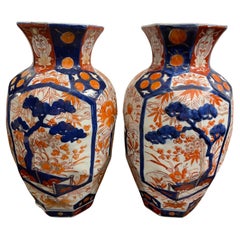
A Pair of Imari Vases, 19th Century
Located in ARMADALE, VIC
A Pair of Imari Vases, 19th Century Provenance: Private Australian Collection. Description: Each with an octagonal everted rim alternating between cobalt bands centred by two plu...
Category

19th Century Japanese Antique Australia - Asian Art and Furniture

Materials

Porcelain

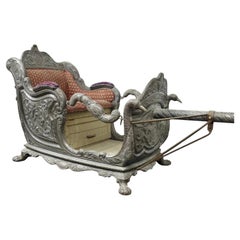
An Indian Silver Foil Overlaid Palaquin, Early 19th Century
Located in ARMADALE, VIC
An Indian Silver Foil Overlaid Palaquin, Early 19th Century The open scroll and foliate embossed seat with a shaft to each end (one detached). Provenance: Estate of Gol, Rajasthan,...
Category

Early 19th Century Indian Antique Australia - Asian Art and Furniture

Materials

Foil

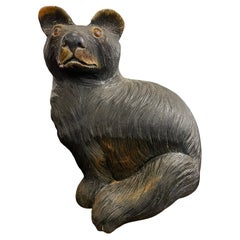
A Japanese Wooden Carved Bear, 20th Century
Located in ARMADALE, VIC
A Japanese Wooden Carved Bear, 20th Century Home decor, interior design and collectibles. Provenance: Private Australian Collection. Dimensions: Height: 37cm Width: 32cm Depth: 27cm
Category

20th Century Japanese Australia - Asian Art and Furniture

Materials

Wood

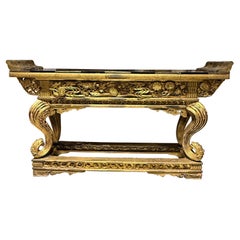
A Japanese Black Lacquer and Water-Gilt Altar Table, Late 19th Century
Located in ARMADALE, VIC
A Japanese Black Lacquer and Water-Gilt Altar Table, Late 19th Century Description: The altar table or butsudan with a detachable black lacquer top, traditionally shaped upturned en...
Category

Late 19th Century Japanese Meiji Antique Australia - Asian Art and Furniture

Materials

Wood

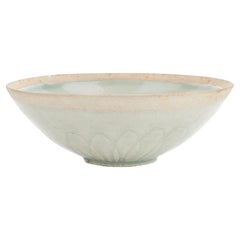
A QINGBAI BOWL Song Dynasty Ex Sotheby s
Located in ARMADALE, VIC
A Chinese QINGBAI BOWL, Song Dynasty Height: 6.5 cm Diameter: 17.5 cm Provenance: Sotheby's, London, Oriental Ceramics and Works of Art, Lot 77, 06/02/1979
Category

15th Century and Earlier Chinese Antique Australia - Asian Art and Furniture

Materials

Ceramic

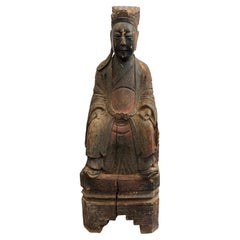
A Small Chinese Carved Timber Polychrome Figure, Ming Dynasty
Located in ARMADALE, VIC
A Small Chinese Carved Timber Polychrome Figure, Ming Dynasty Provenance: Private Old Australian Collection Acquired in Beijing Market in 1980s. Description: The cavity in the back...
Category

17th Century Chinese Ming Antique Australia - Asian Art and Furniture

Materials

Wood

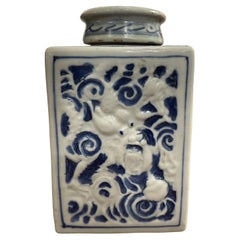
A Chinese Blue and White Ceramic Dragon Tea Caddy, 18th Century
Located in ARMADALE, VIC
A Chinese Blue and White Ceramic Dragon Tea Caddy, 18th Century Description: A square tea caddy with a blue and white design, featuring a dragon amidst scrolling clouds. Originally ...
Category

18th Century Chinese Qing Antique Australia - Asian Art and Furniture

Materials

Ceramic

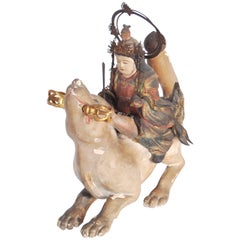
Antique Japanese Statue of Dakini Ten
Located in Prahran, Victoria
Rare and highly unusual antique Japanese statue of the esoteric deity 'Dakini Ten,' a Buddhist goddess who was associated with the agricultural...
Category

1770s Japanese Antique Australia - Asian Art and Furniture

Materials

Gesso, Wood

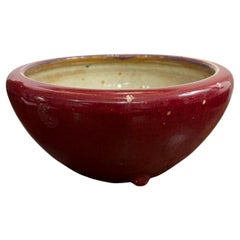
A Chinese Sang de Boeuf Glaze Bowl, 19th Century
Located in ARMADALE, VIC
A Chinese Sang de Boeuf Glaze Bowl, 19th Century Description: Sang de boeuf, meaning "ox blood" in French, is a distinctive deep red ceramic glaze that originated in China during th...
Category

19th Century Chinese Qing Antique Australia - Asian Art and Furniture

Materials

Ceramic

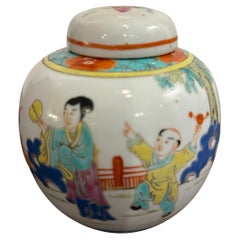
A Chinese Wucai Lidded Porcelain Ginger Jar, 19th Century
Located in ARMADALE, VIC
A Chinese Wucai Lidded Porcelain Ginger Jar, 19th Century Provenance: Private Western Australian Collection. Dimensions: Height: 10.5cm. Diameter: 10cm.
Category

19th Century Chinese Qing Antique Australia - Asian Art and Furniture

Materials

Porcelain

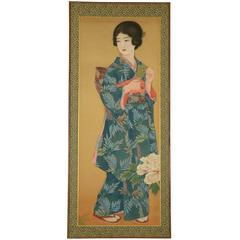
Japanese Bijin-ga Painting of Woman in Period Kimono, Taisho Period, circa 1920
Located in Prahran, Victoria
Rare Japanese Taisho period Bijin-ga style painting of a beautiful woman in period kimono holding a fan, circa 1920. Bijin-ga is a Japanese term used to describe paintings or pict...
Category

1920s Japanese Taisho Vintage Australia - Asian Art and Furniture

Materials

Silk

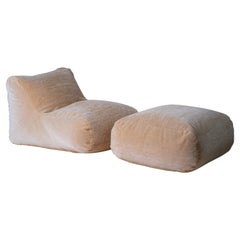
Bag chair and ottoman set in mohair velvet by Piet hein Eek
By Piet Hein Eek
Located in Paddington, NSW
Bag Chair and Ottoman in Velvet by Piet Hein Eek Piet Hein Eek, born on April 29, 1967, in Purmerend, Netherlands, is a Dutch designer best known for his innovative approach to des...
Category

2010s Dutch Modern Australia - Asian Art and Furniture

Materials

Mohair, Foam

Antique Japanese Six-Panel Screen by Kano Chikanobu "Shushin"
Located in Prahran, Victoria
Late 17th century Kano school peony landscape screens. Both screens signed: Hogan Josen Fujiwara Chikanobu Hitsu - Kano Chikanobu (Shushin) (1660 - 1728...
Category

Early 18th Century Japanese Edo Antique Australia - Asian Art and Furniture

Materials

Gold Leaf

A Chinese Gnarled Root Brush Pot, 19th Century
Located in ARMADALE, VIC
A Chinese Gnarled Root Brush Pot, 19th Century Set alongside the four treasures of the study - the calligraphy brush, ink, paper, and inkstone - a brush pot was a fixture of every t...
Category

19th Century Chinese Antique Australia - Asian Art and Furniture

Materials

Wood

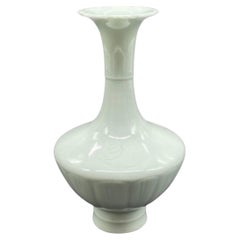
A Pale Celadon Glazed Bottle Vase, Xuanhe Mark, 20th Century or Possibly Earlier
Located in ARMADALE, VIC
A Pale Celadon Glazed Bottle Vase, Xuanhe Mark, 20th Century or Possibly Earlier Description: The fine lobed body with flared scalloped floriate rim and raised foot. Incised with ru...
Category

20th Century Chinese Australia - Asian Art and Furniture

Materials

Porcelain

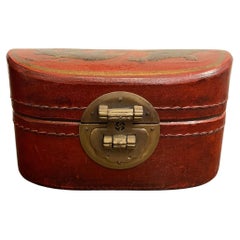
A Chinese Red Lacquer Lidded Box, Early 20th Century
Located in ARMADALE, VIC
A Chinese Red Lacquer Lidded Box, Early 20th Century Provenance: Private Melbourne Collection. Dimension: Width: 16cm Height: 9.5cm Depth: 10cm
Category

Early 20th Century Chinese Qing Australia - Asian Art and Furniture

Materials

Wood

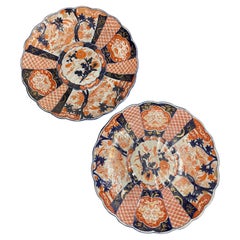
A Pair of Japanese Imari Chargers, 19th Century
Located in ARMADALE, VIC
A Pair of Japanese Imari Chargers, 19th Century Provenance: Private Australian Collection. Description: Each charger with a lobed border and comprising four fan-shaped panels, with...
Category

19th Century Japanese Antique Australia - Asian Art and Furniture

Materials

Porcelain

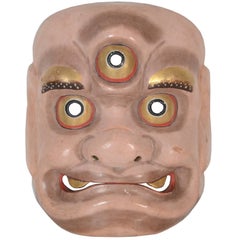
Japanese Theatre Mitsumekozo Theatre Mask Meiji Period, circa 1900
Located in Prahran, Victoria
Unusual Japanese Folk Art theatre mask depicting the playful character Mitsumekozo, a three eyed goblin often portrayed as a mischevious creature in comical plays, late Meiji period,...
Category

Late 19th Century Japanese Meiji Antique Australia - Asian Art and Furniture

Materials

Wood

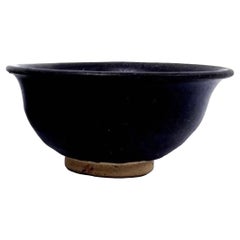
A Chinese Deep Brown Glazed Footed Bowl, 15th Century
Located in ARMADALE, VIC
A Chinese Deep Brown Glazed Footed Bowl, 15th Century Provenance: The Collection of Dr. John Yu AC Dimension: Height: 7.3 cm. Dimension: 15.5 cm Dr. Yu was the Founding Chair of V...
Category

15th Century and Earlier Chinese Ming Antique Australia - Asian Art and Furniture

Materials

Terracotta

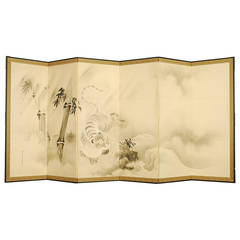
Antique Japanese Kano School Painting by Yosenin Korenobu
Located in Prahran, Victoria
Six-panel Kano School tiger screen by Yosenin Korenobu (1753-1808). Sumi-e ink on paper, late 18th century. Dimensions: H 169cm x W 382cm.
Category

Late 18th Century Japanese Edo Antique Australia - Asian Art and Furniture

Materials

Wood, Paper

Still Thinking About These?

All Recently Viewed