Belgium - Furniture
to
1,493
494,352
449,151
17,530
2,952
380
6,343
1,278
1,179
917
657
379
268
223
206
200
135
128
112
107
105
81
53
50
1,245
1,906
14,379
3,332
1,403
7,860
4,108
204
75
328
657
262
1,333
2,489
2,670
751
258
8,308
7,366
3,546
2,884
2,546
18,046
4,583
4,322
4,314
1,133
20,862
18,726
19,038
297
221
140
118
104
Item Ships From: Belgium
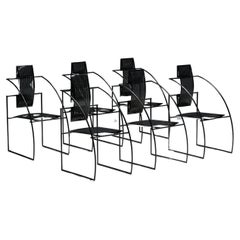
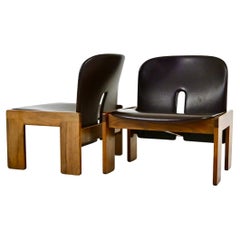
Quinta Chairs by Mario Botta for Alias, Italy, 1980s
By Alias, Mario Botta
Located in Antwerp, BE
Designed by Swiss architect Mario Botta for Alias in the 1980s, the Quinta chair is a striking example of postmodern Italian furniture design. Its bold frame is constructed from blac...
Category
1980s Italian Post-Modern Vintage Belgium - Furniture
Materials
Steel

$1,200 / item
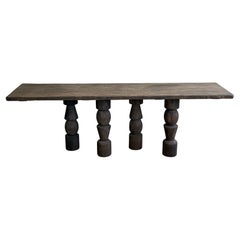
Old Console With Sculpted Base
Located in Nijlen, BE
This unique console is a composition of an old tablet in elm and handcrafted legs in oak wood.
The legs are all solid, one piece. Beautiful columns.
Very beautiful in its color weat...
Category
1920s Belgian Brutalist Vintage Belgium - Furniture
Materials
Elm, Oak
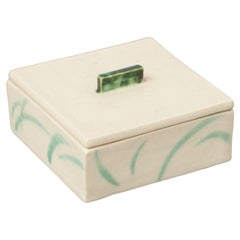
Lovely Lidded Art Deco Ceramic Box 1930s
Located in Tilburg, NL
Lovely Lidded Art Deco Ceramic Box 1930s
This is a wonderful lidded ceramic art deco box. Great design and lovely colors - a true modernist piece with a lot of elegance. Would be gr...
Category
Mid-20th Century European Art Deco Belgium - Furniture
Materials
Pottery
Large Jaap Gidding Attributed
Underwater
Painting Tuschinski Theatre 1920s
By Jaap Gidding
Located in Tilburg, NL
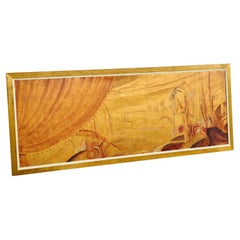
Large Jaap Gidding Attributed 'Underwater' Painting from Tuschinski Theatre Amsterdam, The Netherlands, 1920s.
Mesmerizingly beautiful unique and very large museum quality painting ...
Category
Early 20th Century Dutch Art Nouveau Belgium - Furniture
Materials
Canvas, Wood, Paint
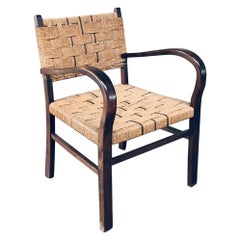
Bauhaus Style Rope Arm Chair by Axel Larsson, 1930
s
By Axel Larsson
Located in Oud-Turnhout, VAN
Vintage Bauhaus Period Arm Chair by Axel Larsson for Bodafors, Sweden 1930's / 1940's period. Stained beech wooden frame with twisted rope seat and back rest. Nice detailed with a da...
Category
1930s Swedish Bauhaus Vintage Belgium - Furniture
Materials
Rope, Wood
$1,825 Sale Price
20% Off
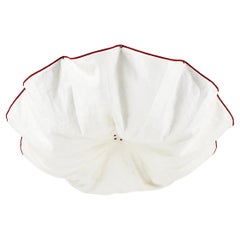
"Celestia" Ceiling lamp by Tobia Scarpa for Flos, 1980s
By Flos, Tobia Scarpa
Located in bruxelles, BE
Ceiling light in white linen fabric and aluminum. Model Celestia. Stamped Flos. Wear due to time and age.
FOR SHIPPING, REQUEST US FOR RECEIVE THE BEST PRICE
Category
1980s Italian Mid-Century Modern Vintage Belgium - Furniture
Materials
Aluminum
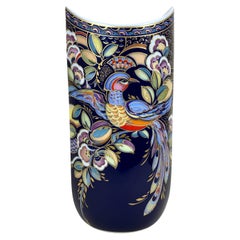
Vase Porcelain Kaiser Design K.Nossek "Caribbean" Vintage, Germany, 1980s
By K. Nossek, AK Kaiser
Located in Bastogne, BE
Vintage collectible vase with a peacock-like fantasy bird from the one of most famous porcelain manufactory in Germany Kaiser, 1980s.
“Karib...
Category
1970s German Vintage Belgium - Furniture
Materials
Porcelain
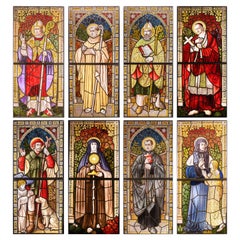
Selection of eight restored 19th C Neo-Gothic Stained-Glass Windows
Located in Leuven , BE
The Color Experience: Stained-glass windows
“Color is a power which directly influences the soul” (Wassili Kandinsky, Moskou 1866 – Neuilly-sur-Seine, 1944)
“Color! What a deep and mysterious language, the language of dreams!” (« La couleur ! Quelle langue profonde et mystérieuse, le langage des rêves », Paul Gauguin, Paris, 1848-Fatu-Hiva, 1903)
‘Color and feeling’, ‘color and meaning’, these are concepts that have gone together since time immemorial. Artists and craftsmen have a special bond with color. After all, it is a means of expression that can have a real reinforcing effect. Especially linking color with light offers unlimited possibilities. Glaziers and glass painters have tried to master both these ‘instruments’ for centuries.
The set of beautifully restored neo-Gothic windows in our collection are enough reason for us to let these works of art figure in a broader story. As a bonus, we would like to introduce you to the contemporary stained-glass artist and stained-glass restorer, Daniël Theys. whose workshop is in Sint-Pieters-Rode (Belgium). He talked to us about the materials and techniques he used for the restoration of our set of neo-Gothic stained-glass windows. A fascinating look at the tricks of the trade from a specialist!
A bird’s eye view of the history of the European stained-glass window.
Although the Romans already used translucent glass plates to cover wall openings, the stained-glass window reached its peak in Europe between 1150 and 1500. A period also known as the era of the cathedrals. At that time, stained-glass windows became more than just a way to let in the light, and to keep the space closed off. From now on, their functionality was also found in their didactic value. The biblical and saints’ stories that adorned the stained-glass windows became a kind of poor man’s bible. They brought, as it were, the knowledge of the holy scriptures in an understandable, pictorial way. At the same time, the colored light provided additional symbolism. The invading light was interpreted as a manifestation of God. It is also no coincidence that the main altar was bathed in light. It was the place where the most important sacrament was celebrated, that of the Eucharist. How were these magical colors obtained? Well, during the 12th and 13th centuries, metal oxides gave color to the glass. Copper, for example, produced different colors in the various stages of oxidation. The metal could color the glass light blue, green and even red. It should be noted that from the 13th century onwards, clear glass, which was cheaper and at the same time allowed more light into the buildings, was used more often. A century later, in the years 1400 to 1500, glass painters frequently painted onto the glass with a ‘stain’ of silver chloride or sulfide. The painted piece of glass was heat-treated in a furnace. The heating process ensured that the silver ions migrated into the glass and became suspended within the glass network. The stain gave colors ranging from a pale yellow to a rather deep red. This new technique allowed glaziers to get more than one color on a single glass fragment. The shades produced by painting in silver chloride were well suited for depicting golden crowns, scepters and other gilded objects and ornaments. But the most important advantage of the technique was the fact that the glass painter could now make transitions from yellow tones to white without having to apply separations with lead strips! This also improved the legibility of the pictured scene.
You can imagine that the labor-intensive process of the production of stained-glass windows was a very costly affair and therefore it was often patrons who donated them to a church or a chapel. The benefactors were usually eager to propagate their social status and were moved by concern for their salvation.
In the 16th century, stained-glass windows also began to appear in secular buildings such as town halls, the homes of the wealthy and commercial premises such as inns. It is striking that during this period the use of lead strips that border many parts of the image was further reduced in favor of real painting on stained glass. This was due to an increasing love of detail. For example, one wanted realistically painted portrait heads. Working with enamel paints was cumbersome. Each newly applied color had to be burned into the glass before another color or overpainting could be applied. It was not only the coloring of the glass that was complicated, the process of obtaining flat glass plates required many steps as well. The glazier blew a glass bulb with a blowpipe and then cut it open. Finally, each half of the sphere was turned around so fast that it became a disc. In later periods, the glazier blew out his glass bulb into a cylinder. Once the cylinder had cooled, its closed ends were removed, and the long sides were cut open. The pieces of glass obtained were then heated and flattened. During the 16th century, there was a division of labor between the stained-glass designer, the glazier, and the glass painter. It happened as well that the stained-glass artist used prints as models for his stained-glass windows. Whoever drew the design, the glazier always needed a model on the right scale, the so-called cartoon. On the cartoon, the lead strips were clearly marked, and the use of colors was indicated. Contracts at the time show that the price of stained-glass windows was calculated per square foot. The price per square foot included the labor and material costs. The price of the cartoon was not included.
In the 17th century, the work of glass painters remained important. At the same time, there was a growing popularity of stained-glass windows with heraldic themes. In the Low Countries there were several high-quality glass painters active.
During the 18th century, glass painting went downhill in our regions. The French occupation of the Southern Netherlands resulted in the destruction and sale of religious stained-glass windows.
It was only around the middle of the 19th century that the young Belgian state experienced a revival of stained glass. The renewed interest in the Middle Ages, the so-called ‘gothic revival’, caused a wave of restoration of old stained-glass windows of churches and orders for neo-gothic stained-glass windows. The Sint-Lucas art schools in Belgium played an important role in this. Industrial developments in the glass and steel industries naturally had an important hand in the popularity of stained-glass windows. Stained-glass had a wide range of uses; think of stained glasses in winter gardens, domes, windows, and doors of large mansions. Significant glazier’ studios arose in several larger Belgian cities. In Brussels, for example, you had the workshops of Capronnier and Colpaert, in Bruges the studios of Coucke and Dobbelaere, in Ghent the companies of Ganton-Defoin or Ladon. During the 19th century, glaziers followed the style developments in the visual arts. For example, the number of windows in Art Nouveau and Art Deco style is large. The restored stained-glass windows with male and female saints that we offer for sale, come from a building in Laeken, near Brussels. They probably decorated the space of a church, chapel, convent, or Catholic school. In the results of the interview with glass restorer Daniël Theys, you will learn more about the particularities of these splendid windows.
Chatting and browsing in the workshop of Daniël Theys
The Belgian Glass restorer and glass blower, Daniël Theys (), made a career switch at a later age and has been active in the profession since 1987. He is an important player in the field of stained-glass window art in Belgium. Moreover, he is the only one in the country who still masters the technique of glass etching. Daniël Theys receives many commissions from small parish churches to restore old stained-glass windows to their former glory. He made a name for himself in that niche and that is how Spectandum brought the set of 19th century stained glass windows to his workshop for reconstruction. They were delivered in old numbered wooden crates and Daniel had to start puzzling.
Numbered wooden crates with sections of the stained-glass windows
Normally a glazier starts working from a drawing with a scale of 1:1 (full size drawing), but in this case each piece had to be cataloged and photographed. The smaller pieces were grouped on the light box and photographed in their entirety. Then Daniël made a drawing of the remaining pieces that he had puzzled together with great care.
Smaller pieces identified and grouped on the light box
The restauration guidelines of the Agency for Monuments and Landscapes are not always the same as those of a restorer. For this reconstruction, Daniël primarily considered the purpose of the stained-glass windows. It had to be an aesthetic and salable set of stained-glass windows, so the choice of filling the gaps with neutral glass or epoxy was not really an option. Theys left well-executed previous restorations untouched. The windows may have been repaired three or four times in the past.
Piece of a cloak with glass shards from different periods (restorations)
Another problem Daniel faced during the restoration was the fact that some small parts of the old grisaille had been eaten away by microorganisms. The defect – caused by moisture – can be seen from the discoloration of the grisaille. The black-brown color is turned red.
This fragment shows well how the brown grisaille has turned red due to the attack of micro-organisms
The stained-glass windows of the 19th century are made of ‘in the mass-colored’ glass. This means that the colors were added to the liquid glass during its production process. This type of glass differs from glass colored with enamel paint, which became popular from the interwar period. The latter process involves applying enamel paint (this is a glass powder with a metal oxide to which a medium has been added) to the colorless glass. When firing the glass with the enamel paint, the powder fuses with the glass. The colors of email painted glass are less intense and less brilliant than those of ‘in the mass-colored glass’.
Jars with colored powder for the enamel paints
For the restoration Daniël only worked with mouth-blown glass, both with ‘in the mass-colored glass’ and with ‘verre plaqué’. This is blown glass composed of several layers of different shades. Over the years, Theys built up a large stock of old blown glass. Colored blown glass always has sliding shades. For example, a red piece of glass can have a color transition from bright red to light orange. These differences in shades are the result of the different thicknesses of the piece of glass. It allows the glazier to use a wide variety of shades.
The purple-red foliage with light blue accents was obtained by etching away parts of a piece ‘verre plaqué’. A small part of the lower glass layer is exposed.
The windows were completely re-leaded by the restorer because there was virtually no ‘lead net’ preserved. In general, lead strips only have a limited lifespan because of oxidation processes. Daniël removed the old lead remnants and placed new lead profiles. Then he applied putty between the glass fragments and the lead strips to seal the lead. A window must be made watertight. The current condition of the windows is excellent.
Decorative glass part with original lead remnants
New lead strip
The set of stained-glass windows we present today, originally consisted of windows of 5 to 6 m high. After all, they originally adorned a neo-gothic church. Since the original dimensions are not suitable for private buildings, it was decided to only restore the figurative representation.
The original spire of one of the windows
Thanks to a suspension eye, the window can be hung. There is also the possibility to place the window in an upright position.
Thanks to the craftsmanship of the Theys-Studio, we can once again enjoy the brilliance of color!
Looking for the missing link
The set of 19th-century stained-glass windows came into the possession of Spectandum without a clear provenance. The renowned Leuven antiques dealer, Cornelius Engelen, recalls that the windows came from a church in Laeken. There is no solid starting point for a search for the provenance. Based on the style of the stained-glass windows – most probably the late 19th century -, their religious iconography, and their original shape (pointed arch windows) and dimensions (5 to 6 cm high), we can assume that they were once displayed in a (neo-)gothic cult building. On the one hand, the stained-glass windows may have been removed after storm damage or other calamities, on the other they may have been taken away during a renovation or a demolition of a church. The Church of Our Lady in Laeken is the most famous church building in that municipality that could qualify. In the early 1920s, the central windows of the transept were badly damaged by a hurricane. Today, glass fragments of these windows (dating from 1893-1894) with the names of the sixteen missing saints and an arch infill of the western window are officially known. It would be interesting to find out if our set of eight saints once were part of the transept of Our Lady in Laeken. Research in the records of the church administrators could provide clarification. Knowing that most neo-gothic stained-glass windows from the Church of Our Lady come from the Jules Dobbelaere’s glass studio in Bruges, it is useful to consult that company’s archive as well. It is kept in the KADOC (Documentation and research center for religion, culture and; in Leuven. Of course, the sizes and shape of the stone window openings of the transept can also provide an indication. If we stylistically compare the grisailles of the set of stained-glass windows with the work of Jules Dobbelaere, we do see some relationship. Especially with a stained-glass window in the chapel of Our Lady of the Saint Anthony Church in Aalst.
Another line of research that we could follow, is that of the iconography of the series. One of the saints depicted is Saint Roch. There once was a Saint-Roch church in Laeken with 19th-century stained-glass windows from the Brussels studio of Jean-Baptiste Capronnier. The company archive of the glaziers François and Jean-Baptiste Capronnier is owned by the Flemish government and can be consulted in the above-mentioned KADOC. We already searched the sales catalog of 1892, in which Capronnier’s drawings and cartoons are described one by one. The saints that are represented in our set of windows, does not correspond with the names of the saints mentioned for the church of St. Roch in Laeken. Building on this argument, it can be concluded that the eight saints were not destined for this house of worship.
In the absence of lavishly illustrated monographs on the various glazier-companies in Belgium, the execution of a comparative study of the stained-glass windows is time-consuming and complex. Although a limited number of old photos of stained-glass windows can still be found in the database ‘Balat’ of the KIK-IRPA (), this remains far too limited to get a good picture of the output of the various companies.
19th C, Saint, Neo-Gothic Stained-Glass Window with Saint Martin, Belgium, 163 x 73 cm
Most people know Saint Martin (Szombathely, ca. 316 – Candes, 397) as the Roman Tribune who cut his cloak in two with his sword and gave one half to a beggar. The artist of the stained-glass window has opted for a different, less common iconographic representation here. Saint Martin is presented as a bishop with a miter and staff. According to a legend, Martin was lured to the city of Tours with a trick to consecrate him as a bishop. He refused the ecclesiastical office and hid in a barn with some geese. The birds betrayed him with their twittering. In the end Martin received his episcopal consecration. The goose at the feet of the saint clearly refers to this event.
19th C, Saint, Neo-Gothic Stained-Glass Window with St. Angela, Belgium, 163 x 73 cm
Angela de Merici was an Italian woman who taught young women religion, health care, and household skills. She founded the monastic community of the Ursulines. They played an important social role as founders of schools and orphanages. Saint Angela died in Brescia in 1540. It should therefore come as no surprise that the saint on the stained-glass-window is depicted with
a girl by her side.
19th C, Saint, Neo-Gothic Stained-Glass Window with Charles Borromeo, Belgium, 163 x 73 cm
Charles Borromeo (Milan, 1538-1584) grew up in a noble family. He was already made Cardinal and Archbishop of Milan at the age of 24. With his writings he contributed to the implementation of the Church reforms determined at the Council of Trent. Among other things, he released a new catechism. With his book on the design of church buildings, “Instructiones Fabriacae et Supellectilis Ecclesiasticae”, he left a mark on Baroque church construction. At the outbreak of the plague in his diocese in 1576, he devoted himself to the care of those affected. Hence, people sometimes pray to him when they have been hit by a serious illness.
19th C, Saint, Neo-Gothic Stained-Glass Window with St. Roch, Belgium, 163 x 73 cm
Saint Roch (Montpellier, 1295? /1350? -1327? /1380?) was born with a port-wine stain in the shape of a cross on his left hip. It was interpreted as a sign from God. After the dead of his parents, he gave his money to the poor and went on to live the life of pilgrim. He cared for plague sufferers and healed some of them by making a sign of the cross. He is especially invoked as protector against the plague.
19th C, Neo-Gothic Stained-Glass Window with St. Bernard of Clairvaux, Belgium, 163 x 73 cm
Bernard of Clairvaux (Fontaines, 1090-Clairvaux, 1153) decided to become a monk at the age of 21. In 1112 he entered in the monastery of Cîtaux. He was soon commissioned by the abbot to find a new monastery in Clairvaux. Because of his intellectual capacities and eloquence, he was consulted by various ecclesiastical and secular leaders. He ensured the expansion of the Cistercian order throughout Europe. As a Doctor of the Church, he wrote many tracts and sermons and established a new rule for the Templars. Above all, he was concerned with the discipline of the clergy. Therefore, he wrote a spiritual manual for the priests and bishops. Saint Bernard can be seen as a true mystic. He envisioned the union of the human soul with God as the most important goal in life. According to a legend, Bernard once had a vision in which the Blessed Virgin appeared to him and strengthened him with her mother’s milk. In the arts, the saint is mainly depicted with an abbot’s staff and a book with the Cistercian rule. His vision was also often portrayed.
19th C, Neo-Gothic Stained-Glass Window with St. John Berchmans, Belgium, 163 x 73 cm
The Belgian Jan Berchmans (Diest, 1599-Rome, 1621) was the eldest of five children. When his mother became seriously ill, he initially took care of her, but at the age of nine he was housed with the town’s priest. After a few years he moved to Mechelen to become the servant of a canon. It also gave him the opportunity to begin his studies in the seminary for priests. He eventually joined the Jesuits of Mechelen. He got their permission to study philosophy in Rome. In the Eternal City, he visited working-class neighbourhoods to teach the children about God. He died of an illness at the age of 22. Saint Jan Berchmans is the patron saint of school children and students.
19th C, Neo-Gothic Stained-Glass Window with Saint Clare...
Category
19th Century Belgian Gothic Revival Antique Belgium - Furniture
Materials
Art Glass, Stained Glass
Afra
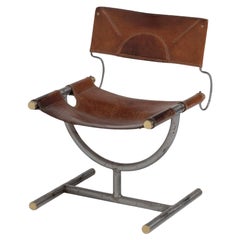
Tobia Scarpa ‘Benetton’ Chair, Italy, 1980s
By Afra
Tobia Scarpa
Located in Aartselaar, BE
Rare, Afra, Scarpa, italian, 1980s, leather, patina, collector's item
Designed in 1985 for the Benetton office by the iconic Italian architects Afra & Tobia Scarpa, this chair is a ...
Category
1980s Italian Post-Modern Vintage Belgium - Furniture
Materials
Brass, Steel
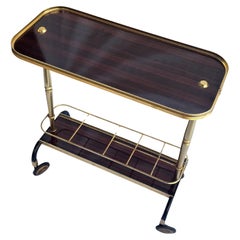
Mid-Century Brass Bar Cart Trolley By MB Italy
By Ico Parisi, MB Italy
Located in Torquay, GB
Vintage 1960s bar cart trolley by MB Italy, attributed to Ico Parisi.
Consist of a rosewood veneered top and base with a midsection compartment for wine glass and bottles.
Glides on ...
Category
Mid-20th Century Italian Mid-Century Modern Belgium - Furniture
Materials
Aluminum, Brass
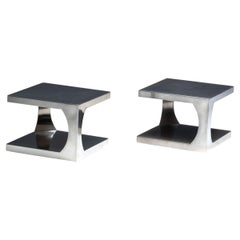
Modernist Aluminum Side Tables, Italy, 1970s
Located in Antwerp, BE
1970s sculptural modernist aluminum side tables featuring a bold open-frame design and softly curved interior cutouts. Crafted from solid aluminum, they offer a refined brushed finis...
Category
1970s Italian Mid-Century Modern Vintage Belgium - Furniture
Materials
Aluminum
$4,100 / item
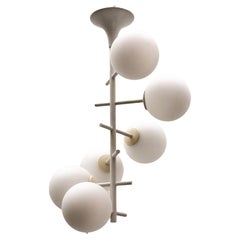
Large Kaiser Sputnik White Opal Glass Globes Chandelier, Germany, 1960s
By Kaiser and Co
Located in Antwerp, BE
Rare Sputnik chandelier with six handmade glass globes by Kaiser Leuchten, Germany, 1960s.
Category
1960s German Mid-Century Modern Vintage Belgium - Furniture
Materials
Metal
$2,353 Sale Price
20% Off
Giulia Mangani for Oggetti Porcelain Sculpture of Fish Lamp - circa 1980
Located in Linkebeek, BE
"GIULIA MANGANI Firenze - PORCELLANE D'ARTE"
Hollywood Regency - 1980s - Italian Porcelain
Lamp sold without lampshade
Measures : 35:20cm H:66cm
Material : Metal - Porcelain - lamin...
Category
Late 20th Century Italian Hollywood Regency Belgium - Furniture
Materials
Chrome

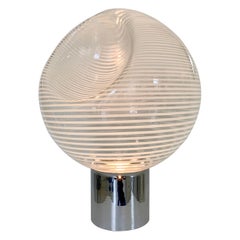
Vistosi Rare Murano Glass Table Lamp, Corba model, circa 1960, Italy.
By Gino Vistosi
Located in Brussels, BE
Beautiful Vistosi Corba model table lamp, circa 1960, Italy.
Murano stripped glass, chromed metal.
Dimensions: 60 cm H, 45 cm diameter.
One bulb lamp E...
Category
1960s Italian Mid-Century Modern Vintage Belgium - Furniture
Materials
Metal
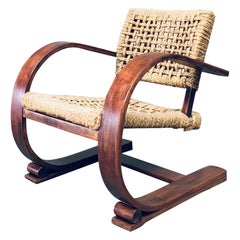
Audoux Minet Rope lounge Chair for Vibo Vesoul, France 1930
s
By Adrien Audoux and Frida Minnet
Located in Oud-Turnhout, VAN
Vintage Mediterranean Design Rope Lounge Chair. Designed by Adrien Audoux & Frida Minet for Vibo Vesoul. Made in France, 1930's / 40's period. Curved bentwood darker stained wooden f...
Category
1930s French Bauhaus Vintage Belgium - Furniture
Materials
Rope, Wood
$4,323 Sale Price
20% Off
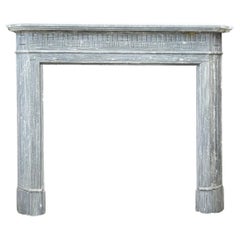
Half-moon Louis XVI Style Fireplace In Turquin Blue Marble Circa 1900
Located in Honnelles, WHT
Louis XVI style half-moon fireplace in turquin blue marble
Hearth dimensions: 94 x 96 cm
Category
Early 20th Century French Louis XVI Belgium - Furniture
Materials
Marble
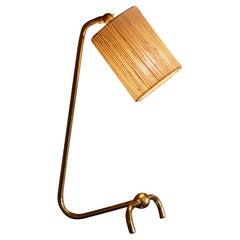
Elegant Mid Century Table Lamp in Brass 1960s
Located in Meer, VAN
Elegant Mid Century Table Lamp in Brass, Europe, 1960s.
Very elegant mid century table lamp in patinated brass with original shade. Great and distinct design with two feet and a res...
Category
Mid-20th Century European Mid-Century Modern Belgium - Furniture
Materials
Brass
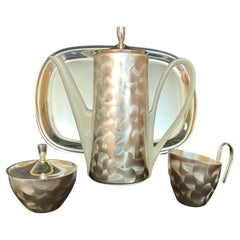
Vintage Coffee/Tea Set Porcelain Teapot, Creamer, Sugar Bowl
Tray Bmf Bavaria
Located in Bastogne, BE
Elegant New Metal Coffee/Tea Set.
Porcelain Teapot, Creamer, Sugar Bowl & Tray By BMF Bavaria, Germany, 1970.
Coffee Pot With removable thermal hood to keep warm insulated wit...
Category
1980s German Vintage Belgium - Furniture
Materials
Metal
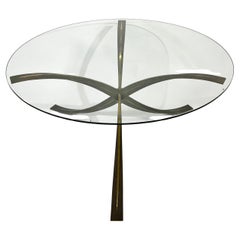
Dining Table By Michel Mangematin
By Michel Mangematin
Located in Brussels, BE
Rare 1960's Bronze Dining / center table by Michel Mangematin.
The 140cm diameter Bronzed spider form table base has a beautiful patina and is shown with a
150cm diameter glass top w...
Category
1970s French Mid-Century Modern Vintage Belgium - Furniture
Materials
Bronze
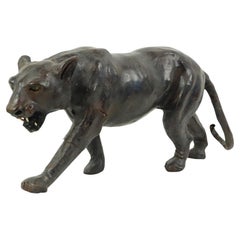
Mid Century Leather Panther Statue Liberty of London 43cm
By Liberty of London
Located in Poperinge, BE
Beautiful and rare mid century panther statue made of papier maché, filled with straw and covered with black leather, yellow glass eyes and white plasti...
Category
Mid-20th Century European Belgium - Furniture
Materials
Leather
Antique Bergère Style Sofa in Wood, Cane and Ochre Yellow Fabric
Located in Meer, VAN
Antique Bergère Style Sofa in Wood, Cane and Ochre Yellow Fabric
A Bergère-style two-seater with ochre upholstery. Europe, late 19th century / early 20th century.
Compact two-seate...
Category
Late 19th Century European Arts and Crafts Antique Belgium - Furniture
Materials
Fabric, Cane, Wood

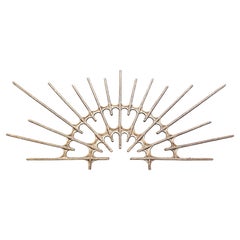
Large burtalist wal sculpture, 1970s
Located in Leuven, Vlaams Gewest
Architectural brutalist wall mounted sculpture made from cast metal.
Imposing wall sculpture
1970s - Belgium
Height: 85cm
Width: 185cm
Ref.: 2508120401
*All images are always pa...
Category
1970s German Brutalist Vintage Belgium - Furniture
Materials
Metal
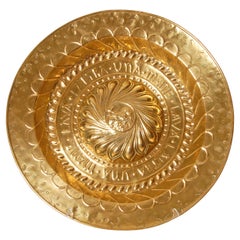
18th Century Alms Dish Lamb of God Italian Basin Bowl Brass Large
By Jacques Adnet
Located in Wommelgem, VAN
18th century large Alms dish of gold shiny brass depicting Lamb of God metaphor.
In the center the Lamb of God set within a raised foliate boss and hatched band,
The raised centre, ...
Category
18th Century Renaissance Revival Antique Belgium - Furniture
Materials
Brass
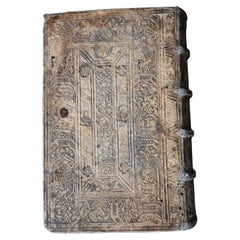
D. Ioannis Chrysostomi Archiepiscopi Constantinopolitani 1556
Located in Bilzen, BE
D. Ioannis Chrysostomi archiepiscopi Constantinopolitani Enarrationes in divi Pauli epistolas, ad Timotheum II., Titum, Philemonem, & HebræosD.IOANNIS CHRYSOSTOMI ARCHEPISCOPI CONSTA...
Category
16th Century Belgian Renaissance Antique Belgium - Furniture
Materials
Paper
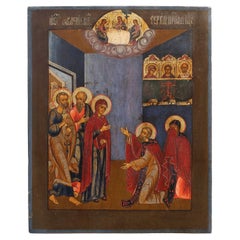
19th Century Traditional oak Religious Icon Saint Healing a Sick Person, 1800s
Located in Meulebeke, BE
Russia / 19th century / Religious Icon / oak / Baroque / Antique
Traditional antique Russian Icon from the estate of a collector. Hand painted in tempura on an oak wooden panel in t...
Category
Early 19th Century Russian Baroque Antique Belgium - Furniture
Materials
Oak
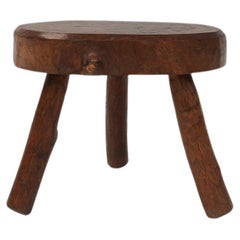
Rustic wooden stool Ca.1935
Located in Meulebeke, BE
Small wooden stool made of a solid piece of tree.
Has a rustic and Wabi-Sabi look.
Category
1930s Belgian Rustic Vintage Belgium - Furniture
Materials
Wood
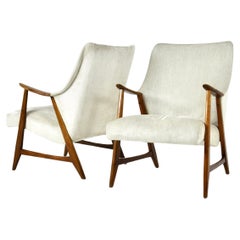
Pair of Scandinavian Armchairs, 1960s
Located in bruxelles, BE
Pair of armchairs in wood and cream-colored fabric. Seat height: 40 cm. Wear due to time and age.
For shipping, request us for receive the best price.
Category
1960s Danish Mid-Century Modern Vintage Belgium - Furniture
Materials
Fabric, Wood
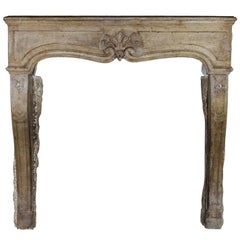
$3,722 / set
18th Century Original Antique Fireplace Mantel in Hard Stone
Located in Beervelde, BE
Museum quality and impressive hard stone fireplace surround from the end of the Louis XIV period with warm and nice patina.
Measures:
155 cm EW 61.02".
124 cm EW+ 48.81"...
Category
Early 18th Century French Louis XIV Antique Belgium - Furniture
Materials
Stone
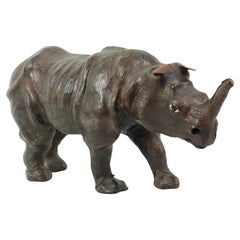
Mid Century Leather Rhino Statue Liberty of London 41cm
By Liberty of London
Located in Poperinge, BE
Beautiful and rare mid century rhino statue made of papier maché, filled with straw and covered with brown leather, glass eyes, completely in the style of Liberty of London, circa 19...
Category
Mid-20th Century European Belgium - Furniture
Materials
Leather
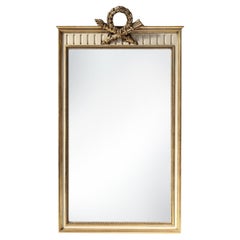
French gild and creme framed Louis Philippe style mirror
Located in Meulebeke, BE
France / 1950 / Mirror / wood / Louis Philippe / Vintage / Mid-century
Elegant Louis Philippe style mirror designed the 21th century in France. This beautifully crafted rectangle wa...
Category
21st Century and Contemporary French Louis Philippe Belgium - Furniture
Materials
Mirror, Wood
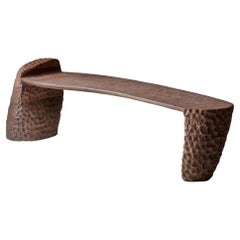
Contemporary Fracé wood Sit pause feel bench by Benoit Viaene
Located in 1204, CH
Benoit Viaene is originally from Kortrijk and now works and lives in Ghent. He is a graduated Architect of the Henry Van de Velde Institute in Antwerp and
has over 15 years of experi...
Category
2010s Belgian Belgium - Furniture
Materials
Stone
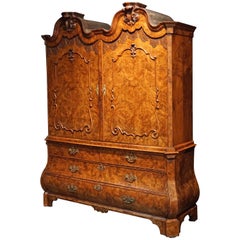
Fine Dutch Baroque Double Domed Walnut Cabinet
Located in Antwerp, BE
A very fine and rare burr walnut and walnut double domed cupboard; Holland, circa 1700.
Resting on bracket feet, the base has two large drawers a pair of half - width drawers, protruding on the bottom and inlaid with cross banded geometric ornament. The doors have elegant protruding curly serpentine - shaped walnut ornament and are topped with finely carved low - relief walnut lambrequins in the Régence style under the double domed cornice.
Each dome has an elegant molding transforming in its centre into a richly carved bracket.
Together with the flat - topped corners and centre, these were meant to support a Chinese porcelain or Delft glazed earthenware set of 5 blue - and -white vases, called a ' kaststel ' in Dutch.
The interior is typically executed in oak, with three interior drawers and shelves behind the cupboard doors.
As was often the case, the bronze handles and keyholes were replaced later in the 18th century by more contemporary Louis XVI models. The interior drawers however, where it was not felt important as they were invisible when the doors were closed, still keep their original handles.
The double dome is a rare feature in Dutch walnut cabinets...
Category
Early 18th Century Dutch William and Mary Antique Belgium - Furniture
Materials
Brass
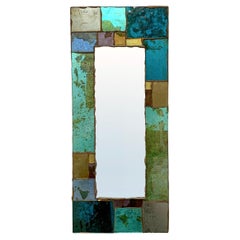
Mid-Century Decorative Colored Glass Mosaic Mirror, circa 1970, France.
By Mithé Espelt
Located in Brussels, BE
Highly decorative rectangular wall mirror, circa 1970, France.
Mosaic of colored glass worked with gold and silver leaf.
Subtle tones of blue, green, ochre and purple.
Dimensions: 56...
Category
1970s French Mid-Century Modern Vintage Belgium - Furniture
Materials
Gold Leaf, Silver Leaf
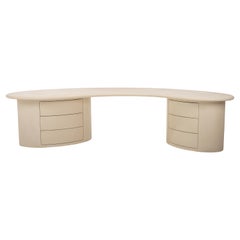
Contemporary Organic Natural Plaster Desk 250cm by Isabelle Beaumont
Located in Ranst, BE
A contemporary Belgian design, handcrafted in natural plaster with a textured, earthy character. The surface is stain-resistant, easy to maintain, and pleasantly soft to the touch, u...
Category
2010s Belgian Minimalist Belgium - Furniture
Materials
Concrete, Cement, Composition, Limestone, Stainless Steel
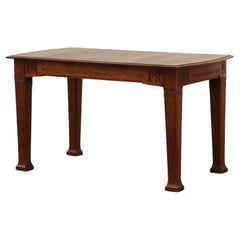
Oak Art Deco dining table with carved frieze, France 1920s
Located in Meulebeke, BE
France / 1920 / Dining Table / Oak / Art Deco
A rectangular dining table in full oak with carved designs on the frieze and a top with rounded corners. The design in Art Deco style e...
Category
Early 20th Century French Art Deco Belgium - Furniture
Materials
Oak
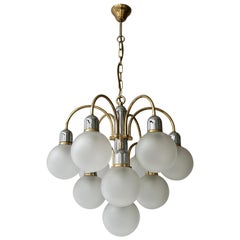
Murano Glass and Brass Chandelier
Located in Antwerp, BE
A Italian chandelier in brass with ten arms of which each hold a Murano glass sphere. The bulbs are divided over three levels, creating an extravagant look.
The light created by th...
Category
Mid-20th Century Italian Hollywood Regency Belgium - Furniture
Materials
Brass, Chrome
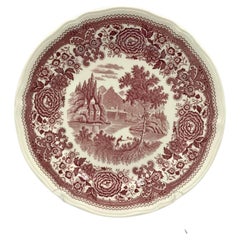
Villeroy
Boch Porcelain Dinner Plates, Burgenland Series, Germany
By Villeroy
Boch
Located in Bastogne, BE
Villeroy & Boch Red Burgenland.
Villeroy and Boch Dinner Plates.
In excellent condition, no chips, cracks or crazing.
Burgenland is one of Villeroy & Boch’s most iconic pa...
Category
1980s German Mid-Century Modern Vintage Belgium - Furniture
Materials
Porcelain
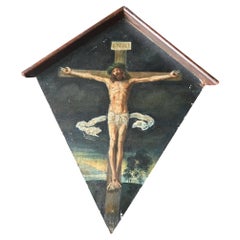
Antique Devotional Painting – Crucifixion Of Christ, Anton Brugger, Munich
Located in Bilzen, BE
"Antique Devotional Painting – Crucifixion Of Christ, (workshop/distribution Anton Brugger)"
Antique Devotional Painting – Crucifixion of Christ
Hand-painted on oak panel, Munich, la...
Category
Late 19th Century German Baroque Antique Belgium - Furniture
Materials
Wood
Pair Søholm ceramics lamps H44 cm, made in Denmark 1960
s
By Søholm Stentøj
Located in Forest, BE
Pair of Søholm ceramics table lamps made of clay with various shades of brown / orange. This is a very elegant pair of table lamps. We have replaced the shades by new handmade Belgia...
Category
1960s Danish Scandinavian Modern Vintage Belgium - Furniture
Materials
Clay, Cotton
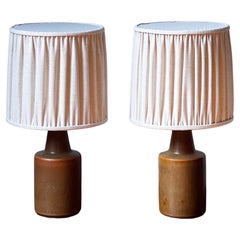
$6,244 Sale Price / set
20% Off
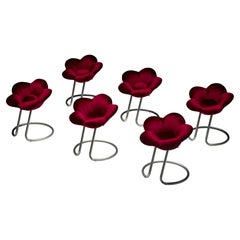
Soshun Flower Stools by Masanori Umeda for Edra, Italy, 1990s
By Edra, Masanori Umeda
Located in Antwerp, BE
Striking 'Soshun' flower stools by Masanori Umeda for Edra, Italy, 1990s. Designed as sculptural blossoms, each stool features a velvet seat in deep crimson, evoking the softness and...
Category
1990s Italian Space Age Belgium - Furniture
Materials
Metal
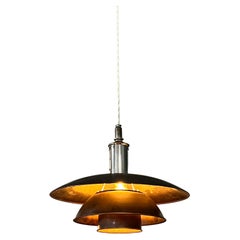
Hanging copper Poul Henningsen PH4/4 1930
s original Louis Poulsen Denmark Rare
By Poul Henningsen, Louis Poulsen
Located in Forest, BE
Spectacular copper and brass nickeled suspension lamp made in the 1930s at the famous Louis Poulsen factory. The lamp come in few parts which includes 3 copper shades. Easy to fix install. The lamp remain in excellent condition and is ready to be used as she got a new cable in cotton. You can see lots of patina and traces of time. It becomes really hard to find a good PH lamps these days.
_____________________________________________________________
Poul Henningsen est le fils illégitime de l'auteure Agnès Henningsen et de l'écrivain satirique Carl Ewald. Il a passé une enfance heureuse dans une maison moderne qui a été souvent visitée par les intellectuels de la région. Entre 1911 et 1917, Poul Henningsen suit une formation d’architecte sans pourtant en obtenir le diplôme.
Durant les années 1920, Poul Henningsen a fait sa percée littéraire. Il a édité la revue Kritisk Revy (1926-1928, "Examen critique») dans laquelle lui et ses collègues méprisent le style ancien et le conservatisme culturel, reliant ainsi les thématiques politiques de l'époque . En même temps, il débute comme écrivain pour une revue sur les bienfaits d'une vie simple, en harmonie avec la nature et une sexualité plus libre . Il était l'homme qui a fait des revues danoises des armes politiques au service de aile gauche sans abandonner son caractère de divertissement (la soi-disant PH-revues 1929-1932).
En 1933, il édita son ouvrage le plus célèbre Hvad med Kulturen? ("Qu'en est-il de la culture ?") Une critique polémique, audacieuse et urgente de la vie culturelle danoise avec son snobisme et sa nostalgie du passé, en dépit de tous les efforts de la percée du modernisme. Il a essayé de faire un parallèle entre la pruderie, moralisateurs et penchants fascistes; il a également accusé les sociaux-démocrates de manquer d'une ligne culturelle ferme et conséquente. Ce livre ainsi que ses activités dans son ensemble lui ont donné une réputation de semi-communiste ("compagnon de route"). Dans cette période, il se tenait en fait proche des communistes sans les rejoindre. Il a participé à la propagande anti-fasciste, en essayant toujours de faire des connexions entre la culture et la politique.
Parmi ses autres initiatives durant cette période, il y a eu Danmarksfilmen en 1935, (en français : Le Film du Danemark) aussi connu comme Danmarksfilm PH. C'est un film sans prétention et non traditionnel dépeignant la vie contemporaine dans le Danemark d'une manière vivante et un peu irrespectueuse dans lequel les visuels sont saccadés par les rythmes de jazz. Il a été condamné et déchiré par la plupart des critiques, mais il est plus tard réhabilité et est devenu l'un des classiques des films documentaires danois. Il a également écrit des manuscrits de films.
Pendant la Seconde Guerre mondiale et l'Occupation allemande du Danemark il a gardé un profil bas et s'est enfui vers la Suède en 1943. Après la guerre, il s'est dissocié du communisme qui lui reprochant son humanitarisme de façade dans son attitude lors de l'accord conclu avec les nazis ainsi que pour son scepticisme croissant au sujet de l'Union soviétique et à bien des égards, il a été isolé. Cependant, il a continué à écrire et à débattre, et au cours des années 1960, la nouvelle génération à de nombreux égards a fait de lui une sorte de gourou. Dans ses dernières années, il est devenu un membre de l'Académie danoise et a soutenu le nouveau mouvement des consommateurs.
À bien des égards, Poul Henningsen est l'homme qui a achevé les travaux de Georg Brandes...
Category
1930s Danish Scandinavian Modern Vintage Belgium - Furniture
Materials
Brass, Copper, Nickel
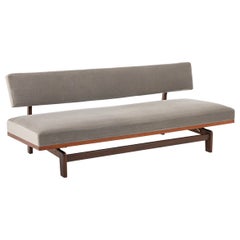
Model 470
Daybed sofa by Hans Bellmann for Wilkhahn, Germany 1960s
By Hans Bellmann, Wilkhahn
Located in Ranst, VAN
'Model 470' sofa/daybed designed by Hans Bellmann for Wilkhahn, Germany 1960s. The sofa is made of teak and and has a grey velvet upholstery. The daybed is adjustable in two position...
Category
1960s German Scandinavian Modern Vintage Belgium - Furniture
Materials
Teak
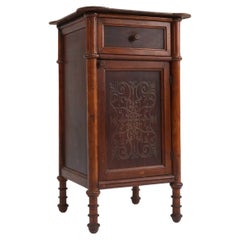
Art Deco Nightstand, Ca.1930
Located in Meulebeke, BE
Art Deco nightstand made in Belgium around 1930.
Has some nice sculptural details in the door. Also the legs are beautiful and typical for the Art Deco period.
Category
1930s Belgian Art Deco Vintage Belgium - Furniture
Materials
Wood
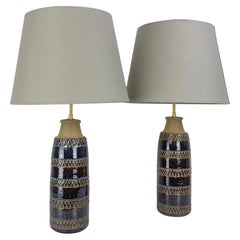
Pair tall Søholm Stentøj Stoneware table lamps Erling Mortensen Denmark 1960
By Soholm Pottery, Einar Johansen, Maria Philippi, Gunnar Nylund, Nils Kähler
Located in Brussels, Brussels
Pair of tall Danish Mid-Century stoneware table lamps of the 1960-70s.
The bottom part of the lamps is glazed in a dark reddish brown with blue and ochre accents, decorated with...
Category
Late 20th Century Danish Scandinavian Modern Belgium - Furniture
Materials
Brass
$2,834 Sale Price / set
20% Off
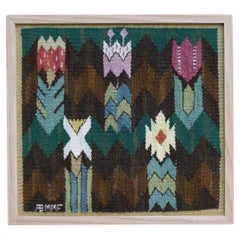
Vintage Märta Måås-Fjetterström Clog Tapestry, 1940
s
By Märta Måås-Fjetterström AB 1
Located in Uccle, BE
"Clog," created by Märta Måås-Fjetterström, is a beautifully handwoven flatweave tapestry from Sweden. Handmade in wool using a wool warp, it has framed dimensions of H38 x W40.5 x D...
Category
Mid-20th Century Swedish Scandinavian Modern Belgium - Furniture
Materials
Wool, Oak
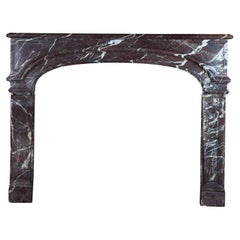
Authentic French Rouge Griotte Marble Fireplace Surround
Located in Beervelde, BE
A beautiful French Louis XIV period, 18th century, original mantle piece in Rouge Griotte marble.
The marble was used in lots of historical landmarks in...
Category
18th Century French Louis XIV Antique Belgium - Furniture
Materials
Griotte Marble
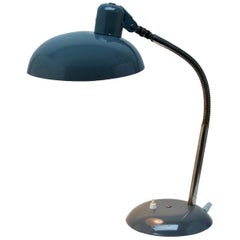
Vintage Gray Adjustable Desk/Side Table Lamp by Sis, 1950s
By SIS
Located in Verviers, BE
Classic compact design, this adjustable spotlight desk lamp was produced by SIS, Germany, 1950's
The Stand is metal and the flexible arm has brass patina, the lamp is in good condit...
Category
1950s German Mid-Century Modern Vintage Belgium - Furniture
Materials
Metal, Brass
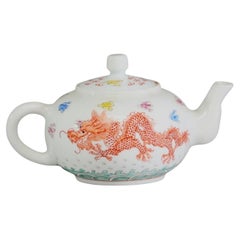
Chinese Guanxu Porcelain Teapot Marked And from the period (1875-1908)
Located in Bilzen, BE
Antique Chinese porcelain teapot with fine hand-painted decoration, 6-character mark of Guangxu from the period (1875-1908)
Perfect condition, no chips, cracks or other defects
Tota...
Category
Late 19th Century Chinese Qing Antique Belgium - Furniture
Materials
Porcelain
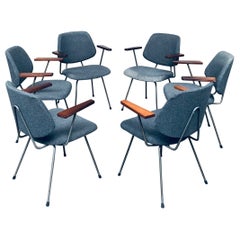
Midcentury Modern Design Office Chair set by Wim Rietveld for Kembo, 1950
s
By Gispen Kembo
Located in Oud-Turnhout, VAN
Vintage Midcentury Modern Dutch Design Office Arm Chair set of 6 by Wim Rietveld for Kembo. Made in the Netherlands, 1950's period. Industrial design board room chairs with grey blue...
Category
1950s Dutch Mid-Century Modern Vintage Belgium - Furniture
Materials
Metal
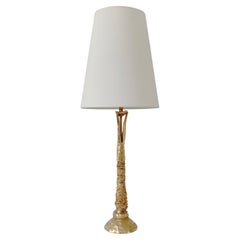
$3,266 Sale Price / set
20% Off
Bronze Table Lamp by Pierre Casenove for Fondica, Stamped, circa 1990, France
By Pierre Casenove
Located in Brussels, BE
Sculptural table lamp by Pierre Casenove for Fondica, circa 1990, France.
Gilt bronze, new fabric shade.
Stamped Casenove Fondica France 94.
Nice model, rewired.
Dimensions: total he...
Category
1990s French Mid-Century Modern Belgium - Furniture
Materials
Bronze
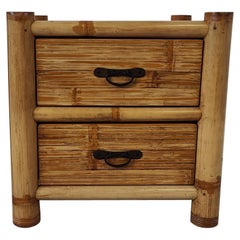
Bamboo bedside cabinet, 1970s
Located in Leuven, Vlaams Gewest
Elegant two drawer bamboo bedside cabinet.
1970s - France
Dimensions:
Height: 47cm/18.50"
Width: 60cm/23.62"
Depth: 40cm/15.74"
Ref.: 882092
Category
1970s French Bohemian Vintage Belgium - Furniture
Materials
Bamboo
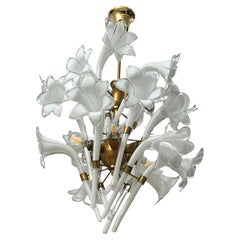
Franco Luce Murano Glass Lily Petals Chandelier, Mid-Century Modern
By Franco Luce
Located in Torquay, GB
Mid-Century Murano glass chandelier by Franco Luce circa 1970s.
Exquisite white glass chandelier.
Consists of 18 Murano blown glass Lily flutes suspended on gilt metal skeletal Will ...
Category
Mid-20th Century Italian Mid-Century Modern Belgium - Furniture
Materials
Metal
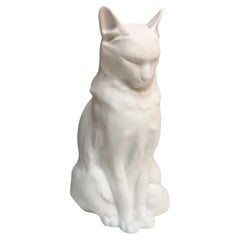
Bisquit Porcelain Sculpture "Cat No. 2" by Edouard-Marcel Sandoz, 1920s
By Edouard-Marcel Sandoz
Located in Brussels, BE
Bisquit Porcelain Sculpture "Cat No. 2" by Edouard-Marcel Sandoz, 1920s
Category
1920s Swiss Art Nouveau Vintage Belgium - Furniture
Materials
Porcelain
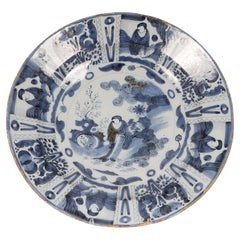
17th Century Delft Plate Chinoiserie Wanli Style Blue and White Delftware Charge
By AK Dutch Delftware, Delft, Royal Delft
Located in Wommelgem, VAN
Large 17th Century Delft dish Chinoiserie blue and white Delftware Charger
Material: Delft, earthenware, pottery.
Design: Ming Dynasty, Wanli style, Chinoiserie
Style: Ming, William ...
Category
17th Century Dutch Baroque Antique Belgium - Furniture
Materials
Earthenware, Delft
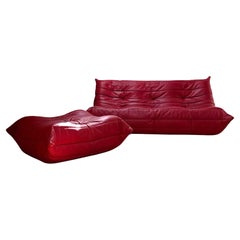
Red Leather Togo 3 seaters Sofa and its ottoman by Ligne Roset, 1970s
By Michel Ducaroy, Ligne Roset
Located in Tourinnes-la-Grosse (Beauvechain), BE
One magnificent set of a red leather Togo sofa and its ottoman, from the 1970s. The perfect choice for those seeking a sharp, timeless, and comfortable design piece. It will remain o...
Category
1970s French Vintage Belgium - Furniture
Materials
Leather
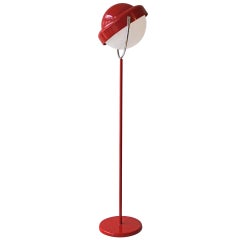
Floor Lamp by Uno Dahlen for Aneta, Sweden
By Uno Dahlen, Aneta
Located in Antwerp, BE
Floor lamp by Uno Dahlen for Aneta.
In red lacquer metal and plastic shade.
Original tag, Sweden, 1960s.
Category
Mid-20th Century Swedish Mid-Century Modern Belgium - Furniture
Materials
Metal
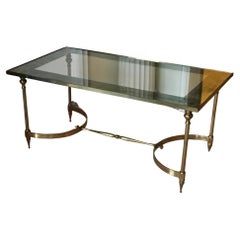
Neoclassical Brass Table with a Glass and Mirror Top by Maison Jansen, France
By Maison Jansen
Located in Brussels, BE
Elegant neoclassical brass table, glass top with an aged mirror border.
By Maison Jansen France 1960.
Category
1960s French Neoclassical Vintage Belgium - Furniture
Materials
Brass
$912 Sale Price
20% Off
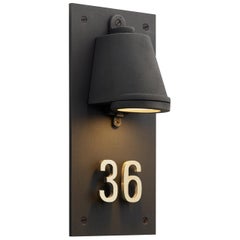
Tekna Spreaderlight 230V LED Rough Dark Bronze Wall Light with House Number
By Tekna
Located in New York, NY
Wall light in sand casted brass with frosted glass. Wall plate with max. Three numbers included, in rough dark bronze or rough aluminium. The housenumb...
Category
21st Century and Contemporary Belgian Modern Belgium - Furniture
Materials
Brass
Model 925 Lounge Chairs by Afra
Tobia Scarpa for Cassina, 1970s, set of 2
By Afra
Tobia Scarpa, Cassina
Located in bruxelles, BE
Set of 2 Dark Brown leather and wood chairs designed by Afra & Tobia Scarpa. Modèle: 925. Stamped Cassina. Seat height 37 cm. Wear due to time and age.
FOR SHIPPING, REQUEST US FOR ...
Category
1970s Italian Mid-Century Modern Vintage Belgium - Furniture
Materials
Leather, Wood
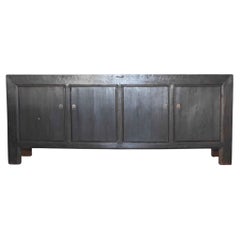
Antique Four-Door Sideboard in Blackened Elm, Shanxi, China, circa 1930s
Located in Amsterdam, NL
Crafted in Shanxi province over 90 years ago, this understated four-door sideboard embodies the quiet elegance of northern Chinese carpentry.
Made from old elm wood and finished in...
Category
Early 20th Century Minimalist Belgium - Furniture
Materials
Elm
Still Thinking About These?
All Recently ViewedMore Ways To Browse
Chinese Stoneware Jar
Chinoiserie Turquoise
Clock Heart
Clocks 3 Piece Set
Cobalt Blue Dish
Comedy And Tragedy Mask
Compote Vase
Concrete Head
Conservatory Table
Coral Crab
Cowtan And Tout
Crystal Bowl And Pedestal
Crystal Jar Lid
Cupid Enamelled
Curtis Jere Enamel
Danish Chest Of 6 Drawers
Danish Dog
Dark Glass Bottle