Germany - Figurative Sculptures
to
1
77
26
30
4
18
Overall Width
to
Overall Height
to
2
23
39
91
6
7
2
6
1
1
1
1
2
68
11
8
3
1
1
91
65
62
59
41
30
16
8
5
5
5
5
5
4
3
3
2
2
2
2
129
120
20
14
6
28
19
14
4
4
5,322
3,608
Item Ships From: Germany
Davinci
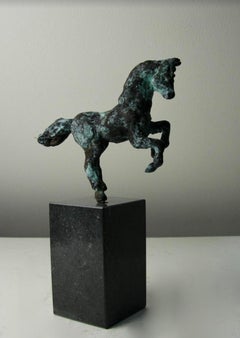
s Horse Rears by Helle Crawford, Bronze sculpture of a horse
By Helle Rask Crawford
Located in DE
Bronze sculpture of a horse that rears on granite base
Category
21st Century and Contemporary Contemporary Germany - Figurative Sculptures
Materials
Granite, Bronze

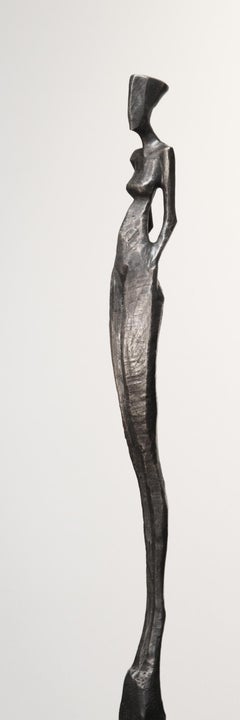
Patricia III by Nando Kallweit. Tall, elegant bronze sculpture of human figure.
By Nando Kallweit
Located in Coltishall, GB
Patricia III is a tall, elegant bronze sculpture of a human figure.
Nando Kallweit is a German sculptor working in bronze and oak. Kallweit carves the original piece from a piece...
Category
21st Century and Contemporary Other Art Style Germany - Figurative Sculptures
Materials
Bronze
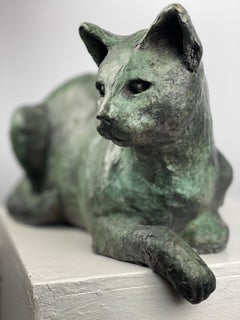
Guardain Cat by Helle Crawford, Contemporary bronze cat animal sculpture
By Helle Rask Crawford
Located in DE
Even though Helle Rask Crawford often refers to classic myths in her sculptures, sh is not a classical sculptor in the neoclassical sense. Rather, Helle Crawford could be defined as ...
Category
2010s Contemporary Germany - Figurative Sculptures
Materials
Gold, Bronze
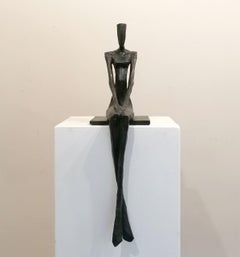
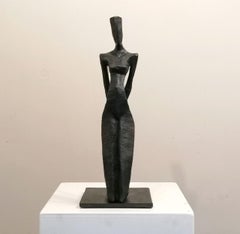
Dorothea by Nando Kallweit. Elegant bronze sculpture of a seated female form
By Nando Kallweit
Located in Coltishall, GB
Dorothea is an elegant figurative bronze sculpture by Nando Kallweit.
An elongated, graceful seated female form.
Modelled on modern postures but with a nod to the importance of herit...
Category
21st Century and Contemporary Other Art Style Germany - Figurative Sculptures
Materials
Bronze
Emile Louis Picault (1833-1915),
Gloria et Fama
Located in Berlin, DE
Bronze
67,5 cm
signed
restored Partina original
Émile Louis Picault (1833–1915) was a French sculptor known for his dynamic bronze works, often depicting mythological, allegorical,...
Category
20th Century Jugendstil Germany - Figurative Sculptures
Materials
Bronze
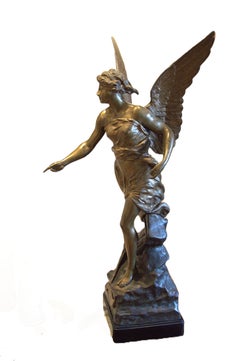
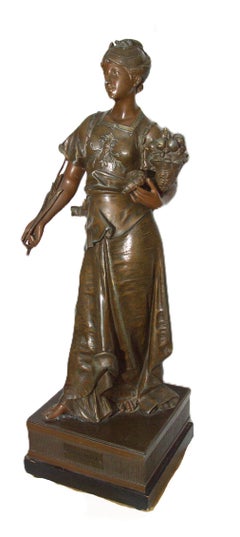
French Art Nouveau Bronze
Located in Berlin, DE
Bronze
72 cm
signed
Height: 72 cm.
Base diameter: approx. 22 cm.
Signed "E. Drouot". Stamped "BD Fondeur, Paris". Plaque engraved "Hebe Par Drouot (Hors Concours)".
Bronze, cast, ...
Category
Late 19th Century Art Nouveau Germany - Figurative Sculptures
Materials
Bronze
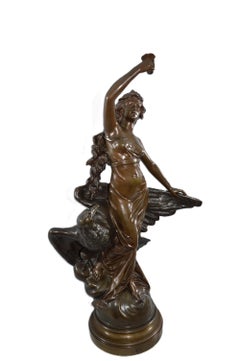
Juggler / - Artistic naturalness -
Located in Berlin, DE
Claire Jeanne Robertine Colinet (1880 Brussels - 1950 Asnières-sur-Seine), Juggler, around 1920. Brownish patinated bronze with gilded balls on a round, multi-profiled stone base (10...
Category
1920s Art Deco Germany - Figurative Sculptures
Materials
Bronze
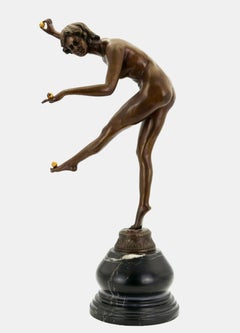
Amazone
By Albert-Ernest Carrier-Belleuse 1
Located in Berlin, DE
ALBERT-ERNEST CARRIER-BELLEUSE
French
1824 - 1887
signed: A. CARRIER
Bronze Marmor
Albert-Ernest Carrier-Belleuse (1824–1887) was a prominent French sculptor of the 19th centur...
Category
1870s Art Nouveau Germany - Figurative Sculptures
Materials
Bronze
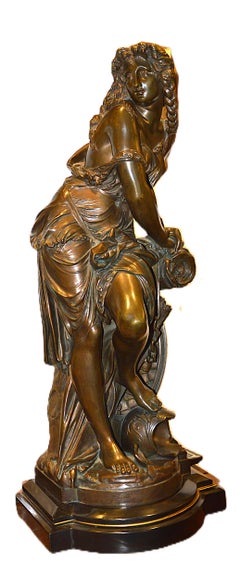
Carlotta by Nando Kallweit. Bronze Sculpture, Edition of 25
By Nando Kallweit
Located in Coltishall, GB
Carlotta is an elegant figurative bronze sculpture of the female form by German sculptor Nando Kallweit.
Modelled on modern youthful postures but with a nod to the importance of her...
Category
21st Century and Contemporary Other Art Style Germany - Figurative Sculptures
Materials
Bronze
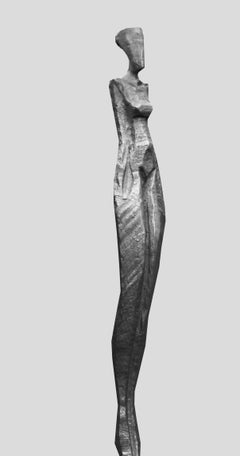
Marie III by Nando Kallweit. Tall, elegant bronze sculpture of human figure.
By Nando Kallweit
Located in Coltishall, GB
Marie III is a tall, elegant bronze sculpture of a human figure.
Nando Kallweit is a German sculptor working in bronze and oak. Kallweit carves the original piece from a piece of...
Category
21st Century and Contemporary Other Art Style Germany - Figurative Sculptures
Materials
Bronze
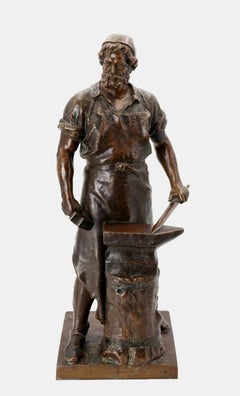
The Blacksmith of Solingen / - The Double-edged Sword -
Located in Berlin, DE
Wilhelm Albermann (1835 Werden an der Ruhr - 1913 Cologne), The Blacksmith of Solingen, after 1895. Bronze-color patinated zinc cast on plinth, 47 cm (height) x 20 cm (width) x 16 cm (depth), weight 5.5 kg. Signed “Albermann.” on the plinth and identified as a cast by “AKT.[TIEN] GES.[ELLSCHAFT] GLADENBECK BERLIN”. Dedication on the front: “Mr. Ing. F. Kuhlmann to the wedding. Management and officials of the Hannoversche Waggonfabrik. Aircraft construction department".
- The zinc showing through in spots, the patina somewhat stained, the right upper arm under the sleeve retouched in black.
- The Double-edged Sword -
The figure is a reduction of Wilhelm Albermann's 1895 fountain figure of the armourer of Solingen, who has always been identified with the historical blacksmith Peter Hahn. In 1839, Karl Simrock wrote the poem “The Blacksmith of Solingen" and thus coined the legendary figure. The first and penultimate verses read:
A blacksmith spoke to Solingen
With every bayonet,
That came to his diligence:
"Oh, that Fritz had it!"
The war took its course,
Many battles were fought,
Which often made him fearful and anxious
In his soul.
The blacksmith had given up his trade to fight for Frederick the Great. Not least because of his strength and will to fight, the battles were won. With his fountain sculpture, Albermann has given the legendary blacksmith a figurative form and at the same time created a landmark for the city of Solingen, which was once famous for the art of sword forging and today still stands for the production of high-quality knives. During the bombing raid in November 1944, the fountain was destroyed along with the entire old town of Solingen. Only the head remained.
The broad-shouldered blacksmith stands securely behind his anvil, his leather apron tied around him, and has just finished a sword blade with his own "weapon" - the blacksmith's hammer. His entire body shows the strength with which he wields the hammer, but also the strain of this activity, as evidenced by the wide open shirt, the somewhat 'untidy' apron, and especially the furrowed face.
However, the blacksmith does not look at the finished work, but resolutely and at the same time thoughtfully into the distance, in line with the quoted verse from Simrock's poem that the battles "often made him fearful and anxious in his soul". There is certainly something melancholy in his gaze, fed by the knowledge of the necessity of forging swords and taking up arms and their deadly use - experiences Albermann had to make during his own war missions. The flowing full beard gives his gaze into the distance an almost prophetic character.
In keeping with the craft of the perfectly formed art of blacksmithing, the detailed casting reproduces the respective materials depicted in perfect form: the leather apron convincingly conveys the impression of leather and lies - also in the back view - like a second formed layer over the body, while the shirt and trousers illustrate their own textile qualities.
Due to its masterful execution and profound content, the “Blacksmith of Solingen”, which has survived in its cast reproductions, remains Albermann's most famous work to this day.
About the artist
The son of a carpenter, Wilhelm Albermann began an apprenticeship as a joiner, but then followed his artistic calling and trained as a sculptor in Elberfeld. In 1855, at the age of twenty, he was drafted into the army in Berlin, where he served until 1857. Albermann attended the Berlin Art Academy on the side and began regular studies after his service. While still a student, he completed commissioned works for his teachers August Fischer and Hugo Hagen. His first independent commissions followed, enabling him to establish a flourishing sculpture studio in Cologne in 1865. His artistic activities were repeatedly interrupted by military service, and he took part in the German-Danish War in 1864, the war against Austria in 1866, and the Franco-Prussian War in 1870/71. After his last war service, Albermann, already a respected artist, founded a commercial drawing school at the request of the city government, where he taught the modeling class and served as director until 1896. In 1890 he also worked for the "Society for the Promotion of Sculpture in the Rhineland and Westphalia".
Albermann was one of the most prolific sculptors in Cologne in the second half of the 19th century. He created numerous monuments, fountains, tomb sculptures, architectural ornaments, and domestic statues. At its peak, his workshop employed up to thirty sculptors and stonemasons at a time.
GERMAN VERSION
Wilhelm Albermann (1835 Werden an der Ruhr - 1913 Köln), Der Schmied von Solingen, nach 1895. Bronzefarben patinierter Zinkguss auf gegossener Plinthe, 47 cm (Höhe) x 20 cm (Breite) x 16 cm (Tiefe), Gewicht 5,5 kg. Auf der Plinthe mit „Albermann.“ signiert und als Guss der „AKT.[TIEN] GES.[ELLSCHAFT] GLADENBECK BERLIN“ ausgewiesen. Schauseitige Widmung: „Herrn Ing. F. Kuhlmann zur Vermählung. Direktion und Beamte der Hannoverschen Waggonfabrik. Abt. Flugzeugbau“.
- Punktuelles Durchscheinen des Zinks, Patina etwas fleckig, der rechte Oberarm unter dem Ärmel schwarz retuschiert.
- Die Zweischneidigkeit des Schwertes -
Die Figur ist eine Reduktion von Wilhelm Albermanns 1895 geschaffener Brunnenfigur des Waffenschmieds von Solingen, der seit jeher mit dem historischen Schmied Peter Hahn identifiziert wurde. 1839 hatte Karl Simrock das Gedicht „Der Schmied von Solingen“ verfasst und damit die legendäre Figur geprägt. Die erste und die vorletzte Strophe lauten:
Zu Solingen sprach ein Schmied
Bei jedem Bajonette,
Das seinem Fleiß geriet:
»Ach, daß der Fritz es hätte!«
Der Krieg ging seinen Gang,
Man schlug noch viele Schlachten,
Die oft ihm angst und bang'
In seiner Seele machten.
Der Schmied hatte sein Handwerk ruhen lassen, um selbst für Friedrich den Großen zu kämpfen. Nicht zuletzt durch seine Kraft und seinen Kampfeswillen verliefen die Schlachten siegreich. Dem legendären Schmied verlieht Albermann mit seiner Brunnenskulptur eine bildliche Gestalt und schuf damit zugleich ein Wahrzeichen der Stadt Solingen, die einst für die Kunst des Schwerterschmiedens berühmt war und bis heute für die Herstellung qualitätvoller Messer einsteht. Beim Bombenangriff im November 1944 wurde mit der gesamten Solinger Altstadt auch der Brunnen zerstört. Einzig der Kopf blieb erhalten.
Mit sicherem Stand und umgebundener Lederschürze steht der breitschultrige Schmied hinter seinem Amboss und hat gerade mit seiner eigenen ‚Waffe‘ – dem Schmiedehammer – eine Schwertklinge fertiggestellt. Seinem gesamten Körper ist die Kraft abzulesen, mit der er den Hammer führt, aber auch die Anstrengung dieser Tätigkeit, wovon das weit geöffnete Hemd, die etwas ‚unordentlich‘ arrangierte Schürze und vor allem das zerfurchte Gesicht zeugen.
Der Schmied schaut aber nicht auf das vollendete Werk, sondern entschlossen und zugleich sinnierend in die Ferne, entsprechend der zitierten Zeile von Simrocks Gedicht, dass die Schlachten „oft ihm angst und bang‘ in seiner Seele machten“. Der Blick hat durchaus etwas Melancholisches, dass sich aus dem Wissen um die Notwendigkeit, Schwerter zu schmieden und zu den Waffen zu greifen und deren tödlichem Einsatz speist – Erfahrungen, die Albermann bei seinen eigenen Kriegseinsätze machen musste. Der wallende Vollbart verleiht dem in die Ferne schauenden Blick einen beinahe prophetischen Charakter.
Dem Handwerk der formvollendenden Schmiedekunst entsprechend, gibt der detaillierte Guss die jeweils dargestellten Materialien in vollendeter Ausformung wieder: Die Lederschürze vermittelt überzeugend den Eindruck des Leders und liegt – auch in der Rückenansicht – wie eine zweite ausgeformte Schicht über dem Körper, während das Hemd und die Hose...
Category
1890s Realist Germany - Figurative Sculptures
Materials
Metal
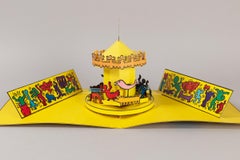
Keith Haring, Luna Luna Karussell, A Poetic Extravaganza! - Pop-Up Multiple
By Keith Haring
Located in Hamburg, DE
Keith Haring 1958–1990
Luna Luna Karussell, A Poetic Extravaganza!, 1986
Medium: Pop-up cardstock multiple (Color offset print on colored cardboard, shaped and carved)
Dimensions unf...
Category
20th Century Pop Art Germany - Figurative Sculptures
Materials
Cardboard, Offset
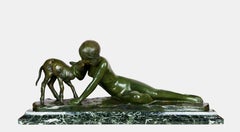
Girl with a Kid / - Caresses of innocence -
By Ary Bitter
Located in Berlin, DE
Ary Bitter (1883 Marseille - 1973 Paris), Girl with Kid, around 1930. Green patinated bronze with cast plinth loosely mounted on a white-veined dark green marble base. Dimensions of the plinth: 5 cm (height) x 80 cm (length) x 24 (width), dimensions of the bronze 28 cm (height) x 72 cm (length) x 18 cm (width). Weight of the bronze 18.2 kg, total weight 39.2 kg. Signed “Ary Bitter.” on the plinth and stamped “L N Paris J L” by the foundry Les Neveux de Jacques Lehmann...
Category
1930s Art Deco Germany - Figurative Sculptures
Materials
Bronze
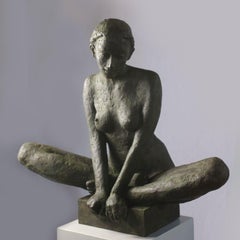
Middle - popular contemporary nude female bronze sculpture in meditative pose
By Susanne Kraisser
Located in Hamburg, DE
"Middle" is a popular free-standing bronze sculpture, suitable both for the inside and outside from established German mid-career sculptress Susanne Kraißer. Edition 18, signed, numb...
Category
21st Century and Contemporary Contemporary Germany - Figurative Sculptures
Materials
Bronze
The Victorious David / - The melancholy of the radiant hero -
Located in Berlin, DE
Henri Honoré Plé (1853 Paris - 1922 Paris), The Victorious David, around1890. Red-brown and brown patinated bronze with terrain plinth mounted on a round base. 42 cm (total height) x...
Category
1890s Realist Germany - Figurative Sculptures
Materials
Bronze

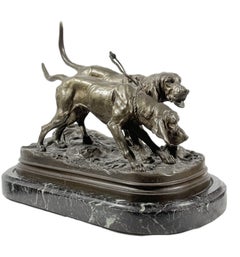
Alfred Dubucand (1828-1894): Two hunting dogs
Located in Berlin, DE
Dubucand Alfred 1828-1894
Two Hunting Dogs, Bronze on a Marble Base
The Bronze with the monogram 'E.V.' and the number '2958'
Two Hunting Dogs, Group Signed Alfred Dubucand, Fren...
Category
Late 19th Century Realist Germany - Figurative Sculptures
Materials
Bronze
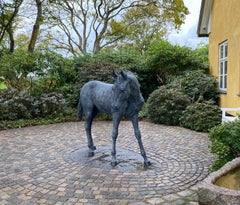
Gloria by Helle Crawford, Contemporary bronze horse animal sculpture
By Helle Rask Crawford
Located in DE
Even though Helle Rask Crawford often refers to classic myths in her sculptures, sh is not a classical sculptor in the neoclassical sense. Rather, Helle Crawford could be defined as ...
Category
2010s Contemporary Germany - Figurative Sculptures
Materials
Gold, Bronze
Mary, Mother Of God Wooden Carved Holy Figure South Tyrol Italy Baroque
Located in Eltville am Rhein, DE
South Tyrolean woodcarver, circa 1760
Wood, painted
Mary, Mother of God, is missing the fingers of her right hand, and the baby Jesus is missing a foot, an arm, and a hand. The origi...
Category
1760s Baroque Germany - Figurative Sculptures
Materials
Wood
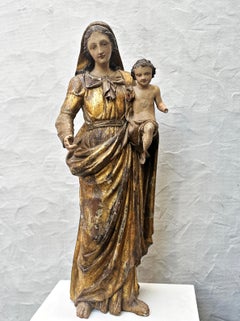
French antique bronze sculpture by Eutrope Bouret
By Eutrope Bouret
Located in Berlin, DE
This is an outstanding bronze statue of Eutrope Bouret, signed on the base, by the very well-known French artist Eutrope Bouret (1833-1906).
French antique bronze sculpture by Eutro...
Category
19th Century Art Nouveau Germany - Figurative Sculptures
Materials
Bronze
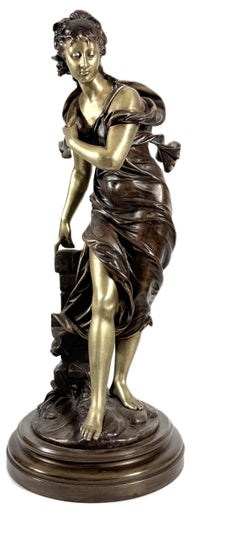
Ai Weiwei, Coca-Cola Glass Vase - Limited Edition Sculpture, Engraved Signature
By Ai Weiwei
Located in Hamburg, DE
Ai Weiwei (Chinese, b. 1957)
Coca-Cola Glass Vase, 2023
Medium: Cast vase in translucent red glass
Dimensions: ⌀ 19 cm x 21 cm x 21.2 cm (7 1/2 × 8 3/10 × 8 3/10 in)
Edition of 300: ...
Category
21st Century and Contemporary Pop Art Germany - Figurative Sculptures
Materials
Glass
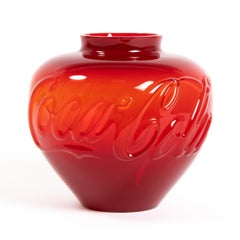
Eileen III by Nando Kallweit. Tall, elegant bronze sculpture of human figure.
By Nando Kallweit
Located in Coltishall, GB
Eileen III is a tall, elegant bronze sculpture of a human figure.
Nando Kallweit is a German sculptor working in bronze and oak. Kallweit carves the original piece from a piece o...
Category
21st Century and Contemporary Other Art Style Germany - Figurative Sculptures
Materials
Bronze
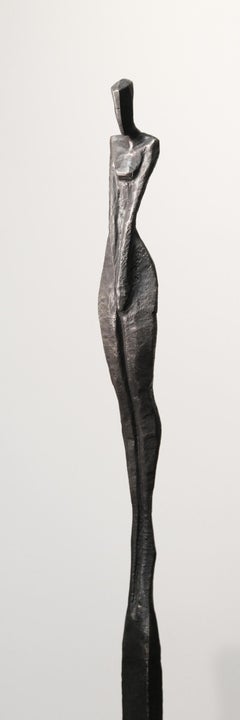
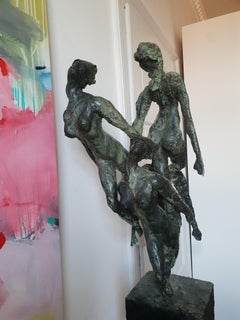
Nymphs by Emmanuel Okoro sculpture of nude female nymphs, black / green patina
By Emmanuel Okoro
Located in DE
Artist: Emmanuel Okoro
Dimensions (HxWxD): 90 × 20 × 20 cm
Materials: Bronze Resin Sculpture with Green Patina
Edition: 5 of 12
Signed on back
Jezebel the Warrior Queen:- I am the...
Category
21st Century and Contemporary Contemporary Germany - Figurative Sculptures
Materials
Bronze
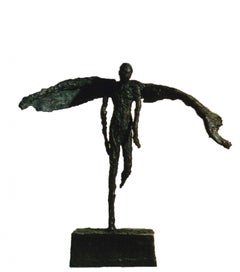
Flight of Fancy - Emmanuel Okoro Bronze Resin sculpture of man with wings/angel
By Emmanuel Okoro
Located in DE
Artist: Emmanuel Okoro
Dimensions (HxWxD): 37 × 33 × 20 cm
Materials: Bronze Resin Sculpture
Edition: 5 of 12
Signed on back
Figurative sculpture of Angel / Man with wings
Okoro pa...
Category
21st Century and Contemporary Contemporary Germany - Figurative Sculptures
Materials
Bronze
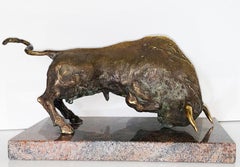
Toro - Bronze sculpture of a bull attacking figurativ artwork by Günay Aliev
Located in Hamburg, DE
"Toro" is a unique bronze scultpure (2024) of Bulgarian mid career artist Günay Aliev. In this scultpure the artist depicts a forceful bull attacking. The bronze comes with a grani...
Category
2010s Contemporary Germany - Figurative Sculptures
Materials
Bronze
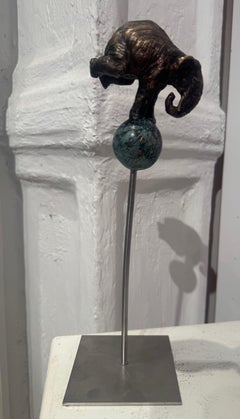
Elefant on Ball bronze figurative animal sculpture of circus scene by Rolf Knie
By Rolf Knie
Located in Hamburg, DE
"Elephant on Ball" is a bronze sculpture by famous Swiss artist Rolf Knie. The work is an original bronze sculpture in an edition of 25, on a metal pedestal (29x10 x10 cm). It depi...
Category
2010s Pop Art Germany - Figurative Sculptures
Materials
Bronze
The Victorious David / - The melancholy of the radiant hero -
Located in Berlin, DE
Henri Honoré Plé (1853 Paris - 1922 Paris), The Victorious David, around 1890. Red-brown and brown patinated bronze with terrain plinth mounted on a round base. 62 cm (total height) ...
Category
1890s Realist Germany - Figurative Sculptures
Materials
Bronze
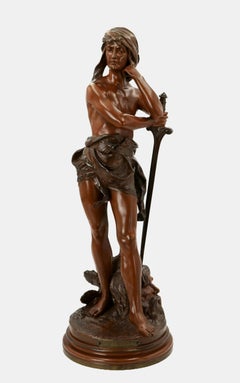
Mary, Mother of God, Italian Master circa 1780, Carved Wood, slightly damaged
Located in Eltville am Rhein, DE
Madonna, Mary Mother of God
Italy, circa 1780
Linden wood, painted/gilded
Dimensions: 80 x 32 x 24 cm
Painting/gilding damaged in places
Authenticity guaranteed in writing
Category
1760s Baroque Germany - Figurative Sculptures
Materials
Wood
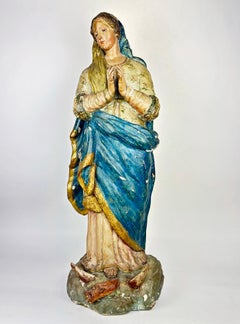
Girl in White Dress - contemporary bronze sculpture female with white dress
By Susanne Kraisser
Located in Hamburg, DE
"Girl in White Dress" is a small, free-standing bronze sculpture of y young woman lying stretched out in a white dress from established mid-career sculptress Susanne Kraißer. Edition...
Category
21st Century and Contemporary Contemporary Germany - Figurative Sculptures
Materials
Bronze
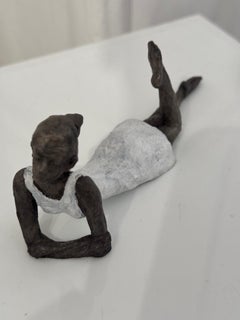
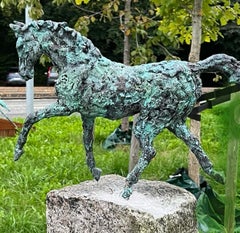
Da Vinci
s Horse Galloping by Helle Crawford, Gold horse animal sculpture
By Helle Rask Crawford
Located in DE
Even though Helle Rask Crawford often refers to classic myths in her sculptures, sh is not a classical sculptor in the neoclassical sense. Rather, Helle Crawford could be defined as ...
Category
2010s Contemporary Germany - Figurative Sculptures
Materials
Gold, Bronze
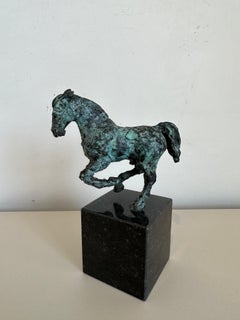
Eugène Laurent (1832-1898), The Beachcomber
Located in Berlin, DE
Eugène Laurent (1832-1898),
The Beachcomber
Inscribed "E. Laurent" on the base plate in the cast.
H 63 cm
Eugène Laurent studied at the École des Beaux-Arts in Paris and was awa...
Category
Early 19th Century Jugendstil Germany - Figurative Sculptures
Materials
Bronze
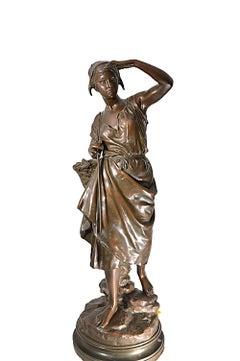
Frog Proposal by Helle Crawford, Bronze sculpture of a horse carrying a woman
By Helle Rask Crawford
Located in DE
Bronze sculpture of a horse carrying lady Godiva
Limited Edition of 8
Category
21st Century and Contemporary Contemporary Germany - Figurative Sculptures
Materials
Bronze, Gold Leaf
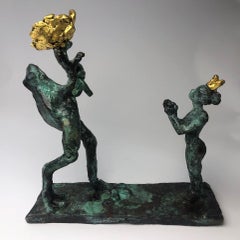
Close to Nature Cacti by Isabel Ritter - Contemporary wood carved sculpture
Located in DE
Hand carved sculpture by artist Isabel Ritter. Beautiful blue wings are carved perfectly. Stunning on a plinth or a shelf.
About the Gallery:
Folly & Muse was established in 2015 in...
Category
21st Century and Contemporary Abstract Germany - Figurative Sculptures
Materials
Wood, Acrylic
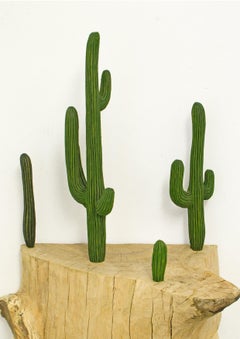
Gladiator ready for battle / - Ready for anything -
By Bruno Zach
Located in Berlin, DE
Bruno Zach (1891 Zhitomir - 1945 Vienna), Gladiator ready for battle, c. 1930. Blackish patinated bronze with silver-plated helmet, shield rim and shield pommel mounted on a fluted m...
Category
1930s Art Deco Germany - Figurative Sculptures
Materials
Bronze

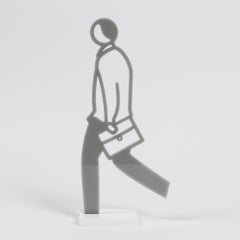
Julian Opie, Male Walker (Grey) - Contemporary Sculpture, British Pop Art
By Julian Opie
Located in Hamburg, DE
Julian Opie (British, b. 1958)
Male Walker - Grey, 2020
Medium: Laser cut acrylic, two-part statuette
Figure measures: 25 x 11.5 x 0.5 cm
Base measures: 7.5 x 5 x 1 cm
Edition size:...
Category
21st Century and Contemporary Pop Art Germany - Figurative Sculptures
Materials
Acrylic Polymer
The golden Horse by Helle Crawford, Contemporary bronze horse animal sculpture
By Helle Rask Crawford
Located in DE
Even though Helle Rask Crawford often refers to classic myths in her sculptures, sh is not a classical sculptor in the neoclassical sense. Rather, Helle Crawford could be defined as ...
Category
2010s Contemporary Germany - Figurative Sculptures
Materials
Gold, Bronze
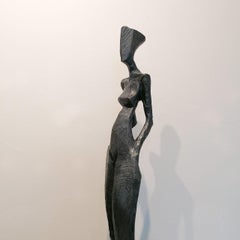
Patricia by Nando Kallweit. Bronze Sculpture, Edition of 25
By Nando Kallweit
Located in Coltishall, GB
Patricia is an elegant figurative sculpture of the female form by Nando Kallweit. Modelled on modern postures but with a nod to the importance of heritage through the stylised Egypt...
Category
21st Century and Contemporary Contemporary Germany - Figurative Sculptures
Materials
Bronze
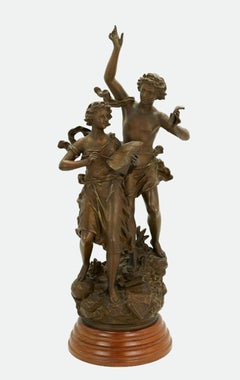
Allegory of Progress / - The Driving Force of Inspiration -
Located in Berlin, DE
Ernest Rancoulet (1842-1918), Allegory of Progress, around 1890. Bronze-plated metal cast with cast terrain plinth mounted on a wooden base (6 cm high). 64.5 cm (total height) x 28 c...
Category
1890s Realist Germany - Figurative Sculptures
Materials
Metal
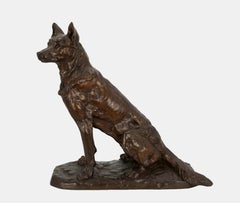
Vigilant Sitting German Shepherd / - The Epitome of the German Shepherd -
Located in Berlin, DE
Albert Pierre LaPlanche (1854 Sainte-Menehould - 1935 Chäteau-Thierry), Vigilant sitting shepherd dog, around 1915. Brown patinated bronze on cast terrain plinth. 45 cm (height) x 45...
Category
1910s Realist Germany - Figurative Sculptures
Materials
Bronze
L
Abondance Art Nouveau
Located in Berlin, DE
Regule / a metal casting alloy
73 cm
signed
Vincent Désiré Faure de Broussé, "L'Abondance", large Art Nouveau sculpture, reguleVincent Désiré Faure de Broussé, 1834 - Paris - 19...
Category
Early 20th Century Jugendstil Germany - Figurative Sculptures
Materials
Other Medium
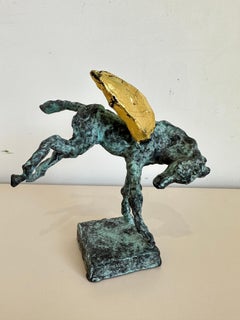
Pegasus Kicking by Helle Crawford, Bronze Gold horse sculpture
By Helle Rask Crawford
Located in DE
Even though Helle Rask Crawford often refers to classic myths in her sculptures, sh is not a classical sculptor in the neoclassical sense. Rather, Helle Crawford could be defined as ...
Category
2010s Contemporary Germany - Figurative Sculptures
Materials
Bronze, Gold
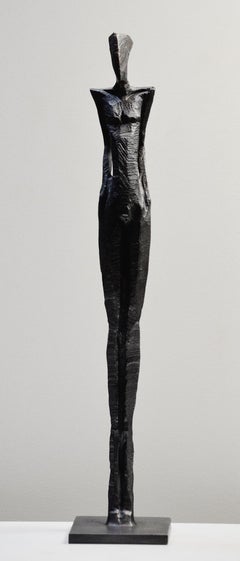
Antonio by Nando Kallweit. Elegant bronze sculpture, Edition of 25
By Nando Kallweit
Located in Coltishall, GB
Antonio is an elegant figurative sculpture of the male form by Nando Kallweit.
Modelled on modern postures but with a nod to the importance of heritage through the stylised Egyptian...
Category
21st Century and Contemporary Contemporary Germany - Figurative Sculptures
Materials
Bronze
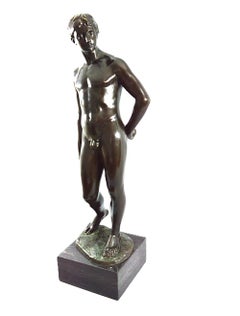
Seifert, Victor Heinrich. 1870 Wien - 1953 Berlin “Young athlete with slingshot”
Located in Berlin, DE
Seifert, Victor Heinrich. 1870 Vienna - 1953 Berlin
"Young Athlete with Slingshot" "David"
Large bronze, dark patinated, signed: Prof. V.H. Seifert
Height: 71.5 cm, approx. 85 cm h...
Category
Early 20th Century Jugendstil Germany - Figurative Sculptures
Materials
Bronze
Marlene III by Nando Kallweit. Tall, elegant bronze sculpture of human figure.
By Nando Kallweit
Located in Coltishall, GB
Marlene III is a tall, elegant bronze sculpture of a human figure.
Nando Kallweit is a German sculptor working in bronze and oak. Kallweit carves the original piece from a piece of oak using a chainsaw. The oak marque is then used to create a cavity in clay and sand into which the bronze is poured. The resultant bronze is particularly organic and tactile. The wood grain is apparent, as are the cut marks where the chainsaw has bitten into the wood.
As a young boy, Kallweit was inspired by the beauty and antiquity of a bust of Nefertiti...
Category
21st Century and Contemporary Other Art Style Germany - Figurative Sculptures
Materials
Bronze
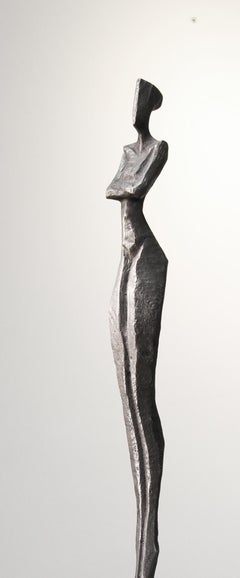
Paul III by Nando Kallweit. Tall, elegant bronze sculpture of human figure.
By Nando Kallweit
Located in Coltishall, GB
Paul III is a tall, elegant bronze sculpture of a human figure.
Nando Kallweit is a German sculptor working in bronze and oak. Kallweit carves the original piece from a piece of ...
Category
21st Century and Contemporary Other Art Style Germany - Figurative Sculptures
Materials
Bronze
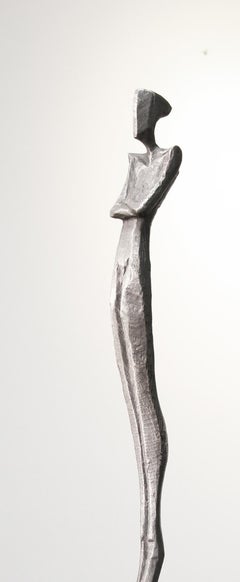
At the Water (Am Wasser) contemporary bronze sculpture, nude female lifted legs
By Susanne Kraisser
Located in Hamburg, DE
"At the Water" is a larger free-standing bronze sculpture, suitable both for the inside and outside. Edition 18, signed, numbered and dated on the bottom. Certificate.
The sculptress Susanne Kraisser is to be considered as part of the great modern figurative tradition. She was born in 1977 in Rosenheim, Southern Germany. She studied both at the Academy of Fine Arts Nuremberg and the University of Arts in Bremen. She graduated with distinction in 2007 in Nuremberg and received her Diploma with distinction in 2008 in Bremen. She has won numerous awards and exhibits nationally as well as internationally.
Artist Statement: For me, sculpture is particularly shape and material, volume and size, space, movement and statics.
I focus on the ‘female body’, presenting it either as an intimate miniature or on a monumental scale – each time as a solitary figure.
In terms of content, my work focuses on identifying and combining polarities, such as instability and strength, fragility and solidity, activity and passivity, movement and statics, balance and volume, and dependence and autarchy.
I work predominantly with the materials bronze, aluminium and wood. The small miniatures are made from wax and are then cast in bronze as part of what is known as the wax smelting process. Large-scale pieces are similarly cast in aluminium or created directly out of wood. The various work processes and tools determine the appearance of the surface; for wax, it’s my hands, and for wood, it’s my chainsaw.
Each material is a new challenge for me. My previous wood-sculpting studies involved respecting the material’s limits to create craft of solid quality in keeping with the material.
But this is where the intense discussion and its limit become clear. I fight with the material, and a lot of things go wrong. It becomes my opponent, whose limits I test out and reset if necessary. Cautious movements requiring a lot of physical tension are maintained without losing their inner dynamics.
Amidst the often harmonious external form is a harsh dissonance evidenced by the rough, fragmented design...
Category
21st Century and Contemporary Contemporary Germany - Figurative Sculptures
Materials
Bronze
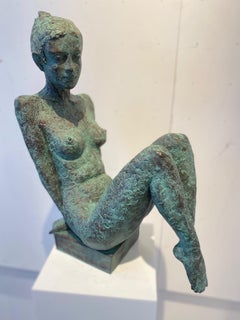
Naked warrior with short sword / - The New Hercules -
Located in Berlin, DE
Hermann Volz (1847 Karlsruhe - 1914 ibid.), Naked warrior with short sword, c. 1935. Partially (?) patinated bronze with cast plinth mounted on a black marble base (6.8 cm high). 32....
Category
1930s Art Deco Germany - Figurative Sculptures
Materials
Bronze
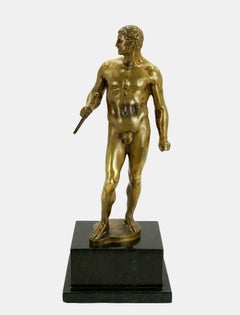
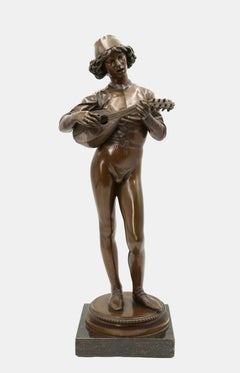
Florentine singer / - The Renaissance of the Renaissance -
By Paul Dubois
Located in Berlin, DE
Paul Dubois (1829 Nogent-sur-Seine - 1905 Paris), Florentine singer, 1865. Light brown patinated bronze with cast round plinth mounted on a square marble base (3.5 cm high). Total height 53 cm. Bronze dimensions: 49.5 cm (height) x 20 cm (length) x 10 cm (width), weight 5.6 kg. Inscribed on the plinth "P.[aul] DUBOIS", dated "1865", with the foundry's mark "F. BARBEDIENNE FONDEUR" and the signet "REDUCTION MECANIQUE A. COLLAS".
- Patina very occasionally darkened, lute with loss of one tuning peg, otherwise in excellent condition.
- The renaissance of the Renaissance -
The bronze is a precisely executed and masterfully cast contemporary reduction of Paul Dubois 155 cm tall masterpiece "Florentine Singer", which is exhibited in the Musée d'Orsay and for which the artist was awarded the Medal of Honor at the Paris Salon in 1865. The work acted as a beacon, and was followed by a plethora of depictions of juveniles.
Inspired by Donatello and Luca della Robbia, but also by painters such as Piero della Francesca, Benozzo Gozzoli, and Pinturicchio, the "Florentine Singer" is not an epigonal work that pays homage to a vanished era, but a successful attempt to draw vitality from the art of the past and thus give it new life.
The effect of vitality is the core of Italian Renaissance art theory. In order to fulfill itself as art, art had to appear like nature. This naturalism also characterizes the "Florentine Singer". The young man appears to have been taken from life, which is reinforced by the momentary nature of his action. He has just struck a now fading chord. In addition, the natural appearance is enhanced by the detailed shaping of the figurative details, such as the laces with the slightly curved leather of the shoes, the belt buckle, or the ornamentation on the body of the lute. Even the fingernails are clearly defined. Unlike the Renaissance, however, the effect of liveliness here is not based on the "discovery" of nature and the human body, but primarily on the rediscovery of the art of the Quattrocento. The liveliness of the artwork is therefore at the same time a revitalization of this art, so that we can speak of a Renaissance of the Renaissance, just as the Pre-Raphaelites in England at the same time transferred the Quattrocento to contemporary art.
Dubois takes on the most difficult of all subjects, the depiction of singing through silent sculpture. He was preceded in this by Luca della Robbia and Donatello with their pulpits of singers created in the 1430s in the Museo dell'Opera del Duomo in Florence. Compared to these works, the physiognomy of Dubois singer is far less animated, yet he also depicts singing in a convincing manner. He uses the whole body. He takes the ancient contrapposto, which was essential to Renaissance sculpture, and transforms the standing leg-playing posture into a late medieval S-swing, giving the body an elegant beauty and at the same time setting it in melodic motion. In the equally elegant finger position, the music is expressed in a much more literal way with the beating of the lute. Finally, the musicality of the sculpture culminates in the face with the mouth open to sing.
Through the act of singing, which is a great challenge to the artistic will to depict perfect beauty, the gracefulness of the classical face is not diminished, but enhanced. Starting from the face with the singing mouth and the gaze absorbed by the sounds, the inner vitality spreads, giving the bronze sculpture an intense aura, enhanced by the music. Dubois transfers the beauty of the Renaissance to the musical, sublimating the visible sculpture to the invisible of music.
He took up the challenge of transcending the Renaissance with the Renaissance, thus responding to the Querelle des Anciens et des Modernes, which arose at the end of the 17th century around the French Academy and remained virulent into the 19th century, in which antiquity was regarded either as an unattainable ideal or as a standard to be surpassed. With his work, Dubois proved that the Renaissance, which had championed the art of the ancients, could lead to a new renaissance of art.
About the artist
Paul Dubois' great-uncle was the famous French Baroque sculptor Jean-Baptiste Pigalle, in whose footsteps the talented great-nephew followed. When he debuted at the Paris Salon in 1858, he signed his work "Dubois-Pigalle". At his father's request, however, he first studied law before devoting himself to sculpture under the tutelage of François Christophe Armand Toussaint in 1856 and entering the École des Beaux-Arts in 1858. From 1859 to 1863, he lived in Rome and traveled to Naples and Florence. Inspired by Florentine art of the quattrocento, Dubois initiated a school-forming neo-Florentine style that combined the elegantly simple forms of youthful grace with a precise wealth of detail.Two purchases by the French state (“envois de Rome”) were made during his stay in Rome, which brought him recognition in Paris. After his return there, he quickly became an internationally sought-after artist.
Dubois was also active as a creator of monuments. His most famous work is the equestrian statue of Joan of Arc (1896) on the forecourt of Reims Cathedral. He was also a sought-after portraitist who produced around 50 busts and - Dubois was also a passionate painter - around 100 portraits in oil.
From 1873 to 1878 he was curator of the Museum du Luxembourg, in 1876 he became a member of the Institut de France and from 1878 to 1905 he was director of the École des Beaux-Arts.
In 1865, Dubois was awarded the Paris Salon Medal of Honor for his “Florentine Singer”. In 1867 he became Chevalier, in 1874 Officier, in 1886 Commandeur of the Légion d'honneur, which awarded Dubois the Grande Croix in 1896.
Selected Bibliography
Stole, Elmar: Paul Dubois. In: Saur. Allgemeines Künstlerlexikon, vol. 30, Munich - Leipzig 2001, pp. 677-678.
GERMAN VERSION
Paul Dubois (1829 Nogent-sur-Seine - 1905 Paris), Florentinischer Sänger, 1865. Hellbraun patinierte Bronze mit gegossener runder Plinthe auf quadratischem Marmorsockel montiert (3,5 cm Höhe). Gesamthöhe 53 cm. Maße der Bronze: 49,5 cm (Höhe) x 20 cm (Länge) x 10 cm (Breite), Gewicht 5,6 kg. Auf der Plinthe mit „P.[aul] DUBOIS“ bezeichnet, auf „1865“ datiert, mit dem Gießereistempel „F. BARBEDIENNE FONDEUR“ und dem Signet „REDUCTION MECANIQUE A. COLLAS“ versehen.
- Patina sehr vereinzelt nachgedunkelt, Laute mit Verlust eines Stimmwirbels, ansonsten ausgezeichnet erhalten.
- Die Renaissance...
Category
1860s Realist Germany - Figurative Sculptures
Materials
Bronze
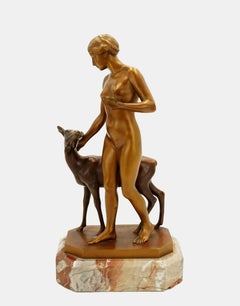
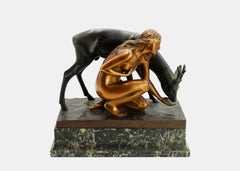
Forest idyll / - Soulmate -
By Rudolf Kaesbach
Located in Berlin, DE
Rudolf Kaesbach (1873 Gladbach - 1955 Berlin), Forest idyll, around 1915. Bronze, gold and golden brown patina, with cast plinth, mounted on a marble base (5 cm high), total height 36 cm, dimensions of the bronze: 31 cm (height) x 17 cm (length) x 12 cm (width). Weight 4,6 kg, signed on the plinth "R.[udolf] KAESBACH".
- a few rubbed areas, overall in excellent condition for its age
- Soulmate -
The bronze sculpture depicts a young woman in an intimate exchange with a deer that accompanies her. The animal pauses to turn toward her, while the nude beauty slows her pace to look into the deer's eyes and tenderly caress it with her hand. The woman and the deer are in inner harmony. Even though her lips remain motionless, she speaks the language of the animal with which she is deeply connected.
The golden patina, which contrasts with the more naturalistic coloring of the deer, gives the young woman the appearance of a saint, even if she cannot be identified as such. At the same time, she evokes memories of Diana, the goddess of the hunt, or a nymph. But she lacks the ferocity. In her innocent naivety, she is more like a vestal virgin, who is not at home in the solitude of the forest. And yet, the young beauty, moving unclothed in the heart of nature, looks like a priestess with her hair tied up and a carefully carried bowl on her way to a sacred grove.
In order to open up the above-mentioned associations, Kaesbach deliberately designed the female figure in such a way that she cannot be identified as a specific person. He has created an allegory of natural femininity, characteristic of Art Nouveau, in which the deer is far more than a companion animal. It displays the same gracefulness as the young woman, and the inner resemblance between the two makes the deer appear as her other self. In animal terms, it embodies her inner being, which also gives the deer an allegorical character.
About the artist
Rudolf Kaesbach studied sculpture at the Hanau Academy and worked in a bronze foundry in Paris in 1900. In order to work as an independent artist, he opened a workshop in Düsseldorf, where he cast bronzes from models he designed. In 1902 he made his debut at the German National Art Exhibition in Düsseldorf. The following year Kaesbach went to the academy in Brussels. There he was inspired by contemporary Belgian sculpture, especially the work of Constantin Meunier. He moved to Berlin, where he opened a studio in the villa district of Grunewald and devoted himself to life-size marble sculptures and the design of bronzes. From 1911, he regularly presented his works at the major art exhibitions in Berlin, as well as in Düsseldorf and Malmö. Between 1936 and 1939, he also created models for the Rosenthal porcelain factory. From 1939 to 1944, Kaesbach was represented at the major German art exhibitions in Munich.
GERMAN VERSION
Rudolf Kaesbach (1873 Gladbach - 1955 Berlin), Waldidyll, um 1915. Gold und goldbraun patinierte Bronze mit gegossener Plinthe, auf einem Marmorsockel montiert (5 cm Höhe), Gesamthöhe 36 cm, Maße der Bronze: 31 cm (Höhe) x 17 cm (Länge) x 12 cm (Breite). Gewicht 4,6 kg, auf der Plinthe mit „R.[udolf] KAESBACH“ signiert.
- vereinzele beriebene Stellen, insgesamt in einem altersgemäß ausgezeichneten Zustand
- Seelenverwandtschaft -
Die Bronzeplastik veranschaulicht eine junge Frau im innigen Austausch mit einem sie begleitenden Reh. Das Tier hält inne, um sich zu ihr hochzuwenden, während die nackte Schönheit ihren Schritt verlangsamt, um dem Reh ebenfalls in die Augen zu schauen und es zärtlich mit der Hand zu liebkosen. Die Frau und das Reh sind in einem inneren Gleichklang. Auch wenn ihre Lippen unbewegt bleiben, spricht sie die Sprache des Tieres, mit dem sie auf eine tief empfundene Weise verbunden ist.
Die im Kontrast zur naturalistischeren Einfärbung des Rehs aufstrahlende goldfarbene Patina lässt die junge Frau wie eine Heilige erscheinen, auch wenn sich nicht als Heilige identifizierbar ist. Zugleich ruft sie Erinnerungen an die Jagdgöttin Diana oder eine Nymphe hervor. Dafür fehlt ihr allerdings die Wildheit. In ihrer unschuldigen Naivität gemahnt sie vielmehr an eine Vestalin, die freilich nicht in der Waldeinsamkeit zu Hause ist. Und doch wirkt die sich unbekleidet im Herzen der Natur bewegende junge Schönheit wie eine Priesterin, die sich mit hochgebundenem Haar und der vorsichtig getragenen Schale und dem Wege zu einem Heiligen Hain befindet.
Um die gennannten Assoziationen zu eröffnen, hat Kaesbach die Frauenfigur bewusst so gestaltet, dass sie nicht als konkrete Person identifizierbar ist. Damit hat er eine für den Jugendstil charakteristische Allegorie natürlicher Weiblichkeit geschaffen, bei der das Reh weit mehr als ein Begleittier ist. Es weist dieselbe grazile Anmut wie die junge Frau auf und der innere Gleichklag der beiden lässt das Reh als ihr anderen Ich erscheinen. Es verkörpert – ins Animalische übertragen - ihr inneres Wesen, wodurch auch dem Reh ein allegorischer Charakter zukommt.
zum Künstler
Rudolf Kaesbach studierte an der Akademie Hanau Bildhauerei und war im Jahr 1900 in einer Pariser Bronzegießerei tätig. Um sich als eigenständiger Künstler betätigen zu können, eröffnete er in Düsseldorf eine Werkstatt, in der er Bronzen nach selbstentworfenen Modellen goss. 1902 debütierte er auf der Deutschen Nationalen Kunstaustellung in Düsseldorf. Im Folgejahr ging Kaesbach an die Akademie nach Brüssel. Dort wurde er von der zeitgenössischen belgischen Bildhauerei, insbesondere vom Werk Constantin Meuniers, inspiriert. Zurückgekehrt zog er nach Berlin, wo er im Villenviertel Grunewald ein Atelier eröffnete und sich neben dem Entwurf für Bronzen der lebensgroßen Marmorbildhauerei widmete. Ab 1911 präsentierte er seine Werke regelmäßig auf den Großen Berliner Kunstausstellungen, aber auch in Düsseldorf und Malmö. Zwischen 1936 und 1939 fertigte er zudem Modelle für die Porzellan-Manufaktur Rosenthal an. Von 1939 bis 1944 war...
Category
1910s Jugendstil Germany - Figurative Sculptures
Materials
Bronze
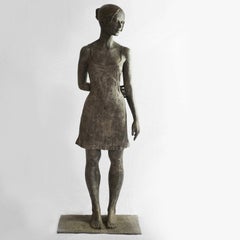
Summer Coolness (Sommerkälte) life-size contemporary bronze sculpture of female
By Susanne Kraisser
Located in Hamburg, DE
"Summer Coolness" is a large free-standing bronze sculpture, suitable both for the inside and outside. Edition 8, signed, numbered and dated on the bottom. Comes with Certificate and...
Category
21st Century and Contemporary Contemporary Germany - Figurative Sculptures
Materials
Bronze
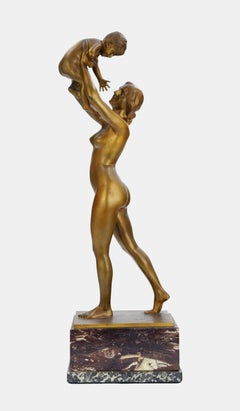
Mother Happiness / - The ecstasy of maternal joy -
Located in Berlin, DE
Johannes Boese (1856 Ostrog - 1917 Berlin), Mutterglück, um 1910. Goldbraun patinierte Bronze auf gegossener rechteckiger Plinthe, montiert auf zweifarbigem Marmorsockel (9,5 cm Höhe...
Category
1910s Art Nouveau Germany - Figurative Sculptures
Materials
Bronze
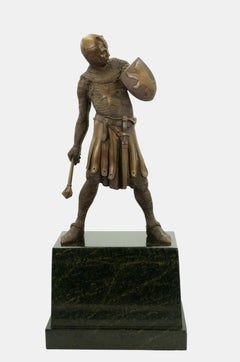
Crusader with shield and mace / - Ready to strike -
Located in Berlin, DE
Josef Moest (1873 Cologne - 1914 Rath), Crusader with shield and mace, around 1910. Bronze on a black marble pedestal (19 cm high). 57.5 cm (total height) x 21 cm (width) x 12 cm (de...
Category
1910s Realist Germany - Figurative Sculptures
Materials
Bronze
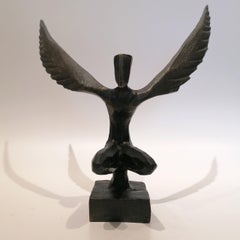
Icarus VII by Nando Kallweit. Elegant bronze sculpture of a winged female figure
By Nando Kallweit
Located in Coltishall, GB
A bronze figure with the mythical wings of Icarus. Nando Kallweit's work celebrates the modern human form whilst acknowledging that our individuality is shaped by our heritage. Herit...
Category
21st Century and Contemporary Contemporary Germany - Figurative Sculptures
Materials
Bronze
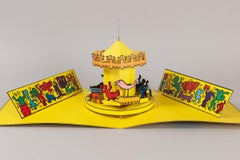
Keith Haring, Luna Luna Karussell, A Poetic Extravaganza! - Pop-Up Multiple
By Keith Haring
Located in Hamburg, DE
Keith Haring 1958–1990
Luna Luna Karussell, A Poetic Extravaganza!, 1986
Medium: Pop-up cardstock multiple (Color offset print on colored cardboard, shaped and carved)
Dimensions unf...
Category
20th Century Pop Art Germany - Figurative Sculptures
Materials
Cardboard, Offset
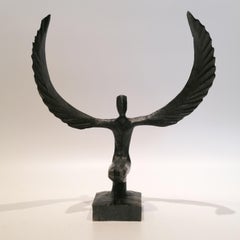
Icarus VIII by Nando Kallweit. Elegant bronze sculpture of a winged figure
By Nando Kallweit
Located in Coltishall, GB
A bronze figure with the mythical wings of Icarus. Nando Kallweit's work celebrates the modern human form whilst acknowledging that our individuality is shaped by our heritage. Herit...
Category
21st Century and Contemporary Contemporary Germany - Figurative Sculptures
Materials
Bronze
The Feeding / - Natural grace -
Located in Berlin, DE
Erich Schmidt-Kestner (1877 Berlin - 1941 Nordhausen), The Feeding, around 1915. Gold and black patinated bronze with cast brown patinated plinth mounted on a lightly veined black-gr...
Category
1910s Art Nouveau Germany - Figurative Sculptures
Materials
Bronze
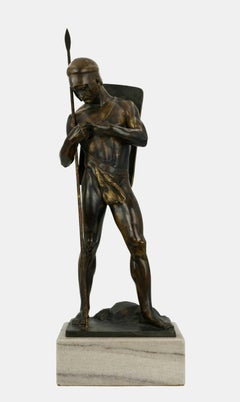
Spear Fighter / - The Fighter
s Concentration -
Located in Berlin, DE
Ludwig Eisenberger (active in Berlin between 1895-1920), Spear Fighter, around 1910. Brown patinated bronze with residual gilding on a cast terrain plinth with marble base (8 cm high...
Category
1910s Realist Germany - Figurative Sculptures
Materials
Bronze
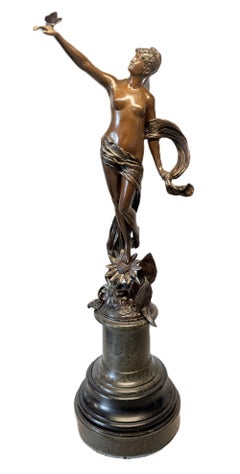
French Art Nouveau bronze by Franz Rosse 1893
Located in Berlin, DE
A late 19th-century French bronze sculpture titled "Fairy with Butterfly" by Franz Rosse (1858-1900), signed and dated "Frosse 93" on the base, depicting a semi-dressed woman floatin...
Category
1890s Jugendstil Germany - Figurative Sculptures
Materials
Bronze
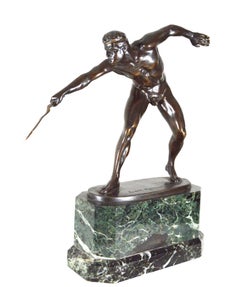
Antique bronze nude gladiator/ swordsman - Signed "Rudolf Marcuse" + "Gladenbeck
By Rudolf Marcuse
Located in Berlin, DE
Antique bronze nude gladiator/ swordsman - Signed "Rudolf Marcuse" + "Gladenbeck Berlin"
Dimensions:
Sculpture: 16.5 cm high
Base: 6.5 cm high
To...
Category
Early 20th Century Jugendstil Germany - Figurative Sculptures
Materials
Bronze
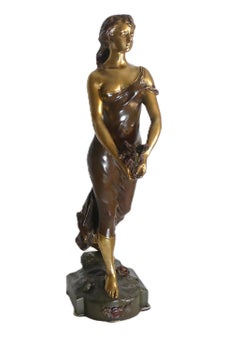
Statuette femme bronze art nouveau Edouard Drouot "Souvenir" sculpture
By Edouard Drouot
Located in Berlin, DE
Edouard Drouot,
1859 Sommevoire – 1945 Paris
Bronze
signed
40 cm hoch
Very good state of preservation, expressive design.
Édouard Drouot (1859–1945) was a
French sculptor known for ...
Category
Early 20th Century Jugendstil Germany - Figurative Sculptures
Materials
Bronze
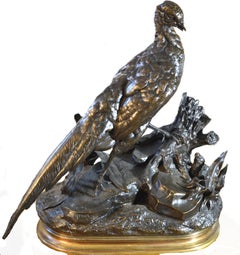
Jules Moigniez Animalier, Bronze Sculpture of Pheasant
Weasel
Located in Berlin, DE
Bronze
48 cm hoch
signed
Jules Moigniez (1835–1894) was a French sculptor best known for his highly detailed bronze animal sculptures, especially birds.
Born: 1835 in Senlis, Fran...
Category
Late 19th Century Realist Germany - Figurative Sculptures
Materials
Bronze
Still Thinking About These?
All Recently ViewedMore Ways To Browse
Anthony Gibbs On Sale
Anthony Rickards On Sale
Antique Fishing Pole
Antique Orchard Painting
Antique Original Paintings Boston
Antique Peddlers Cart
Antique Pioneer Wagons
Antique Sexton
Antique Sock Stretchers
Ariane Wyss
Armand Fouquet
Arthur Maynard
Arthur Prince Spear
Artist Alan King
Artists Like Norman Rockwell
Arvind Limaye
Augustus Wall Callcott
Azeez Salami