Japan - Furniture
to
535
494,323
449,182
2,273
1,316
35
242
131
94
11
8
3
3
3
2
2
1
1
132
424
1,717
1,351
460
633
343
6
5
12
24
27
121
144
128
91
30
1,278
896
838
817
751
2,892
2,034
1,995
724
723
3,624
3,525
3,557
303
82
59
36
34
Item Ships From: Japan
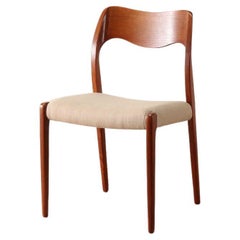
Niels O. Moller Dining Chair Model.71
By Niels Otto Møller
Located in Shibuya-ku, 13
Model 71, designed by Danish designer Niels Ott Moller, is still loved today for its beautiful curves and aesthetically pleasing silhouette, and is considered to be an icon of Moller...
Category
1950s Danish Scandinavian Modern Vintage Japan - Furniture
Materials
Fabric, Teak

$1,600 / item
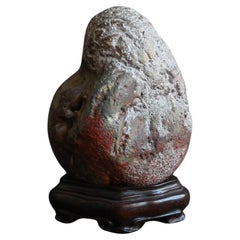
Old Japanese small Stone Figurine in the Shape of Daruma / Scholar
s Stone
Located in Sammu-shi, Chiba
This is collected from rivers and mountains.
It is a natural stone, and only the surface has been polished.
It is rounded, so I think it was probably picked up from a river.
I think...
Category
20th Century Japanese Meiji Japan - Furniture
Materials
Stone
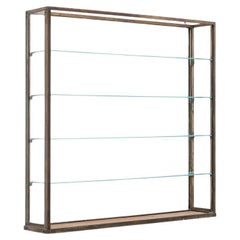
Brass wall mounted glass shelf, France, 1920s
Located in Tokyo, Tokyo
Elegant wall-mounted display shelf, featuring a minimalist metal frame and four glass shelves. The combination of slender metal lines and clear glass creates a light, architectural p...
Category
1920s French Vintage Japan - Furniture
Materials
Brass
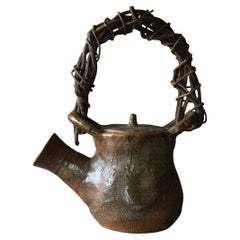
Extra-Large Japanese Mingei Shigaraki Dobin Pottery Tea Pot
Located in Chiba, JP
Extra-large high-fired unglazed Shigaraki stoneware dobin tea-pot with such a wild vine handle, Showa period, 20th century, Japan, approx. H 44 x 35 x 19cm (17.32 x 13.77 x 7.48in)
Category
Mid-20th Century Japanese Japonisme Japan - Furniture
Materials
Ceramic
Vintage
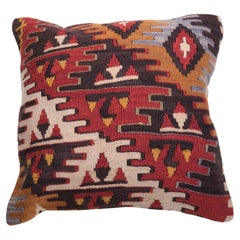
Old Kilim Cushion Cover, Anatolian Yastik Turkish Modern Pillow 4169
Located in Tokyo, JP
We made a cushion cover using the undamaged parts of the precious and high-quality old & antique kilims that cannot be repaired. Like a painting, a part of the scenery is cut out fro...
Category
2010s Turkish Kilim Japan - Furniture
Materials
Natural Fiber, Organic Material
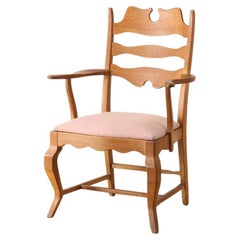
Henning Kjaernulf Armchair 1970
s
By Henning Kjærnulf
Located in Shibuya-ku, 13
An armchair designed by Danish architect Henning Kjærnulf, who was active during the mid-century period.
Its simple design using materials such as teak wood draws the eye with a pres...
Category
1970s Danish Mid-Century Modern Vintage Japan - Furniture
Materials
Fabric, Oak
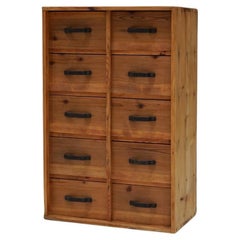
Japanese Antique Drawer Chest in Wood, 1940s–1950s – Japandi Wabi-Sabi
Located in Chiba, Chiba
A Japanese wooden drawer chest dating from the 1940s–1950s.
Compact in both width and depth, this piece offers ten smoothly operating drawers that provide practical organization for ...
Category
Mid-20th Century Japanese Japan - Furniture
Materials
Wood
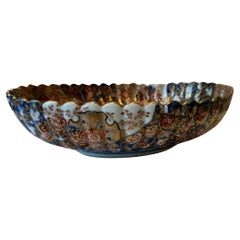
Japanese Meiji Period Red Blue Gold Porcelain Charger, circa 1860
Located in Takarazuka, JP
Exquisite Japanese Meiji period signed Imari ribbed porcelain deep charger, circa 1860, extremely intricately hand-painted on both sides in cobalt blue un...
Category
1860s Japanese Meiji Antique Japan - Furniture
Materials
Gold
Japanese antique Buddhist statues/[Ten Kings statues]/Edo period/18-19th century
Located in Sammu-shi, Chiba
This wooden Buddhist statue (made from cypress wood) is thought to have been made in the Edo period, probably around the 18th or 19th century. It is one of the types of statues known...
Category
18th Century Japanese Edo Antique Japan - Furniture
Materials
Cypress
![Japanese antique Buddhist statues/[Ten Kings statues]/Edo period/18-19th century](https://a.1stdibscdn.com/japanese-antique-buddhist-statues-ten-kings-statues-edo-period-18-19th-century-for-sale/f_54872/f_460086521753431381364/f_46008652_1753431382291_bg_processed.jpg?width=240 "Japanese antique Buddhist statues/[Ten Kings statues]/Edo period/18-19th century")
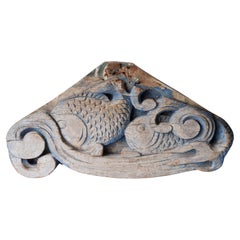
19th century Japanese Wood Carving Temple Shrine Sea Breams and Wave Decoration
Located in Chiba, JP
SEA BREAMS AND WAVES – Wood carving decoration with the remains of original bule paint as the actual fragment of a certain Japanese temple/shrine construction, Edo-Meiji period, 19th...
Category
Late 19th Century Japanese Japonisme Antique Japan - Furniture
Materials
Wood
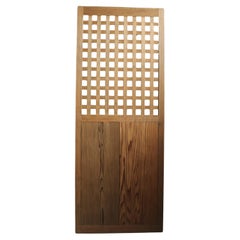
D5 Japanese Antiques, door, fittings, Temple fittings, Cedar, square lattice
Located in Niiza, JP
Material: Cedar wood, etc
Size: Width 670 x Height 1740 x Depth 30 mm weight 7 kg
Packaging (4-5 mm thick plywood sandwiched): 10 cm x 75 cm x 185 cm, weight 14 kg
This is thought ...
Category
19th Century Japanese Antique Japan - Furniture
Materials
Wood, Cedar
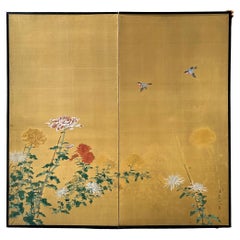
Japanese Screens: Echo of Chrysanthemums
Located in Fukuoka, JP
Echo of Chrysanthemums captures the quiet dialogue between form and reflection. Against a radiant gold-leaf ground, blooming chrysanthemums rise in graceful color harmony — white, cr...
Category
19th Century Japanese Edo Antique Japan - Furniture
Materials
Gold Leaf
$5,785 Sale Price
35% Off
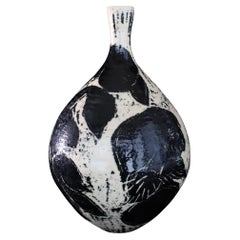
Japanese Black and White Glazed Ceramic Vase with Abstract Botanical Motif
Located in Fukuoka, JP
This striking ceramic vase from Japan, dating to the late 20th century, features a bold monochrome palette and a highly expressive surface. The bulbous form tapers into a narrow neck...
Category
20th Century Japanese Showa Japan - Furniture
Materials
Ceramic
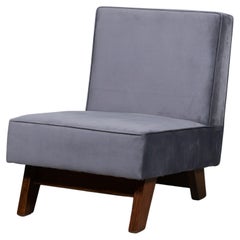
Low Sofa Cushion by Le Corbusier, Pierre Jeanneret for Chandigarh, Circa 1955
By Le Corbusier
Located in Tokyo, JP
An authentic mid-century piece from Le Corbusier and Pierre Jeanneret’s legendary Chandigarh commission. Teak frame with fabric upholstered seat & back.
Category
Mid-20th Century Indian Mid-Century Modern Japan - Furniture
Materials
Fabric, Teak
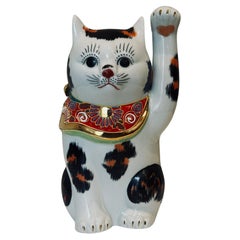
Japanese Contemporary Gold Orange Black Red Porcelain Beckoning Cat, 2
Located in Takarazuka, JP
Charming beckoning cat with left paw raised is a gilded and hand painted porcelain piece from the Kutani region of Japan.
Beckoning cats come in two varieties. The more common right-handed beckoning cat (with right paw raised) is said to bring money and wealth to its owner, and are to this day frequently seen in shops and restaurants in Japan. The less common left-handed cat is said to be inviting friends and acquaintances to hearth and home.
While the origins of the Japanese beckoning cat (known as maneki neko in Japanese) are unclear, contemporary woodblock...
Category
21st Century and Contemporary Japanese Meiji Japan - Furniture
Materials
Gold
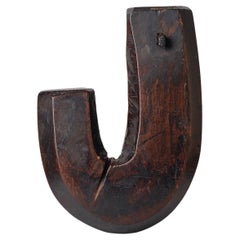
19th c Rare folk brazier wooden hook. Edo-Meji period
Located in Fukuoka, JP
Rare wooden brazier hook.Such hooks were traditionally used in relatively wealthy farmers houses and were suspended from the ceiling over the traditional iron hearth. Beautifully ca...
Category
19th Century Japanese Antique Japan - Furniture
Materials
Wood
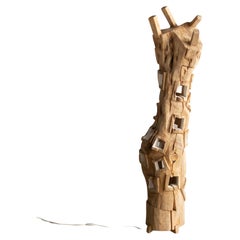
Hiroyuki Nishimura Sculptural lamp Tribal Style
By Hiroyuki Nishimura
Located in Shibuya-ku, Tokyo
El Nido
Sculptural lamp.
Material: Japanese yew
This work is carved from log with some kinds of chainsaws.
Most of wood used for his works are unable to use anything, these woods a...
Category
2010s Japanese Tribal Japan - Furniture
Materials
Wood
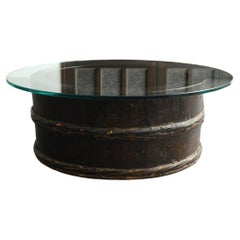
$6,800 Sale Price
20% Off
Antique Japanese lacquered glass table/19th-early 20th century/center table
Located in Sammu-shi, Chiba
This is a tool used by lacquerware craftsmen from around 1868 to 1950.
Lacquerware craftsmen used wooden barrels to mix lacquer by putting vermilion...
Category
19th Century Japanese Meiji Antique Japan - Furniture
Materials
Glass, Lacquer
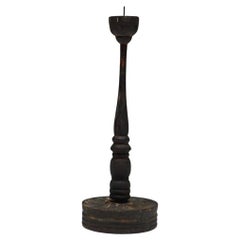
Japanese Antique Wooden Candle Stand, Late 1800s, Wabi-Sabi
Located in Chiba, Chiba
A Japanese antique wooden candle stand dating to the late 1800s.
The wood species is unknown, yet the material has aged into a deep, nearly blackened tone, conveying a strong sense o...
Category
Late 19th Century Japanese Antique Japan - Furniture
Materials
Wood
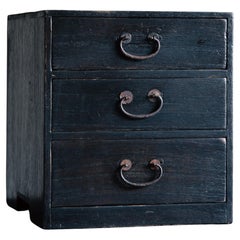
Japanese vintage urushi small Kiri tansu box chest of drawers, wabi sabi mingei
Located in 常陸大宮市, JP
Japanese vintage small box tansu chest of drawers, Kohikidashi, fully made of Kiri (Paulownia).
Refinished by seller with traditional black Urushi ...
Category
20th Century Japanese Folk Art Japan - Furniture
Materials
Wood
$560 Sale Price
20% Off
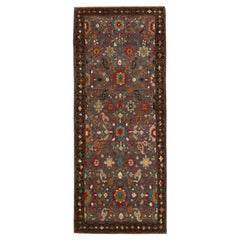
Ararat Rugs Palmettes and Flowers Lattice Rug Antique Revival Carpet Natural Dye
By Ararat Rugs
Located in Tokyo, JP
This offset pattern is composed of palmettes and flowers, one has the impression that it is only part of a larger scheme designed 19th-century rug from the Bidjar region, Eastern Kur...
Category
21st Century and Contemporary Turkish Revival Japan - Furniture
Materials
Wool, Natural Fiber, Organic Material
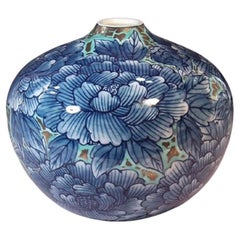
Contemporary Japanese Blue Platinum Porcelain Vase by Contemporary Master Artist
Located in Takarazuka, JP
Contemporary Japanese decorative porcelain vase, hand painted in blue underglaze and platinum, a work of widely acclaimed master porcelain artist in traditional patterns of the Imari...
Category
21st Century and Contemporary Japanese Meiji Japan - Furniture
Materials
Platinum
$556 Sale Price
20% Off
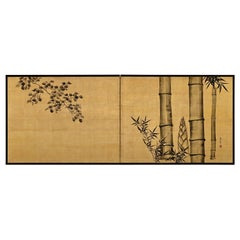
19th Century Japanese Screen for Tea-Ceremony, Ink Bamboo and Plum on Gold Leaf
Located in Kyoto, JP
Three Friends of Winter
Nakajima Raisho (1796-1871)
Late Edo period, circa 1850
Ink and gold leaf on paper.
This is a double-sided Japanese Furosaki or tea-ceremony screen from the mid 19th century; bamboo and plum on the front, young pines the back. It by Nakajima Raisho, a master painter of the Maruyama school in the late Edo and early Meiji periods. In this work Raisho combines exquisite ink brushwork with large open spaces of brilliant gold-leaf to inspire the viewers imagination. Rather than naturalism, he is searching for the phycological impression of the motifs, resulting in abstraction and stylization. His simplification of the motifs the result of looking to capture the inner nature of the objects. This art motif is known as Sho Chiku Bai, or the Three Friends of Winter. Evergreen pine connotes steadfastness, bamboo suggests both strength and flexibility, while plum blossoms unfurling on snow-laden branches imply hardiness. Combined, this trio is emblematic of Japanese new year. Chinese literati were the first to group the three plants together due to their noble characteristics. Like these resilient plants flowering so beautifully in winter, it was expected of the scholar-gentleman to cultivate a strong character with which he would be able to show the same degree of perseverance and steadfastness even during times of adverse conditions.
The screen would have been placed near the hearth of a room used for the Japanese tea ceremony, shielding the fire from draughts and also forming a stimulating and decorative backdrop behind the tea utensils. It would have been used in the Hatsugama, or first tea-ceremony of the new year.
Nakajima Raisho (1796-1871) originally studied under Watanabe Nangaku before entering the school of Maruyama Ozui. He was the highest ranking Maruyama school painter at the end of the Edo period and was known as one of the ‘Four Heian Families’ along with Kishi...
Category
Mid-19th Century Japanese Edo Antique Japan - Furniture
Materials
Gold Leaf
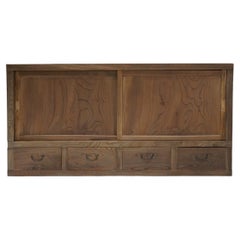
Japanese Antique Chestnut Storage Cabinet, 1900s–1930s - Japandi Wabi-Sabi
Located in Chiba, Chiba
A Japanese antique storage cabinet crafted from chestnut wood, dating from the 1900s–1930s.
The surface has matured into a deep, warm brown over time, and the flowing grain patterns ...
Category
Early 20th Century Japanese Japan - Furniture
Materials
Wood
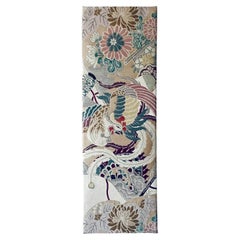
Vintage Obi textile art " From the Ashes ~ Serendipity ~" by ikasu Beige Japan
By Kimono ikasu
Located in Setagaya City, JP
<
This canvas has been upcycled from an early 20th-century maru-obi, featuring a subtle yet sophisticated depiction of the phoenix—a legendary symbol of peace and renewal. Ren...
Category
1910s Japanese Japonisme Vintage Japan - Furniture
Materials
Canvas, Silk
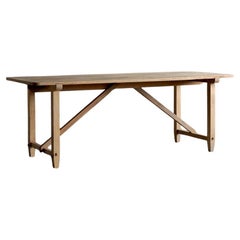
Japanese Vintage Solid Pine Top Table, Showa Period
1926-
Located in Hitachiomiya-shi, 08
This vintage table was crafted in the Early Showa Period (1926-).
The tabletop is made from a single solid slab of pine wood, while the legs are constructed from Japanese Sen wood, ...
Category
Mid-20th Century Japanese Organic Modern Japan - Furniture
Materials
Wood, Pine
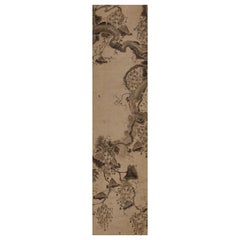
17th Century Korean Grapevine and Squirrel Scroll Painting, Mid Joseon Period
Located in Kyoto, JP
Anonymous. Korean, 17th century. Joseon period.
Hanging scroll. Ink on paper.
Seal: Shinso
Dimensions:
Scroll: H. 200 cm x W. 31 cm (79” x 12”)
Image: H. 122 cm x W. 29.5 cm (48” x 11.5”)
The grapevine came to China and then Korea from western Asia via the silk road trade routes. By the mid-Joseon period, it was one of the most popular subjects for Korean literati painters. Grapevines were painted as a singular subject or, less commonly, in combination with squirrels, which are associated with children due to their playful nature. Together, grapevines and squirrels embody wishes for abundant offspring and wealth.
For the Korean literati artist the twisting vines, curling tendrils and round, plump grapes provided ample opportunity for expressive "brush play”. In this painting the artist has abstracted the scene and is seemingly unconcerned with discontinuities and proportion. Vines spring up from nowhere, grapes hang in random clusters and the squirrel’s head appears as if twisted backwards. For the vines and leaves we can feel a sense of speed in the brushstrokes, imparting a dynamic feel which is at once intense and animated. This contrasts dramatically with the countless tiny strokes of ink which realistically capture the texture of the squirrel’s fur...
Category
17th Century Korean Other Antique Japan - Furniture
Materials
Paper
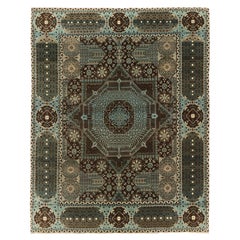
Ararat Rugs the Simonetti Mamluk Carpet 16th Century Revival Rug, Natural Dyed
By Ararat Rugs
Located in Tokyo, JP
The source of carpet comes from the book how to Rread – Islamic Carpets, Walter B. Denny, The Metropolitan Museum of Art, New York 2014 fig.61,62. The five-star-medallion carpet was ...
Category
21st Century and Contemporary Turkish Revival Japan - Furniture
Materials
Wool, Natural Fiber, Organic Material
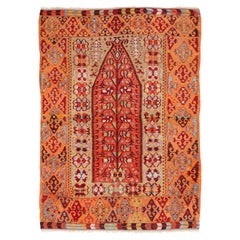
Antique Aydin Kilim Rug Wool Old Vintage Western Anatolian Turkish Carpet
Located in Tokyo, JP
This is Western Anatolian Antique Kilim from the Aydin region with a rare and beautiful color composition.
This highly collectible antique kilim has wonderful special colors and tex...
Category
Early 20th Century Turkish Kilim Japan - Furniture
Materials
Natural Fiber, Wool
$5,440 Sale Price
20% Off
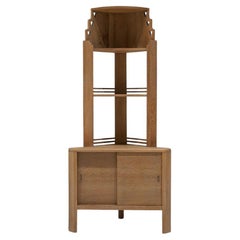
Japanese Antique Oak Corner Rack, 1950s–1960s, Japandi Wabi-Sabi
Located in Chiba, Chiba
A Japanese antique corner rack crafted from oak, dating from the 1950s–1960s.
Designed to make purposeful use of a room’s corner, the piece settles neatly into limited space, quietly...
Category
Mid-20th Century Japanese Japan - Furniture
Materials
Wood
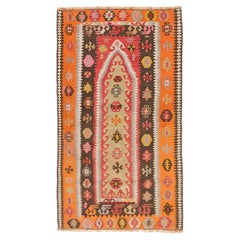
Antique Sivas Kilim Central Anatolian Old Rug Traditional Mighrab Turkish Carpet
Located in Tokyo, JP
This is a Central Anatolian Antique Kilim from the Sivas region with a rare mighrab design and beautiful color composition.
In the third century, Sivas was a Roman city known as Sebastea, the capital of Armenia Minor. Flourishing under Byzantine rule, Sivas reached a peak of prosperity under the Seljuks, only to be plundered in the fourteenth century by Tamerlane, as it was an important venue on the Persian and Iraqi trade routes. Turkish and Kurdish people inhabit the Sivas region, and until the genocide wrought by the Turks early this century, many Armenians dwelt there as well. Sivas gained certain fame as the site for the Sivas Congress of September 1919, convened by Mustafa Kemal...
Category
Early 20th Century Turkish Kilim Japan - Furniture
Materials
Wool, Natural Fiber
$3,760 Sale Price
20% Off
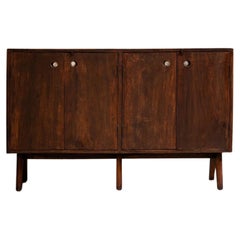
Low Cupboard, Pierre Jeanneret, Chandigarh, 1960s
By Pierre Jeanneret
Located in Tokyo, Tokyo
A rare and authentic example from the Chandigarh project in India, this teak low cupboard by Pierre Jeanneret reflects the architect’s rational yet sculptural design language. Charac...
Category
1960s Indian Vintage Japan - Furniture
Materials
Teak
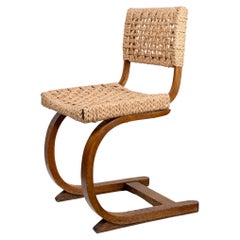
Rope Chair Audoux-Minet for Vibo Vesoul, France, 1950s
By Adrien Audoux and Frida Minnet
Located in Tokyo, Tokyo
An elegant armless chair by Adrien Audoux and Frida Minet for Vibo Vesoul, crafted in wood with a handwoven natural rope seat and backrest. The distinctive curved frame and tactile w...
Category
Mid-20th Century French Japan - Furniture
Materials
Rope, Wood
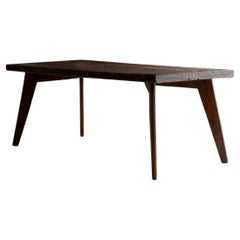
Dining table by Pierre Jeanneret, India, 1960s
By Pierre Jeanneret
Located in Tokyo, Tokyo
A solid wood dining table designed by Pierre Jeanneret for the Chandigarh project. With its tapered legs and thick rectangular top, the piece exemplifies Jeanneret’s architectural pu...
Category
1960s Indian Vintage Japan - Furniture
Materials
Wood
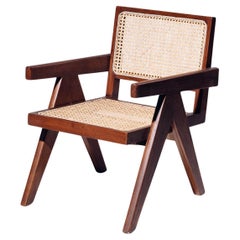
Easy Chair by Pierre Jeanneret for Chandigarh, India, Circa 1955-56
By Pierre Jeanneret
Located in Tokyo, JP
An authentic mid-century piece from Pierre Jeanneret’s legendary Chandigarh commission. Teak frame with hand-woven bamboo-rattan seat & back.
Category
Mid-20th Century Indian Mid-Century Modern Japan - Furniture
Materials
Cane, Teak
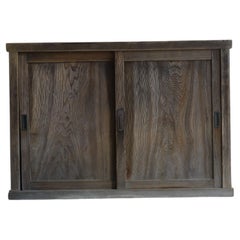
Japanese Antique Cabinets, Wabi Sabi, Japandi
Located in Katori-Shi, 12
This is a Japanese antique cabinet made in the Meiji period.
This is a masterpiece that highlights traditional techniques and craftsmanship, ...
Category
Early 20th Century Japanese Meiji Japan - Furniture
Materials
Wood
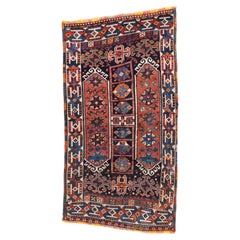
Antique Kurdish Herki Rug - Eastern Anatolian Rug
Located in Tokyo, JP
This is an Antique Kurdish Herki Rug from the Eastern Anatolia and Northern Iraqi region with a rare and beautiful color composition.
Iraqi Kurds are main...
Category
Early 20th Century Turkish Oushak Japan - Furniture
Materials
Wool, Natural Fiber
$3,040 Sale Price
20% Off
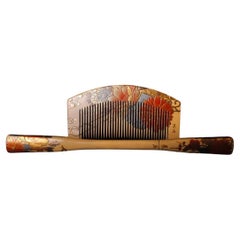
Antique Japanese Two-Piece Comb (Kushi) Set with Gold Maki-e, Signed, Early 20th
Located in Fukuoka, JP
A superb Japanese comb (kushi) and hairpin (kanzashi) set of exceptional quality, lavishly decorated with rich gold maki-e lacquer design and inlaid abal...
Category
Early 20th Century Japanese Taisho Japan - Furniture
Materials
Silver
Japanese antique white-glazed sake bottle / [Satsuma ware] vase / 1700-1800s
Located in Sammu-shi, Chiba
This registration is one of the pottery called Satsuma ware, which was made in Kagoshima Prefecture around the 18th to 19th centuries during the Edo period.
(The area with a red circ...
Category
18th Century Japanese Edo Antique Japan - Furniture
Materials
Pottery
![Japanese antique white-glazed sake bottle / [Satsuma ware] vase / 1700-1800s](https://a.1stdibscdn.com/japanese-antique-white-glazed-sake-bottle-satsuma-ware-vase-1700-1800s-for-sale/f_54872/f_405935221720769296727/f_40593522_1720769296991_bg_processed.jpg?width=240 "Japanese antique white-glazed sake bottle / [Satsuma ware] vase / 1700-1800s")
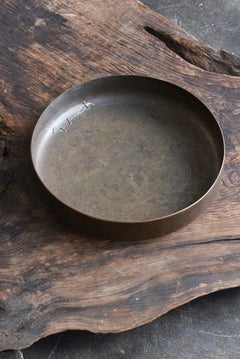
Japanese Antique Copper Alloyr Tray / 1800-1900 / Gong / Wabi-Sabi Art
Located in Sammu-shi, Chiba
I bought a very attractive copper tray.
This is an item that was once used as a gong.
In other words, it was used as a percussion instrument.
It was also used in temples.
The materi...
Category
19th Century Japanese Edo Antique Japan - Furniture
Materials
Copper
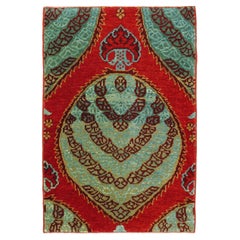
Ararat Rugs Gerous Bidjar Wagireh Pendant Rug Revival Doormat Carpet Natural Dye
By Ararat Rugs
Located in Tokyo, JP
The most dramatic of the Gerous ( Garrus, Gerus, Garus ) carpets are those with an “asymmetric” design. Only a section of the original is shown, in the same way, many Lotto carpets w...
Category
21st Century and Contemporary Turkish Revival Japan - Furniture
Materials
Wool, Natural Fiber, Organic Material
$660 Sale Price
20% Off
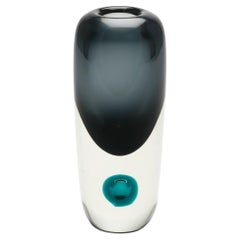
Saara Hopea / "BUBBLE" VASE SH122 / Nuutajärvi
By Saara Hopea-Untracht, Nuutajärvi Notsjõ
Located in Shibuya-Ku, JP
Saara Hopea is a Finnish female designer.
She specialised in interior design at the Central School of Applied Arts in Helsinki, and after graduating, she started her career as a furn...
Category
1950s Finnish Scandinavian Modern Vintage Japan - Furniture
Materials
Blown Glass
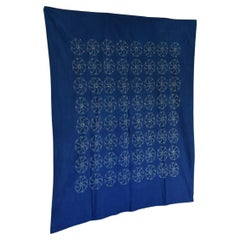
Japanese Indigo Dyed Old Embroidery Cloth / Japanese Toy Pattern / 1912-1960
Located in Sammu-shi, Chiba
It is a Japanese indigo dyed antique cloth.
It calls its name "fu-ro-shi-ki".
Originally used in the dressing room of the public bath "furo" during the...
Category
Early 20th Century Japanese Showa Japan - Furniture
Materials
Cotton
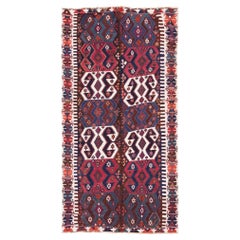
Antique Reyhanli Kilim Rug Wool Old Eastern Anatolian Turkish Carpet Natural Dye
Located in Tokyo, JP
This is Eastern Anatolian Antique Kilim from the Reyhanli region with a rare and beautiful color composition.
This highly collectible antique kilim has wonderful special colors and ...
Category
Early 20th Century Turkish Kilim Japan - Furniture
Materials
Natural Fiber, Wool
$9,600 Sale Price
20% Off
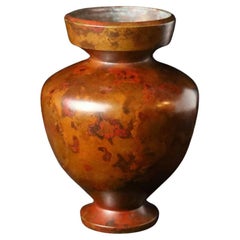
Small Japanese Bronze Vase with Warm Patina, 20th Century
Located in Fukuoka, JP
This compact Japanese bronze vase charms with its classic silhouette and richly mottled patina in warm reddish-brown tones. The subtle variations in the surface evoke the organic bea...
Category
20th Century Japanese Showa Japan - Furniture
Materials
Bronze
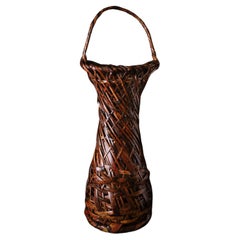
20th Century Japanese Spotted Bamboo Ikebana Basket with Asymmetrical Weave
Located in Fukuoka, JP
A charming 20th century Japanese ikebana basket, handwoven in the informal native Japanese style, distinct from the symmetrical Chinese tradition. This elegant piece features an asym...
Category
Early 20th Century Japanese Japan - Furniture
Materials
Bamboo
Vintage
Old Kilim Cushion Cover, Anatolian Yastik Turkish Modern Pillow 4402
Located in Tokyo, JP
We made a cushion cover using the undamaged parts of the precious and high-quality old & antique kilims that cannot be repaired. Like a painting, a part of the scenery is cut out fro...
Category
2010s Turkish Kilim Japan - Furniture
Materials
Natural Fiber, Organic Material

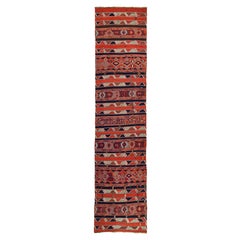
Antique Malatya Runner Kilim Rug South Eastern Anatolia Turkish Natural Carpet
Located in Tokyo, JP
This is a South Eastern Anatolian Antique runner Kilim from the Malatya region with a rare and beautiful color composition.
Malatya is Turkey's main kilim production area, and there are many variations. This is one of them, a runner-type kilim. The thread is thin and the weave is very fine and dense. Some metallic threads are used in this antique kilim, which is rarely seen in Anatolian kilims. Red, navy blue, and gray are the colors that determine the impression of this kilim. Other colors such as brown, yellow, and light blue are also used in the patterns. The wavy horizontal striped pattern, plain pattern, and lined motif pattern are woven together to create a kilim that looks like an obi.
The pattern of the motif and the pattern of the wave are about the same amounts, giving a lively impression without getting busy. The deep shades of colors and patterns that are familiar to each other are unique to antiques. However, it still retains good coloring which makes it hard to believe that it is antique. The runner type is a good type to make this kilim unique. Also, for those who want to create a different kind of home, the use of runners is very effective.
Malatya is a town built on one main street that continues for several miles. It is situated in the Tohmasuyu River basin which is encircled by the high peaks of the eastern Taurus Mountains. This is a fertile agricultural region, particularly for apricots, and has been a prolific weaving area for many years. The modern town was established in 1838; old Malatya, which is close by, was once an important city in Armenia Minor. In Roman times it was important as a garrison town on the eastern frontier, and the settlement came under Ottoman rule in the early fifteenth century. Considering the number of kilims woven in this region there is a surprising lack of diversity in design, especially in the larger kilims; this is possibly a direct result of the Kurdish tribal tradition of weaving only one type of design. Small prayer rugs...
Category
Early 20th Century Turkish Kilim Japan - Furniture
Materials
Wool, Natural Fiber
Old Adana Kilim Southern Anatolian Carpet Turkish Rug
Located in Tokyo, JP
This is a Southern Anatolian made in two halves of old Kilim from the Adana region with a rare and beautiful color composition.
Adana Situated in the fertile Çukurova plain (previ...
Category
Mid-20th Century Turkish Kilim Japan - Furniture
Materials
Wool, Natural Fiber
$2,240 Sale Price
20% Off
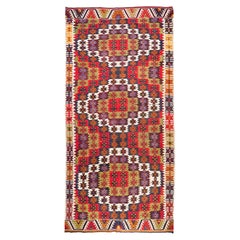
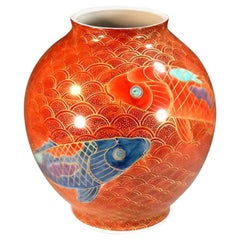
Japanese Contemporary Red Blue Gold Porcelain Vase by Master Artist, 2
Located in Takarazuka, JP
Exquisite Japanese contemporary decorative porcelain vase, dramatically hand painted in vivid red and blue, set against a stunning auspicious fish scale background in gold and red, a...
Category
21st Century and Contemporary Japanese Meiji Japan - Furniture
Materials
Gold
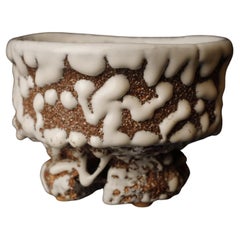
Chawan (tea bowl) by famous Hagi contemporary artist Seigan Yamane
Located in Fukuoka, JP
Oni Snow Bowl by Seigan Yamane, Hagi Ware
This exquisite Japanese tea bowl is a prime example of Hagi Ware, crafted by renowned potter Seigan Yamane. Known for his innovative approach to traditional Hagi pottery...
Category
21st Century and Contemporary Japanese Japan - Furniture
Materials
Ceramic, Clay
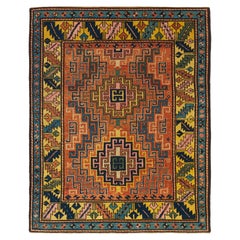
Ararat Rugs Kazak Rug with Hooked Medallions Antique Revival Carpet Natural Dyed
By Ararat Rugs
Located in Tokyo, JP
This is a complete hooked field with double medallions rug from the late 19th century, Kazak region, Caucasus area. A striking field design features two medallions each with concentr...
Category
21st Century and Contemporary Turkish Revival Japan - Furniture
Materials
Wool, Natural Fiber, Organic Material
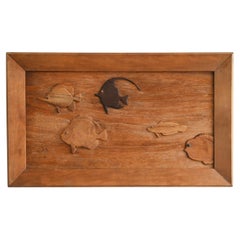
Old Japanese wooden wall hanging tropical fish picture / 20th century
Located in Sammu-shi, Chiba
This is a tropical fish carving frame made in Japan, probably around the 20th century.
The frame is made of beech wood, and the base of the picture is paulownia wood.
Different types...
Category
20th Century Japanese Showa Japan - Furniture
Materials
Wood
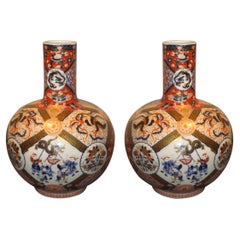
Pair of Japanese Late Meiji Period Fukagawa Porcelain Vases, circa 1900
Located in Takarazuka, JP
Superb pair of Japanese large Meiji period Fukagawa signed porcelain vases (circa 1900). Intricately hand-painted in cobalt blue underglaze with polychrome and gold overglaze on a st...
Category
Early 1900s Japanese Meiji Antique Japan - Furniture
Materials
Gold
Vintage
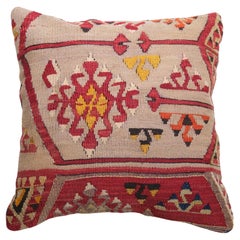
Old Kilim Cushion Cover, Anatolian Yastik Turkish Modern Pillow 4185
Located in Tokyo, JP
We made a cushion cover using the undamaged parts of the precious and high-quality old & antique kilims that cannot be repaired. Like a painting, a part of the scenery is cut out fro...
Category
2010s Turkish Kilim Japan - Furniture
Materials
Natural Fiber, Organic Material
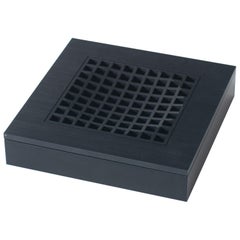
Shiro Kuramata Spiral Ashtray1 Minimalist Japanese Design
By Shiro Kuramata
Located in Shibuya-ku, Tokyo
Shiro Kuramata's ashtray1. Made of black aluminum.
Rather optical art object than usual astray.
Category
1980s Japanese Minimalist Vintage Japan - Furniture
Materials
Aluminum
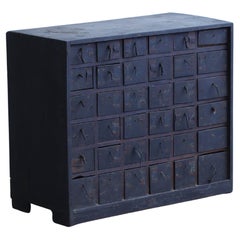
Japanese Antique Chests of Small Drawers , Wabi-Sabi
Located in Katori-Shi, 12
This medicine chest from the Meiji period has 36 small drawers and is highly practical.
It can be used for storage, of course, but depending on your ideas, it can also be used for a...
Category
Early 20th Century Japanese Meiji Japan - Furniture
Materials
Wood
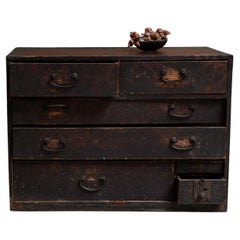
Japanese Drawer Chest, Wabi-sabi, Japan
Located in Tokyo, Tokyo
A beautifully crafted antique tansu, piece of functional furniture with deep Japanese roots. This larger tansu features six compartments, making it both a practical storage solution...
Category
Mid-20th Century Japanese Japan - Furniture
Materials
Wood
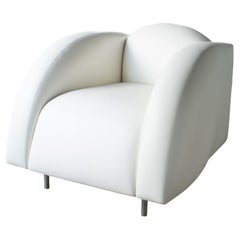
Balsform Sofa Y2K style design space age Idee Japanese design
By Karim Rashid, Marc Newson, Idée Japan
Located in Shibuya-ku, Tokyo
White flux leather lounge chair. Alex Strub designed it in the late 1990s for Idee Japan.
As we can’t know the exact from with this image. Balsform Sofa is wider front than back sid...
Category
1990s Japanese Modern Japan - Furniture
Materials
Steel
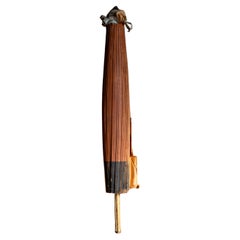
Antique Japanese "Wagasa" Umbrella, 20th Century
Located in Edogawa-ku Tokyo, JP
This handcrafted traditional Japanese umbrella, made of bamboo and washi paper, carries the quiet beauty of age and imperfection.
Its weathered texture and graceful form bring a sens...
Category
Early 20th Century Japanese Japan - Furniture
Materials
Bamboo, Paper