Japan - Antiquities
to
6
174
907
416
160
13
1
1
1
17
40
103
14
64
13
2
1
1
1
1
116
33
17
15
13
160
155
151
4
3
174
171
171
10
Item Ships From: Japan
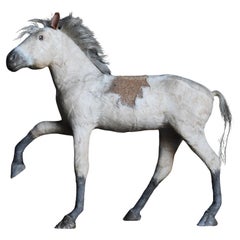
Japanese Antique Horse Figurine 1900s-1940s / Sculpture Object Wabi Sabi
Located in Chōsei District Nagara, JP
This is an antique Japanese horse figurine, crafted in the early Shōwa period (1900s–1940s).
Although simple in form, it carries a distinct sense of life—an expressive charm that cou...
Category
Mid-20th Century Japanese Showa Japan - Antiquities
Materials
Glass, Wood, Paper
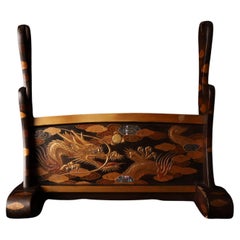
Japanese Gold Maki-e Katana Kake (Sword Stand) with Dragon Motif
Located in Fukuoka, JP
This elegant katana kake (sword stand) is crafted from wood and finished with a rich lacquer coating. Its surface is adorned with a striking gold maki-e depiction of a dragon — a tim...
Category
Late 18th Century Japanese Edo Antique Japan - Antiquities
Materials
Gold Leaf
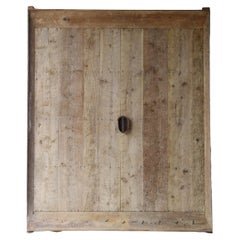
Japanese Antique Huge Sliding Door or Wall Decoration 1860s-1900s / Wabi Sabi
By Axel Vervoordt
Located in Chōsei District Nagara, JP
This is an old, large Japanese sliding door.
It was crafted during the Meiji period (1860s–1900s) and was likely used in traditional houses or storehouses of the time. The material i...
Category
Early 20th Century Japanese Meiji Japan - Antiquities
Materials
Iron
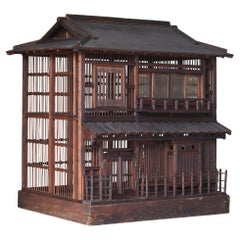
Japanese Antique Birdcage Inspired by a Traditional Machiya House 1920s-1940s
Located in Chōsei District Nagara, JP
This is an old Japanese birdcage, exquisitely crafted in the form of a traditional machiya townhouse. It is an exceptionally rare piece, believed to have been made in the early Showa...
Category
Early 20th Century Japanese Showa Japan - Antiquities
Materials
Bamboo, Cedar
Japanese Antique Huge Wooden Bowl 1906s / Primitive Object Wabisabi Mingei
Located in Chōsei District Nagara, JP
This is a huge old Japanese lacquer wood bowl.
It was manufactured in 1906 (Meiji period), and its age can be read from the writing on the bottom. The material used is cedar wood, ma...
Category
Early 1900s Japanese Meiji Antique Japan - Antiquities
Materials
Cedar, Lacquer
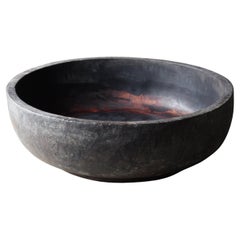
Japanese Old Shell Casing 1930s-1940s / Iron Object Flower Vase Wabi Sabi
Located in Chōsei District Nagara, JP
This is the warhead part (shell) of an old Japanese shell. Functional parts such as the internal explosive and fuse have already been lost, and we present this as a safe relic that h...
Category
1930s Japanese Showa Vintage Japan - Antiquities
Materials
Iron
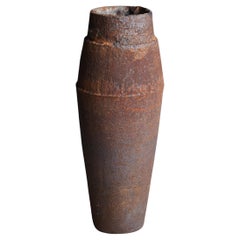
Japanese Old Iron Block 1950s-1970s / Display stand Wabi Sabi
Located in Chōsei District Nagara, JP
This is an old Japanese iron block, estimated to have been made in the early Showa period (1950s–1970s). At the time, it was used in ironworks as an anvil or workbench. Decades of us...
Category
Late 20th Century Japanese Showa Japan - Antiquities
Materials
Iron
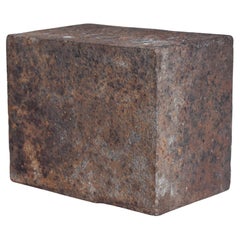
Antique Korean Stone Pot / Joseon Dynasty / Stone Folk Art Object
Located in Sammu-shi, Chiba
This stone pot was made in Korea during the late Joseon dynasty, between the late 19th and early 20th centuries. Its sturdy appearance, carved from a granite-like stone, emanates a p...
Category
Late 19th Century Japanese Other Antique Japan - Antiquities
Materials
Stone
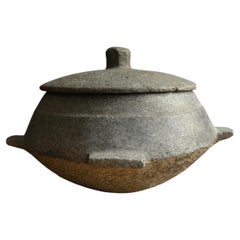
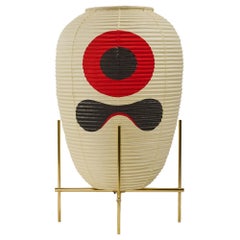
Contemporary Japanese Chochin Floor Lamp Limited Edition #1 Zen Washi
By Ryosuke Harashima
Located in Shibuya-ku, Tokyo
Name: OBAKE A
Contemporary style Japanese Washi Japanese traditional paper shade floor lamp. Washi shade is famous as Isamu Noguchi Akari lightings.
Base is made of brass. Limited pattern painted model. Edition of 3+1AP
E26,27 light bulb.
Available to work with 100-250V.
Artist statement
In Japan, there is an animist belief that the soul dwells in old tools that have passed a long time and turns into spirits such as "Youkai" or "OBAKE." Its existence lurks in the darkness of everyday life, sometimes causing fear and sometimes entertaining.
This lantern is not an old tool, but it is made by the historic "Kojima Shoten", where the 10th generation are craftsmen in Kyoto. It's rare nowadays, and it's a style in which lanterns are made from bamboo bones to assembling papers and painting in one workshop and go. So, I decided to transform the polite crafted Japanese lanterns, which have been run through a traditional history, into a modern and pop style. It's not just OBAKE lurking in the darkness, but an existence who snuggles up to us as a more sophisticated being.
These one-eyed OBAKE have a meaningful look that originated in ancient Sanskrit culture. The red-eye "A [a]" is the facial expression that is the first pronunciation to make a sound in Sanskrit, which means "truth" and "spirit of inquiry" at the same time. The blue-eyed "UN [hu?]" expresses the pronunciation to close the sound, and at the same time means "wisdom" and "nirvana." There is also the idea that describing the beginning and end of the universe is represented by considering the "A" and "UN" as a pair. In Asia, it is a common sight to see a pair of guardian statues...
Category
2010s Japanese Edo Japan - Antiquities
Materials
Brass
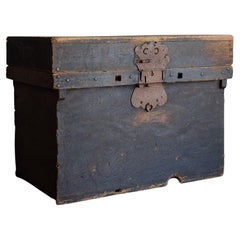
Japanese Antique Black Wooden Box 1860s-1900s/Sofa Table Tansu Mingei Storage
Located in Sammu-shi, Chiba
This is an old Japanese black wooden box. It is from the Meiji period (1860s-1900s). The material is cedar. This is black and beautiful. Afte...
Category
Late 19th Century Japanese Meiji Antique Japan - Antiquities
Materials
Wood

$900 Sale Price
25% Off
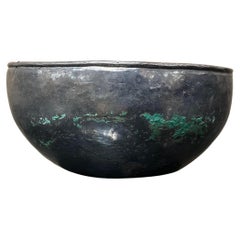
Rare Silver Ritual Bowl – Sukhothai Kingdom, 11th–13th Century
Located in Fukuoka, JP
A rare and refined silver bowl from the Sukhothai Kingdom (11th–13th century), likely used in a ritual context — either within a temple setting or as a treasured personal object belo...
Category
15th Century and Earlier Asian Antique Japan - Antiquities
Materials
Silver
Double-Sided Samurai Fan — Edo Period, Hand-Painted on Gold and Silver Leaf Pape
Located in Fukuoka, JP
Japan, Edo period (1603–1868)
Size: 49 × 30 cm
A magnificent double-sided Japanese folding fan (ōgi), hand-painted on paper richly decorated with gold and silver leaf. One side depi...
Category
19th Century Japanese Edo Antique Japan - Antiquities
Materials
Wood, Paper

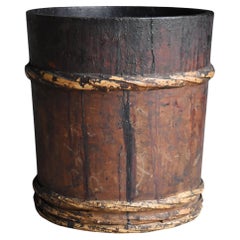
Japanese Antique Lacquer Bucket 1860s-1920s / Plant Pot Cover Wabisabi
By Axel Vervoordt
Located in Chōsei District Nagara, JP
This is an old Japanese lacquer tub, a rare piece that preserves the craftsmanship of artisans from the Meiji to Taishō period (1860s–1920s). The body is made of Japanese cedar, whil...
Category
Early 20th Century Japanese Taisho Japan - Antiquities
Materials
Bamboo, Cedar, Lacquer
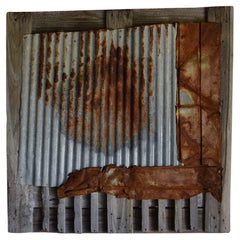
Japanese Wall Art / Japanese objet / wabi-sabi art / primitive wall art
Located in Sammu-shi, Chiba
This is a wall art made using some of the material from an old Japanese door.
This is a wooden door reinforced with galvanized iron sheets.
It's a convenient size that doesn't take...
Category
2010s Japanese Primitive Japan - Antiquities
Materials
Tin
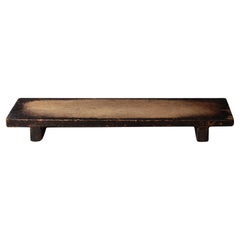
Japanese Antique Exhibition Table / Wall Decoration / 1868-1912s / Wabi-sabi
Located in Iwate-gun Shizukuishi-cho, Iwate Prefecture
This is an old Japanese wooden work board.
The wood is cedar, and due to long-term use, the black color around the edges remains, and the color has peeled off only in the middle. Th...
Category
Late 19th Century Japanese Meiji Antique Japan - Antiquities
Materials
Wood, Cedar
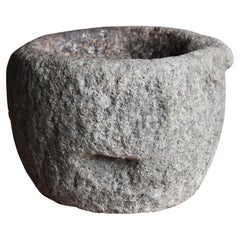
Japanese Antique Stone Mortar 1860s-1900s / Stone Bowl Object Wabi Sabi
By Axel Vervoordt
Located in Chōsei District Nagara, JP
This is an old Japanese stone “yagen” (medicine grinder), believed to have been used during the Meiji period (1860s–1900s).
Though simple in form, it carries with it the silent prese...
Category
Early 20th Century Japanese Primitive Japan - Antiquities
Materials
Stone
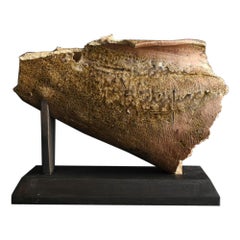
Japanese antique pottery fragments/12th to 13th century/Flower vase
Located in Sammu-shi, Chiba
Tokoname ware is a historic kiln in Japan, where pottery has been made since before the Common Era, and a kiln was established in the 5th century. This kiln is located in Aichi Prefe...
Category
15th Century and Earlier Japanese Other Antique Japan - Antiquities
Materials
Pottery
Double-Sided Japanese Fan — Edo Period, Hand-Painted on Silver Leaf Paper
Located in Fukuoka, JP
Japan, Edo period (1603–1868)
Size: 49 × 30 cm
A magnificent double-sided Japanese folding fan (ōgi), hand-painted on paper richly decorated with gold and silver leaf. One side depi...
Category
19th Century Japanese Edo Antique Japan - Antiquities
Materials
Wood, Paper
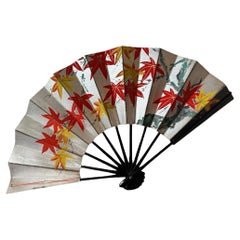
Japanese Antique Natural Wood Penis 1860s-1920s / Figurine Object Wabisabi
Located in Chōsei District Nagara, JP
This is a phallic statue made of natural wood produced in Japan.
It is estimated to have been created during the Meiji and Taisho periods (1860s-1920s), and is made of richly texture...
Category
Early 20th Century Japanese Meiji Japan - Antiquities
Materials
Pine
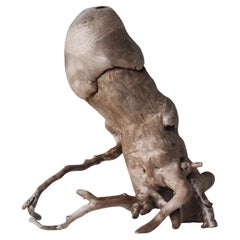
$800 Sale Price
20% Off
Old Japanese black maneki-neko object / 20th century / lucky ornament
Located in Sammu-shi, Chiba
Here is a Japanese "Maneki Neko" (beckoning cat) figurine from the Showa era. It is made from either clay or plaster and features a simple yet impactful design. On the back, you can ...
Category
20th Century Japanese Showa Japan - Antiquities
Materials
Plaster, Clay
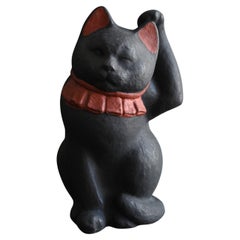
Antique Japanese copper water bottle / wall hanging object / early 20th century
Located in Sammu-shi, Chiba
This antique copper water bottle is believed to have been used in Japan during the early 20th century, around World War II. Over the years, a beautiful patina has developed on the co...
Category
Early 20th Century Japanese Showa Japan - Antiquities
Materials
Copper
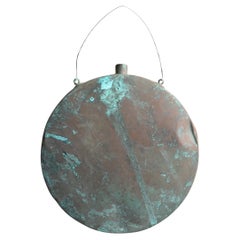
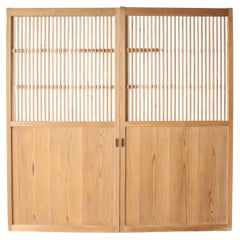
D7 Japanese Antiques, two lattice doors, fittings
Located in Niiza, JP
Material: Cedar wood, etc.
Size per piece: Width 890 x Height 1770 x Depth 30 mm, Weight 6 kg per piece
Estimated Packaging (9 mm thick plywood sandwiched):
14 cm x 97 cm x 185 cm, W...
Category
19th Century Japanese Antique Japan - Antiquities
Materials
Wood, Cedar
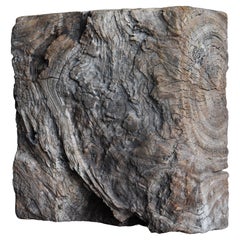
Japanese Antique Wabi-Sabi Weathered Keyaki Wood Block 1900s-1940s / Figurine
By Axel Vervoordt
Located in Chōsei District Nagara, JP
This is an antique, weathered block of Japanese keyaki (zelkova) wood. It is estimated to date from the early 1900s to the 1940s. Its form, shaped over many decades, carries a presen...
Category
Mid-20th Century Japanese Primitive Japan - Antiquities
Materials
Wood
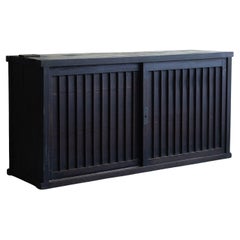
Japanese Antique Cabinets, Wabi Sabi, Japandi
Located in Katori-Shi, 12
This is an antique Japanese-style cabinet made in the Meiji period.
The texture of the black lacquer, smoked with soot from the hearth, has a unique depth and charm that is unlike a...
Category
Early 20th Century Japanese Meiji Japan - Antiquities
Materials
Wood
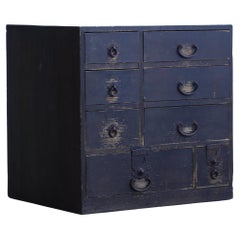
Japanese Antique Chests of Drawers , Wabi-Sabi
Located in Katori-Shi, 12
This antique Japanese chest of drawers dates back to the Meiji period.
This chest is made from sturdy cedar wood with a lacquer finish, and the iron handles add industrial elegance....
Category
Early 20th Century Japanese Meiji Japan - Antiquities
Materials
Wood
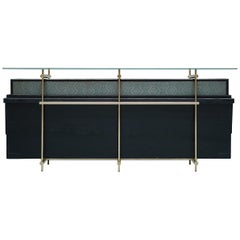
Contemporary Japanese Console with Folding Screen Zen Japanese Modern
By Ryosuke Harashima
Located in Shibuya-ku, Tokyo
Name: Early Dawn
Collection: STILLIFE
A console table that using a wooden box that stores two Japanese gold folding screens. It is a new histor...
Category
2010s Japanese Edo Japan - Antiquities
Materials
Brass
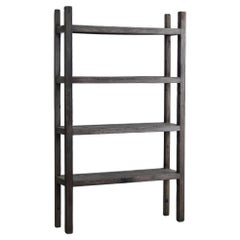
Japanese Antique Open shelf, Wabi Sabi, Japandi
Located in Katori-Shi, 12
This antique is just the right size for a storage shelf.
This is a rare shelf with flap doors that has a Japanese essence.
A flap door is a door that can be opened and stored insid...
Category
Early 20th Century Japanese Taisho Japan - Antiquities
Materials
Wood
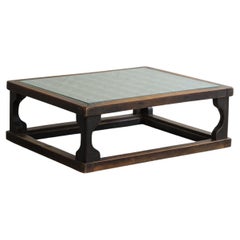
Japanese Antique Glass Low Table, Wabi Sabi
Located in Katori-Shi, 12
This antique low table was made in the Taisho era.
The tabletop is made of a single piece of high-quality zelkova wood. The legs are lathe-turned.
It is unified with a ginkgo surfa...
Category
Early 20th Century Japanese Taisho Japan - Antiquities
Materials
Wood, Glass
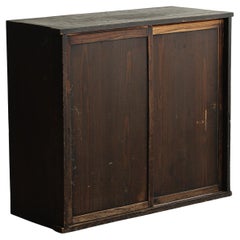
Japanese Antique Wood Cabinets, Wabi Sabi, Japandi
Located in Katori-Shi, 12
This is a tasteful antique storage shelf made in the Meiji period.
Made from cedar, the dark wood gives it a deep flavor.
No nails are used for the joints, but the traditional "mor...
Category
Early 20th Century Japanese Meiji Japan - Antiquities
Materials
Wood
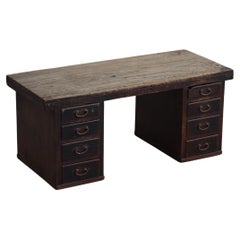
Japanese Antique Table, Desk, Double-sleeved desk, Wabi-Sabi, Early 20th Century
Located in Katori-Shi, 12
This antique Japanese table was produced in the Taisho period (1912-1926).
This is a double-sleeved desk whose lacquer has gained a deep flavo...
Category
Early 20th Century Taisho Japan - Antiquities
Materials
Wood
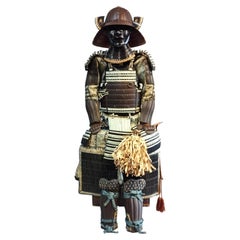
18th Century Hirate Clan Samurai Armor with Signed Kabuto Helmet
Located in Fukuoka, JP
This is a truly exceptional set of 18th century Samurai armor that is sure to impress any collector or enthusiast. The patinated iron used in its construction has aged beautifully, giving the armor a truly unique appearance that is sure to catch the eye. The brocade silk and cotton padding used to line the armor not only provide a comfortable fit for the wearer, but also add an extra layer of decorative flair.
One of the most striking features of this armor is the crests of the Hirate samurai clan that adorn it. These crests are a symbol of the clan's identity and heritage, and their presence on the armor speaks to the deep connection between samurai warriors and the clans they belonged to.
The Kabuto...
Category
18th Century Japanese Antique Japan - Antiquities
Materials
Iron
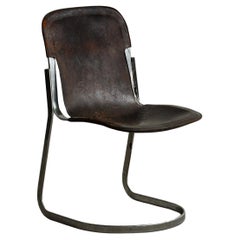
Antique Japanese leather chair, Primitive Chair, Wabi-Sabi
Located in Katori-Shi, 12
This is an antique chair from the Showa era.
The deep-colored genuine leather has a unique texture and soft feel that comes from years of use. You can enjoy the changes in the leath...
Category
Early 20th Century Japanese Showa Japan - Antiquities
Materials
Leather
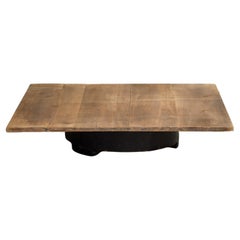
Japanese Antique Wood Low Table , Primitive Low Table , Wabi Sabi
Located in Katori-Shi, 12
This is an antique low table from the Taisho period.
The table top is made of five pieces of Shurizakura wood with beautiful grain, and its rich expression captivates the viewer. In...
Category
Early 20th Century Japanese Taisho Japan - Antiquities
Materials
Wood
Wooden Low Table, Japanese Antique, Wabi-Sabi, Mingei
Located in Katori-Shi, 12
This is an antique wooden low table from the Taisho period.
It was used as a workbench by a craftsman at the time, and although it is unclear which craftsman used it, there are smal...
Category
Early 20th Century Taisho Japan - Antiquities
Materials
Wood
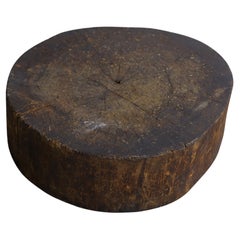
Japanese Antique Cabinets , Low board Storage , Wabi Sabi, Japandi
Located in Katori-Shi, 12
This is an antique lowboard made in Japan. In Japan, it was used as a flooring.
A flooring is a platform that can be moved, like the floorboards of a tokonoma, which is indispensabl...
Category
Early 20th Century Japanese Taisho Japan - Antiquities
Materials
Wood
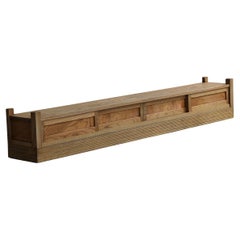
Japanese Antique Thatching Tools "Gangi" 1860s-1920s / Wall Decoration Wabisabi
Located in Chōsei District Nagara, JP
This is a traditional Japanese thatched roof tool known as a “Gangi.”
A Gangi is used to trim the cut ends of the thatch and smooth the roof’s surface, symbolizing the craftsmanship ...
Category
Early 20th Century Japanese Meiji Japan - Antiquities
Materials
Cedar
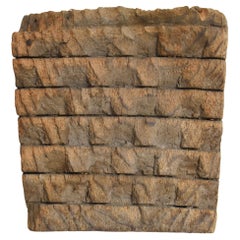
Japanese Antique Exhibition Stand / Sword Case / 1800-1868s / Wabi-sabi
Located in Iwate-gun Shizukuishi-cho, Iwate Prefecture
This is an old drawer for storing Japanese swords originally called "Katanatansu".
It is thought to be from around the Edo period.
Cedar is used for the material, and a large numbe...
Category
Mid-19th Century Japanese Edo Antique Japan - Antiquities
Materials
Wood, Paper, Cedar
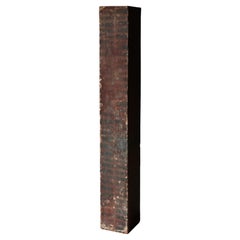
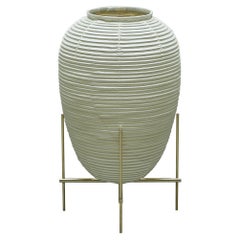
Contemporary Japanese Chochin Floor Lamp Zen Washi Japanese Paper Shade
By Ryosuke Harashima
Located in Shibuya-ku, Tokyo
Name: Under the Hazy Moon
Contemporary style Japanese Washi Japanese traditional paper shade floor lamp. Washi shade is famous as Isamu Noguchi Akari lightings.
Base is made of brass...
Category
2010s Japanese Edo Japan - Antiquities
Materials
Brass
$2,600 Sale Price / item
31% Off
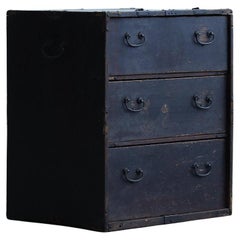
Japanese Antique Chests of Drawers 1860s-1900s /Tansu, Wabi-Sabi
Located in Katori-Shi, 12
This small drawer was produced in the Taisho period.
This chest is made of sturdy cedar with a lacquer finish, with a base panel made of lightweight paulownia wood and an iron handl...
Category
Early 20th Century Japanese Taisho Japan - Antiquities
Materials
Wood
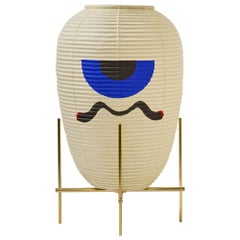
Contemporary Japanese Chochin Floor Lamp Limited Edition #2 Zen Washi
By Ryosuke Harashima
Located in Shibuya-ku, Tokyo
Name: OBAKE UN
Contemporary style Japanese Washi Japanese traditional paper shade floor lamp. Washi shade is famous as Isamu Noguchi Akari lightings.
Base is made of brass. Limited pattern painted model. Edition of 3+1AP
E26,27 light bulb.
Available to work with 100-250V.
Artist statement
In Japan, there is an animist belief that the soul dwells in old tools that have passed a long time and turns into spirits such as "Youkai" or "OBAKE." Its existence lurks in the darkness of everyday life, sometimes causing fear and sometimes entertaining.
This lantern is not an old tool, but it is made by the historic "Kojima Shoten", where the 10th generation are craftsmen in Kyoto. It's rare nowadays, and it's a style in which lanterns are made from bamboo bones to assembling papers and painting in one workshop and go. So, I decided to transform the polite crafted Japanese lanterns, which have been run through a traditional history, into a modern and pop style. It's not just OBAKE lurking in the darkness, but an existence who snuggles up to us as a more sophisticated being.
These one-eyed OBAKE have a meaningful look that originated in ancient Sanskrit culture. The red-eye "A [a]" is the facial expression that is the first pronunciation to make a sound in Sanskrit, which means "truth" and "spirit of inquiry" at the same time. The blue-eyed "UN [hu?]" expresses the pronunciation to close the sound, and at the same time means "wisdom" and "nirvana." There is also the idea that describing the beginning and end of the universe is represented by considering the "A" and "UN" as a pair. In Asia, it is a common sight to see a pair of guardian statues...
Category
2010s Japanese Edo Japan - Antiquities
Materials
Brass
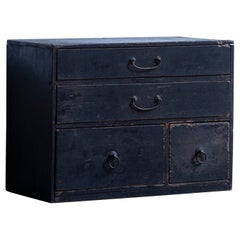
Antique Small Chest of Drawers from 19th Century, Japan
Located in Tokyo, Tokyo
Antique small chest of drawers from Edo period (1603-1868), Japan.
Because of its age, the chest shows signs of use, which in turn make...
Category
19th Century Japanese Antique Japan - Antiquities
Materials
Iron
Japanese old wood stand / Exhibition stand wabi-sabi / primitive wood stand /
Located in Sammu-shi, Chiba
This display stand is made by combining old wooden sleepers with a newly made tabletop.
The top of the display stand is finished with cashew paint, like lacquer, and has a jet blac...
Category
Mid-20th Century Japanese Primitive Japan - Antiquities
Materials
Wood
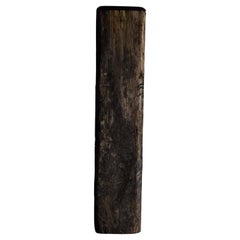
Japanese Antique Table, Early 20th Century
Located in Katori-Shi, 12
Introducing an exceptional round table that can be said to be the culmination of Taisho-era craftsmanship.
It features tapered legs that narrow towards the base, giving it a delica...
Category
Early 20th Century Japanese Taisho Japan - Antiquities
Materials
Wood
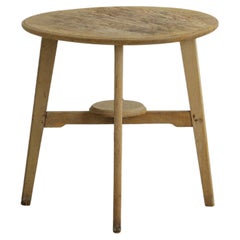
Japanese Antique Wooden Brazier/Hibachi Brazier/1868-1912s Wabi-Sabi
Located in Iwate-gun Shizukuishi-cho, Iwate Prefecture
This is an old Japanese brazier.
It is made of zelkova wood and is thought to date back to the Meiji period.
It features the strong grain of zelkova...
Category
Late 19th Century Japanese Primitive Antique Japan - Antiquities
Materials
Copper
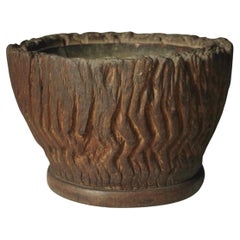
Japanese Katakuch Wood bowl / Mingei Wabisabi
Located in Sammu-shi, Chiba
If you are looking for something special, we recommend buying items selected by BROOD.
We sell a carefully selected range of old Japanese items.
We have seen tens of thousands of ite...
Category
Mid-20th Century Japanese Showa Japan - Antiquities
Materials
Wood
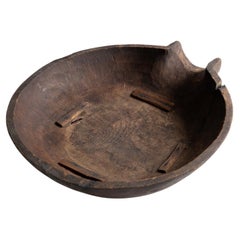
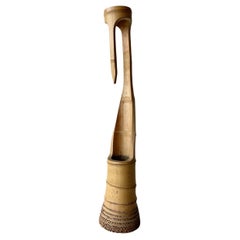
1975 Japanese Crane-Neck Bamboo Ikebana Flower Arrangement Vase
Located in Chiba, JP
H 68.5 x 14.5 x 13.5 cm (26.96 x 5.70 x 5.31in). Showa period (1975). A type of traditional Japanese ikebana flower arrangement vase. Inside copper-plated. Aged deterioration as is.
Category
1970s Japanese Japonisme Vintage Japan - Antiquities
Materials
Copper
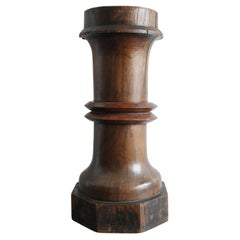
Antique Japanese wooden temple pillar object / 19th century / large decoration
Located in Sammu-shi, Chiba
We are pleased to present an extremely rare, one-of-a-kind item.
This is a wooden pedestal used in Japanese temples, and is said to have originally been made to support a large bronz...
Category
19th Century Japanese Meiji Antique Japan - Antiquities
Materials
Wood
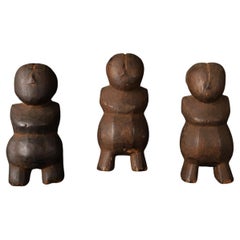
Set of 3 Wooden Tribal Figures — Papier-Mâché Molds, Myanmar, 19th Century
Located in Fukuoka, JP
This set of hand-carved wooden tribal figures once served as traditional molds for creating papier-mâché effigies used in ceremonial practices in Myanmar. Each mold is shaped with ex...
Category
19th Century Burmese Antique Japan - Antiquities
Materials
Wood
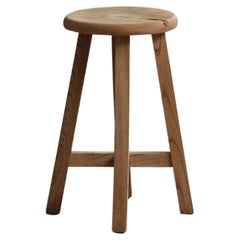
Primitive Japanese Wooden Stools, Wabi-Sabi, Japandi
Located in Katori-Shi, 12
Small yet with a strong presence. This stool has a cherry wood seat and keyaki wood legs.
Carefully assembled from sturdy materials, it is a simple yet beautiful piece.
The seat st...
Category
Early 20th Century Japanese Taisho Japan - Antiquities
Materials
Wood
Japanese Antique Wooden Block Workbench 1900s-1940s / Display Stand Wabisabi
Located in Chōsei District Nagara, JP
This is an old Japanese wooden block workbench, believed to have been used in the early Showa period (1900s–1940s). The material is zelkova (keyaki) wood.
The countless scratches, dents, and the smoothness of its surface are proof of the many years of daily use and the touch of human hands that have polished it over time. The iron fittings remaining on the surface tell the story of the work once performed here, while also serving as a striking visual accent.
The inherent durability and beautiful grain of zelkova have gained even greater depth through the passage of time, creating a unique and irreplaceable texture. Left as it is, it stands as a powerful art piece; as a display stand, it functions beautifully to enhance the presence of whatever is placed upon it.
There is a slight tilt, but this too is part of its individuality, telling the tale of its long history. It is not in perfection, but in the imperfections shaped by time, that the Japanese aesthetic of wabi-sabi resides.
This wooden workbench is more than just an old tool — it is a sculptural object that reflects the era and the lives of the people who used it. Whether in a home interior, gallery, or as store display furniture...
Category
Mid-20th Century Japanese Primitive Japan - Antiquities
Materials
Wood
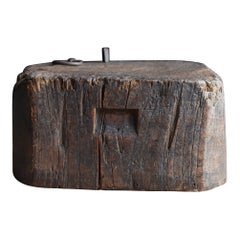
Japanese antique wooden work board / 20th century / small display stand
Located in Sammu-shi, Chiba
This is an old Japanese wooden workbench made from zelkova wood (keyaki), known for its hardness and beautiful grain. The thick cross-sectional shape clearly reveals the concentric g...
Category
20th Century Japanese Taisho Japan - Antiquities
Materials
Wood
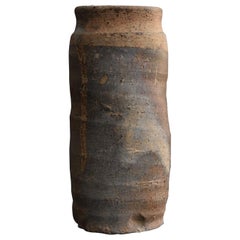
Antique Vases in Southern China / Small Vases / 16th to 17th Centuries
Located in Sammu-shi, Chiba
It is believed that pottery baked in southern China in the early Ming dynasty was imported into Japan.
It is a small size.
The upper part is slightly ...
Category
15th Century and Earlier Chinese Ming Antique Japan - Antiquities
Materials
Pottery
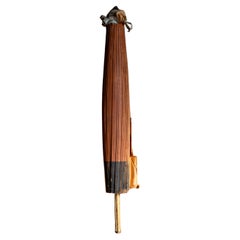
Antique Japanese "Wagasa" Umbrella, 20th Century
Located in Edogawa-ku Tokyo, JP
This handcrafted traditional Japanese umbrella, made of bamboo and washi paper, carries the quiet beauty of age and imperfection.
Its weathered texture and graceful form bring a sens...
Category
Early 20th Century Japanese Japan - Antiquities
Materials
Bamboo, Paper
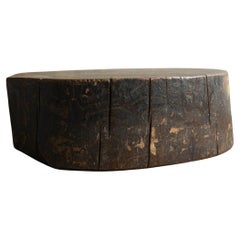
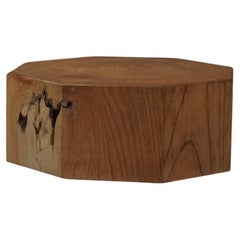
Japanese Antique Solid Zelkova Octagonal Display Stand, Japandi Wabi-Sabi
Located in Chiba, Chiba
A Japanese antique octagonal display stand carved from solid zelkova wood.
The exact date is unknown, yet the piece carries a distinctly primitive presence, shaped with a quiet stren...
Category
Mid-20th Century Japanese Japan - Antiquities
Materials
Wood
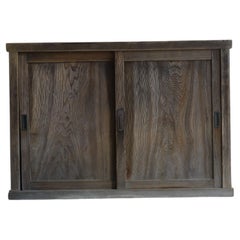
Japanese Antique Cabinets, Wabi Sabi, Japandi
Located in Katori-Shi, 12
This is a Japanese antique cabinet made in the Meiji period.
This is a masterpiece that highlights traditional techniques and craftsmanship, ...
Category
Early 20th Century Japanese Meiji Japan - Antiquities
Materials
Wood
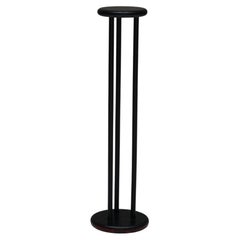
Japanese Antique Lacquered Display Stand, 1920s–1940s, Japandi Wabi-Sabi
Located in Chiba, Chiba
A Japanese antique lacquered display stand dating from the 1920s–1940s.
The surface is finished in deep black urushi lacquer, softly worn over time to reveal traces of the red underl...
Category
Early 20th Century Japanese Japan - Antiquities
Materials
Wood
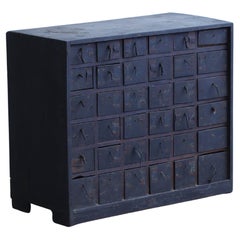
Japanese Antique Chests of Small Drawers , Wabi-Sabi
Located in Katori-Shi, 12
This medicine chest from the Meiji period has 36 small drawers and is highly practical.
It can be used for storage, of course, but depending on your ideas, it can also be used for a...
Category
Early 20th Century Japanese Meiji Japan - Antiquities
Materials
Wood
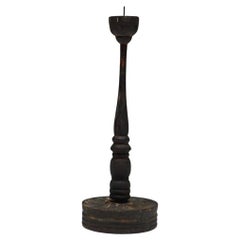
Japanese Antique Wooden Candle Stand, Late 1800s, Wabi-Sabi
Located in Chiba, Chiba
A Japanese antique wooden candle stand dating to the late 1800s.
The wood species is unknown, yet the material has aged into a deep, nearly blackened tone, conveying a strong sense o...
Category
Late 19th Century Japanese Antique Japan - Antiquities
Materials
Wood
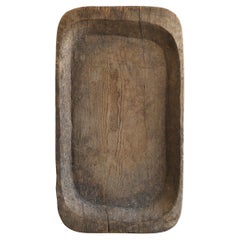
Japanese wooden wabi-sabi board/Early 20th century/Display stand/MINGEI
Located in Sammu-shi, Chiba
This is an old wooden work board called a “Kate-Kiri-Ban,” which was used in the Aizu region of Fukushima Prefecture, Japan, around the early 20th century. The name breaks down as fo...
Category
Early 20th Century Japanese Taisho Japan - Antiquities
Materials
Chestnut
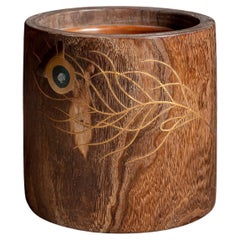
Antique Japanese Wooden Hibachi, Japan, Wabi Sabi, 20th Century
Located in Edogawa-ku Tokyo, JP
A beautiful antique Japanese hibachi crafted from richly grained wood, featuring an elegant inlaid design of a peacock feather. Traditionally, hibachi were used as portable charcoal ...
Category
Early 20th Century Japanese Japan - Antiquities
Materials
Wood
Still Thinking About These?
All Recently ViewedMore Ways To Browse
Cloisonne Pots Bonsai Trees
Egyptian Cartonnage
Han Dynasty Dancer
Ichimatsu Ningyo Doll
Japanese Antique Wall Decor
Japanese Lacquer Comb
Japanese Spinning Wheel
Japanese Swords 16th Century
Japanese Swords Stands
Lavender Jade Figure
Lizard Carving
Luristan Bronze
Manila Manton Shawls
Monkey Gong
Obi Stand
Pegu Bronze
Persian Dagger
Qing Dynasty Tea Cups