Mexico - Ceramics
to
2,050
1,375
5
3
2
2
4
2
2
3
3
2
1
5
5
5
Item Ships From: Mexico
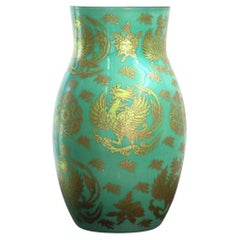
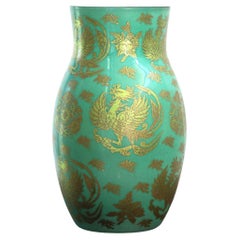
Yoshita Minori Kutani Porcelain Vase
Located in Mérida, YU
Yoshita Minori (吉田美統), whose first name in Chinese characters means "Beauty under Rule," is a revered figure in the realm of Japanese porcelain art and stands as a living embodiment ...
Category
Late 20th Century Japanese Other Mexico - Ceramics
Materials
Porcelain
Yoshita Minori Kutani Porcelain Vase
Located in Mérida, YU
Yoshita Minori (吉田美統), whose first name in Chinese characters means "Beauty under Rule," is a revered figure in the realm of Japanese porcelain art and stands as a living embodiment ...
Category
Late 20th Century Japanese Other Mexico - Ceramics
Materials
Porcelain
Impressive Terracotta Funerary Procession - Ming Dynasty, China
1368-1644 AD
Located in San Pedro Garza Garcia, Nuevo Leon
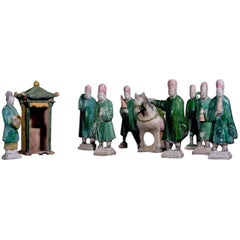
Impressive Funeral Ensamble of 10 Terracotta Glazed Figures in green and caramel colors depicting a votive procession with a palanquin, his four carriers, a horse, a stableman, two musicians, and an offering carrier.
This ensemble is accompanied by a Certificate of Authenticity, and Certificate of Expertise by Jean-Yves Nathan - Specialist in Asian Arts for the CEDEA (The European Confederation of Art Experts).
Burial figurines of graceful dancers, mystical beasts, and everyday objects reveal both how people in early China approached death and how they lived. Since people viewed the afterlife as an extension of worldly life, these figurines, called mingqi, sometimes referred as “spirit utensils” or “vessels of ghosts” disclose details of routine existence and provide insights into belief systems over a thousand-year period.
The Ming dynasty was the ruling dynasty of China – then known as the Empire of the Great Ming – for 276 years (1368–1644 AD). Founded by Chu Yuan-chang, the rebel leader that was successful in removing the mongols from the throne. Chinese control was re-asserted in China and eastern Asia. Literature became more important, schools were created, and the justice system was reformed. The Ming dynasty is described by some as "one of the greatest eras of orderly government and social stability in human history,” was the last imperial dynasty in China ruled by ethnic Han Chinese.
The practice of burying ceramic objects with the deceased went into decline from the 10th to the 14th Century AD. There was a revival in placing miniature representations of glazed terracotta objects such a furniture, food offerings, horses, miniature statues...
Category
15th Century and Earlier Chinese Ming Antique Mexico - Ceramics
Materials
Terracotta
Tang Dynasty Expressive Imperial Court Singer - TL Tested
Located in San Pedro Garza Garcia, Nuevo Leon
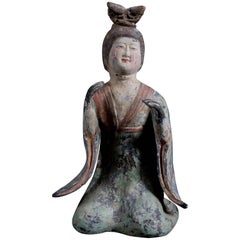
Very expressive Imperial Court singer dressed in elegant ceremonial robes with long sleeves and hands in motion. Gray terracotta. Thermoluminescense Test by Ralph Kotalla Lab NE: 05K091003 (Worldwide oldest private laboratory specialized in TL testing...
Category
15th Century and Earlier Tang Antique Mexico - Ceramics
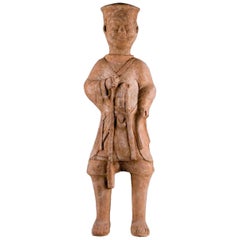
Han Dynasty Standing Horse Trainer “Palafrenieri”
Located in San Pedro Garza Garcia, Nuevo Leon
Huge hollow molded terracotta, standing male figure wearing a hip-length multi-layered robe with a collared neck. Implements suspended from his waist, holding a staff in his right ha...
Category
15th Century and Earlier Han Antique Mexico - Ceramics
Materials
Terracotta
Related Items
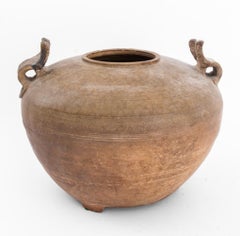
Chinese Han Dynasty Stoneware Storage Vessel
Located in Astoria, NY
Chinese Han Dynasty Stoneware Storage Vessel, with two applied animal form handles. 10" H x 12.5" Diameter. Provenance: From the Upper East Side Apartment of a Former Ambassador.
Category
15th Century and Earlier Chinese Han Antique Mexico - Ceramics
Materials
Stoneware

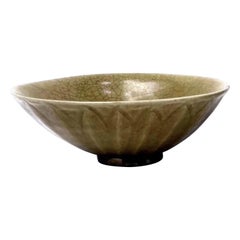
A Chinese Longquan Celadon Lotus Bowl, Ming Dynasty
Located in ARMADALE, VIC
A Chinese Longquan Celadon Lotus Bowl, Ming Dynasty
Diameter: 16.7 cm Height: 5.5 cm
Provenance: The Collection of Dr. John Yu AC
Dr. Yu was the Foundi...
Category
15th Century and Earlier Chinese Ming Antique Mexico - Ceramics
Materials
Ceramic
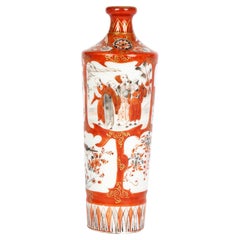
Kutani Japanese Meiji Porcelain Vase Painted with Figures
Located in Bishop
s Stortford, Hertfordshire
Japanese Meiji porcelain Kutani vase hand painted with decorative and a figural panel dating between 1868 and 1912. The elegantly shaped tall ...
Category
19th Century Japanese Meiji Antique Mexico - Ceramics
Materials
Porcelain
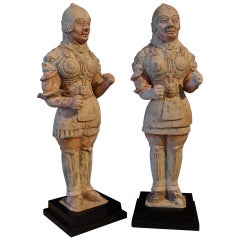
Pair of Tang Dynasty Painted Pottery Soldiers
Located in Austin, TX
A well modelled pair of Tang dynasty painted pottery soldiers.
The warriors portrayed standing, dressed in form fitting, elaborate layered Armor with fitted helmets. The breastplate...
Category
15th Century and Earlier Chinese Tang Antique Mexico - Ceramics
Materials
Pottery
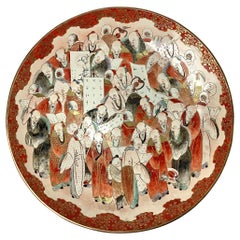
Large Kutani Million Faces Porcelain Platter 19th Century
Located in Lambertville, NJ
Large 15" in diameter Kutani Million Faces Porcelain Platter 19th Century. Age appropriate condition with a mark on the foot and some crazing from age.
Category
19th Century Chinese Antique Mexico - Ceramics
Materials
Porcelain
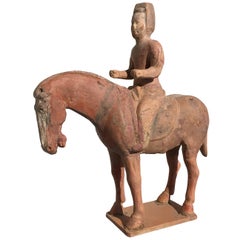
Tang Dynasty Painted Pottery Horse and Rider, TL Tested
Located in Austin, TX
A charming Tang dynasty painted pottery figure of a horse and mounted noble rider. TL tested by Oxford Authentication.
The horse portrayed standing fours...
Category
15th Century and Earlier Chinese Tang Antique Mexico - Ceramics
Materials
Earthenware
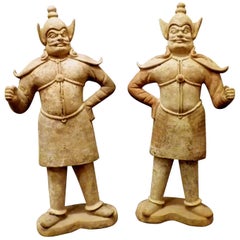
Pair of Very Refined Tang Dynasty Pottery Statue of Guardians, Oxford TL Tested
Located in Greenwich, CT
A pair of very refined standing pottery statue of guardians, dramatic facial expression, beautiful detail, early Tang dynasty 618-907, come with one Oxford authentication TL test cer...
Category
15th Century and Earlier Chinese Tang Antique Mexico - Ceramics
Materials
Terracotta
$19,000 Sale Price
24% Off
H 27 in W 12 in D 7 in
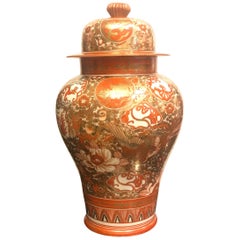
Antique Meiji Period Kutani Japanese Porcelain Temple Jar
Located in Lambertville, NJ
Antique Meiji period Japanese porcelain temple jar with intricate hand painted decoration and gilt. The jar in Classic Kutani colors with floral and phoenix birds all over the top an...
Category
1880s Japanese Meiji Antique Mexico - Ceramics
Materials
Porcelain
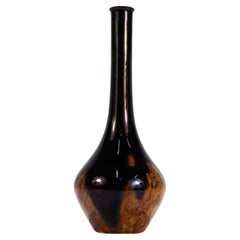
Signed Japanese Black Glaze Kutani Porcelain Vase by Mitsui Tamekichi III
Located in Philadelphia, PA
A fine vintage Japanese Kutani porcelain vase.
By Mitsui Tamekichi the 3rd (?????3?).
Born Mitsui Eiichi in 1935. He met his wife while apprenticing under Kutani master Torijo...
Category
20th Century Japanese Meiji Mexico - Ceramics
Materials
Porcelain
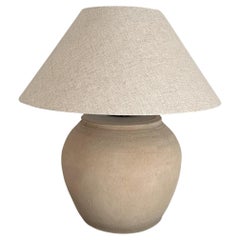
Han Style Sandcolor Vase Table Lamp
Located in Vosselaar, BE
A Chinese Han style vase turned in to a tablelamp. Made from unglazed grey earthenware in a pot shape with subtle sandgrain patina. This vase has a grea...
Category
19th Century Chinese Han Antique Mexico - Ceramics
Materials
Earthenware
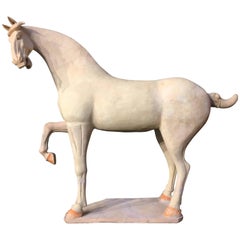
Large Early Tang Dynasty Painted Pottery Model of a Prancing Horse, TL Tested
Located in Austin, TX
A magnificent and large early Tang dynasty (618-906 AD) model of a prancing or dancing horse, circa 7th century.
The majestic animal is caught mid-motion, one leg raised, head grace...
Category
15th Century and Earlier Chinese Tang Antique Mexico - Ceramics
Materials
Pottery
$68,000
H 27 in W 34 in D 10 in
Earthenware Pottery Jar, Han Dynasty(206 BC-220 AD)
Located in seoul, KR
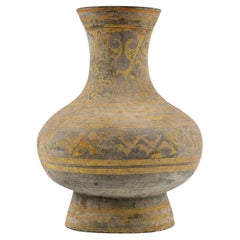
This jar would have served as a mortuary object (mingqi), placed in a tomb as a substitute for the more valuable bronze and lacquer vessels. Along with a variety of other funerary earthenware objects, attendant figures, and animals, richly decorated vessels of this kind were intended to serve the spirit of the deceased in the afterlife.
Period : Han dynasty
Type : Jar
Medium : Earthenware
Dimension : 28.5 cm(Height) x 11cm(Mouth Diameter)
Condition : Good(Overall in well-preserved ancient burial condition with some soil still adhering (showing minor abrasions and wear due to prolonged burial underground)
Provenance : Acquired in late 1990s from Hongkong
* Han Dynasty Earthenware...
Category
15th Century and Earlier Hong Kong Han Antique Mexico - Ceramics
Materials
Earthenware
Still Thinking About These?
All Recently ViewedMore Ways To Browse
Altar Fruit
Asian Palace Vases
Bali Deco
Blue And White Armorial Export China
Ceramic Roof Tiles
Chinese Ceramic Pillow
Chinese Porcelain Phoenix Bird
Chinese Porcelain Warrior
Chinese Unicorn
Chinese Water Pot
Funerary Urn
Gosu Blue
Japanese Storage Jar
Kangxi Jar
Meiji Satsuma Jar
Ming Dynasty Chinese Roof Tiles
Ming Dynasty Tomb
Nanking Blue China