New York City - More Carpets
to
789
Width
to
Length
to
3,971
1,023
64
744
242
127
91
69
64
47
19
18
15
10
10
2
2
40
476
3,455
1,087
1,379
1,221
154
51
39
93
54
25
58
42
32
8
4
4,983
4,750
303
300
43
5,058
26,203
2,869
5,058
4,768
4,876
4,354
3,481
2,085
1,396
1,263
156
113
63
46
40
Item Ships From: New York City
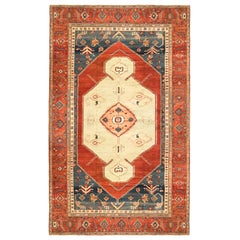
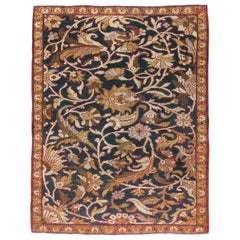
Antique Persian Serapi Bakshaish Oriental Carpet, in Large Size with Soft Colors
Located in New York, NY
A magnificent Persian Serapi Bakshaish oriental carpet, circa 1900, size 19'5" x 12'0". This unique carpet has a large, spacious central medallion, with stylized blue corners, and a ...
Category
Early 1900s Persian Serapi Antique New York City - More Carpets
Materials
Wool

$54,995 Sale Price
26% Off
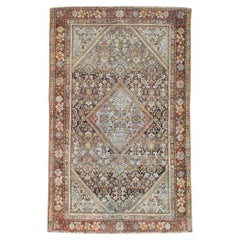
Early 20th Century Handmade Persian Mahal Accent Rug
Located in New York, NY
An antique Persian Mahal accent rug handmade during the early 20th century.
Measures: 4' 0" x 6' 5".
Category
Early 20th Century Persian Rustic New York City - More Carpets
Materials
Wool
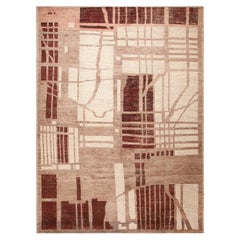
Nazmiyal Collection Primitive Design Central Asian Rug. 13 ft 3 in x 17 ft 10 in
Located in New York, NY
Nazmiyal Collection Attractive Large Tribal Primitive Design Central Asian Rug, Country of Origin: Central Asia, Circa date: Modern
Category
21st Century and Contemporary Central Asian Other New York City - More Carpets
Materials
Wool
$14,875 Sale Price
30% Off
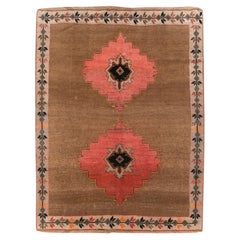
Galerie Shabab Collection Mid-20th Century Turkish Anatolian Room Size Carpet
Located in New York, NY
A vintage Turkish Anatolian room size carpet handmade during the Mid-20th Century.
Measures: 8' 11" x 12' 0".
Category
Mid-20th Century Turkish Rustic New York City - More Carpets
Materials
Wool
Contemporary Handmade Turkish Room Size Carpet
Located in New York, NY
A contemporary Turkish room size carpet handmade during the 21st century.
Measures: 9' 7" x 11' 3".
Category
21st Century and Contemporary Turkish Modern New York City - More Carpets
Materials
Wool
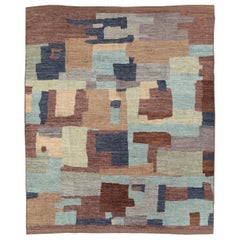
Mid-20th Century Chinese Art Deco Room Size Carpet
Located in New York, NY
A vintage Chinese Art Deco room size carpet handmade during the Mid-20th Century.
Measures: 8' 11" x 11' 7".
Category
Mid-20th Century Chinese Art Deco New York City - More Carpets
Materials
Wool
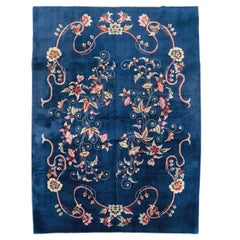
Vintage Chinese Art Deco 9
x 12
Room Size Rug
Located in New York, NY
A vintage Chinese Art Deco rug handmade during the mid-20th century predominantly in red, green, and antique white, and with accent colors in silver, beige, pink, blue, and orange , ...
Category
Mid-20th Century Chinese Art Deco New York City - More Carpets
Materials
Wool
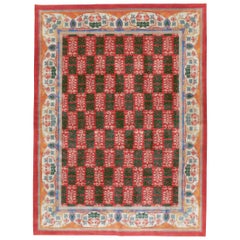
Mid-20th Century Handmade American Rag Throw Rug
Located in New York, NY
A vintage American Rag rug in throw/scatter size handmade during the mid-20th century.
Measures: 3' 3" x 6' 5".
Category
Mid-20th Century American American Colonial New York City - More Carpets
Materials
Wool
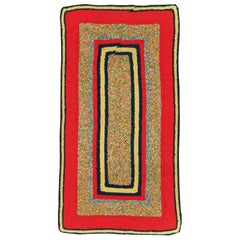
$1,300 Sale Price
20% Off
Mid-20th Century Handmade Persian Shiraz Throw Rug
Located in New York, NY
A vintage Persian Shiraz throw rug handmade during the mid-20th century.
Measures: 1' 11" x 2' 2"
Persian rugs
carpets:
Persia (Iran) is a moderately large country with ...
Category
Mid-20th Century Persian Rustic New York City - More Carpets
Materials
Wool
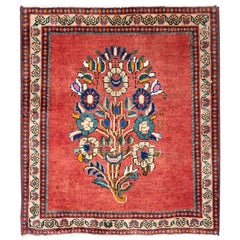
Persian Traditional Tabriz Hand Knotted Rug in Ivory, Camel and Rust Colors
Located in New York, NY
This Persian Tabriz hand-knotted rug is made from the finest hand-carded wool and distinguished by its excellent weave, and by the remarkable adherence to the classical traditions of...
Category
2010s Persian Tabriz New York City - More Carpets
Materials
Wool
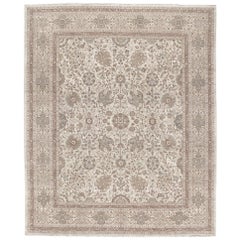
Early 20th Century Handmade Persian Malayer Throw Rug
Located in New York, NY
An antique Persian Malayer throw rug handmade during the early 20th century.
Measures: 3' 3" x 5' 10".
Category
Early 20th Century Persian Rustic New York City - More Carpets
Materials
Wool
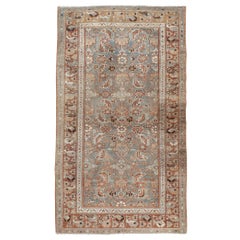
Early 20th Century Handmade Chinese Ningxia Square Throw Rug
Located in New York, NY
An antique Chinese Ningxia square throw rug handmade during the early 20th century.
Measures: 2' 3" x 2' 4"
The craft of the hand-knotted carpet in China, and the surrounding areas including Mongolia and Tibet, extends into the early centuries of the first millennium, C.E., but we really have a firm grasp only beginning in the later 16th century with large, very coarsely woven carpets, often depicting dragons, created for the Imperial Forbidden City palaces. Chinese carpets have always been commercial and there are no tribal groups responsible for any of the carpet weaving strains.
When the Ming Dynasty fell in 1644, with no Imperial patrons, production moved to the city of Ningxia in north central China where several workshops turned out more finely woven pieces for the Mandarins of the administrative Ch’ing bureaucracy and well-to-do merchants. Ningxia was the major Chinese carpet center up through most of the 19th century, with first allover and then medallion designs on cotton foundations in medium weaves. Palettes were initially limited to yellows, dark blue and cream, but later widened to include reds, browns and even green. These antiques were the first Chinese carpets to be exported to the West and they fitted in well with the craze for Chinese blue-and-white porcelain in the second half of the 19th century. Ningxia also wove shaped and rectangular small rugs for saddle underlays, chair (“throne”) seats and shaped backs, pillar carpets with dragons or monks for Buddhist monasteries, and long divided runners for monastery meditation halls. These small rugs are among the most collectible of all Chinese weavings.
Weavers from Ningxia set up workshops in the capital Peking (Beijing) in the 1860’s and began weaving Western room sizes for export, primarily to America. In blue – and – white and polychrome palettes, with round wreath medallions, precious objects, seasonal flowers, paeonies, lotuses, fretwork, clouds, butterflies and bats, all relatively spaciously drawn. The round “Shou” (Good Luck) character is also a prominent decorative motif. There are also a few Peking landscape pictorials with pagodas, houses, bridges, waterscapes and boats. Peking carpets were woven right up until WWII and production began again after the Cultural Revolution around 1970. They are moderately well-woven, on cotton foundations, exactingly executed and indisputably Chinese. Many are in the blue-and-white style. Nothing else looks like a Peking carpet and for a Chinese “look” in a room, they are absolutely indispensable. Sizes range from scatters and a few runners, through the popular 9’12’ size, to large carpets over 20’ which must have been special orders. The earliest Peking Revival carpets are pliable and fairly thin, but they became heavier and more compact in the 20th century, in competition with Art Deco carpets from Tientsin. The modern, post- 1970, pieces are in the traditional Peking style, but are a little too regular and neat. Exactitude has been favored over character, as hard to explain that as it is.
There are a number of all-silk and silk-and –metal thread pieces, many with inscriptions purporting to link them with rooms in the Imperial palaces, bringing very substantial auction prices, but none are really antique. The genre emerged after WWI and the present demand comes from mainland Chinese. The silk piles often stand in pattern relief against flat woven gold metal thread grounds. The inscriptions are apocryphal, the rugs are flashily opulent, perfect for nouveaux riches.
The Art Deco period between the two World Wars saw a distinctive carpet industry developing in Tientsin (Tianjin) in northeastern China. These are highly prized for their transitional design character, neither overtly Chinese, nor abstractly modern/contemporary. Woven exclusively for export, usually by and for American firms, such as Nichols and Elbrook, they are totally in the “Jazz Age Modern” style of the 1920’s, often without borders, with abstract or abstracted patterns, and only with, at best, a few Chinese-y pattern elements. Vases asymmetrically placed in the corners are features of some of the more Chinese-y carpets. Open fields with floral sprays and branches growing in from the edges are anther design innovation. Often, Chinese motives have been re-imagined in more sharp-edged, abstract manners. Some have no references whatsoever to natural elements. The patterns are sharp and the rugs are never subdued, soft or restrained. The rugs are heavily constructed, with crisp, unfading dyes and medium to medium coarse weaves on cotton foundations. All are extremely well-executed, with none of the vagaries, variations or twists found on even high-quality Persian rugs. The majority are in the 9’ by 12’ format and a surprising number can be found in top condition. There also was a substantial production in Peking from, especially from the Fette factory. Elliptical and round carpets, and lighter, often pastel colors, were a specialty. Nothing looks like an Art Deco Chinese and they work well with traditional Chinese furniture and the most modern decor as well. These is no substitute for a good Chinese Art Deco carpet.
Chinese carpets also include small scatters from Tibet, with high quality wool, floating dragons and allover textile patterns. The colors of vintage and modern pieces are bright, but there are antique small rugs...
Category
Early 20th Century Chinese Art Deco New York City - More Carpets
Materials
Wool
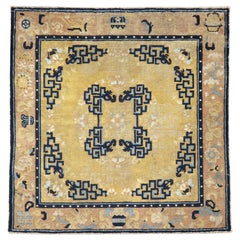
Brown and Black Italian Leather Checkerboard Rug
Located in New York, NY
A vintage Italian Art Deco rug from the mid-20th century. A true oddity. Brown and black leather squares alternate in a chessboard (checkerboard) ...
Category
Mid-20th Century Italian Mid-Century Modern New York City - More Carpets
Materials
Leather

$900 Sale Price
20% Off
Early 20th Century Handmade Persian Sampler Mahal Throw Rug
Located in New York, NY
An antique Persian Wagireh (Sampler) Mahal throw rug handmade during the early 20th century. This charming ruglet was originally used as a visual sampler to weave larger carpets.
Measures: 3' 9" x 4' 10"
Persian Rugs...
Category
Early 20th Century Persian Rustic New York City - More Carpets
Materials
Wool
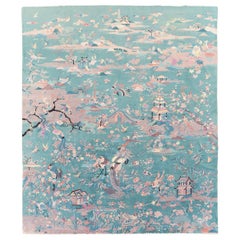
Mid-20th Century Handmade Chinese Art Deco Room Size Carpet in Seafoam Green
Located in New York, NY
A vintage Chinese Art Deco room size carpet handmade during the mid-20th century with a pictorial design in a pale mauve tone over a seafoam green background.
Measures: 12' 5" x 1...
Category
Mid-20th Century Chinese Art Deco New York City - More Carpets
Materials
Wool
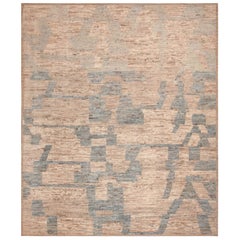
Nazmiyal Collection Earthy Tones Modern Central Asian Rug. 13 ft 10 in x 16 ft 1
By Nazmiyal Collection
Located in New York, NY
Nazmiyal Collection Large Earthy Tones Chic Modern Central Asian Rug. Country of Origin: Central Asia, Circa date: Modern
Category
21st Century and Contemporary Central Asian Modern New York City - More Carpets
Materials
Wool
$13,965 Sale Price
30% Off
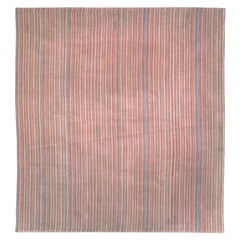
Mid-20th Century Handmade Persian Flatweave Kilim Square Accent Rug
Located in New York, NY
A vintage Persian flatweave Kilim accent rug in square format handmade during the mid-20th century.
Measures: 6' 1" x 6' 8".
Category
Mid-20th Century Persian Rustic New York City - More Carpets
Materials
Wool
Mid-20th Century Handmade Chinese Art Deco Throw Rug
Located in New York, NY
A vintage Chinese Art Deco throw rug handmade during the mid-20th century.
Measures: 3' 1" x 4' 11".
Category
Mid-20th Century Chinese Art Deco New York City - More Carpets
Materials
Wool
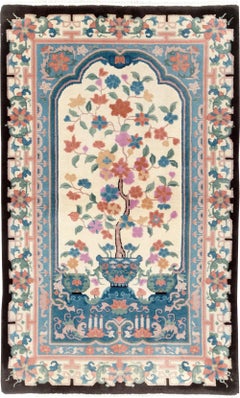
Antique Persian Khorassan Rug. 12 ft 2 in x 15 ft 9 in
Located in New York, NY
Antique Khorasan rug, woven in: Persia, date circa 1900 - Size: 12 ft 2 in x 15 ft 9 in (3.71 m x 4.8 m).
Category
Early 20th Century Persian Khorassan New York City - More Carpets
Materials
Wool
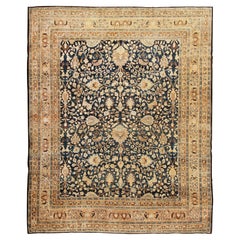
Zabihi Collection Navy Vintage Tibetan Tiger Rug
Located in New York, NY
a late 20th-century Tibetan tiger rug
Measures: 2'4'' x 4'
Category
Late 20th Century Tibetan Bohemian New York City - More Carpets
Materials
Wool
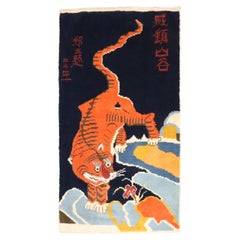
Schumacher Fitzgerald 10
x 14
Rug In Natural
By Schumacher
Located in New York, NY
This rug will ship in December. Made with a wool-and-cotton jacquard weave, Fitzgerald is a large-scale zigzag pattern with unique chevron details and lovely texture. An adaptation o...
Category
21st Century and Contemporary American Modern New York City - More Carpets
Materials
Cotton
$4,355 / item
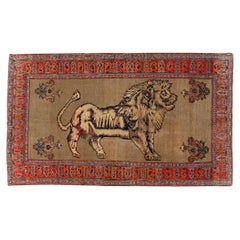
Early 20th Century Handmade Persian Senneh Malayer Pictorial Lion Accent Rug
Located in New York, NY
An antique Persian Senneh Malayer accent rug handmade during the early 20th century with a pictorial design of a lion.
Measures: 4' 10" x 8' 2".
Category
Early 20th Century Persian Rustic New York City - More Carpets
Materials
Wool
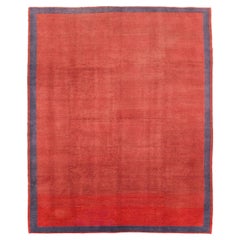
Mid-20th Century Handmade Turkish Anatolian Art Deco Style Room Size Carpet
Located in New York, NY
A vintage Turkish Anatolian Art Deco style room size carpet handmade during the mid-20th century.
Measures: 9' 2" x 11' 3".
Category
Mid-20th Century Turkish Art Deco New York City - More Carpets
Materials
Wool
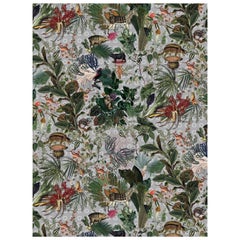
Moooi Large Menagerie of Extinct Animals Cloud Rectangle Rug in Wool
By Moooi
Located in Brooklyn, NY
Moooi Large Menagerie of Extinct Animals Cloud Rectangle Rug in Wool with Blind Hem Finish
"The people working for Moooi are the largest asset of the company - Casper Vissers."Moo...
Category
21st Century and Contemporary Dutch New York City - More Carpets
Materials
Wool
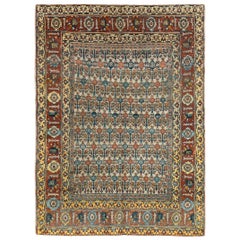
Early 20th Century Handmade Persian Tabriz Accent Rug
Located in New York, NY
An antique Persian Tabriz accent rug handmade during the early 20th century.
Measures: 4' 0" x 5' 5"
Persian rugs
carpets:
Persia (Iran) is a moderately large country with a ...
Category
Early 20th Century Persian Rustic New York City - More Carpets
Materials
Wool
Contemporary Handmade Turkish Flatweave Kilim Room Size Carpet
Located in New York, NY
A contemporary Turkish flatweave Kilim room size carpet handmade during the 21st century.
Measures: 8' 5" x 11' 11".
Category
21st Century and Contemporary Turkish Modern New York City - More Carpets
Materials
Wool
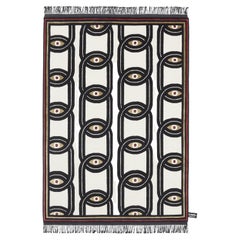
cc-tapis Eyes in Chains Rug by Federico Pepe
By cc-tapis, Federico Pepe
Located in Brooklyn, NY
Hand knotted in the cc-tapis atelier in Kathmandu, Nepal. The rug is made with a cotton weave, a Himalayan wool and silk coming from the areas surrounding the atelier. 152.000 indivi...
Category
21st Century and Contemporary Nepalese Modern New York City - More Carpets
Materials
Cotton
$10,878 / item
Antique Sultanabad Persian Rug. Size: 10 ft 4 in x 14 ft
Located in New York, NY
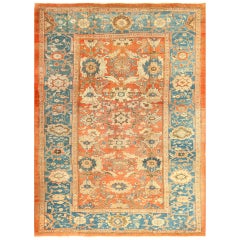
Beautiful Room Size Antique Sultanabad Persian Rug, Country of Origin / Rug Type: Persian Rug, Circa Date: 1880. Size: 10 ft 4 in x 14 ft (3.15 m x 4.27 m).
Category
Late 19th Century Persian Sultanabad Antique New York City - More Carpets
Materials
Wool
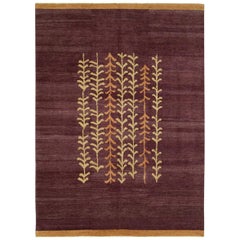
Contemporary Handmade Turkish Anatolian Room Size Carpet in Aubergine
Located in New York, NY
A modern Turkish Anatolian room size carpet handmade during the 21st century. This contemporary borderless Turkish rug features 7 leafy vines over an aubergine (eggplant) purple colo...
Category
21st Century and Contemporary Turkish Modern New York City - More Carpets
Materials
Wool
$3,700 Sale Price
20% Off
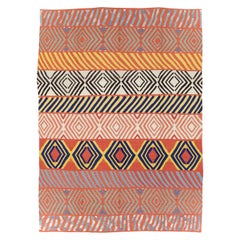
Contemporary Handmade Turkish Flatweave Kilim Large Room Size Carpet
Located in New York, NY
A modern Turkish flatweave Kilim large room size carpet handmade during the 21st century with some tribal design elements in geometric form.
Measures: 10' 3" x 14' 2".
Category
21st Century and Contemporary Turkish Modern New York City - More Carpets
Materials
Wool
$8,100 Sale Price
20% Off
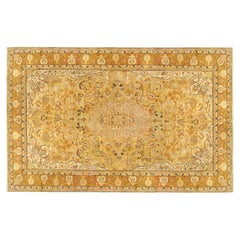
Antique Persian Tabriz Oriental Carpet in Room Size with Medallion
Located in New York, NY
Antique Perisan Tabriz Oriental Carpet, circa 1920, Room Sized
An antique Persian Tabriz oriental carpet, circa 1920. Size: 10'0" x 6'6". This large sized antique decorative rug...
Category
1920s Persian Vintage New York City - More Carpets
Materials
Wool
$8,956 Sale Price
20% Off
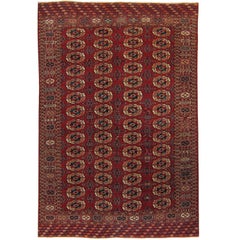
Antique Tekke Main Carpet
Located in New York, NY
Antique Tekke Main carpet or rug. A handsome antique tribal carpet, woven by the Tekke Turkmen tribal groups in Central Asia. Featuring one of the mo...
Category
Late 19th Century Turkmen Tribal Antique New York City - More Carpets
Materials
Wool
$13,500
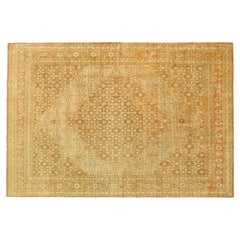
Antique Persian Tabriz Oriental Carpet in Room Size with Central Medallion
Located in New York, NY
Antique Persian Tabriz Oriental Carpet, circa 1910, Room Sized
An antique Persian Tabriz oriental carpet, circa 1910. Size: 12'0" x 9'2". This large sized antique decorative rug wa...
Category
1910s Persian Vintage New York City - More Carpets
Materials
Wool
$15,996 Sale Price
20% Off
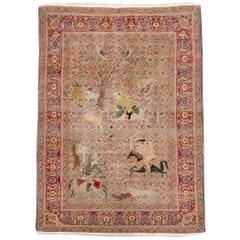
Early 20th Century Handmade Persian Tabriz Hunting Scene Pictorial Accent Rug
Located in New York, NY
An antique Persian Tabriz accent rug handmade during the early 20th century with the classic pictorial hunting scene design.
Measures: 4' 5" x 5' 3"
Persian Rugs
Carpets:...
Category
Early 20th Century Persian Folk Art New York City - More Carpets
Materials
Wool
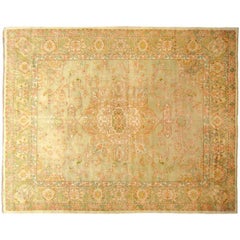
Antique Turkish Oushak Decorative Oriental Rug, in Room Size, with Muted Colors
Located in New York, NY
An antique Turkish Oushak oriental carpet, size 13'2 x 10'3, circa 1910. This lovely decorative carpet features a diffuse central medallion on a subtly hued central field, which is e...
Category
1910s Turkish Vintage New York City - More Carpets
Materials
Wool
$22,495 Sale Price
25% Off
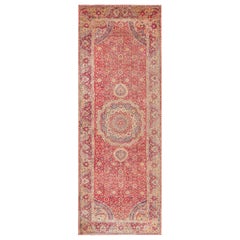
Nazmiyal Collection 17th Century Mughal Gallery Carpet. Size: 9 ft x 24 ft 8 in
Located in New York, NY
Beautiful 17th Century Mughal Gallery Carpet - Size: 9 ft x 24 ft 8 in (2.74 m x 7.52 m)
Category
17th Century Indian Other Antique New York City - More Carpets
Materials
Wool
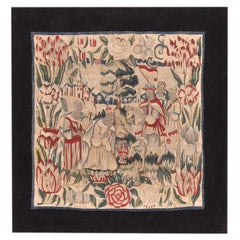
17th Century Antique German Tapestry. 1 ft 8 in x 1 ft 8 in
Located in New York, NY
Small 17th Century Antique German Biblical Tapestry Depicting David And Abigail, Country Of Origin: Germany, Circa Date: 17th Century. Size: 1 ft 8 in x 1 ft 8 in (0.51 m x 0.51 m)
Category
17th Century German Renaissance Antique New York City - More Carpets
Materials
Wool, Silk
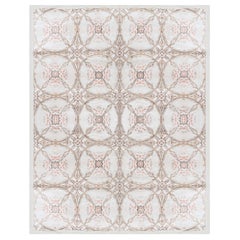
Modern Tibetan Silk Rug – “Cinnamon Lattice” Design by Doris Leslie Blau
Located in New York, NY
Modern Tibetan Silk Rug – “Cinnamon Lattice” Design by Doris Leslie Blau
Size: 8'0" × 10'0" (243 × 304 cm)
Artfully crafted in Tibet, this luxurious modern silk rug features an intri...
Category
21st Century and Contemporary Nepalese Modern New York City - More Carpets
Materials
Silk
$11,760 Sale Price
30% Off
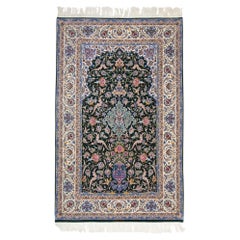
Zabihi Collection Silk Warp Green Persian Isfahan Prayer Rug
Located in New York, NY
A mid-20th-century Persian Isfahan Prayer Carpet. The jade field with birds amongst a flowering vase, vinery, and a floral medallion beneath ivory spandrels is within a palmette and ...
Category
Mid-20th Century Persian Islamic New York City - More Carpets
Materials
Wool
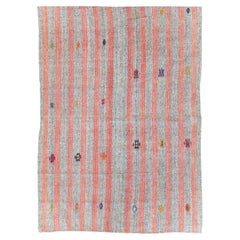
Mid-20th Century Handmade Turkish Flat-Weave Kilim Accent Carpet
Located in New York, NY
A vintage Turkish flat-weave Kilim accent carpet handmade during the mid-20th century.
Measures: 6' 10" x 9' 7"
Flat-weave rugs
carpets:
Knotted pile rugs are just one small part of a vast universe of textile techniques suitable for heavy use. If you can imagine it, some weaver has tried it out. Pieces can be roughly divided into those reversible from the start and those never, or at least not initially, reversible. Thus, kilims are considered reversible, while everything else is not.
Kilims are tapestry woven rugs with both sides the same, in either slit technique where colors change, or with various methods of avoiding slits. Slit tapestry weave goes back to ancient times and Coptic Egyptian weavers used it for ornaments on garments and larger wall hangings. Slits can be avoided by dovetailing of colors (warp sharing) or by interlocking the wefts. The Navajo weavers of the Southwest practice the first while the Fine shawl weavers of Kashmir and Kerman employed the second. Interlocking produces a one-faced fabric, with smooth and rough, ridged faces. The typical Turkish, Caucasian, or Persian rustic Kilim shows slits, but never long ones. Aubusson French carpets are also slit tapestries and the long color transitions are sewn up as part of the regular maintenance. Some kilims are very Fine. The best antique urban Sehna (Senna) kilims on wool, cotton or silk warps approximate the comparable rugs in refinement and are the most desirable of all Persian kilims. Although the various flatweave techniques are usually expressed in geometric, simple, often repeating, patterns, Sehna kilims demonstrate that even the most intricate designs can be effectively rendered in flat-stich. The term ‘Kilim’ has been extended to cover any pileless, weft-faced heavy textile. Thus, the sectioned and joined northeastern Persian horizontally striped wool rugs are called ‘kilims’. So are the plain-weave end finishes of pile rugs. All these are weft-faced, weft patterned flatweaves.
These sectioned pieces are woven not on a frame loom, but one steadied by the weaver at one end and with the warps fastened down at the other. Only relatively recent have these tribal pieces become available. They are used as floorcoverings, hangings, room dividers, furniture covers. They are mostly bitonal in shades of natural dark brown and beige. Some more recent pieces show weaver innovations with ikat and moire effects. Work proceeds quickly and a skilled weaver can complete a thirty foot strip in almost no time.
Wefts, the elements added as weaving progresses, play an essential part in what is a flatweave. The best-known example of an extra-weft, wrapping technique is on Caucasian and tribal Persian Soumaks, where a pattern weft wraps around the fixed warp, changing as weaving progresses. Soumaks can be large carpets, Kuba in the Caucasus, small bag faces (Caucasian and Persian Shah Savan saddle bags), or cover scatter rugs (Persian Afshars). The Soumak technique is fast, and a weaver can work much more quickly than tying knots. The left-over wefts are cut off on the back, so the front and back are initially different. As a Soumak on the floor gets used, these weft yarns wear away and the two sides converge although the exact texture remains distinct.
There are other ways of pattern by weft. Often on smaller tribal pieces, the pattern weft(s) is (are) part of the weft structure, moving in an out, and holding the whole thing together. These wefts can be complementary or added (supplementary), continuous across the flatweave or cut off as they travel unneeded across the verso. Supplementary weft flatweaves are often very compact and substantial. The nomadic Turkmen and Balouch tribes employ both supplementary and complementary weft techniques on their pieces. Supplementary wefts are often raised on the recto (front) while complementary wefts are flat to the surface. Tribal Kurds employ this extra-wefting technique. The Balouch of Pakistan use complementary wefts almost exclusively on their small woven paraphernalia like salt bags.
Flatweave techniques may be combined on a single piece. Afshar rugs employ plain-weave end strips, preceded by Soumak bands, with pile sections between. The large Bakhtiari saddlebags feature Soumak work, pile “islands” an areas of plain-weave. Qashqai rugs and kilims frequently displays checkerboard end strips in continuous, complementary wefting.
Another distinct flatweave type is the jajim (jijim, cecim) in which a pattern is added with colored wefts as the weaving of the plain-weave ground progresses. Here the wefts are discontinuous and the pattern stands proud from the voided ground. Often made in two pieces on narrow looms and edge-sewn together, these may have geometric patterns. The term ‘jajim’ also refers to the assembled warp-faced strip and stripe covers from the Shah Savan of northwest Persia, the pattern is defined by warps alone, usually in plain stripes, but sometimes in designs of ladders, snakes, human figures and various animals. Here the color changing warps are continuous. Most are wool, a few are silk. Better to call these something else.
Indian ‘Dhurries’ are all cotton kilims and ‘shatrangis’ employ wool wefts on cotton warps. Dhurries are slitless. The cotton texture is more appropriate to the humid and warm climate of the Indian subcontinent. Modern Dhurries...
Category
Mid-20th Century Turkish Tribal New York City - More Carpets
Materials
Wool
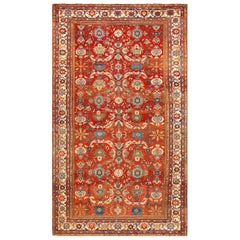
Antique Persian Sultanabad Carpet. Size: 10 ft x 17 ft 5 in
Located in New York, NY
Antique Large Scale Sultanabad Carpet, Origin: Persia, Circa 1900. Size: 10 ft x 17 ft 5 in (3.05 m x 5.31 m)
Sultanabad carpets are some of the most desirable carpets in the world....
Category
Early 20th Century Persian Sultanabad New York City - More Carpets
Materials
Wool
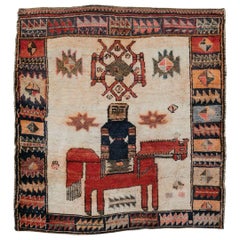
Tribal Mid-20th Century Handmade Persian Bakhtiari Pictorial Square Accent Rug
Located in New York, NY
A vintage Persian Pictorial accent rug in square format handmade by the Bakhtiari nomadic tribe during the mid-20th century with a pictorial design of an androgynous figure...
Category
Mid-20th Century Persian Tribal New York City - More Carpets
Materials
Wool
$2,900 Sale Price
20% Off
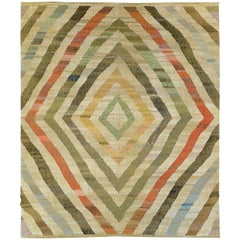
Contemporary Handmade Turkish Flat-Weave Kilim Large Geometric Room Size Carpet
Located in New York, NY
A modern Turkish flat-weave Kilim large room size carpet handmade during the 21st century with a geometric large scale diamond-shaped pattern in earth tones with an overall khaki gre...
Category
21st Century and Contemporary Turkish Modern New York City - More Carpets
Materials
Wool
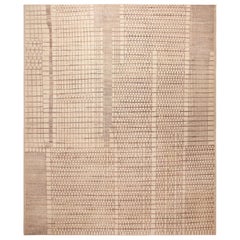
Nazmiyal Collection Contemporary Design Central Asian Rug. 13 ft 5 in x16 ft 4in
Located in New York, NY
Nazmiyal Collection Large Geometric Contemporary Design Central Asian Rug, Country of Origin: Central Asia, Circa date: Modern
Category
21st Century and Contemporary Central Asian Other New York City - More Carpets
Materials
Wool
$13,685 Sale Price
30% Off
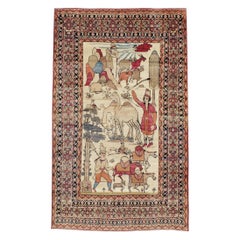
Early 20th Century Persian Kerman Pictorial Nomadic Pastoralism Accent Rug
Located in New York, NY
An antique Persian Kerman accent rug handmade during the early 20th century. The urban workshop weavers of Kerman considered the lifestyle of their t...
Category
Early 20th Century Persian Folk Art New York City - More Carpets
Materials
Wool
Early 20th Century Handmade Persian Afshar Throw Rug
Located in New York, NY
An antique Persian Afshar throw rug handmade during the early 20th century.
Measures: 3' 11" x 5' 1".
Category
Early 20th Century Persian Tribal New York City - More Carpets
Materials
Wool
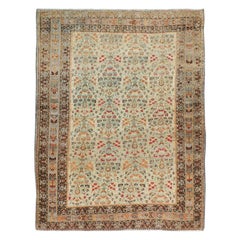
Early 20th Century Handmade Persian Malayer Runner
Located in New York, NY
An antique Persian Malayer runner handmade during the early 20th century.
Category
Early 20th Century Persian Rustic New York City - More Carpets
Materials
Wool
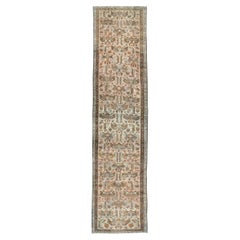
Antique Persian Bakshaish Rug. 12 ft 8 in x 14 ft 8 in
Located in New York, NY
Antique Persian Bakshaish Rug, Country of Origin / rug type: Persian rug, Circa date: 1880. Size: 12 ft 8 in x 14 ft 8 in (3.86 m x 4.47 m)
Category
19th Century Persian Bakshaish Antique New York City - More Carpets
Materials
Wool
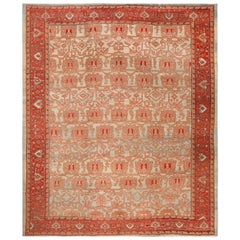
Antique Persian Tabriz Rug
Located in New York, NY
An early 20th century Persian Tabriz. Since the 19th century, Iran started exporting artisan carpets around the world, especially to Europe. Artists used one of the three versions of...
Category
20th Century Persian Tabriz New York City - More Carpets
Materials
Wool
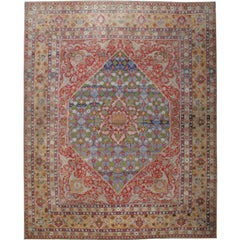
$37,000 Sale Price
20% Off
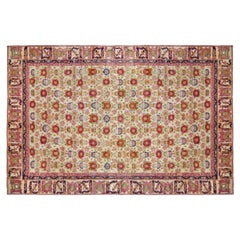
Antique Persian Tabriz Oriental Carpet in Small Size with Rosettes and Flowers
Located in New York, NY
Antique Perisan Tabriz Oriental carpet, circa 1900, Small Sized
An antique Persian Tabriz oriental carpet, circa 1900. Size: 7'2" x 5'6". This large sized antique decorative rug...
Category
Early 1900s Persian Antique New York City - More Carpets
Materials
Wool
$5,756 Sale Price
20% Off
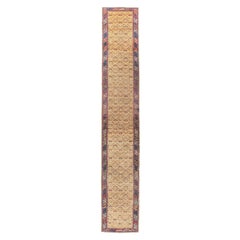
Rustic Early 20th Century Handmade Persian Serab Runner
Located in New York, NY
An antique Persian Serab rug in runner format with a rustic appeal handmade during the early 20th century.
Measures: 2' 1" x 12' 1"
Persian Rugs
Carpets:
Persia (Iran) i...
Category
Early 20th Century Persian Rustic New York City - More Carpets
Materials
Wool
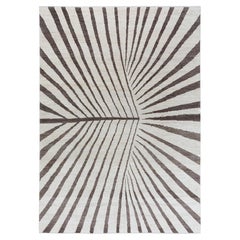
Modern Astor Wool Rug with a Geometric Design
Located in New York, NY
Our 'Astor' rug is handknotted in Afghanistan using natural dyes and handcarded wool. This rug has both a modern and tribal feel to it making it versatile for any aesthetic. It featu...
Category
2010s Afghan Modern New York City - More Carpets
Materials
Wool
$12,000 Sale Price
20% Off
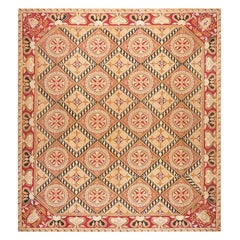
19th Century French Needlepoint Carpet ( 17
6" x 19
- 533 x 599 )
Located in New York, NY
This mosaic floor pattern wool needlepoint carpet was clearly a special commission for a high-level Roman Catholic ecclesiastic, bishop and then archbishop / cardinal as indicated by the hats with tassels in the corners, each surmounting a shield of arms...
Category
1870s French Antique New York City - More Carpets
Materials
Wool
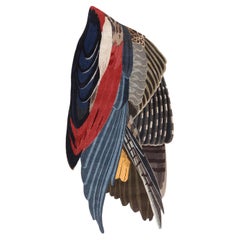
cc-tapis Feathers Freeform Big Standard Rug by Maarten De Ceulaer
By Maarten de Ceulaer, cc-tapis
Located in Brooklyn, NY
Hand-knotted in the cc-tapis atelier in Kathmandu, Nepal. The rug is made with a cotton weave and a Himalayan wool and pure silk coming from the areas surrounding the atelier. 252.000 individual knots per squaremeter approximately. The sale of every rug supports cc-foreducation. Maarten has always had an affinity for birds and years ago he came across the illustrations by John James Audubon and John Gould which have been inspiration ever since. Inspiration which he has tweaked, morphed and abstracted into a collection of ultra-detailed rugs.
Maarten De Ceulaer was born in Belgium in 1983. He first studied Interior Design at the Sint-Lukas Hogeschool in Brussels. Attracted by conceptual and narrative design, he continued his studies at the Design Academy Eindhoven. A strong passion for travelling inspired his graduation project ‘A Pile of Suitcases’, which was immediately picked up by Nina Yashar...
Category
21st Century and Contemporary Nepalese Modern New York City - More Carpets
Materials
Wool
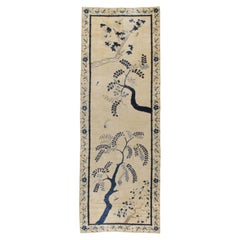
Early 20th Century Handmade Chinese Peking Long Gallery Carpet in Cream
Blue
Located in New York, NY
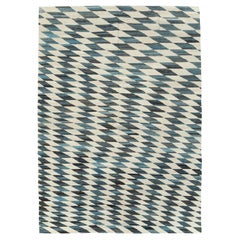
An antique Chinese Peking long gallery carpet handmade during the early 20th century in shades of cream and blue.
Measures: 5' 9" x 16' 3"
The craft of the hand-knotted carpet in China, and the surrounding areas including Mongolia and Tibet, extends into the early centuries of the first millennium, C.E., but we really have a firm grasp only beginning in the later 16th century with large, very coarsely woven carpets, often depicting dragons, created for the Imperial Forbidden City palaces. Chinese carpets have always been commercial and there are no tribal groups responsible for any of the carpet weaving strains.
When the Ming Dynasty fell in 1644, with no Imperial patrons, production moved to the city of Ningxia in north central China where several workshops turned out more finely woven pieces for the Mandarins of the administrative Ch’ing bureaucracy and well-to-do merchants. Ningxia was the major Chinese carpet center up through most of the 19th century, with first allover and then medallion designs on cotton foundations in medium weaves. Palettes were initially limited to yellows, dark blue and cream, but later widened to include reds, browns and even green. These antiques were the first Chinese carpets to be exported to the West and they fitted in well with the craze for Chinese blue-and-white porcelain in the second half of the 19th century. Ningxia also wove shaped and rectangular small rugs for saddle underlays, chair (“throne”) seats and shaped backs, pillar carpets with dragons or monks for Buddhist monasteries, and long divided runners for monastery meditation halls. These small rugs are among the most collectible of all Chinese weavings.
Weavers from Ningxia set up workshops in the capital Peking (Beijing) in the 1860’s and began weaving Western room sizes for export, primarily to America. In blue – and – white and polychrome palettes, with round wreath medallions, precious objects, seasonal flowers, paeonies, lotuses, fretwork, clouds, butterflies and bats, all relatively spaciously drawn. The round “Shou” (Good Luck) character is also a prominent decorative motif. There are also a few Peking landscape pictorials with pagodas, houses, bridges, waterscapes and boats. Peking carpets were woven right up until WWII and production began again after the Cultural Revolution around 1970. They are moderately well-woven, on cotton foundations, exactingly executed and indisputably Chinese. Many are in the blue-and-white style. Nothing else looks like a Peking carpet and for a Chinese “look” in a room, they are absolutely indispensable. Sizes range from scatters and a few runners, through the popular 9’12’ size, to large carpets over 20’ which must have been special orders. The earliest Peking Revival carpets are pliable and fairly thin, but they became heavier and more compact in the 20th century, in competition with Art Deco carpets from Tientsin. The modern, post- 1970, pieces are in the traditional Peking style, but are a little too regular and neat. Exactitude has been favored over character, as hard to explain that as it is.
There are a number of all-silk and silk-and –metal thread pieces, many with inscriptions purporting to link them with rooms in the Imperial palaces, bringing very substantial auction prices, but none are really antique. The genre emerged after WWI and the present demand comes from mainland Chinese. The silk piles often stand in pattern relief against flat woven gold metal thread grounds. The inscriptions are apocryphal, the rugs are flashily opulent, perfect for nouveaux riches.
The Art Deco period between the two World Wars saw a distinctive carpet industry developing in Tientsin (Tianjin) in northeastern China. These are highly prized for their transitional design character, neither overtly Chinese, nor abstractly modern/contemporary. Woven exclusively for export, usually by and for American firms, such as Nichols and Elbrook, they are totally in the “Jazz Age Modern” style of the 1920’s, often without borders, with abstract or abstracted patterns, and only with, at best, a few Chinese-y pattern elements. Vases asymmetrically placed in the corners are features of some of the more Chinese-y carpets. Open fields with floral sprays and branches growing in from the edges are anther design innovation. Often, Chinese motives have been re-imagined in more sharp-edged, abstract manners. Some have no references whatsoever to natural elements. The patterns are sharp and the rugs are never subdued, soft or restrained. The rugs are heavily constructed, with crisp, unfading dyes and medium to medium coarse weaves on cotton foundations. All are extremely well-executed, with none of the vagaries, variations or twists found on even high-quality Persian rugs. The majority are in the 9’ by 12’ format and a surprising number can be found in top condition. There also was a substantial production in Peking from, especially from the Fette factory. Elliptical and round carpets, and lighter, often pastel colors, were a specialty. Nothing looks like an Art Deco Chinese and they work well with traditional Chinese furniture and the most modern decor as well. These is no substitute for a good Chinese Art Deco carpet.
Chinese carpets also include small scatters from Tibet, with high quality wool, floating dragons and allover textile patterns. The colors of vintage and modern pieces are bright, but there are antique small rugs...
Category
Early 20th Century Chinese Art Deco New York City - More Carpets
Materials
Wool
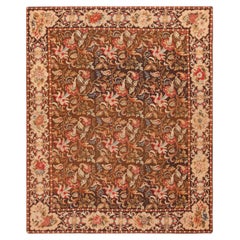
Floral Design Antique English Needlepoint Flat Weave Area Rug 6
3" x 7
9"
Located in New York, NY
Quite The Beautiful Floral Design Antique English Needlepoint Flat Weave Area Rug, Woven In: England, Circa / Date: Mid To Late 19th century
Category
19th Century English Other Antique New York City - More Carpets
Materials
Wool
Persian Kurdish Hand Knotted Rug in Pale Blue, Camel and Ivory Colors
By Nasiri
Located in New York, NY
Made with the highest quality Persian hand-carded, hand-spun wool and vegetable dyes, this rug resembles the antique original pieces crafted by the Kurdish weavers in north-western I...
Category
2010s Persian Tribal New York City - More Carpets
Materials
Wool

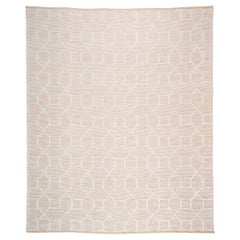
Schumacher Vento 9
x 12
Indoor/Outdoor Rug In Natural
By Schumacher
Located in New York, NY
This rug will ship in December. Made of soft yet super-durable PET, Vento is as stylish as it is practical. Inspired by our Vento Embroidery fabric, this large-scale lattice design h...
Category
21st Century and Contemporary American Modern New York City - More Carpets
Materials
Polyester
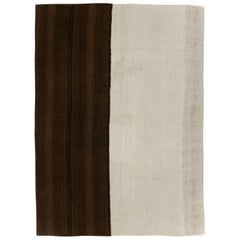
Tribal Mid-20th Century Turkish Flatweave Kilim Accent Rug in Brown
Cream
Located in New York, NY
A vintage Turkish tribal flatweave Kilim accent rug handmade during the mid-20th century in shades of brown and cream.
Measures: 6' 0" x 8' 3".
Category
Mid-20th Century Turkish Tribal New York City - More Carpets
Materials
Wool
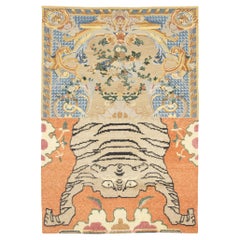
cc-tapis Cross (Me) Knot A Rug by CTRL ZAK
By CTRLZAK Studio, cc-tapis
Located in Brooklyn, NY
Hand knotted in the cc-tapis atelier in Kathmandu, Nepal. The rug is made with a cotton weave a Himalayan wool and pure silk coming from the areas surrounding the atelier. 232.000 in...
Category
21st Century and Contemporary Nepalese Modern New York City - More Carpets
Materials
Cotton
$7,229 Sale Price / item
14% Off
Still Thinking About These?
All Recently ViewedMore Ways To Browse
Botolo Chair
Boulle Pier Cabinets
Brass Foot Sculpture
Brass Lion Claw
Brass Log Box
Brass Longhorn
Brass Match Holder Antique
Brass Shell Planter
Brevete Sgdg
Brides Basket
British Classic Furniture
Bronze Art Deco Archer
Bronze Boat Sculpture
Bronze Cat Statue
Bronze Cavalier
Bronze Clown
Bronze Cossack
Bronze Crow