104 results for "roy lichtenstein"

to
10
74
20
6
3
1
Overall Width
to
Overall Height
to
78
26
2
31
14
6
7
32
18
13
1
1
1
54
43
35
26
25
22
16
10
10
5
5
4
4
3
3
3
3
2
2
2
2
2
70
16
11
10
7
42
7
4
4
3
6
18
83
6
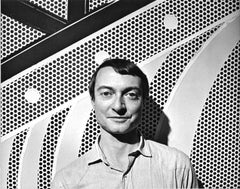
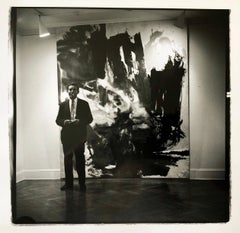
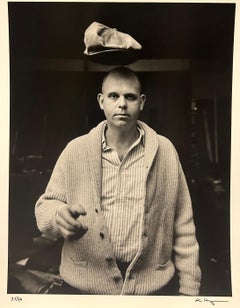
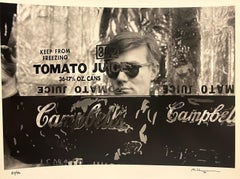
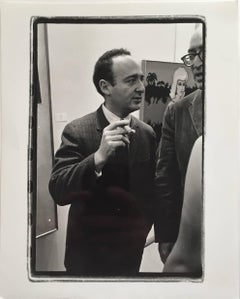
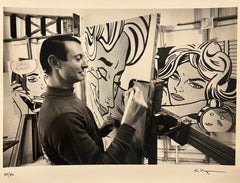
The Pop Artists: Roy Lichtenstein, 1964
Located in Toronto, ON
In 1964, Heyman was invited by Basic Books Publishing to collaborate on the subject of Pop art. In the fall of 1964, Heyman spent three days photographing such artists as Andy Warhol...
Category

21st Century and Contemporary Black and White Photography

Materials

Silver Gelatin

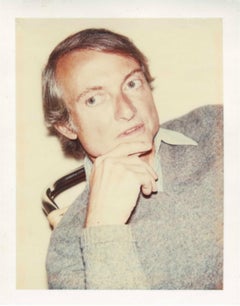
Unique portrait of Roy Lichtenstein, Authenticated by the Andy Warhol Foundation
By Andy Warhol
Located in New York, NY
Andy Warhol Portrait of Roy Lichtenstein, 1975 Polaroid dye-diffusion print Authenticated by the Andy Warhol Foundation for the Visual Arts, bears the Foundation stamp verso Frame included: Framed in white wood frame with UV plexiglass; with die-cut window in the back to show official Warhol Foundation authentication stamp and text Measurements: 9 9/16 x 8 9/16 x 9/16 inches (frame) 3 1/2 x 2 3/4 inches (window) 4.16 x 3.15 inches (Artwork) Authenticated and stamped by the Estate of Andy Warhol/Warhol Foundation for the Visual Arts An impressive piece of Pop Art history! A must-have for fans and collectors of both Andy Warhol and Roy Lichtenstein: This is a unique, authenticated color Polaroid taken by one Pop Art legend, Andy Warhol, of his most formidable contemporary and, in many respects, rival, Roy Lichtenstein. One of only a few portraits Andy Warhol took of Roy Lichtenstein, during one tense photo shoot. Both iconic artists, colleagues and, perhaps lesser known to the public, rivals, would be represented at the time by the renowned Leo Castelli Gallery. The truth is - they were really more rivals than friends. (the rivalry intensified when Warhol, who was working with Walt Disney, discovered that Lichtenstein painted Mickey Mouse before he did!!) Leo Castelli was committed to Roy Lichtenstein, and, it's easy to forget today, wasn't that interested in Warhol as he considered Lichtenstein the greater talent and he could relate better with Roy on a personal level. However, Ivan Karp, who worked at Castelli, was very interested in Warhol, as were some powerful European dealers, as well as many wealthy and influential American and European collectors. That was the start of Warhol's bypassing the traditional gallery model - so that dealers like Castelli could re-discover him after everybody else had. Warhol is known to have taken hundreds of self-portrait polaroid photographs - shoe boxes full - and he took many dozens of images of celebrities like Blondie and Farrah Fawcett. But only a small number of photographic portraits of fellow Pop Art legend Roy Lichtenstein -- each unique,- are known to have appeared on the market over the past half a century - all from the same photo session. This is one of them. There is another Polaroid - from this same (and only) sitting, in the permanent collection of the Getty Museum in California. There really weren't any other collaborations between these two titans, making the resulting portrait from this photo session extraordinary. It is fascinating to study Roy Lichtenstein's face and demeanor in this photograph, in the context of the great sense of competition, but perhaps even greater, albeit uneasy respect, these two larger than life Pop art titans had for each other: Like Leo Castelli, Roy Lichtenstein was Jewish of European descent; whereas Warhol was Catholic and quintessentially American, though also of European (Polish) descent. They were never going to be good friends, but this portrait, perhaps even arranged by Leo Castelli, represents an uneasy acknowledgement there would be room at the top for both of them. Floated, framed with die cut back revealing authentication details, and ready to hang. Measurements: 9 9/16 x 8 9/16 x 9/16 inches (frame) 3 1/2 x 2 3/4 inches (window) 4.16 x 3.15 inches (sheet) Authenticated by the Estate of Andy Warhol/The Andy Warhol Foundation for the Visual Arts. Estate Stamped: Stamped with the Andy Warhol Estate, Warhol Foundation for the Visual Arts stamp, numbered "B 512536P", with the Estate of Andy Warhol stamp and inscribed UP on the reverse. Bears the Warhol Foundation unique inventory number. Roy Lichtenstein Biography Roy Lichtenstein was one of the most influential and innovative artists of the second half of the twentieth century. He is preeminently identified with Pop Art, a movement he helped originate, and his first fully achieved paintings were based on imagery from comic strips and advertisements and rendered in a style mimicking the crude printing processes of newspaper reproduction. These paintings reinvigorated the American art scene and altered the history of modern art. Lichtenstein’s success was matched by his focus and energy, and after his initial triumph in the early 1960s, he went on to create an oeuvre of more than 5,000 paintings, prints, drawings, sculptures, murals and other objects celebrated for their wit and invention. Roy Fox Lichtenstein was born on October 27, 1923, in New York City, the first of two children born to Milton and Beatrice Werner Lichtenstein. Milton Lichtenstein (1893–1946) was a successful real estate broker, and Beatrice Lichtenstein (1896–1991), a homemaker, had trained as a pianist, and she exposed Roy and his sister Rénee to museums, concerts and other aspects of New York culture. Roy showed artistic and musical ability early on: he drew, painted and sculpted as a teenager, and spent many hours in the American Museum of Natural History and the Museum of Modern Art. He played piano and clarinet, and developed an enduring love of jazz, frequenting the nightspots in Midtown to hear it. Lichtenstein attended the Franklin School for Boys, a private junior high and high school, and was graduated in 1940. That summer he studied painting and drawing from the model at the Art Students League of New York with Reginald Marsh. In September he entered Ohio State University (OSU) in Columbus in the College of Education. His early artistic idols were Rembrandt, Daumier and Picasso, and he often said that Guernica (1937; Museo Reina Sofía, Madrid), then on long-term loan to the Museum of Modern Art, was his favorite painting. Even as an undergraduate, Lichtenstein objected to the notion that one set of lines (one person’s drawings) “was considered brilliant, and somebody’s else’s, that may have looked better to you, was considered nothing by almost everyone.”i Lichtenstein’s questioning of accepted canons of taste was encouraged by Hoyt L. Sherman, a teacher whom he maintained was the person who showed him how to see and whose perception-based approach to art shaped his own. In February 1943, Lichtenstein was drafted, and he was sent to Europe in 1945. As part of the infantry, he saw action in France, Belgium and Germany. He made sketches throughout his time in Europe and, after peace was declared there, he intended to study at the Sorbonne. Lichtenstein arrived in Paris in October 1945 and enrolled in classes in French language and civilization, but soon learned that his father was gravely ill. He returned to New York in January 1946, a few weeks before Milton Lichtenstein died. In the spring of that year, Lichtenstein went back to OSU to complete his BFA and in the fall he was invited to join the faculty as an instructor. In June 1949, he married Isabel Wilson Sarisky (1921–80), who worked in a cooperative art gallery in Cleveland where Lichtenstein had exhibited his work. While he was teaching, Lichtenstein worked on his master’s degree, which he received in 1949. During his second stint at OSU, Lichtenstein became closer to Sherman, and began teaching his method on how to organize and unify a composition. Lichtenstein remained appreciative of Sherman’s impact on him. He gave his first son the middle name of “Hoyt,” and in 1994 he donated funds to endow the Hoyt L. Sherman Studio Art Center at OSU. In the late 1940s and early 1950s, Lichtenstein began working in series and his iconography was drawn from printed images. His first sustained theme, intimate paintings and prints in the vein of Paul Klee that poked lyrical fun at medieval knights, castles and maidens, may well have been inspired by a book about the Bayeux Tapestry. Lichtenstein then took an ironic look at nineteenth-century American genre paintings he saw in history books, creating Cubist interpretations of cowboys and Indians spiked with a faux-primitive whimsy. As with his most celebrated Pop paintings of the 1960s, Lichtenstein gravitated toward what he would characterize as the “dumbest” or “worst” visual item he could find and then went on to alter or improve it. In the 1960s, commercial art was considered beneath contempt by the art world; in the early 1950s, with the rise of Abstract Expressionism, nineteenth-century American narrative and genre paintings were at the nadir of their reputation among critics and collectors. Paraphrasing, particularly the paraphrasing of despised images, became a paramount feature of Lichtenstein’s art. Well before finding his signature mode of expression in 1961, Lichtenstein called attention to the artifice of conventions and taste that permeated art and society. What others dismissed as trivial fascinated him as classic and idealized—in his words, “a purely American mythological subject matter.”ii Lichtenstein’s teaching contract at OSU was not renewed for the 1951–52 academic year, and in the autumn of 1951 he and Isabel moved to Cleveland. Isabel Lichtenstein became an interior decorator specializing in modern design, with a clientele drawn from wealthy Cleveland families. Whereas her career blossomed, Lichtenstein did not continue to teach at the university level. He had a series of part-time jobs, including industrial draftsman, furniture designer, window dresser and rendering mechanical dials for an electrical instrument company. In response to these experiences, he introduced quirkily rendered motors, valves and other mechanical elements into his paintings and prints. In 1954, the Lichtensteins’ first son, David, was born; two years later, their second child, Mitchell, followed. Despite the relative lack of interest in his work in Cleveland, Lichtenstein did place his work with New York dealers, which always mattered immensely to him. He had his first solo show at the Carlebach Gallery in New York in 1951, followed by representation with the John Heller Gallery from 1952 to 1957. To reclaim his academic career and get closer to New York, Lichtenstein accepted a position as an assistant professor at the State University of New York at Oswego, in the northern reaches of the state. He was hired to teach industrial design, beginning in September 1957. Oswego turned out to be more geographically and aesthetically isolated than Cleveland ever was, but the move was propitious, for both his art and his career. Lichtenstein broke away from representation to a fully abstract style, applying broad swaths of pigment to the canvas by dragging the paint across its surface with a rag wrapped around his arm. At the same time, Lichtenstein was embedding comic-book characters figures such as Mickey Mouse and Donald Duck in brushy, expressionistic backgrounds. None of the proto-cartoon paintings from this period survive, but several pencil and pastel studies from that time, which he kept, document his intentions. Finally, when he was in Oswego, Lichtenstein met Reginald Neal, the new head of the art department at Douglass College, the women’s college of Rutgers University, in New Brunswick, New Jersey. The school was strengthening and expanding its studio art program, and when Neal needed to add a faculty member to his department, Lichtenstein was invited to apply for the job. Lichtenstein was offered the position of assistant professor, and he began teaching at Douglass in September 1960. At Douglass, Lichtenstein was thrown into a maelstrom of artistic ferment. With New York museums and galleries an hour away, and colleagues Geoffrey Hendricks and Robert Watts at Douglass and Allan Kaprow and George Segal at Rutgers, the environment could not help but galvanize him. In June 1961, Lichtenstein returned to the idea he had fooled around with in Oswego, which was to combine cartoon characters from comic books with abstract backgrounds. But, as Lichtenstein said, “[I]t occurred to me to do it by mimicking the cartoon style without the paint texture, calligraphic line, modulation—all the things involved in expressionism.”iii Most famously, Lichtenstein appropriated the Benday dots, the minute mechanical patterning used in commercial engraving, to convey texture and gradations of color—a stylistic language synonymous with his subject matter. The dots became a trademark device forever identified with Lichtenstein and Pop Art. Lichtenstein may not have calibrated the depth of his breakthrough immediately but he did realize that the flat affect and deadpan presentation of the comic-strip panel blown up and reorganized in the Sherman-inflected way “was just so much more compelling”iv than the gestural abstraction he had been practicing. Among the first extant paintings in this new mode—based on comic strips and illustrations from advertisements—were Popeye and Look Mickey, which were swiftly followed by The Engagement Ring, Girl with Ball and Step-on Can with Leg. Kaprow recognized the energy and radicalism of these canvases and arranged for Lichtenstein to show them to Ivan Karp, director of the Leo Castelli Gallery. Castelli was New York’s leading dealer in contemporary art, and he had staged landmark exhibitions of Jasper Johns and Robert Rauschenberg in 1958 and Frank Stella in 1960. Karp was immediately attracted to Lichtenstein’s paintings, but Castelli was slower to make a decision, partly on account of the paintings’ plebeian roots in commercial art, but also because, unknown to Lichtenstein, two other artists had recently come to his attention—Andy Warhol and James Rosenquist—and Castelli was only ready for one of them. After some deliberation, Castelli chose to represent Lichtenstein, and the first exhibition of the comic-book paintings was held at the gallery from February 10 to March 3, 1962. The show sold out and made Lichtenstein notorious. By the time of Lichtenstein’s second solo exhibition at Castelli in September 1963, his work had been showcased in museums and galleries around the country. He was usually grouped with Johns, Rauschenberg, Warhol, Rosenquist, Segal, Jim Dine, Claes Oldenburg, Robert Indiana and Tom Wesselmann. Taken together, their work was viewed as a slap in the face to Abstract Expressionism and, indeed, the Pop artists shifted attention away from many members of the New York School. With the advent of critical and commercial success, Lichtenstein made significant changes in his life and continued to investigate new possibilities in his art. After separating from his wife, he moved from New Jersey to Manhattan in 1963; in 1964, he resigned from his teaching position at Douglass to concentrate exclusively on his work. The artist also ventured beyond comic book subjects, essaying paintings based on oils by Cézanne, Mondrian and Picasso, as well as still lifes and landscapes. Lichtenstein became a prolific printmaker and expanded into sculpture, which he had not attempted since the mid-1950s, and in both two- and three-dimensional pieces, he employed a host of industrial or “non-art” materials, and designed mass-produced editioned objects that were less expensive than traditional paintings and sculpture. Participating in one such project—the American Supermarket show in 1964 at the Paul Bianchini Gallery, for which he designed a shopping bag—Lichtenstein met Dorothy Herzka (b. 1939), a gallery employee, whom he married in 1968. The late 1960s also saw Lichtenstein’s first museum surveys: in 1967 the Pasadena Art Museum initiated a traveling retrospective, in 1968 the Stedelijk Musem in Amsterdam presented his first European retrospective, and in 1969 he had his first New York retrospective, at the Solomon R. Guggenheim Museum. Wanting to grow, Lichtenstein turned away from the comic book subjects that had brought him prominence. In the late 1960s his work became less narrative and more abstract, as he continued to meditate on the nature of the art enterprise itself. He began to explore and deconstruct the notion of brushstrokes—the building blocks of Western painting. Brushstrokes are conventionally conceived as vehicles of expression, but Lichtenstein made them into a subject. Modern artists have typically maintained that the subject of a painting is painting itself. Lichtenstein took this idea one imaginative step further: a compositional element could serve as the subject matter of a work and make that bromide ring true. The search for new forms and sources was even more emphatic after 1970, when Roy and Dorothy Lichtenstein bought property in Southampton, New York, and made it their primary residence. During the fertile decade of the 1970s, Lichtenstein probed an aspect of perception that had steadily preoccupied him: how easily the unreal is validated as the real because viewers have accepted so many visual conceptions that they don’t analyze what they see. In the Mirror series, he dealt with light and shadow upon glass, and in the Entablature series, he considered the same phenomena by abstracting such Beaux-Art architectural elements as cornices, dentils, capitals and columns. Similarly, Lichtenstein created pioneering painted bronze sculpture that subverted the medium’s conventional three-dimensionality and permanence. The bronze forms were as flat and thin as possible, more related to line than volume, and they portrayed the most fugitive sensations—curls of steam, rays of light and reflections on glass. The steam, the reflections and the shadow were signs for themselves that would immediately be recognized as such by any viewer. Another entire panoply of works produced during the 1970s were complex encounters with Cubism, Futurism, Purism, Surrealism and Expressionism. Lichtenstein expanded his palette beyond red, blue, yellow, black, white and green, and invented and combined forms. He was not merely isolating found images, but juxtaposing, overlapping, fragmenting and recomposing them. In the words of art historian Jack Cowart, Lichtenstein’s virtuosic compositions were “a rich dialogue of forms—all intuitively modified and released from their nominal sources.”v In the early 1980s, which coincided with re-establishing a studio in New York City, Lichtenstein was also at the apex of a busy mural career. In the 1960s and 1970s, he had completed four murals; between 1983 and 1990, he created five. He also completed major commissions for public sculptures in Miami Beach, Columbus, Minneapolis, Paris, Barcelona and Singapore. Lichtenstein created three major series in the 1990s, each emblematic of his ongoing interest in solving pictorial problems. The Interiors, mural-sized canvases inspired by a miniscule advertisement in an Italian telephone...
Category

1970s Pop Art Portrait Photography

Materials

Polaroid

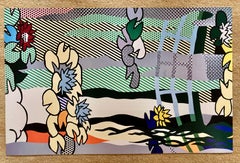
Roy IV.
By Roy Lichtenstein
Located in Slovak Republic, SK
A Hahnemuehle Fine Art Print, attributed to Roy Lichtenstein. Editioned 25.
Category

Mid-20th Century Pop Art Abstract Prints

Materials

Photographic Paper, Color, Archival Pigment, Digital Pigment

Roy IV.
Roy IV.
$1,140 Sale Price
20% Off
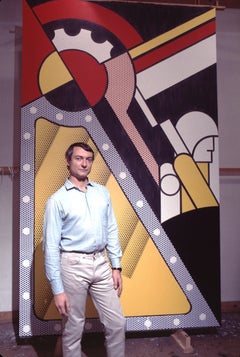
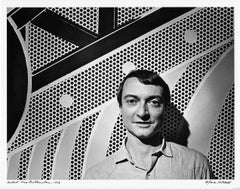
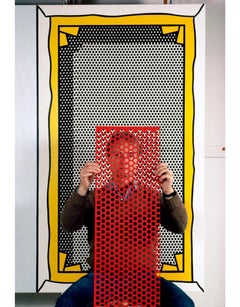
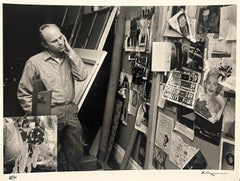
Pop Artist Roy Lichtenstein in his Studio, Color 17 x 22" Exhibition Photograph
By Jack Mitchell
Located in Senoia, GA
Pop artist Roy Lichtenstein photographed in his New York studio with new work in 1968. One of Mitchell's most beautiful color photographs. This exhibition print is 17 x 22". Comes di...
Category

1960s Pop Art Color Photography

Materials

Archival Pigment

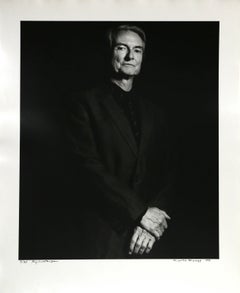
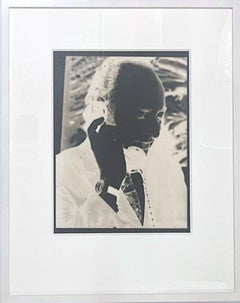
Roy Lichtenstein, Silver Print Photo on Fiber Paper by Curtis Knapp
By Curtis Knapp
Located in Long Island City, NY
Artist: Curtis Knapp, American Title: Roy Lichtenstein Year: 1990 (printed 1991) Medium: Silver Print on Fiber Paper, signed and numbered in ink Edition: 35 Size: 20 in. x 16 in. (5...
Category

1990s Post-Modern Portrait Photography

Materials

Silver Gelatin

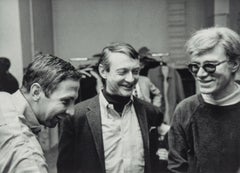
Robert Rauschenberg, Roy Lichtenstein, and Andy Warhol. . .
By Bob Adelman
Located in New York, NY
This black and white photograph by Bob Adelman is offered by CLAMP in New York City.
Category

20th Century Contemporary Photography

Materials

Silver Gelatin

Roy II.
By Roy Lichtenstein
Located in Slovak Republic, SK
A Hahnemuehle Fine Art Print, attributed to Roy Lichtenstein. Editioned of 25.
Category

Mid-20th Century Pop Art Abstract Prints

Materials

Photographic Paper, Color, Digital, Archival Pigment

Roy II.
Roy II.
$1,140 Sale Price
20% Off
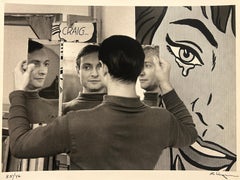
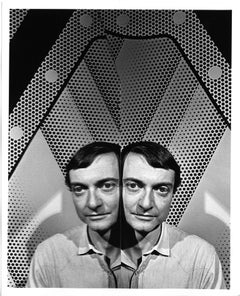
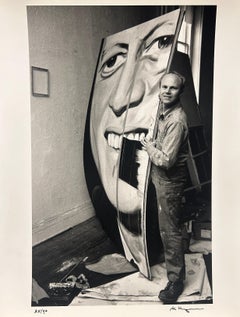
The Pop Artists: Roy Lichtenstein in Mirror, 1964
Located in Toronto, ON
In 1964, Heyman was invited by Basic Books Publishing to collaborate on the subject of Pop art. In the fall of 1964, Heyman spent three days photographing such artists as Andy Warhol...
Category

21st Century and Contemporary Black and White Photography

Materials

Silver Gelatin

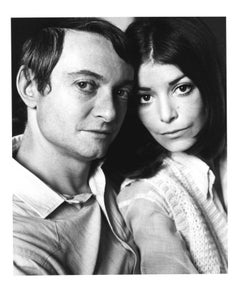
Pop Artist Roy Lichtenstein wife Dorothy, signed by Jack Mitchell
By Jack Mitchell
Located in Senoia, GA
11 x 14" vintage silver gelatin photograph of pop artist Roy Lichtenstein and his wife Dorothy photographed in his Manhattan loft, 1968. Signed by Jack Mitchell on the print verso. C...
Category

1960s Pop Art Black and White Photography

Materials

Silver Gelatin

Project for documenta IV, Gelatin Silver Print, Signed to Roy Lichtenstein s ex
By Christo and Jeanne-Claude
Located in New York, NY
Christo and Jeanne-Claude Project for documenta IV, Kassel, 5600 Cubicmeter Package, 1968 Gelatin silver print. Boldly signed, dated, numbered 12/50 and inscribed in black marker by...
Category

1960s Pop Art Figurative Photography

Materials

Silver Gelatin

Pop artist Roy Lichtenstein and his wife Dorothy. Signed By Jack Mitchell
By Jack Mitchell
Located in Senoia, GA
11 x 14" vintage silver gelatin photograph of Pop artist Roy Lichtenstein and his wife Dorothy in his New York studio in 1968. Signed by Jack Mitchell on the print verso. Comes direc...
Category

1960s Pop Art Black and White Photography

Materials

Silver Gelatin

Pop Artist Roy Lichtenstein standing against mirror with new work in background
By Jack Mitchell
Located in Senoia, GA
8 x 10" vintage silver gelatin photograph of artist Roy Lichtenstein posing in his studio with new work in the background, extremely unusual image standing next to a mirror. This is ...
Category

1960s Pop Art Black and White Photography

Materials

Silver Gelatin

Pop artist Roy Lichtenstein in his NYC studio, signed By Jack Mitchell
By Jack Mitchell
Located in Senoia, GA
11 x 14" vintage silver gelatin photograph of pop artist Roy Lichtenstein in his NYC studio with his recent work, signed By Jack Mitchell on the verso. Comes directly from the Jack ...
Category

1960s Pop Art Black and White Photography

Materials

Silver Gelatin

Pop artist Roy Lichtenstein in his NYC studio, signed By Jack Mitchell
By Jack Mitchell
Located in Senoia, GA
11 x 14" vintage silver gelatin photograph of Pop artist Roy Lichtenstein in his New York studio in 1968. Signed by Jack Mitchell on the print recto. Comes directly from the Jack Mit...
Category

1960s Pop Art Black and White Photography

Materials

Silver Gelatin

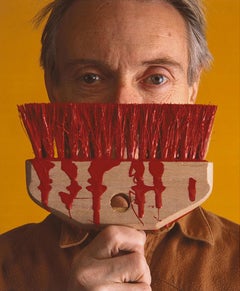
Roy Lichtenstein, Pop Artist, NYC 1982
By Thomas Hoepker
Located in Toronto, ON
4" x 5" Unframed Closed Edition Photograph MAGNUM Photography Hand Signed by Thomas Hoepker
Category

21st Century and Contemporary Color Photography

Materials

Archival Paper, C Print, Digital

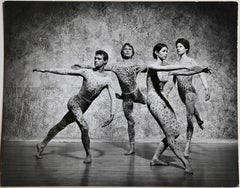
Merce Cunningham Dance Company Signed Original Vintage Photograph 1975
By Jack Mitchell
Located in Glenford, NY
Jack Mitchell signed vintage mid-20th Century photograph of the Mere Cunningham Dance Company in "Summerspace" by the iconic modern dance choreographer Merce Cunningham. "Summerscape...
Category

1970s Modern Photography

Materials

Silver Gelatin

Roy Lichtenstein
Located in New York, NY
Signed by the photographer on the verso Please inquire about additional limited sizes and editions
Category

Late 20th Century Photography

Materials

Archival Pigment

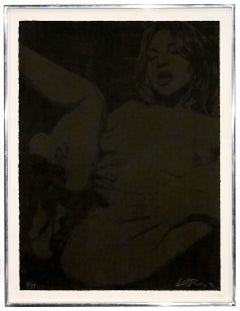
"EROTIC III"
Located in New York, US
Bob Stanley (b. 1932 - d. 1997 New York, United States), an American painter renowned for his gritty depictions on canvas, which ingeniously incorporated photographs. His artistic jo...
Category

1970s Pop Art Nude Photography

Materials

Silk, Paper

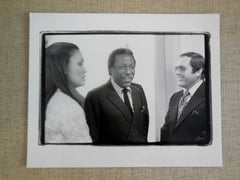
Signed Silver Gelatin Photograph Philip Johnson, Architect, Lee Radziwill, Photo
By Fred McDarrah
Located in Surfside, FL
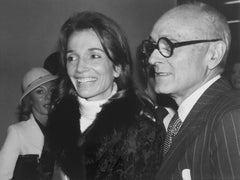
Lee Radziwill and Philip Johnson at The Met - 10/18/1973 Over a 50-year span, McDarrah documented the rise of the Beat Generation, the city’s postmodern art movement, its off-off-Broadway actors, troubadours, politicians, agitators and social protests. Fred captured Jack Kerouac frolicking with women at a New Year’s bash in 1958, Andy Warhol adjusting a movie-camera lens in his silver-covered factory, and Bob Dylan offering a salute of recognition outside Sheridan Square near the Voice’s old office. Not just a social chronicler, McDarrah was a great photo-journalist. For years, McDarrah was the Voice's only photographer and, for decades, he ran the Voice’s photo department, where he helped train dozens of young photographers, including James Hamilton, Sylvia Plachy, Robin Holland...
Category

1970s American Modern Black and White Photography

Materials

Silver Gelatin

Burt Lancaster, Vintage 1973 Silver Gelatin Signed Photograph
By Fred McDarrah
Located in Surfside, FL
Genre: Photographic Subject: Hollywood actor Medium: Photograph, Gelatin Silver Print Surface: Photographic Paper Country: United States Fred W. McDarrah, 1926-2007 Veteran Village Voice photographer Fred W. McDarrah Over a 50-year span, McDarrah documented the rise of the Beat Generation, the city’s postmodern art movement, its off-off-Broadway actors, troubadours, politicians, agitators and social protests. Fred captured Jack Kerouac frolicking with women at a New Year’s bash in 1958, Andy Warhol adjusting a movie-camera lens in his silver-covered factory, and Bob Dylan offering a salute of recognition outside Sheridan Square near the Voice’s old office. Not just a social chronicler, McDarrah was a great photo-journalist. For years, McDarrah was the Voice's only photographer and, for decades, he ran the Voice’s photo department, where he helped train dozens of young photographers, including James Hamilton, Sylvia Plachy, Robin Holland and Marc Asnin. His mailbox was simply marked "McPhoto." An exhibit of McDarrah’s photos of artists presented by the Steven Kasher Gallery in Chelsea was hailed by The New York Times as “a visual encyclopedia of the era’s cultural scene.” artists in their studios, (Alice Neel, Philip Guston, Stuart Davis, Robert Smithson, Jasper Johns, Franz Kline), actors (Dustin Hoffman, Robert De Niro on the set of “Taxi Driver”), musicians (Janis Joplin, Alice Cooper, Bob Dylan) and documentary images of early happenings and performances (Yayoi Kusama, Charlotte Moorman, Al Hansen...
Category

1970s American Realist Black and White Photography

Materials

Silver Gelatin

Feminist Protesting Vietnam War
By Fred McDarrah
Located in Surfside, FL
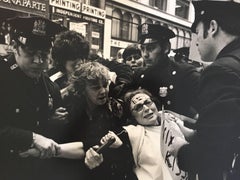
Feminist T. Grace Atkinson Being Arrested As She Demonstrates Against Richard Nixon's War in Vietnam October 23, 1972 Over a 50-year span, McDarrah documented the rise of the Beat ...
Category

20th Century American Modern Black and White Photography

Materials

Black and White, Silver Gelatin

Vintage Signed Silver Gelatin Photgraph Richard Nixon
By Fred McDarrah
Located in Surfside, FL
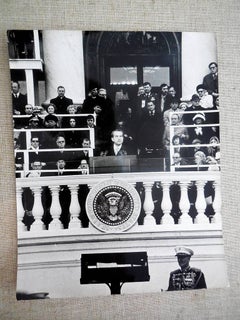
Richard Nixon inauguration Fred W. McDarrah, 1926-2007 Veteran Village Voice photographer Fred W. McDarrah Over a 50-year span, McDarrah documented the rise of the Beat Generation,...
Category

1970s Black and White Photography

Materials

Silver Gelatin

Vintage Print Silver Gelatin Signed Photograph Friedl Dzubas New York Artist
By Fred McDarrah
Located in Surfside, FL
This is a photo of Friedl Dzubas (Abstract Expressionist) at Castelli Gallery, signed in ink and with photographer stamp verso and hand written title.. Over a 50-year span, McDarra...
Category

1950s American Modern Black and White Photography

Materials

Black and White, Silver Gelatin

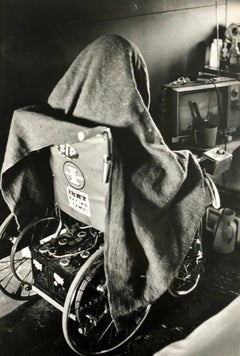
Large Vintage Print Silver Gelatin Signed Photograph Terminal Patient Bird Cover
By Fred McDarrah
Located in Surfside, FL
Man in Wheel Chair , Titled Terminal patient, Bird Cover Over a 50-year span, McDarrah documented the rise of the Beat Generation, the city’s postmodern art movement, its off-off-B...
Category

20th Century American Modern Black and White Photography

Materials

Black and White, Silver Gelatin

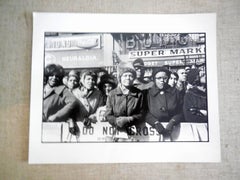
Malcolm X Funeral Signed Vintage Silver Gelatin print
By Fred McDarrah
Located in Surfside, FL
Malcolm X Funeral signed in ink Veteran Village Voice photographer Fred W. McDarrah Over a 50-year span, McDarrah documented the rise of the Beat Generation, the city’s postmodern ...
Category

1960s Black and White Photography

Materials

Silver Gelatin

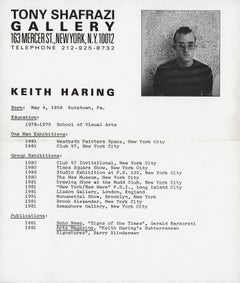
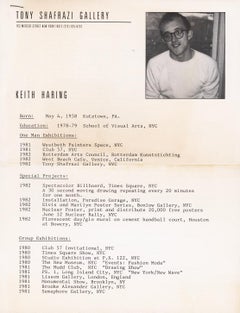
Keith Haring Tony Shafrazi gallery 1982 (Keith Haring resume)
By (after) Keith Haring
Located in NEW YORK, NY
Keith Haring Tony Shafrazi Gallery New York circa 1982: Rare original Keith Haring artist biography sheet produced by Tony Shafrazi ...
Category

1980s Pop Art Prints and Multiples

Materials

Offset, Paper

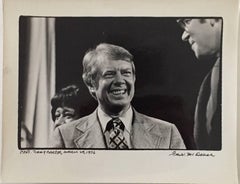
Vintage Photo SIlver Gelatin Photograph President Jimmy Carter by Fred Mcdarrah
By Fred McDarrah
Located in Surfside, FL
Born on October 1, 1924, in Plains, Georgia, Jimmy Carter was 39th president of the United States (1977-81) and served as the nation's chief executive during a time of serious proble...
Category

1970s American Modern Black and White Photography

Materials

Silver Gelatin

Keith Haring Tony Shafrazi gallery resume
By (after) Keith Haring
Located in NEW YORK, NY
Keith Haring Tony Shafrazi Gallery New York circa 1983: Rare original Keith Haring artist biography sheet timeline produced by...
Category

1980s Pop Art Prints and Multiples

Materials

Offset, Paper

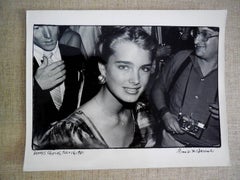
Brooke Shields Vintage Silver Gelatin Photograph
By Fred McDarrah
Located in Surfside, FL
signed in pen and annotated and stamped verso Brooke Shields (born May 31, 1965) is an American actress, model and former child star.[2] Shields, initially a child model, gained cri...
Category

1980s Black and White Photography

Materials

Silver Gelatin

Malcolm X Funeral Vintage silver gelatin gelatin photograph
By Fred McDarrah
Located in Surfside, FL
The funeral of Malcolm XFred W. McDarrah, 1926-2007 Veteran Village Voice photographer Fred W. McDarrah Over a 50-year span, McDarrah documented the rise of the Beat Generation, the...
Category

1960s Black and White Photography

Materials

Silver Gelatin

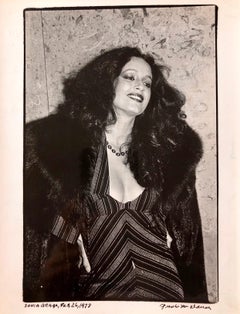
Vintage Print Silver Gelatin Signed Photograph Brazilian Actress Sonia Braga
By Fred McDarrah
Located in Surfside, FL
signed in ink and with photographer stamp verso and hand written title. Sonia Braga Sônia Maria Campos Braga is a Brazilian-American actress. She is known in the English-speaking world for her Golden Globe Award nominated performances in Kiss of the Spider Woman (1985) and Moon over Parador (1988). She also received a BAFTA Award nomination in 1981 for Dona Flor and Her Two Husbands (first released in 1976). For the 1994 television film The Burning Season, she was nominated for an Emmy Award and a third Golden Globe Award. Her other television credits include The Cosby Show (1986), Sex and the City (2001), American Family (2002), and Alias (2005). Braga was the first Brazilian to present a category at the Oscars. She was announced by Goldie Hawn as one of the most glamorous actresses in the world, before appearing with Michael Douglas, who announced the result of the best short film. Braga competed for many prestigious awards in the United States. For her performance in The Burning Season (1994) she was nominated for the third time for the Golden Globe for best supporting actress. In 1995, she was nominated for an Emmy Award for Best Supporting Actress in a Miniseries or a Movie for The Burning SeasonDuring the 1980s, Braga had relationships with Van Halen frontman David Lee Roth...
Category

1970s American Modern Black and White Photography

Materials

Black and White, Silver Gelatin

Marilyn Monroe An Appreciation original vintage Leo Castelli Gallery print Lt Ed
By Eve Arnold
Located in New York, NY
This gorgeous offset lithograph poster was created on the occasion of the Eva Arnold exhibition, Marilyn Monroe: An Appreciation, at the famed Leo Castelli Gallery in 1987 - Castelli...
Category

1980s Pop Art Figurative Prints

Materials

Offset, Lithograph

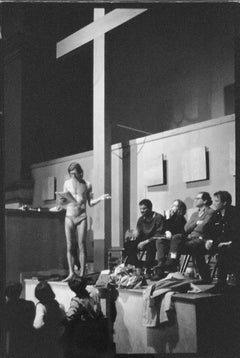
Vintage Signed Silver Gelatin Photograph Beat Poet Peter Orlovsky Beatnik Photo
By Fred McDarrah
Located in Surfside, FL
Peter Orlovsky reads poem disrobed at Judson Memorial Church. Behind him is Allen Ginsberg - December 6th, 1964. (by Washington Square Park in Greenwich Village, New York City.) Phot...
Category

1960s American Modern Black and White Photography

Materials

Silver Gelatin

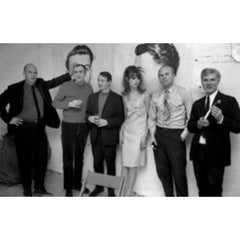
The Pop Artists: Group Shot - New York, 1964
Located in Toronto, ON
In 1964, Heyman was invited by Basic Books Publishing to collaborate on the subject of Pop art. In the fall of 1964, Heyman spent three days photographing such artists as Andy Warhol...
Category

21st Century and Contemporary Contemporary Black and White Photography

Materials

Silver Gelatin

Pop Artists Portfolio
Located in Toronto, ON
Portfolio entitled "Pop Art" containing 13 (of 13) original photographs of Andy Warhol, Claes Oldenburg, James Rosenquist, Tom Wesselmann and Roy Lichtenstein. Silver prints, 9x13 1/...
Category

21st Century and Contemporary Black and White Photography

Materials

Silver Gelatin

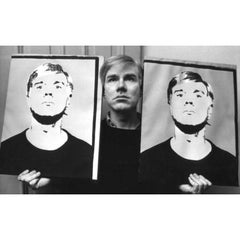
The Pop Artists - Andy Warhol with Portraits
Located in Toronto, ON
In 1964, Heyman was invited by Basic Books Publishing to collaborate on the subject of Pop art. In the fall of 1964, Heyman spent three days photographing such artists as Andy Warhol...
Category

1960s Contemporary Black and White Photography

Materials

Silver Gelatin

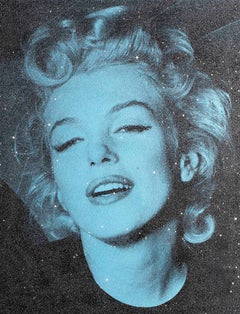
Marilyn Monroe-Cyan, Marilyn Monroe artwork, Celebrity Art
By David Studwell
Located in Manchester, GB
David Studwell, Marilyn Monroe-Platinum Screen Print with Diamond Dust 70 x 90 cm (27.56 x 35.43 in) Edition of 30 Hand-signed by the artist David Studwell’s Marilyn Monroe – Plati...
Category

2010s Contemporary Photography

Materials

Screen

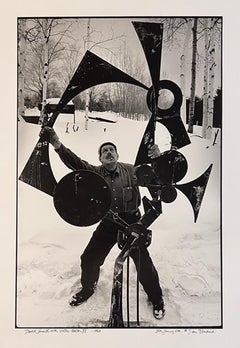
David Smith with Voltri XV - Bolton 1963 by Dan Budnik
By Dan Budnik
Located in Phoenix, AZ
SHIPPING CHARGES INCLUDE SHIPPING, PACKAGING & **INSURANCE** DAN BUDNIK (American, b. 1933-2020 David Smith with Voltr1-Bolton XV, Terminal Iron Works, Bolton Landing, N. Y. 1963 Vintage Print on Afga Paper, Silver gelatin, March 1963, printed 1992 by Igor Bakht Paper: 24 x 20 inches Image: 16.38 x 13 inches Recto: signed in black ink in artist's hand Verso: titled, dated, signed in graphite in artist's hand, printer information in graphite State: unmounted. Dan Budnik 1933-2020 As a photojournalist, Dan Budnik is known for his photographs of artists, but also for his photo-documentation of the Civil Rights Movement and of Native Americans. Born in 1933 in Long Island, New York, Budnik studied with Charles Alston at the Art Students League of New York (1951-53) and began his photography career as Philippe Halsman’s assistant. Working at Magnum Photos (1957-64) in 1963, Budnik persuaded Life Magazine to have him create a long-term photo essay showing the seriousness of the Civil Rights Movement, documenting the Selma to Montgomery march and other historical Civil Rights moments. Budnik went on to photograph for premier publications such as Life, Fortune, Look, Newsweek, Sports Illustrated and Vogue. He has been a major contributor to eight Time-Life Wilderness and Great Cities series and received a 1973 grant from the National Endowment for the Arts for his work on the Hudson River Ecology Project and a 1980 grant from the Polaroid Foundation for Big Mountain: Hopi-Navajo Forced Relocation. Biography Pastaza, Ecuador, December 2004 Photo by Kresta King Cuther Pastaza, Ecuador, December 2004 Photo by Kresta King Cuther Dan Budnik, (b. 1933-died 2020), whose career as a photographer has spanned more than half a century, was most recent recipient, in 1998, of the prestigious American Society of Media Photographers Honor Roll Award, an accolade previously accorded to such eminent photographers as Man Ray, Edward Steichen, Walker Evans, Dorothea Lange, André Kertész, Ernst Hass...
Category

1960s American Modern Black and White Photography

Materials

Photographic Paper

The Pop Artists: Andy Warhol, New York, 1964
Located in Toronto, ON
In 1964, Heyman was invited by Basic Books Publishing to collaborate on the subject of Pop art. In the fall of 1964, Heyman spent three days photographing such artists as Andy Warhol...
Category

21st Century and Contemporary Black and White Photography

Materials

Silver Gelatin

The Pop Artists: Claes Oldenburg, 1964
Located in Toronto, ON
In 1964, Heyman was invited by Basic Books Publishing to collaborate on the subject of Pop art. In the fall of 1964, Heyman spent three days photographing such artists as Andy Warhol...
Category

21st Century and Contemporary Black and White Photography

Materials

Silver Gelatin

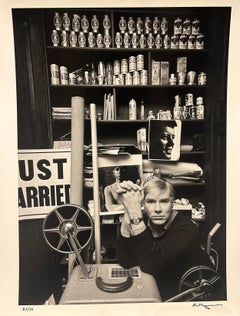
The Pop Artists: Andy Warhol with 16mm Film Projector, 1964
Located in Toronto, ON
In 1964, Heyman was invited by Basic Books Publishing to collaborate on the subject of Pop art. In the fall of 1964, Heyman spent three days photographing such artists as Andy Warhol...
Category

21st Century and Contemporary Black and White Photography

Materials

Silver Gelatin

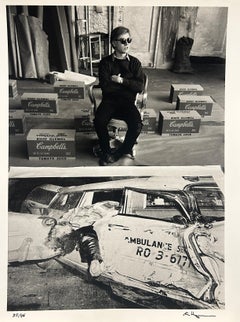
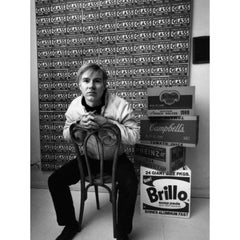
The Pop Artists: Andy Warhol with Boxes
Located in Toronto, ON
In 1964, Heyman was invited by Basic Books Publishing to collaborate on the subject of Pop art. In the fall of 1964, Heyman spent three days photographing such artists as Andy Warhol...
Category

1960s Contemporary Black and White Photography

Materials

Silver Gelatin

The Pop Artists: James Rosenquist in Studio 2, 1964
Located in Toronto, ON
In 1964, Heyman was invited by Basic Books Publishing to collaborate on the subject of Pop art. In the fall of 1964, Heyman spent three days photographing such artists as Andy Warhol...
Category

21st Century and Contemporary Black and White Photography

Materials

Silver

The Pop Artists: Andy Warhol, Campbell s Soup, 1964
Located in Toronto, ON
In 1964, Heyman was invited by Basic Books Publishing to collaborate on the subject of Pop art. In the fall of 1964, Heyman spent three days photographing such artists as Andy Warhol...
Category

21st Century and Contemporary Black and White Photography

Materials

Silver Gelatin

The Pop Artists: James Rosenquist in Studio, 1964
Located in Toronto, ON
In 1964, Heyman was invited by Basic Books Publishing to collaborate on the subject of Pop art. In the fall of 1964, Heyman spent three days photographing such artists as Andy Warhol...
Category

21st Century and Contemporary Black and White Photography

Materials

Silver Gelatin

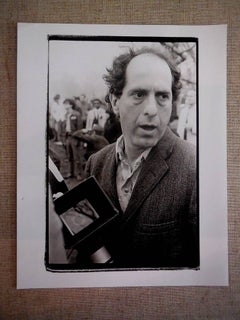
Vintage Silver Gelatin Photograph Robert Frank
By Fred McDarrah
Located in Surfside, FL
Robert Frank in Central Park. Shoot A film during Anti-War protests. April !5 1967 Robert Frank (born November 9, 1924) is an important figure in American photography and film. His m...
Category

1960s Portrait Photography

Materials

Silver Gelatin

John Cage, 1977, Vintage Silver Gelatin Signed Photograph
By Fred McDarrah
Located in Surfside, FL
Genre: Photographic Subject: Music Medium: Photograph, Gelatin Silver Print Surface: Photographic Paper Country: United States Dimensions: 10" x 8" Dimensions w/Frame: 14.75" x 11.75...
Category

1970s American Realist Black and White Photography

Materials

Silver Gelatin

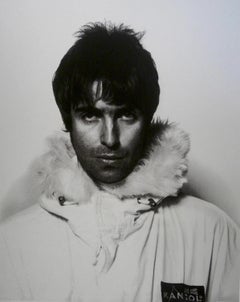
Liam Gallagher-Platinum, Liam Gallagher artwork, Celebrity Art
By David Studwell
Located in Manchester, GB
David Studwell, Liam Gallagher-Platinum Screen Print 48 x 60 cm (18.89 x 23.62 in) Edition of 15 In Liam Gallagher-Blue, David Studwell pays tribute to the legendary frontman of O...
Category

2010s Contemporary Photography

Materials

Screen

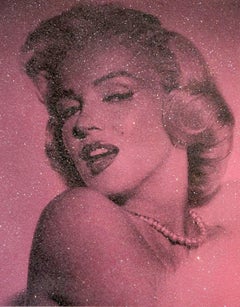
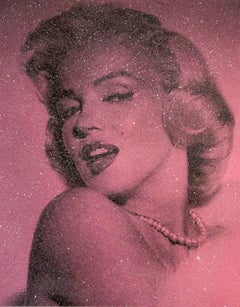
Marilyn Monroe-Pink, Marilyn Monroe artwork, Celebrity Art
By David Studwell
Located in Manchester, GB
David Studwell, Marilyn Monroe-Magenta Screen Print with Diamond Dust 50 x 64 cm (19.68 x 25.19 in) Edition of 10 David Studwell’s Marilyn Monroe – Platinum reimagines one of the...
Category

2010s Contemporary Photography

Materials

Screen

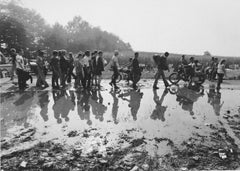
Original Fred Mcdarrah Press Photograph 1960 s Woodstock Music Festival Photo
By (after) Fred Mcdarrah
Located in Surfside, FL
People walking alongside puddle at Woodstock in Bethel NY 1969 Photographer is Fred McDarrah Over a 50-year span, McDarrah documented the rise of the Beat Generation, the city’s postmodern art movement, its off-off-Broadway actors, troubadours, politicians, agitators and social protests. Fred captured Jack Kerouac frolicking with women at a New Year’s bash in 1958, Andy Warhol adjusting a movie-camera lens in his silver-covered factory, and Bob Dylan offering a salute of recognition outside Sheridan Square near the Voice’s old office. Not just a social chronicler, McDarrah was a great photo-journalist. For years, McDarrah was the Voice's only photographer and, for decades, he ran the Voice’s photo department, where he helped train dozens of young photographers, including James Hamilton, Sylvia Plachy, Robin Holland...
Category

1960s American Modern Black and White Photography

Materials

Photographic Paper

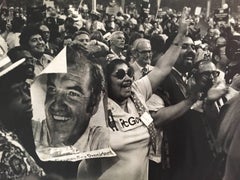
Supporters of George McGovern for President
By Fred McDarrah
Located in Surfside, FL
George Stanley McGovern (July 19, 1922 – October 21, 2012) was an American historian, author, U.S. Representative, U.S. Senator, and the Democratic Party presidential nominee in the ...
Category

20th Century Black and White Photography

Materials

Black and White, Silver Gelatin

Ivan Karp Sherman Drexler Vintage Silver Gelatin Photograph New York City Photo
By Fred W. McDarrah
Located in Surfside, FL
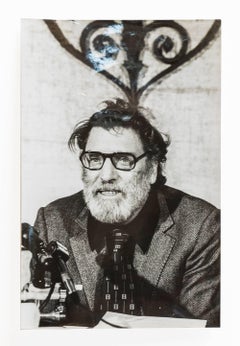
Ivan Karp Sherman Drexler Ivan C. Karp (June 4, 1926 – June 28, 2012) was an American art dealer, gallerist and author instrumental in the emergence of pop art in the 1960s. Karp ...
Category

20th Century Black and White Photography

Materials

Silver Gelatin

Marilyn Monroe-Pink, Marilyn Monroe artwork, Celebrity Art
By David Studwell
Located in Manchester, GB
David Studwell, Marilyn Monroe-Magenta Screen Print with Diamond Dust 50 x 64 cm (19.68 x 25.19 in) Edition of 10 David Studwell’s Marilyn Monroe – Platinum reimagines one of the...
Category

2010s Contemporary Photography

Materials

Screen

Ivan Karp
By Andy Warhol
Located in New York, NY
Andy Warhol Portrait of Ivan Karp, ca. 1975 Acetate negative acquired directly from Chromacomp, Inc. Andy Warhol's printer in the 1970s. Accompanied by Letter of Provenance from the...
Category

1970s Pop Art Black and White Photography

Materials

Photographic Paper

Vintage Silver Gelatin Print Photo Mets Baseball Sports Photograph Americana
By Fred McDarrah
Located in Surfside, FL
Youth at mets Game waiting for Autograph on August 20th, 1970 Photographer is Fred McDarrah Over a 50-year span, McDarrah documented the rise of the Beat Generation, the city’s postmodern art movement, its off-off-Broadway actors, troubadours, politicians, agitators and social protests. Fred captured Jack Kerouac frolicking with women at a New Year’s bash in 1958, Andy Warhol adjusting a movie-camera lens in his silver-covered factory, and Bob Dylan offering a salute of recognition outside Sheridan Square near the Voice’s old office. Not just a social chronicler, McDarrah was a great photo-journalist. For years, McDarrah was the Voice's only photographer and, for decades, he ran the Voice’s photo department, where he helped train dozens of young photographers, including James Hamilton, Sylvia Plachy, Robin Holland...
Category

1970s American Modern Black and White Photography

Materials

Silver Gelatin

Nixon Meets the Press, Republican Convention Vintage Silver Gelatin Photograph
By Fred McDarrah
Located in Surfside, FL
Richard Milhous Nixon was the 37th President of the United States, serving from 1969 to 1974 when he became the only U.S. president to resign the office, as a result of the Watergate...
Category

20th Century Black and White Photography

Materials

Silver Gelatin

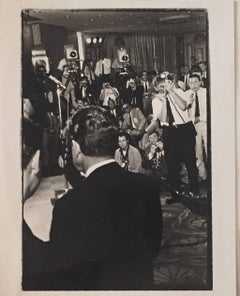
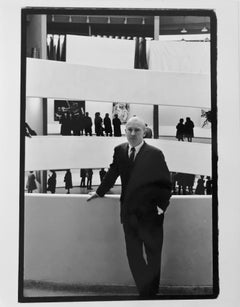
Vintage Silver Gelatin Photograph Guggenheim Museum Architecture Photo Alloway
By Fred W. McDarrah
Located in Surfside, FL
Lawrence Alloway Museum Director Jan 28 1964 Photographer - Fred McDarrah Over a 50-year span, McDarrah documented the rise of the Beat Generation, the city’s postmodern art movement, its off-off-Broadway actors, troubadours, politicians, agitators and social protests. Fred captured Jack Kerouac frolicking with women at a New Year’s bash in 1958, Andy Warhol adjusting a movie-camera lens in his silver-covered factory, and Bob Dylan offering a salute of recognition outside Sheridan Square near the Voice’s old office. Not just a social chronicler, McDarrah was a great photo-journalist. For years, McDarrah was the Voice's only photographer and, for decades, he ran the Voice’s photo department, where he helped train dozens of young photographers, including James Hamilton, Sylvia Plachy, Robin Holland and Marc Asnin. His mailbox was simply marked "McPhoto." An exhibit of McDarrah’s photos of artists presented by the Steven Kasher Gallery in Chelsea was hailed by The New York Times as “a visual encyclopedia of the era’s cultural scene.” artists in their studios, (Alice Neel, Philip Guston, Stuart Davis, Robert Smithson, Jasper Johns, Franz Kline), actors (Dustin Hoffman, Robert De Niro on the set of “Taxi Driver”), musicians (Janis Joplin, Alice Cooper, Bob Dylan) and documentary images of early happenings and performances (Yayoi Kusama, Charlotte Moorman, Al Hansen, Jim Dine, Nam June Paik). The many images of Andy Warhol include the well-known one with his Brillo boxes at the Stable Gallery in 1964. Woody Allen, Diane Arbus, W. H. Auden, Francis Bacon, Joan Baez, Louise Bourgeois, David Bowie, Jimmy Breslin, William Burroughs, John Cage, Leo Castelli, Christo, Leonard Cohen, Merce Cunningham, William de Kooning, Jim Dine, Mark di Suvero, Marcel Duchamp, Bob Dylan, Federico Fellini, Allen Ginsberg, Robert Indiana, Mick Jagger, Jasper Johns, Kusama, John Lennon, Sol Lewitt, Roy Lichtenstein, Nam June Paik, Elvis Presley, Claes Oldenburg, Yoko Ono, Robert Rauschenberg, Lou Reed, James Rosenquist, Mark Rothko, Ed Ruscha, Robert Smithson, Susan Sontag, Andy Warhol, and others. McDarrah’s prints have been collected in depth by the J. Paul Getty Museum and the National Portrait Gallery, Washington. His work is in numerous public and private collections. Lawrence Reginald Alloway was an English art critic and curator who worked in the United States from 1961. In the 1950s, he was a leading member of the Independent Group in the UK and in the 1960s was an influential writer and curator in the US. He first used the term "mass popular art" in the mid-1950s and used the term "Pop Art" in the 1960s to indicate that art has a basis in the popular culture of its day and takes from it a faith in the power of images. Alloway started writing reviews for the British periodical ArtReview, then styled Art News and Review in 1949 and for the American periodical Art News in 1953. In Nine Abstract Artists (1954) he promoted the Constructivist artists that emerged in Britain after the Second World War: Robert Adams, Terry Frost, Adrian Heath, Anthony Hill, Roger Hilton, Kenneth Martin, Mary Martin, Victor Pasmore, and William Scott. In 1961, through his contacts with the American painter Barnett Newman, Alloway was offered a lecturer position at Bennington College in Vermont. He and his wife, the realist painter Sylvia Sleigh...
Category

1960s American Modern Black and White Photography

Materials

Silver Gelatin

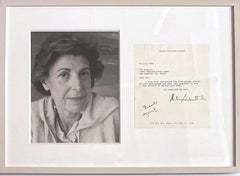
Hand signed letter from Helen Frankenthaler framed + Arkatov s signed portrait
By Helen Frankenthaler
Located in New York, NY
This work features a photographic portrait of Helen Frankenthaler, taken by renowned musician and photographer Jim Arkatov, founder of the Los Angeles Chamber Orchester, and author o...
Category

1990s Contemporary Black and White Photography

Materials

Ink, Photographic Paper, Rag Paper

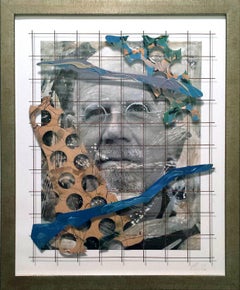
"Chuck Close Study for 3D painting" 47x38" one of a kind archival pigment print
By Ceravolo
Located in Southampton, NY
This art is a one of a kind print on canvas with archival ink, it is completely flat but has the characteristics of Ceravolo's 3 dimensional look. It was the study for a large canvas of Chuck Close that was comprised of actual three dimensional elements. This unique one of a kind print has the depth that a Ceravolo canvas in known for while being completely flat. It is framed under plexiglass and measures 47x38" When Ceravolo met Chuck Close for the first time in 2008 he told Chuck that Chuck had indirectly feed his (Ceravolo's) family for the past 25 years because he (Ceravolo) started to paint large scale portraits after seeing Chucks portrait of Phillip Glass...
Category

2010s Contemporary Portrait Prints

Materials

Archival Pigment, Canvas

Gordon Parks, Alan King and Genevieve Young Vintage Silver Gelatin photo
By Fred McDarrah
Located in Surfside, FL
At a media party with Gordon Parks, Alan King and Genevieve Young. Veteran Village Voice photographer Fred W. McDarrah Over a 50-year span, McDarrah documented the rise of the Beat ...
Category

1970s Black and White Photography

Materials

Silver Gelatin