638 results for "hans wegner"

to
7
638
17
621
396
208
17
148
38
193
71
48
53
18
9
3
1
276
249
86
3
2
1
1
379
180
157
128
79
2
2
612
315
139
103
15
638
638
638
71
63
49
33
27
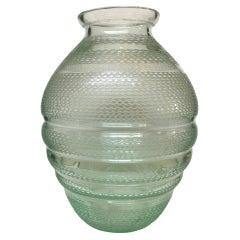
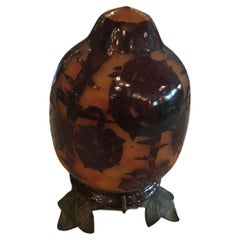
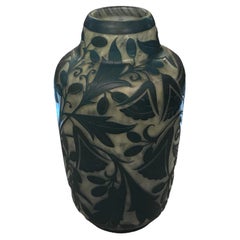
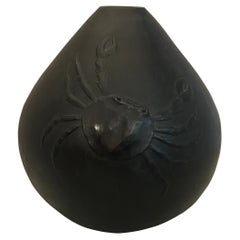
Snake Skin Vase Sign: Daum, Nancy, France, 1925
By Daum
Located in Ciudad Autónoma Buenos Aires, C
Sign: Daum = Nancy France Daum is the name of a factory established in 1875 in the city of Nancy, France. When the notary Jean Daum became the owner of an industrial furnace, that o...
Category

Vintage 1920s French Art Deco Glass

Materials

Glass

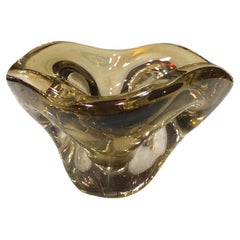
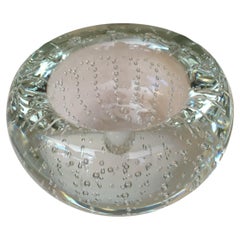
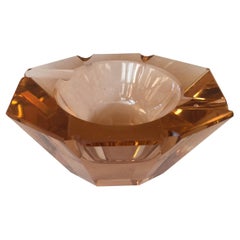
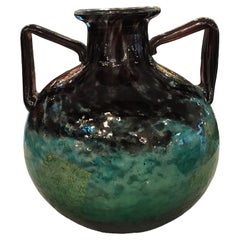
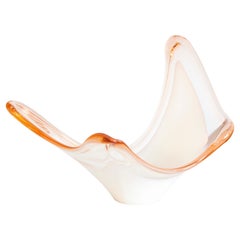
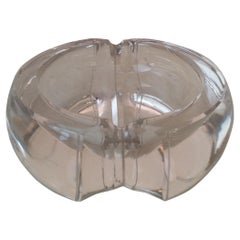
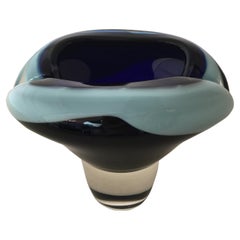
Murano, 1940, Italian
Located in Ciudad Autónoma Buenos Aires, C
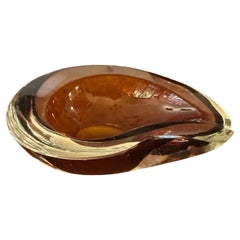
Murano We have specialized in the sale of Art Deco and Art Nouveau and Vintage styles since 1982. If you have any questions we are at your disposal. Pushing the button that reads 'V...
Category

Vintage 1940s Italian Art Deco Ashtrays

Materials

Murano Glass

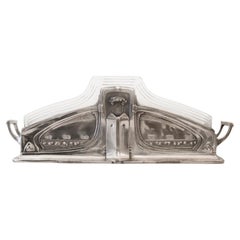
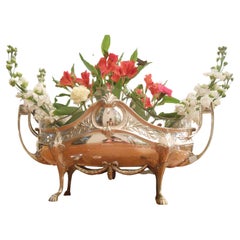
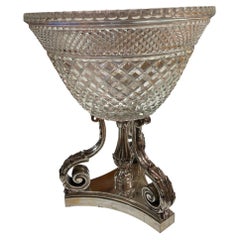
Centerpiece, Jugendstil, Art Nouveau, Liberty, German, 1910
By WMF Württembergische Metallwarenfabrik
Located in Ciudad Autónoma Buenos Aires, C
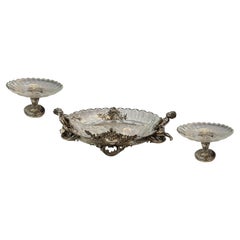
Centerplace, wmf, German We have specialized in the sale of Art Deco and Art Nouveau and Vintage styles since 1982. If you have any questions we are at your disposal. Pushing the...
Category

Vintage 1910s German Art Nouveau Centerpieces

Materials

Crystal, Metal

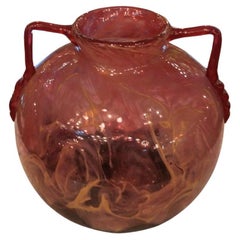
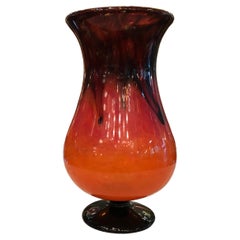
Vase Sign: Schneider, France, with application, 1922, (Design Marbré). 1922
By Charles Schneider
Located in Ciudad Autónoma Buenos Aires, C
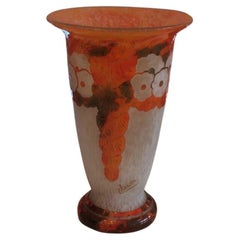
Vase Sign: Schneider Charles Schneider (1881-1953) studied art in two of most prestigious French school of the Arts. First in the School of Fine Arts in Nancy, then in the elite Eco...
Category

Vintage 1920s French Art Deco Glass

Materials

Art Glass

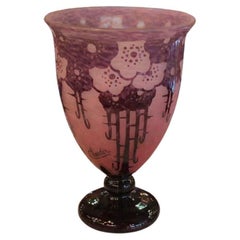
Sign: Le Verre Francais ( Decoration Marrons ) Style: Art Nouveau, Liberty
By Le Verre Francais
Located in Ciudad Autónoma Buenos Aires, C
Vase Le Verre Francais acid worked Le Verre cameo glass was a separate line of art glass designed by Charles Schneider. Its production was made at the same time as the Schneider des...
Category

Vintage 1920s French Art Nouveau Glass

Materials

Art Glass

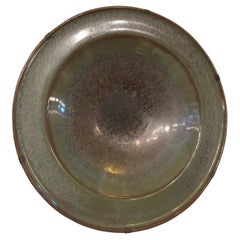
Ceramic Plate, 1950
Located in Ciudad Autónoma Buenos Aires, C
Material: Ceramic We have specialized in the sale of Art Deco and Art Nouveau and Vintage styles since 1982.If you have any questions we are at your disposal. Pushing the button th...
Category

Vintage 1950s Unknown Mid-Century Modern Decorative Art

Materials

Ceramic

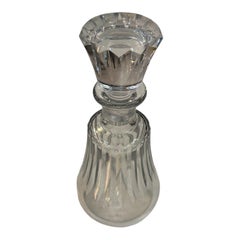
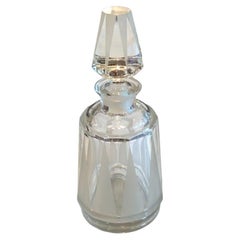
Bottle in Crystal, France, Sign Baccarat France
Located in Ciudad Autónoma Buenos Aires, C
Baccarat Created under the reign of Louis XV, the crystal manufactory owes its international reputation to its participation all along the 19th century and until 1937 to the importan...
Category

Vintage 1930s French Art Deco Barware

Materials

Crystal

Murano 1940, Italian
Located in Ciudad Autónoma Buenos Aires, C
Murano We have specialized in the sale of Art Deco and Art Nouveau and Vintage styles since 1982. If you have any questions we are at your disposal. Pushing the button that reads 'Vi...
Category

Vintage 1940s Italian Art Deco Tobacco Accessories

Materials

Murano Glass

Murano 1970, Italian
Located in Ciudad Autónoma Buenos Aires, C
Murano We have specialized in the sale of Art Deco and Art Nouveau and Vintage styles since 1982. If you have any questions we are at your disposal. Pushing the button that reads 'Vi...
Category

Vintage 1970s Italian Space Age Centerpieces

Materials

Murano Glass

Murano, 1940, Italian. Attributed to Archimide Seguso, Barovier
By Barovier Seguso Ferro
Located in Ciudad Autónoma Buenos Aires, C
Murano with gold Attributed to Seguso - Barovier We have specialized in the sale of Art Deco and Art Nouveau and Vintage styles since 1982. If you have any questions we are at your disposal. Pushing the button that reads 'View All From Seller'. And you can see more objects to the style for sale. The history of "Seguso Vetri D' Arte" is directly linked to the "Vetreria Artistica­ Barovier" company. When the Barovier workshop was forced to reduce production in 1929, due to a financial crisis in America, the original group of ten partners had to separate and Antonio Seguso in 1931, assisted by his sons Ernesto and Archimede opened a small workshop of his own. They were joined by Luigi Olimpio Ferro and Napoleone Barovier the following year. Together the craftsmen establish the "Artistica Soffieria e Vetreria Barovier Seguso & Ferro" company as equal partners. In 1934 Flavio Poli joins the firm as artistic director and within only a brief period of time a distinct style of designs emerged. The close collaboration between Flavio Poli, Archimede Seguso and Alfredo Barbini played an important part in the success of the company. New glass techniques are developed which include never before seen color applications. The companies innovative designs constantly received awards and during the 1935 World Fair in Brussels and the 1936 Milan Triennale they did attract the interest of a new group of clientele. One of them is the French wholesale company "Veronese" from Paris which would play a defining role in the history of the company. The demand for an increase in production requires additional investments and the partners felt that there is a need to multiply their investment tenfold. Luigi Olimpio Ferro subsequently decided to withdraw from the company and his shares are acquired by Flavio Poli, which makes him a full partner. As a result, the company name is changed to Seguso Vetri D’ Arte and it is officially recognized in 1937. A period of great success and prosperity ensues, lasting until the outbreak of World War II. The post ­war period is a time of great change in Europe and the rebuilding of the economical structure in Italy requires major investments which result in the introduction of new import duties and taxes. To safeguard the copyright of the Seguso Vetri D'Arte designs an application for a second entry into the commercial registers of Venice is made by the partners in 1945. Strict export regulations curb international business relations for many years after the war and the company decides to focus on the domestic market instead. In 1946 a large retail location is opened at the Piazza Diaz in Milan where in addition to the art glass, German porcelain and Italian pottery is offered. In 1950 Flavio Poli develops a new sommerso glass technique, which consists of an overlaying of transparent layers of glass. The overlapping creates new shades of color which prior to the introduction of this technique had not been seen. Flavio Poli's most iconic design is the "Valve", which resembles an upright, slightly opened clam shell. The design was introduced in 1951. Mario Pinzoni joins the company in 1953 as a personal assistant to Flavio Poli and his responsibilities as a draftsman included the compilation of archival and the existing production drawing s...
Category

Vintage 1940s Italian Art Deco Centerpieces

Materials

Gold

Murano , 1920, Italian.
Located in Ciudad Autónoma Buenos Aires, C
Murano We have specialized in the sale of Art Deco and Art Nouveau and Vintage styles since 1982. If you have any questions we are at your disposal. Pushing the button that reads 'Vi...
Category

Vintage 1920s Italian Art Deco Tobacco Accessories

Materials

Murano Glass

Murano 1950, Italian, Technique: Bubbles controlled
Located in Ciudad Autónoma Buenos Aires, C
Murano. We have specialized in the sale of Art Deco and Art Nouveau and Vintage styles since 1982. If you have any questions we are at your disposal. Pushing the button that reads 'V...
Category

Vintage 1950s Italian Mid-Century Modern Centerpieces

Materials

Murano Glass

Vase Sign: Schneider France ( Jade Decoration )
By Charles Schneider
Located in Ciudad Autónoma Buenos Aires, C
Sign: Schneider France Schneider Charles Schneider (1881-1953) studied art in two of most prestigious French school of the Arts. First in the School of Fine Arts in Nancy, then in th...
Category

Vintage 1920s French Art Deco Glass

Materials

Art Glass

Unusual Vase, Muller Fres Luneville, Style: Jugendstil, Art Nouveau, Liberty
By Muller Frères
Located in Ciudad Autónoma Buenos Aires, C
Vase Muller Fres Luneville acid worked Muller Feres The heart of the company was formed by five brothers (Henri, Desire, Eugene, Pierre, Victor) from a glass making family who traine...
Category

Antique Early 1900s French Art Nouveau Glass

Materials

Art Glass

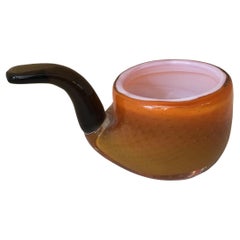
Pipe in Murano in color orange, 1950, Italian, Technique: Bubbles controlled
Located in Ciudad Autónoma Buenos Aires, C
Murano. We have specialized in the sale of Art Deco and Art Nouveau and Vintage styles since 1982. If you have any questions we are at your disposal. Pushing the button that reads 'V...
Category

Vintage 1950s Italian Mid-Century Modern Centerpieces

Materials

Murano Glass

Ceramic Red and Black, Style, Art Deco
Located in Ciudad Autónoma Buenos Aires, C
Ceramic Sign: Made in Austria Keramos 2051 19/M Wiener Keramos, later Keramos AG or Keramos KG , was a Viennese ceramics manufacturer that made a name for itself especially in the interwar period . In addition to their own designs, designs from the dissolved Wiener Werkstätte were also produced from 1932 onwards. In over 60 years of company history, around 3000 model designs have been produced by around 60 ceramists. Keramos also carried out commissions from the Wiener Werkstätte, such as vases by Dagobert Peche . History The origins of the Keramos company lie in two companies with the same name. The company Keramos – Invalid Society for Viennese Art Ceramics was founded at the end of 1919 on the initiative of the three ceramists Rudolf Wolf, Heinrich Wolf and Ludwig Rys, who had become invalids in World War I. Production started in September 1920. Art-ceramic lamps, figures, vases and boxes were produced. The company Keramos – Viennese art ceramics and porcelain manufactory was founded in 1920. Josef Hoffmann was a shareholder of Keramos for a long time, as was the sculptor Rudolf Podany, who was engaged from the start and created a large number of designs. From 1921 Anton Klieber was employed, who was also responsible for most of the models. Around 1924 both companies were merged and converted into an AG, commercial director became Otto Köller, the technical directors were the brothers Rudolf and Heinrich Wolf. "Some war invalid ceramists founded a workshop with the help of some artists, which was subsequently financed by the state and later enlarged with its participation and converted into a joint-stock company." The company's headquarters were in the Hofburg , Schwarze-Adler-Stiege, the factory in the 10th district of Vienna, Schleiergasse 17. Artistic collaborators at that time were Eduard Klablena , Otto Prutscher , Karl Perl , Karin Jarl-Sakellarios , IDA Schwetz- Lehmann and Grete Fucik-Fischmeister. On February 23, 1928, the triangular mark was entered in the trademark register. It was now also produced for the Wiener Werkstätte. Difficulties for the company arose from the Great Depression . Around 1932, 50 people were employed and a large number of models from Eduard Klabena and the dissolved Wiener Werkstätte were taken over. The works created by Keramos were labeled with their company brands until after 1941. From 1939 the economic situation of the company was better managed by taking over the production of ceramic winter welfare organization badges, the so-called WHW badges. Before 1941 the company is converted into a KG named Keramos, Wiener Kunstkeramik und Porzellanmanufaktur Brüder Wolf KG . Otto Köller was no longer active from this point on. After the end of World War II, Robert Obsieger recommended Robert Mathis as the new head of Keramos, who took over the management of the ceramics manufactory in 1945. In 1949 Mathis introduced a new company logo, which was used alongside the existing triangle mark, the so-called coat of arms mark. Anton Klieber and Rudolf Podany continued to work as ceramists, and new artists such as Josef Lorenzl and Stephan Dakon , both of whom had previously worked for Goldscheider , as well as Rudolf Chocholka, Karl Grössl and Ina Eisenbeisser were engaged. New models such as dancers, children's figures, animals and nudes were created, as well as the well-known wall masks, young people and poodles from the mid-1950s, which corresponded to the trend at the time. In addition, however, traditional designs such as Madonna statues and busts, saints and angels were still made. Utility ceramics such as crockery, vases, lamp bases, candle holders and flower pots also became an important branch of production, and cooperation with the German manufacturer Carstens at the beginning of the 1960s was just as lucrative. In the course of the 1960s, the sales markets for figurative ceramics became increasingly difficult. So until 1982, production was increasingly shifted to everyday ceramics, since ceramic figures were no longer modern due to changing tastes and the spirit of the times. Ultimately, the economic situation at Keramos became more and more difficult and Klaus Mathis, the son of Robert Mathis and then director, who succeeded his father at the helm of the company at the beginning of the 1970s, initiated the liquidation of the company at the end of 1982 . Staff The following artistic collaborators have worked for Keramos over the years: Hans Adametz , Franz Barwig the Elder , Franz Barwig the Younger , Andreas Beck, Hans Bolek, Angelo Bortolotti, Hertha Bucher , Rudolf Chocholka, Stephan Dakon , Ferdinand Doblinger, Eckstein, Franz Eggenberger , Ina Eisenbeisser, English, Stephan Erdös, Alois Feichtinger, Feyslitz, Hans Friedberger, Grete Fucik-Fischmeister, Kurt Goebel, Anton Grath, Karl Grössl, M. Günther, Otto Hafenrichter, Arnold Hartig , Friedrich Herkner, Trude Hillinger, Leopold Hohl, Hostasch, Karl Jamök, Karin Jarl-Sakellarios , Eduard Klablena, Klar, Anton Klieber, Maria Klinger, Josef Kostial, Josef Lorenzl , Wilhelm Otto Lugerth, Viktor Matula, Gusty Mundt-Amman, Novotny, Carl Perl, Rudolf Podany, Friedrich Pollak, Hugo Postl, Adolf Prischl, Otto Prutscher , Max Rieder , Elisabeth Rieger-Hofmann, Walter Ritter , Willibald Russ, Karl Sailer, Schönberg, Schwarz, Ida Schwetz-Lehmann , Sult, Robert Ullmann , Otto Weigand, IDA Weiss-Moricz, Rudolf Wolf. Exhibitions • Jubilee exhibition of the Wiener Kunstgewerbeverein, Austrian Museum , Vienna 1924. • Arts and Crafts Exhibition, Paris, 1925. • Exhibition of Austrian arts and crafts...
Category

Vintage 1930s Austrian Art Deco Figurative Sculptures

Materials

Ceramic

Centerpiece, Sign Gallia, in Silver Plated, Art Nouveau, Liberty, France, 1900
By Gallia
Located in Ciudad Autónoma Buenos Aires, C
Gallia centerpiece. It was exhibited in the original Miami beach antique show and Palm beach "American International Fine Art Fair (AIFAF)" . We have specialized in the sale of Art Deco and Art Nouveau and vintage styles since 1982.If you have any questions we are at your disposal. Pushing the button that reads 'View All From Seller'. And you can see more objects to the style for sale. Gallia Created at the turn of the 20th century, at the time of the famous 1900 Paris World Fair, the Gallia collection takes its name from a tin alloy of enormous importance in its time. With its name harkening back to "Gaul" and the Gallic rooster as its mark and symbol, Gallia metal...
Category

Antique Early 1900s French Art Nouveau Centerpieces

Materials

Metal

Vase, Sign: Daum Nancy France
By Daum
Located in Ciudad Autónoma Buenos Aires, C
Sign: Daum Nancy France Daum is the name of a factory established in 1875 in the city of Nancy, France. When the notary Jean Daum became the owner of...
Category

Vintage 1920s French Art Deco Glass

Materials

Glass

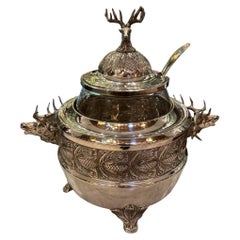
Punch Bowl with Deer Style, Jugendstil, Art Nouveau, Liberty, 1910, WMF
By WMF Württembergische Metallwarenfabrik
Located in Ciudad Autónoma Buenos Aires, C
Punch Bowl WMF Firms: ox: Oxidized. The impresse decoration is blackened with a solution of sulphuret of potash and the flat areas are polished to a matt finish with pumice WMF G: I...
Category

Vintage 1910s German Art Nouveau Serving Bowls

Materials

Metal

Ceramic Sign: Made in Belgium, Boch F. La louviere Fabrication Belge
By Boch La Louviere
Located in Ciudad Autónoma Buenos Aires, C
Ceramic: Sign: Made in Belgium, Boch F. La louviere Fabrication Belge The Boch manufacture was established in Belgian La Louvière by Jean-François Boch, one of main owners of another...
Category

Vintage 1920s Belgian Art Deco Centerpieces

Materials

Ceramic

Ceramic , 1950, Germany
Located in Ciudad Autónoma Buenos Aires, C
We have specialized in the sale of Art Deco and Art Nouveau and Vintage styles since 1982. If you have any questions we are at your disposal. Pushing the button that reads 'View All ...
Category

Vintage 1950s German Mid-Century Modern Centerpieces

Materials

Ceramic

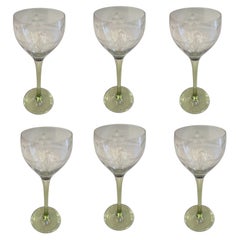
Inusual 6 wine Coupe Glasses in crystal, 1915
Located in Ciudad Autónoma Buenos Aires, C
We have specialized in the sale of Art Deco and Art Nouveau and Vintage styles since 1982. If you have any questions we are at your disposal. Pushing the button that reads 'View All ...
Category

Vintage 1910s French Art Deco Barware

Materials

Crystal

Murano 1950 Technique: Bubbles controlled
Located in Ciudad Autónoma Buenos Aires, C
Murano We have specialized in the sale of Art Deco and Art Nouveau and Vintage styles since 1982. If you have any questions we are at your disposal. Pushing the button that reads '...
Category

Vintage 1950s Italian Art Deco Tobacco Accessories

Materials

Murano Glass

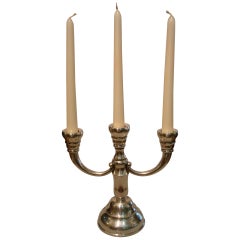
Pair of Art Deco Candlesticks Made of Italian Silver, circa 1920s
Located in Buenos Aires, Olivos
Pair of Art Deco candleholder / candlesticks made of Italian silver, circa 1920s. We have specialized in the sale of Art Deco and Art Nouveau and Vintage styles since 1995. If you h...
Category

Early 20th Century Italian Art Deco Sterling Silver

Materials

Silver

Vase Schneider ( Coupe à pied noir ) (jade) With application, France, 1920
By Charles Schneider
Located in Ciudad Autónoma Buenos Aires, C
Vase Sign: Schneider France Schneider Charles Schneider (1881-1953) studied art in two of most prestigious French school of the Arts. First in the School of Fine Arts in Nancy, then ...
Category

Vintage 1920s French Art Deco Glass

Materials

Art Glass

Ceramic, Sign: Made in Germany, Style: Jugendstil, Art Nouveau, Liberty
Located in Ciudad Autónoma Buenos Aires, C
Sign: Made in Germany Design: kunstabteilung We have specialized in the sale of Art Deco and Art Nouveau and Vintage styles since 1982. If you have any questions we are at your dispo...
Category

Antique Early 1900s German Art Nouveau Centerpieces

Materials

Ceramic

Ashtray Crystal, 1950
Located in Ciudad Autónoma Buenos Aires, C
Crystal We have specialized in the sale of Art Deco and Art Nouveau and Vintage styles since 1982. If you have any questions we are at your disposal. Pushing the button that reads ...
Category

Vintage 1950s Italian Space Age Ashtrays

Materials

Crystal

Vase, Sign: Le Verre Francais, Style: Art Nouveau, Liberty, Design: Solanées
By Le Verre Francais
Located in Ciudad Autónoma Buenos Aires, C
Vase Sign: Le Verre Francais Page: 105 book Charles Schneider Le Verre Francais- Charder Schneider Author: Marie Christine Joulin- Gerold Maier Page: 166 book Schneider Maître Verri...
Category

Vintage 1920s French Art Nouveau Glass

Materials

Art Glass

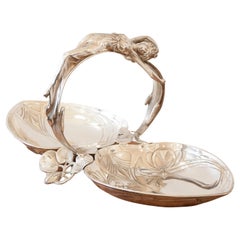
Double Fruit or Sweet Dish, German, Jugendstil, Art Nouveau, Liberty, 1900, WMF
By WMF Württembergische Metallwarenfabrik
Located in Ciudad Autónoma Buenos Aires, C
Double fruit or Sweet dish, Centerplace, WMF, German Page: 342 in the Book – Art Nouveau Domestic Metalwork from WMF Wurttembergische Metallwarenfabrik: The English Catalogue 1906 H...
Category

Antique Early 1900s German Art Nouveau Centerpieces

Materials

Metal

Bottle in Crystal, France, 1930, Art Deco
Located in Ciudad Autónoma Buenos Aires, C
We have specialized in the sale of Art Deco and Art Nouveau and Vintage styles since 1982. If you have any questions we are at your disposal. Pushing the button that reads 'View All ...
Category

Vintage 1930s French Art Deco Barware

Materials

Crystal

Vase With apps and gold, Sign: Daum Nancy, France
By Daum
Located in Ciudad Autónoma Buenos Aires, C
Vase With apps and gold Sign: Daum Nancy France Daum is the name of a factory established in 1875 in the city of Nancy, France. When the notary Jean Daum became the owner of an indus...
Category

Vintage 1920s French Art Deco Glass

Materials

Gold

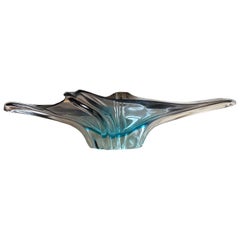
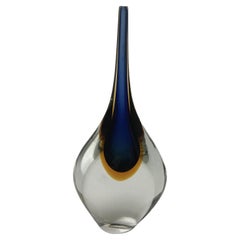
Amaizing Murano, Sky blue color, 1940, Italian
Located in Ciudad Autónoma Buenos Aires, C
Murano. We have specialized in the sale of Art Deco and Art Nouveau and Vintage styles since 1982. If you have any questions we are at your disposal. Pushing the button that reads '...
Category

Vintage 1940s Italian Art Deco Centerpieces

Materials

Murano Glass

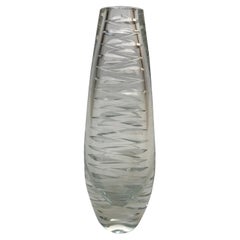
Crystal vase , 1930
Located in Ciudad Autónoma Buenos Aires, C
Vase of Crystal We have specialized in the sale of Art Deco and Art Nouveau and Vintage styles since 1982. If you have any questions we are at your disposal. Pushing the button that...
Category

Vintage 1930s Swedish Art Deco Crystal Serveware

Materials

Crystal

Centerpiece WMF, German, Jugendstil, Art Nouveau, Liberty, 1900
By WMF Württembergische Metallwarenfabrik
Located in Ciudad Autónoma Buenos Aires, C
Centerplace, WMF, German WMF (Wurttembergische Metallwarenfabrik) Electro- Wurtemberg Plate Company in Geislingen, Germany, internationally known today as 'WMF' initials of the compa...
Category

Antique Early 1900s German Art Nouveau Centerpieces

Materials

Crystal, Metal

Murano, 1920, Italian
Located in Ciudad Autónoma Buenos Aires, C
Murano We have specialized in the sale of Art Deco and Art Nouveau and Vintage styles since 1982. If you have any questions we are at your disposal. Pushing the button that reads 'View All From Seller'. And you can see more objects to the style for sale. Why are there so many antiques in Argentina? In the 1880 – 1940 there was a grate wave of immigration encouraged by the periods of war that were taking place. 1st World War took place between 1914 and 1918 2nd World War took place between 1939 and 1945 The immigrants options were New York or Buenos Aires. Tickets were cheap and in Buenos Aires they were welcomed with open arms, as it was a country where everything was still to be done. Argentina was the country of new opportunities, labour was needed and religious freedom was assured, in many cases the of the family travel first until they were settled and then the rest of the family members join them. In the immigrant museum “Ellis Island Immigrant Building” in New York you can se the promotional posters of the boats that would take them to a new life. Between the years 1895 and 1896, Argentina had the highest DGP (gross domestic product) per capita in the world according to the Maddison Historical Statistics index, this situation arose due to the large amount of food being exported to European countries, which were at war. The Argentinean ships left the port of Buenos Aires with food, but they returned with furniture, clothes and construction elements, (it´s common to see this the old buildings of the historic neighbourhood of San Telmo, the beams with the inscription “Made in England)”, as well as many markets that were built in Buenos Aires, such us the San Telmo Market, whose structure was brought by ship and afterwards assembled in 900 Defensa Street. With the great influence of European immigrants living in the country, the children of the upper classes travelled to study in France, resulting in the inauguration of “La Maison Argentinienne”, on 27th of June 1928, in the international city of Paris, which hosted many Argentinians that were studying in Frace. It´s the fourth house to be built after France, Canada and Belgium, being the first Spanish-speaking one. Still in place today (17 Bd Jourdan, 75014, Paris, France). Many of the children of these wealthy families who attended international art exhibitions, museums and art courses abroad, took a keen interest in the European style. This is why Buenos Aires was at the time referred as “The Paris of South America”. Between the years 1890 and 1920 more than a hundred Palaces were built on Alvear Avenue the most exclusive avenue in Buenos Aires. Today some of these palaces have been transformed into museums, hotels and embassies. In the year 1936, the Kavanagh building was inaugurated, it was the tallest reinforced concrete building in South America. During 1994 the American Society of Civil Engineers distinguished it as an “international engineering milestone”, and it´s now considered a World Heritage of Modern Architecture. At the time was common to hire foreign architects such as Le Corbusier, who visited Buenos Aires/Argentina in 1929 and in 1948 he drew up the blueprints for a house built in La Plata City (which was declared a World Heritage Site). In 1947, the Hungarian architect Marcelo Breuer designed “Parador Ariston” in the seaside city of Mar del Plata. After an Argentinean student at Harvard University convinced him to come to Argentina. He worked on an urban development project in the Casa Amarilla, area of La Boca. The Ukrainian architect, Vladimiro Acosta, arrives in Argentina in 1928 and worked as an architect until que moved to Brazil. Antonio Bonet, a Spanish architect who worked with Le Corbusier in Paris, arrives in Argentina in 1937, where he carried out several architectural works and in 1938 designs the well-known BFK chair. Andres Kálnay, of Hungarian origin, made around 120 architectural masterpieces, among which the former Munich brewery stands out, he even made the furniture’s design. The German architect, Walter Gropius, director of the Bauhaus, lived in Argentina, where he wrote articles for “Sur” magazine and founded in Buenos Aires, an architectural firm with Franz Möller, who was also an architect, where he built two houses. At the same time several famous designers decided to immigrate to Argentina, among them we can find the well-known French designer, Jean-Michel Frank, who arrived in the country in 1940 and also worked for the Rockefeller family. Special pieces were made, which were sold exclusively in the country, such as the well-known German company “WMF”, who sold their products by catalogue, which were chosen by the ladies of high society in the list of wedding gifts, as well as the pieces designed by Christofle. The Swiss sculptor Alberto Giacometti, made special pieces for Argentinean mansions. In 1904 the first Jansen branch outside Paris was established in Buenos Aires, as the Argentinean clientele demanded a large amount of furniture, from the end of the 19th century to the mid-20th century. In 1970, the brand Rigolleau Argentina made pieces authorised by Lalique. The brands Maple and Thompson also set up shop in the country. The French plastic artist, Marcel Duchamp moved to Argentina in 1918-1919. Glass signed Gallé, Charder, Leverre, Schneider, Muller and other French firms. They were bought in flower shops and were given to ladies with beautiful floral arrangements. Some furniture manufacturers travelled to international fairs and bough the patterns to produce the furniture in Argentina, such as the furniture firm Englander and Bonta, who bought the patterns ins Italy. It is worth mentioning that in Argentina we have the largest community of Italians outside...
Category

Vintage 1920s Italian Art Deco Vases

Materials

Murano Glass

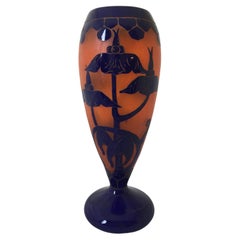
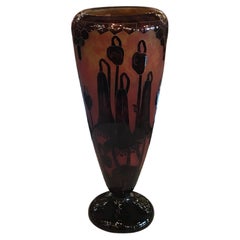
Vase, Sign: Le Verre Francais ( Flowers Bluebells, Campanules ) Art Nouveau
By Le Verre Francais
Located in Ciudad Autónoma Buenos Aires, C
Vase Le Verre Francais acid worked Le Verre cameo glass was a separate line of art glass designed by Charles Schneider. Its production was made at the same time as the Schneider des...
Category

Vintage 1920s French Art Nouveau Glass

Materials

Art Glass

Vase Sign: Schneider ( Decoración Jade), 1922, Style: Art Deco
By Charles Schneider
Located in Ciudad Autónoma Buenos Aires, C
Sign: Schneider Schneider Charles Schneider (1881-1953) studied art in two of most prestigious French school of the Arts. First in the School of Fine Arts in Nancy, then in the elit...
Category

Vintage 1920s French Art Deco Glass

Materials

Art Glass

3 Centerpieces, Jugendstil, Art Nouveau, Liberty, France, 1900, Sign:Christofle
By Christofle
Located in Ciudad Autónoma Buenos Aires, C
3 pieces Christofle Measures: Big Centerplace 65 cm (24.80 inch) long x 18 (7.08) High x 39 (15,35) depth (cm) Silver plated bronze and crystal Sign: Christofle , Number: 1391742 2...
Category

Antique Early 1900s French Art Nouveau Centerpieces

Materials

Crystal, Bronze

Vase, Sign: Charder ( Glycine Decoration ), France, 1927, Style: Art Nouveau
By Charder
Located in Ciudad Autónoma Buenos Aires, C
Sign: Charder CHARDER was a name made up from the first part of Charles and the second part of Schnieder. It was sometimes marked on glass designed by Charles Schneider, particularly...
Category

Vintage 1920s French Art Nouveau Glass

Materials

Glass

Murano 1950, Italian
Located in Ciudad Autónoma Buenos Aires, C
Murano. We have specialized in the sale of Art Deco and Art Nouveau and Vintage styles since 1982. If you have any questions we are at your disposal. Pushing the button that reads 'V...
Category

Vintage 1950s Italian Mid-Century Modern Centerpieces

Materials

Murano Glass

Ceramic Sign: Made in Belgium, Boch F. La louviere Fabrication Belge 976
By Boch La Louviere
Located in Ciudad Autónoma Buenos Aires, C
Ceramic: Sign: Made in Belgium, Boch F. La louviere Fabrication Belge The Boch manufacture was established in Belgian La Louvière by Jean-François Boch, one of main owners of another...
Category

Vintage 1920s Belgian Art Deco Centerpieces

Materials

Ceramic

Vase Sign: Schneider with application, 1924, France, Design: (Écaille), Art Deco
By Charles Schneider
Located in Ciudad Autónoma Buenos Aires, C
Vase Sign: Schneider Schneider Charles Schneider (1881-1953) studied art in two of most prestigious French school of the Arts. First in the School of Fine Arts in Nancy, then in the...
Category

Vintage 1920s French Art Deco Glass

Materials

Art Glass

Swedish crystal with divisions, 1950, Sweden
Located in Ciudad Autónoma Buenos Aires, C
We have specialized in the sale of Art Deco and Art Nouveau and Vintage styles since 1982. If you have any questions we are at your disposal. Pushing the button that reads 'View All ...
Category

Vintage 1950s Swedish Art Deco Decorative Baskets

Materials

Crystal

Pair of Wine Coolers, 1900, German
Located in Ciudad Autónoma Buenos Aires, C
Can be re-silvered or gilded If you have any questions we are at your disposal. Pushing the button that reads 'View All From Seller'. And you can see more objects to the style for sa...
Category

Antique Early 1900s German Art Nouveau Wine Coolers

Materials

Metal

Ceramic German
Located in Ciudad Autónoma Buenos Aires, C
Ceramic We have specialized in the sale of Art Deco and Art Nouveau and Vintage styles since 1982. If you have any questions we are at your disposal. Pushing the button that reads ...
Category

Vintage 1960s German Mid-Century Modern Centerpieces

Materials

Ceramic

Murano 1950. Italian
Located in Ciudad Autónoma Buenos Aires, C
Murano We have specialized in the sale of Art Deco and Art Nouveau and Vintage styles since 1982. If you have any questions we are at your disposal. Pushing the button that reads 'V...
Category

Vintage 1950s Italian Space Age Tobacco Accessories

Materials

Murano Glass

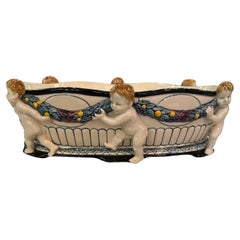
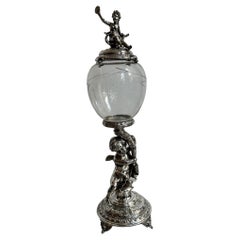
Children Centerpiece, Jugendstil, Art Nouveau, Liberty, German, 1900, WMF
By WMF Württembergische Metallwarenfabrik
Located in Ciudad Autónoma Buenos Aires, C
WMF, German silver plated metal and crystal WMF (Wurttembergische Metallwarenfabrik) Electro- Wurtemberg Plate Company in Geislingen, Germany, internationally known today as 'WMF' ...
Category

Antique Early 1900s German Art Nouveau Centerpieces

Materials

Crystal

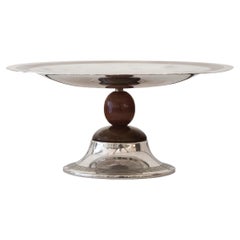
Art Deco Sweet and Fruit Dishes, Sign Plata Rex, Industria Argentina in Wood
By WMF Württembergische Metallwarenfabrik
Located in Ciudad Autónoma Buenos Aires, C
Dish of masses or sweets Sign: Plata rex, industria Argentina Materials : Silver plated and wood. We have specialized in the sale of Art Deco and Art Nouveau and Vintage styles sinc...
Category

Vintage 1930s Argentine Art Deco Platters and Serveware

Materials

Metal

Murano , 1920, Italian.
Located in Ciudad Autónoma Buenos Aires, C
Murano We have specialized in the sale of Art Deco and Art Nouveau and Vintage styles since 1982. If you have any questions we are at your disposal. Pushing the button that reads 'V...
Category

Vintage 1920s Italian Art Deco Vases

Materials

Murano Glass

Murano, 1950, Italian
Located in Ciudad Autónoma Buenos Aires, C
Murano We have specialized in the sale of Art Deco and Art Nouveau and Vintage styles since 1982. If you have any questions we are at your disposal. Pushing the button that reads 'V...
Category

Vintage 1950s Italian Space Age Centerpieces

Materials

Murano Glass

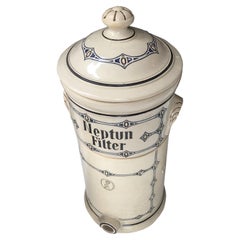
Neptun Filter, Jugendstil, Art Nouveau, Liberty, 1900
Located in Ciudad Autónoma Buenos Aires, C
Filter ( Neptun Filter ) Water filter Art. Nouveau The name "Art Nouveau" in French means "new art". It is also known as Jugendstil in Germany. In contrast, in Vienna and in Ita...
Category

Antique Early 1900s German Art Nouveau Barware

Materials

Ceramic

Vase Sign: Schneider France ( Jade Decoration ), 1923, Style: Art Deco
By Charles Schneider
Located in Ciudad Autónoma Buenos Aires, C
Sign: Schneider France Schneider Charles Schneider (1881-1953) studied art in two of most prestigious French school of the Arts. First in the School of Fine Arts in Nancy, then in th...
Category

Vintage 1920s French Art Deco Glass

Materials

Art Glass

Centerpiece, Jugendstil, Art Nouveau, France, 1900, Sign: Christofle N: 2364323
By Christofle
Located in Ciudad Autónoma Buenos Aires, C
Centerplace, Sign: Christofle n: 2364323 Metal: Silver plated We have specialized in the sale of Art Deco and Art Nouveau and Vintage styles since 1982. If you have any questions...
Category

Antique Early 1900s French Art Nouveau Centerpieces

Materials

Metal

Ceramic signed, 1962, French
Located in Ciudad Autónoma Buenos Aires, C
Ceramic We have specialized in the sale of Art Deco and Art Nouveau and Vintage styles since 1982. If you have any questions we are at your disposal. Pushing the button that reads 'V...
Category

Vintage 1960s French Mid-Century Modern Centerpieces

Materials

Ceramic

Murano, 1930, Italian
Located in Ciudad Autónoma Buenos Aires, C
Murano We have specialized in the sale of Art Deco and Art Nouveau and Vintage styles since 1982. If you have any questions we are at your disposal. Pushing the button that reads 'V...
Category

Vintage 1930s Italian Art Deco Vases

Materials

Murano Glass

Vase, Sign: Charder, Le Verre Francais ( Eglantines Flowers ), France, 1927
By Charder
Located in Ciudad Autónoma Buenos Aires, C
Sign: Charder, Le Verre Francais CHARDER was a name made up from the first part of Charles and the second part of Schnieder. It was sometimes marked on glass designed by Charles Schn...
Category

Vintage 1920s French Art Deco Glass

Materials

Glass

Vase, Jugendstil, Art Nouveau, France
Located in Ciudad Autónoma Buenos Aires, C
Vase Metal: silver plated bronze We have specialized in the sale of Art Deco and Art Nouveau and Vintage styles since 1982. If you have any questions we are at your disposal. Pushing...
Category

Antique Early 1900s French Art Nouveau Centerpieces

Materials

Crystal, Bronze

Ceramic Sign: Revernay 86 19b
Located in Ciudad Autónoma Buenos Aires, C
Ceramic Sign: Revernay 86 19b "Around 1896, the company Sarreguemines Utzschneider et Cie created an art workshop responsible for producing Art Deco artistic ceramic. This workshop...
Category

Vintage 1920s French Art Deco Centerpieces

Materials

Ceramic

Ceramic Sign: Encra
Located in Ciudad Autónoma Buenos Aires, C
Ceramic Sign: Encra Encra is the signature of the Argentine ceramic school. It was created by decree of President Roberto M. Ortiz on April 9, 1940. It was the first Ceramics school in the City of Buenos Aires, located at Bulnes 45. Its founder and first director was the illustrious Madrid ceramicist Don Fernando Arranz. The teachers of those first years were famous artists such as Aurelio Macchi, Vicente Puig, Nicasio Fernández...
Category

Vintage 1950s Argentine Mid-Century Modern Centerpieces

Materials

Ceramic

Murano , 1940, Italian.
Located in Ciudad Autónoma Buenos Aires, C
Murano We have specialized in the sale of Art Deco and Art Nouveau and Vintage styles since 1982. If you have any questions we are at your disposal. Pushing the button that reads 'V...
Category

Vintage 1940s Italian Art Deco Vases

Materials

Murano Glass