Photography Portrait Paintings

to
499
470
350
312
239
279
Overall Width
to
Overall Height
to
114
257
407
873
11
12
18
19
28
12
15
12
19
16
77
373
124
70
61
56
47
40
31
29
14
3
1,239
188
142
11,476
7,477
5,586
4,204
3,677
3,032
1,528
1,526
661
584
530
455
381
289
261
251
229
211
198
1,561
1,201
810
756
369
49
13
12
12
11
732
117
725
649
Art Subject: Photography
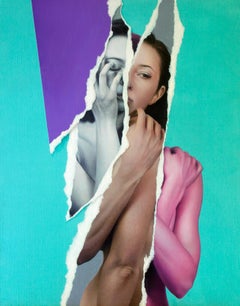
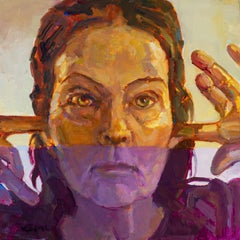
"Hear No Evil" oil painting, self-portrait of artist plugging ears with fingers
Located in Sag Harbor, NY
"Hear No Evil" is an oil painting. It depicts a woman, the artist, Maryann Lucas, plugging her ears with her fingers. The two tone composition represents the artist's zodiac, Gemini,...
Category

21st Century and Contemporary Realist Portrait Paintings

Materials

Canvas, Oil

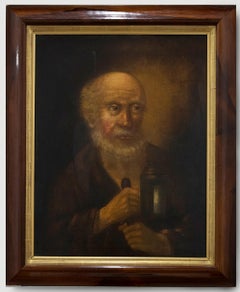
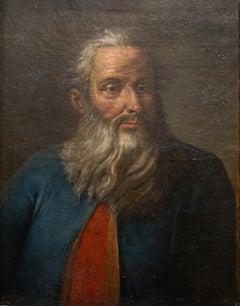
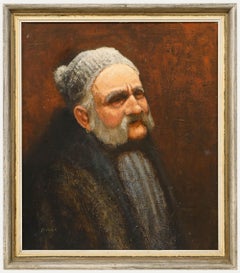
19th Century Oil - Monk Holding a Lamp
Located in Corsham, GB
A charming portrait study of a bearded monk holding a lamp. His face is illuminated against the background making for an atmospheric scene. Unsigned. Presented in a wooden frame with...
Category

19th Century Portrait Paintings

Materials

Oil

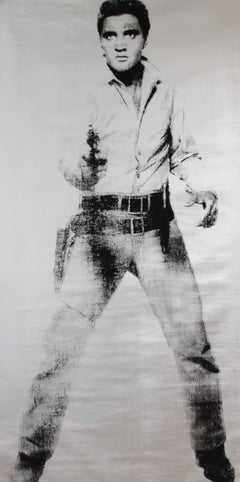
"Elvis", Denied Andy Warhol Silver Black Pop Art Painting by Charles Lutz
Located in Brooklyn, NY
Elvis, Metallic Silver and Black Full Length Silkscreen Painting by Charles Lutz Silkscreen and silver enamel painted on vintage 1960's era linen with Artist's Denied stamp of the Andy Warhol Art Authentication Board. 82" x 40" inches 2010 Lutz's 2007 ''Warhol Denied'' series gained international attention by calling into question the importance of originality or lack thereof in the work of Andy Warhol. The authentication/denial process of the [[Andy Warhol Art Authentication Board]] was used to create value by submitting recreations of Warhol works for judgment with the full intention for the works to be formally marked "DENIED". The final product of the conceptual project being "officially denied" "Warhol" paintings authored by Lutz. Based on the full-length Elvis Presley paintings by Pop Artist Andy Warhol in 1964, this is likely one of his most iconic images, next to Campbell's Soup Cans and portraits of Jackie Kennedy, Marilyn Monroe, Liz Taylor, and Marlon Brando. This is the rarest of the Elvis works from the series, as Lutz sourced a vintage roll of 1960's primed artist linen which was used for this one Elvis. The silkscreen, like Warhol's embraced imperfections, like the slight double image printing of the Elvis image. Lutz received his BFA in Painting and Art History from Pratt Institute and studied Human Dissection and Anatomy at Columbia University, New York. Lutz's work deals with perceptions and value structures, specifically the idea of the transference of values. Lutz's most recently presented an installation of new sculptures dealing with consumerism at Frank Lloyd Wright's Fallingwater House in 2022. Lutz's 2007 Warhol Denied series received international attention calling into question the importance of originality in a work of art. The valuation process (authentication or denial) of the Andy Warhol Art Authentication Board was used by the artist to create value by submitting recreations of Warhol works for judgment, with the full intention for the works to be formally marked "DENIED" of their authenticity. The final product of this conceptual project is "Officially DENIED" "Warhol" paintings authored by Lutz. Later in 2013, Lutz went on to do one of his largest public installations to date. At the 100th Anniversary of Marcel Duchamp's groundbreaking and controversial Armory Show, Lutz was asked by the curator of Armory Focus: USA and former Director of The Andy Warhol Museum, Eric Shiner to create a site-specific installation representing the US. The installation "Babel" (based on Pieter Bruegel's famous painting) consisted of 1500 cardboard replicas of Warhol's Brillo Box (Stockholm Type) stacked 20 ft tall. All 1500 boxes were then given to the public freely, debasing the Brillo Box as an art commodity by removing its value, in addition to debasing its willing consumers. Elvis was "the greatest cultural force in the Twentieth Century. He introduced the beat to everything, and he changed everything - music, language, clothes, it's a whole new social revolution." Leonard Bernstein in: Exh. Cat., Boston, The Institute of Contemporary Art and traveling, Elvis + Marilyn 2 x Immortal, 1994-97, p. 9. Andy Warhol "quite simply changed how we all see the world around us." Kynaston McShine in: Exh. Cat., New York, Museum of Modern Art (and traveling), Andy Warhol: Retrospective, 1996, p. 13. In the summer of 1963 Elvis Presley was just twenty-eight years old but already a legend of his time. During the preceding seven years - since Heartbreak Hotel became the biggest-selling record of 1956 - he had recorded seventeen number-one singles and seven number-one albums; starred in eleven films, countless national TV appearances, tours, and live performances; earned tens of millions of dollars; and was instantly recognized across the globe. The undisputed King of Rock and Roll, Elvis was the biggest star alive: a cultural phenomenon of mythic proportions apparently no longer confined to the man alone. As the eminent composer Leonard Bernstein put it, Elvis was "the greatest cultural force in the Twentieth Century. He introduced the beat to everything, and he changed everything - music, language, clothes, it's a whole new social revolution." (Exh. Cat., Boston, The Institute of Contemporary Art (and traveling), Elvis + Marilyn 2 x Immortal, 1994, p. 9). In the summer of 1963 Andy Warhol was thirty-four years old and transforming the parameters of visual culture in America. The focus of his signature silkscreen was leveled at subjects he brilliantly perceived as the most important concerns of day to day contemporary life. By appropriating the visual vernacular of consumer culture and multiplying readymade images gleaned from newspapers, magazines and advertising, he turned a mirror onto the contradictions behind quotidian existence. Above all else he was obsessed with themes of celebrity and death, executing intensely multifaceted and complex works in series that continue to resound with universal relevance. His unprecedented practice re-presented how society viewed itself, simultaneously reinforcing and radically undermining the collective psychology of popular culture. He epitomized the tide of change that swept through the 1960s and, as Kynaston McShine has concisely stated, "He quite simply changed how we all see the world around us." (Exh. Cat., New York, Museum of Modern Art (and traveling), Andy Warhol: Retrospective, 1996, p. 13). Thus in the summer of 1963 there could not have been a more perfect alignment of artist and subject than Warhol and Elvis. Perhaps the most famous depiction of the biggest superstar by the original superstar artist, Double Elvis is a historic paradigm of Pop Art from a breath-taking moment in Art History. With devastating immediacy and efficiency, Warhol's canvas seduces our view with a stunning aesthetic and confronts our experience with a sophisticated array of thematic content. Not only is there all of Elvis, man and legend, but we are also presented with the specter of death, staring at us down the barrel of a gun; and the lone cowboy, confronting the great frontier and the American dream. The spray painted silver screen denotes the glamour and glory of cinema, the artificiality of fantasy, and the idea of a mirror that reveals our own reality back to us. At the same time, Warhol's replication of Elvis' image as a double stands as metaphor for the means and effects of mass-media and its inherent potential to manipulate and condition. These thematic strata function in simultaneous concert to deliver a work of phenomenal conceptual brilliance. The portrait of a man, the portrait of a country, and the portrait of a time, Double Elvis is an indisputable icon for our age. The source image was a publicity still for the movie Flaming Star, starring Presley as the character Pacer Burton and directed by Don Siegel in 1960. The film was originally intended as a vehicle for Marlon Brando and produced by David Weisbart, who had made James Dean's Rebel Without a Cause in 1955. It was the first of two Twentieth Century Fox productions Presley was contracted to by his manager Colonel Tom Parker, determined to make the singer a movie star. For the compulsive movie-fan Warhol, the sheer power of Elvis wielding a revolver as the reluctant gunslinger presented the zenith of subject matter: ultimate celebrity invested with the ultimate power to issue death. Warhol's Elvis is physically larger than life and wears the expression that catapulted him into a million hearts: inexplicably and all at once fearful and resolute; vulnerable and predatory; innocent and explicit. It is the look of David Halberstam's observation that "Elvis Presley was an American original, the rebel as mother's boy, alternately sweet and sullen, ready on demand to be either respectable or rebellious." (Exh. Cat., Boston, Op. Cit.). Indeed, amidst Warhol's art there is only one other subject whose character so ethereally defies categorization and who so acutely conflated total fame with the inevitability of mortality. In Warhol's work, only Elvis and Marilyn harness a pictorial magnetism of mythic proportions. With Marilyn Monroe, whom Warhol depicted immediately after her premature death in August 1962, he discovered a memento mori to unite the obsessions driving his career: glamour, beauty, fame, and death. As a star of the silver screen and the definitive international sex symbol, Marilyn epitomized the unattainable essence of superstardom that Warhol craved. Just as there was no question in 1963, there remains still none today that the male equivalent to Marilyn is Elvis. However, despite his famous 1968 adage, "If you want to know all about Andy Warhol, just look at the surface of my paintings" Warhol's fascination held purpose far beyond mere idolization. As Rainer Crone explained in 1970, Warhol was interested in movie stars above all else because they were "people who could justifiably be seen as the nearest thing to representatives of mass culture." (Rainer Crone, Andy Warhol, New York, 1970, p. 22). Warhol was singularly drawn to the idols of Elvis and Marilyn, as he was to Marlon Brando and Liz Taylor, because he implicitly understood the concurrence between the projection of their image and the projection of their brand. Some years after the present work he wrote, "In the early days of film, fans used to idolize a whole star - they would take one star and love everything about that star...So you should always have a product that's not just 'you.' An actress should count up her plays and movies and a model should count up her photographs and a writer should count up his words and an artist should count up his pictures so you always know exactly what you're worth, and you don't get stuck thinking your product is you and your fame, and your aura." (Andy Warhol, The Philosophy of Andy Warhol (From A to B and Back Again), San Diego, New York and London, 1977, p. 86). The film stars of the late 1950s and early 1960s that most obsessed Warhol embodied tectonic shifts in wider cultural and societal values. In 1971 John Coplans argued that Warhol was transfixed by the subject of Elvis, and to a lesser degree by Marlon Brando and James Dean, because they were "authentically creative, and not merely products of Hollywood's fantasy or commercialism. All three had originative lives, and therefore are strong personalities; all three raised - at one level or another - important questions as to the quality of life in America and the nature of its freedoms. Implicit in their attitude is a condemnation of society and its ways; they project an image of the necessity for the individual to search for his own future, not passively, but aggressively, with commitment and passion." (John Coplans, "Andy Warhol and Elvis Presley," Studio International, vol. 181, no. 930, February 1971, pp. 51-52). However, while Warhol unquestionably adored these idols as transformative heralds, the suggestion that his paintings of Elvis are uncritical of a generated public image issued for mass consumption fails to appreciate the acuity of his specific re-presentation of the King. As with Marilyn, Liz and Marlon, Warhol instinctively understood the Elvis brand as an industrialized construct, designed for mass consumption like a Coca-Cola bottle or Campbell's Soup Can, and radically revealed it as a precisely composed non-reality. Of course Elvis offered Warhol the biggest brand of all, and he accentuates this by choosing a manifestly contrived version of Elvis-the-film-star, rather than the raw genius of Elvis as performing Rock n' Roll pioneer. A few months prior to the present work he had silkscreened Elvis' brooding visage in a small cycle of works based on a simple headshot, including Red Elvis, but the absence of context in these works minimizes the critical potency that is so present in Double Elvis. With Double Elvis we are confronted by a figure so familiar to us, yet playing a role relating to violence and death that is entirely at odds with the associations entrenched with the singer's renowned love songs. Although we may think this version of Elvis makes sense, it is the overwhelming power of the totemic cipher of the Elvis legend that means we might not even question why he is pointing a gun rather than a guitar. Thus Warhol interrogates the limits of the popular visual vernacular, posing vital questions of collective perception and cognition in contemporary society. The notion that this self-determinedly iconic painting shows an artificial paradigm is compounded by Warhol's enlistment of a reflective metallic surface, a treatment he reserved for his most important portraits of Elvis, Marilyn, Marlon and Liz. Here the synthetic chemical silver paint becomes allegory for the manufacture of the Elvis product, and directly anticipates the artist's 1968 statement: "Everything is sort of artificial. I don't know where the artificial stops and the real starts. The artificial fascinates me, the bright and shiny..." (Artist quoted in Exh. Cat., Stockholm, Moderna Museet and traveling, Andy Warhol, 1968, n.p.). At the same time, the shiny silver paint of Double Elvis unquestionably denotes the glamour of the silver screen and the attractive fantasies of cinema. At exactly this time in the summer of 1963 Warhol bought his first movie camera and produced his first films such as Sleep, Kiss and Tarzan and Jane Regained. Although the absence of plot or narrative convention in these movies was a purposely anti-Hollywood gesture, the unattainability of classic movie stardom still held profound allure and resonance for Warhol. He remained a celebrity and film fanatic, and it was exactly this addiction that so qualifies his sensational critique of the industry machinations behind the stars he adored. Double Elvis was executed less than eighteen months after he had created 32 Campbell's Soup Cans for his immortal show at the Ferus Gallery, Los Angeles in July and August 1962, and which is famously housed in the Museum of Modern Art, New York. In the intervening period he had produced the series Dollar Bills, Coca-Cola Bottles, Suicides, Disasters, and Silver Electric Chairs, all in addition to the portrait cycles of Marilyn and Liz. This explosive outpouring of astonishing artistic invention stands as definitive testament to Warhol's aptitude to seize the most potent images of his time. He recognized that not only the product itself, but also the means of consumption - in this case society's abandoned deification of Elvis - was symptomatic of a new mode of existence. As Heiner Bastian has precisely summated: "the aura of utterly affirmative idolization already stands as a stereotype of a 'consumer-goods style' expression of an American way of life and of the mass-media culture of a nation." (Exh. Cat., Berlin, Neue Nationalgalerie (and traveling), Andy Warhol: Retrospective, 2001, p. 28). For Warhol, the act of image replication and multiplication anaesthetized the effect of the subject, and while he had undermined the potency of wealth in 200 One Dollar Bills, and cheated the terror of death by electric chair in Silver Disaster # 6, the proliferation of Elvis here emasculates a prefabricated version of character authenticity. Here the cinematic quality of variety within unity is apparent in the degrees to which Presley's arm and gun become less visible to the left of the canvas. The sense of movement is further enhanced by a sense of receding depth as the viewer is presented with the ghost like repetition of the figure in the left of the canvas, a 'jump effect' in the screening process that would be replicated in the multiple Elvis paintings. The seriality of the image heightens the sense of a moving image, displayed for us like the unwinding of a reel of film. Elvis was central to Warhol's legendary solo exhibition organized by Irving Blum at the Ferus Gallery in the Fall of 1963 - the show having been conceived around the Elvis paintings since at least May of that year. A well-known installation photograph shows the present work prominently presented among the constant reel of canvases, designed to fill the space as a filmic diorama. While the Elvis canvases...
Category

21st Century and Contemporary Pop Art Figurative Paintings

Materials

Enamel

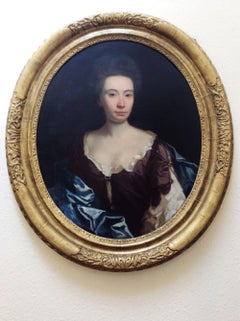
17th century portrait of Lady Sarah Cowper, Circle of Michael Dahl
By (Circle of) Michael Dahl
Located in York, GB
Portrait of Lady Sarah Cowper, nee Holled [1644-1720]-Circle of Michael Dahl (unsigned)17th century,Oil painting on canvas oval,bust-length . She has dar...
Category

17th Century Old Masters Portrait Paintings

Materials

Oil

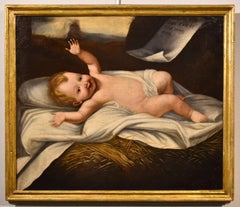
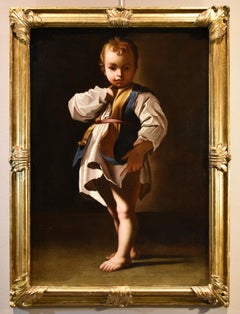
Child Jesus Paint Oil on canvas Old master 17th Century Baby Italian Religious
Located in Riva del Garda, IT
Lombard painter active in the 17th century Infant Jesus Oil painting on canvas 70 x 82 cm. - In antique frame 78 x 91 cm. This painting depicts an unusual and pleasant iconographic...
Category

17th Century Old Masters Paintings

Materials

Oil

Armand Emmanuel du Plessis, 5th Duke of Richelieu
Located in London, GB
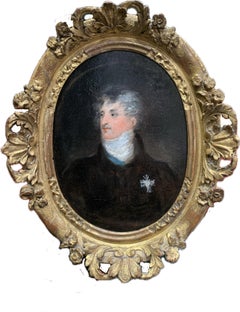
Oil on canvas Image size: 10 x 7 1/2 inches (25.5 x 19 cm) Contemporary gilt frame This painting is a copy of Thomas Lawrence’s 1822 portrait of Armand Emmanuel du Plessis, Duke of ...
Category

19th Century English School Portrait Paintings

Materials

Canvas, Oil

Portrait of Alan Sims with Bird Nest - British Edwardian art oil painting
Located in Hagley, England
This lovely British Edwardian Impressionist portrait oil painting is by noted artist Charles Henry Sims. Painted circa 1910, the young child in the painting is Alan Sims, the artist'...
Category

1910s Impressionist Portrait Paintings

Materials

Oil

Portrait Cardinal Barberini Alberti Paint Oil on canvas 17th Century Old master
Located in Riva del Garda, IT
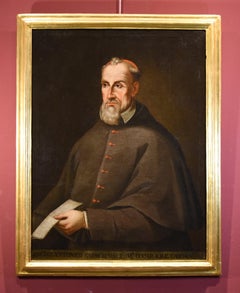
Antonio Alberti (1603 - 1649) Portrait of Cardinal Antonio Marcello Barberini (Florence 1569 – Rome 1646) Inscription on the bottom: F.M D.D ANTONIUS BARBERINUS ROM. O. CAP. S.R.E. ...
Category

17th Century Old Masters Paintings

Materials

Oil

Paul Marigny Female Portrait Painting
Located in San Francisco, CA
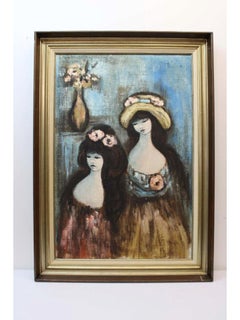
Classic Paul Marigny (1922-1998, French) painting of 2 young ladies with flowers. Oil on canvas Canvas dimensions 24" x 36" Frame dimensions 30" x 42"
Category

Mid-20th Century Portrait Paintings

Materials

Oil

Portrait of a Levantine Merchant, 18th Century. Italian school.
Located in Firenze, IT
Portrait of a Levantine Merchant, 18th Century Italian school. Oil on canvas. Circle of Giuseppe Nogari (1699-1763) Dimensions with frame cm 71 x 5...
Category

18th Century Baroque Portrait Paintings

Materials

Canvas, Oil

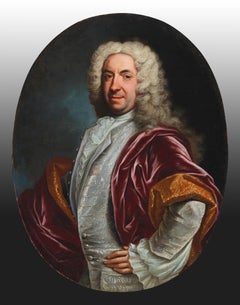
Baroque Portrait of a gentleman 18th century Italian master by Domenico Parodi
By Domenico Parodi (Genoa, 1672 - 1742)
Located in Stockholm, SE
We are grateful to Prof. Daniele Sanguineti for suggesting the attribution to Domenico Parodi (1672 - 1742). He dates the painting into the period between 1730 and 1740. Domenico Par...
Category

1730s Realist Portrait Paintings

Materials

Canvas, Oil

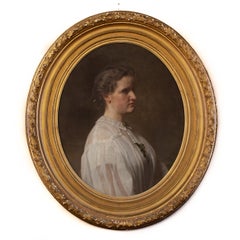
Portrait of Alice Ritter by Ferdinand Fagerlin. Oil on Canvas
Located in Stockholm, SE
Ferdinand Fagerlin (1825-1907) Sweden Portrait of Alice Ritter, The Artists Wife oil on canvas signed with monogram painted 1862 canvas size 27.95...
Category

1860s Portrait Paintings

Materials

Canvas, Oil

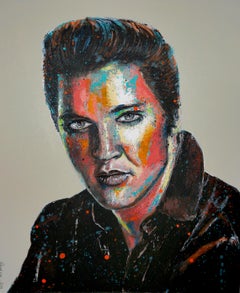
French School - Portrait Black Elvis - Large - Oil Painting Impressionist AUC
Located in Zofingen, AG
Portrait Elvis Presley Technique: Acrylics, oil painting, China ink on canvas 73x60cm / 28,7x23,6inch 》》R E A D Y -- T O -- H A N G《《 ❶ → Original signed work. Certificate of aut...
Category

Early 1900s Tonalist Portrait Paintings

Materials

Canvas, Oil, Acrylic, Mixed Media, Stretcher Bars

"Remix’D-4 (Blue Slushie)" Oil Painting
Located in Denver, CO
Grant Gilsdorf's "Remix’D-4 (Blue Slushie)" is an original, handmade oil painting that depicts a female model eclipsed by other figural forms. About the Artist: Grant Gilsdorf is a...
Category

2010s Contemporary Portrait Paintings

Materials

Oil, Panel

Jean-Luc Almond, Fall, Original Portrait Painting, Figurative Art
Located in Deddington, GB
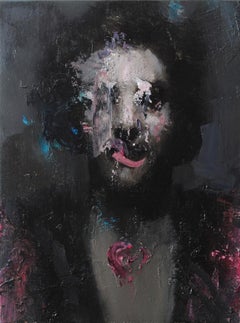
‘Fall’. Original Oil Painting by Jean-Luc Almond [2016] Original Figurative Oil paint on Wood Complete Size of Unframed Work: H:40 cm x W:30 cm x D:3cm Sold Unframed Please note that...
Category

21st Century and Contemporary Impressionist Portrait Paintings

Materials

Wood, Oil

Portrait of a couple
Located in BELEYMAS, FR
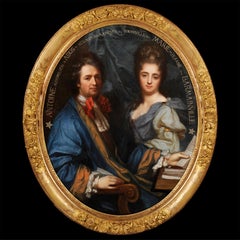
Jean-Baptiste SANTERRE (Magny en Véxins 1651 - Paris 1717) Portrait of a couple Oil on original oval canvas H. 115 cm; L. 90 cm (140 x 115 cm with frame) Around 1695 Jean-Baptiste S...
Category

1690s French School Portrait Paintings

Materials

Canvas, Oil

Victorian 19th century portrait of an seated English Flower Seller
Located in Woodbury, CT
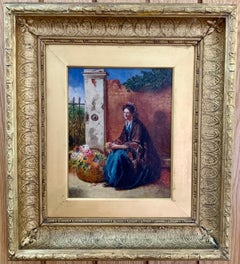
Victorian 19th-century portrait of a seated English Flower Seller. This is a very pretty classic English Victorian Genre painting. The style ...
Category

1850s Victorian Figurative Paintings

Materials

Canvas, Oil

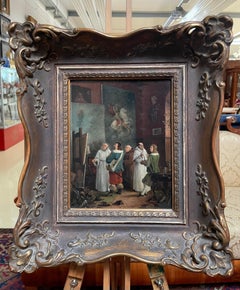
"Im Atelier des Malers"
Located in Edinburgh, GB
Hans August Lassen (1857–1927) – "Im Atelier des Malers" (1887) Artist: Hans August Lassen Title: Im Atelier des Malers (In the Painter’s Studio) Date: 1887 Medium: Oil on Panel Dime...
Category

19th Century Realist Portrait Paintings

Materials

Oil, Panel

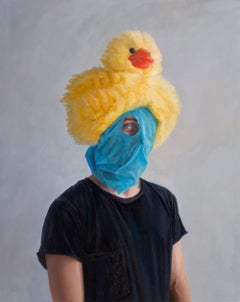
Sitting Duck
Located in Burlingame, CA
'Sitting Duck' contemporary portrait oil on canvas painting by Tamera Avery, whose paintings are created with wit and wisdom. Avery's work deals with seri...
Category

21st Century and Contemporary Contemporary Portrait Paintings

Materials

Cotton Canvas, Oil

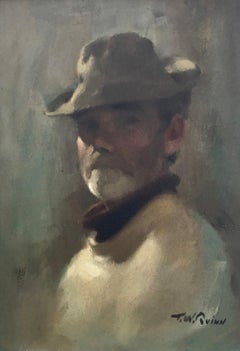
ARTIST.SELF. PORTRAIT 1918, 2016
Located in Pollenca, Illes Baleares
TOM QUINN Born of IRISH PARENTS in 1918, Tom W. Quinn was indeed fortunate as he was one of the last generations of students at the Camberwell School of Art to study under such great tutors as Lawrence Gowing, Victor Passmore...
Category

21st Century and Contemporary Impressionist Portrait Paintings

Materials

Oil

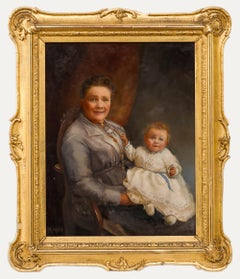
Madam Varney - 19th Century Oil, Mother and Child
Located in Corsham, GB
A charming oil portrait depicting a mother with an infant in a christening gown on her knee. Both smile towards the artist, who captures them against a dark background. Signed to the...
Category

19th Century Portrait Paintings

Materials

Oil

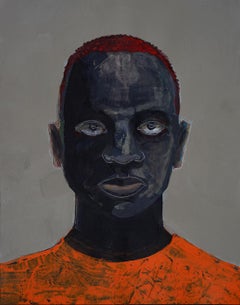
Face No. 319, 2018
Located in Burlingame, CA
A face in multi color, including mainly indigo and tan with orange. Acrylic on paper, 14 x 11 inches (unframed). Part of the artist's new Face to Face series started in 2017 and f...
Category

21st Century and Contemporary Contemporary Portrait Paintings

Materials

Paper, Acrylic

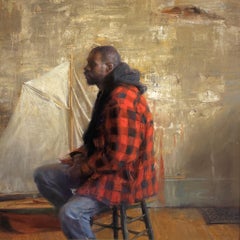
"Jack of All Trades" (2009) By Quang Ho, Original Oil Portrait Painting
Located in Denver, CO
Quang Ho's "Jack of All Trades" (2009) is a portrait of a seated male model with a small sailboat replica in the background. About the artist: Quang Ho was born on April 30, 1963, ...
Category

2010s Impressionist Interior Paintings

Materials

Oil

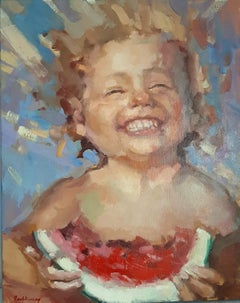
Sunshine Bliss: The Aroma of Summer Watermelon. Portrait Oil painting on canvas
Located in Zofingen, AG
Oil on canvas. "Sunshine Bliss: The Aroma of Summer Watermelon" In this painting, a vivid and joyful spectacle unfolds before us, as if a sunbeam has penetrated directly onto the c...
Category

21st Century and Contemporary Post-Impressionist Portrait Paintings

Materials

Canvas, Paint, Cotton Canvas, Oil

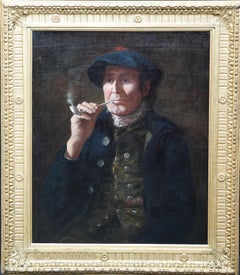
Portrait of Scottish Gentleman with Clay Pipe - 18th century art oil painting
Located in Hagley, England
This atmospheric 18th century portrait oil painting is attributed to a Scottish artist. Painted circa 1790, The painting is a half length portrait of a seated gentleman. He is wearing a blue bonnet, the badge of a Scottish country gentleman and smoking a clay pipe. The way the light catches his hand and face and gleams on his buttons is lovely. The frame is super in that it echoes the button on his jacket. This is an excellent example of an 18th century Scottish portrait...
Category

17th Century Old Masters Portrait Paintings

Materials

Oil

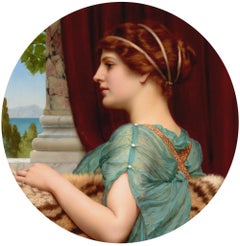
A Pompeian Lady
By John William Godward
Located in New Orleans, LA
John William Godward 1861-1922 British A Pompeian Lady Signed and dated "J.W. Godward 1904" (lower right, partially covered by frame) Oil on canvas One of the last and greatest Victorian neoclassical painters, John William Godward is celebrated for his flawlessly executed images of graceful women posed in idealized ancient settings. In this work, entitled A Pompeian Lady, a classical beauty is caught idling in a moment of quiet, solitary reflection. Godward's elegant subjects are depicted with a degree of technical mastery that remains unsurpassed, and the work's dramatic palette, luxurious fabrics and classical vision are all characteristics of his unique take on the neoclassical style. Godward was unmatched in terms of his technical skill and attention to detail. A master of contrasting textures, he paints a diaphanous gown draping against the model’s smooth, milky white skin, which sits against the painstakingly rendered individual hairs of a tiger’s pel. Scintillating color permeates the canvas as well, energizing the otherwise static scene. Each element is given careful attention, and the overall effect is one of both immaculate technique and sensual tactility. Along with his contemporary and mentor, Sir Lawrence Alma-Tadema, Godward set the tone for the Victorian neoclassicist movement. He built his career upon creating images of idealized feminine beauty infused with a Greco-Roman-inspired style. Though greatly influenced by Alma-Tadema, Godward distinguished himself through his predilection for the solitary female figure. His fame rose dramatically in the first few years of the 20th century, when the present work was completed, due to the burgeoning strength of the British Empire and the Victorian society’s preoccupation with ancient Rome. To many of the newly affluent, Roman society was, as Iain Gale writes, “a flawless mirror of their own immaculate world.” The sensuality and mystery of Godward’s maidens, combined with his impressive antique backdrops...
Category

Early 20th Century Academic Portrait Paintings

Materials

Canvas, Oil

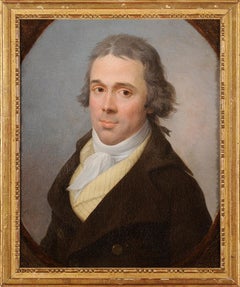
Men portrait
Located in BELEYMAS, FR
Jean François Marie Bellier (Paris 1745 – Paris 1836) Portrait of a Man Oil on oval canvas laid flat H. 45 cm; W. 55 cm Signed on the left Circa 1790 Jean François Marie Bellier occ...
Category

1790s French School Portrait Paintings

Materials

Canvas, Oil

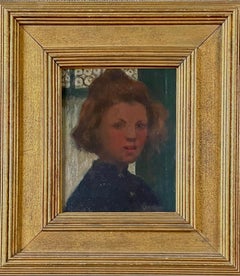
Amy Atkinson - Fillette - Newlyn School Portrait of a Young Girl
Located in London, GB
AMY ATKINSON (1859-1916) Fillette Signed l.r.: A B ATKINSON; signed and inscribed with title on the stretcher Oil on canvas Framed 25.5 by 20.5 cm., 10 by 8 in. (frame size 46 by ...
Category

Late 19th Century Realist Portrait Paintings

Materials

Oil

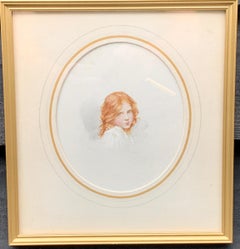
Early 20th century English portrait of a red haired young girl
Located in Woodbury, CT
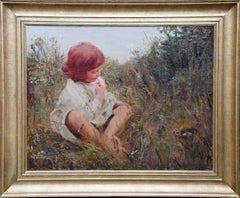
Louise H. "Louie" Burrell (née Luker 1873 – 1971) was an English-born artist who also lived in Canada and the United States. The daughter of William and Ada Luker, both artists, Bur...
Category

1920s Victorian Portrait Drawings and Watercolors

Materials

Paper, Watercolor

Cupid holding his arrow
Located in Paris, IDF
Attributed to Jeanne Élisabeth CHAUDET (Paris, 1761 – Paris, 1832) Cupid holding his arrow Oil on oval canvas Not signed 33 x 26.5 cm Élisabeth Chaudet, born Gabiou in Paris on Ja...
Category

Early 19th Century French School Portrait Paintings

Materials

Oil

Self Portrait of George Catlin
By George Catlin
Located in Fredericksburg, VA
George Catlin was a 19th-century American artist, explorer, and advocate for Native American culture whose legacy is deeply intertwined with his iconic portraits and depictions of Native American tribes. A defining aspect of Catlin's work is his commitment to authenticity and respect for his subjects. He strove to capture not only their physical appearances but also their spiritual essence and cultural practices. His portraits are characterized by a keen attention to detail and a sensitivity to the individuality of each subject, reflecting his deep admiration for Native American traditions and values. This painting however, went beyond his skill for painting Native American...
Category

Early 19th Century Portrait Paintings

Materials

Canvas, Oil

Roy Ray (1936-1921) - 1971 Oil, The Penzance Organ Grinder
Located in Corsham, GB
A charming oil portrait featuring a richly detailed figure set against a warm, rustic background. The artist's expressive brushwork and earthy palette bring depth and character to th...
Category

Mid-20th Century Portrait Paintings

Materials

Oil

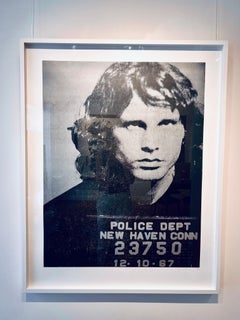
Jim Morrison
Located in PARIS, FR
Original artwork by Russell Young. Acrylic paint screen print on somerset paper 44 1/2 x 35 inches Framed 45.5 Inches x 36,5 Inches white wooden frame with glass, custom made as seen...
Category

Early 2000s Pop Art Portrait Paintings

Materials

Acrylic, Screen, Paper

Cowboy Boots and Cell Phone, Oil Painting
Located in San Francisco, CA

Artist Comments
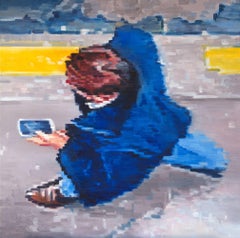
I hope my work inspires you to rediscover the wonder and joy in the everyday. This contemporary figurative painting was inspired by the view from my hotel balcony of the pedestrians walking below me. Using my signature Pixel Impressionist brush strokes, I created the motion of the walking figure and my passion for the subject.


About the Artist
Warren Keating's paintings start with documentation. He captures subjects on video from birds-eye views, digitizes the film on his computer and, finally, paints them on canvas in an active style he describes as Pixel Impressionism. He merges artistic elements of the 20th Century with 21st Century technology. Warren credits Futurism as well as Richard Diebenkorn and Willem de Kooning as influences in his paintings. Fun fact: Warren’s inspiration for this series came from a vacation to Paris where he photographed passersby from his hotel balcony in Saint-Germain-des-Prés.


Words that describe this painting: aerial view, contemporary, figurative art, Impressionistic figure, people in motion, mobile phone, cowboy boots, walking, people, man, urban portrait, Paris, Gerhard Richter, impressionism, people, fashion, representational, oil painting, grey, blue, yellow


Cowboy Boots and Cell Phone...

Category

21st Century and Contemporary Impressionist Figurative Paintings

Materials

Oil

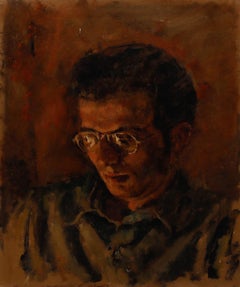
George Weissbort (1928-2013) - 20th Century Oil, The Glare of Candle Light
Located in Corsham, GB
Male portrait, oil on board. Unsigned. (Provenance: Studio Sale, George Weissbort).
Category

20th Century Portrait Paintings

Materials

Oil

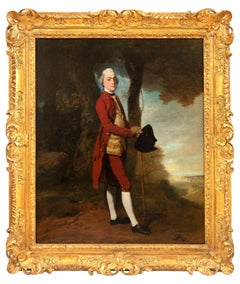
An English 18th century portrait of James Stanley, standing in a landscape
Located in Bath, Somerset
Portrait of James Stanley (1750 - 1810), circa 1775-1778, full-length, wearing a red coat and breeches and a gold embroidered waistcoat, hold...
Category

1770s English School Portrait Paintings

Materials

Canvas, Oil, ABS

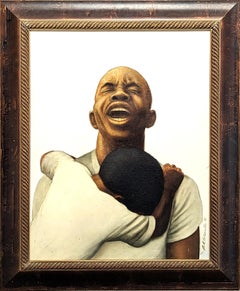
“God Save the Children” Early Figurative Portrait of an Anguished Black Man
Located in Houston, TX
Early figurative portrait painting by Houston-based artist Buford Evans. The work features a black man looking to the sky with an anguished expression on his face as a young child cl...
Category

1970s Naturalistic Figurative Paintings

Materials

Canvas, Oil, Panel

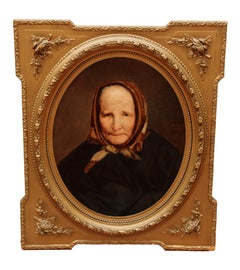
Óleo sobre tela - Retrato de una anciana - Año 1879
Located in Sant Celoni, ES
La obra va firmada a mano por el artista en la parte media y fechada del año 1879 Se presenta bien enmarcada la pintura El estado de la obra es aceptable Medidas de la obra: 61 cm...
Category

1870s Old Masters Portrait Paintings

Materials

Oil

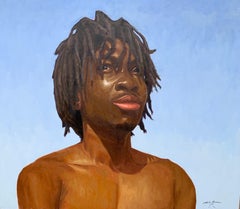
Strength of a Black Man: 21st Century Contemporary Figurative Oil Portrait
Located in Ibadan, Oyo
Shipping Procedure Ships in a well-protected tube from Nigeria This work is unique, not a print or other type of copy. Accompanied by a Certificate of Authenticity (Issued by the Gal...
Category

21st Century and Contemporary Contemporary Figurative Paintings

Materials

Canvas, Oil, Acrylic

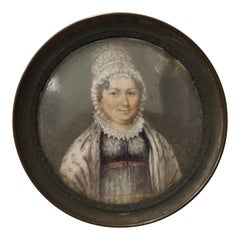
Fine Mid 19th Century Portrait Miniature of a Woman Wearing a Lace Bonnet
Located in San Francisco, CA
Fine Mid 19th Century Portrait Miniature of a Woman Wearing a Lace Bonnet Finely detailed portrait miniature of an older woman wearing a lace bonnet. No visible signature. Dimensi...
Category

Late 19th Century Impressionist Portrait Paintings

Materials

Oil

Escuela española (XIX) - Óleo sobre tela - Retrato femenino
Located in Sant Celoni, ES
La obra no va firmada La obra se presenta enmarcada con un marco de la época de la pintura (el marco presenta alguna leve falta) Medidas de la obra: 59 cm. de altura x 48 cm. de an...
Category

Mid-19th Century Old Masters Portrait Paintings

Materials

Oil

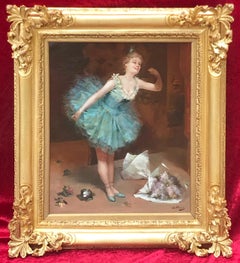
The Little Ballerina
Located in Saint-Ouen, FR
Alphonse PELLET (1853-1926) The Little Ballerina Oil on wood panel signed low right Old frame regilded with leaves Size panel : 30 X 43 cm - Size frame : 40 X 55 cm Alphonse PELLET...
Category

1880s Academic Portrait Paintings

Materials

Oil

Leap of Faith - 21st Century, Contemporary, Figurative, Neo-Expressionism People
Located in Ibadan, Oyo
Shipping Procedure Ships in a well-protected tube from Nigeria This work is unique, not a print or other type of copy. Accompanied by a Certificate of Authenticity (Issued by the Gal...
Category

21st Century and Contemporary Neo-Expressionist Portrait Paintings

Materials

Canvas, Acrylic

"Genre Scene of Children"
Located in Edinburgh, GB
Johann Ferdinand J. Hintze (1849–1877) – Genre Scene of Children Artist: Johann Ferdinand J. Hintze Period: 19th Century (Dated 1874) Medium: Oil on Panel Dimensions: Framed: 42 x 33...
Category

19th Century Realist Portrait Paintings

Materials

Oil, Panel

Eric Masefield - Contemporary Oil, Beach Treasure
Located in Corsham, GB
Well presented in a contemporary wood frame. Signed. On board.
Category

21st Century and Contemporary Portrait Paintings

Materials

Oil

Spirited Thinker
Located in New Orleans, LA
Demarcus McGaughey (b.1975) a Texas native and New York-based mixed media artist, passionately captures the beauty, strength, and vibrancy of people of color. Inspired by Barkley Hen...
Category

2010s Portrait Paintings

Materials

Acrylic, Fabric, Mixed Media

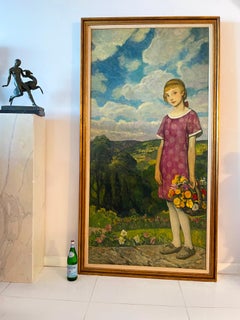
Blond Girl with Basket of Flowers "Rosemary s Playmate"
Located in Miami, FL
This is an almost lifesize portrait of a charming blond holding a basket of freshly picked flowers. The girl set against a verdant landscape with blue sky and cumulus clouds. The subject is the friend of the artist's daughter. 78 x 42in. framed. This joyful image of youth looks better in person due to its impressive size and clearly will be a statement piece in any home. Francis Luis Mora ( ( Uruguayan / American, 1874-1940) Studied under Edmund Charles Tarbell...
Category

1910s Academic Figurative Paintings

Materials

Canvas, Oil

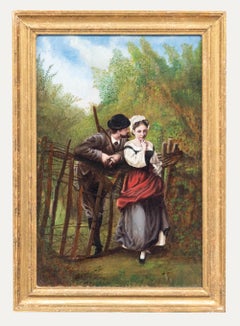
Italian School 1886 Oil - Lovers at the Gate
Located in Corsham, GB
Signed illegibly and dated to the lower left. Presented in a gilt frame. Part of a pair of oil studies by the same hand. On board.
Category

Late 19th Century Portrait Paintings

Materials

Oil

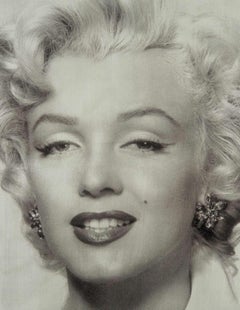
Marilyn Superstar
Located in PARIS, FR
Original and unique artwork. Hand painted metallic leaf pigment paint and enamel screen print on linen, unframed dimensions 48 x 37,5 inches, 2015, from the series "Marilyn Superstar...
Category

2010s Pop Art Portrait Paintings

Materials

Enamel

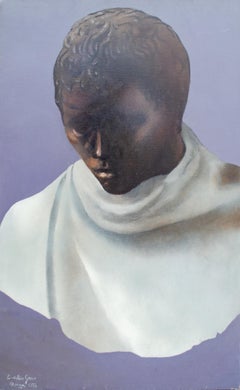
Original Emilio Greco Painting, titled "Roma", 1972
Located in New York, NY
Emilio Greco (Italian, 1913-1995) Roma, 1972 Oil on canvas 45 1/2 x 28 3/4 in. Signed and inscribed lower left: Emilio Greco, Roma, 1972 Emilio Greco, (born Oct. 11, 1913, Catania, Italy—died April 5, 1995, Rome), Italian sculptor of bronze and marble figurative works, primarily female nudes and portraits. At the age of 13, Greco was apprenticed to a stonemason, and he later studied at the Academy of Art in Palermo. Though he began exhibiting in Rome in 1943, he was not well-established until after World War II. His first solo exhibition was held in 1946, and in 1948 he became a teaching assistant at the Artistic Secondary School in Rome. His subject matter varied little throughout his career. In their refined, elongated forms and assertive balance, his sculpted figures...
Category

1970s Modern Portrait Paintings

Materials

Canvas, Oil

Striking 18th Century Portrait of the 12th Earl of Caithness
Located in London, GB
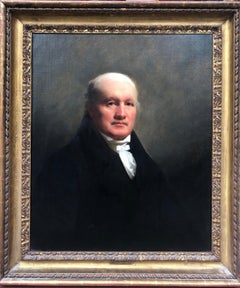
Sir Henry Raeburn (1756-1823) James Sinclair, 12th Earl of Caithness (1766-1823) Oil on Canvas 30 X 25 inches Unframed 37 X 32 inches framed Sir Henry Raeburn FRSE RA RSA (4 March 1756 – 8 July 1823) was a Scottish portrait painter and Scotland's first significant portrait painter since the Union to remain based in Scotland. He served as Portrait Painter to King George IV in Scotland. Raeburn was born the son of a manufacturer in Stockbridge, on the Water of Leith: a former village now within the city of Edinburgh. He had an older brother, born in 1744, called William Raeburn. His ancestors were believed to have been soldiers, and may have taken the name "Raeburn" from a hill farm in Annandale, held by Sir Walter Scott's family. Orphaned, he was supported by William and placed in Heriot's Hospital, where he received an education. At the age of fifteen he was apprenticed to the goldsmith James Gilliland of Edinburgh, and various pieces of jewellery, mourning rings and the like, adorned with minute drawings on ivory by his hand, still exist. Soon he took to the production of carefully finished portrait miniatures; meeting with success and patronage, he extended his practice to oil painting, at which he was self-taught. Gilliland watched the progress of his pupil with interest, and introduced him to David Martin, who had been the favourite assistant of Allan Ramsay the Latter, and was now the leading portrait painter in Edinburgh. Raeburn was especially aided by the loan of portraits to copy. Soon he had gained sufficient skill to make him decide to devote himself exclusively to painting. George Chalmers (1776; Dunfermline Town Hall) is his earliest known portrait. In his early twenties, Raeburn was asked to paint the portrait of a young lady he had noticed when he was sketching from nature in the fields. Ann was the daughter of Peter Edgar of Bridgelands, and widow of Count James Leslie of Deanhaugh. Fascinated by the handsome and intellectual young artist, she became his wife within a month, bringing him an ample fortune. The acquisition of wealth did not affect his enthusiasm or his industry, but spurred him on to acquire a thorough knowledge of his craft. It was usual for artists to visit Italy, and Raeburn set off with his wife. In London he was kindly received by Sir Joshua Reynolds, the president of the Royal Academy, who advised him on what to study in Rome, especially recommending the works of Michelangelo, and gave Raeburn letters of introduction for Italy. In Rome he met his fellow Scot Gavin Hamilton, Pompeo Girolamo Batoni and Byers, an antique dealer whose advice proved particularly useful, especially the recommendation that "he should never copy an object from memory, but, from the principal figure to the minutest accessory, have it placed before him." After two years of study in Italy he returned to Edinburgh in 1787, and began a successful career as a portrait painter. In that year he executed a seated portrait of the second Lord President Dundas. Examples of his earlier portraiture include a bust of Mrs Johnstone of Baldovie and a three-quarter-length of Dr James Hutton: works which, if somewhat timid and tentative in handling and not as confident as his later work, nevertheless have delicacy and character. The portraits of John Clerk, Lord Eldin, and of Principal Hill of St Andrews belong to a later period. Raeburn was fortunate in the time in which he practised portraiture. Sir Walter Scott, Hugh Blair, Henry Mackenzie, Lord Woodhouselee, William Robertson, John Home, Robert Fergusson, and Dugald Stewart were resident in Edinburgh, and were all painted by Raeburn. Mature works include his own portrait and that of the Rev. Sir Henry Moncrieff Wellwood, a bust of Dr Wardrop of Torbane Hill, two full-lengths of Adam Rolland of Gask, the remarkable paintings of Lord Newton and Dr Alexander Adam in the National Gallery of Scotland, and that of William Macdonald of St Martin's. Apart from himself, Raeburn painted only two artists, one of whom was Sir Francis Leggatt Chantrey, the most important and famous British sculptor of the first half of the 19th century. It has recently been revealed that Raeburn and Chantrey were close friends and that Raeburn took exceptional care over the execution of his portrait of the sculptor, one of the painter's mature bust-length masterpieces. It was commonly believed that Raeburn was less successful in painting female portraits, but the exquisite full-length of his wife, the smaller likeness of Mrs R. Scott Moncrieff in the National Gallery of Scotland, and that of Mrs Robert Bell, and others, argue against this. Raeburn spent his life in Edinburgh, rarely visiting London, and then only for brief periods, thus preserving his individuality. Although he, personally, may have lost advantages resulting from closer association with the leaders of English art, and from contact with a wider public, Scottish art gained much from his disinclination to leave his native land. He became the acknowledged chief of the school which was growing up in Scotland during the early 19th century, and his example and influence at a critical period were of major importance. So varied were his other interests that sitters used to say of him, "You would never take him for a painter till he seizes the brush and palette." In 1812 he was elected president of the Society of Artists in Edinburgh; and in 1814 associate, and in the following year full member, of the Royal Scottish Academy. On 29 August 1822 he was knighted by George IV and appointed His Majesty's limner for Scotland at the Earl of Hopetoun house. He died in Edinburgh. Raeburn had all the essential qualities of a popular and successful portrait painter. He was able to produce a telling and forcible likeness; his work is distinguished by powerful characterisation, stark realism, dramatic and unusual lighting effects, and swift and broad handling of the most resolute sort. David Wilkie recorded that, while travelling in Spain and studying the works of Diego Velázquez, the brushwork reminded him constantly of the "square touch" of Raeburn. Scottish physician and writer John Brown wrote that Raeburn "never fails in giving a likeness at once vivid, unmistakable and pleasing. He paints the truth, and he paints it with love". Raeburn has been described as a "famously intuitive"portrait painter. He was unusual amongst many of his contemporaries, such as Reynolds, in the extent of his philosophy of painting directly from life; he made no preliminary sketches. This attitude partly explains the often coarse modelling and clashing colour combinations he employed, in contrast to the more refined style of Thomas Gainsborough and Reynolds. However these qualities and those mentioned above anticipate many of the later developments in painting of the 19th century from romanticism to Impressionism. Sir Henry Raeburn died in St Bernard's House (17 St Bernards Crescent), Stockbridge, Edinburgh. He is buried in St. Cuthbert's churchyard against the east wall (the monument erected by Raeburn in advance) but also has a secondary memorial in the Church of St John the Evangelist, Edinburgh. James Sinclair, 12th Earl of Caithness was born at Barrogill Castle (Castle of Mey) on 31 May 1766. He was the son of Sir John Sinclair of Mey, Baronet who he succeeded in the baronetcy in 1774. He succeeded as 12th earl of Caithness in 1789. He was lord-lieutenant of the county of Caithness and lieutenant-colonel of the Ross-shire militia. He married at Thurso Castle on 2 January 1784 Jane, second daughter of Alexander Campbell...
Category

18th Century Portrait Paintings

Materials

Oil

Portrait of William Henry Kerr, Earl of Ancram, 4th Marquess of Lothian
Located in London, GB
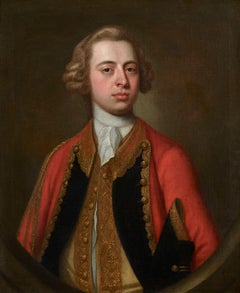
James Fellowes Flourished 1719 - 1750 Portrait of William Henry Kerr, Earl of Ancram, 4th Marquess of Lothian Oil on canvas, signed & dated 1747 Image size: 29 1/2 x 24 1/2 inches (75 x 62 cm) Original gilt wood frame William Henry Kerr was born a member of the Scottish peerage to William, third Marquess of Lothian, and his first wife Margaret, daughter of Sir Thomas Nicholson of Kemnay, first Baronet. William was styled Master Jedburgh until 1722, when his father was elevated to a Marquessate, after which he was referred to as Lord Jedburgh until 1735. Following his father’s military footsteps, on 20 June 1735 Ancram was commissioned as a cornet to the regiment (11th Dragoons) of his grand-uncle, Lord Mark Kerr. Ancram married Lady Caroline...
Category

1740s Old Masters Portrait Paintings

Materials

Oil

L Etrange Puzzle Surrealism Contemporary Creatures Animal Universe In Stock
Located in Utrecht, NL
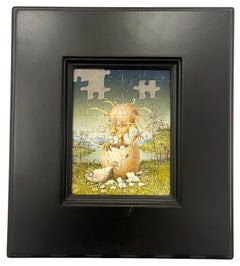
L'Etrange Puzzle Surrealism Contemporary Creatures Animal Universe In Stock - Size is without frame Gérard Willemenot (1943, Paris, France) graduated as an architect at the School o...
Category

21st Century and Contemporary Contemporary Figurative Paintings

Materials

Tempera, Panel

Self Portrait (Red Hand) By Billy Childish
Located in Dubai, Dubai
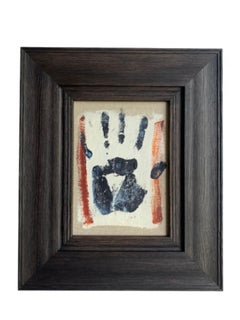
Self Portrait (Red Hand) By Billy Childish Billy Childish is a British artist, poet, and musician whose raw, expressive paintings and prolific writings reflect themes of authentic...
Category

Early 2000s Contemporary Portrait Paintings

Materials

Canvas, Oil, Board

Portrait Child Schedoni 17th Century Paint Oil on canvas Old master
Located in Riva del Garda, IT
Bartolomeo Schedoni (Modena 1578 - Parma 1615) workshop of Portrait of a child (Alessandro Farnese?) First half 17th century Oil on canvas (95 x 66 cm. - In frame 109 x 80) This i...
Category

17th Century Old Masters Paintings

Materials

Oil

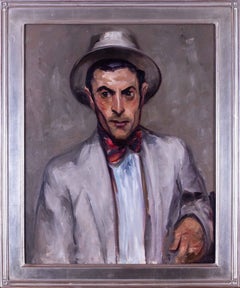
American, 1912 portrait of a man in a red tie by female artist Elizabeth Grandin
By Elizabeth Grandin
Located in Petworth, West Sussex
Elizabeth Grandin (American, 1889 – 1970) ‘Man with red tie’, 1912 Oil on canvas Signed with studio stamp, with inventory number 333 and inscribed ‘Spain c…. 1912’ (on the reverse) 2...
Category

20th Century Post-Impressionist Portrait Paintings

Materials

Canvas, Oil

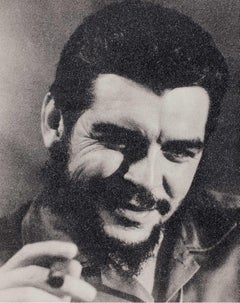
Che Guevara
Located in PARIS, FR
Original and unique artwork by Russell Young. Acrylic paint, enamel and diamond dust screen print on linen, unframed dimensions 38 x 30 inches, 2010, from the series "Dirty pretty th...
Category

2010s Pop Art Portrait Paintings

Materials

Enamel

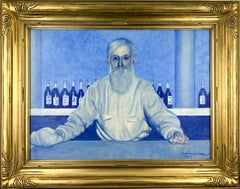
What ll It Be? (Bartender)-Original Ultramarine Blue Colorist Bar Scene Painting
Located in Marco Island, FL
This painting of a bartender waiting for an order is an unusual composition for Fred Machetanz, who is known for his scenes of Alaska. It has been speculated that this was likely co...
Category

1990s Color-Field Figurative Paintings

Materials

Oil

Boy From Hood - 21st Century, Contemporary, Figurative, Hyperealism, Africa
Located in Ibadan, Oyo
Shipping Procedure Ships in a well-protected tube from Nigeria This work is unique, not a print or other type of copy. Accompanied by a Certificate of Authenticity. About Artist Fal...
Category

21st Century and Contemporary Realist Figurative Paintings

Materials

Canvas, Oil

Man on red cap - Painting, Oil and Acrylic on canvas
Located in London, GB
Israel Agboola Oladapo Man on Red Cap, 2024 Oil and acrylic on canvas 76.2 × 76.2 cm 30 × 30 in In Man on Red Cap, Israel Agboola Oladapo captures a poised figure defined by quiet ...
Category

2010s Contemporary Portrait Paintings

Materials

Canvas, Oil, Acrylic

Still Thinking About These?

All Recently Viewed