1960s Landscape Prints
to
1,052
823
335
210
73
20
Overall Width
to
Overall Height
to
778
130
93
85
53
46
24
18
8
4
3
3
1
40
36
31
31
27
1,012
2,154
9,963
4,023
116
114
698
512
594
1,140
1,461
1,652
1,316
629
659
906
550
2
535
283
273
215
142
134
115
92
74
54
54
52
49
48
45
45
41
39
35
35
1,099
145
62
61
58
74
134
1,264
189
Period: 1960s
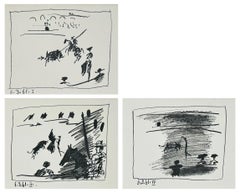
A Los Toros Avec Picasso (Set of Three Unframed)
Located in Washington, DC
Artist: Pablo Picasso
Title: La Pique (I), Jeu de la Cape (III), Les Banderilles (IV)
Portfolio: A Los Toros Avec Picasso
Medium: Set of three transfer lithographs
Date: 1961
Edition...
Category
1960s Landscape Prints
Materials
Lithograph
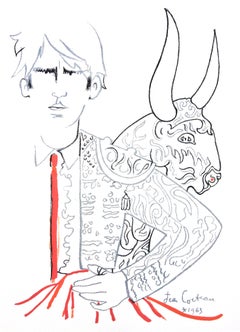
Jean Cocteau, The Suit of Light, from Bulls, 1965 (after)
By Jean Cocteau
Located in Southampton, NY
This exquisite lithograph after Jean Cocteau (1889–1963), titled L'habit de lumiere (The Suit of Light), from the folio Taureaux, Lithographies de Jean Cocteau (Bulls, Lithographs by...
Category
Modern 1960s Landscape Prints
Materials
Lithograph

$796 Sale Price
20% Off
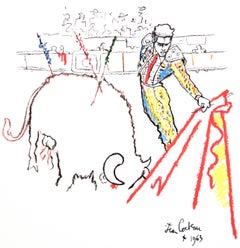
Jean Cocteau, Veronica, from Bulls, 1965 (after)
By Jean Cocteau
Located in Southampton, NY
This exquisite lithograph after Jean Cocteau (1889–1963), titled Veronica (Veronica), from the folio Taureaux, Lithographies de Jean Cocteau (Bulls, Lithographs by Jean Cocteau), ori...
Category
Modern 1960s Landscape Prints
Materials
Lithograph
$796 Sale Price
20% Off
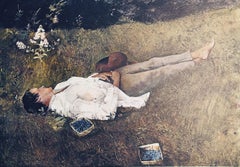
Andrew Wyeth, The Berry Picker, from The Four Seasons (after)
By Andrew Wyeth
Located in Southampton, NY
This exquisite lithograph after Andrew Wyeth (1917–2009), titled The Berry Picker, originates from the distinguished 1962 folio The Four Seasons: Paintings and Drawings by Andrew Wye...
Category
American Realist 1960s Landscape Prints
Materials
Lithograph
$716 Sale Price
20% Off
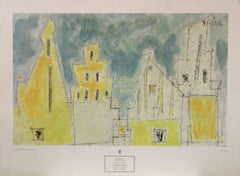
"Gothic Gables" New York Graphic Society 1966, Printed in Switzerland
Located in Chesterfield, MI
"Gothic Gables" Poster/Print by LYONEL FEININGER (American-German, 1871-1956). The print measures approximately 20 x 27 inches and is unframed. Published by New York Graphic Society 1966. Printed in Switzerland...
Category
1960s Landscape Prints
Materials
Lithograph
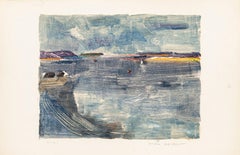
The Sea - Original Lithograph by Denise Bonvallet Philippon
Located in Roma, IT
The Sea is an original contemporary artwork realized by Denise Bonvallet-Philippon in the half of the XX Century by the French artist Denise Bonvallet-Philippon (1906-1994).
Origina...
Category
Modern 1960s Landscape Prints
Materials
Lithograph
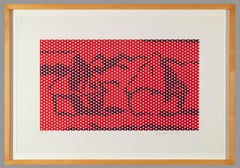
Haystack #5
Located in Fairlawn, OH
Haystack #5
Color lithograph and screen print, 1969
Signed and dated in pencil (see photo)
From: Haystack Series (seven plates) see photo of entire portfolio
Signed and dated in pencil
Edition: 100 (74/100)
Publisher: Gemini G.E.L., Los Angeles, CA, with their blaindstamp
Reference: Paul Bianchini No. 33e
Corlett and Fine 69
Condition: Excellent
Fresh colors
Small paper imperfection in bottom margin near the edge of the sheet
Image size: 13 1/4 x 23 3/8 inches
Sheet size: 20 ¾ x 30 ¾ inches
Frame size: 23 ½ x 33 ¾ inches
This is one of the finest images in the portfolio, inspired by Claude Monet's famous series of Haystack paintings...
Category
Pop Art 1960s Landscape Prints
Materials
Screen
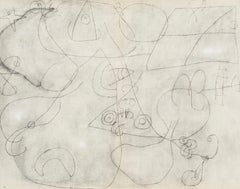
Joan Miro, The Awakening, from Miro 1959–1960, 1961 (after)
By Joan Miró
Located in Southampton, NY
This exquisite lithograph and pochoir after Joan Miro (1893–1983), titled Le reveil (The Awakening), from the album Miro 1959–1960 (Miro 1959–1960), origi...
Category
Surrealist 1960s Landscape Prints
Materials
Lithograph
$1,196 Sale Price
20% Off
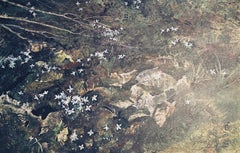
Andrew Wyeth, Quaker Ladies, from The Four Seasons (after)
By Andrew Wyeth
Located in Southampton, NY
This exquisite lithograph after Andrew Wyeth (1917–2009), titled Quaker Ladies, originates from the distinguished 1962 folio The Four Seasons: Paintings and Drawings by Andrew Wyeth. Published and printed by Art in America Company, Inc., New York, the edition exemplifies Wyeth’s deep reverence for nature and his mastery of tonal subtlety. Quaker Ladies captures the full flowering of spring—an intimate study of delicate wild blossoms rendered with Wyeth’s signature restraint and sensitivity to atmosphere, texture, and light.
Executed on velin paper, this lithograph measures 17 x 13 inches (43.2 x 33 cm). As issued, it is unsigned and unnumbered, representing the folio’s authentic format. The Four Seasons series was conceived by the editors of Art in America in collaboration with Andrew and Betsy Wyeth, who selected drawings from the artist’s studio to express the cyclical beauty of nature’s transformations. Each image demonstrates Wyeth’s ability to translate fleeting seasonal impressions into works of quiet emotional resonance and painterly poetry.
Artwork Details:
Artist: After Andrew Wyeth (1917–2009)
Title: Quaker Ladies, from The Four Seasons, Paintings and Drawings by Andrew Wyeth, 1962
Medium: Lithograph on velin paper
Dimensions: 17 x 13 inches (43.2 x 33 cm)
Inscription: Unsigned and unnumbered, as issued
Date: 1962
Publisher: Art in America Company, Inc., New York
Printer: Art in America Company, Inc., New York
Condition: Well preserved, consistent with age and medium
Provenance: From the 1962 folio The Four Seasons, Paintings and Drawings by Andrew Wyeth, published and printed by Art in America Company, Inc., New York
Notes:
Excerpted from the 1962 folio:
"In 1962 the editors of Art in America proposed to Wyeth a portfolio of images of his recent dry-brush drawings. The artist and his wife suggested the theme, 'The Four Seasons,' because of the essential role played in his work by the cycle of the seasons. The drawings were selected by Andrew and Betsy Wyeth from works in the house and studio at Chadds Ford, supplemented by some owned by friends. With a few exceptions they had never been exhibited or reproduced. The plates were made directly from the originals. In these drawings Wyeth's loving concentration on the object is fully revealed. But as always in his work, this concern with the tangible is balanced by sensibility to mood, to the emotion arising from the actual. They are pervaded with a sense of the season—the exact time of year, the hour of the day, the quality of the light. To the truth and subtlety with which he captures these intangible factors, these drawings owe their poignant poetry."
About the Artist:
Andrew Wyeth (1917–2009) was an American visual artist and one of the best-known painters of the mid-20th century. Although he considered himself an abstractionist, Wyeth’s work is characterized by a meticulous realism imbued with psychological depth and atmosphere. He often painted the landscapes and people surrounding his homes in Chadds Ford, Pennsylvania, and Cushing, Maine, creating an intimate record of American rural life. The son of the celebrated illustrator N. C. Wyeth, Andrew trained under his father before developing his own deeply personal visual language inspired by Winslow Homer, Henry David Thoreau, and King Vidor. His wife, Betsy Wyeth, was both his muse and career manager, while his son Jamie Wyeth continued the family’s artistic legacy.
Among Wyeth’s best-known works is Christina’s World (1948), housed in the Museum of Modern Art, New York—a quintessential image of 20th-century American art. His other notable series include The Helga Pictures and his window studies, each reflecting a profound meditation on solitude, memory, and perception. Wyeth was the first painter to receive both the Presidential Medal of Freedom and the Congressional Gold Medal, and was elected to the French Académie des Beaux-Arts in 1980.
In 2022, Andrew Wyeth's painting Day Dream sold for USD 23.29 million at Christie’s New York, setting a world record for the artist.
Andrew Wyeth lithograph...
Category
American Realist 1960s Landscape Prints
Materials
Lithograph
$716 Sale Price
20% Off
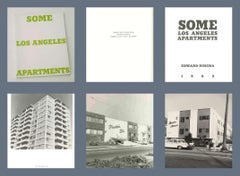
Some Los Angeles Apartments - True, Stated 1st Edition of only 700 Artist Book
By Ed Ruscha
Located in New York, NY
Ed Ruscha
Some Los Angeles Apartments (Unsigned), 1965
True First Edition Artist Book: Stated Limited Edition of only 700
7 × 5 1/2 inches
Unframed
A rare and elusive 1960s Artist Bo...
Category
Pop Art 1960s Landscape Prints
Materials
Mixed Media, Lithograph, Offset
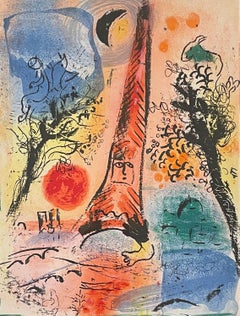
Vision of Paris, Lithograph from Mourlot Lithographe I
By Marc Chagall
Located in Washington, DC
Artist: Marc Chagall
Title: Vision of Paris
Portfolio: Mourlot Lithographe I
Medium: Lithograph
Year: 1960
Edition: Unnumbered
Framed Size: 22" x 19"
Image Size: 12 1/2" x 9 1/2"
Sh...
Category
Fauvist 1960s Landscape Prints
Materials
Lithograph
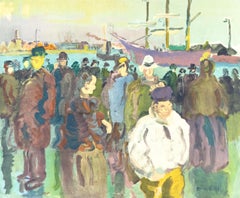
Raoul Dufy, Quay in Rouen, from Raoul Dufy, IV, 1969 (after)
By Raoul Dufy
Located in Southampton, NY
This exquisite lithograph after Raoul Dufy (1877–1953), titled Quai a Rouen (Quay in Rouen), from the folio Raoul Dufy, IV (Raoul Dufy, IV), Collection Pierre Levy, 1969, originates ...
Category
Modern 1960s Landscape Prints
Materials
Lithograph
$956 Sale Price
20% Off
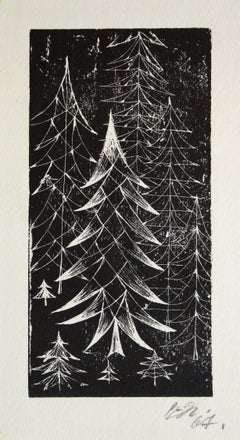
Spruce. 1967, paper, etching, 18x9 cm
Located in Riga, LV
Spruce. 1967, paper, etching, 18x9 cm
Dzidra Ezergaile (1926-2013)
Born in Riga. School years alternate with summer work in the countryside. In 1947,...
Category
Modern 1960s Landscape Prints
Materials
Paper, Etching
$86 Sale Price
20% Off
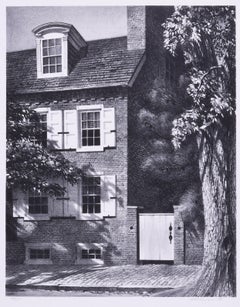
The White Gate (New Castle, Delaware)
Located in Fairlawn, OH
The White Gate (New Castle, Delaware)
Lithograph, 1961
Signed in pencil lower right (see photo)
Numbered and title in the lower left (see photos)
Condition: Excellent
Image size: 15 ...
Category
American Realist 1960s Landscape Prints
Materials
Lithograph
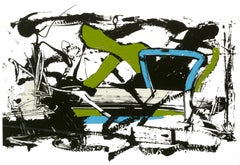
Joan Mitchell, Untitled, from The Poems, 1960
Located in Southampton, NY
This exquisite silkscreen by Joan Mitchell (1925–1992), titled Untitled, from the album The Poems, originates from the 1960 edition published and printed by Tiber Press, New York, un...
Category
Abstract Expressionist 1960s Landscape Prints
Materials
Screen
$7,676 Sale Price
20% Off
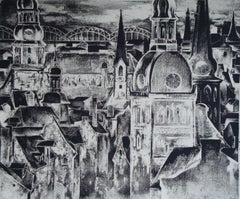
Riga. 1969, paper, silk screen printing, 62x74 cm
Located in Riga, LV
Riga. 1969, paper, silk screen printing, 62x74 cm
Josif Elgurt (1924-2007)
Born in 1924 in Kishinev in Romania. In 1947 resumed his art studies in Kishinev. Since 1952 he has lived...
Category
Realist 1960s Landscape Prints
Materials
Paper, Screen
$430 Sale Price
20% Off
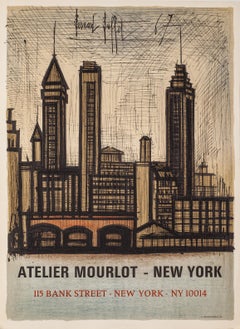
Atelier Mourlot - New York (NYC Skyline) by Bernard Buffet
Located in New York, NY
Arches Poster Paper - Perfect Condition A+
When The Mourlot Studio opened a branch in New York City, after a successful exhibition organized by the Smithsonian Institute in 1963, it...
Category
Modern 1960s Landscape Prints
Materials
Lithograph
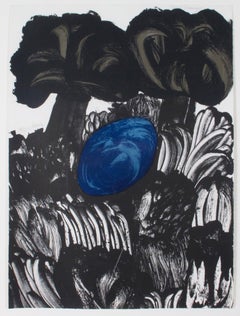
"Jungle, " Color Lithograph Landscape signed by Carol Summers
Located in Milwaukee, WI
"Jungle" is an important, rare color lithograph signed by Carol Summers from the early years of his production. The image offers a landscape of a dark jungle, printed mostly in black ink. In the center, a blue pool of water is shaded by two trees. Summers' technique in this print renders a painterly quality to the image: the grasses and leaves of the scene are all created with playful, energetic swiping motions much like watercolor paint. This technique and the use of fields of color predict the style Summers would adopt in the coming decades, making this an important early work.
30 x 22 inches, artwork
Numbered 14 of the edition of 27
Carol Summers (1925-2016) has worked as an artist throughout the second half of the 20th century and into the first years of the next, outliving most of his mid-century modernist peers. Initially trained as a painter, Summers was drawn to color woodcuts around 1950 and it became his specialty thereafter. Over the years he has developed a process and style that is both innovative and readily recognizable. His art is known for it’s large scale, saturated fields of bold color, semi-abstract treatment of landscapes from around the world and a luminescent quality achieved through a printmaking process he invented.
In a career that has extended over half a century, Summers has hand-pulled approximately 245 woodcuts in editions that have typically run from 25 to 100 in number. His talent was both inherited and learned. Born in 1925 in Kingston, a small town in upstate New York, Summers was raised in nearby Woodstock with his older sister, Mary. His parents were both artists who had met in art school in St. Louis. During the Great Depression, when Carol was growing up, his father supported the family as a medical illustrator until he could return to painting. His mother was a watercolorist and also quite knowledgeable about the different kinds of papers used for various kinds of painting. Many years later, Summers would paint or print on thinly textured paper originally collected by his mother.
From 1948 to 1951, Carol Summers trained in the classical fine and studio arts at Bard College and at the Art Students League of New York. He studied painting with Steven Hirsh and printmaking with Louis Schanker. He admired the shapes and colors favored by early modernists Paul Klee (Sw: 1879-1940) and Matt Phillips (Am: b.1927- ). After graduating, Summers quit working as a part-time carpenter and cabinetmaker (which had supported his schooling and living expenses) to focus fulltime on art. That same year, an early abstract, Bridge No. 1 was selected for a Purchase Prize in a competition sponsored by the Brooklyn Museum.
In 1952, his work (Cathedral, Construction and Icarus) was shown the first time at the Museum of Modern Art in New York City in an exhibition of American woodcuts. In 1954, Summers received a grant from the Italian government to study for a year in Italy. Woodcuts completed soon after his arrival there were almost all editions of only 8 to 25 prints, small in size, architectural in content and black and white in color. The most well-known are Siennese Landscape and Little Landscape, which depicted the area near where he resided. Summers extended this trip three more years, a decision which would have significant impact on choices of subject matter and color in the coming decade.
After returning from Europe, Summers’ images continued to feature historical landmarks and events from Italy as well as from France, Spain and Greece. However, as evidenced in Aetna’s Dream, Worldwind and Arch of Triumph, a new look prevailed. These woodcuts were larger in size and in color. Some incorporated metal leaf in the creation of a collage and Summers even experimented with silkscreening. Editions were now between 20 and 50 prints in number. Most importantly, Summers employed his rubbing technique for the first time in the creation of Fantastic Garden in late 1957.
Dark Vision of Xerxes, a benchmark for Summers, was the first woodcut where Summers experimented using mineral spirits as part of his printmaking process. A Fulbright Grant as well as Fellowships from the Louis Comfort Tiffany Foundation and the Guggenheim Foundation followed soon thereafter, as did faculty positions at colleges and universities primarily in New York and Pennsylvania. During this period he married a dancer named Elaine Smithers with whom he had one son, Kyle. Around this same time, along with fellow artist Leonard Baskin, Summers pioneered what is now referred to as the “monumental” woodcut. This term was coined in the early 1960s to denote woodcuts that were dramatically bigger than those previously created in earlier years, ones that were limited in size mostly by the size of small hand-presses. While Baskin chose figurative subject matter, serious in nature and rendered with thick, striated lines, Summers rendered much less somber images preferring to emphasize shape and color; his subject matter approached abstraction but was always firmly rooted in the landscape.
In addition to working in this new, larger scale, Summers simultaneously refined a printmaking process which would eventually be called the “Carol Summers Method” or the “ Carol Summers Technique”. Summers produces his woodcuts by hand, usually from one or more blocks of quarter-inch pine, using oil-based printing inks and porous mulberry papers. His woodcuts reveal a sensitivity to wood especially its absorptive qualities and the subtleties of the grain. In several of his woodcuts throughout his career he has used the undulating, grainy patterns of a large wood plank to portray a flowing river or tumbling waterfall. The best examples of this are Dream, done in 1965 and the later Flash Flood Escalante, in 2003. In the majority of his woodcuts, Summers makes the blocks slightly larger than the paper so the image and color will bleed off the edge.
Before printing, he centers a dry sheet of paper over the top of the cut wood block or blocks, securing it with giant clips. Then he rolls the ink directly on the front of the sheet of paper and pressing down onto the dry wood block or reassembled group of blocks. Summers is technically very proficient; the inks are thoroughly saturated onto the surface of the paper but they do not run into each other. The precision of the color inking in Constantine’s Dream in 1969 and Rainbow Glacier in 1970 has been referred to in various studio handbooks. Summers refers to his own printing technique as “rubbing”. In traditional woodcut printing, including the Japanese method, the ink is applied directly onto the block. However, by following his own method, Summers has avoided the mirror-reversed image of a conventional print and it has given him the control over the precise amount of ink that he wants on the paper. After the ink is applied to the front of the paper, Summers sprays it with mineral spirits, which act as a thinning agent. The absorptive fibers of the paper draw the thinned ink away from the surface softening the shapes and diffusing and muting the colors. This produces a unique glow that is a hallmark of the Summers printmaking technique. Unlike the works of other color field artists or modernists of the time, this new technique made Summers’ extreme simplification and flat color areas anything but hard-edged or coldly impersonal.
By the 1960s, Summers had developed a personal way of coloring and printing and was not afraid of hard work, doing the cutting, inking and pulling himself. In 1964, at the age of 38, Summers’ work was exhibited for a second time at the Museum of Modern Art. This time his work was featured in a one-man show and then as one of MOMA’s two-year traveling exhibitions which toured throughout the United States. In subsequent years, Summers’ works would be exhibited and acquired for the permanent collections of multiple museums throughout the United States, Europe and Asia. Summers’ familiarity with landscapes throughout the world is firsthand. As a navigator-bombardier in the Marines in World War II, he toured the South Pacific and Asia.
Following college, travel in Europe and subsequent teaching positions, in 1972, after 47 years on the East Coast, Carol Summers moved permanently to Bonny Doon in the Santa Cruz Mountains in Northern California. There met his second wife, Joan Ward Toth, a textile artist who died in 1998; and it was here his second son, Ethan was born. During the years that followed this relocation, Summers’ choice of subject matter became more diverse although it retained the positive, mostly life-affirming quality that had existed from the beginning. Images now included moons, comets, both sunny and starry skies, hearts and flowers, all of which, in one way or another, remained tied to the landscape.
In the 1980s, from his home and studio in the Santa Cruz mountains, Summers continued to work as an artist supplementing his income by conducting classes and workshops at universities in California and Oregon as well as throughout the Mid and Southwest. He also traveled extensively during this period hiking and camping, often for weeks at a time, throughout the western United States and Canada. Throughout the decade it was not unusual for Summers to backpack alone or with a fellow artist into mountains or back country for six weeks or more at a time. Not surprisingly, the artwork created during this period rarely departed from images of the land, sea and sky. Summers rendered these landscapes in a more representational style than before, however he always kept them somewhat abstract by mixing geometric shapes with organic shapes, irregular in outline. Some of his most critically acknowledged work was created during this period including First Rain, 1985 and The Rolling Sea, 1989. Summers received an honorary doctorate from his alma mater, Bard College in 1979 and was selected by the United States Information Agency to spend a year conducting painting and printmaking workshops at universities throughout India. Since that original sabbatical, he has returned every year, spending four to eight weeks traveling throughout that country.
In the 1990s, interspersed with these journeys to India have been additional treks to the back roads and high country areas of Mexico, Central America, Nepal, China and Japan. Travel to these exotic and faraway places had a profound influence on Summers’ art. Subject matter became more worldly and nonwestern as with From Humla to Dolpo, 1991 or A Former Life of Budha, 1996, for example. Architectural images, such as The Pillars of Hercules, 1990 or The Raja’s Aviary, 1992 became more common. Still life images made a reappearance with Jungle Bouquet in 1997. This was also a period when Summers began using odd-sized paper to further the impact of an image.
The 1996 Night, a view of the earth and horizon as it might be seen by an astronaut, is over six feet long and only slightly more than a foot-and-a-half high. From 1999, Revuelta A Vida (Spanish for “Return to Life”) is pie-shaped and covers nearly 18 cubic feet. It was also at this juncture that Summers began to experiment with a somewhat different palette although he retained his love of saturated colors. The 2003 Far Side of Time is a superb example of the new direction taken by this colorist.
At the turn of the millennium in 1999, “Carol Summers Woodcuts...
Category
Contemporary 1960s Landscape Prints
Materials
Lithograph
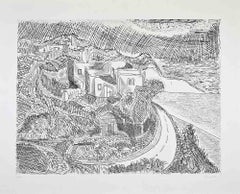
Landscape - Etching by Gian Paolo Berto - 1968
Located in Roma, IT
Etching realized in 1968.
Hand signed, dated and numbered in pencil.
Very good condition.
Category
Contemporary 1960s Landscape Prints
Materials
Etching
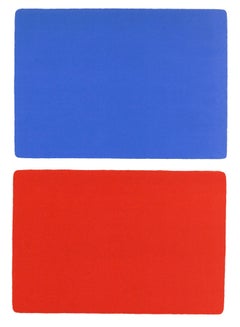
Kelly, Composition (Axsom 180, IE), Derrière le miroir (after)
Located in Southampton, NY
Lithograph on vélin Chiffon de Mandeure paper. Unsigned and unnumbered, as issued. Good condition. Notes: From the album, Lithographies et Eaux-Fortes Originales, Livres Illustres Or...
Category
Modern 1960s Landscape Prints
Materials
Lithograph
$1,356 Sale Price
20% Off
View of Honfleur
, Salon d’Automne, l’École Nationale Supérieure des Beaux-Arts
Located in Santa Cruz, CA
Signed lower right, 'Cassigneul' for Jean Pierre Cassigneul (French, born 1935) with number and limitation, lower left, '110/150'.
Paper dimensions: 18.5 x 22.75 inches.
Reference:...
Category
Post-Impressionist 1960s Landscape Prints
Materials
Paper, Lithograph
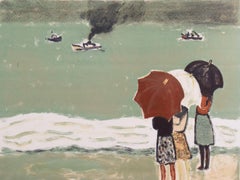
Tiendelitas
Located in New York, NY
Emilio Sanchez (1921-1999) created this color lithograph entitled “TIENDECITAS” in 1967. This impression is signed, titled, and inscribed “21/50” in pencil. The printed image size 15 x 23.13 inches (38 x 58.8 cm) and paper size 20.75 x 29 3/8 inches (53 x 74.5 cm). Printed in an edition of 50. Stamped on verso "Estate of Emilio Sanchez."
“Best known for his architectural paintings and lithographs, Emilio Sanchez (1921-1999) explored the effects of light and shadow to emphasize the abstract geometry of his subjects. His artwork encompasses his Cuban heritage...
Category
Modern 1960s Landscape Prints
Materials
Lithograph
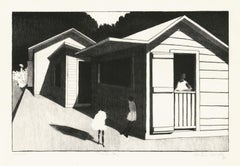
Dufy, Composition, Les Côtes Normandes (after)
By Raoul Dufy
Located in Southampton, NY
Lithograph on grand vélin d'Arches spécial paper. Unsigned and unnumbered, as issued. Good condition with centerfold, as issued. Notes: From the folio, Les Côtes Normandes 1961. Publ...
Category
Modern 1960s Landscape Prints
Materials
Lithograph
$1,516 Sale Price
20% Off
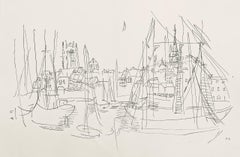
The MCA "Wrapped" 1969 Christo
Jeanne-Claude Exhibition Poster Contemporary
Located in Draper, UT
Own a piece of history with this rare and limited edition poster from the MCA! Commemorating Christo's iconic exhibition "Wrap In Wrap Out," this poster is a true collector's item. T...
Category
Contemporary 1960s Landscape Prints
Materials
Gold Leaf
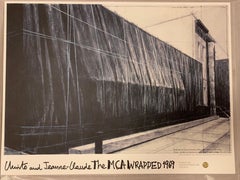
Limited Edition Architecture Kinetic Op Art Screen Print Lithograph Pol Bury
By Pol Bury
Located in Surfside, FL
Pol Bury (Belgian, 1922-2005)
screen print
Hand signed and numbered 27/ 62 in pencil
Dimensions: 17.5 X 24.25 inches. (sheet size)
Provenance: Published by Lefebre Gallery, New York.
lithographie en couleurs.
Signées et numérotées 27/62.
This is just for the print. the title sheet is just included for reference.
Pol Bury (1922 – 2005) was a Belgian sculptor who began his artistic career as a painter in the Jeune Peintre Belge (along with Willy Anthoons, James Ensor, Odette Collon, Pierre Alechinsky, Jo Delahaut and Jean Rets...
Category
Op Art 1960s Landscape Prints
Materials
Lithograph, Screen
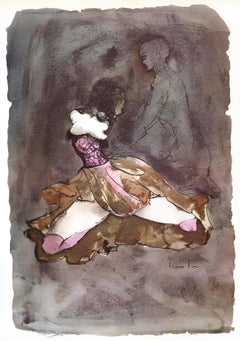
Leonor Fini, Untitled, from The Story of O, 1962
By Leonor Fini
Located in Southampton, NY
This exquisite lithograph, titled Sans titre, after Leonor Fini, from the folio L'Histoire d'O (The Story of O), 1962, was published and printed by La Compagnie des Vibliophiles, au ...
Category
Modern 1960s Landscape Prints
Materials
Lithograph
$1,996 Sale Price
20% Off
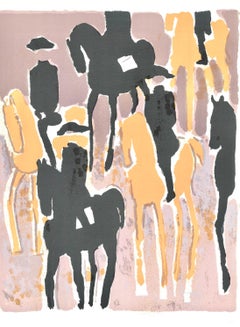
Andre Brasilier, The Black Frame, from Prints from the Mourlot Press, 1964
Located in Southampton, NY
This exquisite lithograph by Andre Brasilier (born 1929), titled Le Cadre noir (The Black Frame), from the album Prints from the Mourlot Press, exhibition sponsored by the French Emb...
Category
Modern 1960s Landscape Prints
Materials
Lithograph
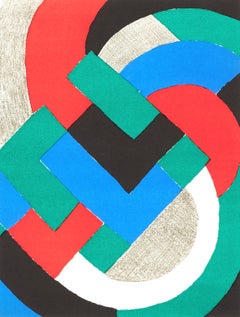
Sonia Delaunay, Color Rhythms, from XXe Siecle, 1969
Located in Southampton, NY
This exquisite lithograph by Sonia Delaunay (1885–1979), titled Rythmes couleur (Color Rhythms), from the album XXe Siecle, Nouvelle serie, XXXIe Annee No. 32, Juin 1969, originates ...
Category
Orphist 1960s Landscape Prints
Materials
Lithograph
$796 Sale Price
20% Off
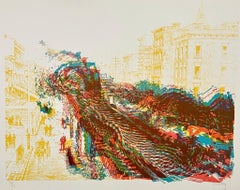
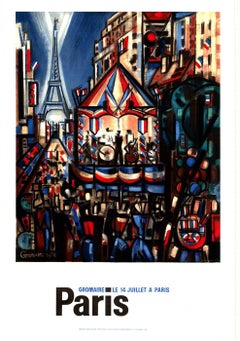
Original Paris le 14 Juillet Bastille Day vintage travel poster, linen-backed
Located in Spokane, WA
Original "Le 14 Juillet à Paris" Poster by Gromaire, Linen-Backed, 1956, Excellent Condition. First edition lithograph poster, an after of a 1956 painting by Marcel Gromaire, spons...
Category
Surrealist 1960s Landscape Prints
Materials
Lithograph
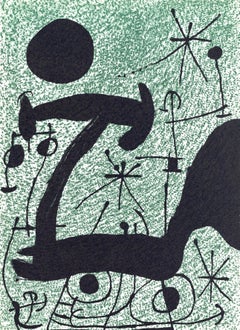
Joan Miro, Untitled, from Derriere le miroir, 1967
By Joan Miró
Located in Southampton, NY
This exquisite lithograph by Joan Miro (1893–1983), titled Sans titre (Untitled), originates from the 1967 folio Derriere le miroir, L'oiseau solaire, l'oiseau lunaire, etin-celles (...
Category
Surrealist 1960s Landscape Prints
Materials
Lithograph
$796 Sale Price
20% Off
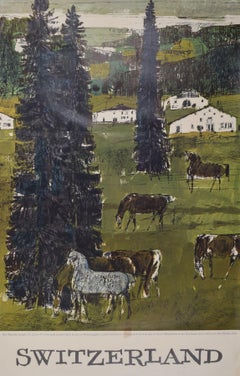
Switzerland horses by Hugo Wetli original vintage poster Swiss Jura Alps
By Hugo Wetli
Located in London, GB
To see our other original vintage travel posters, many of which are from Switzerland, scroll down to "More from this Seller" and below it click on "See all from this Seller" - or sen...
Category
Modern 1960s Landscape Prints
Materials
Lithograph
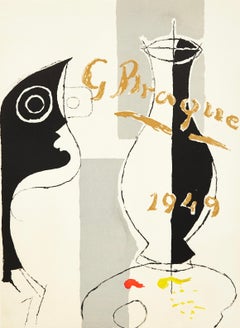
Georges Braque, Frontispiece, L
édition de tête (after)
Located in Southampton, NY
Lithograph on vélin de Rives paper. Inscription: Unsigned and unnumbered, as issued. Good condition. Notes: From the folio, tête edition, Consacre a Pierre Reverdy et Georges Braque,...
Category
Modern 1960s Landscape Prints
Materials
Lithograph
$1,436 Sale Price
20% Off
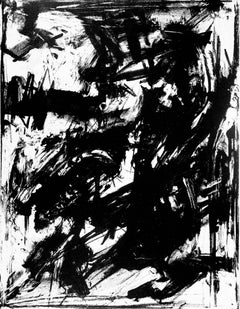
Emilio Vedova, Intolerance, from XXe Siecle, 1961
Located in Southampton, NY
This exquisite lithograph by Emilio Vedova (1919–2006), titled Intolleranza (Intolerance), from the album XXe Siecle, Nouvelle serie, XXIIe Annee, N° 16, Mai 1961, originates from th...
Category
Modern 1960s Landscape Prints
Materials
Lithograph
$716 Sale Price
20% Off
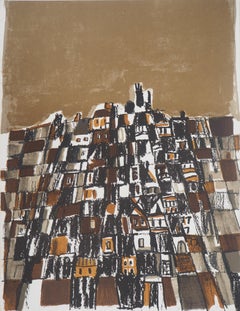
Maria Helena Vieira da Silva, The City, from XXe Siecle, 1966
Located in Southampton, NY
This exquisite lithograph by Maria Helena Vieira da Silva (1908–1992), titled La ville (The City), from the album XXe Siecle, Nouvelle serie, XXVIIIe Annee N°26, Mai 1966, originates...
Category
Modern 1960s Landscape Prints
Materials
Lithograph
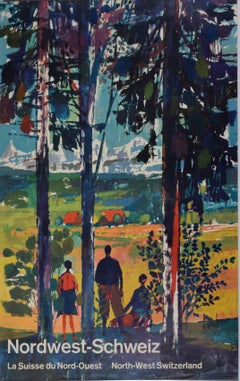
Original Poster - Hugo Wetli: Nordwest-Schweiz North-West Switzerland Skiing
By Hugo Wetli
Located in London, GB
To see our other original vintage travel posters, many of which are from Switzerland, scroll down to "More from this Seller" and below it click on "See all from this Seller" - or sen...
Category
Modern 1960s Landscape Prints
Materials
Lithograph
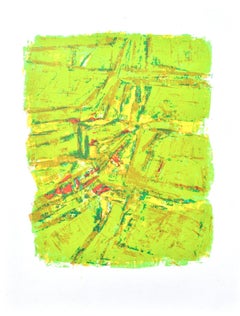
Orlando Pelayo, Untitled, from Albert Camus, oeuvres completes, 1962
Located in Southampton, NY
This exquisite lithograph by Orlando Pelayo (1920–1990), titled Sans titre (Untitled), originates from the 1962 album Albert Camus, oeuvres completes, Essais litteraires Noces, l'ete...
Category
Modern 1960s Landscape Prints
Materials
Lithograph
$716 Sale Price
20% Off
Orlando Pelayo, Untitled, from Albert Camus, oeuvres completes, 1962
Located in Southampton, NY
This exquisite lithograph by Orlando Pelayo (1920–1990), titled Sans titre (Untitled), originates from the 1962 album Albert Camus, oeuvres completes, Essais litteraires Noces, l'ete...
Category
Modern 1960s Landscape Prints
Materials
Lithograph
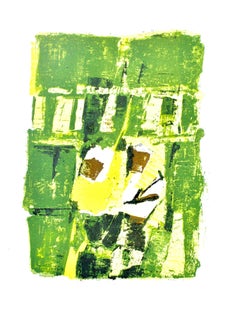
$716 Sale Price
20% Off
Orlando Pelayo, Untitled, from Albert Camus, oeuvres completes, 1962
Located in Southampton, NY
This exquisite lithograph by Orlando Pelayo (1920–1990), titled Sans titre (Untitled), originates from the 1962 album Albert Camus, oeuvres completes, Essais litteraires Noces, l'ete...
Category
Modern 1960s Landscape Prints
Materials
Lithograph
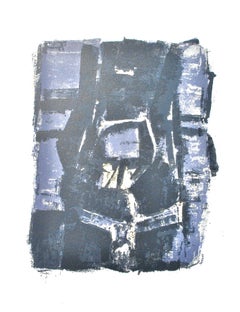
$716 Sale Price
20% Off
Orlando Pelayo, Untitled, from Albert Camus, oeuvres completes, 1962
Located in Southampton, NY
This exquisite lithograph by Orlando Pelayo (1920–1990), titled Sans titre (Untitled), originates from the 1962 album Albert Camus, oeuvres completes, Essais litteraires Noces, l'ete...
Category
Modern 1960s Landscape Prints
Materials
Lithograph

$716 Sale Price
20% Off
Orlando Pelayo, Untitled, from Albert Camus, oeuvres completes, 1962
Located in Southampton, NY
This exquisite lithograph by Orlando Pelayo (1920–1990), titled Sans titre (Untitled), originates from the 1962 album Albert Camus, oeuvres completes, Essais litteraires Noces, l'ete...
Category
Modern 1960s Landscape Prints
Materials
Lithograph

$716 Sale Price
20% Off
Orlando Pelayo, Untitled, from Albert Camus, oeuvres completes, 1962
Located in Southampton, NY
This exquisite lithograph by Orlando Pelayo (1920–1990), titled Sans titre (Untitled), originates from the 1962 album Albert Camus, oeuvres completes, Essais litteraires Noces, l'ete...
Category
Modern 1960s Landscape Prints
Materials
Lithograph

$716 Sale Price
20% Off
Orlando Pelayo, Untitled, from Albert Camus, oeuvres completes, 1962
Located in Southampton, NY
This exquisite lithograph by Orlando Pelayo (1920–1990), titled Sans titre (Untitled), originates from the 1962 album Albert Camus, oeuvres completes, Essais litteraires Noces, l'ete...
Category
Modern 1960s Landscape Prints
Materials
Lithograph
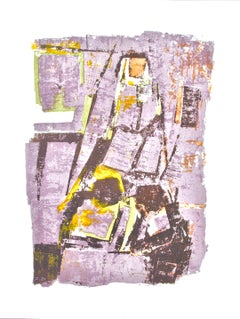
$716 Sale Price
20% Off
Roger de La Fresnaye, The Romanian Woman, 1968 (after)
Located in Southampton, NY
This exquisite lithograph after Roger de La Fresnaye (1885–1925), titled La Roumaine (The Romanian Woman), from the album Roger de la Fresnaye, III, Collection Pierre Levy, 1968, ori...
Category
Cubist 1960s Landscape Prints
Materials
Lithograph
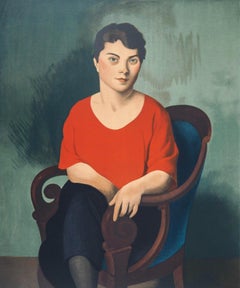
$716 Sale Price
20% Off
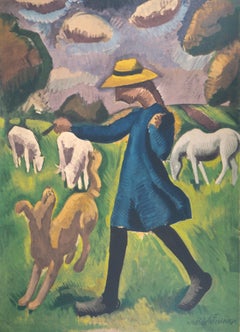
Roger de La Fresnaye, Shepherdess, 1968 (after)
Located in Southampton, NY
This exquisite lithograph after Roger de La Fresnaye (1885–1925), titled Gardeuse de moutons (Shepherdess), from the album Roger de la Fresnaye, III, Collection Pierre Levy, 1968, or...
Category
Cubist 1960s Landscape Prints
Materials
Lithograph
$716 Sale Price
20% Off
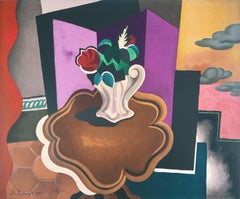
Roger de La Fresnaye, The Louis-Philippe Table, 1968 (after)
Located in Southampton, NY
This exquisite lithograph after Roger de La Fresnaye (1885–1925), titled La table Louis-Philippe (The Louis-Philippe Table), from the album Roger de la Fresnaye, III, Collection Pier...
Category
Cubist 1960s Landscape Prints
Materials
Lithograph
$716 Sale Price
20% Off
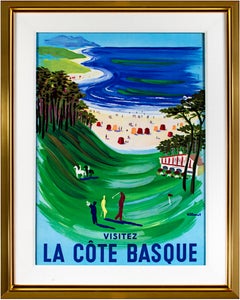
La Côte Basque
original lithograph travel poster with beach and golf
Located in Milwaukee, WI
This poster, titled 'La Côte Basque' in the image, was intended to draw people to travel to the Basque coast of Spain. The image is dominated by the serene blues, greens and yellows of the golf course and sandy beach. Throughout the vista, figures can be seen at leisure golfing, riding horseback, eating at restaurants, and sunbathing.
34 x 23.75 inches, poster
43.5 x 33.25 inches, image
Signed in the stone, lower right
Framed to conservation standards using archival materials including 100 percent rag mounting, UV5 Plexiglas to inhibit fading, and housed in a gold finished wood moulding with a 3-inch Belgian linen liner.
Bernard Villemot (1911 – 1989) was a French graphic artist known primarily for his iconic advertising images for Orangina, Bally Shoe, Perrier, and Air France. He was known for a sharp artistic vision that was influenced by photography, and for his ability to distill an advertising message to a memorable image with simple, elegant lines and bold colors. From 1932 to1934, he studied in Paris with artist Paul Colin, who was considered a master of Art Deco. From 1945 to 1946, Villemot prepared posters for the Red Cross. In the late 1940s, he also began a famous series of travel posters for Air France that would continue for decades. In 1949, Villemot's works were exhibited with those of his contemporary poster artist Raymond Savignac at the Gallery of Beaux Arts in Paris. In 1953, Villemot began designing logos and posters for the new soft drink Orangina, and over time these works would become some of his best known. In 1963, the Museum of Decorative Arts in Paris held an exhibition of his works. By the end of his life in 1989, he was known as one of the last great poster artists, and many collectors and critics consider him to be the "painter-laureate of modern commercial art." Since his death in 1989, his memorable images have been increasingly sought after by collectors. At least three books have been published that survey his art: "Les affiches de Villemot," by Jean-Francois Bazin...
Category
Modern 1960s Landscape Prints
Materials
Lithograph
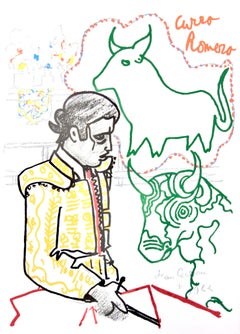
Jean Cocteau, Curro Romero, from Bulls, 1965 (after)
By Jean Cocteau
Located in Southampton, NY
This exquisite lithograph after Jean Cocteau (1889–1963), titled Curro Romero, from the folio Taureaux, Lithographies de Jean Cocteau (Bulls, Lithographs by Jean Cocteau), originates...
Category
Modern 1960s Landscape Prints
Materials
Lithograph
$796 Sale Price
20% Off
Alexandre Garbell, Untitled, from Albert Camus, oeuvres completes, 1962
Located in Southampton, NY
This exquisite lithograph by Alexandre Garbell (1903–1970), titled Sans titre (Untitled), originates from the 1962 album Albert Camus, oeuvres completes, Recits et romans, L'Etranger...
Category
Modern 1960s Landscape Prints
Materials
Lithograph
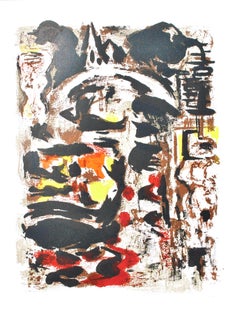
Alexandre Garbell, Untitled, from Albert Camus, oeuvres completes, 1962
Located in Southampton, NY
This exquisite lithograph by Alexandre Garbell (1903–1970), titled Sans titre (Untitled), originates from the 1962 album Albert Camus, oeuvres completes, Recits et romans, L'Etranger...
Category
Modern 1960s Landscape Prints
Materials
Lithograph
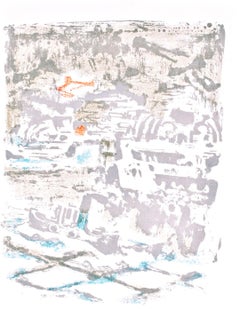
Pablo Picasso, Minotaur, from The Double Flute, 1967 (after)
Located in Southampton, NY
This exquisite lithograph and pochoir after Pablo Picasso (1881–1973), titled Minotaure (Minotaur), from the folio Picasso, La flute double, 16 Dessins, Aquarelles Lavis (The Double ...
Category
Cubist 1960s Landscape Prints
Materials
Lithograph, Stencil
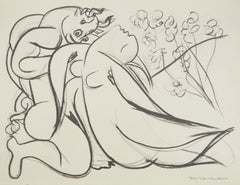
$2,636 Sale Price
20% Off
Pablo Palazuelo, Untitled, from Derriere le Miroir, 1963
Located in Southampton, NY
This exquisite lithograph by Pablo Palazuelo (1915–2007), titled Sans titre (Untitled), originates from the 1963 folio Derriere le Miroir, No. 137, published by Maeght Editeur, Paris...
Category
Abstract Geometric 1960s Landscape Prints
Materials
Lithograph
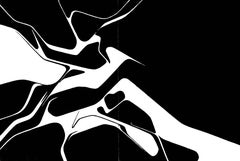
$716 Sale Price
20% Off
Pablo Palazuelo, Untitled, from Derriere le Miroir, 1963
Located in Southampton, NY
This exquisite lithograph by Pablo Palazuelo (1915–2007), titled Sans titre (Untitled), originates from the 1963 folio Derriere le Miroir, No. 137, published by Maeght Editeur, Paris...
Category
Abstract Geometric 1960s Landscape Prints
Materials
Lithograph
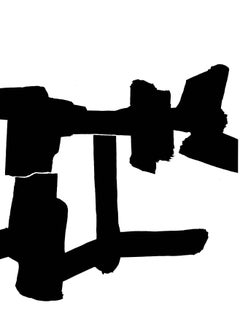
$716 Sale Price
20% Off
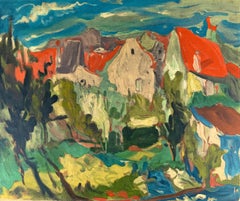
Soutine, Paysage à Cagnes, Soutine, Collection Pierre Lévy (after)
Located in Fairfield, CT
Medium: Lithograph on vélin d'Arches paper
Year: 1966
Paper Size: 20 x 26 inches
Inscription: Unsigned and unnumbered, as issued
Notes: From the folio, Soutine, I, Collection Pierre ...
Category
Post-Impressionist 1960s Landscape Prints
Materials
Lithograph
$716 Sale Price
20% Off
Escape from Troy - Lithograph by Eugène Berman - 1967s
Located in Roma, IT
Escape from Troy 1967s is a watercolored lithograph on ivory-colored paper, realized by Russian scenographer Eugène Berman.
Not numbered, as issued.
Image Dimension: 43.5 x 32 cm. I...
Category
Modern 1960s Landscape Prints
Materials
Lithograph
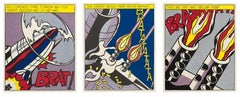
Museum-Published Lt
d Ed. 60
s Litho Set of
As I Opened Fire
Located in New Orleans, LA
This is a lithographically printed reproduction of a sensationally fun Lichtenstein triptych he painted in 1964, produced by the Stedelijk Museum...
Category
Pop Art 1960s Landscape Prints
Materials
Archival Paper, Lithograph
$2,240 Sale Price
20% Off
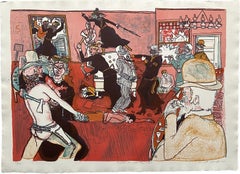
Fracas at Calamity
s Place 1969 Signed Limited Edition Lithograph
Located in Rochester Hills, MI
Artist: Warrington Colescott
Title Fracas at Calamity's Place
Year: 1969
Medium: Lithograph
Dimensions: 22.5” x 29.5” inches
Edition: Signed, titled, and numbered 32/40
About the A...
Category
Post-Modern 1960s Landscape Prints
Materials
Lithograph
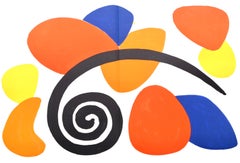
Alexander Calder, Composition with Spirals, from Derriere le miroir, 1968
Located in Southampton, NY
This exquisite lithograph by Alexander Calder (1898–1976), titled Composition aux Spirales (Composition with Spirals), from the folio Derriere le miroir, No. 173, originates from the 1968 edition published by Maeght Editeur, Paris, and printed by Mourlot Freres, Paris, 1968. Composition aux Spirales exemplifies Calder’s mastery of rhythm and form, translating his sculptural language of balance and motion into vivid, dynamic compositions on paper that capture his signature sense of energy and harmony.
Executed as a lithograph on velin paper, this work measures 15 x 22 inches, with centerfold, as issued. Unsigned and unnumbered as issued. The edition exemplifies the superb craftsmanship of Mourlot Freres, Paris.
Artwork Details:
Artist: Alexander Calder (1898–1976)
Title: Composition aux Spirales (Composition with Spirals), from the folio Derriere le miroir, No. 173
Medium: Lithograph on velin paper
Dimensions: 15 x 22 inches (38.1 x 55.88 cm), with centerfold, as issued
Inscription: Unsigned and unnumbered as issued
Date: 1968
Publisher: Maeght Editeur, Paris
Printer: Mourlot Freres, Paris
Condition: Well preserved, consistent with age and medium
Provenance: From the folio Derriere le miroir, No. 173, published by Maeght Editeur, Paris; printed by Mourlot Freres, Paris, 1968
Notes:
Excerpted from the folio (translated from French), The illustrations in this issue are original lithographs by Alexander Calder drawn in the workshops of the Arte printing shop. This issue of "Behind the Mirror" has a luxury edition drawn on velin de Lana and limited to CL examples numbered and signed by the artist on the colophon. The text of G. Carandente was translated from Italian by Alain Veinstein.
About the Publication:
Derriere le miroir (Behind the Mirror) was one of the most important art publications of the 20th century, created and published by Maeght Editeur in Paris from 1946 to 1982. Founded by the visionary art dealer and publisher Aime Maeght, the series served as both an exhibition catalogue and a work of art in its own right, uniting original lithographs by leading modern and contemporary artists with critical essays, poetry, and design of the highest quality. Printed by master lithographers such as Mourlot Freres and Arte, Derriere le miroir became synonymous with the artistic vanguard of postwar Europe. Each issue was devoted to a single artist or theme and published to accompany exhibitions at the Galerie Maeght in Paris, featuring works by Pablo Picasso, Henri Matisse, Georges Braque, Joan Miro, Marc Chagall, Alexander Calder, Fernand Leger, and Alberto Giacometti, among others. The publication reflected Maeght’s belief that art should be both accessible and elevated—an ideal realized through its luxurious production values, meticulous printing, and collaboration with the greatest creative minds of its time.
About the Artist:
Alexander Calder (1898–1976) was an American sculptor, painter, and printmaker whose pioneering innovations in kinetic art revolutionized 20th-century sculpture and transformed modern visual language. Born in Lawnton, Pennsylvania, into a family of artists, Calder initially trained as a mechanical engineer at the Stevens Institute of Technology before turning to art at the Art Students League in New York—a combination of technical precision and creative imagination that defined his career. Moving to Paris in 1926, he immersed himself in the avant-garde and formed friendships with Pablo Picasso, Alberto Giacometti, Joan Miro, Wassily Kandinsky, Salvador Dali, Marcel Duchamp, and Man Ray, whose ideas profoundly shaped his artistic philosophy. From Picasso, he absorbed structural invention; from Miro, lyrical abstraction; from Kandinsky, spiritual geometry; and from Duchamp and Man Ray, the courage to merge intellect and play. In Paris, Calder created his famous Cirque Calder, a miniature mechanical circus that introduced motion and performance as central components of sculpture, and by the early 1930s, he invented the mobile—a term coined by Duchamp—to describe his delicately balanced, moving sculptures that responded to air currents. Later, Jean Arp would name his stationary counterparts stabiles. These two inventions—sculptures that could either float and spin gracefully or stand monumentally still—transformed art into a dynamic dialogue between movement, balance, and space. Calder’s signature forms, painted in vivid reds, blacks, blues, and yellows, embodied both joy and precision, creating an art that was at once abstract, organic, and deeply human. Like Kandinsky and Miro, he viewed art as a form of rhythm and emotion; like Duchamp, he embraced innovation and humor; and like Giacometti and Dali, he was fascinated by perception, structure, and the unseen forces of motion. His monumental public sculptures—such as La Grande Vitesse (1969) in Grand Rapids and Flamingo (1973) in Chicago—redefined public art as a symbol of civic optimism and modern progress. A key bridge between European modernism and American abstraction, Calder’s influence extended to artists including Jean Tinguely, George Rickey, Donald Judd, Ellsworth Kelly, Richard Serra, and Olafur Eliasson, whose works in kinetic and spatial art continue to echo his vision. His gouaches, prints, and jewelry carried the same balance and movement as his sculptures, revealing a unified language of rhythm across media. Represented in every major modern museum—including MoMA, the Guggenheim, the Tate, and the Centre Pompidou—Calder remains celebrated for merging engineering, color, and poetry into an art of pure equilibrium. Standing alongside Pablo Picasso, Alexander Calder, Alberto Giacometti, Salvador Dali, Joan Miro, Wassily Kandinsky, Marcel Duchamp, and Man Ray, he remains one of the cornerstones of modern art—a visionary whose works breathe with motion, grace, and joy. His highest auction record was achieved by Poisson Volant (Flying Fish) (1957), which sold for $25.9 million at Christie’s, New York, on May 15, 2014, reaffirming Alexander Calder’s enduring legacy as one of the most inventive, dynamic, and collectible artists in the history of modern art.
Alexander Calder Composition...
Category
Surrealist 1960s Landscape Prints
Materials
Lithograph
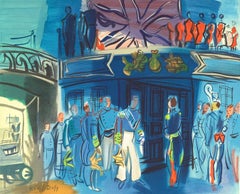
Raoul Dufy, Reception of an English Admiral on a French Ship, 1969 (after)
By Raoul Dufy
Located in Southampton, NY
This exquisite lithograph after Raoul Dufy (1877–1953), titled Reception d'un amiral anglais sur un bateau francais (Reception of an English Admiral on a French Ship), from the folio...
Category
Modern 1960s Landscape Prints
Materials
Lithograph
$956 Sale Price
20% Off
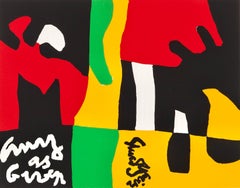
Stuart Davis, Untitled, from Ten Works by Ten Painters, 1964
By Stuart Davis
Located in Southampton, NY
This exquisite silkscreen by Stuart Davis (1892–1964), titled Untitled, originates from the landmark 1964 folio X + X (Ten Works by Ten Painters). Published by the Wadsworth Atheneum...
Category
American Modern 1960s Landscape Prints
Materials
Screen
$1,996 Sale Price
20% Off
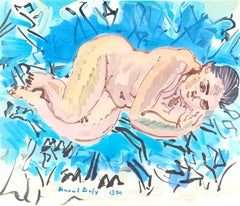
Raoul Dufy, Reclining Nude, from Raoul Dufy, IV, 1969 (after)
By Raoul Dufy
Located in Southampton, NY
This exquisite lithograph after Raoul Dufy (1877–1953), titled Nu couche (Reclining Nude), from the folio Raoul Dufy, IV (Raoul Dufy, IV), Collection Pierre Levy, 1969, originates fr...
Category
Modern 1960s Landscape Prints
Materials
Lithograph
$956 Sale Price
20% Off