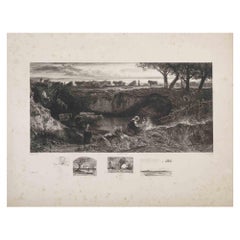
19th Century Landscape Prints
to
85
1,464
514
104
38
17
Overall Width
to
Overall Height
to
947
72
68
12
7
6
3
2
1
112
63
34
32
26
1,008
2,151
9,974
4,001
116
115
710
511
594
1,138
1,463
1,651
1,320
629
659
1,519
611
5
1,291
456
384
287
250
203
183
173
148
137
133
129
123
110
97
96
95
95
82
75
1,106
681
287
253
98
185
1,312
955
637
Period: 19th Century
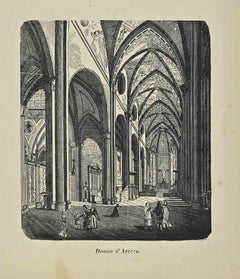
Uses and Customs - Duomo of Arezzo - Lithograph - 1862
Located in Roma, IT
Uses and Customs - Duomo of Arezzo in Lucca is a lithograph on paper realized in 1862.
The artwork belongs to the Suite Uses and customs of all the peoples of the universe: " Histor...
Category
Modern 19th Century Landscape Prints
Materials
Lithograph
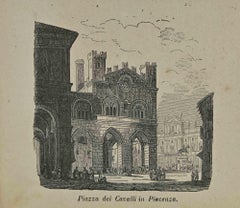
Uses and Customs - Piazza dei Cavalli in Piacenza - Lithograph - 1862
Located in Roma, IT
Uses and Customs - Piazza dei Cavalli in Piacenza is a lithograph on paper realized in 1862.
The artwork belongs to the Suite Uses and customs of all the peoples of the universe: " ...
Category
Modern 19th Century Landscape Prints
Materials
Lithograph
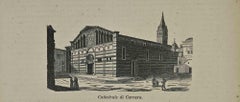
Uses and Customs - Cathedral in Carrara - Lithograph - 1862
Located in Roma, IT
Uses and Customs - Cathedral in Carrara is a lithograph on paper realized in 1862.
The artwork belongs to the Suite Uses and customs of all the peoples of the universe: " History of...
Category
Modern 19th Century Landscape Prints
Materials
Lithograph
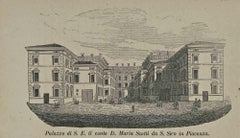
Uses and Customs - Palace of S.E. the Count D. Maria... - Lithograph - 1862
Located in Roma, IT
Uses and Customs - Palace of S.E. the Count D. Maria Scotti from S.Siro in Piacenza is a lithograph on paper realized in 1862.
The artwork belongs to the Suite Uses and customs of a...
Category
Modern 19th Century Landscape Prints
Materials
Lithograph
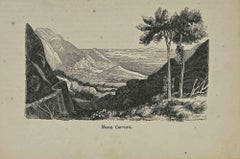
Uses and Customs - Massa Carrara - Lithograph - 1862
Located in Roma, IT
Uses and Customs - Massa Carrara is a lithograph on paper realized in 1862.
The artwork belongs to the Suite Uses and customs of all the peoples of the ...
Category
Modern 19th Century Landscape Prints
Materials
Lithograph
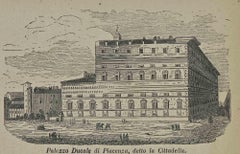
Uses and Customs - Ducal Palace of Piacenza, called the... - Lithograph - 1862
Located in Roma, IT
Uses and Customs - Ducal Palace of Piacenza, called the Citadel is a lithograph on paper realized in 1862.
The artwork belongs to the Suite Uses and customs of all the peoples of th...
Category
Modern 19th Century Landscape Prints
Materials
Lithograph
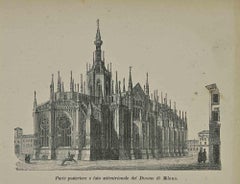
Uses and Customs - Back and North Side of the Cathedral of Milan - 1862
Located in Roma, IT
Uses and Customs - Back and North Side of the Cathedral of Milan is a lithograph on paper realized in 1862.
The artwork belongs to the Suite Uses and customs of all the peoples of t...
Category
Modern 19th Century Landscape Prints
Materials
Lithograph
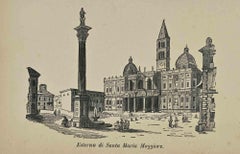
Uses and Customs - Exterior of Santa Maria Maggiore - Lithograph - 1862
Located in Roma, IT
Uses and Customs - Exterior of Santa Maria Maggiore is a lithograph on paper realized in 1862.
The artwork belongs to the Suite Uses and customs of all the peoples of the universe: ...
Category
Modern 19th Century Landscape Prints
Materials
Lithograph
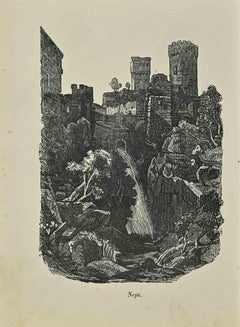
Uses and Customs - Nepi - Lithograph - 1862
Located in Roma, IT
Uses and Customs - Nepi is a lithograph on paper realized in 1862.
The artwork belongs to the Suite Uses and customs of all the peoples of the universe: " History of the government,...
Category
Modern 19th Century Landscape Prints
Materials
Lithograph
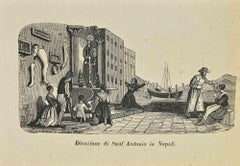
Uses and Customs - Devotion of Saint Antonio in Naples - Lithograph - 1862
Located in Roma, IT
Uses and Customs - Devotion of Saint Antonio in Naples is a lithograph on paper realized in 1862.
The artwork belongs to the Suite Uses and customs of all the peoples of the univers...
Category
Modern 19th Century Landscape Prints
Materials
Lithograph
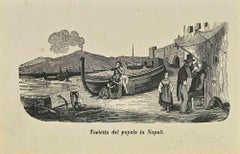
Uses and Customs - Dressing Table in Naples - Lithograph - 1862
Located in Roma, IT
Uses and Customs - Dressing Table in Naples is a lithograph on paper realized in 1862.
The artwork belongs to the Suite Uses and customs of all the peoples of the universe: " Histor...
Category
Modern 19th Century Landscape Prints
Materials
Lithograph
19th century landscape etching farm field black and white figures pastoral scene
Located in Milwaukee, WI
Charles Francois Daubigny's etching from around 1865 is an example of the Barbizon painters' preoccupations. Entitled "Les Vendages," the work depicts peasants bringing in the harves...
Category
Barbizon School 19th Century Landscape Prints
Materials
Etching
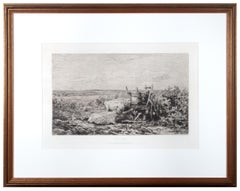

Walking Along the Nile - Chromolithograph after Karl Werner - 1881
Located in Roma, IT
Walking along the Nile is a modern artwork realized d'apres Karl Werner.
Mixed colored cromolithograph.
The artwork is after the watercolors realized by the artist during a trip t...
Category
Modern 19th Century Landscape Prints
Materials
Lithograph
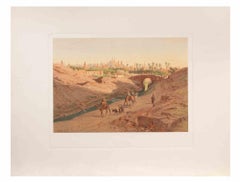
Minaret on the Nile - Chromolithograph after Karl Werner - 1881
Located in Roma, IT
Minaret on the Nile is a modern artwork realized d'apres Karl Werner
Mixed colored cromolithograph.
The artwork is after the watercolors realized by the artist during a trip to E...
Category
Modern 19th Century Landscape Prints
Materials
Lithograph
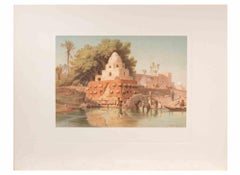
Egyptians Along the Nile - Chromolithograph after Karl Werner - 1881
Located in Roma, IT
Egyptian on camel is a modern artwork realized d'apres Karl Werner.
Mixed colored cromolithograph.
The artwork is after the watercolors realized by the artist during a trip to Egy...
Category
Modern 19th Century Landscape Prints
Materials
Lithograph
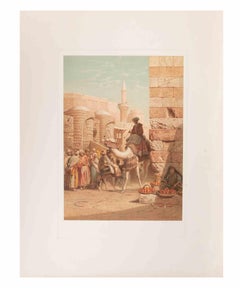
Egyptian Barber - Chromolithograph after Karl Werner - 1881
Located in Roma, IT
Egyptian barber is a modern artwork realized d'apres Karl Werner
Mixed colored Chromolithograph.
The artwork is after the watercolor realized by the artist during a trip to Egypt...
Category
Modern 19th Century Landscape Prints
Materials
Lithograph
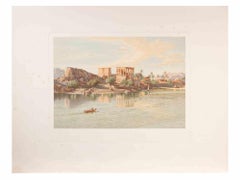
Temple on the Nilo - Chromolithograph after Karl Werner - 1881
Located in Roma, IT
Temple on the Nilo is a modern artwork realized d'apres Karl Werner
Mixed colored Chromolithograph.
The artwork is after the watercolor realized by the artist during a trip to Eg...
Category
Modern 19th Century Landscape Prints
Materials
Lithograph
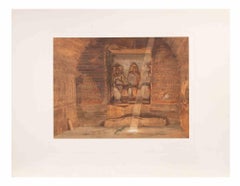
Interior of the Temple - Chromolithograph after Karl Werner - 1881
Located in Roma, IT
Interior of the Temple is a modern artwork realized d'aprés Karl Werner
Mixed colored Chromolithograph.
The artwork is after the watercolors realized by the artist during a trip ...
Category
Modern 19th Century Landscape Prints
Materials
Lithograph
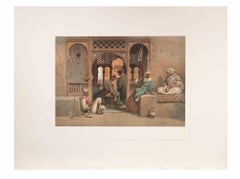
Oriental Scene - Chromolithograph after Karl Werner - 1881
Located in Roma, IT
Oriental scene is a modern artwork realized d'apres Karl Werner
Mixed colored Chromolithograph.
The artwork is after the watercolor realized by the artist during a trip to Egypt ...
Category
Modern 19th Century Landscape Prints
Materials
Lithograph
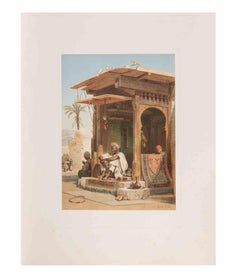
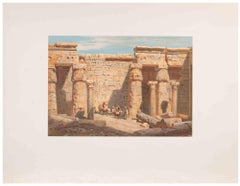
The Temple - Chromolithograph after Karl Werner - 1881
Located in Roma, IT
The Temple is a modern artwork realized d'apres Karl Werner
Mixed colored cromolithograph.
The artwork is after the watercolors realized by the artist during a trip to Egypt betw...
Category
Modern 19th Century Landscape Prints
Materials
Lithograph
Late 19th century color cityscape Milwaukee trees figures lake churches
Located in Milwaukee, WI
"View of the City of Milwaukee" from "Harper's Weekly" is an original hand-colored wood engraving by Theodore R. Davis. It depicts an aerial view of the Wisconsin lakeside city in 1882.
9" x 13 3/8" art
17 5/8" x 21 3/4" frame
Theodore R. Davis (1840–1894) was a 19th-century American artist, who made numerous drawings of significant military and political events during the American Civil War and its aftermath. As a child, Theodore R. Davis was taken to Washington D.C. where he graduated from Rittenhouse Academy. When he was fifteen, he moved to New York where studied art under Henry W. Herrick and James Walker.
The Training Theodore Davis received under James Walker was informal. Davis typified certain artists as "special artists" was hired by popular magazines and newspapers. He was hired by them to illustrate the Civil War. He was hired by Harpers Weekly in 1861.[
During the Civil War, he served as a captain in the 15th Connecticut Volunteer Infantry. After the war, he became a companion of the New York Commandery of the Military Order of the Loyal Legion of the United States.
Some of these drawings include the Battle of Champion Hill, and the most significant sketch of General Joseph E. Johnston and General William T. Sherman meeting at the Bennett Farm near Durham Station to discuss the surrender terms of the remaining Confederate armies in the Southeast.
After the war when the Cyclorama in Atlanta was being painted, Davis was asked for his ideas having traveled with Sherman's army. He was later added to the painting.
Theodore Davis was a staff artist at Harper's Weekly.
Many of his drawings were published as wood engravings in Harper's Weekly.
Theodore R. Davis was chosen to create the Haye's China with a chance meeting. Mr. Davis suggested using flora and fauna of the American decor...
Category
Other Art Style 19th Century Landscape Prints
Materials
Engraving

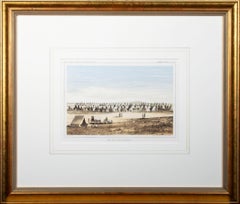
Camp Red River Hunters
original lithograph by John Mix Stanley
Located in Milwaukee, WI
In the mid-nineteenth century, the United States government set out to survey and document its newly acquired lands and territories west of the Mississippi. The goals of these surveys were manifold: to produce topographical maps, to document flora and fauna, and to document natural resources to build the emerging US economy. These surveys, and the images from them, also functioned to build the new sense of American identity with the landscape, condensing vistas into the 'picturesque' tradition of European image making. Thus, the entire span of US territory could be seen as a single, cohesive whole.
This lithograph comes from one of six surveys commissioned by the Army's Topographic Bureau in 1853, which sought to find the best route to construct a transcontinental railroad. The result was a thirteen-volume report including maps, lithographs, and technical data entitled 'Explorations and Surveys to ascertain the most practicable and economical route for a Railroad from the Mississippi river to the Pacific Ocean.' In particular, the print comes from the northern survey, commanded by Isaac Stevens, which explored the regions between the 47th and 49th parallels.
In this image, Stanley shows an encampment of the people known as the Red River of the North hunters. They were generations of European and mixed-race trappers who lived on the frontier and had Indian wives and mixed-race children. They had come to the area for bison hunting, as the herds were still vast on the prairies. In the image, the figures and their encampment are dwarfed by the vast landscape around them, indicating the sublimity of these new American territories.
5.75 x 8.75 inches, image
6.5 x 9.25 inches, stone
17 x 20 inches, frame
Artist 'Stanley Del.' lower left
Entitled 'Camp Red River Hunters' lower center margin
Publisher 'Sarony, Major & Knapp. Lith.s 449 Broadway N.Y.' lower right
Inscribed 'U.S.P.R.R. EXP. & SURVEYS — 47th & 49th PARALLELS' upper left
Inscribed 'GENERAL REPORT — PLATE XII' upper right
Framed to conservation standards using 100 percent rag matting with French accents; glazed with UV5 Plexiglas to inhibit fading; housed in a gold reverse ogee moulding.
Print in overall good condition; some localized foxing and discoloration; minor surface abrasions to frame.
John Mix Stanley...
Category
Romantic 19th Century Landscape Prints
Materials
Lithograph
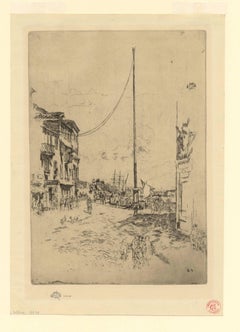
The Little Mast
Located in New York, NY
James Whistler (1834-1903), The Little Mast, etching, drypoint and burnishing, 1879-80, signed in pencil with the early shaded butterfly lower left and annotated “imp”. References: G...
Category
Impressionist 19th Century Landscape Prints
Materials
Etching
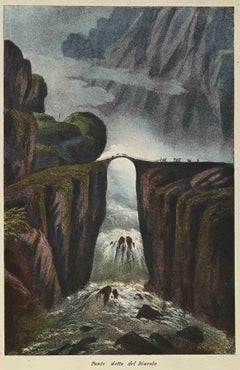
Devil
s Bridge - Lithograph - 1862
Located in Roma, IT
Devil's Bridge is a hand colored lithograph realized in 1864.
Good condition.
The artwork belongs to ththe Suite Uses and customs of all the peoples of the universe, or History of ...
Category
Modern 19th Century Landscape Prints
Materials
Lithograph
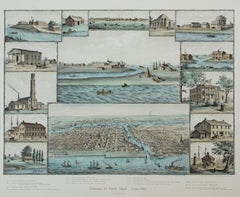
19th century landscape color lithograph seascape buildings cityscape houses
Located in Milwaukee, WI
"Chicago in Early Days" is an original color lithograph by Kurz & Allison. This piece features multiple views of the city of Chicago.
16 3/4" x 23 1/4" art
28 1/8" x 33 7/8" frame
...
Category
Academic 19th Century Landscape Prints
Materials
Lithograph
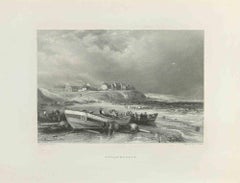
Cullercoats - Etching By George Balmer - 1845
Located in Roma, IT
Cullercoats is an etching realized in 1845 by George Balmer.
Signed on the plate.
Titled on the lower center.
Good conditions with slight foxing.
The artwork is beautifully real...
Category
Modern 19th Century Landscape Prints
Materials
Etching
Hontrose - Etching By W.H. Bartlett - 1845
Located in Roma, IT
Hontrose is an etching realized in 1845 by William Henry Bartlett.
Signed on the plate.
Titled on the lower center.
Good conditions with sli...
Category
Modern 19th Century Landscape Prints
Materials
Etching
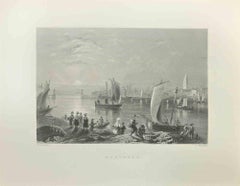
Stonehaven - Etching By W.H. Bartlett - 1845
Located in Roma, IT
Stonehaven is an etching realized in 1845 by William Henry Bartlett.
Signed on the plate.
Titled on the lower center.
Good conditions with s...
Category
Modern 19th Century Landscape Prints
Materials
Etching
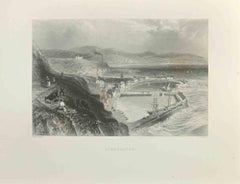
Mary- Port Pier - Etching By W.H. Bartlett - 1845
Located in Roma, IT
Mary- Port Pier is an etching realized in 1845 by W. H. Bartlett.
Signed on the plate.
Titled on the lower center.
Good conditions with slight foxing.
The artwork is beautifully...
Category
Modern 19th Century Landscape Prints
Materials
Etching
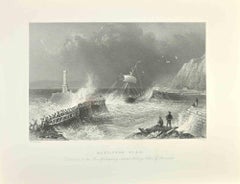
The Buller Of Buchan - Etching By W.H. Bartlett - 1845
Located in Roma, IT
The Buller Of Buchan is an etching realized in 1845 by W. H. Bartlett.
Signed on the plate.
Titled on the lower center.
Good conditions with slight foxing.
The artwork is beauti...
Category
Modern 19th Century Landscape Prints
Materials
Etching
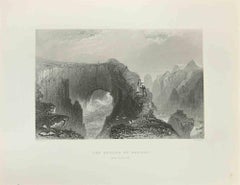
The Light House, Aberdeen - Etching by W. H.Bartlett - 1845
Located in Roma, IT
The Light House, Aberdeen is an etching realized in 1845 by W. H. Bartlett.
Signed on the plate.
Titled on the lower center.
Good conditions with slight foxing.
The artwork is b...
Category
Modern 19th Century Landscape Prints
Materials
Etching
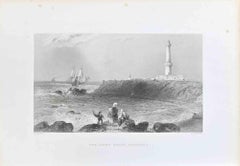
Entrance to the Port of Dundee - Etching by W. H.Bartlett - 1845
Located in Roma, IT
Entrance to the Port of Dundee is an etching realized in 1845 by W. H.Bartlett.
Signed on the plate.
Titled on the lower center.
Good conditions with slight foxing.
The artwork ...
Category
Modern 19th Century Landscape Prints
Materials
Etching
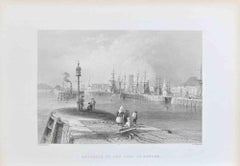
Tynemouth Castel - Etching by Edward Francis Finden - 1845
Located in Roma, IT
Tynemouth Castel is an etching realized in 1845 by Edward Francis Finden.
Signed on the plate.
Titled on the lower center, from the series of "Ports of Great Britain"
The artwork...
Category
Modern 19th Century Landscape Prints
Materials
Engraving, Etching
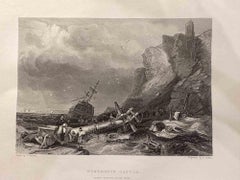
Flamborough Head - Engraving by Edward Francis Finden - 1838
Located in Roma, IT
Flamborough Head is an engraving on paper realized by E.Finden in 1838.
The artwork is in good condition.
The artwork is depicted in a well-balanced composition.
Category
Modern 19th Century Landscape Prints
Materials
Engraving
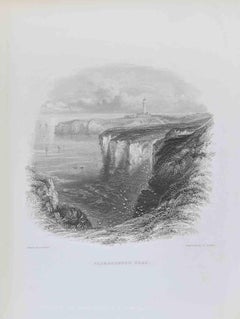
Dundee - Engraving by Charles James Richardson - 1838
Located in Roma, IT
Dundee is an engraving on paper realized by C. Richardson in 1838.
The artwork is in good condition.
The artwork is depicted in a well-balanced composition.
Category
Modern 19th Century Landscape Prints
Materials
Engraving
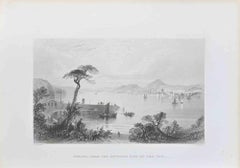
Banff - Engraving by Robert Waths - 1838
Located in Roma, IT
Banff is an engraving on paper realized by R. Waths in 1838.
The artwork is in good condition.
The artwork is depicted in a well-balanced composition.
Category
Modern 19th Century Landscape Prints
Materials
Engraving
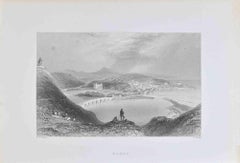
Harwich - Engraving by Edward Francis Finden - 1838
Located in Roma, IT
Harwich is an engraving on paper realized by E. Finden in 1838.
The artwork is in good condition.
The artwork is depicted in a well-balanced composition.
Category
Modern 19th Century Landscape Prints
Materials
Engraving
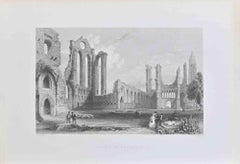
Abbey of Arbroath - Engraving by Thomas Higham - 1838
Located in Roma, IT
Abbey of Arbroath is an engraving on paper realized by T. Higham in 1838.
The artwork is in good condition.
The artwork is depicted in a well-balanced composition.
Category
Modern 19th Century Landscape Prints
Materials
Engraving
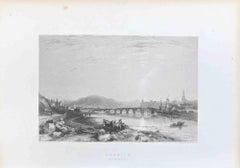
Berwick - Engraving by Edward Francis Finden - 1838
Located in Roma, IT
Berwick Head is an engraving on paper realized by W.Finden in 1838.
The artwork is in good condition.
The artwork is depicted in a well-balanced composition.
Category
Modern 19th Century Landscape Prints
Materials
Engraving
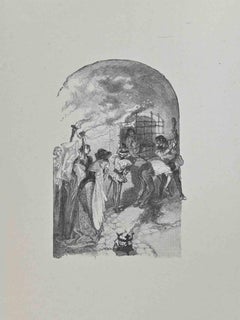
Meeting - Etching by Hégésippe Moreau - 1838
Located in Roma, IT
Meeting is a lithograph on paper realized by Hégésippe Moreau in 1838.
The artwork is in good condition.
Hégésippe Moreau (1810-1838) was a French l...
Category
Modern 19th Century Landscape Prints
Materials
Engraving
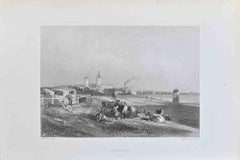
Yarmouth - Engraving by Edward Frencis Finden - 1845
Located in Roma, IT
Yarmouth is an etching realized in the Early-20th Century by E. Finden.
Signed in plate.
The artwork is realized in a well-balanced composition.
Category
Modern 19th Century Landscape Prints
Materials
Engraving
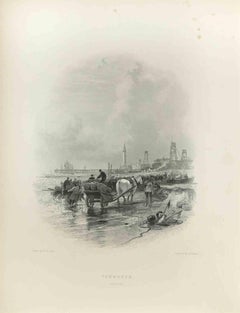
Beaumaris - Etching by J.C.Armytage - 1845
Located in Roma, IT
Beaumaris is an etching realized in 1845 by J.C.Armytage.
Signed in plate.
The artwork is realized in a well-balanced composition.
Category
Modern 19th Century Landscape Prints
Materials
Etching
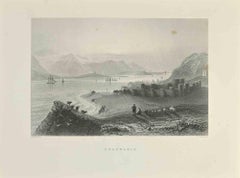
St.Bees College - Etching by J.C.Armytage - 1845
Located in Roma, IT
St.Bees College is an etching realized in 1845 by R. Wallis.
Signed in plate.
The artwork is realized in a well-balanced composition.
Category
Modern 19th Century Landscape Prints
Materials
Etching
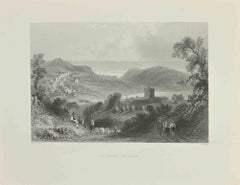
Whitehaven Harbour - Etching by J.C.Armytage - 1845
Located in Roma, IT
Whitehaven Harbour is an etching realized in the Early-20th Century by J.C.Armytage.
Signed in plate.
The artwork is realized in a well-balanced composition.
Category
Modern 19th Century Landscape Prints
Materials
Etching
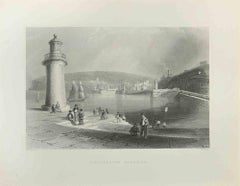
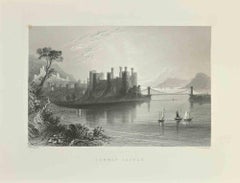
Conway Castle - Etching by J.C.Armytage - 1845
Located in Roma, IT
Conway Castle is an etching realized in 1845 by J.C. Armytage.
Signed in plate.
The artwork is realized in a well-balanced composition.
Category
Modern 19th Century Landscape Prints
Materials
Etching
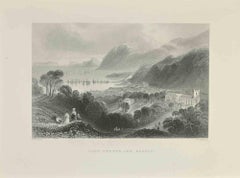
Port Penryn and Bagor - Etching by J.C.Armytage - 1845
Located in Roma, IT
Port Penryn and Bagor is an etching realized in 1845 by J.C.Armytage.
Signed in plate.
The artwork is realized in a well-balanced composition.
Category
Modern 19th Century Landscape Prints
Materials
Etching
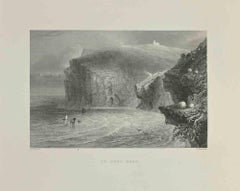
St.Bees Head - Etching by J.C.Armytage - 1845
Located in Roma, IT
St.Bees Head is an etching realized in 1845 by W.Mosemann.
Signed in plate.
The artwork is realized in a well-balanced composition.
Category
Modern 19th Century Landscape Prints
Materials
Etching
Dunstanborough Castle - Engraving by Edward Frencis Finden - 1845
Located in Roma, IT
Dunstanborough Castle is an engraving realized in 1845 by E.Finden.
Signed in plate.
The artwork is realized in a well-balanced composition.
Category
Modern 19th Century Landscape Prints
Materials
Engraving
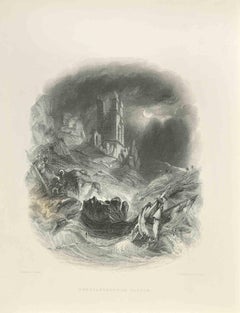
Dunstanborough Castle - Engraving by Edward Frencis Finden - 1845
Located in Roma, IT
Dunstanborough Castle is an engraving realized in 1845 by W.Finden.
Signed in plate.
The artwork is realized in a well-balanced composition.
Category
Modern 19th Century Landscape Prints
Materials
Engraving
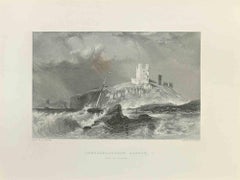
19th century color lithograph birds landscape nature grass sky water figure
By Currier
Ives
Located in Milwaukee, WI
"Shooting on the Prairie" is an original hand-colored lithograph by Currier & Ives. It depicts a hunter shooting at fowl in an open field.
8 1/2" x 12 1/2" art
20 1/4" x 23 3/4" frame
Nathaniel Currier was a tall introspective man with a melancholy nature. He could captivate people with his piercing stare or charm them with his sparkling blue eyes. Nathaniel was born in Roxbury, Massachusetts on March 27th, 1813, the second of four children. His parents, Nathaniel and Hannah Currier, were distant cousins who lived a humble yet spartan life. When Nathaniel was eight years old, tragedy struck. Nathaniel’s father unexpectedly passed away leaving Nathaniel and his eleven-year-old brother Lorenzo to provide for the family. In addition to their mother, Nathaniel and Lorenzo had to care for six-year-old sister Elizabeth and two-year-old brother Charles. Nathaniel worked a series of odd jobs to support the family, and at fifteen, he started what would become a life-long career when he apprenticed in the Boston lithography shop of William and John Pendleton.
A Bavarian gentleman named Alois Senefelder invented lithography just 30 years prior to young Nat Currier’s apprenticeship. While under the employ of the brothers Pendleton, Nat was taught the art of lithography by the firm’s chief printer, a French national named Dubois, who brought the lithography trade to America.
Lithography involves grinding a piece of limestone flat and smooth then drawing in mirror image on the stone with a special grease pencil. After the image is completed, the stone is etched with a solution of aqua fortis leaving the greased areas in slight relief. Water is then used to wet the stone and greased-ink is rolled onto the raised areas. Since grease and water do not mix, the greased-ink is repelled by the moisture on the stone and clings to the original grease pencil lines. The stone is then placed in a press and used as a printing block to impart black on white images to paper.
In 1833, now twenty-years old and an accomplished lithographer, Nat Currier left Boston and moved to Philadelphia to do contract work for M.E.D. Brown, a noted engraver and printer. With the promise of good money, Currier hired on to help Brown prepare lithographic stones of scientific images for the American Journal of Sciences and Arts. When Nat completed the contract work in 1834, he traveled to New York City to work once again for his mentor John Pendleton, who was now operating his own shop located at 137 Broadway. Soon after the reunion, Pendleton expressed an interest in returning to Boston and offered to sell his print shop to Currier. Young Nat did not have the financial resources to buy the shop, but being the resourceful type he found another local printer by the name of Stodart. Together they bought Pendleton’s business.
The firm ‘Currier & Stodart’ specialized in "job" printing. They produced many different types of printed items, most notably music manuscripts for local publishers. By 1835, Stodart was frustrated that the business was not making enough money and he ended the partnership, taking his investment with him. With little more than some lithographic stones, and a talent for his trade, twenty-two year old Nat Currier set up shop in a temporary office at 1 Wall Street in New York City. He named his new enterprise ‘N. Currier, Lithographer’
Nathaniel continued as a job printer and duplicated everything from music sheets to architectural plans. He experimented with portraits, disaster scenes and memorial prints, and any thing that he could sell to the public from tables in front of his shop. During 1835 he produced a disaster print Ruins of the Planter's Hotel, New Orleans, which fell at two O’clock on the Morning of the 15th of May 1835, burying 50 persons, 40 of whom Escaped with their Lives. The public had a thirst for newsworthy events, and newspapers of the day did not include pictures. By producing this print, Nat gave the public a new way to “see” the news. The print sold reasonably well, an important fact that was not lost on Currier.
Nat met and married Eliza Farnsworth in 1840. He also produced a print that same year titled Awful Conflagration of the Steamboat Lexington in Long Island Sound on Monday Evening, January 18, 1840, by which melancholy occurrence over One Hundred Persons Perished. This print sold out very quickly, and Currier was approached by an enterprising publication who contracted him to print a single sheet addition of their paper, the New York Sun. This single page paper is presumed to be the first illustrated newspaper ever published.
The success of the Lexington print launched his career nationally and put him in a position to finally lift his family up. In 1841, Nat and Eliza had their first child, a son they named Edward West Currier. That same year Nat hired his twenty-one year old brother Charles and taught him the lithography trade, he also hired his artistically inclined brother Lorenzo to travel out west and make sketches of the new frontier as material for future prints. Charles worked for the firm on and off over the years, and invented a new type of lithographic crayon which he patented and named the Crayola. Lorenzo continued selling sketches to Nat for the next few years.
In 1843, Nat and Eliza had a daughter, Eliza West Currier, but tragedy struck in early 1847 when their young daughter died from a prolonged illness. Nat and Eliza were grief stricken, and Eliza, driven by despair, gave up on life and passed away just four months after her daughter’s death.
The subject of Nat Currier’s artwork changed following the death of his wife and daughter, and he produced many memorial prints and sentimental prints during the late 1840s. The memorial prints generally depicted grief stricken families posed by gravestones (the stones were left blank so the purchasers could fill in the names of the dearly departed). The sentimental prints usually depicted idealized portraits of women and children, titled with popular Christian names of the day.
Late in 1847, Nat Currier married Lura Ormsbee, a friend of the family. Lura was a self-sufficient woman, and she immediately set out to help Nat raise six-year-old Edward and get their house in order. In 1849, Lura delivered a son, Walter Black Currier, but fate dealt them a blow when young Walter died one year later. While Nat and Lura were grieving the loss of their new son, word came from San Francisco that Nat’s brother Lorenzo had also passed away from a brief illness. Nat sank deeper into his natural quiet melancholy. Friends stopped by to console the couple, and Lura began to set an extra place at their table for these unexpected guests. She continued this tradition throughout their lives.
In 1852, Charles introduced a friend, James Merritt Ives, to Nat and suggested he hire him as a bookkeeper. Jim Ives was a native New Yorker born in 1824 and raised on the grounds of Bellevue Hospital where his father was employed as superintendent. Jim was a self-trained artist and professional bookkeeper. He was also a plump and jovial man, presenting the exact opposite image of his new boss.
Jim Ives met Charles Currier through Caroline Clark, the object of Jim’s affection. Caroline’s sister Elizabeth was married to Charles, and Caroline was a close friend of the Currier family. Jim eventually proposed marriage to Caroline and solicited an introduction to Nat Currier, through Charles, in hopes of securing a more stable income to support his future wife.
Ives quickly set out to improve and modernize his new employer’s bookkeeping methods. He reorganized the firm’s sizable inventory, and used his artistic skills to streamline the firm’s production methods. By 1857, Nathaniel had become so dependent on Jims’ skills and initiative that he offered him a full partnership in the firm and appointed him general manager. The two men chose the name ‘Currier & Ives’ for the new partnership, and became close friends.
Currier & Ives produced their prints in a building at 33 Spruce Street where they occupied the third, fourth and fifth floors. The third floor was devoted to the hand operated printing presses that were built by Nat's cousin, Cyrus Currier, at his shop Cyrus Currier & Sons in Newark, NJ. The fourth floor found the artists, lithographers and the stone grinders at work. The fifth floor housed the coloring department, and was one of the earliest production lines in the country. The colorists were generally immigrant girls, mostly German, who came to America with some formal artistic training. Each colorist was responsible for adding a single color to a print. As a colorist finished applying their color, the print was passed down the line to the next colorist to add their color. The colorists worked from a master print displayed above their table, which showed where the proper colors were to be placed. At the end of the table was a touch up artist who checked the prints for quality, touching-in areas that may have been missed as it passed down the line. During the Civil War, demand for prints became so great that coloring stencils were developed to speed up production.
Although most Currier & Ives prints were colored in house, some were sent out to contract artists. The rate Currier & Ives paid these artists for coloring work was one dollar per one hundred small folios (a penny a print) and one dollar per one dozen large folios. Currier & Ives also offered uncolored prints to dealers, with instructions (included on the price list) on how to 'prepare the prints for coloring.' In addition, schools could order uncolored prints from the firm’s catalogue to use in their painting classes.
Nathaniel Currier and James Merritt Ives attracted a wide circle of friends during their years in business. Some of their more famous acquaintances included Horace Greeley, Phineas T. Barnum, and the outspoken abolitionists Rev. Henry Ward, and John Greenleaf Whittier (the latter being a cousin of Mr. Currier).
Nat Currier and Jim Ives described their business as "Publishers of Cheap and Popular Pictures" and produced many categories of prints. These included Disaster Scenes, Sentimental Images, Sports, Humor, Hunting Scenes, Politics, Religion, City and Rural Scenes, Trains, Ships, Fire Fighters, Famous Race Horses, Historical Portraits, and just about any other topic that satisfied the general public's taste. In all, the firm produced in excess of 7500 different titles, totaling over one million prints produced from 1835 to 1907.
Nat Currier retired in 1880, and signed over his share of the firm to his son Edward. Nat died eight years later at his summer home 'Lion’s Gate' in Amesbury, Massachusetts. Jim Ives remained active in the firm until his death in 1895, when his share of the firm passed to his eldest son, Chauncey.
In 1902, faced will failing health from the ravages of Tuberculosis, Edward Currier sold his share of the firm to Chauncey Ives...
Category
Other Art Style 19th Century Landscape Prints
Materials
Lithograph
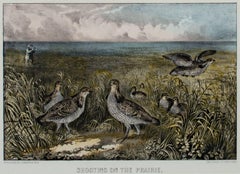
Blowing Wind - Etching by Jeannette Deseglise - 1940
By Jeannette Deseglise
Located in Roma, IT
Blowing Wind is an etching on paper realized by Jeannette Deseglise in the 1950s.
Hand-signed and numbered, edition of 60 prints.
Very Good conditions.
The artwork is realized poe...
Category
Contemporary 19th Century Landscape Prints
Materials
Etching
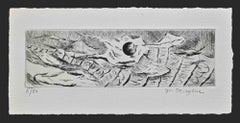
FONDAMENTA DELLE ZATTERE (VIEW IN VENICE).
Located in Portland, ME
Bacher, Otto. FONDAMENTA DELLE ZATTERE (VIEW IN VENICE). Etching, 1880. #17 of the "Venice Set." Signed, titled, and dated in the plate. Framed. In excellent condition. Etching on pa...
Category
19th Century Landscape Prints
Materials
Etching
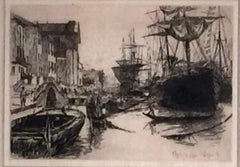
Flamborough Head - Lithograph By George Balmer - 19th Century
Located in Roma, IT
Flamborough Head is a lithograph on paper realized by the artist George Balmer .
Signed on the plate on the lower left. Titled on the lower center. Engraved by E. Finden
The state...
Category
Modern 19th Century Landscape Prints
Materials
Lithograph
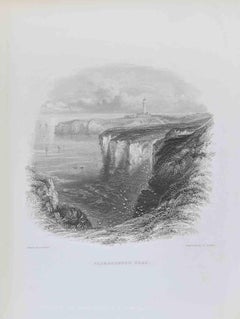
Alloney - Lithograph By W.H. Bartlett - 19th Century
Located in Roma, IT
Alloney is a lithograph on paper realized by the artist W.H. Bartlett .
Signed on the plate on the lower left. Titled on the lower center.
The state of preservation is good, only a yellowed paper along the edge.
William Henry Bartlett...
Category
Modern 19th Century Landscape Prints
Materials
Lithograph
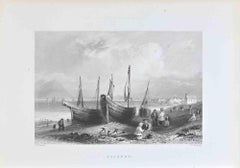
Dundee, from the Opposite Side of the Tay By W.H. Bartlett - 19th Century
Located in Roma, IT
Dundee, from the opposite side of the Tay is a lithograph on paper realized by the artist W.H. Bartlett.
Signed on the plate on the lower left. Titled on the lower center.
The stat...
Category
Modern 19th Century Landscape Prints
Materials
Lithograph
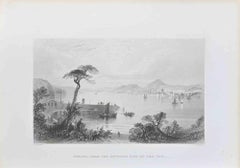
The Solway (from Harrington Harbour) By W.H. Bartlett - 19th Century
Located in Roma, IT
The Solway (from Harrington Harbour) is a lithograph on paper realized by the artist W.H. Bartlett .
Signed on the plate on the lower left. Titled on the lower center.
The state of preservation is good, only a yellowed paper along the edge and some foxing.
William Henry Bartlett...
Category
Modern 19th Century Landscape Prints
Materials
Lithograph
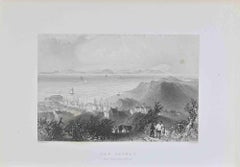
Greenock - Lithograph By W.H. Bartlett - 19th Century
Located in Roma, IT
Greenock is a lithograph artwork on paper realized by the artist W.H. Bartlett.
Signed on the plate on the lower left. Titled on the lower center.
The state of preservation is good...
Category
Modern 19th Century Landscape Prints
Materials
Lithograph
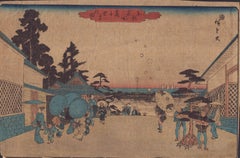
Hiroshige (1797-1858) - View of Kasumigaseki (Kasumigaseki no zu) 東都名所
Located in BRUCE, ACT
Artist: 広重 Hiroshige (1797-1858)
Series: Famous Places in the Eastern Capital (Tôto meisho) (東都名所)
Title: View of Kasumigaseki (Kasumigaseki no zu) 霞がせきの図
Size: O-ban 大判 24.2 x 36...
Category
19th Century Landscape Prints
Materials
Woodcut
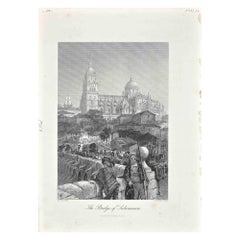
The Bridge of Salamanca - Original Lithograph by J. Godfrey - 19th Century
Located in Roma, IT
The Bridge of Salamanca is a lithograph on paper realized by John Godfrey in The 19th Century.
Signed on the plate on the lower right corner.
Titled on the lower center.
Good condition with minor foxing.
An impressive landscape...
Category
Modern 19th Century Landscape Prints
Materials
Lithograph
Landscape - Original Lithograph by Godefroy Jadin - Late 19th Century
Located in Roma, IT
Abstract Composition is an original Lithograph on paper realized After Godefroy Jadin in the Late 19th Century.
Good conditions.
Signed on the plate.
The artwork is depicted throu...
Category
Modern 19th Century Landscape Prints
Materials
Lithograph