American Impressionist Prints and Multiples
to
115
107
62
74
42
29
Overall Width
to
Overall Height
to
21,205
18,685
10,664
6,329
5,206
2,718
1,557
1,453
1,384
892
875
428
343
199
18
16
13
11
11
1
15
288
28
5
29
34
25
7
12
6
47
44
12
1
174
136
4
163
93
46
43
42
40
36
33
24
22
22
18
15
15
12
12
11
11
9
9
115
100
83
39
34
88
53
329
Style: American Impressionist
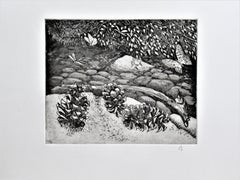
Pine Cones
Located in San Francisco, CA
This artwork titled "Pine Cones" c.1990 is an original etching by noted California artist Arnold A. Grossman, 1923-2016. It is signed with initials in pencil by the artist. The artwo...
Category
Late 20th Century American Impressionist Prints and Multiples
Materials
Etching
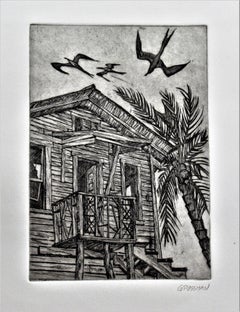
The Old House
Located in San Francisco, CA
This artwork titled "The Old House" c.1980 is an original etching by noted California artist Arnold A. Grossman, 1923-2016. It is hand signed in pencil by th...
Category
Late 20th Century American Impressionist Prints and Multiples
Materials
Etching
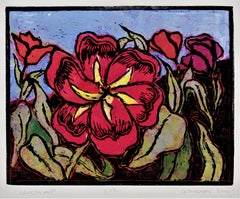
Keukenhof
Located in San Francisco, CA
This artwork titled "Keukenhof" 2000 is an original color wood block print by noted California artist Arnold A. Grossman, 1923-2016. It is signed, dated, titled and numbered 1/25 in...
Category
Late 20th Century American Impressionist Prints and Multiples
Materials
Woodcut
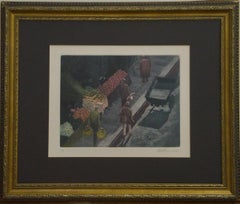
Title Unknown, Harold Altman Limited Edition Sketching. Framed with Signature.
Located in Chesterfield, MI
Limited edition etching on Arches paper by artist Harold Altman. Although title on the piece is unknown, there is a hand signature from Altman. The framed piece is in stunning condit...
Category
20th Century American Impressionist Prints and Multiples
Materials
Etching, Lithograph
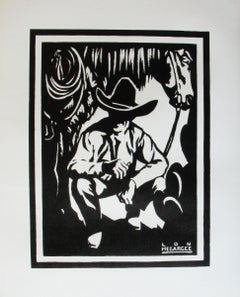
Longhorns by Lon Megargee
Located in Phoenix, AZ
Lon Megargee 1883-1960
"Self Portrait"
Wood block print
Signed in plate, lower right
Image size: 15.63 x 12 inches
Frame size xx x xx inches
Creator of S...
Category
1930s American Impressionist Prints and Multiples
Materials
Screen
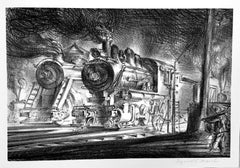
Switch Engines, Erie Yards, Jersey City, Stone No. 3
Located in New York, NY
Reginald Marsh (1898-1954), Switch Engines, Erie Yards, Jersey City, Stone No. 3, lithograph, 1948, signed in pencil lower right. Reference: Sasowsky 30, o...
Category
1940s American Impressionist Prints and Multiples
Materials
Lithograph
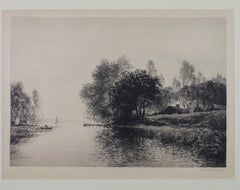
19th century black and white etching landscape scene boat riverbank trees signed
By Thomas R. Manley
Located in Milwaukee, WI
"Farm at Inlet" is an etching by Thomas R. Manley signed lower right. It depicts a waterfront scene in black and gray.
26 1/2" x 33 1/2" art
26 3/8" x 33 3/8" framed
Thomas Manley...
Category
1880s American Impressionist Prints and Multiples
Materials
Etching
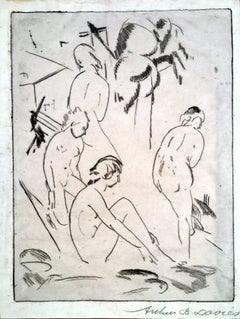
Round of Summer (aka Four Figures), First State Proof
Located in New York, NY
Arthur B. Davies (1862-1928), Round of Summer (aka Four Figures), soft ground etching, 1919, signed in pencil lower right. Reference: Czestochowski 91, first state (of 3), trial proo...
Category
1910s American Impressionist Prints and Multiples
Materials
Etching
Torment
Located in New York, NY
Arthur B. Davies (1862-1928), Torment, soft ground etching with aquatint and roulette, 1919-20, signed with the estate stamp lower right, and signed by the printer Frank A. Nankivell...
Category
1910s American Impressionist Prints and Multiples
Materials
Etching, Aquatint
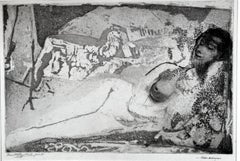
Resurrection (aka Flying Figures; Border of the Lake)
Located in New York, NY
Arthur B. Davies (1862-1928), Resurrection (aka Flying Figures; Border of the Lake), drypoint and aquatint on zinc, 1916, signed with the estate stamp lower right. Reference: Price 2...
Category
1910s American Impressionist Prints and Multiples
Materials
Drypoint, Aquatint
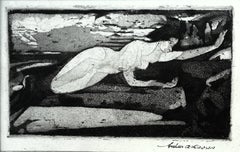
Armistice Day, 1918
Located in New York, NY
William Meyerowitz (1898-1981), Armistice Day, 1918, etching with watercolor.
Edition not stated. Signed in pencil. Signed and dated in the plate, lower left.
Image size 9 3/4 ...
Category
1910s American Impressionist Prints and Multiples
Materials
Watercolor, Etching
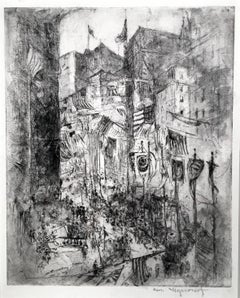
Girl Running (or Woman Running)
Located in New York, NY
Arthur B. Davies (1862-1928), Girl Running (or Woman Running), drypoint, 1917, signed in pencil (twice) lower left and dated lower right. Reference: Czes...
Category
1910s American Impressionist Prints and Multiples
Materials
Drypoint
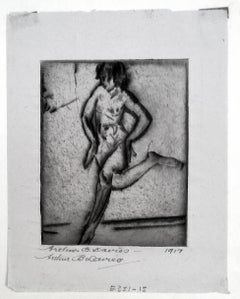
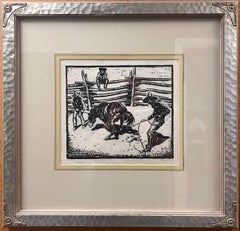
The Bronc by Lon Megargee
Located in Phoenix, AZ
Lon Megargee 1883-1960
"The Bronc"
Wood block print
Signed in plate, lower right
Image size: 9 x 10 inches
Frame size 21 x 21.5 inches
Creator of Stetson's hat logo "Last Drop from his Hat"
Lon Megargee
1883 - 1960
At age 13, Lon Megargee came to Phoenix in 1896 following the death of his father in Philadelphia. For several years he resided with relatives while working at an uncle’s dairy farm and at odd jobs. He returned to Philadelphia in 1898 – 1899 in order to attend drawing classes at the Pennsylvania Academy of the Fine Arts. Back in Phoenix in 1899, he decided at the age of 16 to try to make his living as a cowboy.
Lon moved to the cow country of Wickenburg, Arizona where he was hired by Tex Singleton’s Bull Ranch. He later joined the Three Bar R. . . and after a few years, was offered a job by Billy Cook of the T.T. Ranch near New River. By 1906, Megargee had learned his trade well enough to be made foreman of Cook’s outfit.
Never shy about taking risks, Lon soon left Cook to try his own hand at ranching. He partnered with a cowpuncher buddy, Tom Cavness, to start the El Rancho Cinco Uno at New River. Unfortunately, the young partners could not foresee a three-year drought that would parch Arizona, costing them their stock and then their hard-earned ranch.
Breaking with his romantic vision of cowboy life, Megargee finally turned to art full time. He again enrolled at the Pennsylvania Academy of Art and then the Los Angeles School of Art and Design during 1909 – 1910. The now well-trained student took his first trip to paint “en plein air” (outdoors) to the land of Hopi and Navajo peoples in northern Arizona. After entering paintings from this trip in the annual Territorial Fair at Phoenix, in 1911, he surprisingly sold his first oil painting to a major enterprise – the Santa Fe Railroad . . . Lon received $50 for “Navajos Watching the Santa Fe Train.” He soon sold the SFRR ten paintings over the next two years. For forty years the railroad was his most important client, purchasing its last painting from him in 1953.
In a major stroke of good fortune during his early plein-air period, Megargee had the opportunity to paint with premier artist, William R. Leigh (1866 – 1955). Leigh furnished needed tutoring and counseling, and his bright, impressionistic palette served to enhance the junior artist’s sense of color and paint application. In a remarkable display of unabashed confidence and personable salesmanship, Lon Megargee, at age 30, forever linked his name with Arizona art history. Despite the possibility of competition from better known and more senior artists, he persuaded Governor George Hunt and the Legislature in 1913 to approve 15 large, historic and iconic murals for the State Capitol Building in Phoenix. After completing the murals in 1914, he was paid the then princely sum of roughly $4000. His Arizona statehood commission would launch Lon to considerable prominence at a very early point in his art career.
Following a few years of art schooling in Los Angeles, and several stints as an art director with movie studios, including Paramount, Megargee turned in part to cover illustrations for popular Western story magazines in the 1920s.
In the 1920s, as well, Lon began making black and white prints of Western types and of genre scenes from woodblocks. These prints he generally signed and sold singly. In 1933, he published a limited edition, signed and hard-cover book (about 250 copies and today rare)containing a group of 28 woodblock images. Titled “The Cowboy Builds a Loop,” the prints are noteworthy for strong design, excellent draftsmanship, humanistic and narrative content, and quality. Subjects include Southwest Indians and cowboys, Hispanic men and women, cattle, horses, burros, pioneers, trappers, sheepherders, horse traders, squaw men and ranch polo players. Megargee had a very advanced design sense for simplicity and boldness which he demonstrated in how he used line and form. His strengths included outstanding gestural (action) art and strong figurative work. He was superb in design, originality and drawing, as a study of his prints in the Hays collection reveals.
In 1944, he published a second group of Western prints under the same title as the first. Reduced to 16 images from the original 28 subjects, and slightly smaller, Lon produced these prints in brown ink on a heavy, cream-colored stock. He designed a sturdy cardboard folio to hold each set. For the remainder of his life, Lon had success selling these portfolios to museum stores, art fairs and shows, and to the few galleries then selling Western art.
Drawing on real working and life experiences, Lon Megargee had a comprehensive knowledge, understanding and sensitivity for Southwestern subject matter. Noted American modernist, Lew Davis...
Category
Early 20th Century American Impressionist Prints and Multiples
Materials
Woodcut
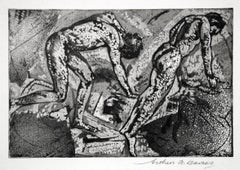
Up-Rising
Located in New York, NY
Arthur B. Davies, Up-Rising, soft ground etching and aquatint on a cream laid paper, 1919, signed in pencil lower right margin. Reference: Czestochowski 78, second state (of 3). In g...
Category
1910s American Impressionist Prints and Multiples
Materials
Etching, Aquatint
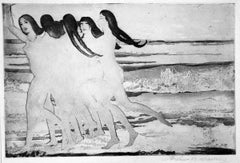
Sea Maidens (or, Sunshine; Girls on the Beach)
Located in New York, NY
Arthur B. Davies (1862-1928), Sea Maidens (or, Sunshine; Girls on the Beach), soft ground etching and aquatint, 1919, signed in pencil lower right. Reference: Czestochoski 79, second...
Category
1910s American Impressionist Prints and Multiples
Materials
Etching, Aquatint
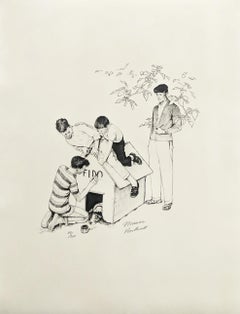
FIDO
S HOUSE
Located in Aventura, FL
From the 'American Family' portfolio. Hand signed and numbered by the artist. Lithograph on arches paper. Printed by Atelier Mourlot, Paris. Published by Raymond & Raymond, Inc. in ...
Category
1970s American Impressionist Prints and Multiples
Materials
Paper, Lithograph
$1,960 Sale Price
30% Off
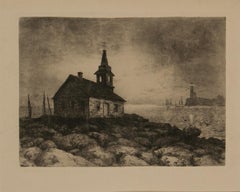
Etching with Lighthouse by M.M.Taylor
By Margaret M. Taylor Fox
Located in Paonia, CO
Philadelphia born American painter, illustrator, and etcher Margaret M. Taylor Fox ( 1857 - c.1941 )
attended the Philadelphia Academy of Fine Arts which house a collection of her ...
Category
19th Century American Impressionist Prints and Multiples
Materials
Etching
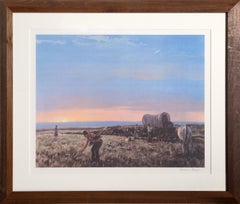
A Time To Remember, American Impressionist Lithograph by Duane Bryers
By Duane Bryers
Located in Long Island City, NY
Duane Bryers, American (1911 - 2012) - A Time To Remember, Year: 1979, Medium: Lithograph, signed and numbered in pencil, Edition: Edition of 300, AP, Image Size: 18 x 22.5 inches, S...
Category
1970s American Impressionist Prints and Multiples
Materials
Lithograph
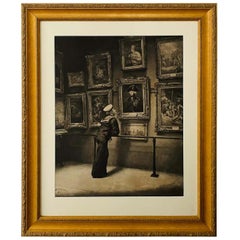
Albert W Holden "One Hundred Years Ago 1805-1905" Original Print Signed
Framed
Located in Plainview, NY
One hundred years ago 1805-1905 original print signed and dated 1905 by Albert w holden (British, 1848-1932) features a royal naval seaman admiring portraits and art wall in the form...
Category
Early 20th Century American Impressionist Prints and Multiples
Materials
Paper
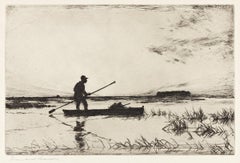
The Punter
By Frank Benson
Located in New York, NY
A superb, richly-inked impression of this etching. Edition of 150. Signed in pencil, lower left.
Category
1920s American Impressionist Prints and Multiples
Materials
Etching
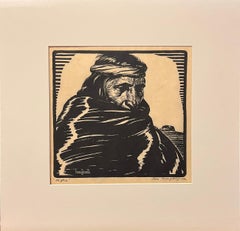
Hopi by Lon Megargee, Original Signed Block Print ca. 1920s
Located in Phoenix, AZ
Title: Hopi ca. 1920s
Artist: Lon Megargee
Medium: Block Print
Size: 11 x 11 inches (Sight Measurement)
SHIPPING CHARGES INCLUDE SHIPPING, PACKAGING & INSURANCE
Creator of Stetson's hat logo "Last Drop from his Hat"
Image of Lon Megargee not included in purchase.
Lon Megargee
1883 - 1960
At age 13, Lon Megargee came to Phoenix in 1896 following the death of his father in Philadelphia. For several years he resided with relatives while working at an uncle’s dairy farm and at odd jobs. He returned to Philadelphia in 1898 – 1899 in order to attend drawing classes at the Pennsylvania Academy of the Fine Arts. Back in Phoenix in 1899, he decided at the age of 16 to try to make his living as a cowboy.
Lon moved to the cow country of Wickenburg, Arizona where he was hired by Tex Singleton’s Bull Ranch. He later joined the Three Bar R. . . and after a few years, was offered a job by Billy Cook of the T.T. Ranch near New River. By 1906, Megargee had learned his trade well enough to be made foreman of Cook’s outfit.
Never shy about taking risks, Lon soon left Cook to try his own hand at ranching. He partnered with a cowpuncher buddy, Tom Cavness, to start the El Rancho Cinco Uno at New River. Unfortunately, the young partners could not foresee a three-year drought that would parch Arizona, costing them their stock and then their hard-earned ranch.
Breaking with his romantic vision of cowboy life, Megargee finally turned to art full time. He again enrolled at the Pennsylvania Academy of Art and then the Los Angeles School of Art and Design during 1909 – 1910. The now well-trained student took his first trip to paint “en plein air” (outdoors) to the land of Hopi and Navajo peoples in northern Arizona. After entering paintings from this trip in the annual Territorial Fair at Phoenix, in 1911, he surprisingly sold his first oil painting to a major enterprise – the Santa Fe Railroad . . . Lon received $50 for “Navajos Watching the Santa Fe Train.” He soon sold the SFRR ten paintings over the next two years. For forty years the railroad was his most important client, purchasing its last painting from him in 1953.
In a major stroke of good fortune during his early plein-air period, Megargee had the opportunity to paint with premier artist, William R. Leigh (1866 – 1955). Leigh furnished needed tutoring and counseling, and his bright, impressionistic palette served to enhance the junior artist’s sense of color and paint application. In a remarkable display of unabashed confidence and personable salesmanship, Lon Megargee, at age 30, forever linked his name with Arizona art history. Despite the possibility of competition from better known and more senior artists, he persuaded Governor George Hunt and the Legislature in 1913 to approve 15 large, historic and iconic murals for the State Capitol Building in Phoenix. After completing the murals in 1914, he was paid the then princely sum of roughly $4000. His Arizona statehood commission would launch Lon to considerable prominence at a very early point in his art career.
Following a few years of art schooling in Los Angeles, and several stints as an art director with movie studios, including Paramount, Megargee turned in part to cover illustrations for popular Western story magazines in the 1920s.
In the 1920s, as well, Lon began making black and white prints of Western types and of genre scenes from woodblocks. These prints he generally signed and sold singly. In 1933, he published a limited edition, signed and hard-cover book (about 250 copies and today rare)containing a group of 28 woodblock images. Titled “The Cowboy Builds a Loop,” the prints are noteworthy for strong design, excellent draftsmanship, humanistic and narrative content, and quality. Subjects include Southwest Indians and cowboys, Hispanic men and women, cattle, horses, burros, pioneers, trappers, sheepherders, horse traders, squaw men and ranch polo players. Megargee had a very advanced design sense for simplicity and boldness which he demonstrated in how he used line and form. His strengths included outstanding gestural (action) art and strong figurative work. He was superb in design, originality and drawing, as a study of his prints in the Hays collection reveals.
In 1944, he published a second group of Western prints under the same title as the first. Reduced to 16 images from the original 28 subjects, and slightly smaller, Lon produced these prints in brown ink on a heavy, cream-colored stock. He designed a sturdy cardboard folio to hold each set. For the remainder of his life, Lon had success selling these portfolios to museum stores, art fairs and shows, and to the few galleries then selling Western art.
Drawing on real working and life experiences, Lon Megargee had a comprehensive knowledge, understanding and sensitivity for Southwestern subject matter. Noted American modernist, Lew Davis...
Category
1920s American Impressionist Prints and Multiples
Materials
Woodcut
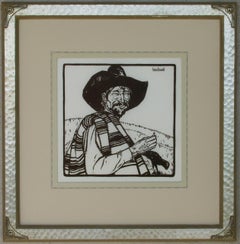
The Sheepherder by Lon Megargee
Located in Phoenix, AZ
Lon Megargee 1883-1960
"The Sheepherder"
Wood block print
Signed in plate, lower right
Image size: 10 x 10 inches
Frame size 22 x 22 inches
Creator of Stetson's hat logo "Last Drop from his Hat"
Lon Megargee
1883 - 1960
At age 13, Lon Megargee came to Phoenix in 1896 following the death of his father in Philadelphia. For several years he resided with relatives while working at an uncle’s dairy farm and at odd jobs. He returned to Philadelphia in 1898 – 1899 in order to attend drawing classes at the Pennsylvania Academy of the Fine Arts. Back in Phoenix in 1899, he decided at the age of 16 to try to make his living as a cowboy.
Lon moved to the cow country of Wickenburg, Arizona where he was hired by Tex Singleton’s Bull Ranch. He later joined the Three Bar R. . . and after a few years, was offered a job by Billy Cook of the T.T. Ranch near New River. By 1906, Megargee had learned his trade well enough to be made foreman of Cook’s outfit.
Never shy about taking risks, Lon soon left Cook to try his own hand at ranching. He partnered with a cowpuncher buddy, Tom Cavness, to start the El Rancho Cinco Uno at New River. Unfortunately, the young partners could not foresee a three-year drought that would parch Arizona, costing them their stock and then their hard-earned ranch.
Breaking with his romantic vision of cowboy life, Megargee finally turned to art full time. He again enrolled at the Pennsylvania Academy of Art and then the Los Angeles School of Art and Design during 1909 – 1910. The now well-trained student took his first trip to paint “en plein air” (outdoors) to the land of Hopi and Navajo peoples in northern Arizona. After entering paintings from this trip in the annual Territorial Fair at Phoenix, in 1911, he surprisingly sold his first oil painting to a major enterprise – the Santa Fe Railroad . . . Lon received $50 for “Navajos Watching the Santa Fe Train.” He soon sold the SFRR ten paintings over the next two years. For forty years the railroad was his most important client, purchasing its last painting from him in 1953.
In a major stroke of good fortune during his early plein-air period, Megargee had the opportunity to paint with premier artist, William R. Leigh (1866 – 1955). Leigh furnished needed tutoring and counseling, and his bright, impressionistic palette served to enhance the junior artist’s sense of color and paint application. In a remarkable display of unabashed confidence and personable salesmanship, Lon Megargee, at age 30, forever linked his name with Arizona art history. Despite the possibility of competition from better known and more senior artists, he persuaded Governor George Hunt and the Legislature in 1913 to approve 15 large, historic and iconic murals for the State Capitol Building in Phoenix. After completing the murals in 1914, he was paid the then princely sum of roughly $4000. His Arizona statehood commission would launch Lon to considerable prominence at a very early point in his art career.
Following a few years of art schooling in Los Angeles, and several stints as an art director with movie studios, including Paramount, Megargee turned in part to cover illustrations for popular Western story magazines in the 1920s.
In the 1920s, as well, Lon began making black and white prints of Western types and of genre scenes from woodblocks. These prints he generally signed and sold singly. In 1933, he published a limited edition, signed and hard-cover book (about 250 copies and today rare)containing a group of 28 woodblock images. Titled “The Cowboy Builds a Loop,” the prints are noteworthy for strong design, excellent draftsmanship, humanistic and narrative content, and quality. Subjects include Southwest Indians and cowboys, Hispanic men and women, cattle, horses, burros, pioneers, trappers, sheepherders, horse traders, squaw men and ranch polo players. Megargee had a very advanced design sense for simplicity and boldness which he demonstrated in how he used line and form. His strengths included outstanding gestural (action) art and strong figurative work. He was superb in design, originality and drawing, as a study of his prints in the Hays collection reveals.
In 1944, he published a second group of Western prints under the same title as the first. Reduced to 16 images from the original 28 subjects, and slightly smaller, Lon produced these prints in brown ink on a heavy, cream-colored stock. He designed a sturdy cardboard folio to hold each set. For the remainder of his life, Lon had success selling these portfolios to museum stores, art fairs and shows, and to the few galleries then selling Western art.
Drawing on real working and life experiences, Lon Megargee had a comprehensive knowledge, understanding and sensitivity for Southwestern subject matter. Noted American modernist, Lew Davis...
Category
Early 20th Century American Impressionist Prints and Multiples
Materials
Woodcut
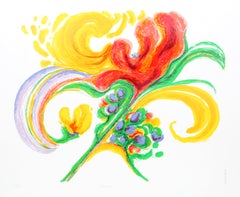
Flower Burst, Psychedelic Lithograph by Ronald Julius Christensen
Located in Long Island City, NY
Flower Burst
Ronald Julius Christensen, American (1923–1999)
Date: circa 1980
Lithograph, signed and numbered in pencil
Edition of 148/295
Size: 27.5 x 33 in. (69.85 x 83.82 cm)
Category
1980s American Impressionist Prints and Multiples
Materials
Lithograph
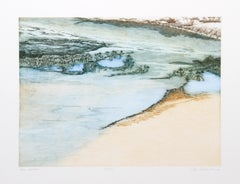
Sea Garden, Signed Impressionist Etching by Olga Poloukhine
Located in Long Island City, NY
Sea Garden
Olga Poloukhine, French/American
Etching with Aquatint, signed and numbered in pencil
Edition of 150
Image Size: 17.5 x 23.5 inches
Size: 22.25 i...
Category
1980s American Impressionist Prints and Multiples
Materials
Etching
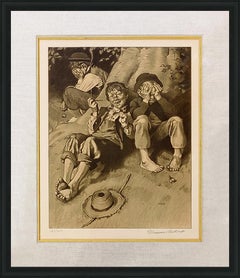
SMOKING (SEPIA)
Located in Aventura, FL
Hand signed and numbered by the artist. From Tom Sawyer Portfolio. Sheet size 25.5 x 19.5 inches. Image size approx 17 x 13 inches. Frame size approx 30 x 26 inches. From the editi...
Category
1970s American Impressionist Prints and Multiples
Materials
Paper, Lithograph
$2,065 Sale Price
30% Off
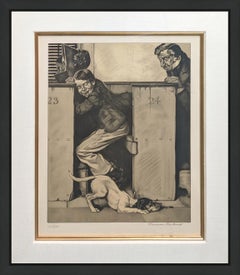
CHURCH (SEPIA)
Located in Aventura, FL
Hand signed and numbered by the artist. From Tom Sawyer Portfolio. Sheet size 25.5 x 19.5 inches. Image size approx 17 x 13 inches. Frame size approx 30 x 26 inches. From the editi...
Category
1970s American Impressionist Prints and Multiples
Materials
Paper, Lithograph

$2,065 Sale Price
30% Off
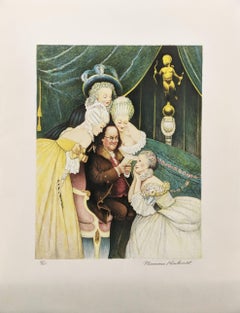
BEN
S BELLES
Located in Aventura, FL
From Poor Richard's Almanac portfolio. Hand signed and numbered by the artist. Lithograph on arches. Sheet size 25.5 x 19.5 inches. Image size approx 16.75 x 13.5 inches. From t...
Category
1970s American Impressionist Prints and Multiples
Materials
Paper, Lithograph
$1,960 Sale Price
30% Off
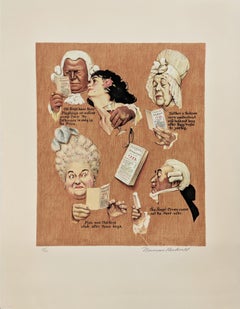
THE ROYAL CROWN
Located in Aventura, FL
From Poor Richard's Almanac portfolio. Hand signed and numbered by the artist. Lithograph on arches. Sheet size 25.5 x 19.5 inches. Image size approx 16.75 x 13.5 inches. From t...
Category
1970s American Impressionist Prints and Multiples
Materials
Paper, Lithograph
$1,960 Sale Price
30% Off
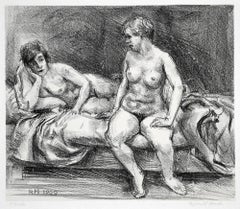
Two Models on a Bed
Located in New York, NY
Reginald Marsh (1898-1954), Two Models on a Bed, lithograph, 1928, signed and inscribed “15 proofs” [also initialed and dated in the plate]. Reference: Saso...
Category
1920s American Impressionist Prints and Multiples
Materials
Lithograph
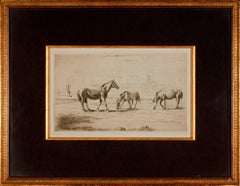
"Old Barney"
Located in Lambertville, NJ
Jim’s of Lambertville Fine Art Gallery is proud to present this piece by Daniel Garber (1880 - 1958).
One of the two most important and, so far, the most valuable of the New Hope Sc...
Category
Mid-20th Century American Impressionist Prints and Multiples
Materials
Etching
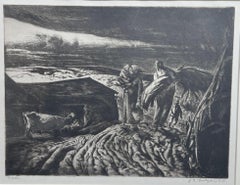
Fodder
Located in Missouri, MO
Fodder by John Costigan (1888-1972)
Signed Lower Right
Titled Lower Left
9.75" x 12.75" Unframed
17.5" x 19.75" Framed
John Edwards Costigan was born in Providence, Rhode Island on ...
Category
20th Century American Impressionist Prints and Multiples
Materials
Etching
Price Upon Request
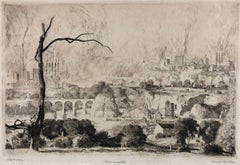
Harmonville
Located in Missouri, MO
DANIEL GARBER
"Harmonville, Pennsylvania" c. 1925
Etching printed in black ink on wove paper.
7 7/8 x 11 3/4 inches, full margins.
Signed, titled and inscribed "DG imp" in pencil, ...
Category
1920s American Impressionist Prints and Multiples
Materials
Etching
Price Upon Request
American Impressionist prints and multiples for sale on 1stDibs.
Find a wide variety of authentic American Impressionist prints and multiples available for sale on 1stDibs. Works in this style were very popular during the 20th Century, but contemporary artists have continued to produce works inspired by this movement. If you’re looking to add prints and multiples created in this style to introduce contrast in an otherwise neutral space in your home, the works available on 1stDibs include elements of blue, purple, orange, pink and other colors. Many Pop art paintings were created by popular artists on 1stDibs, including and Ronald Julius Christensen. Frequently made by artists working with and Lithograph and other materials, all of these pieces for sale are unique and have attracted attention over the years. Not every interior allows for large American Impressionist prints and multiples, so small editions measuring 1 inches across are also available. Prices for prints and multiples made by famous or emerging artists can differ depending on medium, time period and other attributes. On 1stDibs, the price for these items starts at $95 and tops out at $75,000, while the average work sells for $1,100.
Still Thinking About These?
All Recently ViewedMore Ways To Browse
Eileen Mayo
Georg Gerster
Goldie Lipson
John Gallucci
Posters San Sebastian
Princesse Lointaine
Robert Indiana Love Is God
San Sebastian Poster
Shepherd Fairey
Terminator 1984
William Stilson
Adolphe Crespin
Alex Katz Black Dress
Andy Warhol Coke
Andy Warhol Fish
Andy Warhol Flowers Poster
Andy Warhol Movie Poster
Architecture Prints Georgian