Japanese Art Nouveau
Early 20th Century German Art Nouveau Prints
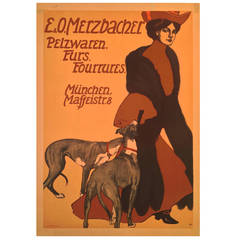
Vintage 1930s Japanese Art Nouveau Ceramics
Ceramic, Stoneware
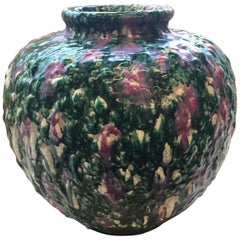
20th Century Japanese Art Nouveau Vases
Porcelain
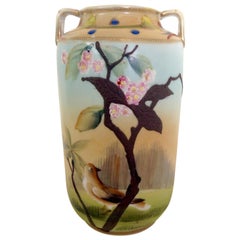
Antique Late 19th Century Japanese Meiji Vases
Bronze
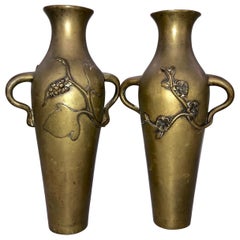
Mid-20th Century Japanese Art Nouveau Porcelain
Gold
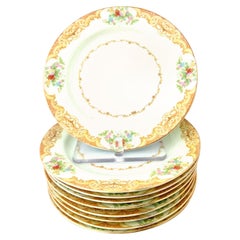
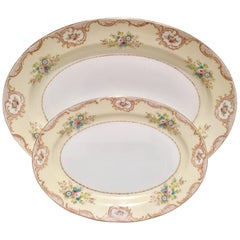
20th Century Japanese Art Nouveau Platters and Serveware
Gold
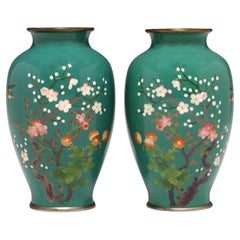
Vintage 1960s Japanese Art Nouveau Vases
Pottery
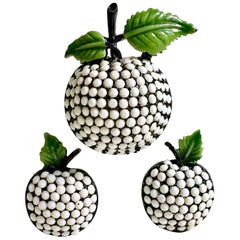
20th Century American Art Nouveau Brooches
Early 20th Century Belgian Art Nouveau Panelling
Faience
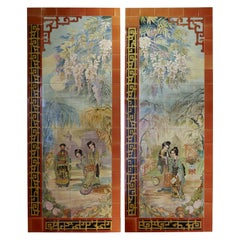
Antique Early 1900s French Art Nouveau Vases
Ceramic
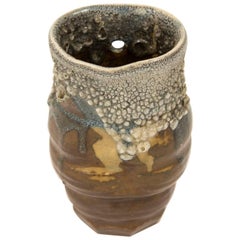
2010s Japanese Art Nouveau Dangle Earrings
Diamond, Pearl, Yellow Gold
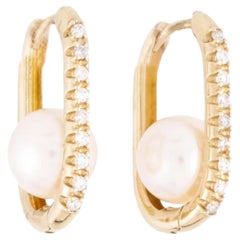
2010s Japanese Art Nouveau Dangle Earrings
Diamond, Pearl, Yellow Gold
2010s Japanese Art Nouveau Dangle Earrings
Diamond, Pearl, Yellow Gold

Early 20th Century French Art Nouveau Delft and Faience
Faience
Antique 1890s French Napoleon III Chandeliers and Pendants
Brass, Bronze
Antique 19th Century European Fireplace Tools and Chimney Pots
Brass
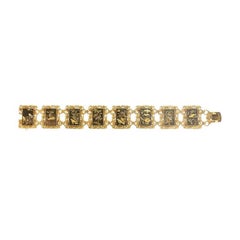
Antique Late 19th Century Unknown Victorian Link Bracelets
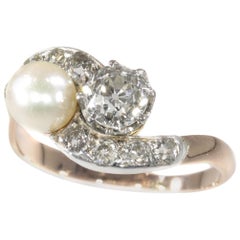
Antique 1890s Belgian Victorian Engagement Rings
Diamond, White Diamond, Pearl, South Sea Pearl, Gold, 18k Gold, Rose Gol...
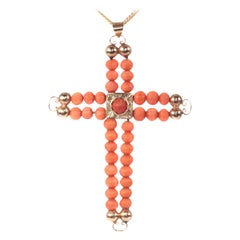
Antique 1870s Belgian Victorian Pendant Necklaces
Coral, Gold, 18k Gold, Rose Gold
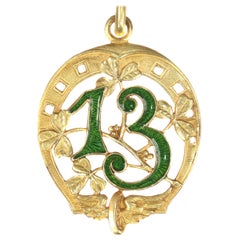
Early 20th Century Belgian Late Victorian Pendant Necklaces
Gold, 18k Gold, Yellow Gold
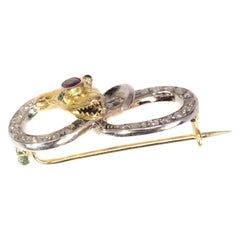
Early 20th Century Unknown Late Victorian Brooches
Diamond, White Diamond, Gold, 18k Gold, Yellow Gold, Silver
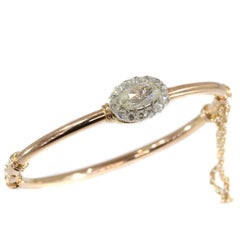
Antique 19th Century Unknown Victorian Bangles
Diamond, White Diamond, 18k Gold, Rose Gold, Gold, White Gold, Platinum
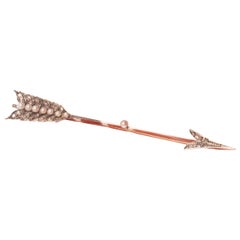
Antique 1870s Belgian High Victorian Brooches
Diamond, White Diamond, Pearl, Gold, 18k Gold, Rose Gold, Silver
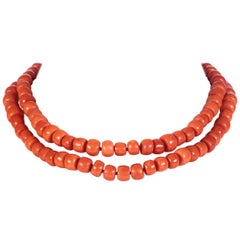
Early 20th Century Unknown Late Victorian Beaded Necklaces
Coral
Antique 1880s Unknown Victorian Fashion Rings
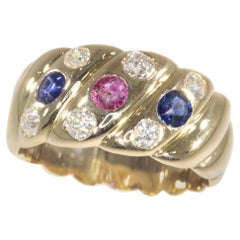
Diamond, White Diamond, Ruby, Sapphire, Blue Sapphire, Gold, 18k Gold, Y...
Vintage 1920s Egyptian Late Victorian Band Rings
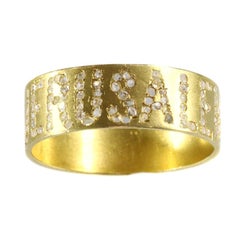
Diamond, White Diamond, Gold, 15k Gold, Yellow Gold
Antique 1890s Unknown Victorian Engagement Rings
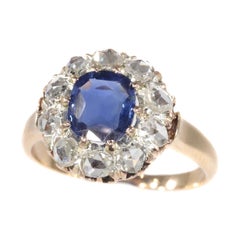
Diamond, White Diamond, Sapphire, Blue Sapphire, Gold, 18k Gold, Rose Gold
Antique 1870s Unknown Victorian Engagement Rings
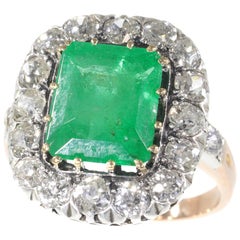
Diamond, White Diamond, Emerald, Gold, 18k Gold, Rose Gold, Silver
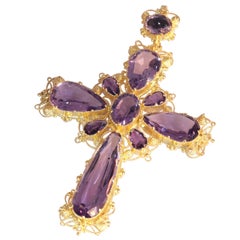
Antique 1850s Unknown Victorian Pendant Necklaces
Amethyst, Gold, 14k Gold, Yellow Gold
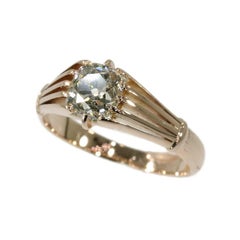
Antique 19th Century French Victorian Solitaire Rings
Diamond, White Diamond, 18k Gold, Rose Gold, Gold
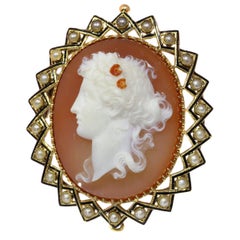
Antique 1870s French Victorian Brooches
Pearl, Natural Pearl, Oriental Pearl, Gold, 18k Gold, Yellow Gold
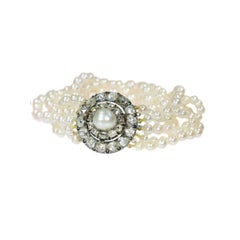
Antique Late 19th Century Unknown Victorian Beaded Bracelets
Diamond, Pearl, White Diamond, Natural Pearl, 18k Gold, Rose Gold, Silve...
Antique 1890s Belgian Victorian Bangles
Diamond, White Diamond, Gold, 18k Gold, Rose Gold, Silver
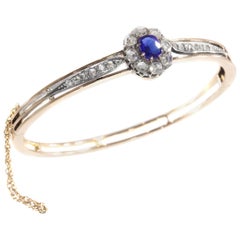
Antique 1870s Unknown Victorian Brooches
Diamond, White Diamond, Gold, 18k Gold, Rose Gold, Silver
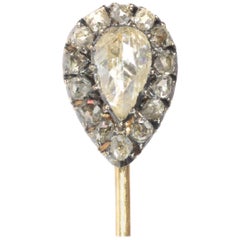
Early 20th Century French Late Victorian Pendant Necklaces
Gold, 18k Gold, Yellow Gold, Platinum
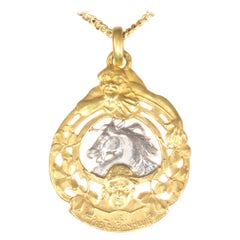
Antique 1870s Unknown Victorian Brooches
Diamond, White Diamond, Sapphire, Blue Sapphire, Gold, 18k Gold, Rose Go...
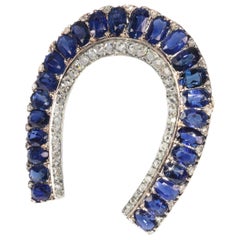
Antique 1880s Unknown Victorian Clamper Bracelets
Jade, Gold, 18k Gold, Yellow Gold
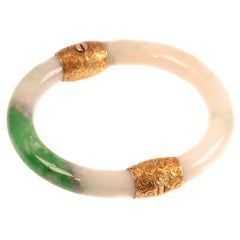
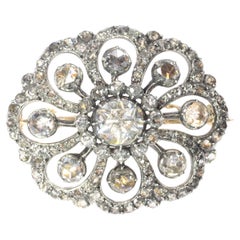
Antique 1860s Dutch Victorian Brooches
Diamond, White Diamond, Gold, 14k Gold, Rose Gold, Silver
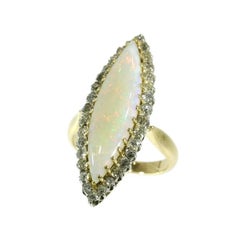
Antique Late 19th Century Unknown Victorian Engagement Rings
Diamond, Opal, 18k Gold, Yellow Gold
Antique Early 1900s Belgian Late Victorian Engagement Rings
Diamond, White Diamond, Gold, 18k Gold, White Gold, Yellow Gold, Platinum
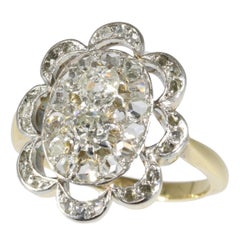
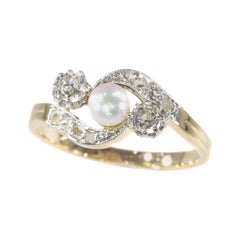
Antique Early 1900s Belgian Late Victorian Engagement Rings
Diamond, White Diamond, Cultured Pearl, Gold, 18k Gold, Yellow Gold, Pla...
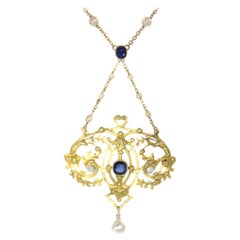
Antique 1890s French Late Victorian Pendant Necklaces
Diamond, White Diamond, Pearl, Natural Pearl, Sapphire, Blue Sapphire, G...
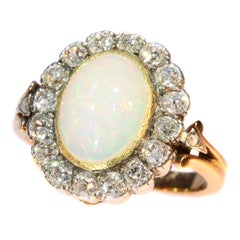
Antique 1880s Belgian Victorian Engagement Rings
Diamond, White Diamond, Opal, Gold, 18k Gold, Rose Gold, Silver
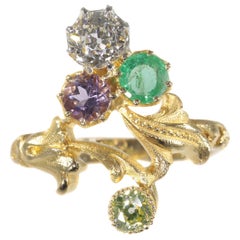
Antique Early 1900s Unknown Late Victorian Engagement Rings
Amethyst, Diamond, White Diamond, Yellow Diamond, Emerald, Gold, 18k Gol...
Early 20th Century Russian Late Victorian Brooches
Diamond, Pearl, White Diamond, Ruby, 14k Gold, Rose Gold, Silver, Gold
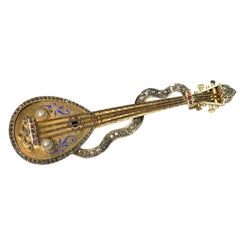
Antique 19th Century French Romantic Brooches
Diamond, Ruby, Star Sapphire, White Diamond, Sapphire, 18k Gold, Yellow ...
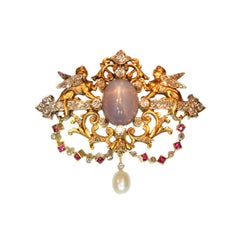
Antique Mid-19th Century Belgian Victorian Link Necklaces
Diamond, White Diamond, 18k Gold, Rose Gold, Gold, Silver
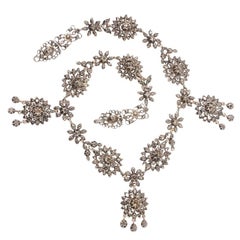
Antique Mid-19th Century Unknown Victorian Cuff Bracelets
14k Gold, Gold, Yellow Gold
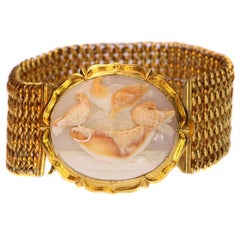
Antique Early 1900s Japanese Art Nouveau Metalwork
Bronze
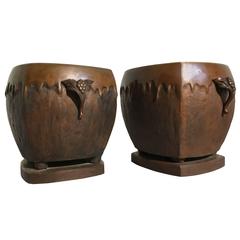
Antique Early 1900s Japanese Art Nouveau Table Lamps
Metal, Bronze
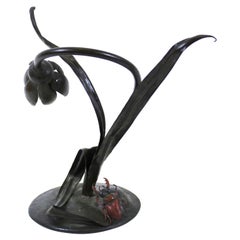
Early 20th Century Japanese Art Nouveau Vases
Bronze
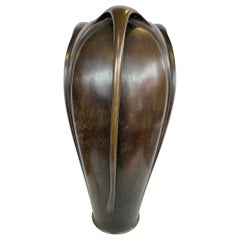
Antique Early 1900s Japanese Art Nouveau Urns
Bronze
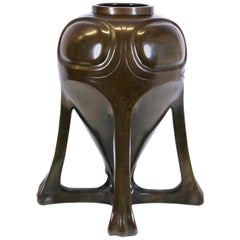
Antique Early 1900s Chinoiserie Commodes and Chests of Drawers
Hardwood
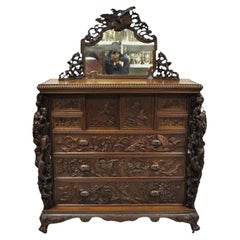
Early 20th Century Japanese Taisho Sculptures and Carvings
Iron
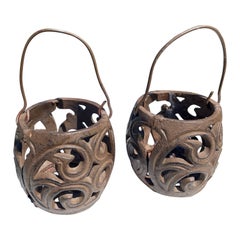
Early 20th Century Japanese Art Nouveau Paintings and Screens
Iron
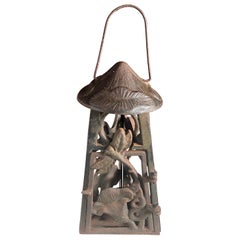
Antique 1890s French Art Nouveau Nesting Tables and Stacking Tables
Wood
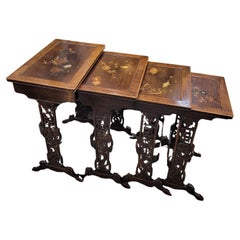
Early 20th Century Japanese Art Nouveau Metalwork
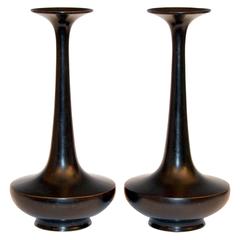
- 1
Japanese Art Nouveau For Sale on 1stDibs
How Much is a Japanese Art Nouveau?
- Where did Art Nouveau originate?1 Answer1stDibs ExpertMay 14, 2024Art Nouveau originated in France and Great Britain, but variants materialized elsewhere. The visual vocabulary of Art Nouveau was particularly influenced by the soft colors and abstract images of nature as portrayed in Japanese art prints, which arrived in large numbers in the West after open trade was forced upon Japan in the 1860s. Impressionist artists were moved by the artistic tradition of Japanese woodblock printmaking and other modes of art and design in the East Asian country. The Art Nouveau style quickly reached a wide audience in Europe via advertising posters, book covers, illustrations and other work by such artists as Aubrey Beardsley, Henri de Toulouse-Lautrec and Alphonse Mucha. While all Art Nouveau designs share common formal elements, different countries and regions produced their own versions. Explore a selection of Art Nouveau furniture, jewelry and art on 1stDibs.
- What is Art Nouveau jewelry?1 Answer1stDibs ExpertNovember 2, 2021Art Nouveau jewelry generally featured three main themes: flora, fauna and women. The Art Nouveau movement lasted 15 years and it reached its pinnacle in the year 1900. Art Nouveau jewelers used every “canvas” imaginable, looking beyond brooches and necklaces to belt buckles, fans, tiaras, dog collars (a type of choker necklace), pocket watches, corsages and hair combs. Multicolored gems and enamel could complete this vision better than diamonds. Enameling is most often associated with Art Nouveau jewelry, specifically plique-à-jour. Known as backless enamel, plique-à-jour allows light to come through the rear of the enamel because there is no metal backing. It creates an effect of translucence and lightness. Shop a collection of antique and vintage Art Nouveau jewelry from some of the world’s top jewelers on 1stDibs.
- Why did Art Nouveau end?1 Answer1stDibs ExpertAugust 8, 2024Art Nouveau ended primarily due to world events. When World War I broke out in 1914, artistic production was largely halted in order to free up materials for manufacturing equipment for the war effort. By the time the 1919 Treaty of Versailles brought about the end of the war, interest in Art Nouveau had waned. Designers and artists became interested in new forms and styles, such as Art Deco. On 1stDibs, explore a diverse assortment of Art Nouveau furniture, decorative objects, jewelry and art.
- What is Art Nouveau furniture?1 Answer1stDibs ExpertAugust 15, 2019
Art Nouveau furniture was a style of furniture that emerged at the end of the 19th century and was characterized by its complex curved lines. The curved details in the furniture were typically carved by hand and finished with lacquer. The unmistakable gloss that is associated with Art Nouveau comes from the thick coat of varnish applied to the furniture as the final step of the production process.
- 1stDibs ExpertFebruary 27, 2024Art Nouveau was influenced by a few things. The soft colors and abstract images of nature seen in Japanese woodblock prints, which arrived in large numbers in the West after open trade was forced upon Japan in the 1860s, were a major source of inspiration. Also, Pre-Raphaelite art and the Arts and Crafts and Rococo styles had an influence on Art Nouveau designers. On 1stDibs, find a wide range of Art Nouveau furniture and decorative objects.
- 1stDibs ExpertAugust 15, 2019
The main difference between Art Nouveau and Art Deco is that the former is detailed and ornate, and the latter is sharp and geometrical. When the movement started at the end of the 19th century, Art Nouveau was heavily influenced by nature and the curved lines of flowers. Art Deco, which became popular in the beginning of the 20th century, was inspired by the geometric abstraction of cubism.
- 1stDibs ExpertApril 5, 2022There are a variety of different types of Japanese art. One of the oldest and most admired forms of Japanese art is the art of calligraphy, which originated in the sixth or seventh century. Another type of art, ukiyo-e, is the art of the woodblock print, which depicts scenes of female beauties; kabuki actors, sumo wrestlers and more. You’ll find a variety of Japanese artwork from some of the world’s top art dealers on 1stDibs.
- 1stDibs ExpertApril 16, 2024The focus of Japanese art varies. Many traditional Japanese artists sought to capture the beauty of nature in their works. However, other Japanese artists have produced work with Buddhist themes, and contemporary artists working in the country have been inspired by a range of subjects, from socioeconomic and political issues to pop culture. On 1stDibs, explore a large selection of Japanese art.
- 1stDibs ExpertApril 5, 2022The writing on Japanese art is calligraphy art called shodo. It uses Japanese kanji and kana characters. There are a variety of different shodo styles of art, including Kaisho, which is the basic, foundational form of the art. On 1stDibs, find a range of Japanese calligraphy art from top sellers..
- 1stDibs ExpertAugust 20, 2024To identify Art Nouveau jewelry, first consider its overall shape and themes. Flora, fauna and female figures were the three main themes in Art Nouveau jewelry. Winged creatures, such as insects and birds, were also popular subjects. Next, examine the materials and techniques. Art Nouveau jewelers distinguished themselves from their predecessors through the use of their unorthodox materials and methods. Prior to the 20th century, artisans working with jewelry prioritized precious metals and diamonds. This was not true for Art Nouveau creators. Enameling is most often associated with Art Nouveau jewelry, specifically plique-à-jour. Known as backless enamel, plique-à-jour allows light to come through the rear of the enamel because there is no metal backing. It creates an effect of translucence and lightness. Art Nouveau jewelers also favored pearls, particularly baroque pearls, for their large size and irregular shape. However, opal was the most popular stone, and Art Nouveau jewelry was primarily set in yellow gold. If you need more help identifying your jewelry, a certified appraiser or knowledgeable dealer can assist you. On 1stDibs, find a wide range of Art Nouveau jewelry.
- 1stDibs ExpertApril 5, 2022Alphonse Mucha was a Czech painter who is one of the originators of the Art Nouveau style. His style of painting and design rose in popularity in 1895 and he produced many works, including illustrations, posters and jewelry designs. Find a variety of Alphonso Mucha art and prints on 1stDibs.
- 1stDibs ExpertApril 5, 2024No one person created the Art Nouveau movement. However, the term debuted in an 1884 article in the L'Art Moderne journal, describing the work of a collective of artists known as Les XX. As a result, some people credit the group and its founding members, James Ensor and Théo van Rysselberghe, as helping to define the movement. However, Art Nouveau was heavily informed by work that came before, including Rococo design, Pre-Raphaelite art, Japanese art and the Arts and Crafts movement. Beyond Les XX, a number of creators helped to propel the movement. Among them were Charles Rennie Mackintosh, Louis Majorelle, Émile Gallé, Antoni Gaudí and Tiffany Studios. On 1stDibs, explore a diverse assortment of Art Nouveau furniture and decorative objects.
- Is stained glass Art Nouveau?1 Answer1stDibs ExpertApril 5, 2022Yes, some stained glass is Art Nouveau. It was during this period that Louis Comfort Tiffany produced his famed stained glass windows and decorative objects. However, the tradition of producing stained glass traces all the way back to the Gothic period. You'll find a selection of stained glass on 1stDibs.
- 1stDibs ExpertAugust 15, 2019
The Art Nouveau design movement used such materials as cast iron and steel, ceramic and glass. This style of architecture, design, art and jewelry was characterized by its use of long, sinuous lines that are reflected in nature.
- 1stDibs ExpertNovember 4, 2024To identify Art Nouveau furniture, first try to locate a maker's mark on the piece. You can then use it to research the maker with the help of information published in trusted online resources. Some makers, such as Charles Rennie Mackintosh, Louis Majorelle and Émile Gallé, are well-known for their Art Nouveau furnishings. If you determine that a maker identified with Art Nouveau produced your piece, it likely reflects the movement's characteristics, especially if it was made during the late 19th or early 20th centuries. You can also look for common features of Art Nouveau furniture, such as sinuous, organic and flowing lines; forms that mimic flowers and plant life; decorative inlays and ornate carvings of natural-world motifs such as insects and animals and the use of hardwoods such as oak, mahogany and rosewood. A certified appraiser or knowledgeable antique dealer can aid you with the identification process. Shop a diverse assortment of Art Nouveau furniture on 1stDibs.
- 1stDibs ExpertOctober 15, 2024To tell if art is Japanese or Chinese, study the piece's characteristics. With paintings, Chinese artists often use more color and tend to fill their entire canvases, while Japanese artists often include more negative space and choose subtler colors. There are also differences between the brushstrokes typical of traditional Chinese and Japanese art. In Japanese paintings, brushstrokes are often short and sharp. On the other hand, Chinese paintings often display longer, more fluid brushstrokes. Learning about the defining features of various art forms and periods and looking at examples of pieces made by Japanese and Chinese artists can help you learn to spot subtle differences. Explore a diverse assortment of Japanese and Chinese art on 1stDibs.
- 1stDibs ExpertSeptember 23, 2024What the Japanese sea art is called depends on its type. Many examples of sea art from Japan are called ukiyo-e. This term refers to woodblock prints made during the 17th, 18th and 19th centuries. The Great Wave off Kanagawa by Katsushika Hokusai is arguably the most famous ukiyo-e print depicting the sea. On 1stDibs, find a wide variety of Japanese woodblock prints.
- 1stDibs ExpertApril 5, 2022Many art styles originated in Japan and grew in popularity over the years. Some of the most popular styles include shodo (calligraphy), ikebana, kanou and yamato-e. You’ll find a wide variety of authentic Japanese art from some of the world’s top dealers on 1stDibs.
- 1stDibs ExpertApril 5, 2022What Japanese wall art is called depends on its type. There are numerous kinds of Japanese paintings and prints, including nihonga and ukiyo-e. A Japanese wall scroll is known as a kakejiku or kakemono. On 1stDibs, find a variety of Japanese wall art.
Read More
Art Nouveau Master Alphonse Mucha Created Much More Than Parisian Posters
Aside from his iconic commercial prints, the Czech artist endeavored to make works that spoke to the soul.
Everything You’d Want to Know about Enamel Jewelry
From vibrant to subtle, elegant to cheeky, enamel jewelry encompasses a wide range of colors and styles, and there are almost as many techniques for creating these distinctive pieces.
What Makes Art Nouveau Jewelry So Collectible?
The first art and design movement of the 20th century was all about celebrating beauty of women and nature.