Unique Art Furniture
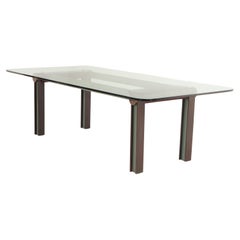
20th Century American Art Deco Dining Room Tables
Glass

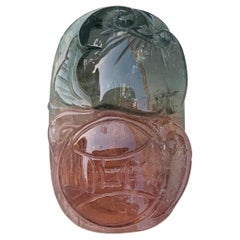
Antique 15th Century and Earlier Malagasy Adam Style Sculptures and Carv...
Crystal
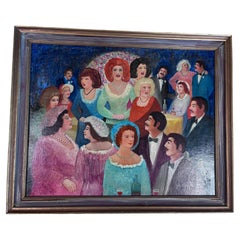
Late 20th Century American Folk Art Outsider and Self Taught Art
Canvas
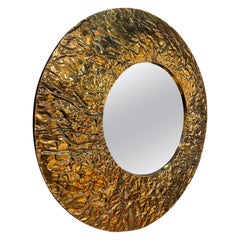
Vintage 1970s Beaux Arts More Mirrors
Brass
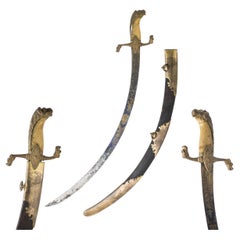
Antique Early 1800s British George III Political and Patriotic Memorabilia
Gold, Bronze, Steel
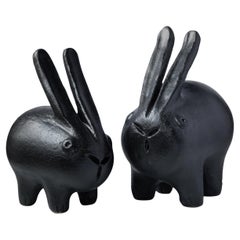
2010s Ukrainian Animal Sculptures
Ceramic
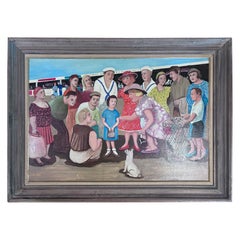
Late 20th Century American Folk Art Outsider and Self Taught Art
Canvas
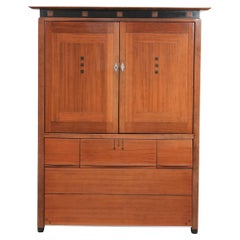
21st Century and Contemporary Art Deco Cabinets
Wood
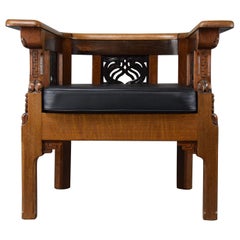
Vintage 1920s Dutch Art Deco Armchairs
Leather, Wood, Oak
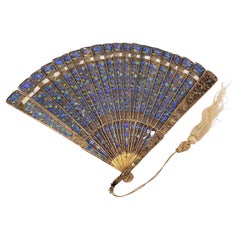
Antique Late 18th Century Chinese Qing Antiquities
Silver, Enamel
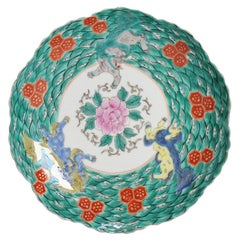
Antique 19th Century Meiji Ceramics
Porcelain
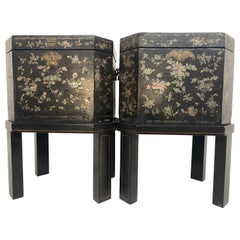
Antique Mid-19th Century Chinese Qing Lacquer
Lacquer
Vintage 1970s Swedish Scandinavian Modern Abstract Sculptures
Art Glass
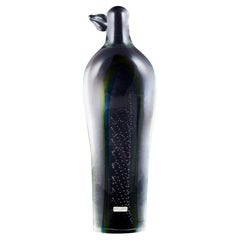
2010s British Contemporary Art
Paint, Paper
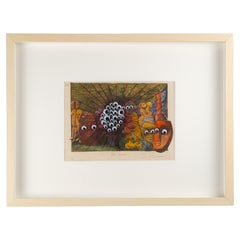
Antique Early 1900s European Art Nouveau Chairs
Upholstery, Walnut
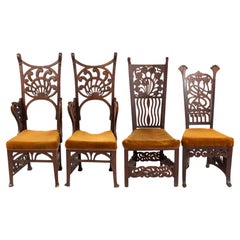
1990s French Other Contemporary Art
Metal
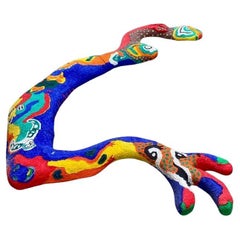
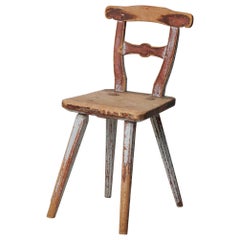
Antique Early 19th Century Swedish Folk Art Chairs
Pine
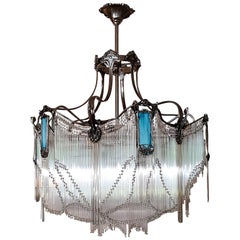
21st Century and Contemporary French Art Nouveau Chandeliers and Pendants
Bronze
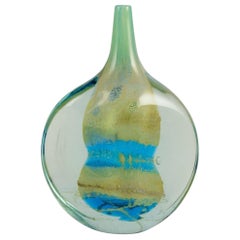
Vintage 1970s Maltese Vases
Art Glass
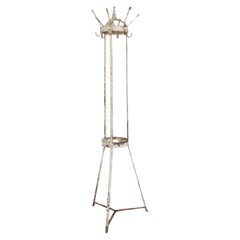
Early 20th Century Belgian Art Nouveau Coat Racks and Stands
Metal
Late 20th Century American Mid-Century Modern Decorative Art
Ceramic

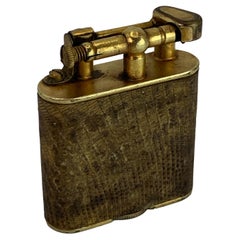
Early 20th Century British Art Deco Tobacco Accessories
Crocodile, Leather
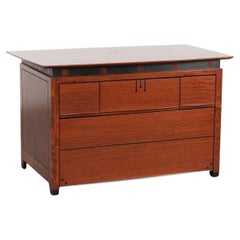
21st Century and Contemporary Art Deco Sideboards
Wood
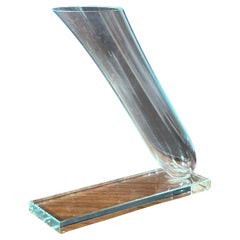
Late 20th Century American Modern Vases
Art Glass
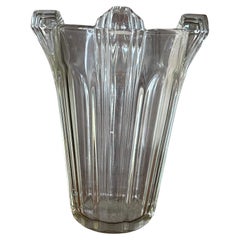
Vintage 1920s French Art Deco Vases
Art Glass
2010s French Modern Sculptures and Carvings
Silk, Wood
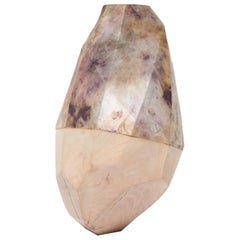
Early 20th Century Czech Art Deco Chandeliers and Pendants
Chrome
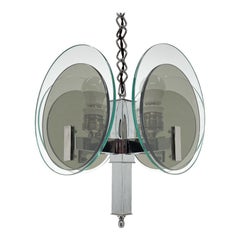
Vintage 1960s Norwegian Folk Art Armchairs
Pine
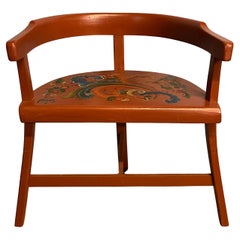
Antique Late 19th Century Japanese Japonisme Scholar s Objects
Rattan, Wood, Lacquer
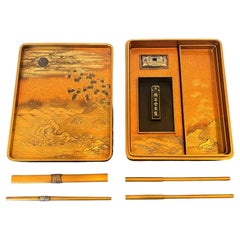
Antique 19th Century Swedish Folk Art Decorative Bowls
Wood

Vintage 1920s Czech Art Deco Secretaires
Oak, Walnut
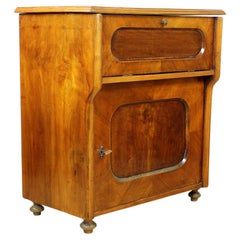
Antique 19th Century Swedish Folk Art Decorative Bowls
Wood

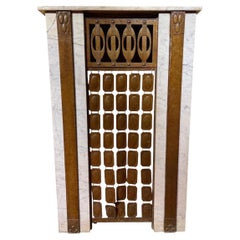
Early 20th Century Fireplaces and Mantels
Marble, Metal
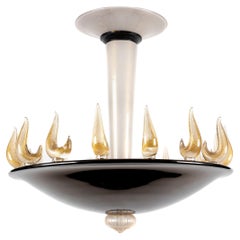
Early 20th Century Italian Art Deco Chandeliers and Pendants
Metal
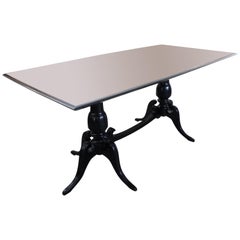
Vintage 1920s Italian Art Deco Tables
Glass, Wood
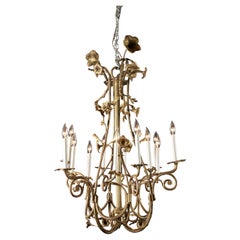
Early 20th Century French Chandeliers and Pendants
Bronze
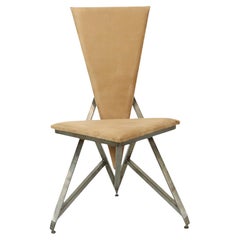
Vintage 1970s Belgian Corner Chairs
Steel
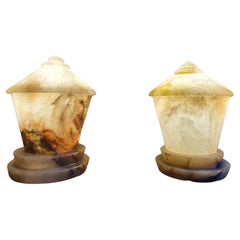
Vintage 1920s French Table Lamps
Alabaster
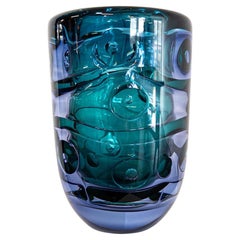
Vintage 1980s Swedish Scandinavian Modern Vases
Art Glass
20th Century Finnish Scandinavian Modern Sculptures and Carvings
Birch
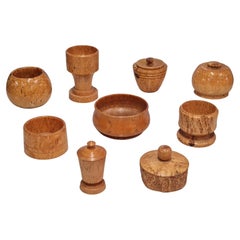
Vintage 1920s French Art Deco Cabinets
Wood
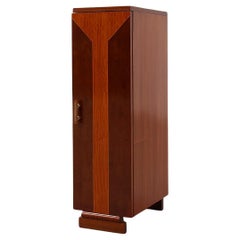
Vintage 1970s Norwegian Folk Art Side Tables
Copper
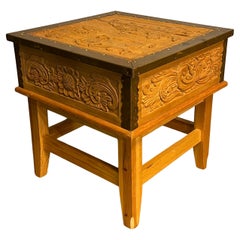
Vintage 1960s Italian Vases
Art Glass
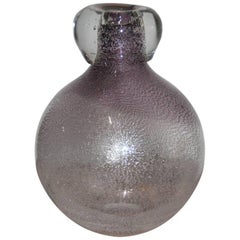
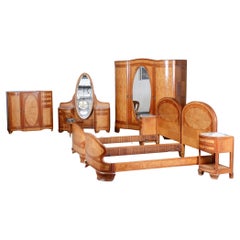
Vintage 1930s French Art Deco Bedroom Sets
Wood, Lacquer, Birch, Mahogany, Walnut
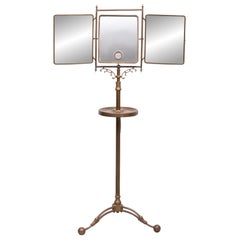
Vintage 1920s French Art Nouveau Floor Mirrors and Full-Length Mirrors
Brass
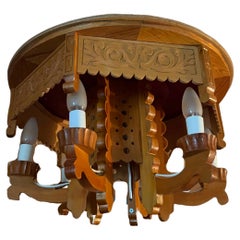
Mid-20th Century Swedish Folk Art Chandeliers and Pendants
Wood, Pine
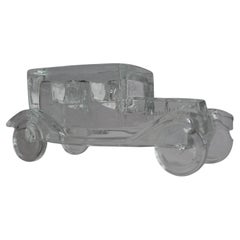
Vintage 1920s Czech Art Deco Paperweights
Crystal
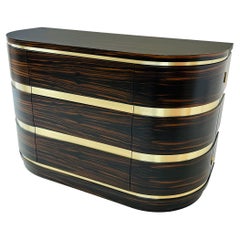
2010s German Art Deco Commodes and Chests of Drawers
Macassar, Lacquer, Mahogany
Early 20th Century British Art Deco Tobacco Accessories
Silver Plate

Vintage 1950s French Art Deco Center Tables
Steel

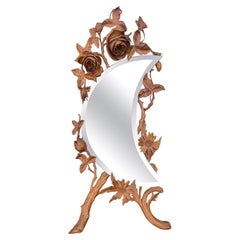
Early 20th Century Swiss Art Nouveau Mantel Mirrors and Fireplace Mirrors
Mirror, Nutwood
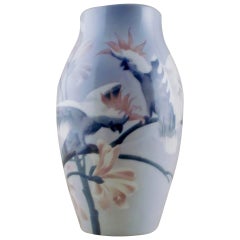
Antique Early 1900s Dutch Art Nouveau Vases
Ceramic
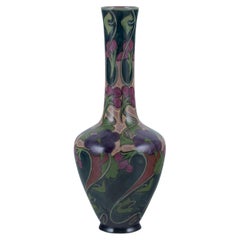
20th Century Swedish Art Nouveau Porcelain
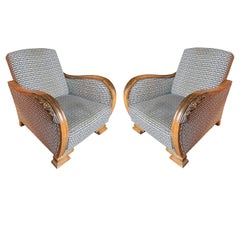
Vintage 1920s European Art Deco Armchairs
Wood, Bentwood
Antique Early 1900s Danish Art Nouveau Table Lamps

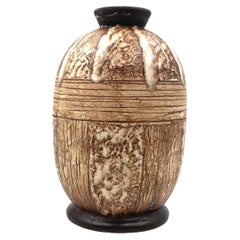
Vintage 1930s French Art Deco Vases
Ceramic
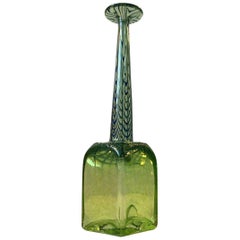
Vintage 1960s European Mid-Century Modern Vases
Art Glass
- 1
- ...
Unique Art Furniture For Sale on 1stDibs
How Much is a Unique Art Furniture?
- What makes KAWS’s art unique?1 Answer1stDibs ExpertFebruary 21, 2024What makes KAWS’s art unique is the artist's innovative approach to his work. The American artist seamlessly blends elements of Pop art, street art and popular culture into his pieces. He is known for putting a creative spin on familiar characters and his playful figurines, which often feature double-X eyes. On 1stDibs, shop a variety of art by KAWS.
- 1stDibs ExpertAugust 8, 2024What was unique about Robert Rauschenberg's art was that it incorporated everyday objects and straddled the line between painting and sculpture. The American artist is best known for the complex assemblages of found objects he termed “combines.” Rauschenberg was drawn to the visual landscape of popular culture and mined its imagery for inspiration. Early in his career during the 1950s, he used unorthodox materials like house paint and tried novel techniques in his studio, like running paper over with a car after inking its wheels. In the 1960s, Rauschenberg turned his attention to silkscreening, creating prints that feature iconic figures of the day, very much in line with the style and content of Pop art. One such work, 1965's CORE, which was created to commemorate the Congress of Racial Equality, combines photographs of President Kennedy, an unidentified Native American man and a statue of a Civil War soldier with images of highways, amusement parks, street signs and other features of the built environment. Throughout the 1960s and ’70s, Rauschenberg experimented with printing on unusual materials, such as Plexiglas, clothing and aluminum. Shop a range of Robert Rauschenberg art on 1stDibs.
- 1stDibs ExpertFebruary 13, 2024What is unique about Salvador Dalí art is its dreamlike imagery, drawn from the depths of the unconscious. He used hyperrealism to convey Surrealist symbols and concepts that subvert accepted notions of reality. You can see this clearly reflected in what is perhaps his most recognizable painting, The Persistence of Memory (1931), in which he depicts the fluidity of time through melting clocks, their forms inspired by Camembert cheese melting in the sun. Although the scene is one of fantasy, Dalí rendered each object in a manner that makes the elements look as lifelike and realistic as possible rather than abstracting their forms. On 1stDibs, explore a selection of Salvador Dalí art.
- What is Art Nouveau furniture?1 Answer1stDibs ExpertAugust 15, 2019
Art Nouveau furniture was a style of furniture that emerged at the end of the 19th century and was characterized by its complex curved lines. The curved details in the furniture were typically carved by hand and finished with lacquer. The unmistakable gloss that is associated with Art Nouveau comes from the thick coat of varnish applied to the furniture as the final step of the production process.
- 1stDibs ExpertNovember 4, 2024To identify Arts and Crafts furniture, first see if you can locate a maker's mark on your piece. By researching any marks using trusted online resources, you can determine who produced your piece and find out if the maker was linked with the Arts and Crafts movement. Some notable makers associated with the style include William Morris and Philip Webb. If you can't find a maker's mark, examine the details of your piece. The Arts and Crafts movement began as a reaction to mass production, highlighting craftsmanship, raw materials and simple design. Due to its handcrafted origins, Arts and Crafts furniture often displays tool marks and slight variations in carvings and details. Pieces so regular that they seem machine-made are less likely to be Arts and Crafts furniture. Other common characteristics of Arts and Crafts pieces include inlaid and carved details and natural wood materials with visible grains. Chairs often feature reclining or angled backs and armrests. If you'd like assistance determining whether a particular piece is Arts and Crafts, consider consulting a certified appraiser or experienced antique dealer. On 1stDibs, explore a range of Arts and Crafts furniture.
- 1stDibs ExpertNovember 4, 2024To identify Art Nouveau furniture, first try to locate a maker's mark on the piece. You can then use it to research the maker with the help of information published in trusted online resources. Some makers, such as Charles Rennie Mackintosh, Louis Majorelle and Émile Gallé, are well-known for their Art Nouveau furnishings. If you determine that a maker identified with Art Nouveau produced your piece, it likely reflects the movement's characteristics, especially if it was made during the late 19th or early 20th centuries. You can also look for common features of Art Nouveau furniture, such as sinuous, organic and flowing lines; forms that mimic flowers and plant life; decorative inlays and ornate carvings of natural-world motifs such as insects and animals and the use of hardwoods such as oak, mahogany and rosewood. A certified appraiser or knowledgeable antique dealer can aid you with the identification process. Shop a diverse assortment of Art Nouveau furniture on 1stDibs.
- 1stDibs ExpertAugust 15, 2019
Art Deco style furniture appeared right before the start of World War I and is defined by sharp lines, vibrant colors and bold patterns. Heavily influenced by geometry, Art Deco furniture was born out of the Cubism movement.
- 1stDibs ExpertAugust 15, 2024To identify Arts and Crafts furniture, look for characteristics that are hallmarks of the style. The Arts and Crafts movement began as a reaction to mass production, highlighting craftsmanship, raw materials and simple design. Makers working in this style placed an emphasis on natural motifs and adorned their pieces with simple flourishes like mosaics and carvings. This work is characterized by plain construction that showcases the hand of the artisan. Arts and Crafts furniture was often built from sturdy woods like oak and mahogany while featuring details such as inlaid metal, tooled leather and ceramic tiles. The style in the United States was led by Gustav Stickley, whose clean-lined chairs and benches showcased the grain of the wood, and furniture maker Charles Rohlfs, who was informed by international influences like East Asian and French Art Nouveau design. If you need help identifying the style of your furniture, a certified appraiser or knowledgeable antique dealer can be of assistance. Find a diverse assortment of Arts and Crafts furniture on 1stDibs.
- 1stDibs ExpertFebruary 27, 2024To identify Art Deco furniture, first look for maker's markings in inconspicuous areas. Once you've found them, use trusted online resources to research the manufacturer and determine whether they were active during the Art Deco era, which spanned from the 1920s through the 1930s. You can also look for classic characteristics of Art Deco furniture, such as bold geometric lines and forms, intricate floral motifs, metal accents, mirrored finishes and fine materials such as shagreen, marble, mahogany wood, zebra wood, ebony, exotic animal hides, onyx and mother-of-pearl. A certified appraiser or knowledgeable antiques dealer can also assist you with making identifications. Shop a collection of Art Deco furniture on 1stDibs.
- How was Art Deco furniture made?1 Answer1stDibs ExpertApril 5, 2022Art Deco furniture was largely made by hand. Crafters often employed exotic hardwood like zebra wood, rosewood and Macassar ebony. Many pieces had a polished Japanese lacquer finish, which gave a high-gloss shine to the wood. On 1stDibs, shop a variety of Art Deco furniture.
- 1stDibs ExpertApril 5, 2022
The main features of Art Deco furniture are bold geometric lines and forms, and an integration of expensive materials such as shagreen or marble as well as exotic woods such as mahogany, ebony and zebra wood.
The Art Deco era made an indelible mark on all fields of design throughout the 1920s and ’30s, and while the period yielded a range of stylistically diverse furnishings, interiors and objects, collectors will typically find the period’s desks, tables and chairs embellished with metal accents, animal hides, ivory or mother-of-pearl inlays and shimmering mirrored finishes.
Widely known designers associated with the Art Deco style include Émile-Jacques Ruhlmann, Eileen Gray, Maurice Dufrêne, Paul Follot and Jules Leleu. The term Art Deco derives from the name of a large decorative arts exhibition held in Paris in 1925. “Art Deco design” is often used broadly, to describe the work of creators in associated or ancillary styles. This is particularly true of American Art Deco, which is also called Streamline Moderne or Machine Age design. (Streamline Moderne, sometimes known as Art Moderne, was a phenomenon largely of the 1930s, post–Art Nouveau.)
Shop a collection of Art Deco furniture from some of the world’s top sellers on 1stDibs.
- 1stDibs ExpertFebruary 27, 2024What Art Deco furniture looks like can vary from piece to piece, but there are some characteristics that help define the style. During the 1920s and ’30s, manufacturers often created furniture with bold geometric lines and forms as well as intricate floral motifs. Materials tended to be luxurious and included shagreen and marble as well as exotic woods such as mahogany, ebony and zebra wood. Many pieces feature luxe details like gleaming metal accents, shimmering mirrored finishes and embellishments made from exotic animal hide and inlays of mother-of-pearl or ivory. Explore a wide range of Art Deco furniture on 1stDibs.