Delft Decorative Objects
to
9
70
29
17
24
5
12
4
2
1
1
3
9
9
6
4
1
70
44
27
20
10
42
28
66
57
6
6
2
Height
to
Width
to
70
70
70
147
1,318
726
482
477
Creator: Delft
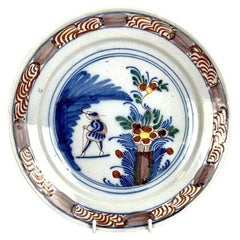
18th Century Dutch Delft Plate with Walking Man Scene, Circa 1780
By Delft
Located in Katonah, NY
This hand-painted plate, made in the Netherlands around 1780, features the "Walking Man," a decorative motif commonly found in 18th-century Dutch Delftware.
The image depicts a man i...
Category
Late 18th Century Dutch Antique Delft Decorative Objects
Materials
Delft

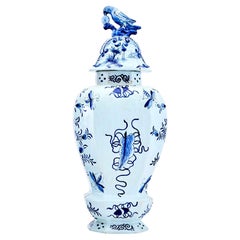
User Early 19th Century Dutch Delft blue and white Netherlands glazed ceramic co
By Delft
Located in Tarry Town, NY
Step into the enchanting world of the early 19th century with this exquisite Dutch Delft blue and white glazed ceramic covered urn. Graced with timeless charm, this decorative piece ...
Category
1820s Dutch Antique Delft Decorative Objects
Materials
Ceramic, Porcelain
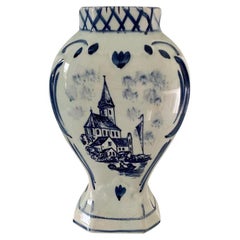
Delft Hand Painted Blue and White Porcelain Vase
By Delft
Located in Elkhart, IN
A beautiful hand painted blue and white Delft porcelain vase with a painted village scene
Holland, Circa 1960s
Measures: 5.75"W x ...
Category
1960s Dutch Dutch Colonial Vintage Delft Decorative Objects
Materials
Ceramic
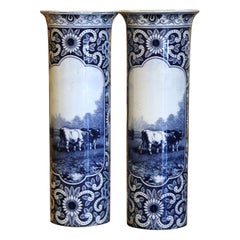
Pair of 19th Century Dutch Hand Painted Faience Delft Vases with Cattle Motifs
By Delft
Located in Dallas, TX
Decorate a shelf or console table with this elegant pair of antique Delft vases with cattle motifs. Crafted in Holland circa 1880, the round vases ...
Category
Late 19th Century Dutch Antique Delft Decorative Objects
Materials
Ceramic, Faience
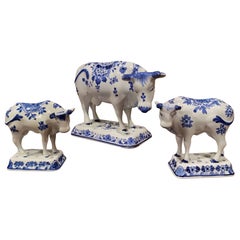
Set of Three Mid-20th Century Dutch Delft Blue and White Porcelain Cow Figures
By Delft
Located in Dallas, TX
Decorate a kitchen shelf or a country-style display with this charming trio of vintage Delft porcelain cows. Crafted in Holland circa 1960, each hand-painted sculpture features the t...
Category
Mid-20th Century Dutch Delft Decorative Objects
Materials
Porcelain
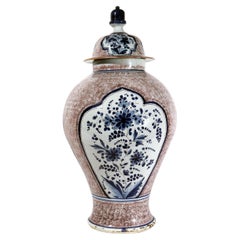
German Faience or Dutch Delft Powdered Manganese
Blue Large Vase
Cover
By Delft
Located in Downingtown, PA
Massive German Faience or Dutch Delft Powdered manganese & blue vase & cover,
Mid-18th Century,
The German faience powered manganese-ground vase, of baluster form, has a wide should...
Category
Mid-18th Century German Georgian Antique Delft Decorative Objects
Materials
Delft
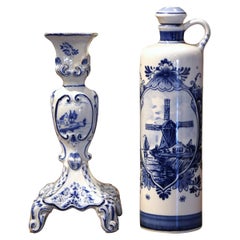
Dutch Blue and White Painted Faience Delft Olive Oil Bottle and Candle Holder
By Delft
Located in Dallas, TX
Decorate a shelf or kitchen counter with these elegant antique Delft pieces. Crafted in Holland circa 1940, the set includes a tall olive oil bottle w...
Category
Mid-20th Century Dutch Delft Decorative Objects
Materials
Ceramic, Faience
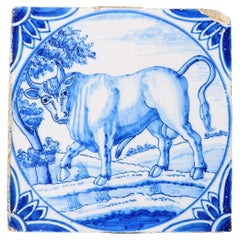
Antique Ravesteijn Blue
White Delft Tile of a Bull
By Delft
Located in Wormelow, Herefordshire
A 19th century blue and white Delft 6-inch tile of a bull manufactured by Ravesteijn of Utrecht; one of two similar themed tiles we are selling. This original fireplace tile was recl...
Category
Mid-19th Century English Georgian Antique Delft Decorative Objects
Materials
Clay
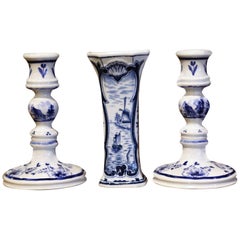
Pair of Vintage Blue and White Faience Candles Holder and Vase Stamped Delft
By Delft
Located in Dallas, TX
Decorate a shelf with this three-piece ceramic set. Crafted in Holland circa 1980, the set includes a pair of candlesticks and vase decorated with floral motifs and embellished with ...
Category
Late 20th Century Dutch Delft Decorative Objects
Materials
Faience
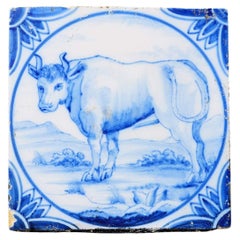
19th Century Ravesteijn Blue
White Delft Tile of a Bull
By Delft
Located in Wormelow, Herefordshire
An antique blue and white Delft 6-inch tile of a bull manufactured by Ravesteijn of Utrecht; one of two similar themed tiles we are selling. This original fireplace tile was reclaime...
Category
Mid-19th Century English Georgian Antique Delft Decorative Objects
Materials
Clay
Delft decorative objects for sale on 1stDibs.
Delft decorative objects are available for sale on 1stDibs. These distinctive items are frequently made of ceramic and are designed with extraordinary care. There are many options to choose from in our collection of Delft decorative objects, although gray editions of this piece are particularly popular. Many of the original decorative objects by Delft were created in the Baroque style in europe during the 20th century. If you’re looking for additional options, many customers also consider decorative objects by and Dutch Originals. Prices for Delft decorative objects can differ depending upon size, time period and other attributes — on 1stDibs, these items begin at $125 and can go as high as $7,840, while a piece like these, on average, fetch $1,400.
Questions About Delft Decorative Objects
- What is Delft known for?1 Answer1stDibs ExpertApril 5, 2022Delft is known for its blue ceramic pottery called Delftware. Artisans in the Dutch city began producing the earthenware during the 16th century. In addition, Delft is the home of the 17th-century Dutch Baroque painter Johannes Vermeer. You'll find a range of Delftware on 1stDibs.
- How can I tell if Delft is real?1 Answer1stDibs ExpertApril 5, 2022To tell if Delft pottery is real, look at it under a magnifying glass. Authentic Delftware should show visible brushstrokes, a sign that the pieces have hand-painted images. You can also turn the piece over and look for a crown cross marking with the words Handpainted, Delft Blue, Made in Holland. On 1stDibs, find a collection of expertly vetted Delft pottery.
- When were Delft tiles made?1 Answer1stDibs ExpertMarch 22, 2022Delft tiles were made during the 17th and 18th centuries. The term refers to earthenware tiles with tin-glaze finishes that were meticulously hand-painted by artisans living in the city of Delft in what is now the Netherlands. Find a selection of Delft tiles on 1stDibs.
- 1stDibs ExpertMay 3, 2024To tell how old your Delft is, look for the maker's markings. On most pieces, you will find the painter's initials as well as a two-letter date code. By comparing the date code on your piece to information provided on trusted online resources, you can find out its year of production. If you have trouble locating the date code, a certified appraiser or knowledgeable antiques dealer can assist you with dating. Explore a diverse assortment of Delft pottery on 1stDibs.
- 1stDibs ExpertOctober 7, 2024The difference between Delft and Chinoiserie is that one is a specific type of pottery, and the other is a style of pottery. Chinoiserie is a general term for pottery and other decorative objects produced by Western artisans that draw inspiration from traditional Chinese functional and fine arts. Delft, or Delftware, is tin-glazed pottery made through techniques that originated in Delft, Netherlands. Many pieces of Delftware are examples of Chinoiserie because their decorative embellishments were inspired by Chinese porcelain. On 1stDibs, explore a selection of Delftware and Chinoiserie pottery.
- 1stDibs ExpertFebruary 22, 2021Delftware often has a maker's mark on the base or back of the item consisting of letters or figurative symbols to show where the item was manufactured. Today markings will say hand-painted in Holland as well as the phrase Delft blue in Dutch or English.
- 1stDibs ExpertApril 5, 2022Yes, Delft tiles are still being produced. Delft pottery, also known as Delftware or Delft Blue, refers to a tin-glazed earthenware crafted in the city of Delft in the Netherlands. Delftware is highly coveted due to the intricate nature of the design and is a favorite among home decor enthusiasts. Shop a wide range of authentic Delftware on 1stDibs.
- Is Delft Blue still made?1 Answer1stDibs ExpertApril 5, 2022Delft Blue is in fact still made today. There is one factory left, the Royal Dutch, which has been in operation since 1653. It continues to make delft blue using the traditional methods. You’ll find a variety of Delft blue products from some of the world’s top sellers on 1stDibs.
- How much is Delft pottery worth?1 Answer1stDibs ExpertSeptember 16, 2024How much Delft pottery is worth varies based on characteristics like type, style, age and condition. Selling prices usually start in the low hundreds, with the most valuable examples of Delft pottery worth $10,000 or more. True blue Delftware originates only from a single location: Delft in the Netherlands. These precious pieces pair well with French faience. Unlike Delftware, French faience utilizes a lead-and-tin glaze. To find out how much a specific piece is worth, have a certified appraiser or knowledgeable antique dealer evaluate it. On 1stDibs, shop a large selection of antique Delft pottery.
- 1stDibs ExpertSeptember 23, 2024To identify your Delft pottery marks, try using the factory mark database on the Delfts Aardewerk platform. Several Dutch museums joined forces to create this site in order to educate the public and collectors about Delftware. On it, you'll find hundreds of pictures of makers’ markings and a handy search feature for browsing the images based on a description of your marking. If you're unable to find your mark on the site, a certified appraiser or knowledgeable antique dealer can aid you with making an identification. Explore a selection of Delft pottery on 1stDibs.