Spode Serveware, Ceramics, Silver and Glass

British

Spode is one of the oldest and most distinguished of the great pottery companies of Staffordshire, the time-honored home of English ceramics. The firm’s blue and white bone china transferware is a timeless classic. Spode dishes compose the sort of elegant dinner service that most of us envision on a traditional holiday table.

The company was established in 1770 in Stoke-on-Trent by Josiah Spode, a friend and neighbor of another estimable English ceramist, Josiah Wedgwood. The Wedgwood firm first came to prominence for its tableware, which quickly gained favor in aristocratic households throughout Britain and Europe.

Spode was particularly known for two technical achievements in the firm’s early decades. The first was to develop a standard formula for the making of bone china — a type of porcelain (made with a mixture of bone ash, minerals and clay) that is dazzlingly white and so strong it can be used to create very thin translucent plates and vessels.

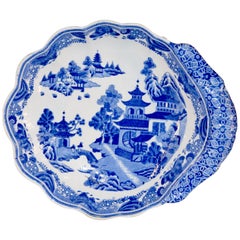
The other advancement was to perfect the making of transferware. That process involves the transfer of pictorial images inked on tissue paper — such as the garden scenery in the famous Willow dish patterns — onto ceramics that are then sealed with a glaze. 

From the 1820s onward, Spode enjoyed tremendous success both in Britain and elsewhere owing to the beauty and vitality of its decorative imagery. By some counts, Spode created more than 40,000 patterns in the 19th century.

In 1833, following the sudden death of Josiah Spode III, business partner W. T. Copeland took over the company and changed its name to Copeland Spode (it later changed again, this time to W. T. Copeland and Sons). Collectors regard Copeland-marked pieces as Spode china. The Spode brand was revived in 1970.

Many favorite Spode patterns — among them Blue Italian, Indian Tree, Greek and Woodland — date to the company’s early years. Spode’s most popular pattern, Christmas Tree, was introduced in 1938.

Prices for antique and vintage Spode china vary widely, based on the size of the service, its condition and the pattern. An antique dinner service for 12 people or more, in good repair and complete with cups and serving dishes, will generally cost between $10,000 and $20,000. Such Spode services become heirlooms — a proud and timeless addition to a family’s table. And as you will see on these pages, Spode’s rich and varied wares offer a visual feast in and of themselves.

Find Spode serveware, ceramics and decorative objects on 1stDibs.

to
16
95
1
76
18
4
8
3
1
1
1
5
21
15
9
5
93
53
22
20
14
60
31
91
90
75
1
95
95
95
42
618
478
438
401
Creator: Spode
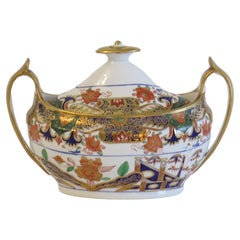
SPODE Porcelain Lidded Sucrier Hand Painted and Gilded Pattern 967, Ca 1810
By Spode
Located in Lincoln, Lincolnshire
This is a fine example of an English George III period, porcelain, Sucrier with cover or lidded sugar bowl, made by SPODE all hand painted in Pattern 967, during the early 19th Century, circa 1810. This Sucrier has a beautiful and elegant shape with high loop handles either side of the oval body. The cover has a shaped oval knob...
Category

Early 19th Century English George III Antique Spode Serveware, Ceramics, Silver and Glass

Materials

Porcelain

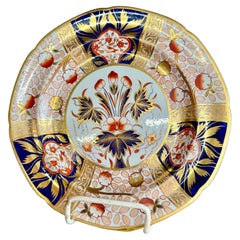
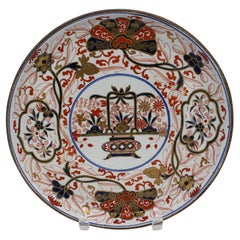
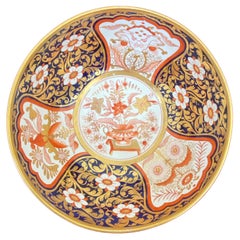
Extraordinary Antique English Spode Ironstone Highly Gilt Imari Cabinet Plate
By Spode
Located in CHARLESTON, SC
A magnificent Antique English early 19th Century Spode Ironstone "Imari" decor dinner-sized Cabinet Plate, richly gilt and in superb, age-appropriate condition (no damages whatsoever...
Category

Early 19th Century English George III Antique Spode Serveware, Ceramics, Silver and Glass

Materials

Ceramic, Ironstone

Spode Porcelain Tea Cup in Hand Painted Gilded Pattern 967, circa 1810
By Spode
Located in Lincoln, Lincolnshire
This is a fine example of an English George III period, porcelain Tea Cup, made by Spode and hand painted in Pattern 967, during the early 19th century, circa 1815. The cup has th...
Category

Early 19th Century English George III Antique Spode Serveware, Ceramics, Silver and Glass

Materials

Porcelain

Antique Early 19th Century Spode Porcelain Pattern Number 2408 Tea Cup Saucer
By Spode
Located in Philadelphia, PA
A fine antique Spode porcelain cup & saucer. Pattern no. 2408 Decorated throughout with a cobalt floral patttern and extensive gilding. Simply a great cup & saucer from Spod...
Category

Early 19th Century English Neoclassical Antique Spode Serveware, Ceramics, Silver and Glass

Materials

Porcelain

Spode Neo-classical Greek Pattern Blue Printed Hot Water Dishes
By Spode
Located in Downingtown, PA
Spode Neo-classical Greek pattern blue printed hot water dishes, Zeus in his Chariot, A pair, Early 19th century (We have five in all-two pairs and a single) The Spode pottery...
Category

Early 19th Century Neoclassical Antique Spode Serveware, Ceramics, Silver and Glass

Materials

Pearlware, Pottery

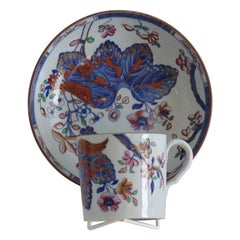
Georgian Spode Stone China Coffee Can (C)Tobacco Leaf Pattern 2061, circa 1820
By Spode
Located in Lincoln, Lincolnshire
This is a very good stone China (Ironstone) coffee can hand painted in the tobacco leaf pattern, number 2061, made by the Spode factory in the early 19th century, English Georgian pe...
Category

Early 19th Century English Chinoiserie Antique Spode Serveware, Ceramics, Silver and Glass

Materials

Ironstone

Georgian Spode Ironstone Shell Dish or Plate Bang Up Pattern No. 2886, Ca 1820
By Spode
Located in Lincoln, Lincolnshire
This is an early 19th century stone china (Ironstone pottery) desert dish with a fluted shell shape, produced by Spode and dating from the George 111...
Category

Early 19th Century English Chinoiserie Antique Spode Serveware, Ceramics, Silver and Glass

Materials

Ironstone

Pair of Early 19th Century Spode Blue and White "Pagoda" Stone China Bowls, 1825
By Spode
Located in West Palm Beach, FL
Pair of Early 19th Century Spode Blue and White "Pagoda" Stone China Bowls, England, Circa 1825 A finely preserved pair of early 19th-century English transferware bowls by Spode, de...
Category

Early 19th Century English Chinoiserie Antique Spode Serveware, Ceramics, Silver and Glass

Materials

Porcelain

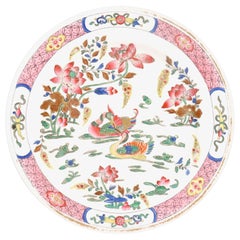
Antique 19th Century Spode English Porcelain Pink Ducks Pattern Desert Plate
By Spode
Located in Philadelphia, PA
A fine antique English porcelain desert plate. By Spode. In the "Pink Ducks" pattern. Depicting a chinoiserie scene of two mandarin d...
Category

19th Century English George III Antique Spode Serveware, Ceramics, Silver and Glass

Materials

Porcelain

Early 19th Century Spode Porcelain Coffee Can Hand Gilded Pattern 1099, Ca 1810
By Spode
Located in Lincoln, Lincolnshire
This is a fine example of an English George III period, porcelain, coffee can (cup), made by Spode in the early 19th century, circa 1810. The can is nominally straight sided and h...
Category

Early 19th Century English Regency Antique Spode Serveware, Ceramics, Silver and Glass

Materials

Porcelain

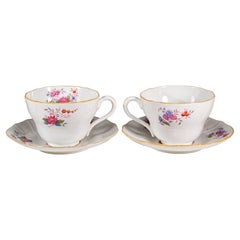
Spode Copeland Pair of Cups and Saucers for Plummer Ltd NY, 1900-1936
By Copeland Spode, Spode
Located in Clifton Springs, NY
Pair of cup and saucer sets features multicolor abstract flower decors on lightly textured, semi-transparent fine porcelain blanks. The rims are decorated with thin marigold yellow rims, and the cups' handles are adorned with a single graphic accent in the same yellow color. The cups and saucers were created by Spode Copeland for Plummer Ltd, New York. W. H. Plummer Co Ltd. operated in 1st half of 20thcentury as a high-end retailer or department store in New York, NY, specializing in antique and modern English china, crystal, and silverware. It was located on 7&9 East 35th Street, New York, and opened the 2nd retail location on 696 5th Avenue, New York, in 1936. Cups and saucers are marked with green underglaze manufacturer backmark "Spode Copelands China England...
Category

1930s English Vintage Spode Serveware, Ceramics, Silver and Glass

Materials

Porcelain, Ceramic

Antique Spode Porcelain Hand Painted Ornithological Duck Cup Saucer
By Spode
Located in Philadelphia, PA
A fine antique English Georgian hand painted porcelain cup & saucer. By Spode. Pattern no. 1803. Both cup and saucer with wide cobalt blue bands on a white ground, hand painted scenes with ducks in round cartouches, and gilt embellishments throughout. The cup with a 'Diver' duck in a stream and the saucer with a 'Red Headed Merganser' on a bank. The reverses marked for Spode, 1803, 'Diver', and 'Red Headed Merganser'. Simply a wonderful antique Spode cup...
Category

Early 19th Century British Neoclassical Antique Spode Serveware, Ceramics, Silver and Glass

Materials

Porcelain

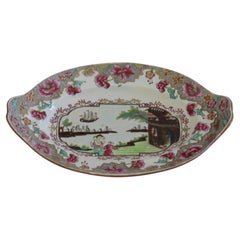
Early Spode Shaped Dish
By Spode
Located in High Point, NC
Early 19th century signed Spode handled serving dish with a wonderful shaped handle and scalloped edge. The pattern is of a lovely Asian village.
Category

19th Century English Victorian Antique Spode Serveware, Ceramics, Silver and Glass

Materials

Porcelain

Spode Stone China Small Serving Dish in Ship Pattern 3068, circa 1810
By Spode
Located in Lincoln, Lincolnshire
This is a good small Serving Dish made of ironstone (Spode's Stone China) in the Ship Pattern, No 3068, produced by the English, Spode factory early in the 19th century, George 111rd Period. The pattern is called the Ship pattern number 3068, the chinoiserie decoration being transfer printed under-glaze, then very carefully hand painted in bold colored enamels with additional gilding over-glaze. As is usual with Spode ware the standard of hand painted detail is very high. A plate in this pattern is shown on page 54 of Steven Smith's book; "Spode and Copeland" published by Schiffer. The pattern is in the Chinese taste as produced by many of the English potteries of the time, to compete directly with the large import of Canton or Chinese Export porcelain from China. The dish has a mid brown edge similar to that often seen on Chinese plates. It is fully marked to the base, with the earlier Spode black printed Stone-China mark...
Category

Early 19th Century English Chinoiserie Antique Spode Serveware, Ceramics, Silver and Glass

Materials

Ironstone

Georgian Spode Stone China Coffee Can (A)Tobacco Leaf Pattern 2061, circa 1820
By Spode
Located in Lincoln, Lincolnshire
This is a very good stone China (Ironstone) coffee can hand painted in the tobacco leaf pattern, number 2061, made by the Spode factory in the early 19th century, English Georgian period, circa 1820. This coffee can or cup made from Ironstone China is beautifully decorated with hand painted enamels in the very distinctive tobacco leaf pattern, pattern number 2061. The decoration also has very good hand gilded detailing. The upper rim has a dark ochre brown hand painted finish in the manner of 18th C...
Category

Early 19th Century English Chinoiserie Antique Spode Serveware, Ceramics, Silver and Glass

Materials

Ironstone

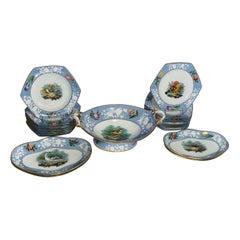
Antique English Periwinkle Blue Dessert Service for 16, Spode Circa 1820
By Spode
Located in West Palm Beach, FL
What a lovely service with so many pieces. Made by the re known English factory, Spode and hand written species detailed in script to the back of each piece. This set features a rais...
Category

1820s British Antique Spode Serveware, Ceramics, Silver and Glass

Materials

Gold, Enamel

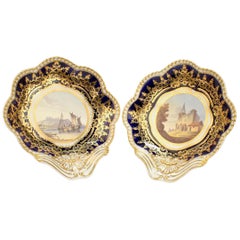
Pair of Antique Spode Topographical Porcelain Cobalt Blue Border Shrimp Bowls
By Spode
Located in Philadelphia, PA
A very Fine pair of Spode porcelain shrimp bowls. With rich gilding, underglaze cobalt blue borders, and hand painted topographical scenes at their centers. One scene depicts f...
Category

Early 19th Century English Regency Antique Spode Serveware, Ceramics, Silver and Glass

Materials

Porcelain

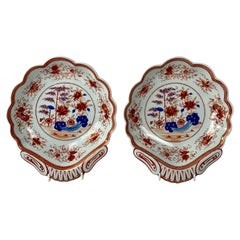
Pair Antique Spode Shell-Shaped Dishes Orange and Blue Pattern England Circa 182
By Spode
Located in Katonah, NY
Spode made this pair of fine quality shell-shaped dishes in England in the early 19th century, circa 1820. The dishes were printed in shades of orange and blue Orange and blue is t...
Category

Early 19th Century English Chinoiserie Antique Spode Serveware, Ceramics, Silver and Glass

Materials

Ironstone

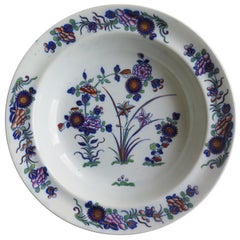
Georgian Spode Soup Bowl or Deep Plate in Chinese Flowers Pattern, circa 1820
By Spode
Located in Lincoln, Lincolnshire
This is a beautiful bowl or deep plate produced by the Spode factory and made of a type of a pottery called Pearl-ware, in the early 19th Century. The pattern is called "Chinese Flo...
Category

Early 19th Century English Chinoiserie Antique Spode Serveware, Ceramics, Silver and Glass

Materials

Pearlware

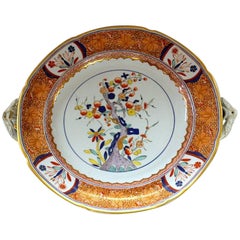
Rare and Fine Antique English Spode Ironstone Kakiemon Decor Warming Dish
By Spode
Located in CHARLESTON, SC
Exceedingly rare antique English Spode ironstone Kakiemon decor warming dish. A/F slight clips to leaf near handle. Pattern number as recorded o...
Category

Early 19th Century English Chinoiserie Antique Spode Serveware, Ceramics, Silver and Glass

Materials

Ironstone

Spode Porcelain Teacup Trio, Red Imari Dollar Pattern, Regency, ca 1810
By Spode
Located in London, GB
This is a beautiful orphaned teacup made by Spode in about 1810. It bears a lavish Japanese-inspired Imari pattern. Spode was the great pioneer among the Georgian potters in England. Around the year 1800 he perfected the bone china recipe that has been used by British potters ever since, and he was also the leading potter behind the technique of transferware, making it possible for English potters to replace the Chinese export china, which had come to an end around that time, with their own designs. This was fundamental to a thriving industry that would last for about 150 years and provide half the world with their tableware. Spode porcelain is regarded as one of the highest quality porcelains around; for a soft-paste porcelain it is surprisingly hard and fine, and has a wonderful bright white colour. The pattern on this can is called "Dollar" pattern, a very famous pattern that was used by English potters in the 18th and early 19th Century. It is obvious why it is called “dollar” - but its origin is less obvious! It is thought that this pattern was derived from a very old Chinese pattern depicting a tree with elaborate foliage that hides a Chinese character representing longevity or happiness. Traditionally, this went with a an image called “Taotie”, which was used on very ancient bronze vases...
Category

Early 1800s English Regency Antique Spode Serveware, Ceramics, Silver and Glass

Materials

Porcelain

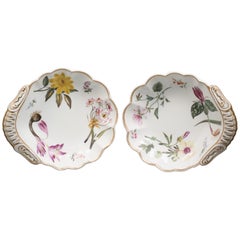
Regency Spode Porcelain Botanical Specimen Dish- Spring Meadow Saffron
By Spode
Located in Downingtown, PA
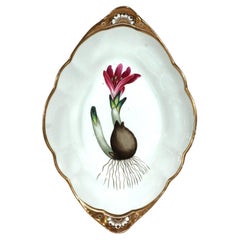
Spode Porcelain Botanical Specimen Dish, Bulbocodium vernum, commonly called Spring Meadow Saffron, After William Curtis Circa 1810-20 The botanical is after William Curtis's The B...
Category

Early 19th Century English Regency Antique Spode Serveware, Ceramics, Silver and Glass

Materials

Porcelain

A very fine Spode porcelain punch bowl in pattern 944 c.1805-1810
By Spode
Located in Exeter, GB
A very fine Spode porcelain punch bowl c.1805-1810. Finely decorated and gilded in a rich pattern number 944. Condition: Excellent 
Category

19th Century British Antique Spode Serveware, Ceramics, Silver and Glass

Materials

Porcelain

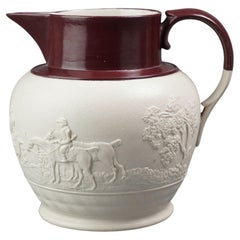
English stoneware hunt jug by Spode, c. 1810
By Spode
Located in Kenilworth, IL
Smear glaze stoneware hunt jug with a brown enamel glazed rim, spout, and upper part of the loop handle. The body of the pitcher is decorated with an applied hunt scene which rests a...
Category

Early 19th Century British Antique Spode Serveware, Ceramics, Silver and Glass

Materials

Stoneware

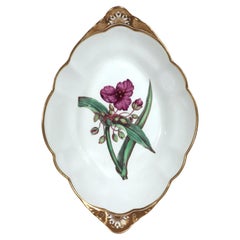
Spode Porcelain Botanical Specimen Dish with a Spiderwort Plant after W. Curtis
By Spode
Located in Downingtown, PA
Spode Porcelain Botanical Specimen Dish, Spiderwort, Circa 1810-20 The botanical is after William Curtis's The Botanical Magazine illustrated by James Sowerby. The Spode porcelain ...
Category

Early 19th Century English Regency Antique Spode Serveware, Ceramics, Silver and Glass

Materials

Porcelain

Early 19th Century English Spode Goudy Dutch China Serving Set
By Spode
Located in Charlottesville, VA
A collection of early 19th C. English Spode Goudy Dutch china, featuring a vibrant palette of cobalt, iron red, green, and gilt highlights. The set includes four graduated oval servi...
Category

Early 19th Century British Antique Spode Serveware, Ceramics, Silver and Glass

Materials

Porcelain

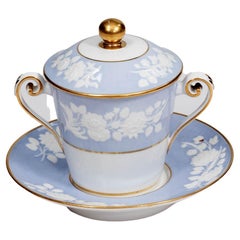
An exquisite and rare early 19th century Spode cabinet cup and saucer circa 1830
By Spode
Located in Central England, GB
An exquisite and rare early 19th century Spode cabinet cup and saucer. This beautiful and richly decorated Spode cabinet cup and saucer were made at this high quality English porcela...
Category

Early 19th Century English William IV Antique Spode Serveware, Ceramics, Silver and Glass

Materials

Porcelain

Copeland Spode Aesthetic Movement Comport or Cake Stand
By Spode, Copeland Spode
Located in Fort Lauderdale, FL
An 1870s Spode Aesthetic Movement comport in cream-colored earthenware with a beautiful transfer-printed pattern of birds and butterflies. After Japan was forcibly opened to Western...
Category

1870s English Aesthetic Movement Antique Spode Serveware, Ceramics, Silver and Glass

Materials

Earthenware

Spode Hand-painted Rose Plate, English, 19th Century
By Spode
Located in Southampton, NY
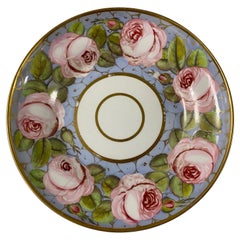
Spode Porcelain Hand-painted Rose Plate, English, 19th Century Marked underside 2/183 in yellow From a Private Collection in Manhattan. Good overall condi...
Category

19th Century English Antique Spode Serveware, Ceramics, Silver and Glass

Materials

Porcelain

Early Spode Red Greek Pattern Tile
By Josiah Spode, Spode
Located in Fort Lauderdale, FL
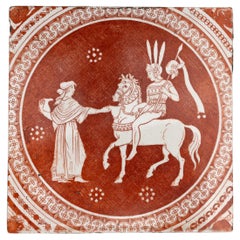
A Neoclassical red transferware tile made by Spode 1806-1810, with the ‘Refreshments for Phliasian Horseman’ pattern. Sir William Hamilton’s Collection of Etruscan, Greek and Roman antiquities, first published in 1766 by Pierre d’Hancarville, was a landmark publication in English design. It intended to disseminate the Antique style through its engravings of Attic pottery. The catalog’s faithful reproductions of Classical vases led British potteries, including Spode, to adapt or even copy the ancient art for modern life. These Spode Greek pattern tiles reflect the major influence of Hamilton’s catalog on English Neoclassicism. The central scene was taken directly from the catalog. This tile can be dated to a narrow window of production in the Spode factory, 1806-1810. During that time, Spode used a technique known as the “Pluck and Dust” method to print in red transfer designs onto creamware. Using this method, source prints were transferred overglaze using tissue imprinted with a very faint rendition of the design outlined in sticky oil. The decorator applied the tissue to the object then carefully “plucked” or pulled it away, leaving the sticky oil design behind. Then, a finely-ground enamel color was “dusted” onto the surface, sticking to any areas that had the oil. A final firing at a low temperature in the enamel kiln made the pattern permanent. The Pluck and Dust technique improved upon bat-printing and enabled larger designers to be transferred. It was short-lived, however, as under-glaze transfer printing soon took over as the preferred method for producing transferwares. Dimensions: 5 in. x 5 in. x 1/4 in. Condition: Excellent. Slight chip to the upper left corner measuring approximately 0.9 cm. in length. Provenance: The Collection of Nancy and Andrew Ramage Jonathan Horne...
Category

Early 19th Century English Neoclassical Antique Spode Serveware, Ceramics, Silver and Glass

Materials

Earthenware, Creamware

Early 19th Century Spode Red Greek Pattern Tile
By Josiah Spode, Spode
Located in Fort Lauderdale, FL
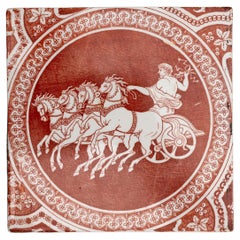
A Neoclassical red transferware tile made by Spode 1806-1810, with the ‘Zeus in His Chariot’ pattern. Sir William Hamilton’s Collection of Etruscan, Greek and Roman antiquities, first published in 1766 by Pierre d’Hancarville, was a landmark publication in English design. It intended to disseminate the Antique style through its engravings of Attic pottery. The catalog’s faithful reproductions of Classical vases led British potteries, including Spode, to adapt or even copy the ancient art for modern life. These Spode Greek pattern tiles reflect the major influence of Hamilton’s catalog on English Neoclassicism. The central scene was taken directly from the catalog. This tile can be dated to a narrow window of production in the Spode factory, 1806-1810. During that time, Spode used a technique known as the “Pluck and Dust” method to print in red transfer designs onto creamware. Using this method, source prints were transferred overglaze using tissue imprinted with a very faint rendition of the design outlined in sticky oil. The decorator applied the tissue to the object then carefully “plucked” or pulled it away, leaving the sticky oil design behind. Then, a finely-ground enamel color was “dusted” onto the surface, sticking to any areas that had the oil. A final firing at a low temperature in the enamel kiln made the pattern permanent. The Pluck and Dust technique improved upon bat-printing and enabled larger designers to be transferred. It was short-lived, however, as under-glaze transfer printing soon took over as the preferred method for producing transferwares. Dimensions: 5 in. x 5 in. x 1/4 in. Condition: Excellent. Provenance: The Collection of Nancy and Andrew Ramage Jonathan Horne...
Category

Early 19th Century English Neoclassical Antique Spode Serveware, Ceramics, Silver and Glass

Materials

Earthenware, Creamware

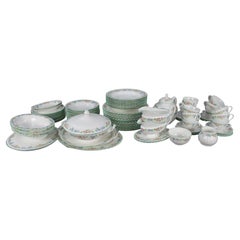
Royal Worcester English Garden Dinner Service
By Spode
Located in Worcester, GB
Royal Worcester English garden dinner service Late 20th century, English, c.1983 Royal Worcester, English Garden pattern, all pieces stamped by the factory to the underside ...
Category

Late 20th Century British Spode Serveware, Ceramics, Silver and Glass

Materials

Porcelain

Set of 12 English Porcelain Handkerchief Plates, Spode, circa 1820
By Spode
Located in New York, NY
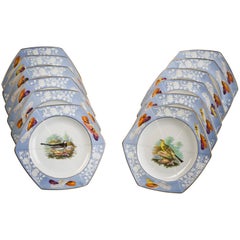
Set of 12 English Porcelain handkerchief plates, Spode, circa 1820.
Category

1820s English Antique Spode Serveware, Ceramics, Silver and Glass

Materials

Porcelain

14 Piece Spode Butterfly Pattern Dessert Service, 1954
By Spode
Located in Worcester, GB
14 piece Spode butterfly pattern dessert service 1954 Manufacturer Spode Pattern Y7378 - Grasses & butterfly with fluted border and gilded rim Date 1954 14 pieces in to...
Category

Mid-20th Century British Spode Serveware, Ceramics, Silver and Glass

Materials

Porcelain

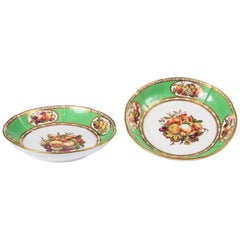
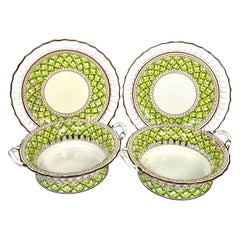
Early 19th Century Regency Spode Pair of Porcelain Dessert Dishes
By Spode
Located in Dublin 8, IE
Early 19th century Regency Spode pair of porcelain hand painted dessert dishes of circular form with lobed gilded rim, decorated to the edge with gilded egg and dart motif against gr...
Category

1810s British Regency Antique Spode Serveware, Ceramics, Silver and Glass

Materials

Porcelain

Spode serveware, ceramics, silver and glass for sale on 1stDibs.

Spode serveware, ceramics, silver and glass are available for sale on 1stDibs. These distinctive items are frequently made of ceramic and are designed with extraordinary care. There are many options to choose from in our collection of Spode serveware, ceramics, silver and glass, although gray editions of this piece are particularly popular. Many of the original serveware, ceramics, silver and glass by Spode were created in the Regency style in europe during the 19th century. If you’re looking for additional options, many customers also consider serveware, ceramics, silver and glass by Coalport Porcelain, Chamberlains Worcester, and Samuel Alcock Co.. Prices for Spode serveware, ceramics, silver and glass can differ depending upon size, time period and other attributes — on 1stDibs, these items begin at $49 and can go as high as $17,500, while a piece like these, on average, fetch $976.
Questions About Spode Serveware, Ceramics, Silver and Glass
  • 1stDibs ExpertApril 5, 2022
    Spode pottery dates back to the 1770s and the originator of the company, Josiah Spode. Josiah Spode was born in 1733 and learned the trade by working for other local potters until 1775 when he established his own company. Find a collection of expertly vetted Spode pottery from some of the world’s top sellers on 1stDibs.
  • 1stDibs ExpertApril 5, 2022
    Spode Copeland is a brand of fine antique porcelain from Britain. The Spode company started in 1776, and was bought by the Copeland family early in the 1830s. Browse a collection of Spode Copeland porcelain pieces from top sellers on 1stDibs.
  • 1stDibs ExpertAugust 20, 2024
    To tell if a Spode is vintage, do some research using trusted online resources. Start by comparing the brand mark on your piece to images shared online to get a rough idea of the timeframe during which it was produced. From there, you can look at catalogues and references to identify the pattern and get a clearer picture of its manufacturing date. If your piece was made 20 to 99 years ago, it is vintage. Older pieces are antiques, while newer ones are contemporary. Should you run into any difficulty, a certified appraiser or knowledgeable dealer can help you with the dating process. Explore a collection of Spode pottery on 1stDibs.
  • 1stDibs ExpertApril 22, 2024
    Whether you can put Spode china in the dishwasher varies. Some pieces are dishwasher-safe and will be marked as such on their backs or bottoms. Other pieces cannot be safely placed in the dishwasher. If your Spode china doesn't have a dishwasher-safe marking, err on the side of caution and hand wash it only. On 1stDibs, find an assortment of Spode china.
  • 1stDibs ExpertApril 16, 2024
    Most Spode is bone china. During its early decades, Spode was the first to develop a standard formula for the making of bone china, and most of its pieces made after this innovation are examples of bone china. However, particularly early on, Spode did make other types of pottery, such as earthenware. On 1stDibs, shop a selection of Spode china.
  • 1stDibs ExpertApril 5, 2022
    Yes, Spode pottery and homewares are still being made. Spode is an English brand founded by Josiah Spode and is credited for perfecting the techniques that were crucial to the future success of English pottery. Spode pottery can be purchased through authorized retailers, such as 1stDibs.
  • 1stDibs ExpertAugust 15, 2024
    Whether Spode is made in England or China depends on the piece. Spode continues to manufacture some of its iconic china at its workshop in Stoke-on-Trent, England, which has been in continuous operation for more than 250 years. However, some lines now originate from factories in China that adhere to the brand's strict quality standards. On 1stDibs, shop a wide variety of Spode pieces.
  • 1stDibs ExpertNovember 20, 2024
    Yes, some Spode pottery is worth something. Spode is one of the oldest and most distinguished of the great pottery companies of Staffordshire, the time-honored home of English ceramics. The firm’s blue and white bone china transferware is a timeless classic. Spode dishes compose the sort of elegant dinner service that most of us envision on a traditional holiday table, and as a result, pieces produced by the maker are often in high demand. Potential selling prices of Spode pottery vary based on type, style, pattern, age, condition and other factors. If you'd like to know how much items in your collection may be worth, consider using the services of a certified appraiser or knowledgeable antique dealer. On 1stDibs, shop a range of Spode pottery.
  • 1stDibs ExpertMarch 13, 2024
    Whether Spode Christmas dishes can go in the microwave varies. Many of the British maker's dinnerware is dishwasher-safe as well as microwave- and freezer-safe, but not all its pieces are. As a result, you should look at the markings on the bottom of your dishes and consult the care instructions that accompany them for advice on how to safely use them. Find a large selection of Spode porcelain and ceramic wares on 1stDibs.
  • 1stDibs ExpertAugust 8, 2024
    No, Spode Christmas Tree is not still made in England. In 2006, the British maker began producing its iconic holiday china in Malaysia. Pieces made prior to 2006 originated at the company's workshop in Stoke-on-Trent, England. On 1stDibs, find a variety of Spode china from some of the world's top sellers.

Recently Viewed

View All