Antiques Decorative Furniture
to
22
86
86
33
14
9
4
3
3
2
1
1
1
13
29
44
2
30
9
1
2
1
14
7
1
1
42
24
18
15
13
76
33
13
10
10
86
86
86
7
7
4
2
1
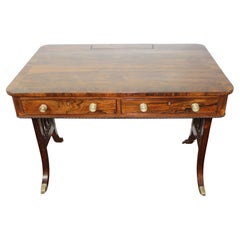
19th century Rosewood Writing Table
By Gillows of Lancaster
London
Located in Seaford, GB
Manner of Gillows Regency Rosewood Library Table
Regency Craftsmanship
This superb Regency rosewood library or writing table is a stunning example of craftsmanship and elegance, e...
Category
Antique Early 19th Century British Regency Desks and Writing Tables
Materials
Brass
After Antique Vintage composite Marble bust Anthony Redmile
By Anthony Redmile London
Located in Seaford, GB
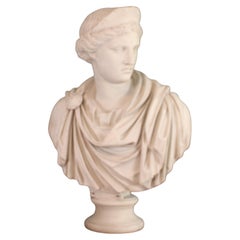
After the Antique Vintage Marble Bust by Anthony Redmile
This exquisite After the Antique Vintage Marble Bust by Anthony Redmile depicts a regal Roman empress draped in a traditional toga, reflecting both imperial grandeur and timeless elegance. Known for his masterful blend of classical themes and contemporary craftsmanship, Anthony Redmile’s work stands as a pinnacle of decorative arts, making this bust a highly sought-after piece for collectors and interior designers alike.
Crafted from a high-quality marble composite, this bust embodies the beauty and durability of authentic stonework. The material’s polished finish enhances the lifelike detail of the sculpture, capturing the serene expression and commanding presence characteristic of ancient Roman portraiture. The empress's finely sculpted facial features, from her calm gaze to the delicate contours of her lips, exude nobility and poise.
The draped toga, symbolizing Roman dignity and imperial authority, is meticulously detailed with flowing folds that create a dynamic sense of movement and texture. Each fold showcases Redmile’s keen eye for detail, elevating this piece from mere decoration to a true work of art. The bust rests on a stately socle base, completing the elegant design with a classical foundation that enhances its majestic appeal.
The Significance of an Anthony Redmile Bust...
Category
Vintage 1980s British Modern Figurative Sculptures
Materials
Marble
Early 19th century Capriccio Brazil School Painting
Located in Seaford, GB
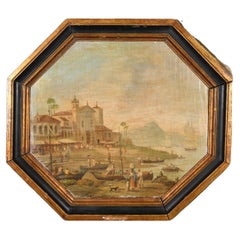
Rare Early 19th century Capriccio view of Rio de Janeiro Painting
Probably painted circa 1810 by one of Jean-Baptiste Debret, Italian Students.
Painted on Sailcloth.
Historical Context of Early 19th Century Portuguese Colonial Brazil
1.1 Transition from Colony to Empire
During the early 19th century, Brazil underwent a seismic shift in its political status. Originally a colony under the Portuguese Empire, the arrival of the Portuguese Royal Court in Rio de Janeiro in 1808 rapidly elevated the city’s cultural and political importance. By 1815, Brazil was declared a kingdom united with Portugal, setting the stage for the emergence of the Empire of Brazil in 1822. This period of transformation—often termed the transitional period from colony to empire—fueled a wave of artistic production in cities like Rio de Janeiro.
1.2 European Artistic Influence in Brazil
With the French Artistic Mission in Rio (initiated in 1816) and the presence of various Portuguese and European artists, Brazilian art of the early 1800s began to reflect diverse influences, from neoclassical painting to the early rumblings of romanticism. Painters such as Jean-Baptiste Debret, and Nicolas-Antoine Taunay, and local luminaries like Manuel de Araújo Porto-Alegre contributed to the fine arts tradition in Brazil. Their works featured scenes of local life, portraits of Brazilian society, and imaginative vistas—sometimes referred to as “capriccios,” in which real elements were combined with artistic liberties to create an idealized panorama.
1.3 Rio de Janeiro as Cultural and Political Hub
Rio de Janeiro, often called the Imperial capital after Brazil’s independence, was home to foundational institutions like the Imperial Academy of Fine Arts (Academia Imperial de Belas Artes). Later evolving into the Escola de Belas Artes (School of Fine Arts in Rio), these academies nurtured the talents of emerging painters, who found patronage under the Royal Court and, subsequently, the Imperial Court. The city’s significance was further enhanced by the construction of significant buildings, the modernization of infrastructure, and the mingling of European courtly customs with the traditions of local inhabitants.
. Description of the Octagonal Oil on Canvas: A Capriccio View of Rio de Janeiro
2.1 Composition and Layout
The most striking characteristic of this 19th-century Brazilian art piece is its octagonal shape, a relatively unusual format that draws the viewer’s gaze toward its centre. The composition showcases Rio de Janeiro’s shoreline in the early 1800s, brimming with merchant ships and smaller boats anchored near the shore. On the sand, there is a bustling crowd of local people—men and women carrying food and goods on their heads, loading and unloading boats, and engaging in everyday commerce. The backdrop of soaring mountains suggests Rio’s iconic topography, embodying the landscape that famously defines the city.
2.2 Architectural and Religious Landmarks
On the left side, one can discern the silhouette of a church believed to be Santa Lucia, a significant religious structure in the heart of early 19th-century Rio. This element provides viewers with a tangible reference point, linking the scene to an actual location. However, because this painting is labelled as a “capriccio,” the artist might have taken creative liberties by rearranging or amplifying certain features of the city. The melding of real and idealized elements is characteristic of these imaginative vistas.
2.3 Evoking Daily Life in Colonial Rio
One of the painting’s greatest appeals lies in its portrayal of daily life during the colonial era. Men and women from various backgrounds populate the scene. Some appear to be carrying goods on their heads, a common practice in Brazil that has persisted through different centuries. Others appear to be haggling or trading near small vessels, revealing the commercial pulse of an active port city. This focus on local people, combined with the grandeur of merchant ships, captures the tension and synergy between the every day and the extraordinary—a hallmark of Brazilian colonial painting that balances the grand narratives of empire with the rhythms of ordinary life.
2.4 An Amalgamation of Neoclassical and Romantic Influences
Although academic art in early 19th century Brazil was highly influenced by neoclassicism, the onset of romanticism can be spotted in the emotional portrayal of the sky, the lively palette, and the dramatic emphasis on nature’s beauty (the mountains, in particular). This duality reflects the fine arts tradition in Brazil during the transitional phase when artists were embracing multiple styles. As part of the School of Rio or the Rio de Janeiro school, painters often integrated academic techniques learned from European masters with emerging local subjects and influences.
3. Institutions and Artistic Movements
3.1 Imperial Academy of Fine Arts
Originally known as the Royal School of Sciences, Arts, and Crafts, the Imperial Academy of Fine Arts in Rio de Janeiro was instrumental in shaping 19th-century Brazilian art. Influential artists and teachers from Portugal, France, and other European nations congregated at the Academy, imparting their expertise to native students. As the monarchy consolidated power, the Academy enjoyed royal patronage, leading to the creation of Imperial Academy-style works that combined European academic rigour with Brazilian-themed subject matter.
3.2 Impact of the French Artistic Mission
The French Artistic Mission, which arrived in 1816, played a pivotal role in introducing advanced European artistic techniques, thereby elevating the overall quality of painting in Brazil. Artists like Jean-Baptiste Debret not only documented Brazilian society but also spearheaded the development of a local visual identity that aligned with both academicism and the national context of a blossoming empire. Debret, alongside others such as Nicolas-Antoine Taunay, mentored Brazilian artists, sowing the seeds of what would become the Brazilian academic art movement.
3.3 Religious, Historical, and Landscape Paintings
In addition to everyday scenes and historical compositions, religious iconography remained crucial throughout Portuguese colonial and imperial Brazil. Churches were omnipresent in cityscapes like Rio de Janeiro. Many colonial-era Brazilian portraits...
Category
Antique Early 19th Century Brazilian Spanish Colonial Paintings
Materials
Canvas

$2,977 Sale Price
20% Off
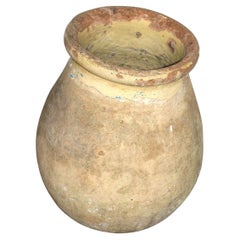
19th century French Biot Jar
Located in Seaford, GB
19th Century French Biot Jar – Authentic Antique Pottery for Sale in Sussex
The 19th-century French Biot jar is an exquisite example of Provençal craftsmanship, originating from th...
Category
Antique Mid-19th Century French Victorian Planters, Cachepots and Jardin...
Materials
Terracotta
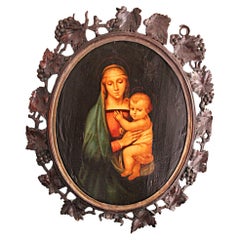
19th century After Rahael Grand Duke’s Madonna Painting
By (after) Raphael (Raffaello Sanzio da Urbino)
Located in Seaford, GB
After Raphael's Grand Duke's Madonna
Grand Duke's Madonna after Raphael, a stunning 19th-century oil painting from the renowned Berkley Collection. This remarkable artwork, inspire...
Category
Antique Late 19th Century Italian Renaissance Paintings
Materials
Paint, Paper
$1,819 Sale Price
20% Off
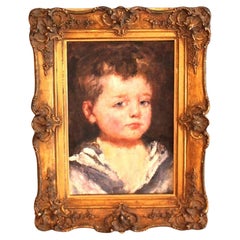
Antique Portrait of Young boy Robert Henri
By Robert Henri 1
Located in Seaford, GB
Antique Oil Painting – Studio of Robert Henri – Sailor Boy Mick – Early 20th Century Artwork
Experience the timeless beauty of this Robert Henri Cozad Sailor Boy Mick Oil Painting o...
Category
Vintage 1920s Irish Art Deco Paintings
Materials
Paint
$1,598 Sale Price
20% Off
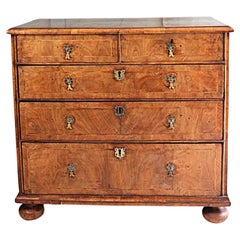
Queen Anne Burr Walnut Chest of Drawers
Located in Seaford, GB
Early 18th-Century Queen Anne Burr Walnut Chest of Drawers
This Queen Anne Burr Walnut Chest of Drawers is a fine example of early 18th-century craftsmanship, combining timeless des...
Category
Antique Early 17th Century English Baroque Commodes and Chests of Drawers
Materials
Walnut
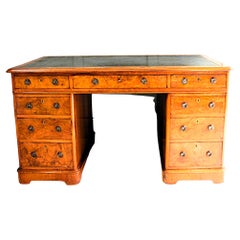
19th Century Fine Quality Burr Walnut desk
By Howard
Sons Ltd
Located in Seaford, GB
19th Century Burr Walnut Desk – Elegance and Victorian Craftsmanship
Discover the unmatched charm and sophistication of our 19th-century figured burr walnut twin pedestal desk, a f...
Category
Antique 1880s Victorian Desks and Writing Tables
Materials
Leather, Walnut
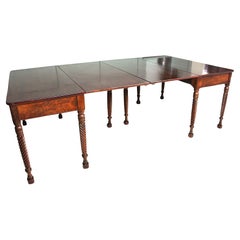
Federal Massachusetts Cuban mahogany dining table
Located in Seaford, GB
Massachusetts Cuban mahogany dining table
Period: Federal
Date: 1810
Place of Manufacturer: Salem, Massachusetts
Made of: Cuban Mahogany
Conditio...
Category
Antique Early 19th Century Federal Dining Room Tables
Materials
Mahogany
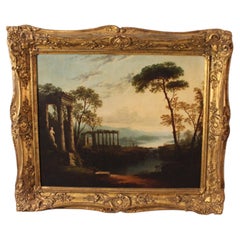
Manner of Claude Lorrain The Goat heard in Arcadian Landscape
By Claude Lorrain
Located in Seaford, GB
An Exquisite Italianate Arcadian Landscape Oil Painting
This late 18th-century Italianate classical landscape oil painting beautifull...
Category
Antique Late 18th Century European Baroque Paintings
Materials
Canvas, Paint
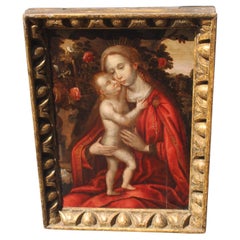
Flemish 16th century Madonna in a Rose Garden
Located in Seaford, GB
The Madonna and Child Oil Painting in a Rose Garden – Flemish (Ambrosius Benson School)
Late 16th Century/ Early 17th Century Flemish Oil Painting on Oak Panel
Artist & Background
This exquisite Flemish Renaissance Madonna and Child oil painting, titled Madonna and Child in a Rose Garden, is attributed to a follower of Ambrosius Benson (circa late 16th - early 17th century). Benson, originally from Lombardy, Italy, became a renowned master painter in Bruges, Flanders, in the early 1500s..
Key Features of This Madonna and Child Painting:
Period & Style – Late 16th-century Flemish School, influenced by Gerard David and Leonardo da Vinci.
Medium – Oil on oak panel, a signature technique of Flemish masters.
Composition – The Virgin Mary and Christ Child are set in a serene rose garden, symbolising purity and divine love.
Influence – This artwork reflects both Netherlandish precision and Lombard artistic traditions.
Provenance & Demand: Benson’s followers were widely sought after, and his compositions commanded high market value among collectors.
Antique Hand-Carved Frame Old Master Madonna and Child Artwork
This painting is housed in an original 17th-century hand-carved wooden frame featuring a classic egg-and-dart motif.
Condition Report
Conservation Status: Professionally cleaned.
Historical Cracking: Some age-related panel cracks are common in antique oil paintings.
Restoration: Minor retouching to the Madonna’s face, enhancing original details.
Why Invest in Flemish Renaissance Art?
Historical Significance – Works by Ambrosius Benson’s followers remain highly collectable in the art market.
Museum-Quality Piece – Suitable for private collectors, investors, and art connoisseurs.
European Heritage – A fine example of an Old Master religious painting...
Category
Antique 1610s Belgian Renaissance Paintings
Materials
Oak, Paint
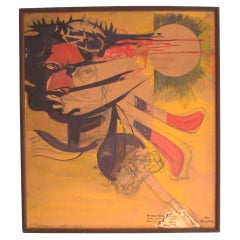
Mid Century 1960s Italian Abstract painting
Located in Seaford, GB
1960s Italian Abstract Painting in Orange and Black
This 1960s Italian abstract painting is a captivating exploration of form and color, featuring a vibr...
Category
Vintage 1960s Italian Mid-Century Modern Paintings
Materials
Acrylic
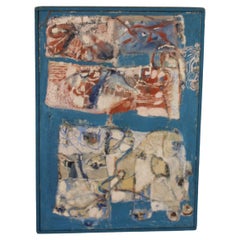
Midcentury Italian Abstract Blue Painting
Located in Seaford, GB
Midcentury Abstract Blue Painting Signed and dated 1972
Midcentury Abstract Blue Painting The Italian abstract art scene of the 1970s was transformativ...
Category
Vintage 1970s Spanish Mid-Century Modern Paintings
Materials
Acrylic
$1,378 Sale Price
20% Off
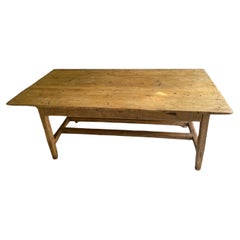
19th Century Irish Pine Farmhouse Table
Located in Seaford, GB
19th Century Irish Pine Farmhouse Table
📜 Provenance – 19th Century Irish Vernacular Pine Farmhouse Table
This remarkable 19th-century Irish farmhouse table was sourced directly f...
Category
Antique 1890s Irish Country Dining Room Tables
Materials
Pine
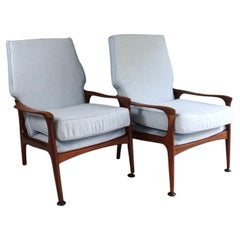
Mid-century Fler Armchairs by Fred Lowen
By Fred Lowen
Located in Seaford, GB
Mid-Century Danish Teak Fler Armchairs by Fred Lowen – 1960s Design
Elevate your living space with this pair of mid-century Danish teak armchairs designed by Fred Lowen, a celebrate...
Category
Vintage 1960s New Zealand Mid-Century Modern Lounge Chairs
Materials
Teak
$2,060 / set
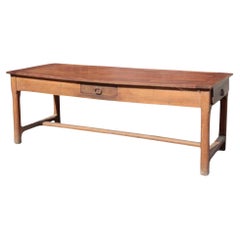
French Provincial Cherrywood Farmhouse Table
Located in Seaford, GB
19th Century French Provincial Cherrywood Farmhouse Dining Table – Circa 1850s – Antique Elegant Dining Furniture
This 19th-century French Provincial cherrywood farmhouse table (cir...
Category
Antique 1850s French Country Dining Room Tables
Materials
Cherry
Vintage Ercol Windsor Three-Tier Trolley
By Lucian Ercolani, Ercol
Located in Seaford, GB
Vintage Ercol Windsor Three-Tier Trolley – A Timeless Mid-Century Masterpiece
The Vintage Ercol Windsor Three-Tier Trolley is a must-have collectible fo...
Category
Vintage 1960s British Mid-Century Modern Carts and Bar Carts
Materials
Beech, Elm

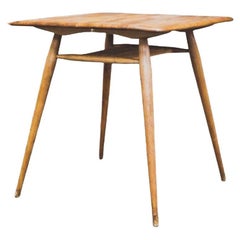
Mid Century Ercol Elm breakfast table
By Ercol, Lucian Ercolani
Located in Seaford, GB
Mid-Century Ercol Elm Breakfast Table (Model 393)
Timeless Design for Everyday Use
The Mid-Century Ercol Elm Breakfast Table (Model 393) is a beautiful mix of style and function. Wi...
Category
Vintage 1960s British Mid-Century Modern Tables
Materials
Beech, Elm
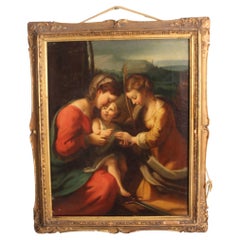
18th century Antonio Correggio The Mystic Marriage of St Catherine
By Antonio da Correggio
Located in Seaford, GB
Antonio Correggio’s The Mystic Marriage of St. Catherine
This stunning 18th-century copy draws inspiration from the masterpiece The Mystic Marriage of Saint Catherine, originally pa...
Category
Antique Mid-19th Century Italian Renaissance Paintings
Materials
Canvas
$2,425 Sale Price
20% Off
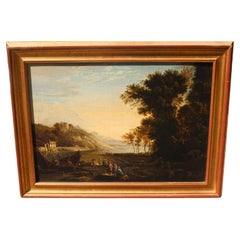
Manner of Claude Lorrain Merchants on the banks of the river po
By (after) Claude Lorrain (Claude Gellée)
Located in Seaford, GB
Italianate landscape, Manner of Claude Lorrain
Very good Quality oil on relined canvas in the Manner of Claude Lorrain, cargo ships on the banks of the river Po Italy.
📜 Provenance – Italianate Landscape after Claude Lorrain, England or Italy, circa late 18th–early 19th century
This finely executed oil on canvas is an accomplished historic copy after Claude Lorrain’s celebrated Italianate river landscapes, specifically related to his Landscape with Merchants (c. 1630s), held at the National Gallery of Art, Washington, D.C. The composition also bears a close resemblance to the 1769 engraving by Boydell and James Mason, after a painting once in the distinguished collection of Robert Trevor, 4th Baron Trevor, later 1st Viscount Hampden.
The scene features cargo ships along the tranquil banks of the River Po, enveloped in the soft, atmospheric light for which Claude Lorrain (1600–1682) is universally revered. Executed in the idiom of the Grand Tour period, the painting exemplifies the classical Arcadian themes sought by aristocratic collectors travelling through Italy in the 18th and early 19th centuries.
This work is a particularly elegant example of the period's taste for Claudean compositions, balancing architectural elements with expansive vistas and golden, diffused light. The canvas has been professionally relined and restored, housed in a contemporary frame that complements the work’s scale and palette. Minor craquelure and darkening to areas of the blue and green pigments remain consistent with age, enhancing its historic charm.
Ideal for integration into neoclassical, traditional, or transitional interiors, this work represents an opportunity to acquire a piece of decorative art with a strong visual lineage and academic relevance — a testament to Lorrain’s enduring influence across centuries of landscape painting.
Very similar to the Landscape with Merchants in the National Gallery of Art, Washington, D.C.
Our version could be after the engraving by Boydell and James Mason on 1st January 1769.
Interestingly, the source painting for the painting was once in the collection of Robert Trevor, 4th Baron Trevor (from 1764), and subsequently (from 1776) 1st Viscount Hampden.
18th-Century Italian Landscape in the Manner of Claude Lorrain
This exquisite 18th-century Italian Landscape in the manner of Claude Lorrain captures the essence of Italian Baroque landscape painting, showcasing the serene beauty and harmony of the classical countryside. Drawing inspiration from the Golden Age landscape painting, it reflects the elegance and detail characteristic of Claude Lorrain-style artwork, featuring sweeping vistas, balanced compositions, and an idealised landscape scene that exudes timeless charm.
A Classical Italian Countryside Painting...
Category
Antique 18th Century British Baroque Paintings
Materials
Canvas
$4,962 Sale Price
20% Off
Mid Century Dining table and Chairs by John Herbert for A Younger
By Herbert John Day
Located in Seaford, GB
Mid Century Vintage mid century teak dining set by John Herbert for A Younger Ltd – Circa 1960s Sussex
Elevate your dining space with this rare Mid Century Vintage Fonseca Table an...
Category
Vintage 1960s British Mid-Century Modern Dining Room Sets
Materials
Teak

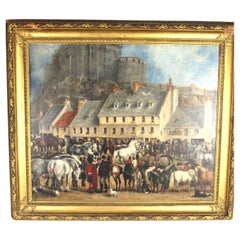
19th-century Scotland Edinburgh Horse Fair Painting
By Rosa Bonheur
Located in Seaford, GB
A rare 19th-century painting of the Horsefair at the Grassmarket, Edinburgh, Scotland
Follower of Rosa Bonheur, oil on canvas
indistinctive collector wax seals verso.
19th-Century...
Category
Antique 1860s British High Victorian Paintings
Materials
Canvas
$8,270 Sale Price
20% Off
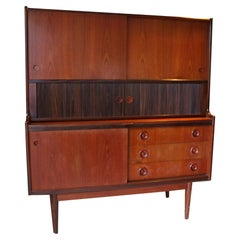
Mid-Century Danish Teak Hutch Cabinet Johannes Andersen for Wilhelm Schaum Oy
By Johannes Andersen
Located in Seaford, GB
Vintage Mid-Century Teak Drinks Cabinet/highboard / high hutch / Sideboard by Johannes Andersen
This exquisite Danish teak highboard is a rare and highly sought-after design by Joha...
Category
Vintage 1960s Danish Mid-Century Modern Cabinets
Materials
Teak
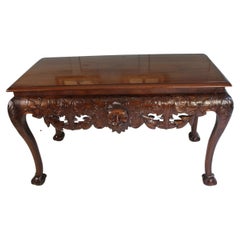
Irish George II style mahogany Serving table
By James Hicks
Located in Seaford, GB
Irish George II-Style Mahogany Side Table – A Masterpiece of Antique Furniture in Sussex
This Irish George II-style mahogany side table exemplifies late 19th century craftsmanship i...
Category
Antique 1890s Irish George II Serving Tables
Materials
Mahogany
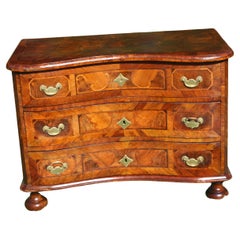
18th Century Baroque walnut and fruitwood Chest of Drawers , Circa 1750
Located in Seaford, GB
18th-Century Austrian Baroque Chest of Drawers, Circa 1760
Period: Baroque
Great Colour and Patina
Date: Circa 1760
Material: Fruitwood and Walnut
Condition:
Original inlays have bee...
Category
Antique 1750s Austrian Baroque Commodes and Chests of Drawers
Materials
Tulipwood, Walnut
$8,787 Sale Price
25% Off
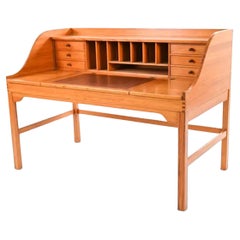
Mid-Century Scandinavian pine desk by Andreas Hansen
By Andreas Hansen
Located in Seaford, GB
Mid-Century Modern Free-Standing Pine Desk by Andreas Hansen – Vintage Danish Designer from Denmark designed this wonderful Mid-Century Scandinavian pine desk in 1969.
Clean Lines:
...
Category
Vintage 1970s Danish Scandinavian Modern Desks
Materials
Pine