AUA Oriental Art
to
299
197
56
49
42
36
21
19
18
10
5
3
2
1
Ming Period Large Pottery Horse with Saddle (15-16th Century)
Located in seoul, KR
This Ming Dynasty painted pottery horse is depicted standing on a tiered rectangular pedestal. The horse has a well-proportioned body, with sturdy legs and a slightly arched neck. The eyes and muzzle are subtly outlined and incised.
The mane is sculpted with deep, parallel grooves. The tail is long and slightly curved left, extending downward. The saddle is prominently featured at the center of the horse’s back, detailed with a raised, rounded seat and an attached stirrup hanging down one side. The saddlecloth is textured with a crosshatch pattern, bordered by a row of carved fringe-like elements. The horse's legs display subtle musculature, and the hooves are clearly defined, with black pigment accentuating their edges.
The original painted pigments, including white, black, and ochre, are still visible, though faded in some areas. The black pigment highlights the mane, tail, and parts of the bridle, while the ochre tones accentuate the saddle and decorative elements.
Period: Ming Dynasty
Medium: Green, black, and ochre glazed Pottery
Type: Figure
Provenance : Acquired in late 1990s from Hongkong
Reference : Asian Civilisations Museum - Accession No. C-1384 / 1994-00441 - Ming Dynasty Figure of Horse
(Type : Closely Related)
* Ming Dynasty Glazed Pottery Figures
Ming Dynasty glazed pottery figures are renowned for their bold color palette, intricate detailing, and lifelike forms, distinguishing them from earlier traditions. These figures, which depict officials, warriors, animals, and mythical creatures, are characterized by high-gloss lead-based glazes in green, amber, ochre, and sancai (three-color) combinations. The thickly applied glaze pools in recesses, creating depth and enhancing sculptural details. With dynamic postures, expressive facial features, and meticulously rendered drapery, these figures reflect the period’s advancement in ceramic craftsmanship, offering a greater sense of movement and realism compared to the rigid and stylized forms of earlier dynasties.
A defining characteristic of Ming glazed pottery is its elaborate surface detailing, often achieved through raised relief elements and contrasting glazes. Equestrian figures, for example, feature carefully sculpted saddles, harnesses, and decorative embellishments, while human figures are adorned with intricate robes and headdresses. The large scale of these tomb figures, often more imposing than those from previous periods, underscores the increasing importance of funerary art during the Ming era. Unlike later Qing Dynasty figures...
Category
Antique 15th Century and Earlier Hong Kong Ming Antiquities
Materials
Pottery
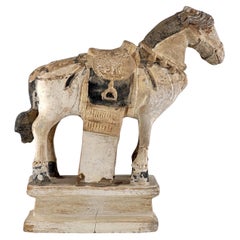
Ming Period Large Pottery Horse with Saddle (15-16th Century)
Located in seoul, KR
The figure stands on a rectangular base. The horse is depicted in a poised stance, with strong, muscular legs and a slightly bowed head. The mane is carefully sculpted with deep, flowing grooves, adding a dynamic texture to the piece. The head features expressive details, including a well-defined muzzle, flared nostrils. The bridle and harness are delicately painted in faded green, contrasting against the creamy beige body. The saddle is adorned with intricate details, including decorative tassels and a textured pattern, indicative of the elaborate tack used in the Ming period.
Traces of original polychrome pigments in green, black, and ochre remain on the surface, hinting at the sculpture’s once-vibrant appearance. The weathered patina and areas of flaking paint add to its historical authenticity, reflecting centuries of age. The overall craftsmanship and detailing exemplify the Ming Dynasty’s refined ceramic artistry, making this piece a remarkable representation of of asian culture during this period.
Period: Ming Dynasty
Medium: Green, black, and ochre glazed Pottery
Type: Figure
Condition : Good(chips on the upper saddle.)
Provenance : Acquired in late 1990s from Hongkong
Reference : Asian Civilisations Museum - Accession No. C-1384 / 1994-00441 - Ming Dynasty Figure of Horse
(Type : Closely Related)
* Ming Dynasty Glazed Pottery Figures
Ming Dynasty glazed pottery figures are renowned for their bold color palette, intricate detailing, and lifelike forms, distinguishing them from earlier traditions. These figures, which depict officials, warriors, animals, and mythical creatures, are characterized by high-gloss lead-based glazes in green, amber, ochre, and sancai (three-color) combinations. The thickly applied glaze pools in recesses, creating depth and enhancing sculptural details. With dynamic postures, expressive facial features, and meticulously rendered drapery, these figures reflect the period’s advancement in ceramic craftsmanship, offering a greater sense of movement and realism compared to the rigid and stylized forms of earlier dynasties.
A defining characteristic of Ming glazed pottery is its elaborate surface detailing, often achieved through raised relief elements and contrasting glazes. Equestrian figures, for example, feature carefully sculpted saddles, harnesses, and decorative embellishments, while human figures are adorned with intricate robes and headdresses. The large scale of these tomb figures, often more imposing than those from previous periods, underscores the increasing importance of funerary art during the Ming era. Unlike later Qing Dynasty figures...
Category
Antique 15th Century and Earlier Hong Kong Ming Antiquities
Materials
Pottery
Yue Celadon Ewer, Late Tang-Northern Song Dynasty
Located in seoul, KR
This Yue ware celadon ewer features a gracefully rounded body that expands smoothly, complemented by a wide, flaring mouth. The translucent olive-green glaze envelops the surface, en...
Category
Antique 15th Century and Earlier Hong Kong Tang Antiquities
Materials
Celadon
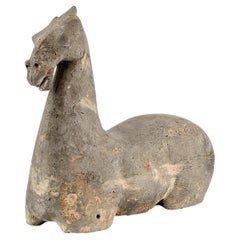
A Gray Pottery Figure of a Horse
Located in seoul, KR
This particular horse sculpture exemplifies the typical pose of Han-period equine figures—a neighing steed with its mouth wide open. Like many tomb sculptures of the era, it is crafted in unglazed, with its ears, tail, and legs separately fabricated in wood or clay and slotted into pre-prepared holes. However, several distinguishing features elevate this piece beyond standard Han horse...
Category
Antique 15th Century and Earlier Hong Kong Han Antiquities
Materials
Earthenware, Pottery
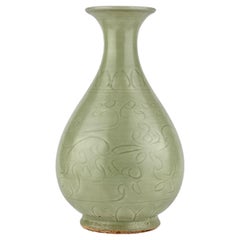
A Large Carved Longquan Celadon Yuhuchunping, Yuan-Ming Dynasty
Located in seoul, KR
* DDP Seoul, South Korea (Incoterms) – Seller is responsible for all duties, taxes, and customs clearance.
The bulbous body is adorned with elegantly carved floral motifs, with inte...
Category
Antique 15th Century and Earlier East Asian Ming Antiquities
Materials
Celadon
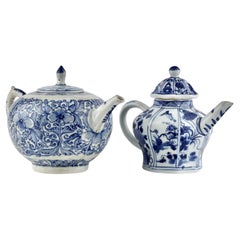
Teapots with Cover from Ca Mau Ship, Qing Dynasty, Yongzheng Reign
Located in seoul, KR
The teapot on the left features a rounded body densely adorned with blooming flowers and intertwining vines, creating a flowing and repetitive pattern. The delicate brushstrokes emph...
Category
Antique 18th Century Vietnamese Qing Antiquities
Materials
Ceramic
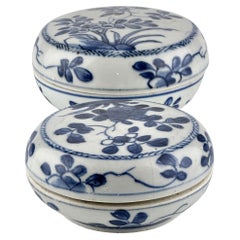
Covered Boxes from Ca Mau Ship, Qing Dynasty, Yongzheng Reign
Located in seoul, KR
The central design features botanical motifs, with fully bloomed flowers and branches intricately depicted. The rim of the lid is encircled by a decorative band resembling a twisted ...
Category
Antique 18th Century Vietnamese Qing Antiquities
Materials
Ceramic
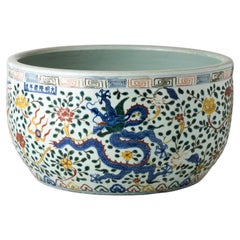
A Rare Large Wucai Dragons and Phoenix Jar, Ming dynasty Longqing Emperor
Located in seoul, KR
The blue dragon and the red dragon are depicted in dynamic postures, each extending its claws to grasp a ruyi pearl (如意珠). The phoenix is adorned with flowing feathers and delicate c...
Category
Antique 16th Century Hong Kong Ming Antiquities
Materials
Ceramic
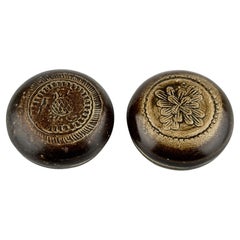
Brown-Glazed Moulded Box And Cover, Fujian Kiln, Yuan-Ming Dynasty
Located in seoul, KR
The circular domed cover moulded with a brown glaze that falls short of the straight foot. The pattern on the left features a central circular design with simple shapes and lines car...
Category
Antique 15th Century and Earlier Chinese Ming Antiquities
Materials
Pottery
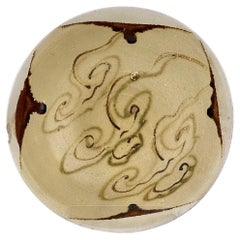
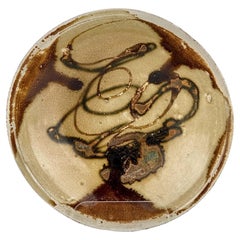
Large Changsha Bowl from Belitung Ship, Tang Dynasty
Located in seoul, KR
The edges have been dipped in four places with brown, probably iron-oxide. The well of the bowl is freely painted in deep green and coffee coloured brown. These are characteristic fe...
Category
Antique 15th Century and Earlier Indonesian Tang Antiquities
Materials
Pottery
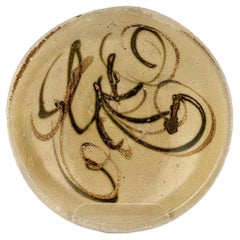
Changsha Bowl from Belitung Ship, Tang Period
Located in seoul, KR
The edges have been dipped in four places with brown, probably iron-oxide. The well of the bowl is freely painted in deep green and coffee coloured brown. These are characteristic fe...
Category
Antique 15th Century and Earlier Indonesian Tang Antiquities
Materials
Pottery

Changsha Bowl from Belitung Ship, Tang Period
Located in seoul, KR
The back side edges have been dipped in four places with brown, probably iron-oxide. The well of the bowl is freely painted in deep green and coffee coloured brown. These are charact...
Category
Antique 15th Century and Earlier Indonesian Tang Antiquities
Materials
Pottery
Changsha Bowl from Belitung Ship, Tang Dynasty
Located in seoul, KR
The edges have been dipped in four places with brown, probably iron-oxide. The well of the bowl is freely painted in deep green and coffee coloured brown. These are characteristic fe...
Category
Antique 15th Century and Earlier Indonesian Tang Antiquities
Materials
Pottery
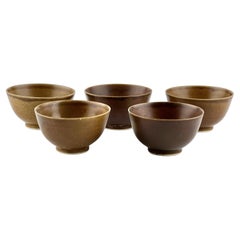
Brown Glazed Teabowls from Ca Mau Ship, Qing Dynasty, Yongzheng Era
Located in seoul, KR
These teabowls feature a simple yet elegant form, finished with a brown glaze that creates a smooth, subtle sheen. They have thin, evenly crafted walls and a small, stable footring t...
Category
Antique 18th Century Vietnamese Qing Antiquities
Materials
Ceramic
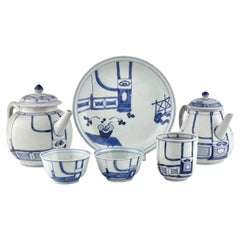
Rare
Imari Pavilion
Blue And White Tea Set C 1725, Qing Dynasty, Yongzheng Era
Located in seoul, KR
The "Imari Pavilion pattern" refers to a decoration pattern found on porcelains made during Early Qing Dynasty, influenced by Japanese Imari ware, which was produced in the Arita reg...
Category
Antique 18th Century Vietnamese Qing Antiquities
Materials
Ceramic
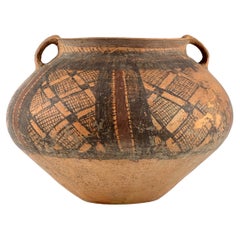
Neolithic Pottery Jar, Majiayao culture, 3rd-2nd Millenium BC
Located in seoul, KR
Fine-grained, buff-colored clay. Potted thin. Upper part of body painted with symbolic patterns in black and chocolate brown. Majiayao culture, Banshan type, 3rd millennium BC
Peri...
Category
Antique 15th Century and Earlier Hong Kong Antiquities
Materials
Earthenware, Pottery
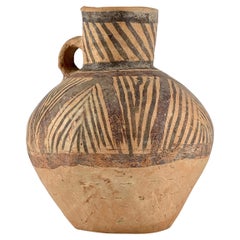
Neolithic Pottery Amphora(Gansu Province), 3rd-2nd Millenium BC
Located in seoul, KR
Neolithic Jar with strap handle from Gansu Province. Acquired in Hong Kong in the late 1990s.
Date : 3,000-2,000 BC
Made in : Gansu province
Dimension : 23cm (Height) x 8.5cm(Mouth ...
Category
Antique 15th Century and Earlier Hong Kong Antiquities
Materials
Earthenware, Pottery
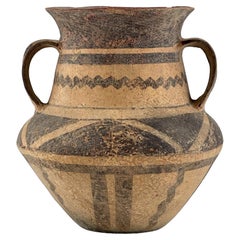
Neolithic Pottery Amphora(Gansu Province), 3rd-2nd Millenium BC
Located in seoul, KR
Neolithic Vase with raised neck, slightly flared, two handles. Geometric designs and stylized bovine heads in black. Acquired in Hong Kong in the late 1990s.
Date : 3,000-2,000 BC
M...
Category
Antique 15th Century and Earlier Hong Kong Antiquities
Materials
Earthenware, Pottery
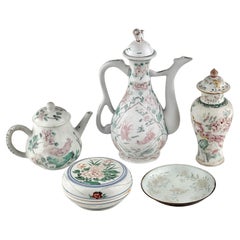
Rare Famille Rose/Verte Shipwreck Ceramics Set, Qing Dynasty, Yongzheng Era
Located in seoul, KR
Beautiful 'chickens and flowers' painted rare familie rose/verte ceramic set from Qing dynasty. Excavated from cargo underwater from the early Qing dynasty. It is presumed to originate from the Yongzheng period Ca Mau Shipwreck. On the back of the baluster vase, there are traces of marine organisms. This type of famille porcelain...
Category
Antique Early 18th Century Vietnamese Qing Antiquities
Materials
Ceramic
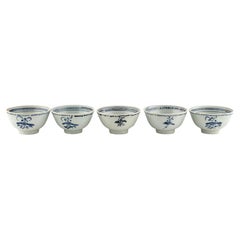
Five Tek Sing Cargo
Aster Sprays
Tea Bowls, Qing Dynasty
Located in seoul, KR
Five tea bowls, which have been salvaged from the Tek Sing, each decorated with aster sprays within a dot-dash line and featuring rims with a narrow band of dots between two parallel...
Category
Antique 1820s Indonesian Qing Antiquities
Materials
Ceramic
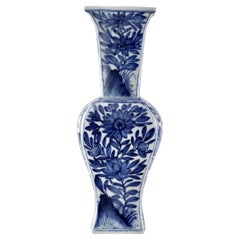
Yanyan Vase from Vung Tau Ship, Qing Dynasty Kangxi Era, Circa 1690
Located in seoul, KR
Each side pencil-painted with stylized chrysanthemum, lotus or daisy sprays issuing from rockwork. This blue and white square vase with rounded sides has a flaring mouth and a long neck. This shape can be traced back to Chinese bronzes. It is decorated with floral motifs on four sides in underglaze blue.
This piece was originally part of a pair, but the other has already been sold.
Period : Qing Dynasty, Kangxi Period(1690-1699)
Origin : Jingdezhen
Destination : Netherland
Found/Acquired : Southeast Asia , South China Sea, Vung Tau Ship
Reference : Double checked with reference to the original catalogues below
1) Christies Amsterdam 1992 - Vung Tau Cargo...
Category
Antique 17th Century Vietnamese Antiquities
Materials
Ceramic
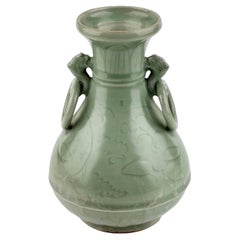
Carved Longquan Celadon Vase, Yuan-Ming Dynasty
Located in seoul, KR
A graceful baluster form with a flared mouth, a rounded body, and a slightly raised foot. The vase features two intricate handles in the shape of animal figures holding large looped ...
Category
Antique 15th Century and Earlier Hong Kong Ming Antiquities
Materials
Celadon
Brown Glazed Ceramic Ewer, Five Dynasties-Song Dynasty
Located in seoul, KR
The glaze crackles, reflecting the passage of time, add to the piece's antique charm. The spout and handle are well-proportioned, and the brown glaze is evenly applied, the unique fi...
Category
Antique 15th Century and Earlier Hong Kong Antiquities
Materials
Ceramic
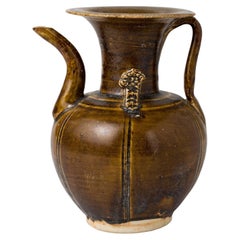
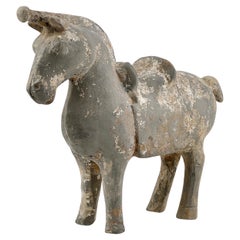
Figure of a Horse with traces of white slip
Located in seoul, KR
A standing horse, back legs slightly apart and bent, tail erect, wearing a saddle with saddlecloth, and with bridal ornaments on forelock. This horse represents a breed from the Mong...
Category
Antique 15th Century and Earlier Hong Kong Han Antiquities
Materials
Pottery
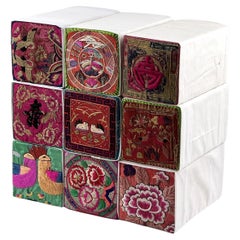
Nine Sqare Auspicious Korean Traditional Embroidered Pillows
Located in seoul, KR
These traditional Korean embroidered pillows, often included in a bride's dowry during the modern era, symbolize auspicious blessings for a harmonious and prosperous married life. Fe...
Category
Antique 19th Century South Korean Antiquities
Materials
Fabric
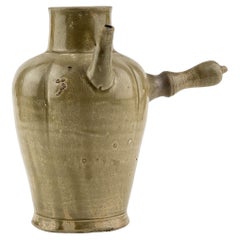
Celadon Ewer with Straight Handle, Tang to Northern Song Dynasty
Located in seoul, KR
Celadon-glazed ewer characterized by its simple and functional design. The piece features a straight handle extending horizontally from the body and a short spout for pouring liquids...
Category
Antique 15th Century and Earlier Hong Kong Tang Antiquities
Materials
Celadon
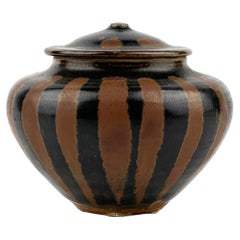
A Russet-Splashed Blackish-Brown-Glazed Jar, Song Dynasty
Located in seoul, KR
Lustrous blackish-brown glaze decorated on the exterior with lines of splashes of russet color. This jar features a rounded and voluminous body, with its shoulders gently curving upward to meet the lid. The lid is topped with a small knob-like handle at the center, creating a harmonious and well-balanced overall proportion.
Under microscopic magnification, the brown-glazed...
Category
Antique 15th Century and Earlier Hong Kong Antiquities
Materials
Ceramic
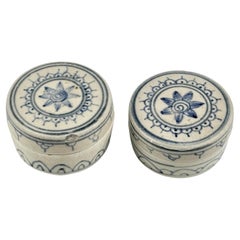
Two Annamese Miniature Covered Boxes with Flower, 15th century, Le Dynasty
Located in seoul, KR
Vietnamese covered boxes with star like flower designs. Both are made of cream-colored base and blue designs, typical of Annamese stoneware.
Dates : 15th century Le Dynasty
Region :...
Category
Antique 15th Century and Earlier Vietnamese Antiquities
Materials
Stoneware
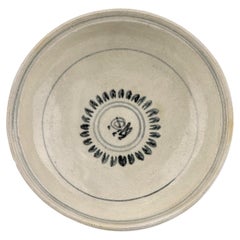
Annamese Dish Circa 15th Century, Le Dynasty
Located in seoul, KR
Its surface is coated with a smooth, glossy white or cream-colored glaze, exuding a clean and elegant finish. At the center, a geometric motif painted in black pigment draws the eye,...
Category
Antique 15th Century and Earlier Vietnamese Antiquities
Materials
Stoneware
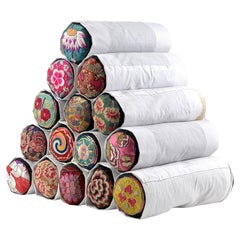
15 Auspicious Korean Traditional Embroidered Pillows
Located in seoul, KR
15 traditional embroidered pillows usually given by a bride to her husband as part of her dowry during marriage in Korea's modern era. These embroideries feature traditional symbols ...
Category
Antique 19th Century Korean Antiquities
Materials
Fabric
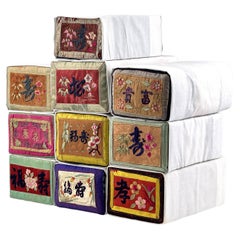
Ten Auspicious Korean Traditional Embroidered Pillows
Located in seoul, KR
Ten traditional embroidered pillows given by a bride to her husband as part of her dowry during marriage in Korea's modern era. These embroidered designs convey auspicious messages r...
Category
Antique 19th Century Korean Antiquities
Materials
Fabric
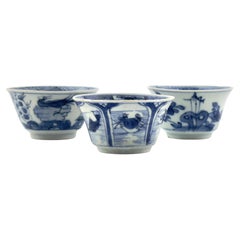
Three Ca Mau Ship Teabowl Set Circa 1725, Qing Dynasty, Yongzheng Era
Located in seoul, KR
These blue and white teabowls showcase bird-and-flower and crab motifm decorated with blooming flowers and a flying bird, representing the vibrancy of nature. The fine brushstrokes u...
Category
Antique 18th Century Vietnamese Qing Ceramics
Materials
Ceramic
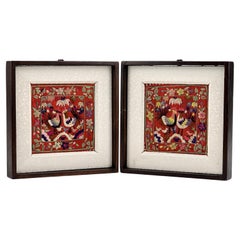
Pair of Korean Traditional Embroidered Pillowcase Frames
Located in seoul, KR
Pair of traditional embroidered frame, given by a bride to her husband as part of her dowry during marriage in Korea's modern era. The embroidered mandarin ducks symbolize marital ha...
Category
Antique 19th Century Korean Paintings and Screens
Materials
Fabric
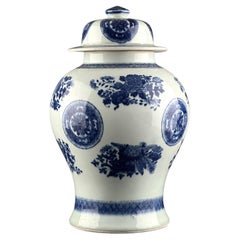
Blue and white jar with multi-treasure pattern, Mid-Late Qing Period
Located in seoul, KR
The jar features a straight mouth, rounded shoulders, a tucked-in belly, and outward-turned feet, with a high rounded lid topped with a bead. Its shape, resembling a general's helmet...
Category
Antique 19th Century Hong Kong Qing Ceramics
Materials
Ceramic
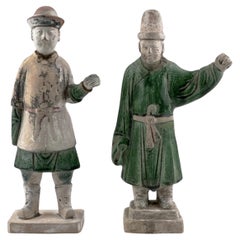
Two Figures of Attendants, Ming Period(1368-1644)
Located in seoul, KR
Statues of attendants crafted from terracotta, featuring glazes in green, Set on rectangular bases.
Period: Ming Dynasty
Medium: Glazed Pottery
Type: Figure
Condition : Excellent(It has soil on it, which is presumed to be evidence of excavation)
Provenance : Acquired in late 1990s from Hongkong
Reference :
1) Indianapolis Museum of Art - Dinastia ming, figure maschili, 1368-1644
(Type : Closely related)
2) V&A Museum - Accession number FE.295:1, 2-2005
(Type : Closely related)
3) Sotheby's 01 May 2007 - The Collection Of Paul Otto Taubert & Jewellery And Decorative Arts - Lot 233
(Price range : 5,000 - 7,000 AUD / Type : Closely related)
4) Asian Art Museum, San Francisco - Object number B60P1631 - Standing Man Tomb Figure
* Ming Dynasty Glazed Pottery Figures
Ming Dynasty glazed pottery figures are renowned for their bold color palette, intricate detailing, and lifelike forms, distinguishing them from earlier traditions. These figures, which depict officials, warriors, animals, and mythical creatures, are characterized by high-gloss lead-based glazes in green, amber, ochre, and sancai (three-color) combinations. The thickly applied glaze pools in recesses, creating depth and enhancing sculptural details. With dynamic postures, expressive facial features, and meticulously rendered drapery, these figures reflect the period’s advancement in ceramic craftsmanship, offering a greater sense of movement and realism compared to the rigid and stylized forms of earlier dynasties.
A defining characteristic of Ming glazed pottery is its elaborate surface detailing, often achieved through raised relief elements and contrasting glazes. Equestrian figures, for example, feature carefully sculpted saddles, harnesses, and decorative embellishments, while human figures are adorned with intricate robes and headdresses. The large scale of these tomb figures, often more imposing than those from previous periods, underscores the increasing importance of funerary art during the Ming era. Unlike later Qing Dynasty figures...
Category
Antique 15th Century and Earlier Hong Kong Ming Antiquities
Materials
Pottery
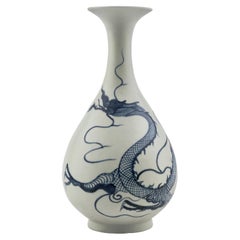
Blue And White Yuan-style ‘Dragon’ Bottle Vase, Yuhuchunping, Early Qing dynasty
Located in seoul, KR
The vase is delicately potted featuring a pear-shaped body that rests on a slightly flared foot and extends upward into a trumpet-shaped neck. Its exterior showcases a dynamic, three-clawed dragon in stride amidst flames.
This piece reflects a similar style to Yuan dynasty Yuhuchunping dragon vases, while reinterpreting certain details, such as the sharp and simplified shape of the dragon's head, the distinctive straight design of its claws, and the intricate depiction of the dragon’s scales.
The sticker on the base indicates that the absolute age was determined through radiological mechanical appraisal using the quantum absolute dating method, with the results pointing to the early 18th century.
Period : Qing Dynasty(Presumably Kangxi or Yongzheng Period)
Type : Yuhuchunping
Medium : Blue and White glaze
Condition : Excellent(slight salt residue remains on the surface, and the glaze is worn primarily around the edges, such as mouth and base)
Provenance: Southeast Asia, South China Sea from Shipwreck in early 2000s
Reference :
1) Christies Hong Kong 26 SEP 2024 - Lot 2
(Price realised : 819,000 HKD / Type : related)
* Yuan-Ming Style from Qing Dynasty
During the Qing dynasty, many ceramics were produced that imitated the styles of the Ming and Yuan dynasties. This practice was not mere imitation but a creative endeavor to inherit and innovate upon past techniques and styles. Qing dynasty ceramicists mastered the exceptional techniques of Ming and Yuan ceramics and used them as a foundation to develop more advanced works. Particularly, Yuan dynasty blue and...
Category
Antique Early 18th Century Vietnamese Qing Antiquities
Materials
Porcelain
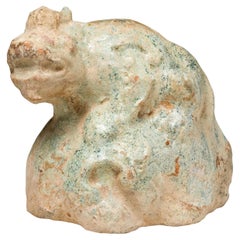
Green-glazed model of a Haitai, Han dynasty
Located in seoul, KR
This Han Dynasty green-glazed Haitai sculpture, though worn over time, retains its dynamic form.
Period : Han Dynasty (206 BC - 220 AD)
Medium : Earthenware with Green glaze
Provena...
Category
Antique 15th Century and Earlier Hong Kong Han Antiquities
Materials
Pottery
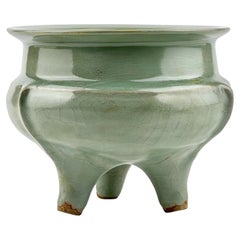
Rare Longquan Celadon Tripod Incense Burner, Song-Yuan Dynasty
Located in seoul, KR
The vessel features a compressed body supported by three tapered feet and a flat, outwardly flaring rim. Three slender flanges originate from a subtle ridge on the shoulder and exten...
Category
Antique 15th Century and Earlier Hong Kong Antiquities
Materials
Celadon
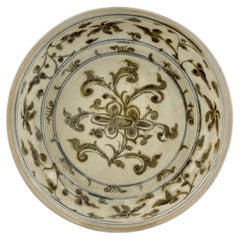
Rare Annamese Brown Dish Circa 15th Century, Le Dynasty
Located in seoul, KR
A rare brown colored stoneware dish with a central floral motif, likely a lotus, which is a recurrent symbol in Asian art representing purity and beauty. The design's fluidity and or...
Category
Antique 15th Century and Earlier Vietnamese Antiquities
Materials
Stoneware
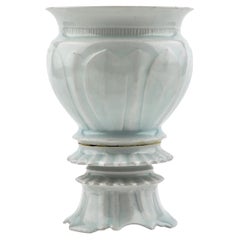
Qingbai Lotus Censer, Song Dynasty
Located in seoul, KR
This exquisite Qingbai piece, acquired in Hong Kong in the late 1990s, is a high-quality artifact from the Southern Song Dynasty, likely produced at the Hutian Kiln. The base exhibit...
Category
Antique 15th Century and Earlier Hong Kong Antiquities
Materials
Ceramic
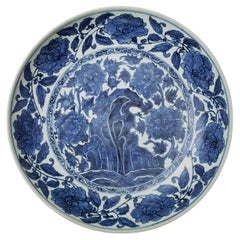
Large Rare Blue and White with
Rockwork and Flowers
Dish, Early Qing dynasty
Located in seoul, KR
This dish features a rockwork design that was popular during the Mid to Late Ming dynasties. The blue-and-white underglaze effectively captures the vibrant tones typical of the late Ming and early Qing periods. The detailed depiction of flowers, leaves, and rockwork is both rich and vivid. Due to its excavation from the seabed, the glaze in the central area shows signs of wear, particularly compared to the more preserved sides of the dish. Although it was soaked in hot water to remove the salt at the time of acquisition, slight salt residue remains on the surface.
Period : Qing Dynasty(Presumably Kangxi or Yongzheng Period)
Type : Dish
Medium : Blue and White glaze
Condition : Excellent(slight salt residue remains on the surface, and the glaze is worn primarily around the edges.)
Provenance: Southeast Asia, South China Sea from Shipwreck in early 2000s
Reference :
1) Christies Newyork 22 MAR 2018 - The Studio of the Clear Garden: Chinese Ceramics and Works of Art - Lot 604
(Price realised : USD 732,500 / Type : related - Ming style)
2) Sotheby's London 4 November 2020 - Imperial Porcelain – A Private Collection - Lot 19
(Price realised : GBP 75,600 / Type : related - Yuan style)
3) Asian Art Museum, San Francisco - Object number B60P88
(Type : related - Ming style)
4) Art Institute Chicago - Reference Number 1997.390 - Large Foliate Dish with Garden Rock and Plants
(Type : Closely related)
* Yuan-Ming Style from Qing Dynasty
During the Qing dynasty, many ceramics were produced that imitated the styles of the Ming and Yuan dynasties. This practice was not mere imitation but a creative endeavor to inherit and innovate upon past techniques and styles. Qing dynasty ceramicists mastered the exceptional techniques of Ming and Yuan ceramics and used them as a foundation to develop more advanced works. Particularly, Yuan dynasty blue and white porcelain...
Category
Antique Early 18th Century Vietnamese Qing Ceramics
Materials
Ceramic, Porcelain
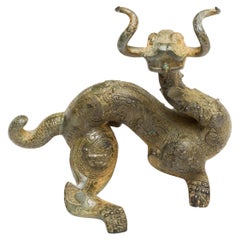
A Rare Gilt-Bronze Mythical Beast
Located in seoul, KR
Cast in bronze, this sculpture depicts a mythical beast with a sinuously curved body and an animated, rising posture. The overall form evokes a dragon or guardian creature, embodying...
Category
Antique 15th Century and Earlier Hong Kong Antiquities
Materials
Bronze
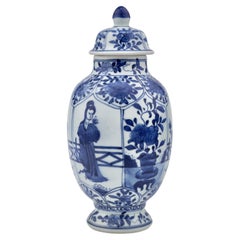
Blue And White Vase, Qing Dynasty, Kangxi Era, Circa 1690
Located in seoul, KR
Vung Tau Shipwreck Coralized Blue Underglazed Porcelain Lidded Vase. Almost perfectly Identical piece from Vietnamese Royal Family in United States provenance have been sold at other auction in California. This stunning porcelain lidded vase is elaborately decorated in a vivid blue underglaze with an ornate scene of concubines in a flower garden. The bottom of the vase bears a conch marking in underglazed blue, is a symbol of royalty, dignity and high rank, the 'Sacred Lungs of Buddha' and spiritual authority.
Period : Qing Dynasty, Kangxi reign
Production Date : 1690-1699
Made in : Jingdezhen
Destination : Amsterdam
Found/Acquired : Southeast Asia , South China Sea, Vung Tau Ship
Reference : Double checked with reference to the original catalogues
1) Christies Amsterdam 1992 - Vung Tau Cargo...
Category
Antique 1690s Vietnamese Qing Antiquities
Materials
Ceramic
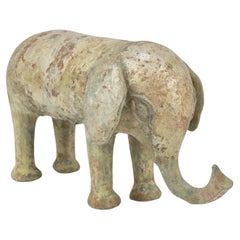
Green-Glazed Pottery Elephant, Han dynasty
Located in seoul, KR
This piece is an elephant statue made of green-glazed pottery. During the Han Dynasty, artworks depicting elephants were quite rare. However, such representations did occasionally appear. For example, the bronze vessel from the Han Dynasty housed in the Shanghai Museum is one of the notable examples of this type of craftsmanship. The existence of elephants in ancient China is attested both by archaeological evidence and by depictions in Chinese artwork. Long thought to belong to an extinct subspecies of the Asian elephant named Elephas maximus...
Category
Antique 15th Century and Earlier Hong Kong Han Antiquities
Materials
Pottery
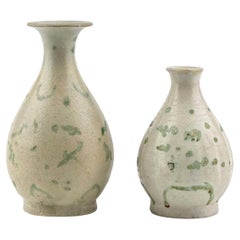
Two Annamese Small Yuhuchunping, 15th century, Le Dynasty
Located in seoul, KR
These 15th-century Annamese ceramics from Le dynasty, are notable for their rarity and refined design. The Yuhuchunping vases, with their elegant pear-shaped bodies and delicate blue...
Category
Antique 15th Century and Earlier Vietnamese Ming Antiquities
Materials
Ceramic, Stoneware
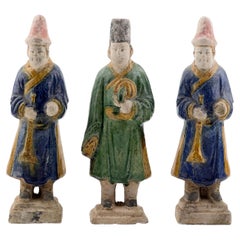
Three Glazed Figures of Musicians, Ming Period (1368-1644)
Located in seoul, KR
Statues of Chinese musicians crafted from terracotta, featuring glazes in green, blue with nice condition. Set on rectangular bases. Compared to other figures, musician figures are relatively rare, two figures with distinctive instrument from that era.
Period: Ming Dynasty
Medium: Green and Blue glazed Pottery
Type: Figure
Provenance : Acquired in early 2000s from Hongkong
Reference :
1) V&A Museum - Accession number C.1501913
(Type : Closely related)
* Ming Dynasty Glazed Pottery Figures
Ming Dynasty glazed pottery figures are renowned for their bold color palette, intricate detailing, and lifelike forms, distinguishing them from earlier traditions. These figures, which depict officials, warriors, animals, and mythical creatures, are characterized by high-gloss lead-based glazes in green, amber, ochre, and sancai (three-color) combinations. The thickly applied glaze pools in recesses, creating depth and enhancing sculptural details. With dynamic postures, expressive facial features, and meticulously rendered drapery, these figures reflect the period’s advancement in ceramic craftsmanship, offering a greater sense of movement and realism compared to the rigid and stylized forms of earlier dynasties.
A defining characteristic of Ming glazed pottery is its elaborate surface detailing, often achieved through raised relief elements and contrasting glazes. Equestrian figures, for example, feature carefully sculpted saddles, harnesses, and decorative embellishments, while human figures are adorned with intricate robes and headdresses. The large scale of these tomb figures, often more imposing than those from previous periods, underscores the increasing importance of funerary art during the Ming era. Unlike later Qing Dynasty figures...
Category
Antique 15th Century and Earlier Hong Kong Ming Antiquities
Materials
Pottery
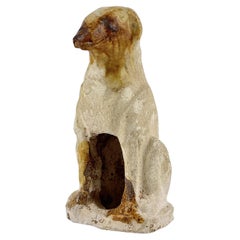
Amber-Glazed Pottery Figure of Dog
Located in seoul, KR
A Dog sitting on his haunches, covered in an amber glaze. Naturalistically modeled, the figure follows the artistic style of the period. It remains uncertain whether the glaze has wo...
Category
Antique 15th Century and Earlier Hong Kong Tang Antiquities
Materials
Pottery
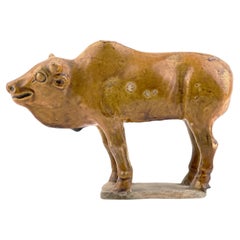
Amber-Glazed Pottery Figure of Sacred Bull
Located in seoul, KR
Naturalistically modelled, standing on a rectangular base with head facing forward and short tail curled to one side, incised details and covered overall in a rich chestnut glaze sav...
Category
Antique 15th Century and Earlier Hong Kong Tang Antiquities
Materials
Pottery
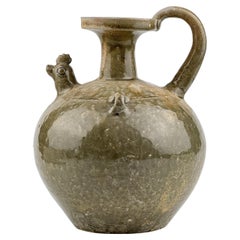
Rare Yue Celadon Chicken-Head Ewer, Jin-Southern Dynasty
Located in seoul, KR
Chicken-head ewers are among the most distinct and emblematic pottery pieces from the Han (206 BC ~ AD 220) to the Tang dynasties. Their production commenced during the Jin dynasty i...
Category
Antique 15th Century and Earlier Hong Kong Han Antiquities
Materials
Pottery
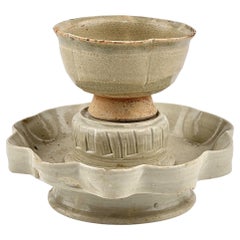
Stem Cup and Stand, Song Dynasty(960~1279)
Located in seoul, KR
Five-lobed cup, featuring a delicate rim, is supported by a short, gently spreading foot. The accompanying stand rises elegantly from a broad base to a plate with an elevated, foliat...
Category
Antique 15th Century and Earlier Hong Kong Antiquities
Materials
Ceramic
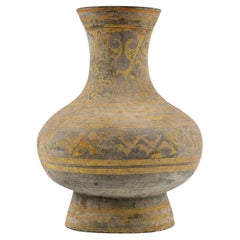
Earthenware Pottery Jar, Han Dynasty(206 BC-220 AD)
Located in seoul, KR
This jar would have served as a mortuary object (mingqi), placed in a tomb as a substitute for the more valuable bronze and lacquer vessels. Along with a variety of other funerary earthenware objects, attendant figures, and animals, richly decorated vessels of this kind were intended to serve the spirit of the deceased in the afterlife.
Period : Han dynasty
Type : Jar
Medium : Earthenware
Dimension : 28.5 cm(Height) x 11cm(Mouth Diameter)
Condition : Good(Overall in well-preserved ancient burial condition with some soil still adhering (showing minor abrasions and wear due to prolonged burial underground)
Provenance : Acquired in late 1990s from Hongkong
* Han Dynasty Earthenware...
Category
Antique 15th Century and Earlier Hong Kong Han Antiquities
Materials
Earthenware
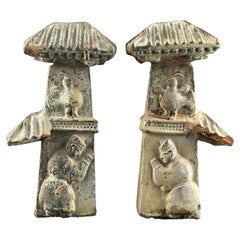
Gate Pillar, Han Dynasty(206BC-220AD)
Located in seoul, KR
The Han Dynasty gate pillar held by the Asian Art Museum in San Francisco and this gate pillar are the only known examples of their type worldwide, highlighting its extraordinary rar...
Category
Antique 15th Century and Earlier Hong Kong Han Antiquities
Materials
Earthenware

$7,980 / set
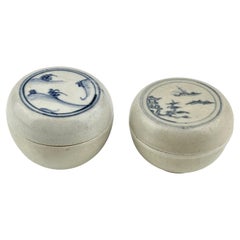
Two Annamese Miniature Covered Boxes with Scenary Motif, 15th century, Le Dynast
Located in seoul, KR
Vietnamese covered boxes with representative scenary designs. Both are made of cream-colored base and blue designs, typical of Annamese pottery. These shared characteristics highligh...
Category
Antique 15th Century and Earlier Vietnamese Ming Antiquities
Materials
Stoneware
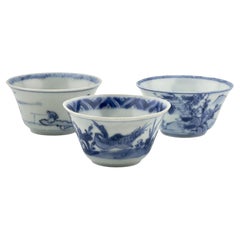
Three Chinoiserie Teabowl Set Circa 1725, Qing Dynasty, Yongzheng Reign
Located in seoul, KR
The left artwork is a classic blue-and-white porcelain teacup, adorned with a delicate landscape scene. The exterior of the cup features intricate details of trees, houses, mountains...
Category
Antique 1720s Vietnamese Qing Ceramics
Materials
Ceramic
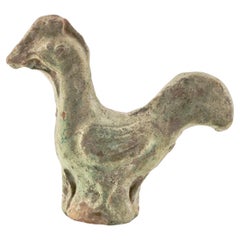
Green Glazed Pottery Figure of Rooster
Located in seoul, KR
The head is rounded, with minimal detailing of the beak, eyes, and comb. The neck is thick and solid, seamlessly transitioning into the body, which appears sturdy and compact, giving...
Category
Antique 15th Century and Earlier Hong Kong Han Antiquities
Materials
Pottery
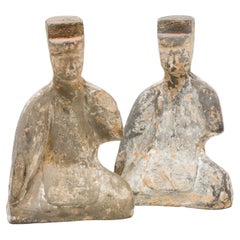
Two Pottery Kneeling Figures of Attendant
Located in seoul, KR
The statuette shows traces of the original red, black, and white pigmentation. Ceramic statuette from the han Dynasty, depicting two court people, probably a musician. They are dress...
Category
Antique 15th Century and Earlier Hong Kong Han Antiquities
Materials
Pottery
$3,790 / set
Two Glazed Court Attendants, Ming Period (1368-1644)
Located in seoul, KR
Two finely hollow-moulded terracotta statuettes from ancient China, dating to the Ming Dynasty. The figure is depicted standing, dressed in long, flowing robes, painted in vibrant blue or green and deep amber yellow. The hair is styled into an elaborate top-knot, painted in a muted brown. Areas left unpainted would have been 'cold-painted' after firing, contrasting with the vivid fired blue or green and amber pigments. The figure is shown with the left hand raised to the chest, as if holding something, possibly an offering or incense. Figurines like this were placed in tombs to guide the deceased on their journey to the afterlife.
The Ming Dynasty was known for its exceptional artistic achievements, partly due to its economic prosperity. Since the Han Dynasty, it was customary to bury terracotta miniatures of everyday objects with the deceased. These items, known as mingqi, or "spirit utensils" and "vessels for ghosts," were believed to help and assist the deceased in the afterlife. Mingqi were crafted in the form of cooking utensils, miniature replicas of houses, temples, furniture, and other items. Anthropomorphic and zoomorphic terracotta figures were also popular, designed to assist, entertain, and recreate the living world for the deceased.
Period: Ming Dynasty
Medium: Green/blue-glazed Pottery
Type: Figure
Provenance : Acquired in late 1990s from Hongkong
Reference :
1) Ancient & Oriental - Terracotta Tomb Attendants
(Type : Highly related)
2) La Maison De La Petite Sara S.r.l. - Archaeology section - A Black glazed Terracotta Statuette, Servant with Trumpet, Ming Dynasty
(Price realised : 700 GBP / Type : Highly related)
* Ming Dynasty Glazed Pottery Figures
Ming Dynasty glazed pottery figures are renowned for their bold color palette, intricate detailing, and lifelike forms, distinguishing them from earlier traditions. These figures, which depict officials, warriors, animals, and mythical creatures, are characterized by high-gloss lead-based glazes in green, amber, ochre, and sancai (three-color) combinations. The thickly applied glaze pools in recesses, creating depth and enhancing sculptural details. With dynamic postures, expressive facial features, and meticulously rendered drapery, these figures reflect the period’s advancement in ceramic craftsmanship, offering a greater sense of movement and realism compared to the rigid and stylized forms of earlier dynasties.
A defining characteristic of Ming glazed pottery is its elaborate surface detailing, often achieved through raised relief elements and contrasting glazes. Equestrian figures, for example, feature carefully sculpted saddles, harnesses, and decorative embellishments, while human figures are adorned with intricate robes and headdresses. The large scale of these tomb figures, often more imposing than those from previous periods, underscores the increasing importance of funerary art during the Ming era. Unlike later Qing Dynasty figures...
Category
Antique 15th Century and Earlier Hong Kong Ming Antiquities
Materials
Pottery

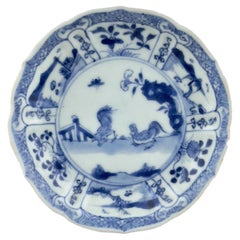
Chicken Pattern Blue and White Saucer c 1725, Qing Dynasty, Yongzheng Era
Located in seoul, KR
Two roosters are depicted with great precision and skill, surrounded by a landscape featuring rocks and a railing. The motif of roosters and natural elements is traditionally symboli...
Category
Antique 1720s Vietnamese Qing Antiquities
Materials
Ceramic, Porcelain
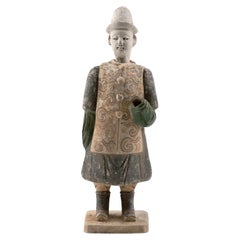
Rare Figure of an Attendant Wearing Swirling Vest, Ming Dynasty(1368-1644)
Located in seoul, KR
Statues of attendant crafted from terracotta, dressed in a black coat-like garment with a vest adorned with swirling patterns. Set on rectangular bases.
Period: Ming Dynasty
Medium...
Category
Antique 15th Century and Earlier Hong Kong Ming Antiquities
Materials
Pottery
Three Annamese Stoneware Miniature Jarlets, 15th Century, Le Dynasty
Located in seoul, KR
In the shape of a tower(Chess) with blue decoration on the body, chocolate ring on the base.
Dates : 15th century Le Dynasty
Region : North Annam(Viet...
Category
Antique 15th Century and Earlier Vietnamese Antiquities
Materials
Stoneware